[analyse_image type=”featured” src=”https://images.euronews.com/articles/stories/09/97/30/68/1200x675_cmsv2_a339874a-9af8-54a6-891e-30f5357aa8a6-9973068.jpg”]

Oleshky evacuees arrive in Belarus amid localised truce

Poland crisis explained: a dispute over legitimacy and the courts

Latest news bulletin | October 31st, 2026 – Midday

Poland political crisis: Constitutional court in chaos
EU countries pledge 20.5mn diesel barrels as winter supply fears grow
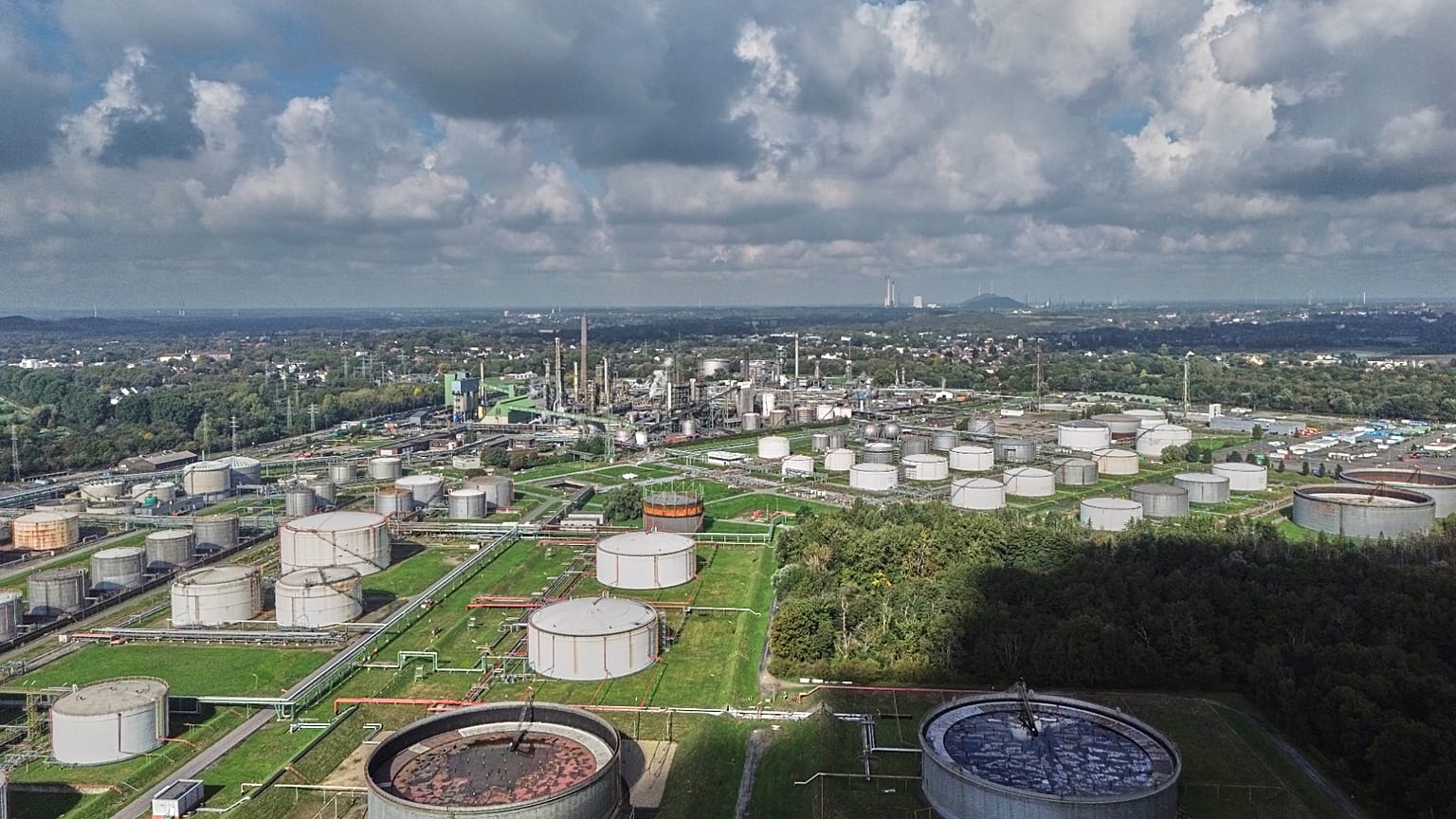
A tank farm is pictured at the Klesch oil refinery (formerly BP) where diesel, gasoline and heating oil are produced in Gelsenkirchen, Germany, Friday, Oct. 2, 2026.
– Copyright AP Photo / Martin Meissner

 Facebook
 Twitter
 Flipboard
 Send
 Reddit
 Linkedin
 Messenger
 Telegram
 VK
 Bluesky
 Threads
 Whatsapp

The eleven countries also urged Brussels to ensure the bloc has functioning refineries capable of turning crude oil into the products its economy consumes, like diesel or jet fuel.
Eleven EU countries have pledged to release 20.5 million barrels of diesel from strategic reserves by the end of January 2027, as persistent instability in the Middle East raises concerns over fuel supplies ahead of winter, according to a document seen by Euronews.
 ADVERTISEMENTADVERTISEMENT
Belgium, Denmark, France, Germany, Greece, Italy, Lithuania, Luxembourg, the Netherlands, Portugal and Sweden agreed to release new diesel barrels following the G7 leaders’ statement on energy security and an urgent call for action from the IEA.
“We, the undersigned EU members of the International Energy Agency (IEA), have taken and are taking decisive actions to increase the supply of crude and refined products in the short term through the release of significant volumes of strategic reserves, including diesel,” reads the joint declaration.
The initiative was presented by French Energy Minister Roland Lescure on the sidelines of the gathering of energy ministers in Luxembourg on 29 October.
It unveiled the release of 42.6 million barrels of oil and refined products in March under a collective action coordinated by the Paris-based IEA.
Nearly half of the refined products are diesel, which the European Commission’s oil monitoring group has described as “remaining tight”.
While Brussels maintains that “physical shortages” are not foreseen, Energy Commissioner Dan Jørgensen argued that skyrocketing prices will end up depriving the most vulnerable.
Brent crude oil was trading at $112 on 20 October, up from the $40 pre-war levels.
The EU is exposed to diesel disruptions in refined fuel markets, which affect road transport, freight, agriculture and industry.
Releasing strategic stocks, under pressure from the United States administration, could help increase immediate supply and ease market pressures.
However, analysts see it as a temporary measure and not a solution to underlying vulnerabilities in the bloc’s energy system.
Brussels urged to increase oversight of stock releases
The eleven governments urged the Commission to coordinate monitoring through the EU executive’s oil monitoring group.
They want Brussels to collect monthly data on the volumes released, the types of products and the timing of deliveries.
The aim is to give global markets greater visibility over the additional supply and help governments coordinate further responses if conditions deteriorate.
The declaration also highlights the importance of Europe’s refining industry.
The prolonged war in the Middle East, including attacks on Gulf refineries, and Ukrainian strikes on Russian refineries have put further strain on an already tight global diesel market, driving up energy prices.
EU governments want the Commission-led oil group to monitor refinery output and encourage producers to increase capacity where possible.
The Commission has recently launched a strategic dialogue with European refineries and fuel producers to strengthen security of supply.
Given the scale of the disruption, Brussels recognised the bloc needs functioning refineries capable of turning crude into the products its economy consumes.
Strategic stock releases can bridge temporary shortages, but only for a short time.
Analysts argue emergency oil stocks can’t compensate for disruptions to refining capacity or international supply chains.
FuelsEurope, the trade body representing the European refining industry, said the bloc needs an “approach that protects the competitiveness of its refining industry”. It also asked Brussels to create the necessary investment conditions for its transformation.
Overall progress is due to be reviewed at the 10 December gathering of EU energy ministers, giving them an opportunity to assess implementation before the January deadline.
Go to accessibility shortcuts
Read more
IEA warns diesel prices in Europe could rise as global crunch lasts into 2027
G7 agrees 100 million-barrel emergency oil release amid US pressure over diesel
‘Releasing strategic reserves is a possibility,’ EU energy chief tells Euronews as diesel squeeze bites

Poland political crisis: Constitutional court in chaos

Poland crisis explained: a dispute over legitimacy and the courts

France braces for protests: 70,000 police, curfews and Halloween fears

France aims for ‘responsible’ 2027 budget as Fitch downgrades outlook

Where in Europe do people spend over 40% of their income on housing?
Nawrocki cuts short trip to Senegal amid court ‘coup d’état’ claims
Where in Europe do people spend over 40% of their income on housing?
‘I cannot remain neutral’: Lagarde explains her early ECB exit
US cancels G20 photo after EU diplomats object to Russia’s Lavrov
What happens to the brain when you eat peanuts daily? New study reveals striking results
[analyse_source url=”https://www.euronews.com/2026/10/30/eu-countries-pledge-205mn-diesel-barrels-as-winter-supply-fears-grow”]