[analyse_image type=”featured” src=”https://images.euronews.com/articles/stories/09/95/24/22/1200x675_cmsv2_3b9d21cd-5578-5088-a8b1-436fe23672e8-9952422.jpg”]

BBC asks court to compel Trump deposition in €8.6bn defamation case

Europeans ‘far more united’ on China after Berlin pivot: Barkin

Unicredit cleared by ECB to take control of Commerzbank

Middle East and Asian leaders gather in Baku despite disagreements
Mental health at work starts by breaking the taboo, EU agency says
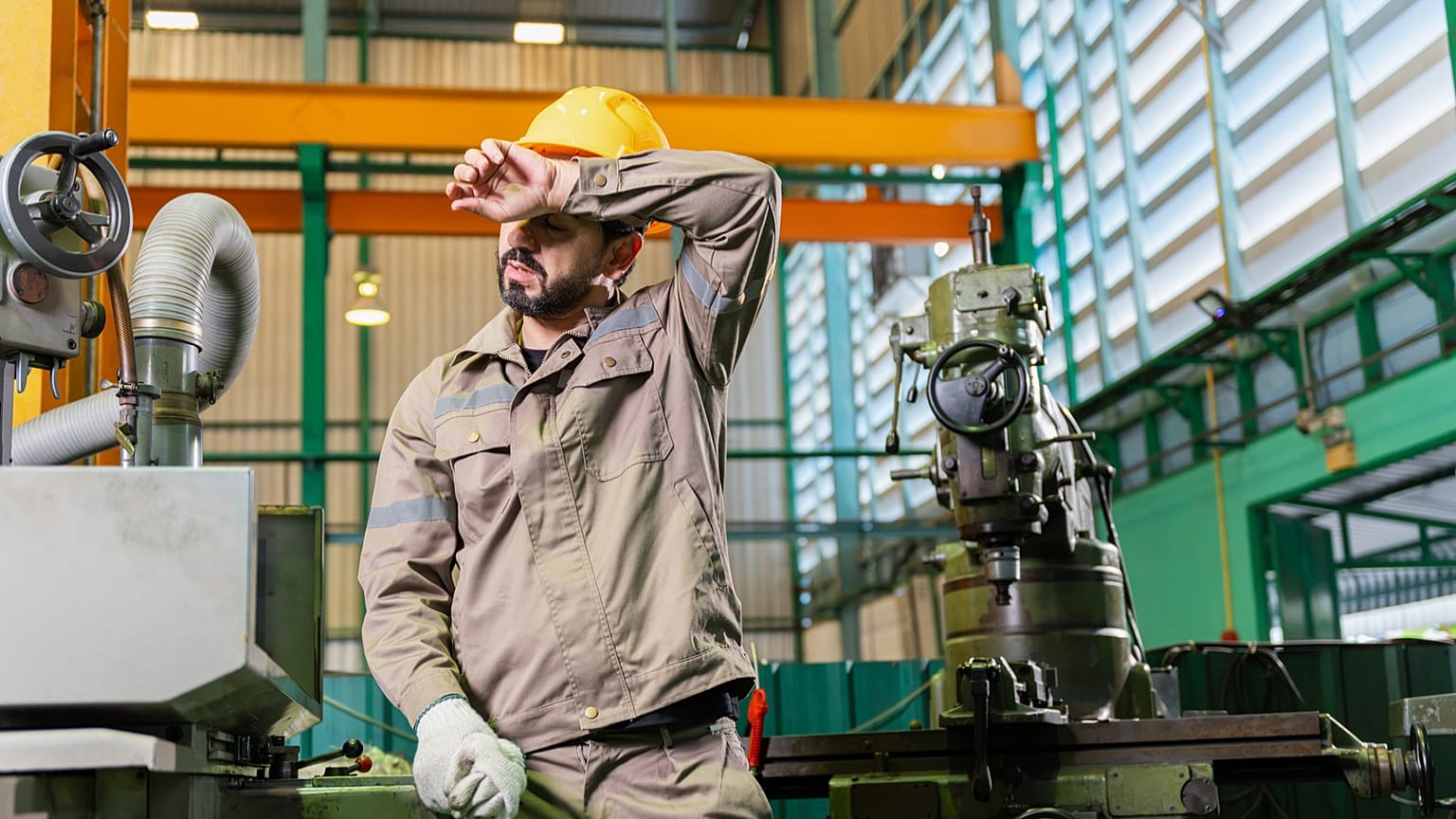
The first step towardson mental health at work is to ‘actually talk about it’, says EU agency.
– Copyright Cleared/Canva

 Facebook
 Twitter
 Flipboard
 Send
Send Reddit
 Linkedin
 Messenger
 Telegram
 VK
VK Bluesky
 Threads
 Whatsapp
Nearly half of European workers face mental health risks on the job, yet the subject remains taboo.
Health and safety is the backbone of working life. However, as workplaces and working practices evolve, new challenges emerge while old ones remain unsolved.
 ADVERTISEMENTADVERTISEMENT
Against a backdrop of staff shortages and ageing populations, Europe’s workforce is battling poor mental health; however, the issue is still not being recognised at workplaces, William Cockburn, EU-OSHA executive director, told Euronews.
“Whether we’re asking employers or workers, they identify a reluctance to speak openly about mental health issues as the … main obstacle to actually taking action,” he said.
Many EU employees say their jobs are hurting their mental health. Nearly half of workers (45%) face risks to their mental health on the job, according to the European Agency for Safety and Health at Work (EU-OSHA).
“We see psychosocial risks at the workplace, for example, long working hours, highly intense work, emotionally demanding tasks … and we link that to increased impact on workers’ health,” Cockburn said.
Around 44% of workers report severe time pressure or overload. According to the European Trade Union Institute (ETUI), work-related depression costs the EU more than €100 billion a year, when absenteeism, reduced productivity, and healthcare and wider social costs are combined.
Despite the burden these conditions place on employers, Cockburn said a reluctance to talk and persistent stigma among workers are slowing action.
So, what can be done about it?
For Cockburn, mental health issues “need to be addressed like physical health issues at work”.
The approach, he noted, is to assess the risks first and then adapt whatever is needed to minimise harm.
“We identify hazards like long working hours, like adverse relationships at work … to an extreme you can go to bullying and harassment, violence or threats of violence,” he added.
Workers should be part of the conversation
While many see mental health as a personal issue, Esther Lynch, general secretary of the European Trade Union Confederation (ETUC), argues that prevention should focus on the workplace rather than on the individual affected.
“We don’t wait until people have a finger chopped off before we put guardrails in place,” Lynch said. “We do a risk assessment and say what’s the risk associated with the way this work is carried out and then we put the guardrails in place”.
To achieve this, experts agree, workers must be part of the conversation. Yet only 45% say they are consulted about the stressful aspects of their jobs, according to EU-OSHA.
“Worker participation is a legal obligation under European law, but it’s also a key success factor for successful interventions in health and safety at work,” said Cockburn.
This week, the European Commission launched the Healthy Workplaces campaign, an initiative to help employers prevent, assess and manage psychosocial risks at work. One of its aims is to overcome this reluctance to speak about mental health struggles.
“When we invest in building and keeping healthy working environments, we improve not only people’s well-being, we reduce sick leave and staff turnover; we improve performance, and we don’t put pressure on our health systems,” said Roxana Mînzatu, executive vice-president for social rights and jobs, at the campaign’s launch on Tuesday. “It’s a win-win for everyone.”
Go to accessibility shortcuts
Read more

West Nile virus cases in Europe hit record highs as it spreads north
Kenya reports second Ebola case but sees no wider spread

Lung surgery technique on Pope was developed in Spain
West Nile virus cases in Europe hit record highs as it spreads north
Kenya reports second Ebola case but sees no wider spread
Lung surgery technique on Pope was developed in Spain

West Nile virus cases in Europe hit record highs as it spreads north
Kenya reports second Ebola case but sees no wider spread

Climate change is putting Europe’s brain health at risk
Can AI help healthcare move from treatment to prevention?

Lung surgery technique on Pope was developed in Spain
Mental health at work starts by breaking the taboo
Climate change is putting Europe’s brain health at risk
AI in healthcare: from fighting epidemics to family doctors
COVID: Should we fear a new winter wave?
Lung surgery technique on Pope was developed in Spain
[analyse_source url=”https://www.euronews.com/2026/10/15/mental-health-at-work-starts-by-breaking-the-taboo-eu-agency-says”]