[analyse_image type=”featured” src=”https://images.euronews.com/articles/stories/09/94/88/61/1200x675_cmsv2_30dcf554-00ab-53d2-b6aa-2a28c33d5cfb-9948861.jpg”]

EU struggles to ramp up Red Sea mission as Houthis escalate attacks
UK PM Burnham says ‘status quo’ with EU ‘not good enough’

EU’s China trade breakthrough risks taking pressure off Beijing

Latest news bulletin | October 12th, 2026 – Evening
EU struggles to ramp up Red Sea mission as Houthis escalate attacks
UK PM Burnham says ‘status quo’ with EU ‘not good enough’
EU’s China trade breakthrough risks taking pressure off Beijing
Latest news bulletin | October 12th, 2026 – Evening
What to know about Pope Leo XIV’s upcoming lung surgery
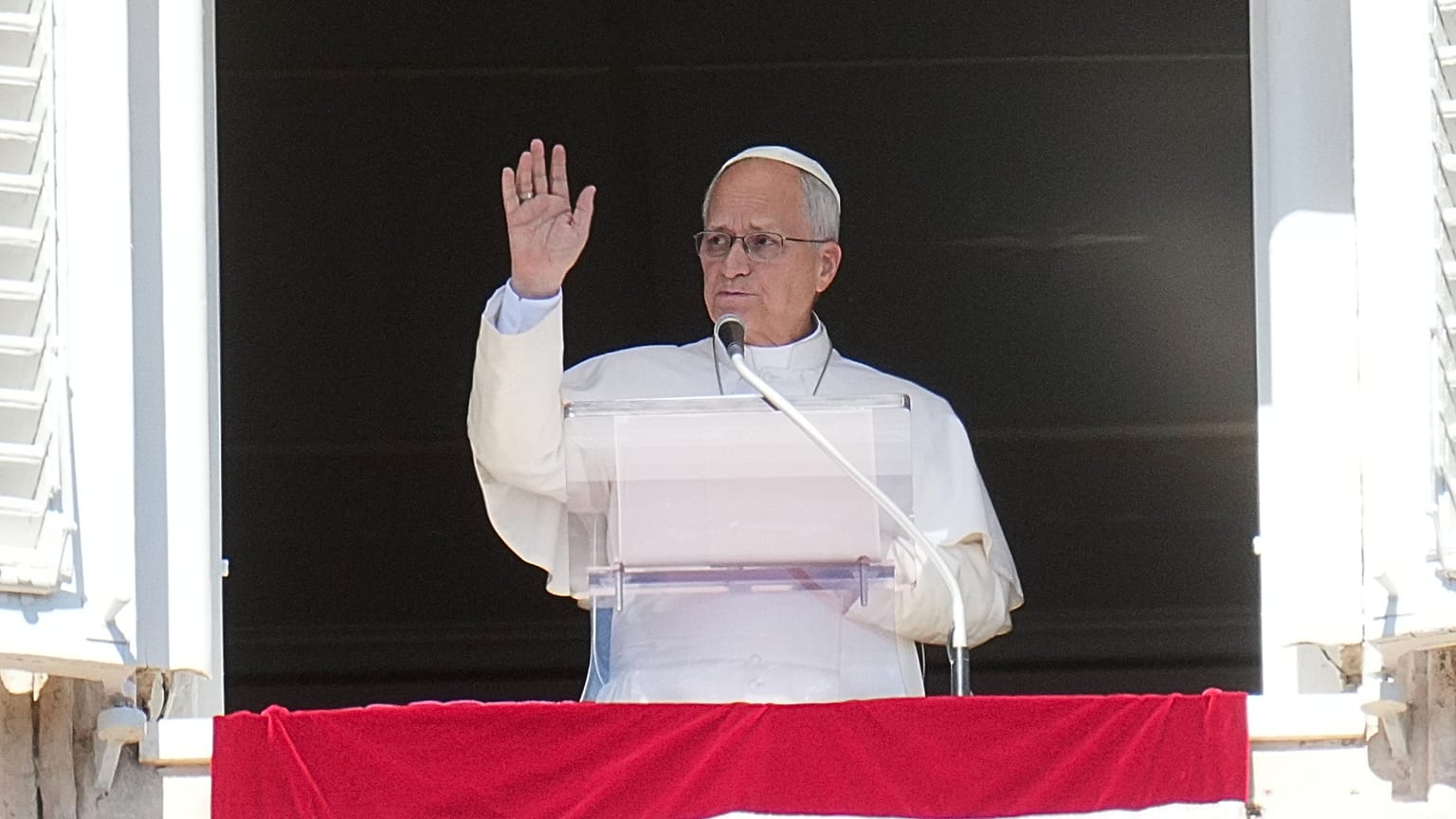
Pope Leo XIV delivers the Angelus prayer in St. Peter’s Square at the Vatican, Sunday, Oct. 11, 2026.
– Copyright AP Photo/Gregorio Borgia

 Facebook
 Twitter
 Flipboard
 Send
Send Reddit
 Linkedin
 Messenger
 Telegram
 VK
VK Bluesky
 Threads
 Whatsapp
Pope Leo XIV is to undergo surgery this week to remove a lung nodule — a small growth of dense tissue inside the lung. Here is what to know about the procedure.
Pope Leo XIV is scheduled to have an operation in the “coming days” to remove “a localised nodule” in his lung that was “detected at a very early stage.” It is the first medical event of his 17-month papacy and the first time a pope has made a personal medical announcement of this kind.
 ADVERTISEMENTADVERTISEMENT
Speaking on Sunday during his weekly address in St Peter’s Square, the 71-year-old pontiff said doctors found the nodule during “recent checkups” and believed intervention was best option.
“I have decided to undergo surgery to have it removed,” he said.
What is a pulmonary nodule?
Pulmonary nodules are round areas in the lung where the tissue is abnormally dense. They are usually non-cancerous; most small ones cause no symptoms and are discovered only during checks for other health issues.
However, a small percentage can signal an early-stage lung cancer. The risk is higher in older people, smokers and those with a family history of the disease.
If the nodule is cancerous and removed at an early stage, the prognosis is “excellent,” and surgery alone may be sufficient treatment, Stephen Liu, a lung cancer expert at Georgetown’s Lombardi Comprehensive Cancer Center, told the Associated Press.
How common are they and what causes them?
Lung nodules are very common and appear in roughly one-third to one-half of all chest CT scans or X-rays. Diagnoses are increasing as medical imaging technology and routine scans become more widespread.
Pulmonary nodules fall into two main categories: cancerous (malignant) and non-cancerous (benign).
Benign nodules, the most common type, can result from lung infections, such as pneumonia, or from inflammation. Malignant ones are caused by lung cancer or by cancer that has spread elsewhere in the body.
How is the surgery and the recovery?
The operation to remove a nodule is normally carried out under general anaesthetic, with the patient breathing through a tube.
The Vatican said the pontiff will undergo surgery early this week and is expected to remain in the hospital for about a week afterwards to recover.
The pope will be treated at Rome’s Agostino Gemelli Polyclinic, a private non-profit Catholic teaching hospital. The facility has a special apartment set up for pontiffs, which includes a meeting room for medical staff, a kitchen, a bathroom, rest areas and a small chapel.
Pope Leo’s immediate predecessor, Pope Francis, was treated there during a long illness, prompted by a respiratory crisis before his death in April 2025.
Who is in charge while the Pope is in surgery?
The Vatican has no specific rules governing who takes over if a pontiff becomes totally incapacitated. Even while unconscious during surgery, Pope Leo remains pope and retains his authority.
Pope Francis remained in charge throughout his lengthy hospitalisations, as did St John Paul II before him. Both made appointments and issued laws and statements from the hospital.
Medical advances and popes’ longer lifespans, however, have highlighted this gap in church law and prompted calls for the Vatican to prepare for a pope becoming too ill or incapacitated to govern.
Go to accessibility shortcuts
Read more

Addictive behaviour is falling among Portuguese teens, except some
Silent killer: study finds most with high blood pressure unaware

Frozen testicular tissue transplant offers hope of restoring fertility
Addictive behaviour is falling among Portuguese teens, except some
Silent killer: study finds most with high blood pressure unaware
Frozen testicular tissue transplant offers hope of restoring fertility

Addictive behaviour is falling among Portuguese teens, except some
Barcelona team develops AI that detects ageing in blood stem cells
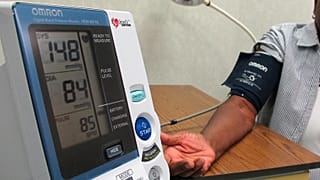
Silent killer: study finds most with high blood pressure unaware

Frozen testicular tissue transplant offers hope of restoring fertility

From barbershops to nature courses: What’s helping men’s mental health
COVID: Should we fear a new winter wave?
Addictive behaviour is falling among Portuguese teens, except some
Silent killer: study finds most with high blood pressure unaware
Longevity: why do Poles live shorter than Western Europeans?
Greece cuts emergency care waiting times by using QR codes for triage
[analyse_source url=”https://www.euronews.com/2026/10/12/what-to-know-about-pope-leo-xivs-upcoming-lung-surgery”]