[analyse_image type=”featured” src=”https://images.euronews.com/articles/stories/09/93/05/23/1200x675_cmsv2_3f12d391-1cd5-5f05-9b49-b5f28308435d-9930523.jpg”]

Sweden’s Andersson says ‘currently no possibility’ to form government

Pope Leo XIV wraps up four-day France visit in the city of Metz

National Rally’s Bardella denies report he made antisemitic remarks

SpaceX’s Starship reaches orbit for the first time
Sweden’s Andersson says ‘currently no possibility’ to form government
Pope Leo XIV wraps up four-day France visit in the city of Metz
National Rally’s Bardella denies report he made antisemitic remarks
SpaceX’s Starship reaches orbit for the first time
Radio frequencies vital to Earth observation must be protected, UN bodies say
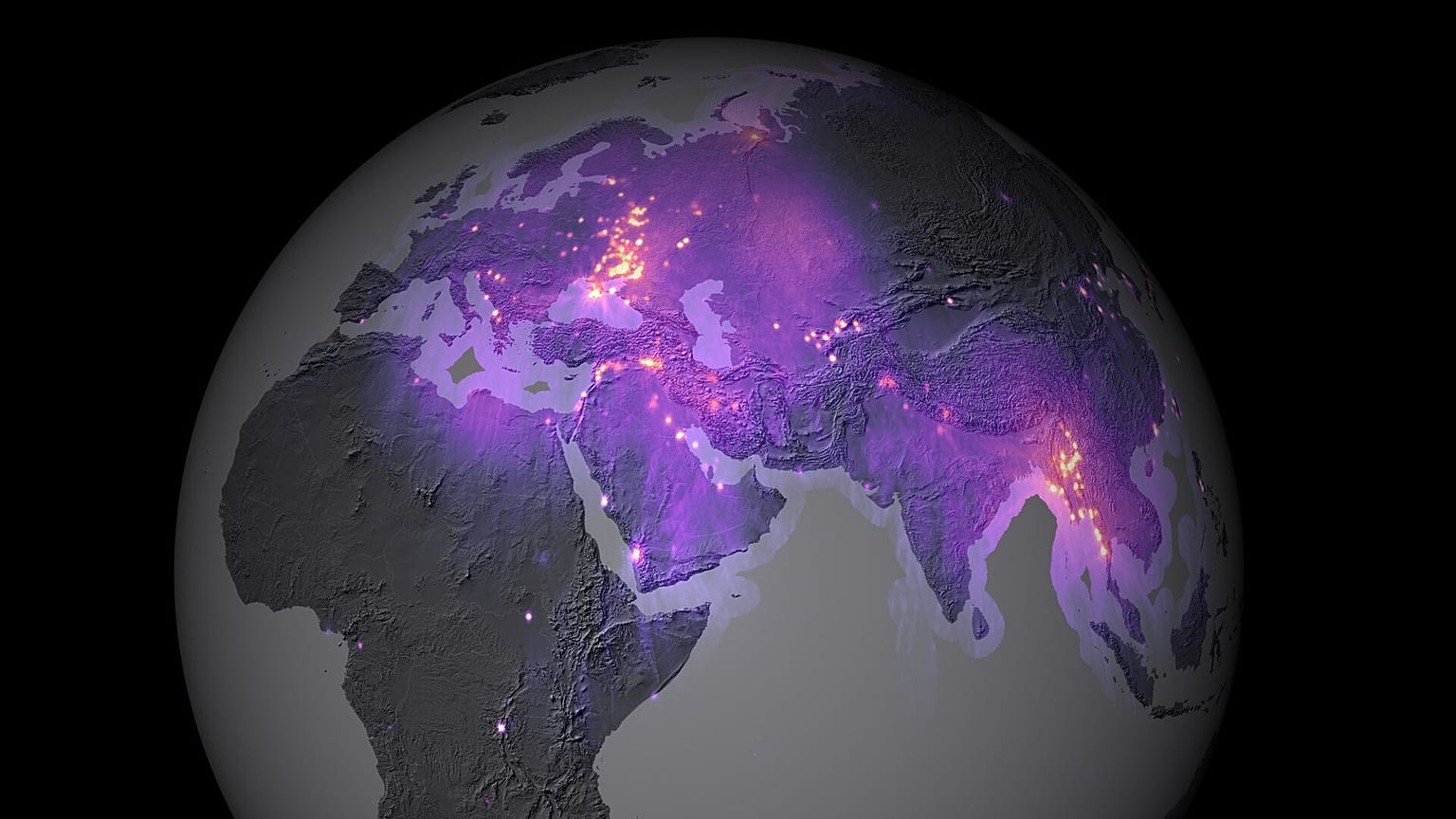
This map gives an example of the probability of interference during two weeks in February 2024
– Copyright ESA (data source: ERMIT-SMOS RFI team)

 Facebook
 Twitter
 Flipboard
 Send
 Reddit
 Linkedin
 Messenger
 Telegram
 VK
 Bluesky
 Threads
 Whatsapp
The UN cautioned that radio frequency interference could disrupt measurements and compromise the reliability of forecasts, affecting authorities’ ability to prepare for and respond to environmental hazards.
Radio frequencies needed for weather forecasts, early warning systems, climate monitoring and water management must be safeguarded against the growing threat of interference from emerging technologies, the United Nations said on Monday.
 ADVERTISEMENTADVERTISEMENT
Some sensors measure very weak naturally occurring signals at specific frequencies, making protection from harmful interference particularly important.
The systems enable observations of the atmosphere, oceans and land, and the transmission of data that supports life-saving early warnings, reliable weather forecasting and long-term climate monitoring.
But the UN telecommunications and weather agencies warned on Monday that increasing use of frequencies by other radio communications services, including wireless and satellite services, was raising the risk of interference affecting the frequency bands required for such systems.
They cautioned that radio frequency interference could disrupt measurements, reduce data quality or availability and thereby compromise the reliability of forecasts and alerts, affecting authorities’ ability to prepare for and respond to environmental hazards.
Meeting in Geneva this week for an expert seminar, the International Telecommunications Union (ITU) and the World Meteorological Organisation (WMO) are calling on governments and regulatory authorities to protect access to frequencies vital for meteorology.
“As we speak, satellites are measuring changes in our oceans and our atmosphere,” ITU head Doreen Bogdan-Martin told Monday’s event.
“Radars are tracking storms as they develop,” she explained, including the powerful Nor’easter storm that lashed her home region in the heavily populated US Northeast corridor at the weekend, knocking out power for thousands and killing at least one person.
Unique forecasts
“Interference-free spectrum keeps weather forecasts accurate, emergency alerts and warnings timely and climate data reliable so communities can prepare, respond and build resilience,” Bogdan-Martin stressed.
“Preventing harmful radio interference is a matter of public safety and can save lives.”
Weather radar, lightning location systems, aircraft and marine observation, hydrological monitoring and other vital systems all rely on these frequency bands to collect and exchange data.
Speaking to Monday’s gathering, WMO chief Celeste Saulo described how the systems worked.
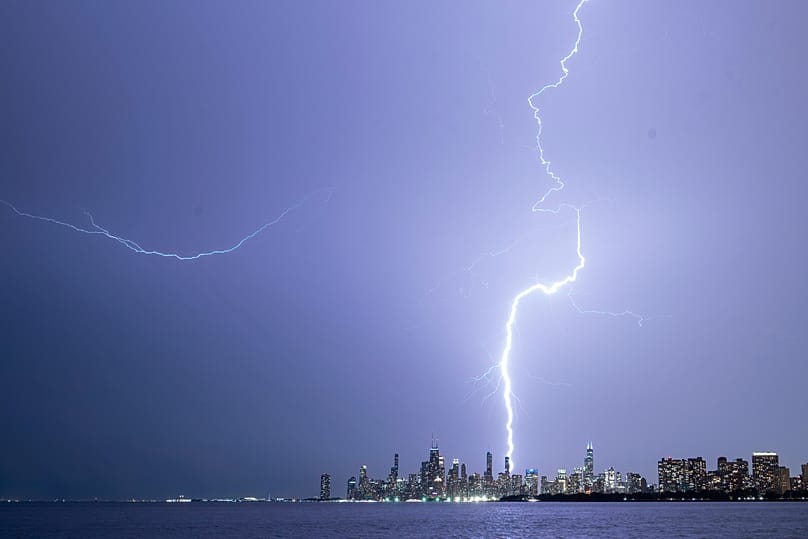
“A storm reveals itself in the faint natural signals it emits and in the echoes returned by the signals we send to prove it,” she said.
“Essentially, all of this happens because there is a physical relation between the size of a droplet and the size of ice crystals in the clouds and the frequency spectrum,” she pointed out.
These frequencies, she said, “enable observations that no other frequencies can provide.”
“These bands must be protected.”
Go to accessibility shortcuts
Read more
Water and food shortages are directly linked to climate change- expert
Von der Leyen unveils European Heatwave Plan in key speech

How 70 years of adaptation have cut flood deaths and damage in Europe
Water and food shortages are directly linked to climate change- expert
Von der Leyen unveils European Heatwave Plan in key speech
How 70 years of adaptation have cut flood deaths and damage in Europe

Nvidia launches platform to quarantine rogue AI agents in ‘milliseconds’
Europe’s AI demand could set off nuclear energy boom, says JP Morgan
North Korean hackers suspected in €332.8m crypto heist as it leads global hacks

Trump to dine with Anthropic chief Amodei despite months of conflict

From answering questions to carrying out complex tasks: The next phase of AI
Spain moves forward with plans to shorten the 40-hour working week
IFA Berlin 2026: Where AI meets everyday life
Drivers warned their modern vehicles are ‘wiretaps on wheels’
Which countries are embracing a 4-day workweek and how is it going?
Radio frequencies vital to Earth observation must be guarded, UN says
[analyse_source url=”https://www.euronews.com/2026/09/28/radio-frequencies-vital-to-earth-observation-must-be-protected-un-bodies-say”]