[analyse_image type=”featured” src=”https://images.euronews.com/articles/stories/09/92/80/61/1200x675_cmsv2_07e4c34d-4b74-5981-a105-8b384488b58e-9928061.jpg”]

Digging into the past: Greece launches living history digital archive

Ukraine: Russian drone barrage on Kyiv kills teenage boy and wounds 20 residents

Could your rooftop earn you a €1,000 ‘sunlight salary’?

Small businesses in France bears brunt of energy crisis
Digging into the past: Greece launches living history digital archive
Ukraine: Russian drone barrage on Kyiv kills teenage boy and wounds 20 residents
Could your rooftop earn you a €1,000 ‘sunlight salary’?
Small businesses in France bears brunt of energy crisis
Obesity and overweight cost European economies billions of euros a year, industry says
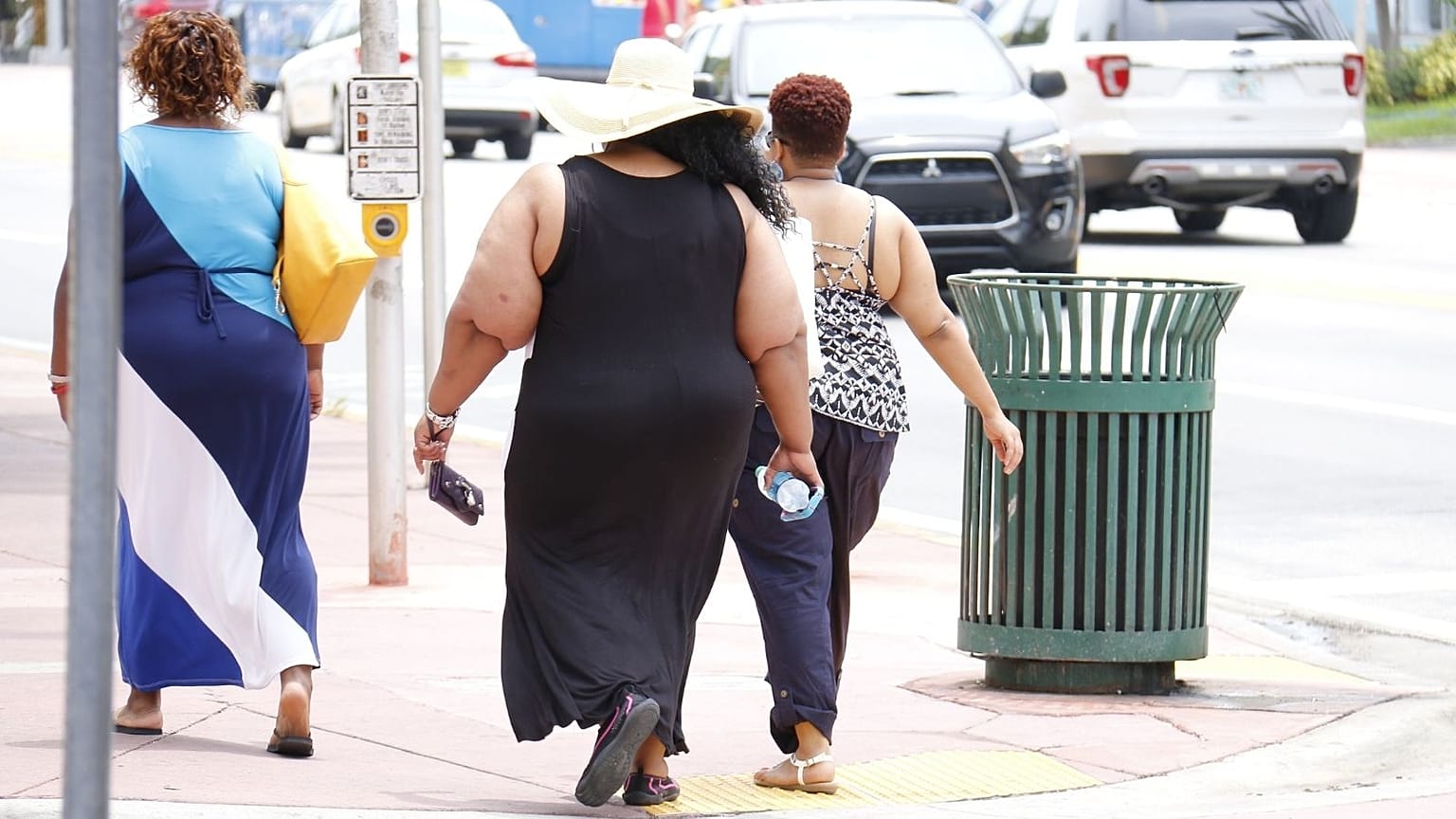
Obesity and overweight cost European economies billions of euros a year.
– Copyright Cleared/Canva

 Facebook
 Twitter
 Flipboard
 Send
Send Reddit
 Linkedin
 Messenger
 Telegram
 VK
VK Bluesky
 Threads
 Whatsapp
Obesity and overweight are costing European economies billions of euros every year, with the burden equivalent to what some countries spend on housing or defence, according to a pharmaceutical industry’s report.
Beyond the health impact, obesity and high body mass index (BMI) pose a growing burden for European economies, costing billions of euros annually through direct and indirect costs, according to a new pharmaceutical industry report.
 ADVERTISEMENTADVERTISEMENT
The total annual costs represent 0.7% to 1.4% of national GDP across Germany, France, Italy, Spain, Ireland, Greece, Romania and the United Kingdom, the countries analysed in the study conducted by the Office of Health Economics (OHE) for the pharmaceutical lobby EFPIA.
“Tackling obesity is vital for protecting citizens’ health and wellbeing, safeguarding our European health systems and ensuring sustainable growth in Europe,” said Nathalie Moll, director general at the European Federation of Pharmaceutical Industries (EFPIA), which financed the report.
As of 2024, 26% of adults in Europe were living with obesity, defined as a body mass index (BMI) of 30 or more, and an additional 30% were living with overweight, a situation that is expected to worsen. It is estimated that half of the world’s adult population will be living with overweight or obesity by 2035.
In Europe, the prevalence of overweight and obesity in adults has increased by 22%, while obesity alone has risen by more than 75% relative to 1990 levels.
How much money are countries spending?
Both obesity and overweight come at a high cost across Europe. Compared with other major areas of public spending, the report found that the economic burden of elevated BMI as a share of GDP is comparable to what some countries spend on housing and defence.
The estimated annual economic burden ranges from €2.5 billion in Romania to €55.2 billion in Germany. Total annual economic costs reach €43.2 billion in the UK, with Spain, Italy, and France each incurring around €20.0 billion.
As a percentage of GDP, costs attributable to elevated BMI range from 0.7% in Romania to 1.4% in Greece and the UK.
For Germany (1.3%), Spain (1.2%) and Ireland (1.1%), the share of their domestic economy attributable to elevated BMI exceeds the countries’ defence spending.
These translate into per capita costs ranging from €131 per Romanian resident to €662 per German resident.
A combination of direct and indirect costs
Obesity and overweight are linked to 278,000 deaths and the loss of 8 million years of healthy life across the eight countries analysed in the study alone.
Besides being a health problem in its own right, obesity is also a risk factor for non-communicable diseases, including type 2 diabetes, cardiovascular diseases, fatty liver disease, cancers, neurological disorders, chronic respiratory diseases and digestive disorders.
Costs derived from these conditions — also known as “direct costs” — amounted to €100.4 billion, with Germany accounting for the largest share, at €30 billion.
However, the report found a substantial additional share of costs indirectly linked to these conditions, known as “indirect costs”. These include losses from absenteeism, economic inactivity, informal care and premature mortality.
What can be done?
The report’s findings show that historical approaches to prevention and management “have not had the desired impact”.
“An urgent shift in perception, prevention, diagnosis and treatment is required to improve outcomes, reduce the burden of costs on health services, boost economic productivity and societal resilience,” Moll said.
The report provides recommendations to address the health and economic challenges posed by obesity and elevated BMI, ranging from recognising obesity as a disease and not just a risk factor to improving access to prevention and treatment.
Go to accessibility shortcuts
Read more

Could childhood sugar intake raise the risk of adult anxiety?

Greece sounds alarm over fake eye therapies: From iridology to ‘no-glasses’ exercises
Experimental project releases 30,000 mosquitoes in Lisbon that do not bite
Could childhood sugar intake raise the risk of adult anxiety?
Greece sounds alarm over fake eye therapies: From iridology to ‘no-glasses’ exercises
Experimental project releases 30,000 mosquitoes in Lisbon that do not bite

Could childhood sugar intake raise the risk of adult anxiety?
Experimental project releases 30,000 mosquitoes in Lisbon that do not bite

Greece sounds alarm over fake eye therapies: From iridology to ‘no-glasses’ exercises

Feeling lonely? This can cost you up to six healthy years

Europeans are exercising more. But who gets to take part?
COVID: Should we fear a new winter wave?
Experimental project releases 30,000 mosquitoes in Lisbon that do not bite
Could childhood sugar intake raise the risk of adult anxiety?
Greece sounds alarm over fake eye therapies: From iridology to ‘no-glasses’ exercises
Feeling lonely? This can cost you up to six healthy years
[analyse_source url=”https://www.euronews.com/2026/09/25/obesity-and-overweight-cost-european-economies-billions-of-euros-a-year-industry-says”]