[analyse_image type=”featured” src=”https://images.euronews.com/articles/stories/09/92/62/70/1200x675_cmsv2_ec9d7e53-2f2c-5d81-8760-1b7461cfd4a6-9926270.jpg”]

France’s €1 student meals put pressure on canteens

Europe misses out on €120 billion in investment a year, report finds

Mexican navy tall ship Cuauhtémoc returns to San Francisco after 17 years

Five EU states push Brussels to ease carbon costs for industry
France’s €1 student meals put pressure on canteens
Europe misses out on €120 billion in investment a year, report finds
Mexican navy tall ship Cuauhtémoc returns to San Francisco after 17 years
Five EU states push Brussels to ease carbon costs for industry
Experimental project releases 30,000 mosquitoes in Lisbon that do not bite
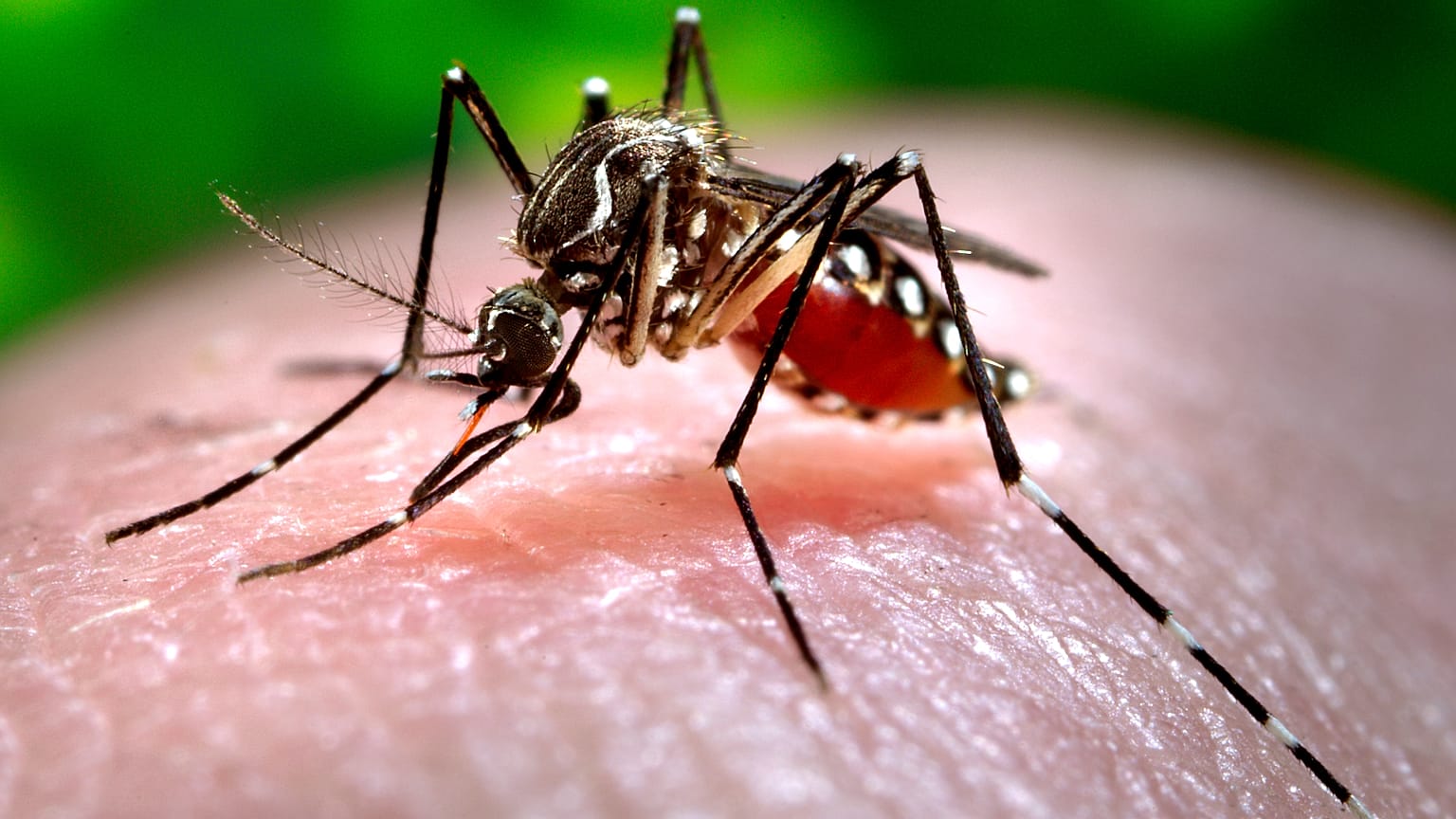
The Asian tiger mosquito is responsible for transmitting diseases such as dengue, Zika and yellow fever.
– Copyright AP Photo

 Facebook
 Twitter
 Flipboard
 Send
Send Reddit
 Linkedin
 Messenger
 Telegram
 VK
VK Bluesky
 Threads
 Whatsapp
Thirty thousand sterile male mosquitoes will be released on Thursday in Alvalade, Lisbon, in a final trial to curb the Asian tiger mosquito, which spreads dengue, zika and yellow fever.
Lisbon will release 30,000 mosquitoes this Thursday. Yes, you read that right, but rest assured, they don’t bite.
 ADVERTISEMENTADVERTISEMENT
They are sterile male Asian tiger mosquitoes belonging to the species ‘Aedes albopictus’ and will be released in the Lisbon parish of Alvalade. They are part of anexperimental project whose ultimate aim is to reduce the population of the Asian tiger mosquito, because of its implications for public health.
The project focuses on the Asian tiger mosquito because of its implications for public health, as it can transmit diseases such as dengue, Zika and yellow fever, with the risk arising if the mosquito bites an infected person and subsequently passes the pathogen on to another person.
This is not the first time this has been done. In total, 60,000 mosquitoes have already been released in Portugal and this will be the last release of this type of insect.
Speaking to the Lusa news agency, Afonso Moreira, a public health doctor at the Francisco George Public Health Unit of the Santa Maria Local Health Unit, explained that these mosquitoes were sterilised using a proven and safe technique.
“When we release them into areas where there is a population of this mosquito, they will essentially compete with the male mosquitoes that are already there, the wild mosquitoes,” said the project leader.
The aim is to assess whether this competition reduces the species’ reproduction, given that mating with sterile males does not produce offspring. And since only females need blood, reducing the number of wild males and the opportunities for reproduction would help control the number of mosquitoes of this species that can bite humans.
However, the researcher stressed that in this first phase the main objective is to understand how the released specimens behave, particularly their ability to disperse and survive in the intervention area.
If the results of the first stage are positive, further progress in the research is expected in May, with a comparative study between areas where the mosquito has been released and areas where it is being controlled.
Speaking to Lusa, Afonso Moreira stressed that the release of sterile mosquitoes is only one of the control measures, and argued that it remains essential to continue eliminating the places where this species breeds.
Go to accessibility shortcuts
Read more
Europe’s mosquito problem is getting harder to control
Mosquitoes have favourites — and each species has its own
Good vs bad mosquito: What is Google’s plan to fight deadly diseases?
Europe’s mosquito problem is getting harder to control
Mosquitoes have favourites — and each species has its own
Good vs bad mosquito: What is Google’s plan to fight deadly diseases?

Greece sounds alarm over fake eye therapies: From iridology to ‘no-glasses’ exercises

Feeling lonely? This can cost you up to six healthy years

Europeans are exercising more. But who gets to take part?

Most European men would try new contraception methods if available

World Cup viewers saw unhealthy ads every seven seconds
COVID: Should we fear a new winter wave?
Scientists discover first new antibiotics in over 60 years using AI
Feeling lonely? This can cost you up to six healthy years
Rare infections in pregnancy linked to intellectual disability, autism
Europeans are exercising more. But who gets to take part?
[analyse_source url=”https://www.euronews.com/2026/09/24/experimental-project-releases-30000-mosquitoes-in-lisbon-that-do-not-bite”]