{“@context”:”https://schema.org”,”@type”:”Article”,”image”:”https://car-images.bauersecure.com/wp-images/273060/bentley-torcal-20.jpg”,”mainEntityOfPage”:{“@type”:”WebPage”,”@id”:”https://www.carmagazine.co.uk/car-news/first-official-pictures/bentley/2027-torcal-details/”},”url”:”https://www.carmagazine.co.uk/car-news/first-official-pictures/bentley/2027-torcal-details/”,”author”:{“@type”:”Person”,”name”:”Angus MacKenzie”,”description”:”Angus MacKenzie is a respected automotive journalist based in the UK. Originally from Australia, MacKenzie followed in the footsteps of Doug Blain, Mel Nichols, Steve Cropley and Gavin Green in travelling halfway around the world to come and edit CAR magazine. nnnnHe led the title from 2002-2004 and still lives in Britain, where he specialises in covering the European car industry and freelances for a variety of titles.nnnnMacKenzie is international bureau chief of Motor Trend in the US and contributes to CAR magazine, The Road Rat and other titles.nnnnPrior to his work in the UK, MacKenzie worked for a raft of Australian titles in his homeland, ranging from Car Australia to Street Machine and Wheels. He worked for the latteru2019s special projects team before becoming news and features editor and eventually editor-in-chief of the seminal Aussie car mag.nnnnFollow him on social media via his X account here and you can find out more about him on his Linkedin page here.”,”image”:{“@type”:”ImageObject”,”url”:”https://car-assets.bauersecure.com/wp-images/202170/angus_mackenzie.jpg”,”caption”:”Angus MacKenzie”},”sameAs”:[“https://www.linkedin.com/in/angus-mackenzie-a2b300a0/”,”https://x.com/Angus_MacK”,”https://www.instagram.com/angus_mack/”],”url”:”https://www.carmagazine.co.uk/author/angus-mackenzie/”,”jobTitle”:”Contributor”},”dateModified”:”2026-09-23T19:15:00+01:00″,”datePublished”:”2026-09-23T19:15:00+01:00″,”headline”:”Bentley Torcal EV revealed: Creweu2019s most powerful car will be its cheapest”,”publisher”:{“@type”:”Organization”,”name”:”Bauer Media”,”brand”:{“@type”:”Organization”,”name”:”Car Magazine”},”logo”:{“@type”:”ImageObject”,”url”:”https://car-assets.bauersecure.com/images/logos/car.200×88.png”}}}
Bentley Torcal EV revealed: Crewe’s most powerful car will be its cheapest

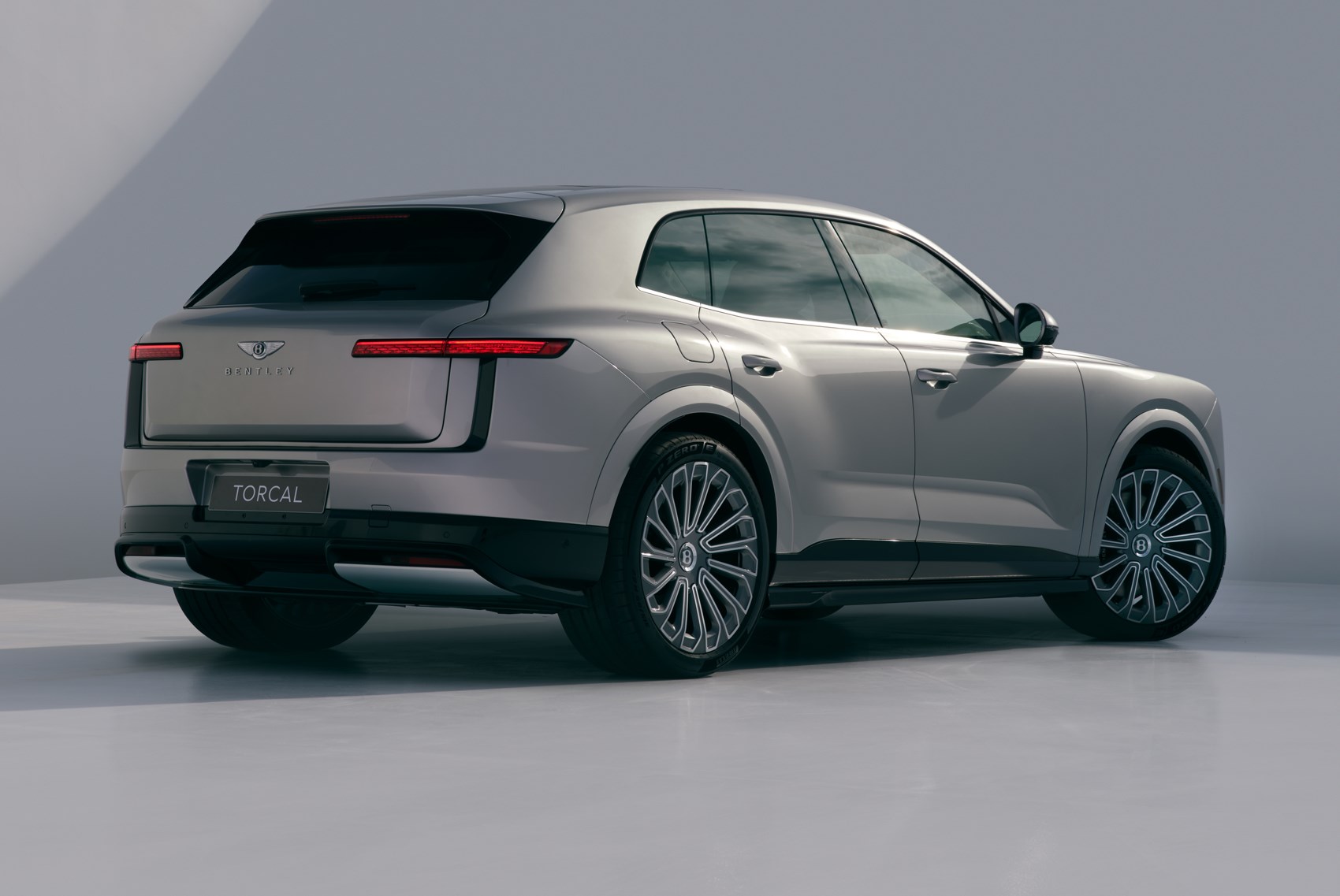
► New Bentley Torcal electric SUV is here
► First Crewe EV now brand’s most powerful car
► And yet it’ll be its cheapest, too
You’re looking at Bentley’s first ever electric production car. But, even if it’s propelled by motors instead of combustion power, that’s not to suggest the Torcal is a lesser Bentley. Far from it. This electric-powered SUV, the most powerful production Bentley ever built, may be the most carefully considered car in the marque’s 107-year history.
The Torcal debuts a new exterior design language that will be taken across the coming generation of PHEV and ICE Bentleys, along with a new take on Crewe’s trademark lavish interiors, and a rethink of Bentley’s ride and handling priorities.
So let’s dive right into the new Torcal, shall we?
That is… a look
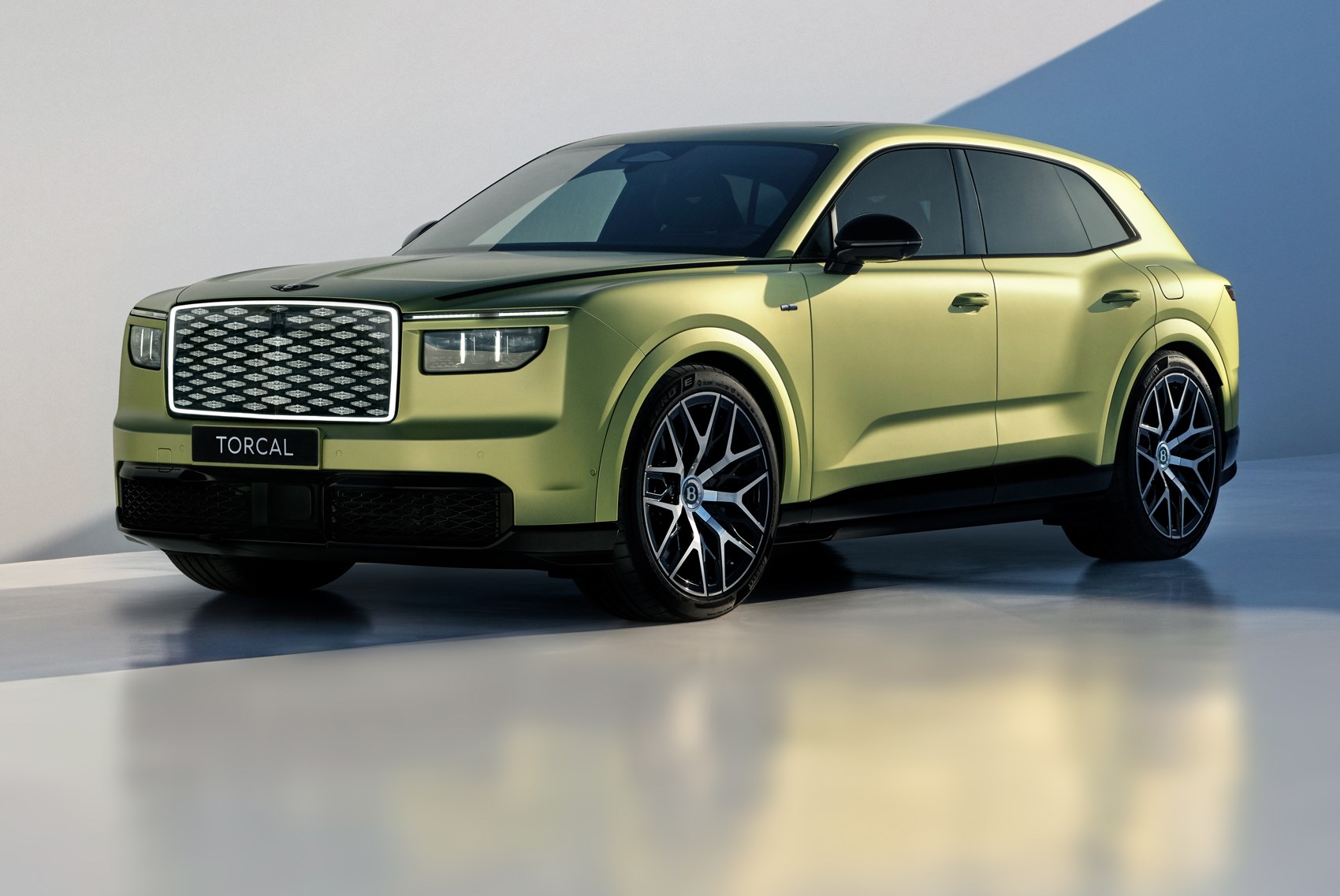
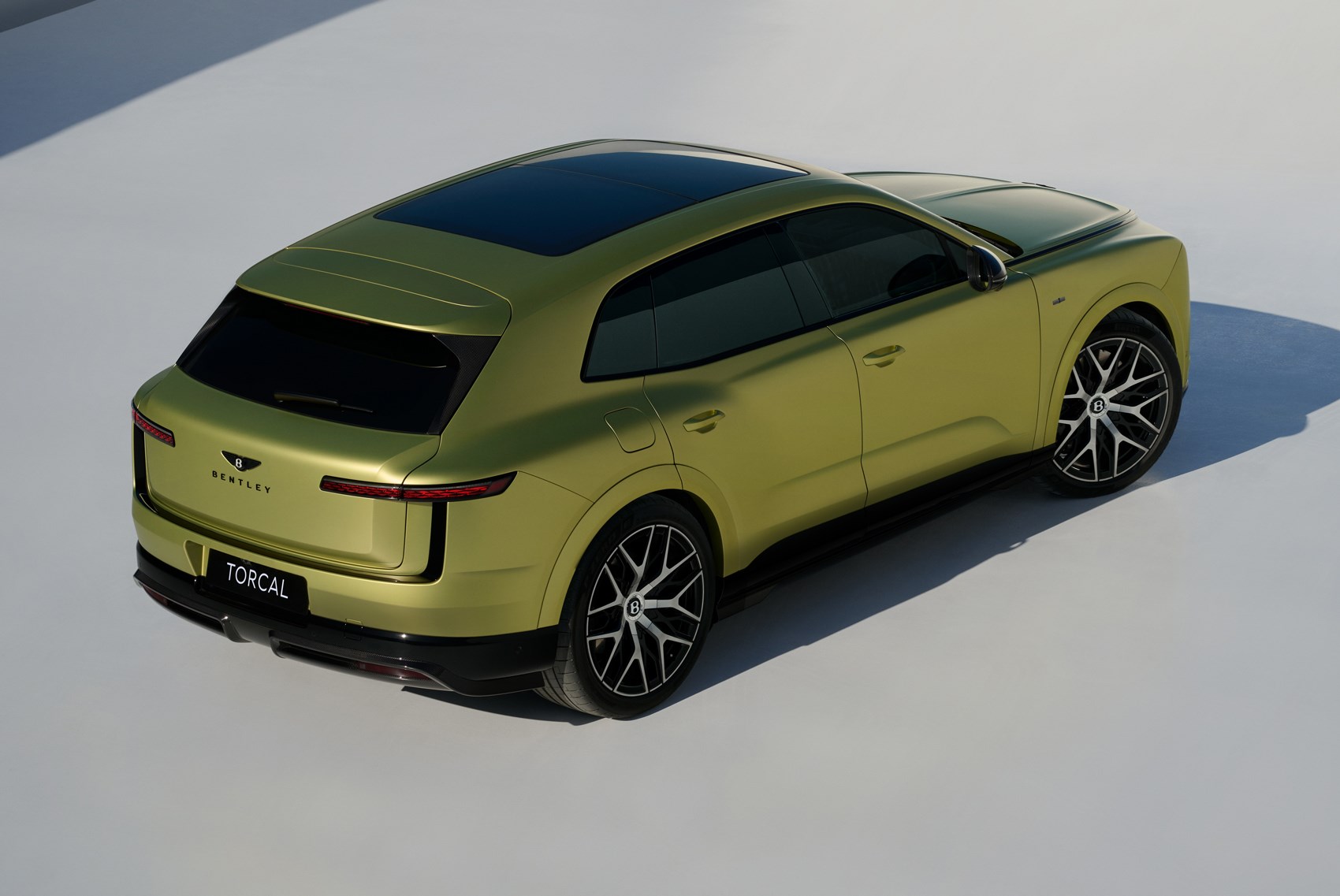
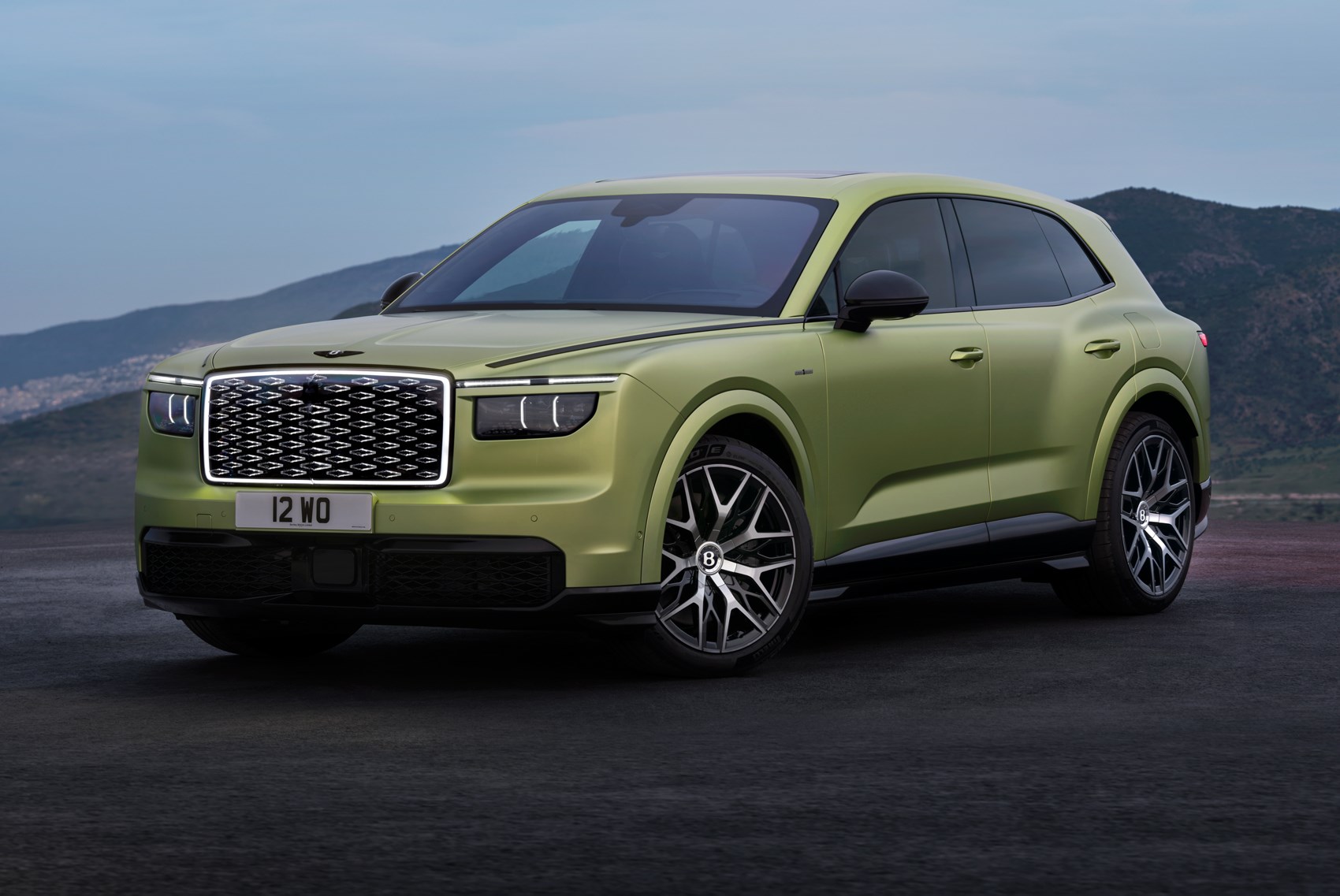
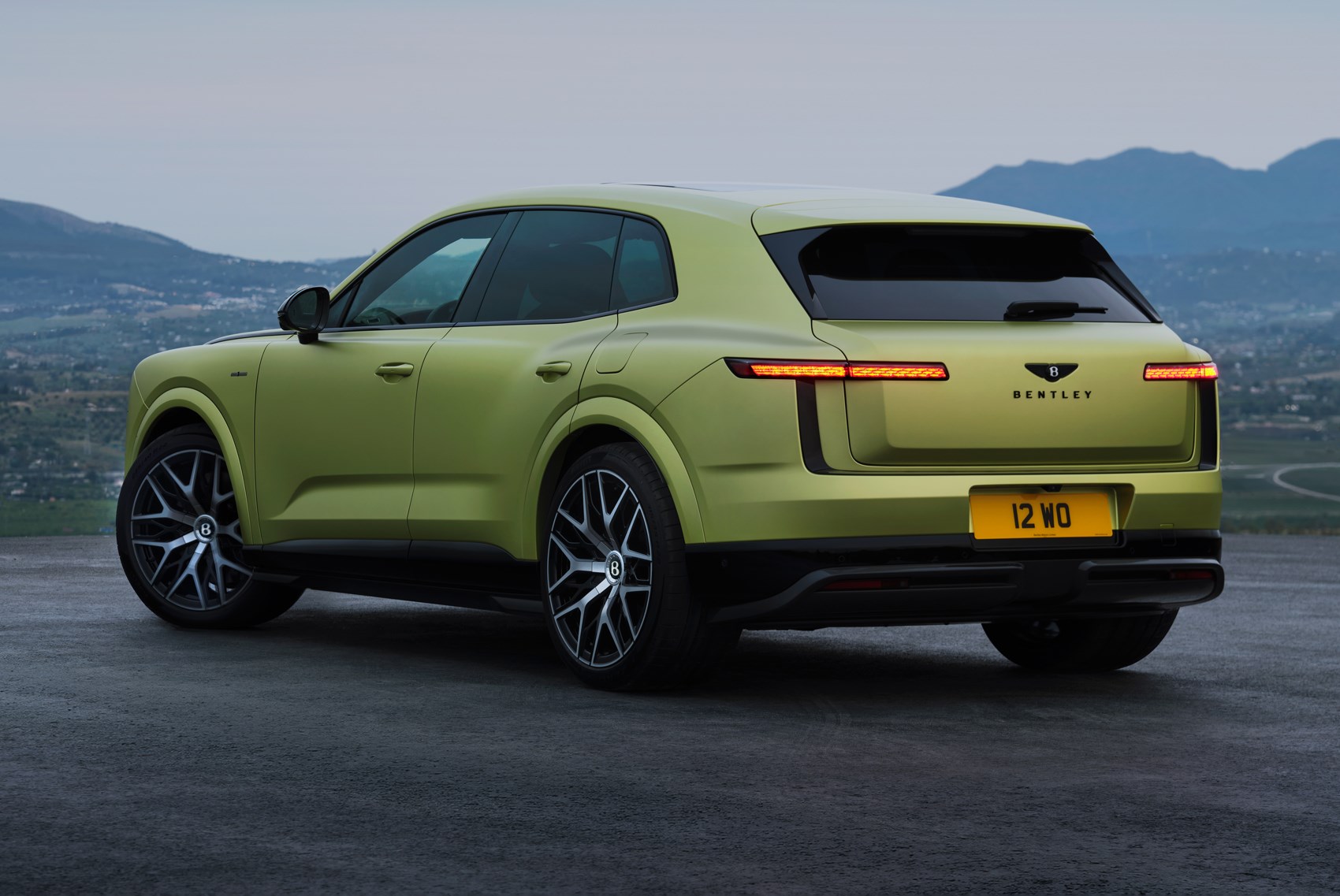
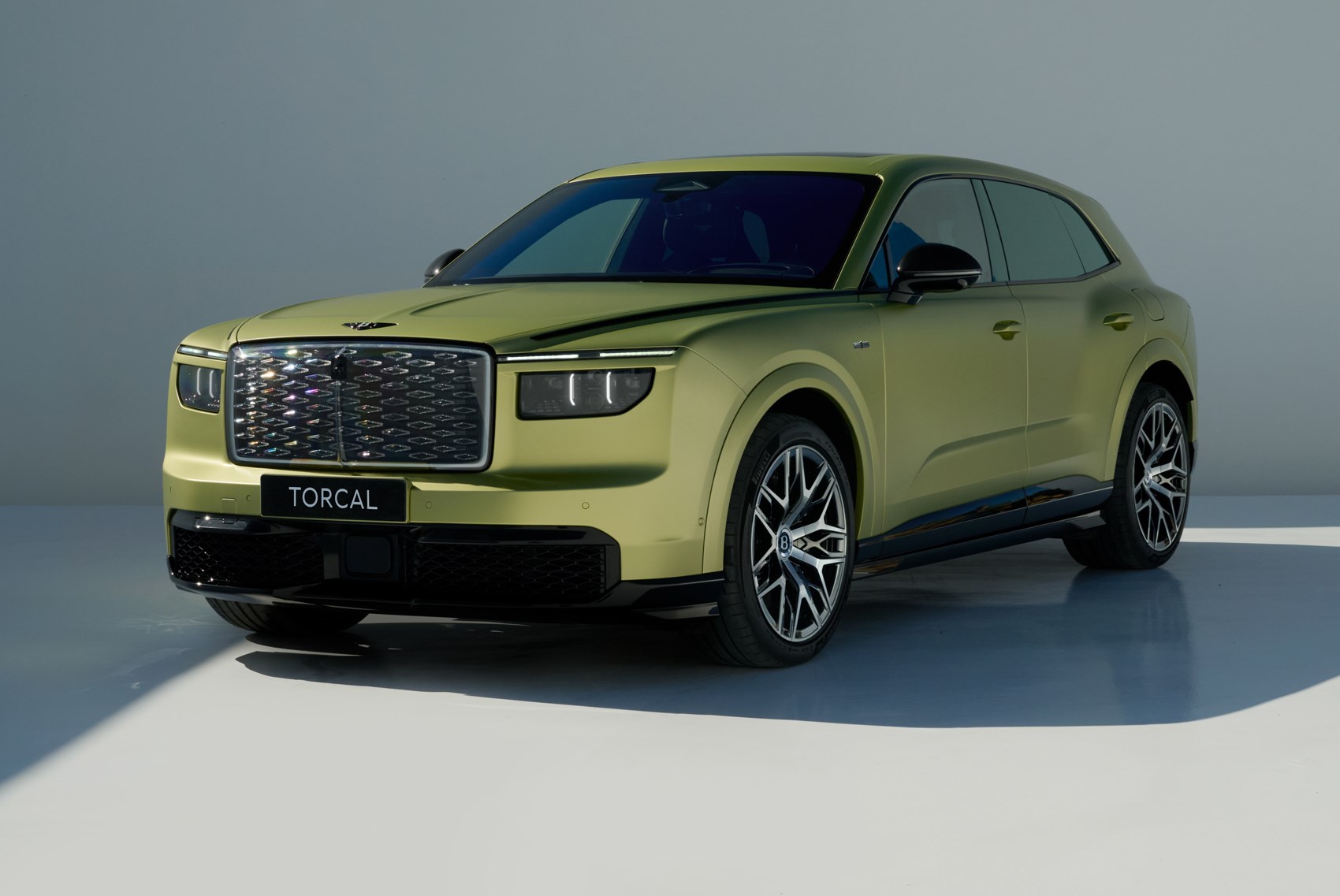
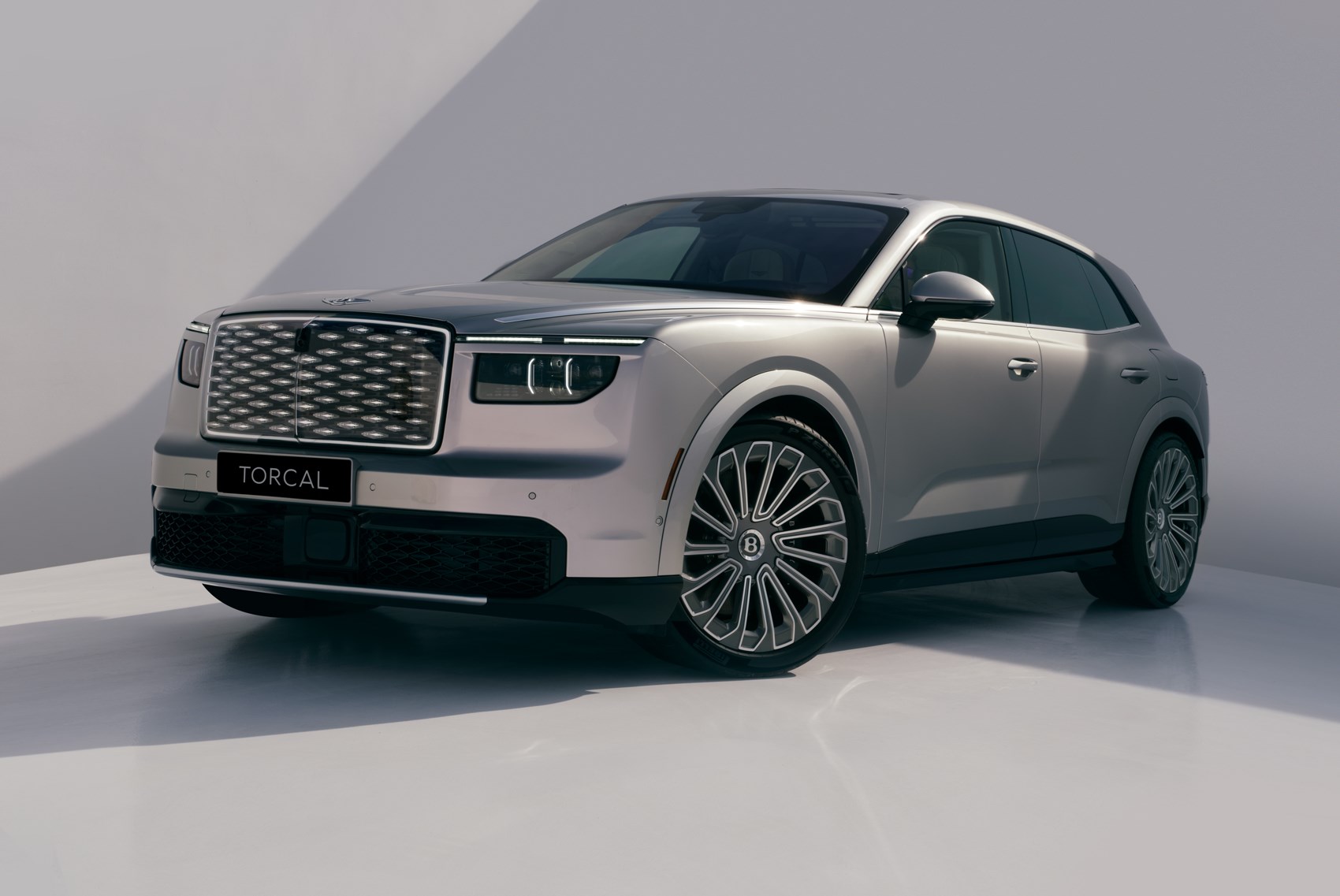
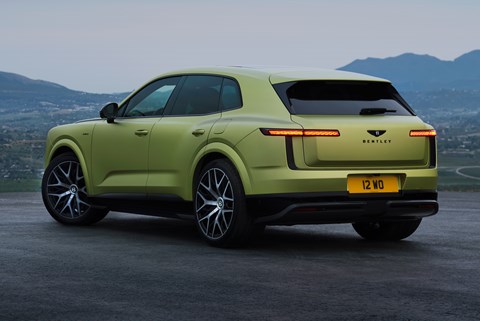
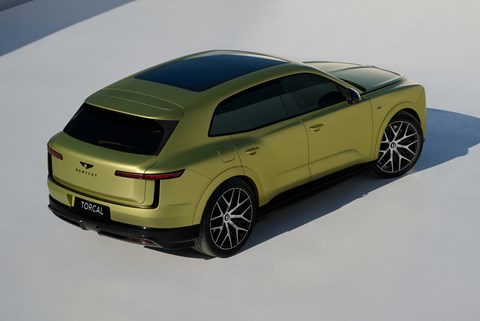
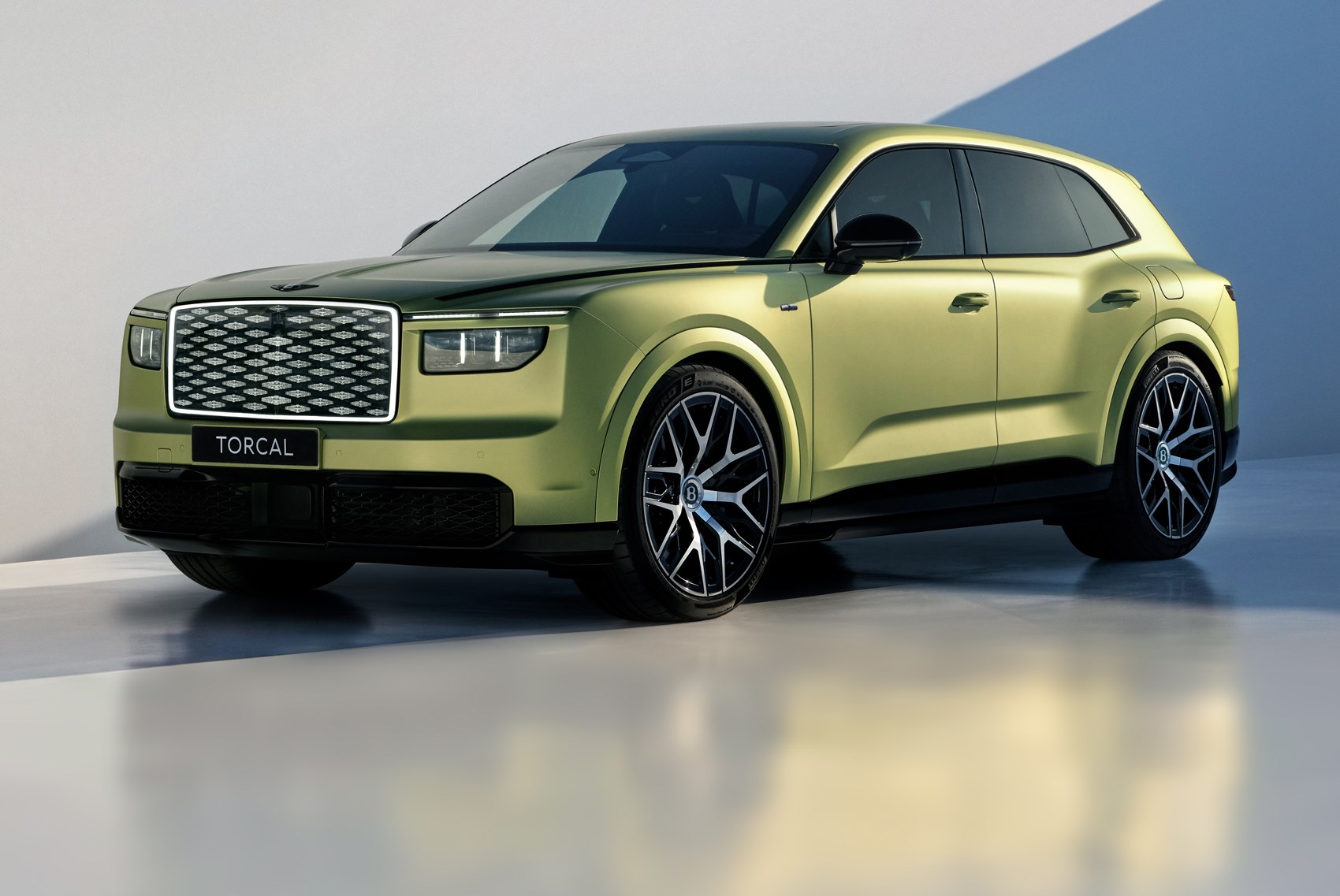
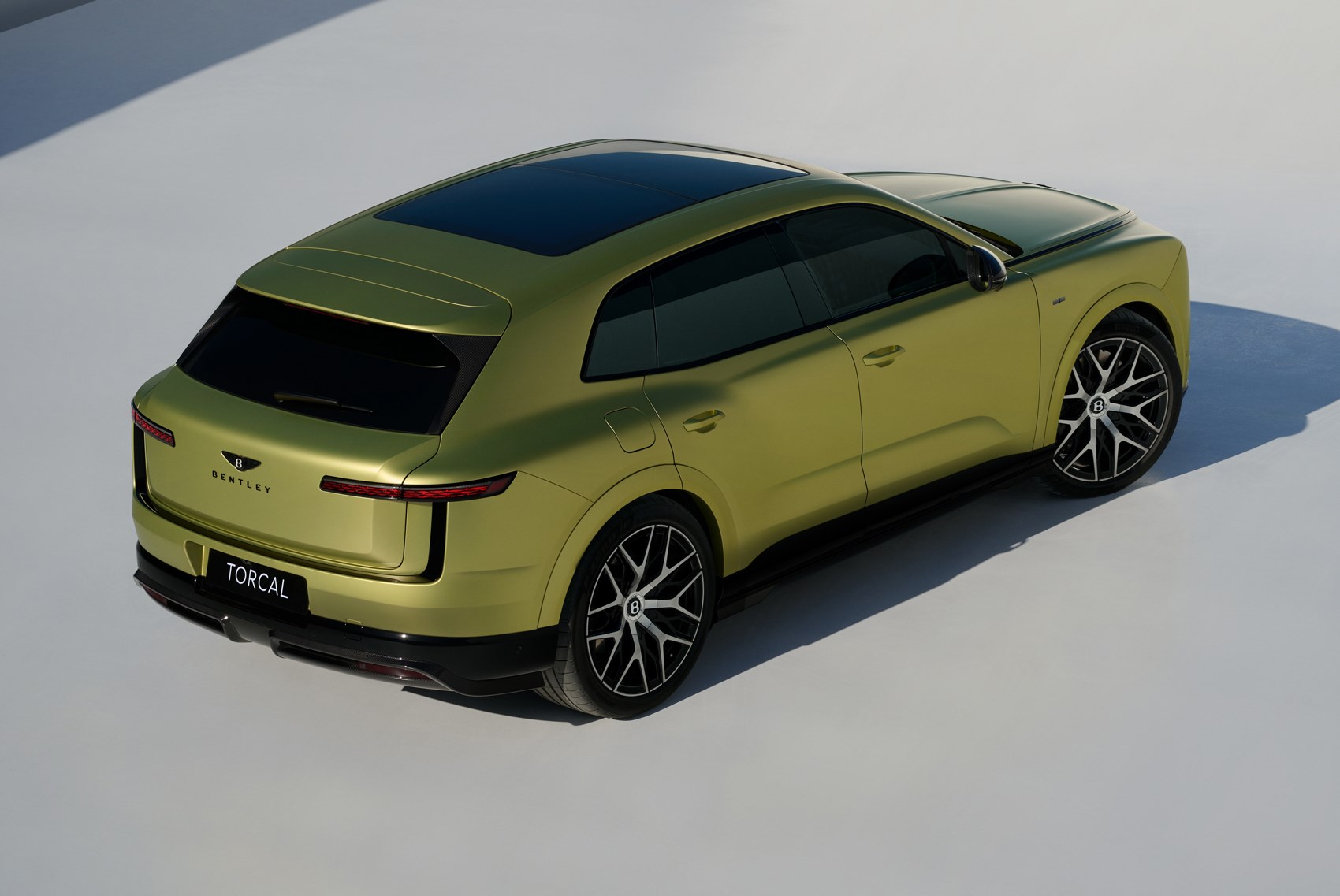
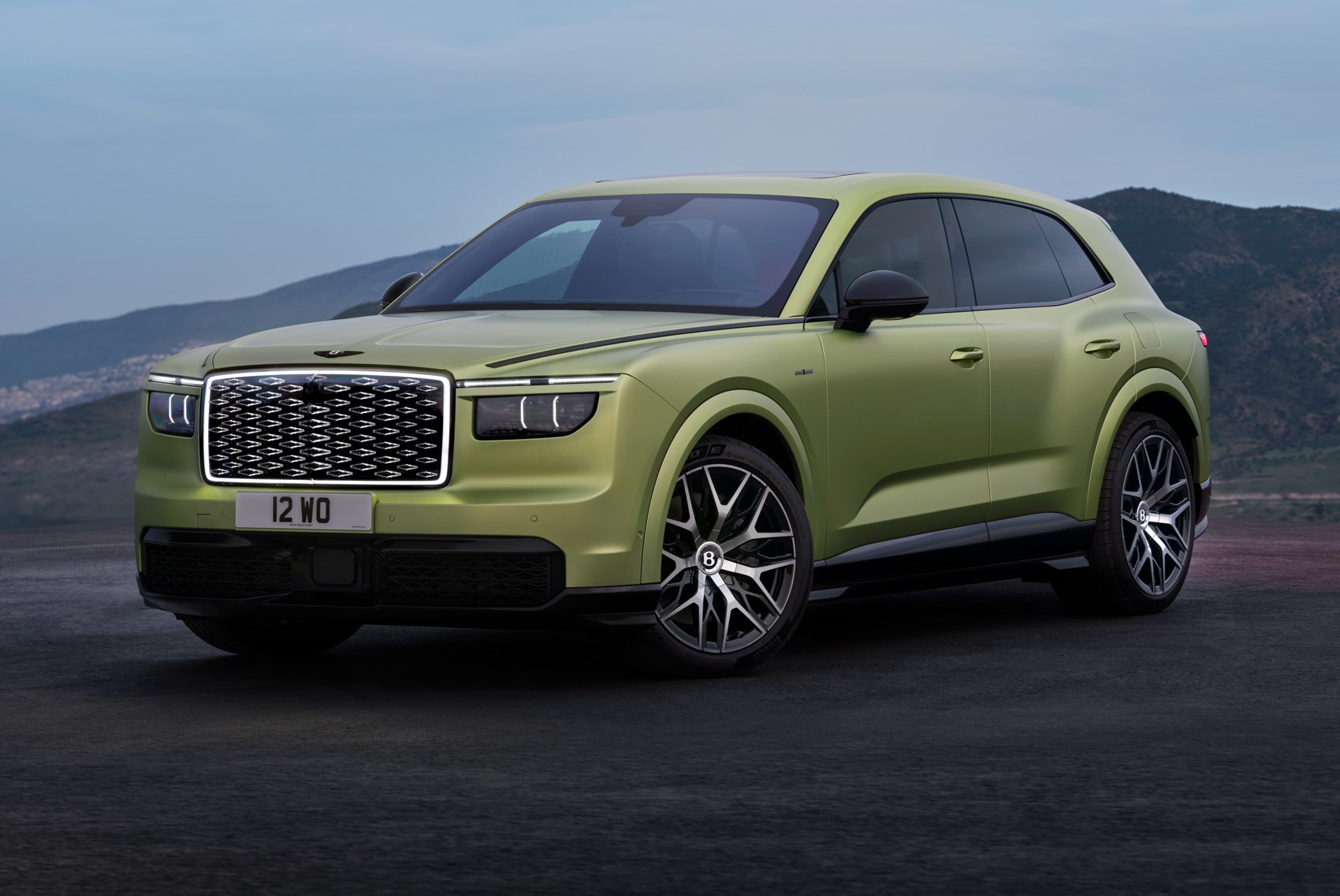
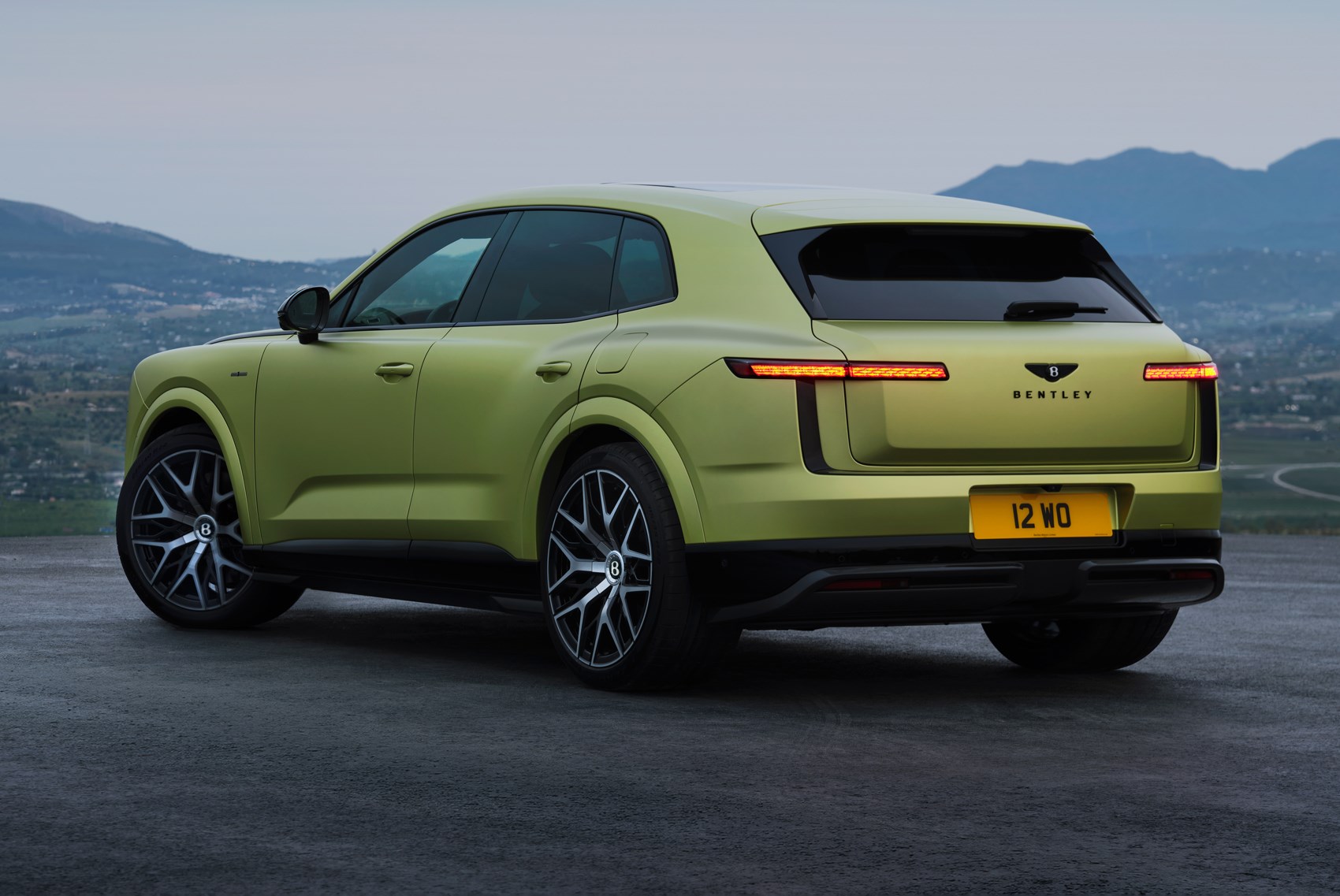
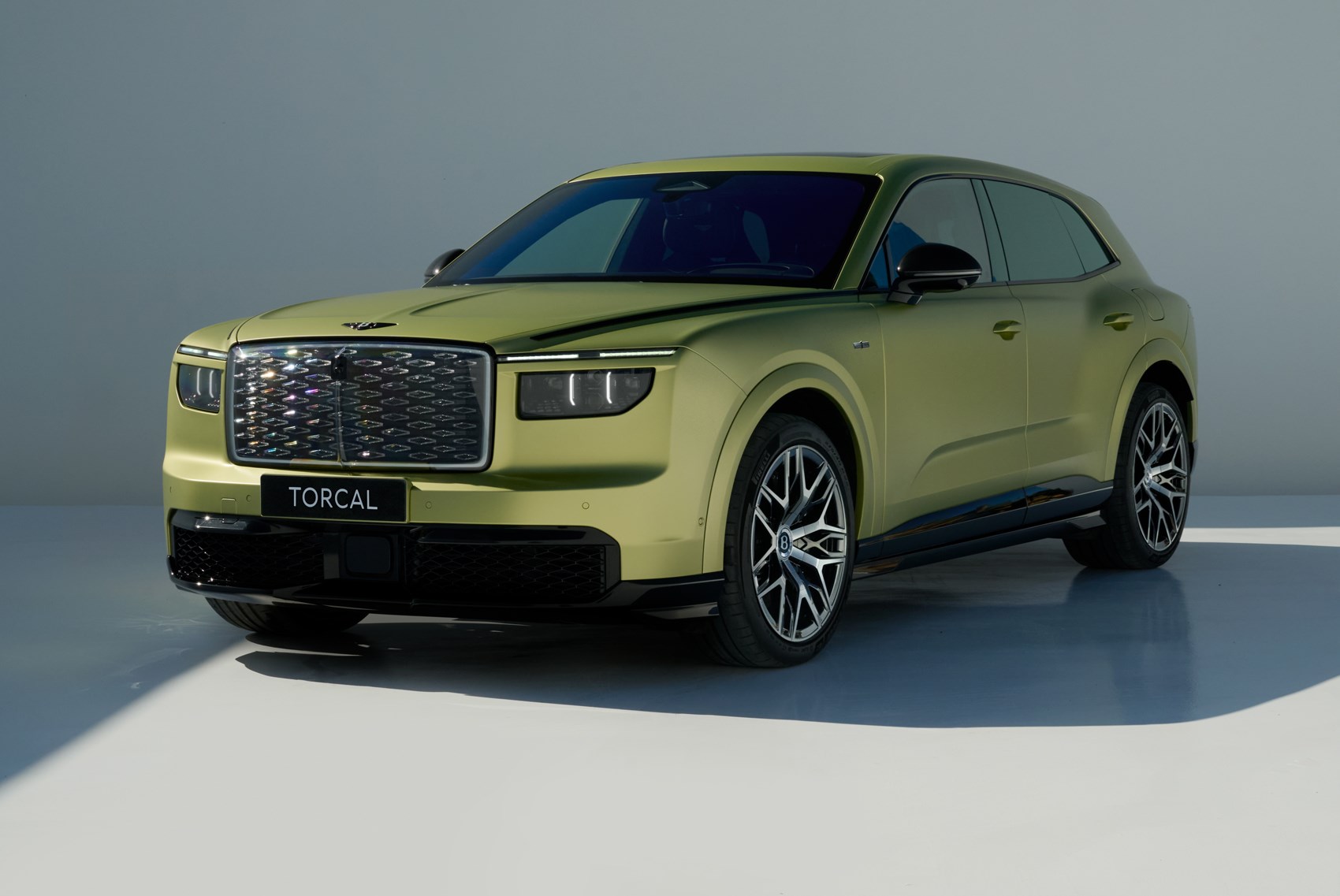
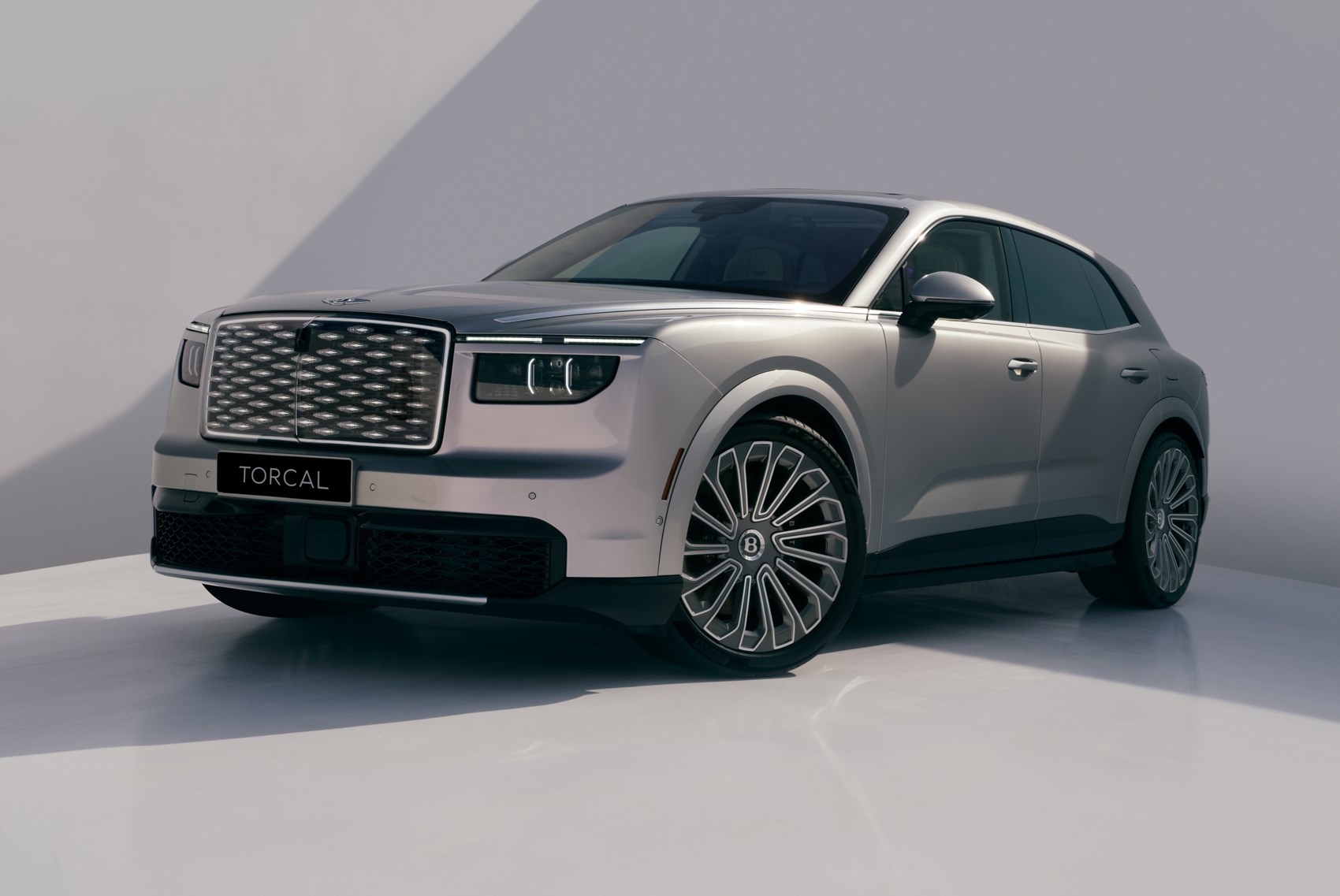
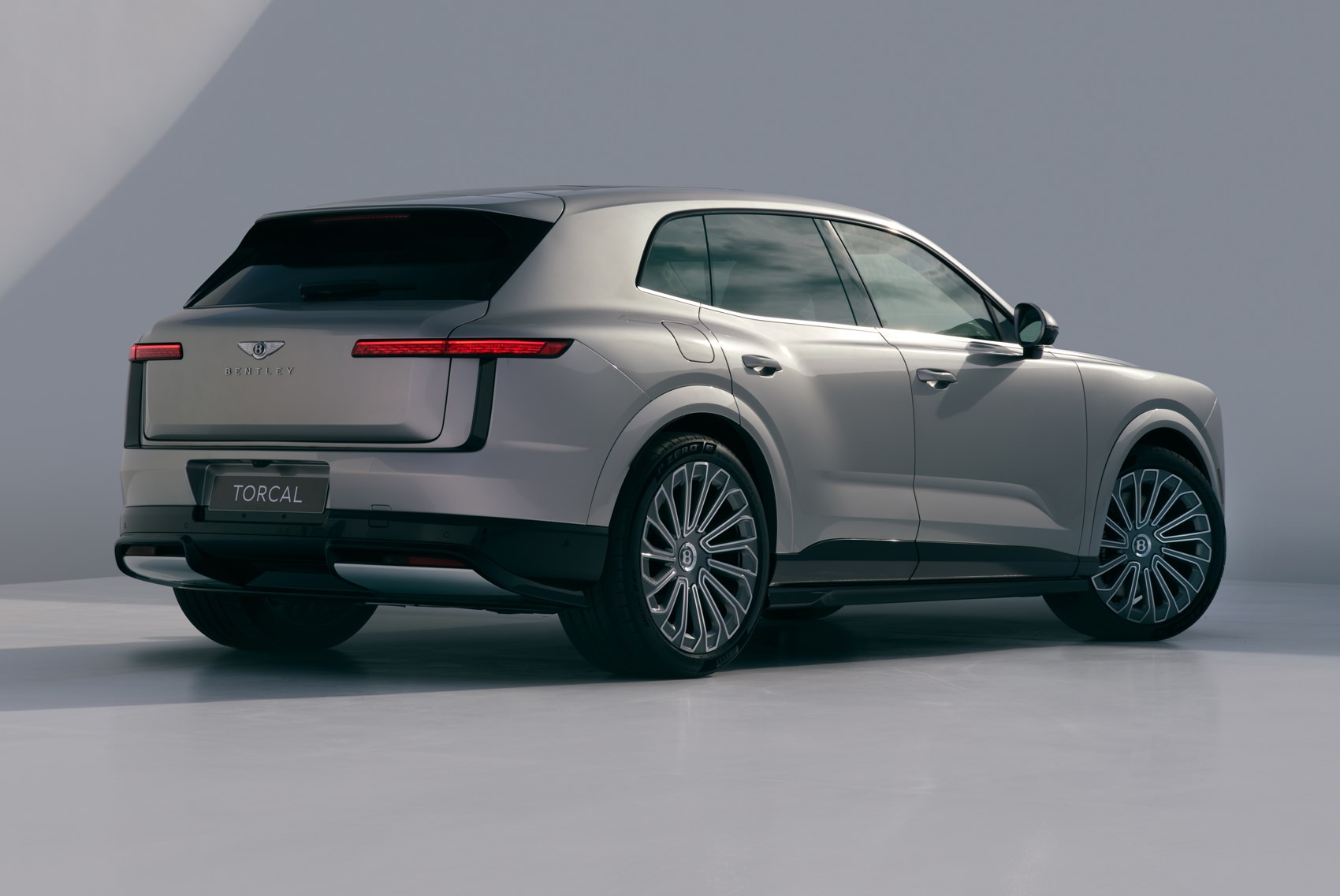
Perhaps but, in the context of the Ferrari Luce or Jaguar Type 01, the Torcal arguably plays it safe. It’s a conventionally proportioned SUV, not quite as extravagant in terms of its dash-to-axle as a Bentley should be, perhaps, but much better looking in profile than the cumbersome, pug-nosed Bentayga. It has more muscle over its haunches than the Bentayga and sits more confidently on its 22-inch wheels.
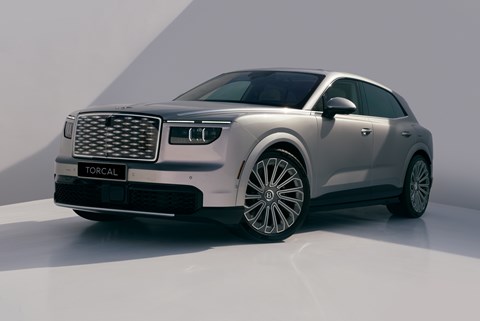
The ‘grille’ is not an air intake, of course, but a large glass-faced panel behind which 76 illuminated diamond-shaped crystals appear to float against an inky blackness. ‘We wanted to keep the iconic grille,’ says Bentley design boss Robin Page. “But we didn’t need an air intake, so we created a piece of art.” It’s a digital age take on Bentley’s raffish bling.
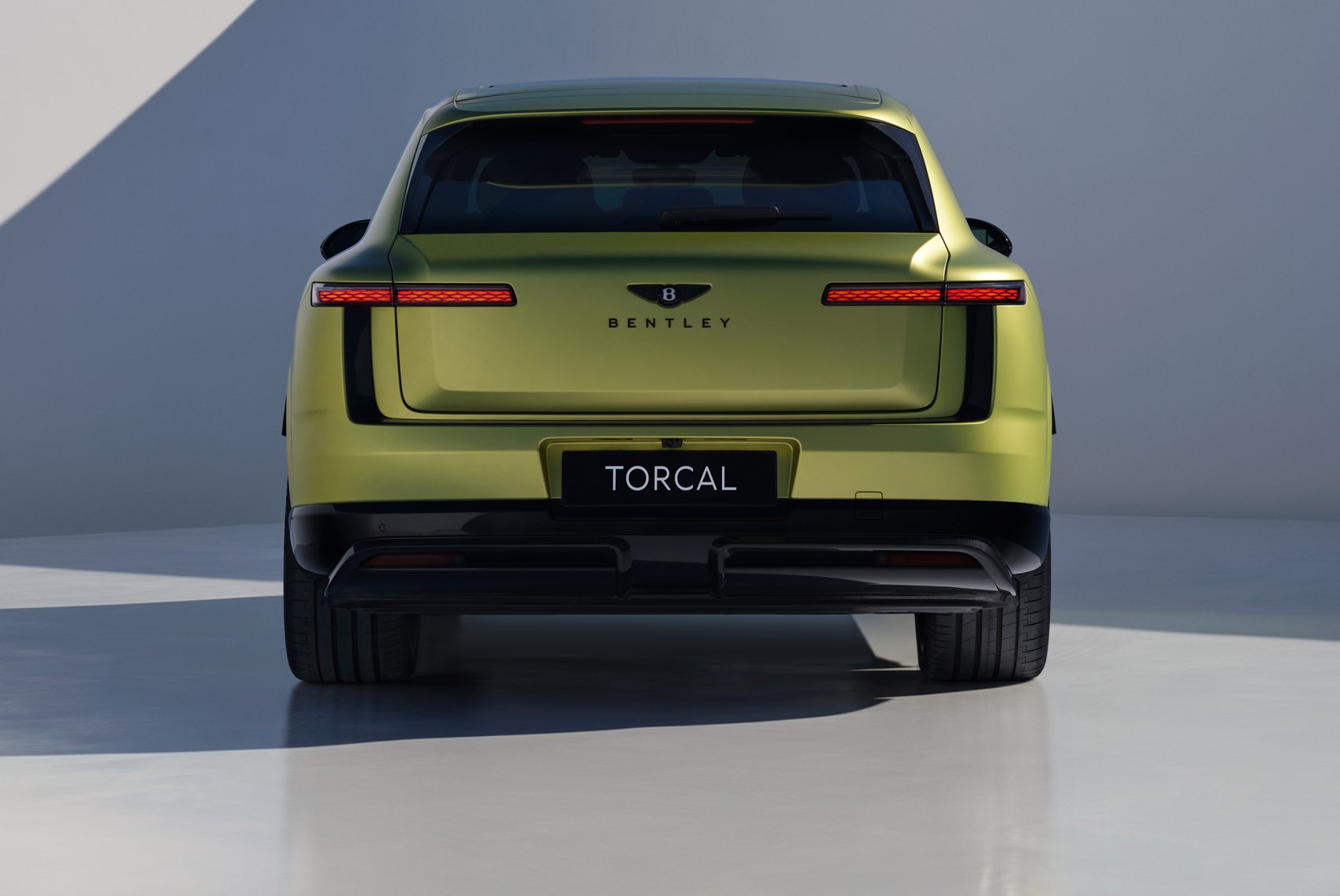
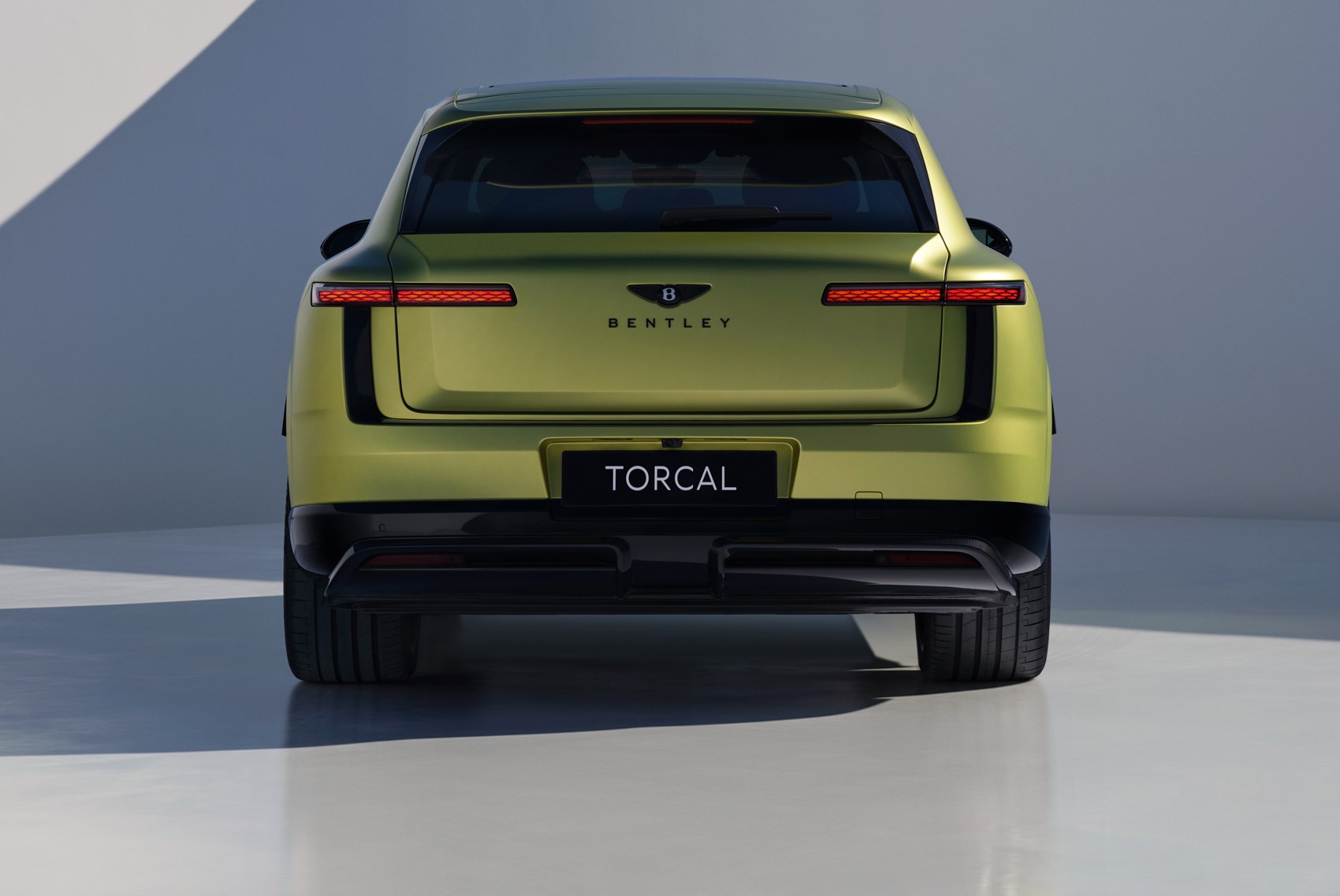
The rear end is dominated by a large horizontal form across the tailgate that hints at the trunk-like boots of Bentleys in the 1950s, with a horizontal light graphic further emphasizing the car’s width.
Suitably classy inside, surely?
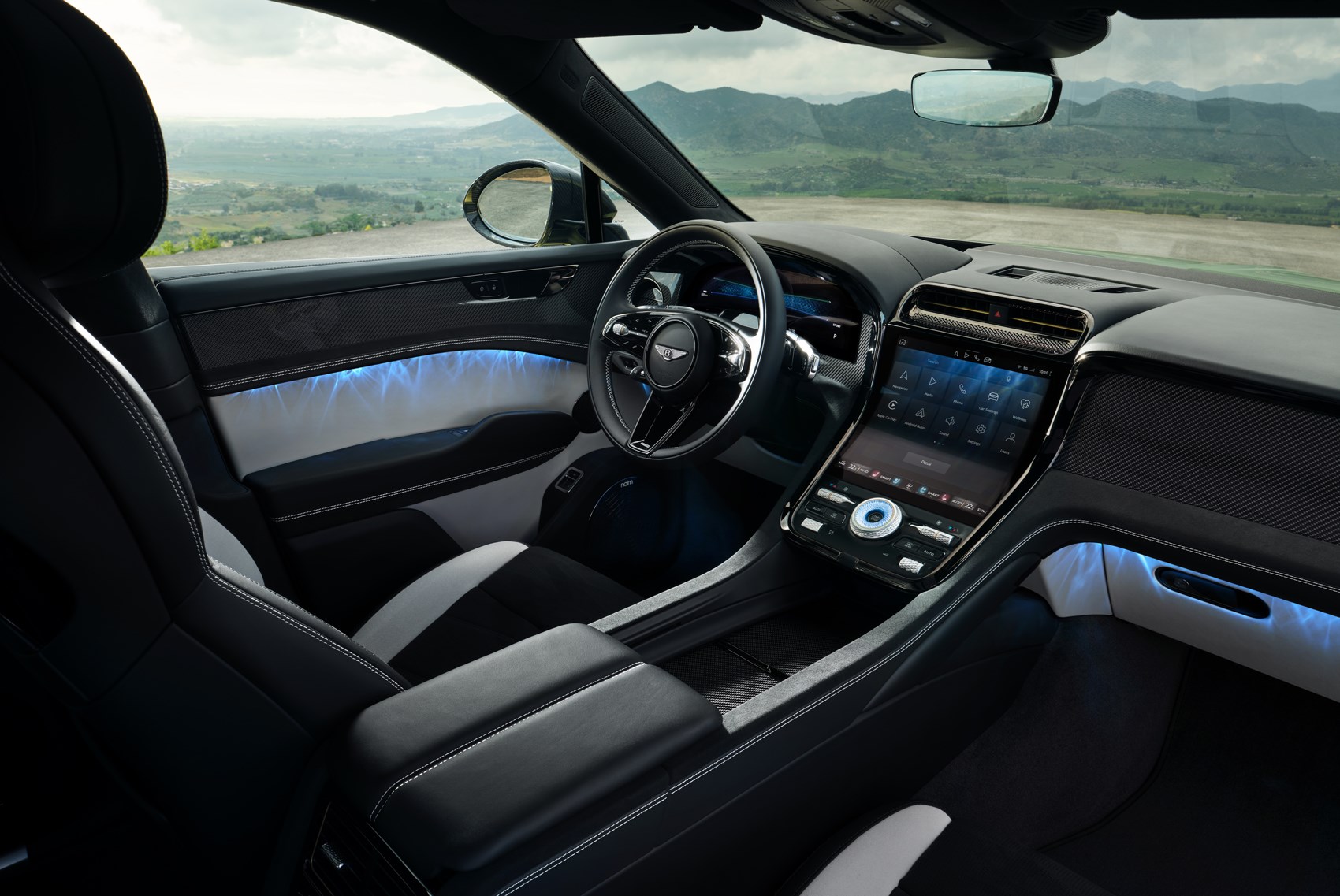
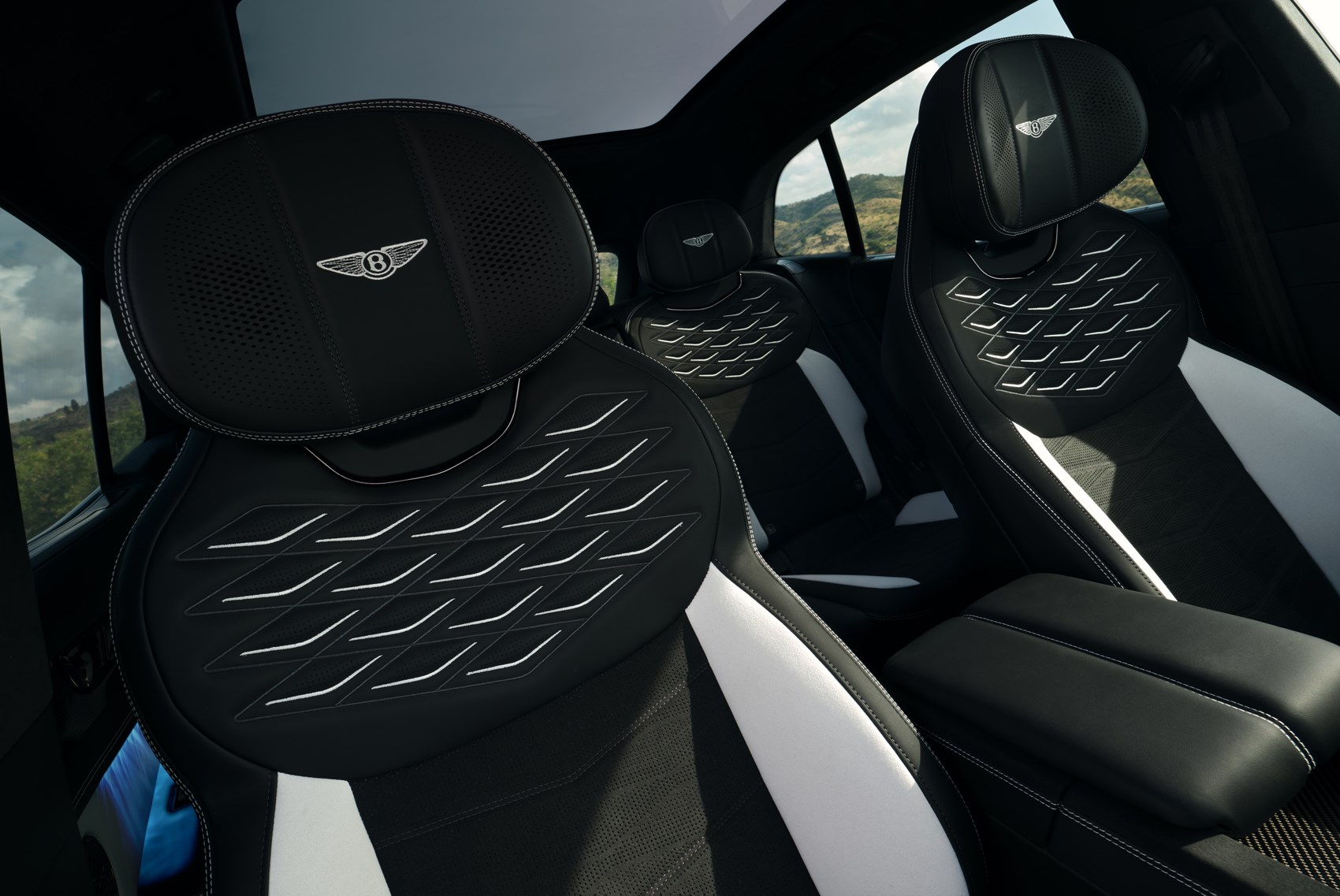
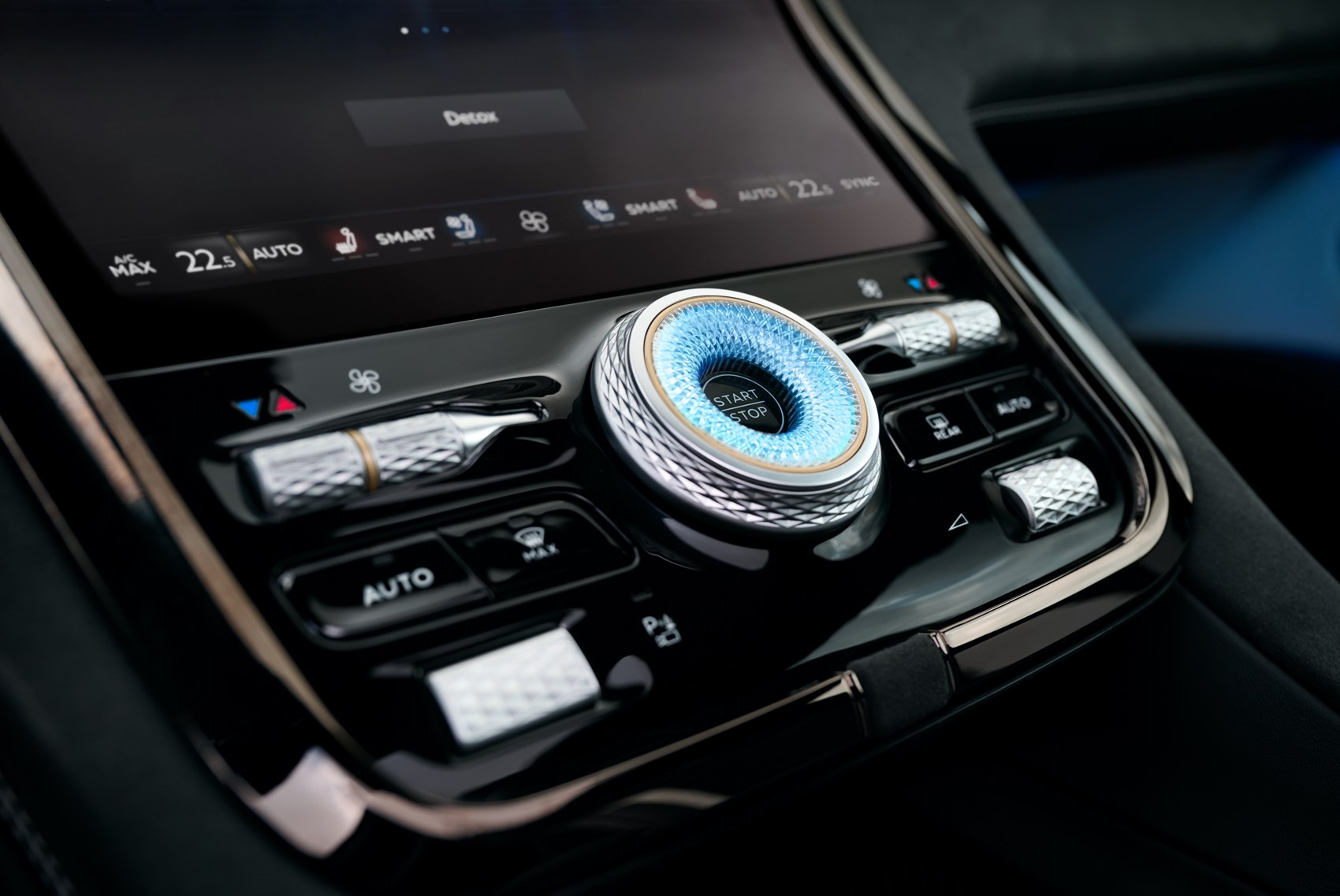
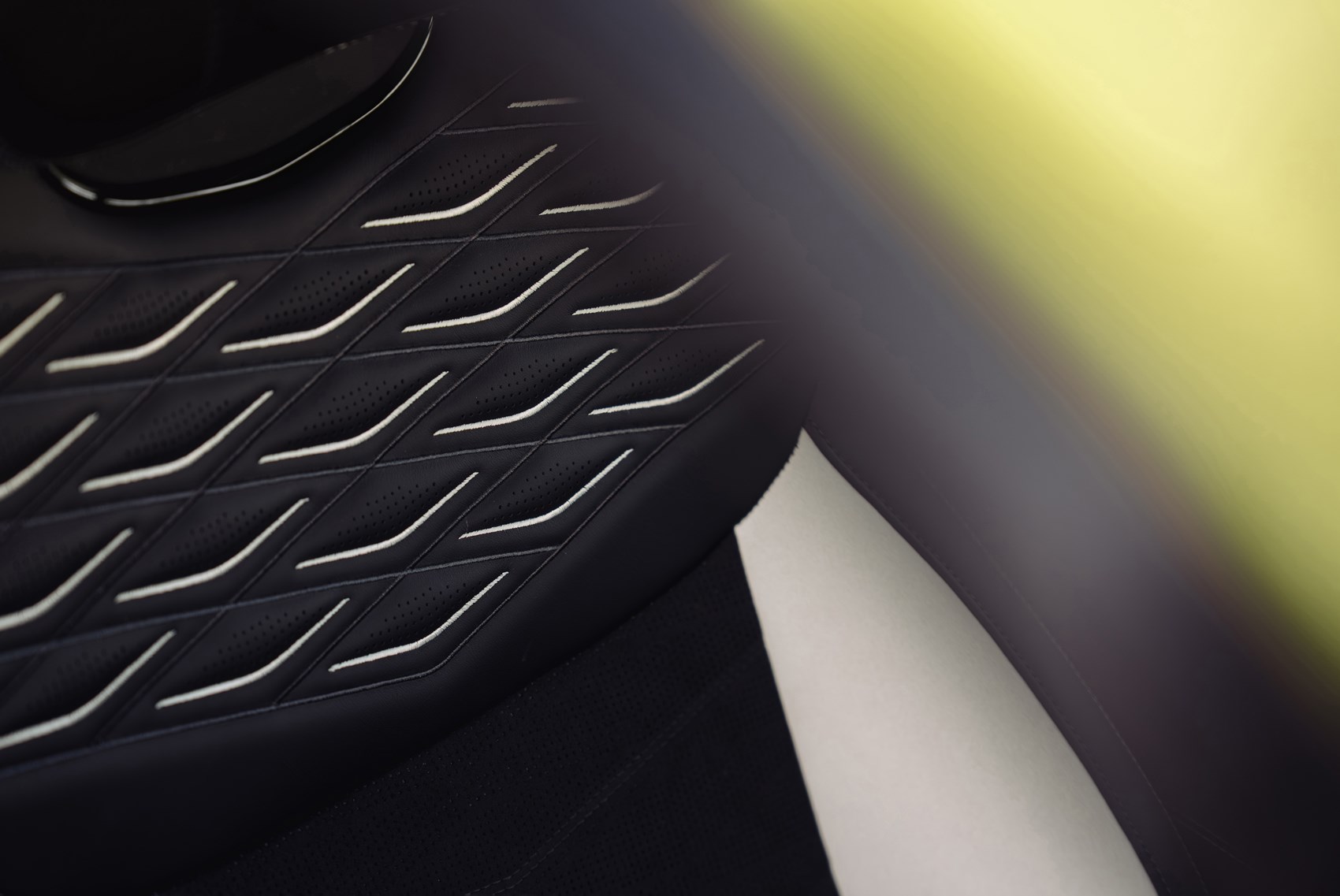
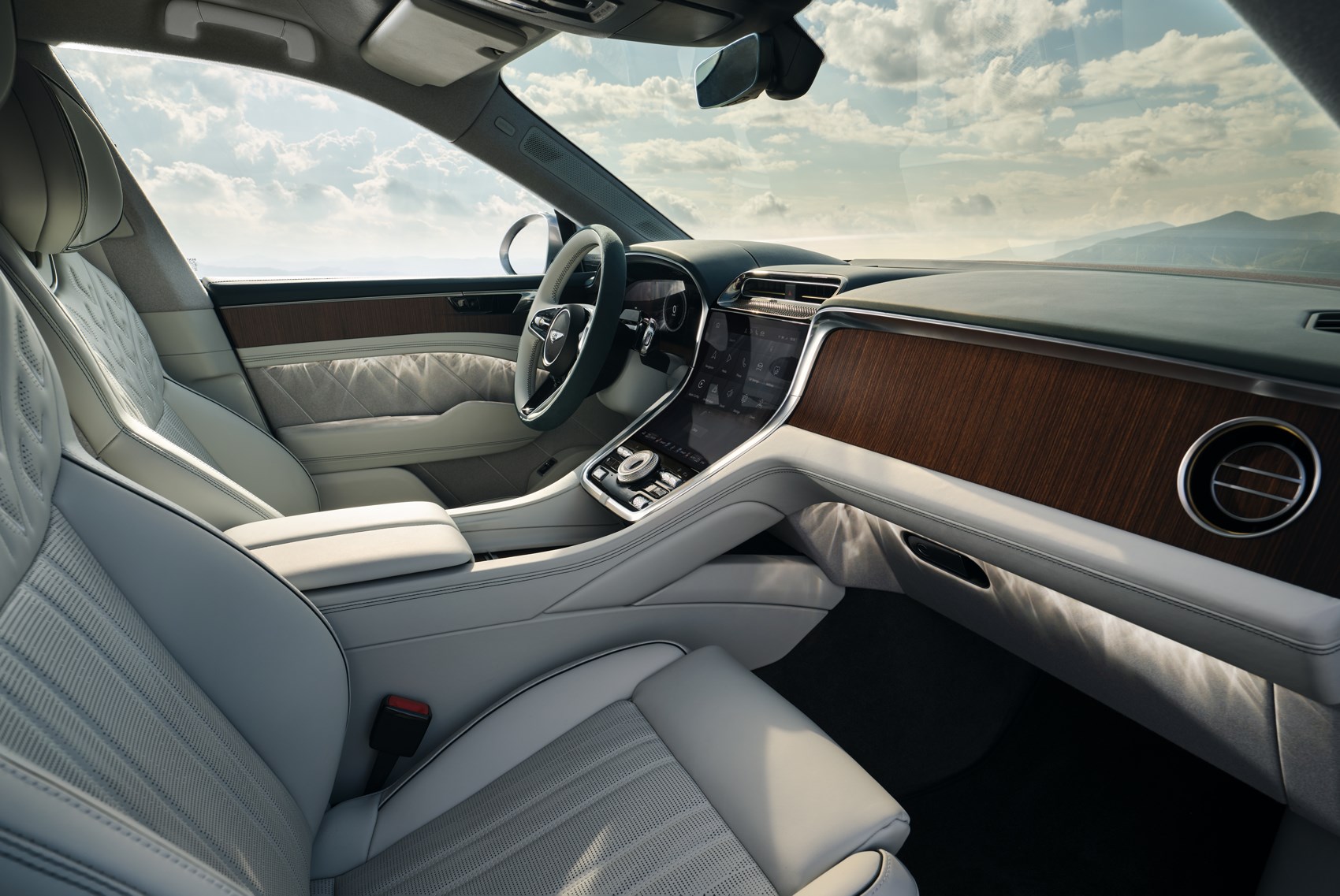
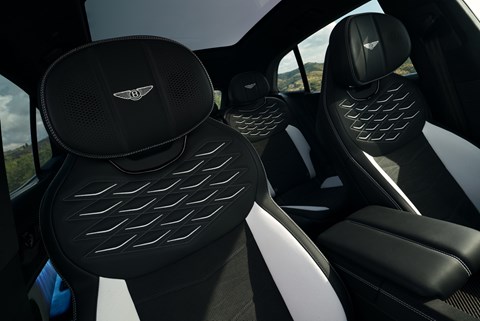
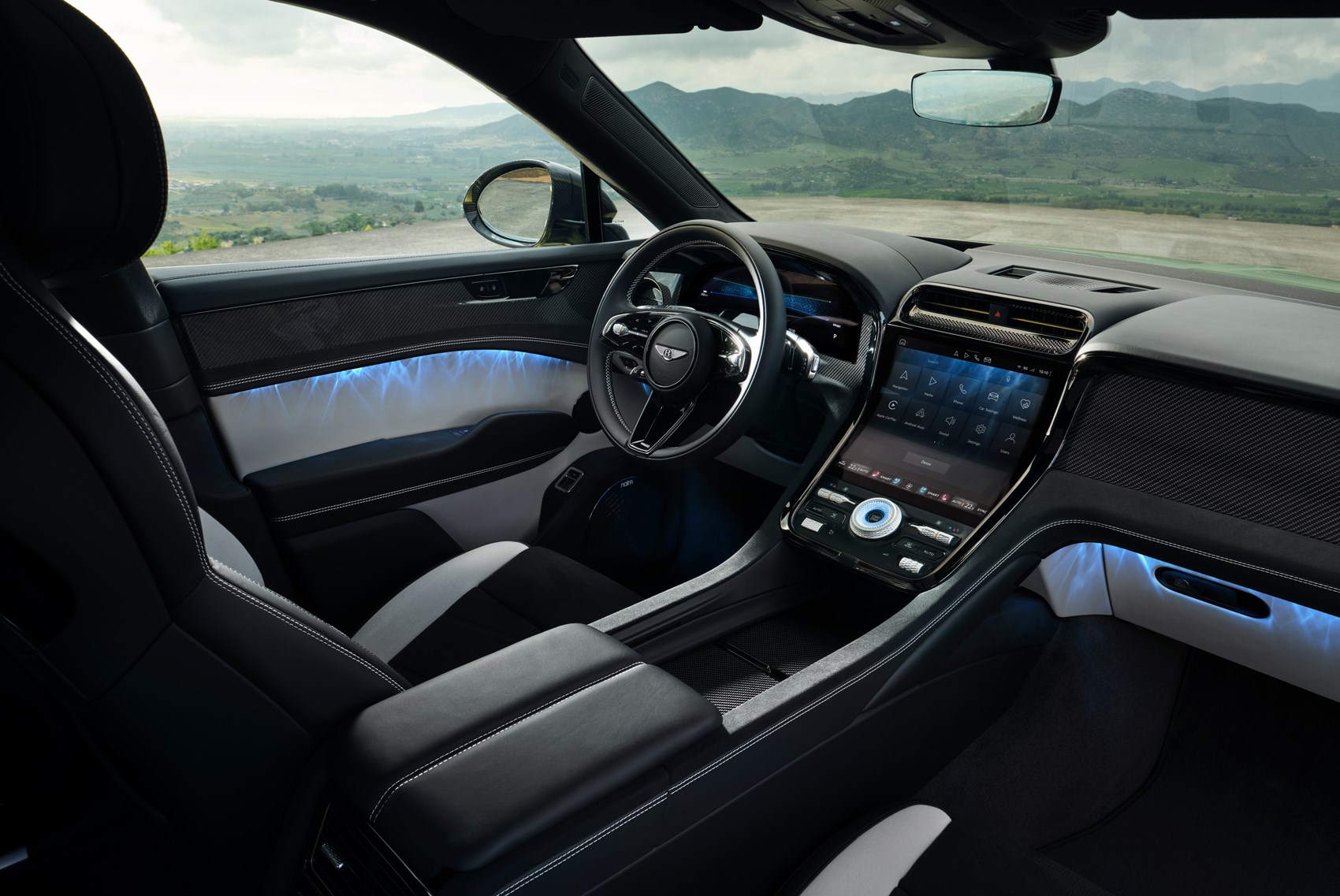
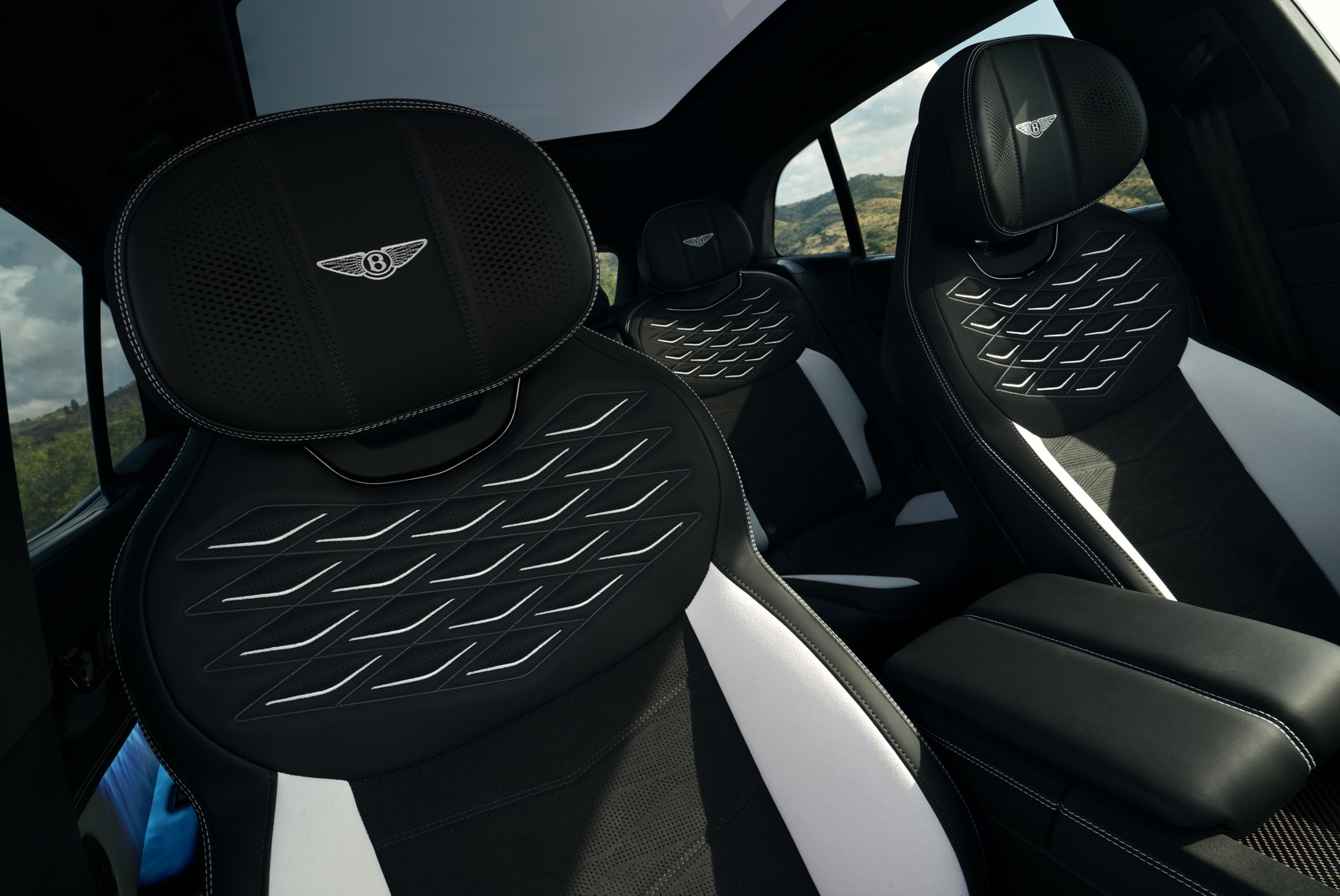
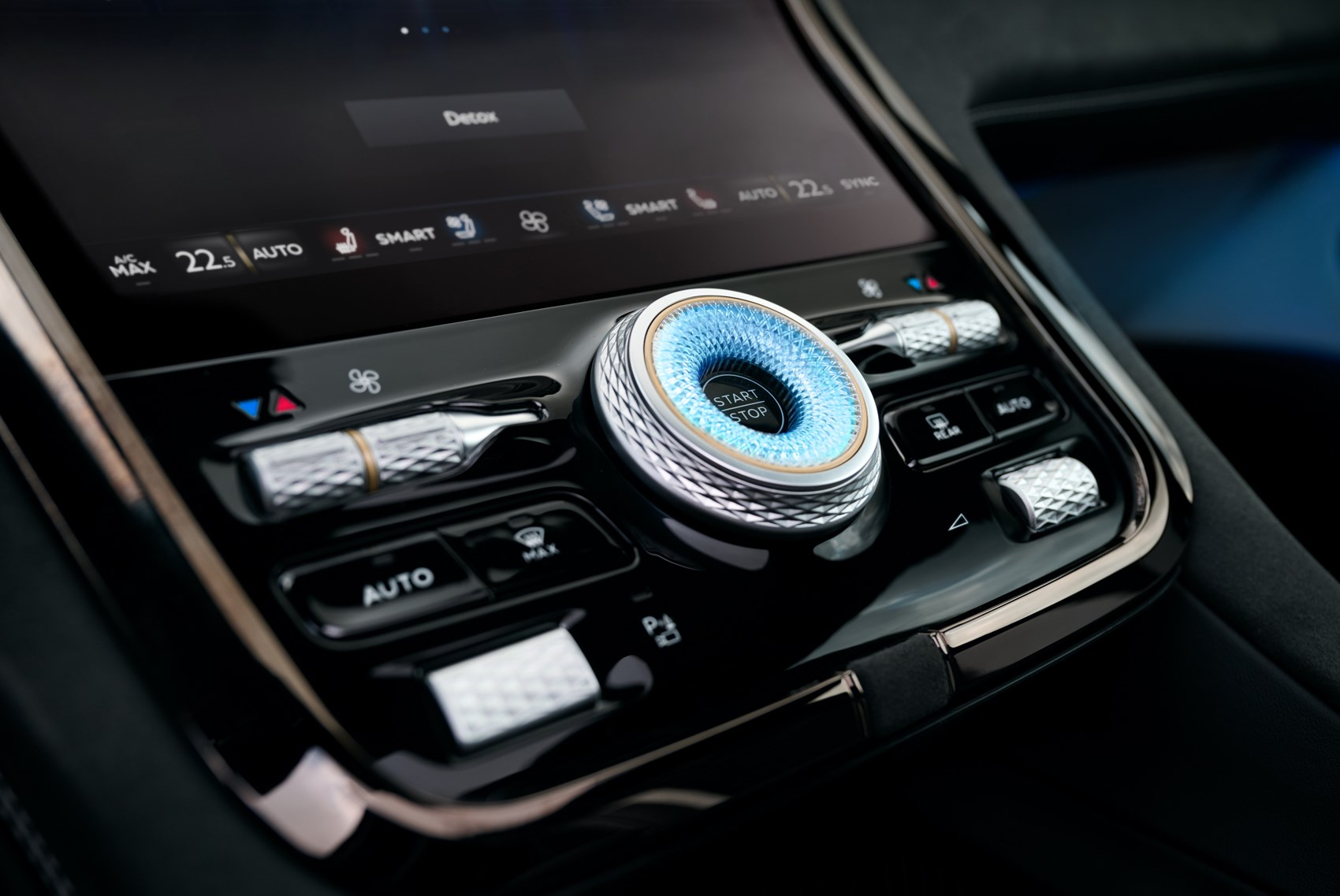
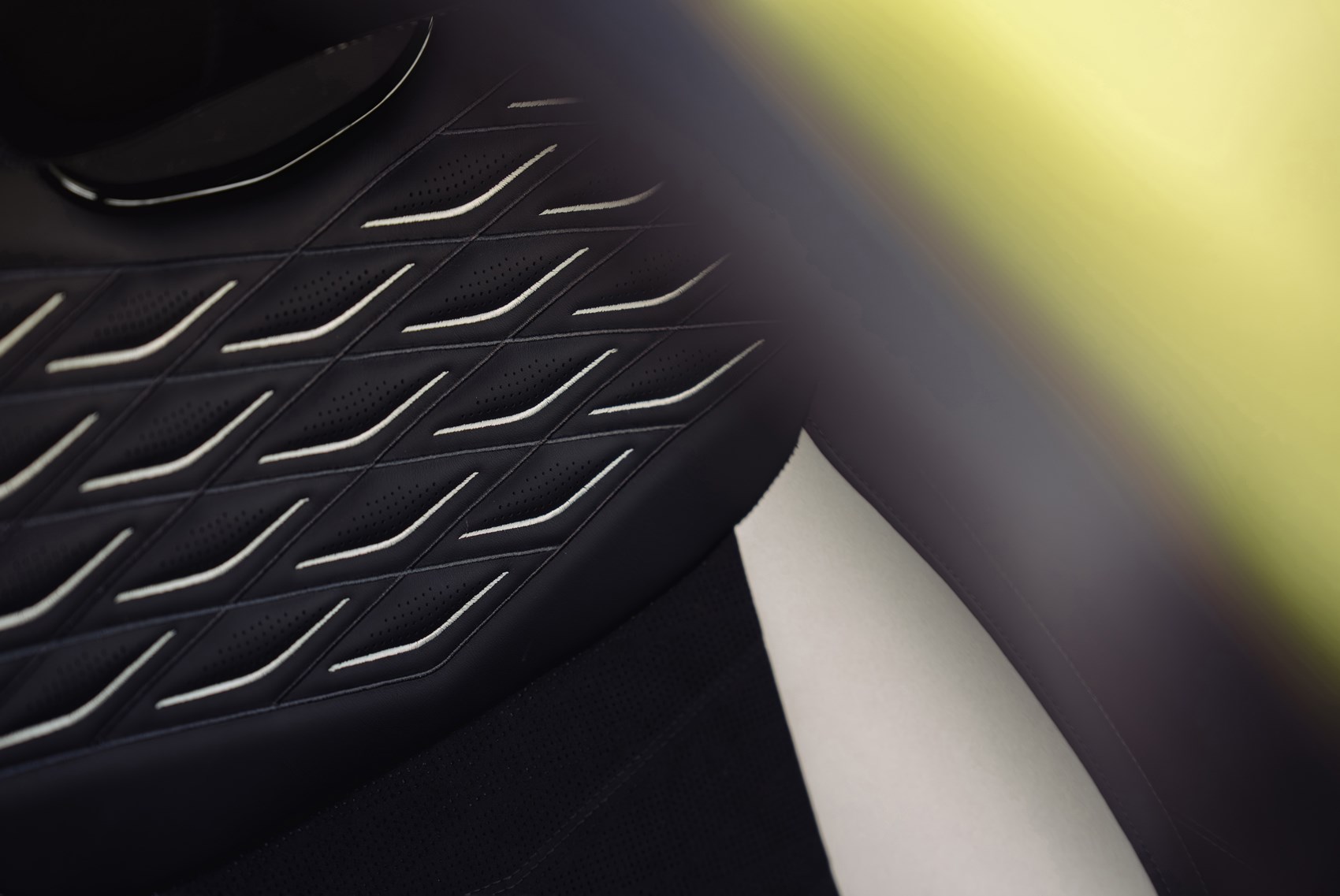
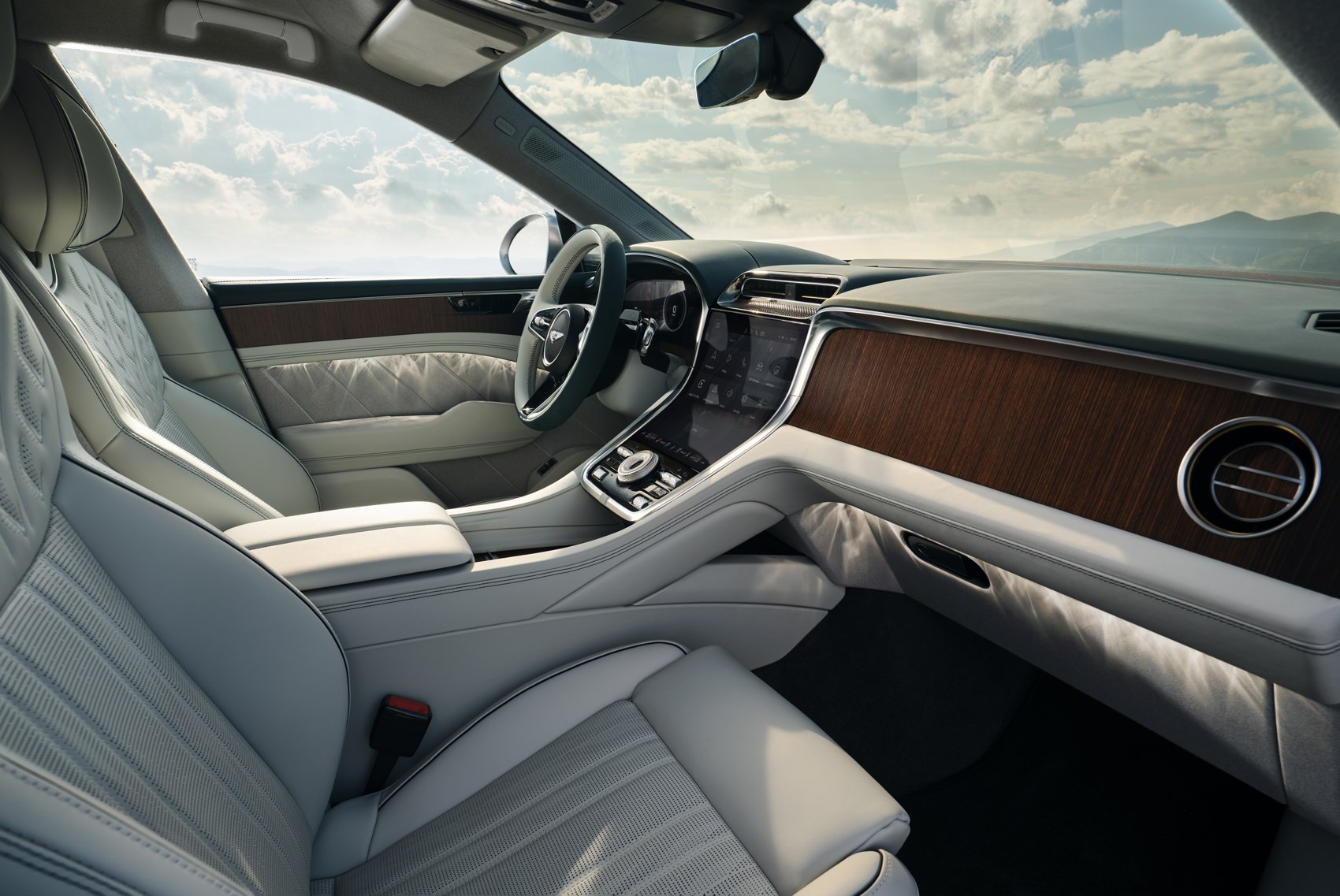
With a dash architecture that’s an evolution of the forms used in the Bentayga and the Flying Spur, the Torcal looks reassuringly like a Bentley inside. And though it might be a 21st century EV, with a state-of-the-moment electronic hardware humming under the skin and the obligatory digital dash and central touchscreen, all the other physical touchpoints are made from authentic materials. If it looks like metal or glass or wood or fabric, it is.
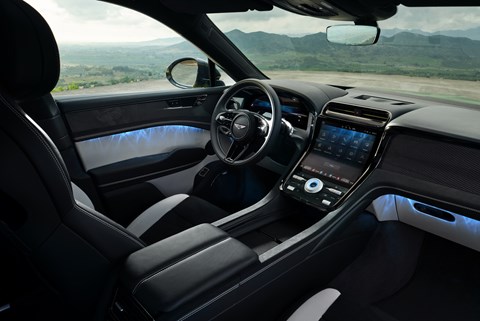
Ambient light shows are now de rigueur for interior designers, and the one developed for the Torcal tortures the car’s tradition-meets-technology meme to within an inch of its life. Bentley wanted ambient lighting that riffed on its trademark diamond graphic but found computer-rendered versions looked too artificial. So, it worked with a British crystal glassmaker to create a piece that was then taken into a dark room, where light was shone through it as it was moved. The resulting light scatter, uneven because of the impurities in the glass, was captured and digitized.
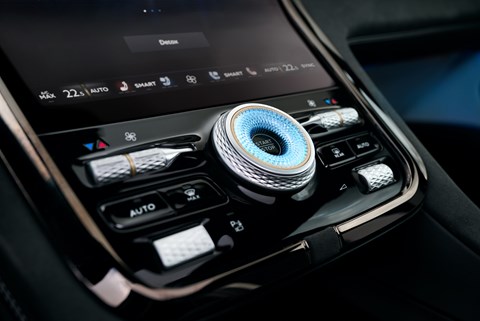
The ambient lighting will play a key role in communicating the Torcal’s drive mode moods. For the key-on Bentley mode, it is white, for Comfort orange, and for Refresh green. This latter mode, which is introduced with real birdsong through the 1780-watt, 28-speaker, Dolby 7.1 audio system, also initiates a ‘digital detox’ that reduces the information shown on the Torcal’s screens to a minimum. There is a Sport mode, of course. But the surprise is the ambient lighting doesn’t switch to an angry red, as you’d expect, but blue. ‘Research showed blue makes you feel more energized,’ says Robin Page.
Can I have some Torcal performance specs, please?
The Torcal is built on the same enhanced version of Volkswagen Group’s Premium Platform Electric (PPE) used under the new Porsche Cayenne Electric. Codenamed PPE41C, it has a 113kWh battery – useable capacity is 108kWh – powering e-motors at each axle built in Porsche’s state-of-the-art Werk 4 plant in Zuffenhausen.
The entry-level Torcal boasts a total system output of 809bhp and 881lb-ft of torque, while the Torcal S pumps out 872bhp and 991lb-ft – new benchmarks for Bentley. In terms of its powertrain outputs, the Torcal sits squarely between its 657bhp Porsche Cayenne S Electric and 1140bbhp Cayenne Turbo Electric cousins and that power gap suggests the door is wide open for a 1000-bhp-plus Torcal Speed at some point in the future.
It’s not just the power, but the way it’s delivered that makes the Torcal’s powertrain absolutely on brand, says vehicle line director Martin Page. ‘The instant response you get with an EV, with high torque, really fits into what Bentley’s been about over the years in terms of having power on demand. ‘Page says the 2795kg Torcal S will whoosh from 0 to 60mph in 2.9 seconds on the way to its 162mph top speed, making it just a tick slower than Bentley’s quickest accelerating car, the Continental GT Speed.
Any other tech specs?
In addition to its platform and powertrain and 800V electrical architecture, the Torcal also has the same suspension, steering, and brake components as the Cayenne Electric. ‘The hardware is shared,’ Page confirms, ‘but we have unique calibrations, unique applications to bring that Bentley-ness to the car.’
The most critical of these is the Torcal’s damper setup, which is unique to Bentley, and has been tuned to deliver a more composed ride than that of the current Bentayga and Flying Spur, both of which can feel jittery at low speeds. Page says the Torcal’s chassis engineers were persuaded to dial back their pursuit of ultimate cornering capability to ensure the Torcal had the demeanour of a luxury car.
Any other info?
Orders will open soon, after what can only be described as a tortuous journey to production than first thought. The Torcal will for now be Bentley’s only EV – Bentley’s halo cars will have internal combustion engines – while its production line has been adapted to also build a new generation of plug-in hybrid Bentleys.
And it will be the cheapest new Bentley you can buy.
console.debug(‘taboola container loaded..’)
window._taboola = window._taboola || [];
_taboola.push({
mode: ‘thumbs-feed-1×1’,
container: ‘taboola-below-article-thumbnails-v3’,
placement: ‘Below Article Thumbnails V3’,
target_type: ‘mix’
});
var disqus_shortname = ‘carmagazine’;
var disqus_developer = 0;
var disqus_identifier = ‘article-wp-273060’;
(function () {
var dsq = document.createElement(‘script’);
dsq.type = ‘text/javascript’;
dsq.async = true;
dsq.src = ‘http://’ + disqus_shortname + ‘.disqus.com/embed.js’;
(document.getElementsByTagName(‘head’)[0] || document.getElementsByTagName(‘body’)[0]).appendChild(dsq);
var s = document.createElement(‘script’);
s.type = ‘text/javascript’;
s.async = true;
s.src = ‘http://’ + disqus_shortname + ‘.disqus.com/count.js’;
(document.getElementsByTagName(‘head’)[0] || document.getElementsByTagName(‘body’)[0]).appendChild(s);
})();Please enable JavaScript to view the comments powered by Disqus.