[analyse_image type=”featured” src=”https://images.euronews.com/articles/stories/09/92/27/41/1200x675_cmsv2_6a1bffa0-8cf6-5a05-9146-351f90a05228-9922741.jpg”]

France’s budget: Oxfam proposes tax on ‘super-inheritances’ to raise billions
Armed group shuts Libyan oil pipeline, jeopardising exports

Ivan McClellan on capturing the unseen world of Black cowboy culture

EPP leader warns Morocco of ‘obvious consequences’ over Ceuta crisis
France’s budget: Oxfam proposes tax on ‘super-inheritances’ to raise billions
Armed group shuts Libyan oil pipeline, jeopardising exports
Ivan McClellan on capturing the unseen world of Black cowboy culture
EPP leader warns Morocco of ‘obvious consequences’ over Ceuta crisis
Czechia caps fuel margins and cuts diesel tax as prices soar
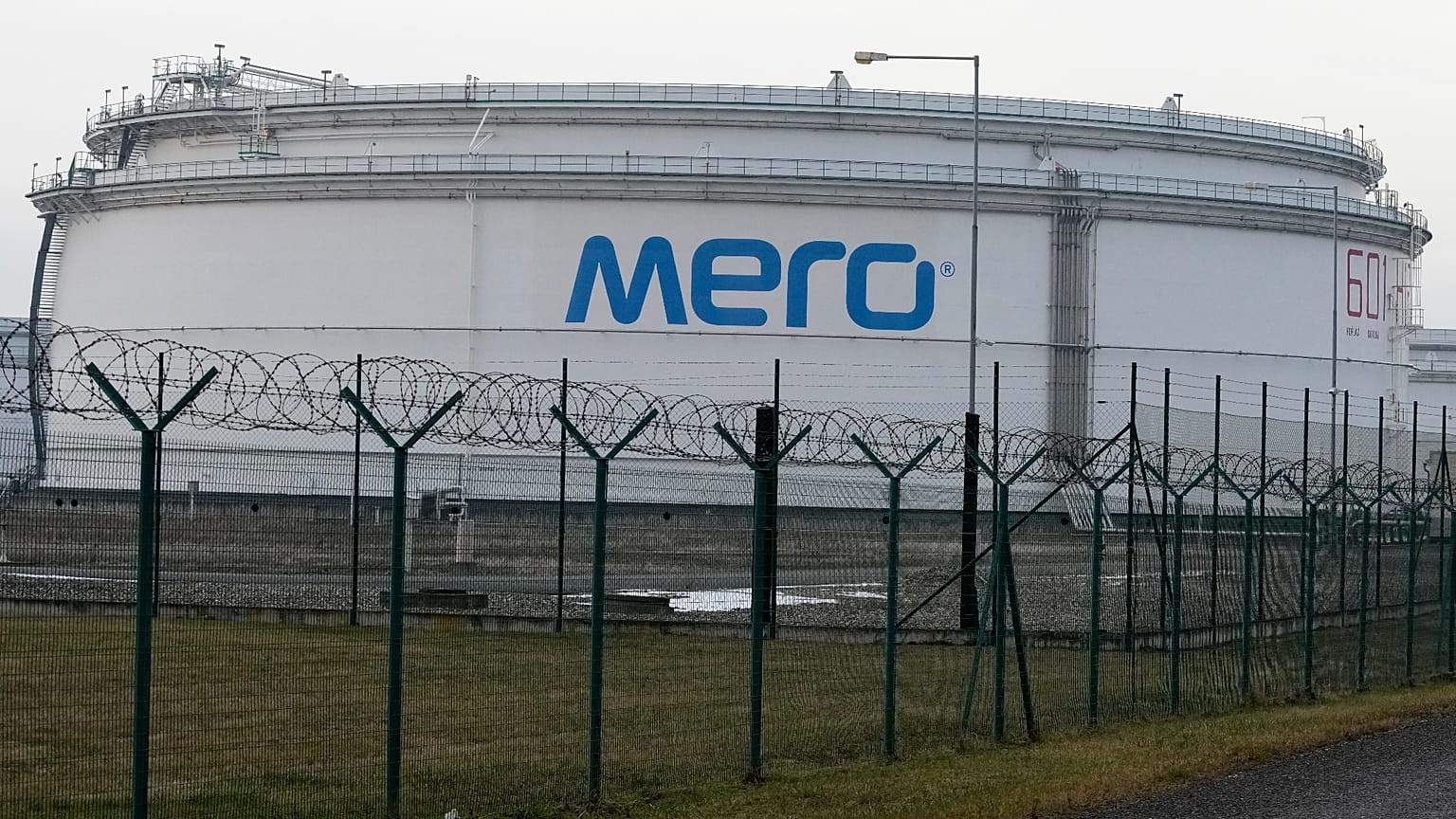
File – A view of the Central Oil Tank Farm near Nelahozeves, Czech Republic, Tuesday, 14 Jan. 2025.
– Copyright AP Photo/Petr David Josek

 Facebook
 Twitter
 Flipboard
 Send
Send Reddit
 Linkedin
 Messenger
 Telegram
 VK
VK Bluesky
 Threads
 Whatsapp
Czechia will cap fuel retailers’ margins, cut diesel duty and tax refiners’ higher profits as governments across Europe seek to limit rising fuel costs.
The Czech government said on Monday that it would cap fuel retailers’ margins, cut excise duty on diesel and introduce a temporary tax on refiners as prices continue to rise because of the war in the Middle East.
 ADVERTISEMENTADVERTISEMENT
Czechia joins other European countries, including Germany, Croatia, Romania and Italy, that have recently announced or extended fuel-price controls and tax cuts as European governments seek to shield motorists from fuel prices, which reached record levels in the EU last week.
In Czechia, it is the second such step by Prime Minister Andrej Babiš’s government this year, following price controls and a diesel duty cut introduced in April. The previous price controls expired on 19 July.
Oil and fuel prices have risen sharply since the United States and Israel went to war with Iran nearly seven months ago.
Iran has restricted traffic through the Strait of Hormuz, disrupting crude exports from the Gulf.
“The government has approved a proposal to resume fuel price regulation from 1 October,” Czech Finance Minister Alena Schillerová said.
“At the same time, we are cutting the excise duty on diesel to the minimum permitted under European Union rules,” she added.
The average price paid for petrol and diesel using CCS fuel cards reached 44.21 Czech koruna (€1.81) per litre in August, up from 34.49 koruna (€1.41) in August 2025, according to the payments company. By comparison, the average EU petrol price reached a record €2.06 per litre last week, while diesel hit €2.16.
How will the price controls work?
The finance ministry will publish maximum petrol and diesel prices for the following day on every working day.
The ministry will cap petrol stations’ profit margins at 2.5 koruna (€0.10) per litre. The government will also reduce excise duty on diesel from 9.95 koruna (€0.41) to about 8 koruna (€0.33) per litre for October.
Once the related VAT reduction is included, the ministry estimates that this will cut the pump price by 2.35 koruna (€0.10) per litre.
The government has also approved a temporary levy on refiners benefiting from higher margins.
The levy will apply in 2026 and 2027 and impose a 50% tax on the increase in refiners’ gross margins compared with 2025. Gross refining margins broadly measure the difference between the cost of crude oil and the value of the fuels produced from it.
What are other European countries doing?
Several European governments have introduced measures, including tax cuts, subsidies and price controls, in response to rising fuel costs. European countries that have had fuel-tax or excise duty reductions in place for longer include Spain, Ireland, Cyprus and Portugal. In Malta, the government directly subsidises fuel to keep pump prices stable. Other countries offer more targeted support, including Hungary, where eligible diesel-car owners will receive monthly payments of 5,000 forints until December.
High prices have also triggered protests in some countries and added to inflationary pressure.
The European Central Bank, which raised its benchmark interest rate to 2.5% in September, has warned that high energy prices remain a risk to the European economy. According to the ECB’s monetary policy statement, published on 10 September: “Renewed disruption of energy supplies could cause energy prices to rise further and for longer than currently expected.”
ECB experts told Euronews Business that an end to the Middle East conflict and the restoration of energy and refining flows would be central to bringing prices down, and that such a normalisation could rapidly lower crude oil prices and, consequently, retail fuel prices. However, they warned that disruptions to Russian refining capacity could keep margins elevated even if the Middle East conflict were resolved.
Go to accessibility shortcuts
Read more
New investment funds in Spain involved in biggest property deals
Fuel taxes in Europe: Which country taxes petrol the most?
Room rentals rise in Spain driven by soaring flat rents
New investment funds in Spain involved in biggest property deals
Fuel taxes in Europe: Which country taxes petrol the most?
Room rentals rise in Spain driven by soaring flat rents
Fuel taxes in Europe: Which country taxes petrol the most?
‘Made in Europe’ battery rules could add €2,100 to electric car prices
New investment funds in Spain involved in biggest property deals

AMD joins trillion-dollar chipmaker club as AI demand surges
ECB launches ‘Pontes’ to settle tokenised assets in central bank money
Fuel taxes in Europe: Which country taxes petrol the most?
Qatar rules out Hormuz bypass, launches new investments platform
Dubai launches Agentic AI training drive for 14,000 businesses
French diesel prices top €2.40 as European fuel costs hit records
ECB launches ‘Pontes’ to settle tokenised assets in central bank money
[analyse_source url=”https://www.euronews.com/business/2026/09/22/czechia-caps-fuel-margins-and-cuts-diesel-tax-as-prices-soar”]