This story is taken from the autumn 2026 issue of Dazed, which is on sale internationally from September 10. Pre-order a copy of the magazine here.
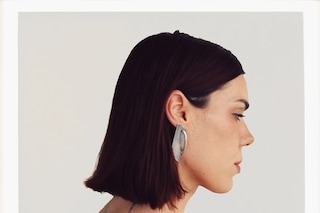
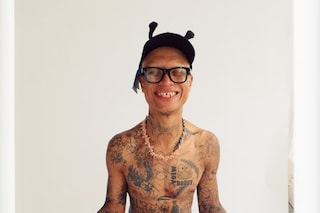
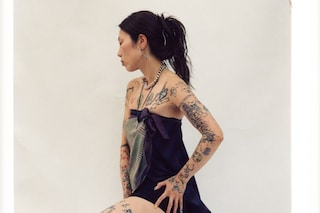
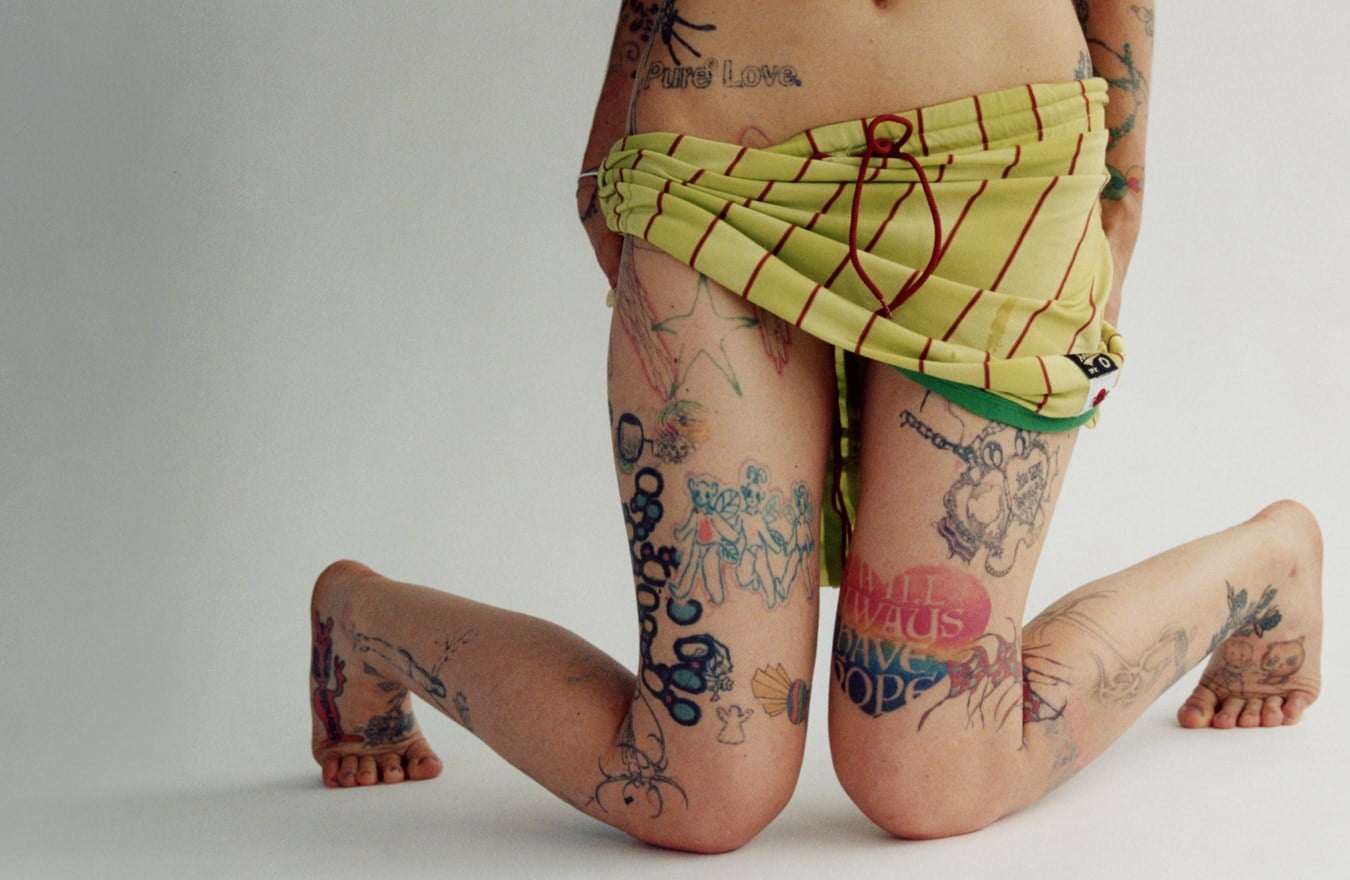
Down a narrow side street in east London lies an unassuming building, covered in rogue scribbles of graffiti. Its frosted windows give little indication of what’s inside, though a steady rotation of heavily inked figures passing in and out of its doors might offer a clue. This is New Language, a different kind of studio within the tattoo scene, challenging the closed apprenticeship structures and male-dominated culture that have traditionally characterised the industry.
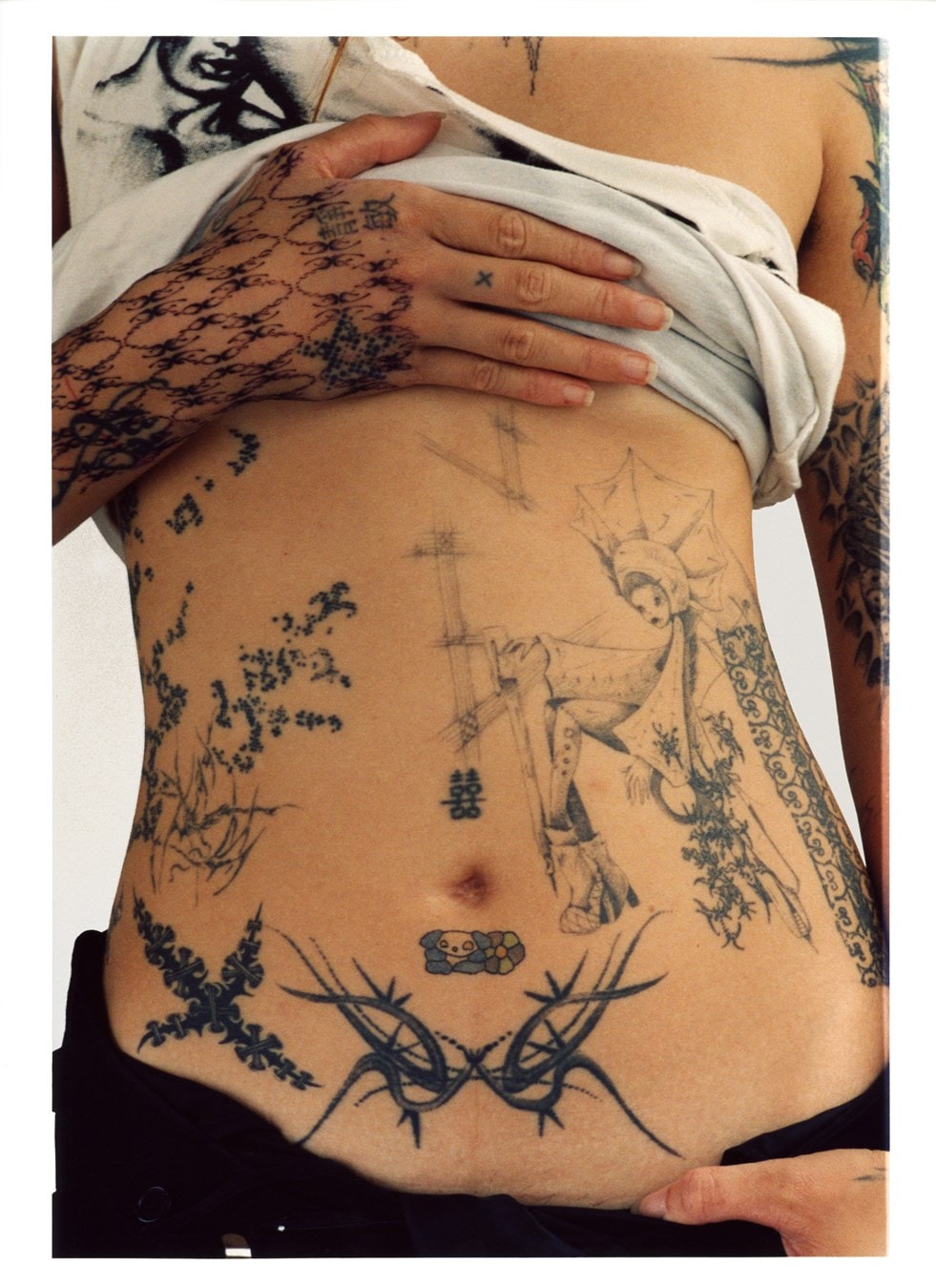
Established in 2017 by Morgan Myers, New Language was originally a home for artists working between tattooing and other artistic mediums. When Myers left the UK in 2024, the studio entered a new chapter, with resident artists Lisa Vigorelli, Em Finucane and Zaü Good stepping in to continue the project collectively. “We wanted to work in a space that is affordable, can run itself and support our artists–not just in their tattooing, but in other practices as well,” says Finucane. Today, the studio is home to 11 resident artists, each with their own approach to tattooing, from hand-poked illustrative designs to fonts inspired by Celtic scripts, textures drawn from everyday materials and playful, childlike sketches. While their styles vary, the collective shares a similar approach to the environment they have built. “We’re a sober space and mostly queer-run,” says Good. “This informs our shared values and creates a space in which we feel comfortable working and bringing our clients.”
The studio is part of a new global tattoo scene, where artist-run spaces are moving away from the traditional tattoo parlour hierarchy in favour of more DIY and inclusive models. The shift became particularly visible in 2024, when several of London’s beloved underground studios lost their spaces. “This created a vacuum, where we needed spaces to work in outside of the traditional tattoo sphere to keep the scene alive,” says Finucane. It’s from this wider global scene that guest artists come to work at New Language, tattooing for days at a time. Often, they go on to host one another in their own studios, an arrangement that “expands the feeling of the studio across cities and countries, and connects us with other artists who share the same ethos”, says Finucane. This culture of exchange is common on the scene; follow enough tattoo artists online, and you’ll find an informal economy built on trades–a tattoo for a painting, sculpture, or simply one tattoo for another. The approach has its challenges, but it’s one the studio is committed to. “We want to keep this community going,” says Vigorelli, “to have a space that allows people to focus on their work, trade with their friends and develop their practice.”
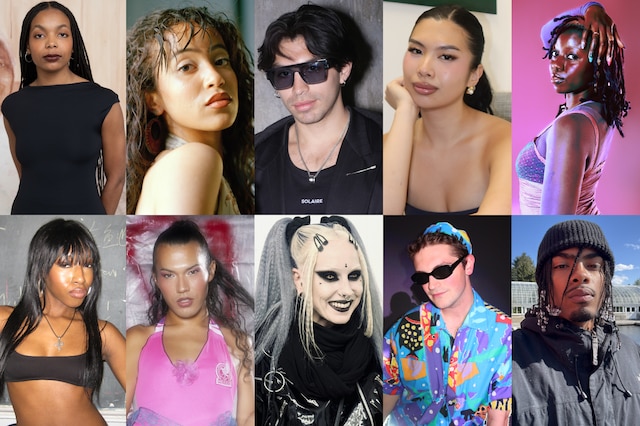
Models @ceasgenko, @keanurobo, @mmnotreally, @mossy333_, @poke.zero, @sesxyitalianbabe,
@spookybooky, @streetmicrowave, @4___play, photographic assistants Christopher Low, Sofia Verger