[analyse_image type=”featured” src=”https://images.euronews.com/articles/stories/09/91/40/08/1200x675_cmsv2_b0513fc7-f24a-5b9f-90b4-3b66024465a7-9914008.jpg”]

21 of the world’s 50 Best Hotels for 2026 are in Europe

Five killed in Russian drone strike on bus in southern Ukraine

From nail hammering to drilling, Japan’s new robots push physical AI forward

Von der Leyen unveils European Heatwave Plan in key speech
21 of the world’s 50 Best Hotels for 2026 are in Europe
Five killed in Russian drone strike on bus in southern Ukraine
From nail hammering to drilling, Japan’s new robots push physical AI forward
Von der Leyen unveils European Heatwave Plan in key speech
EU institutions face budget cuts as member states scramble for money
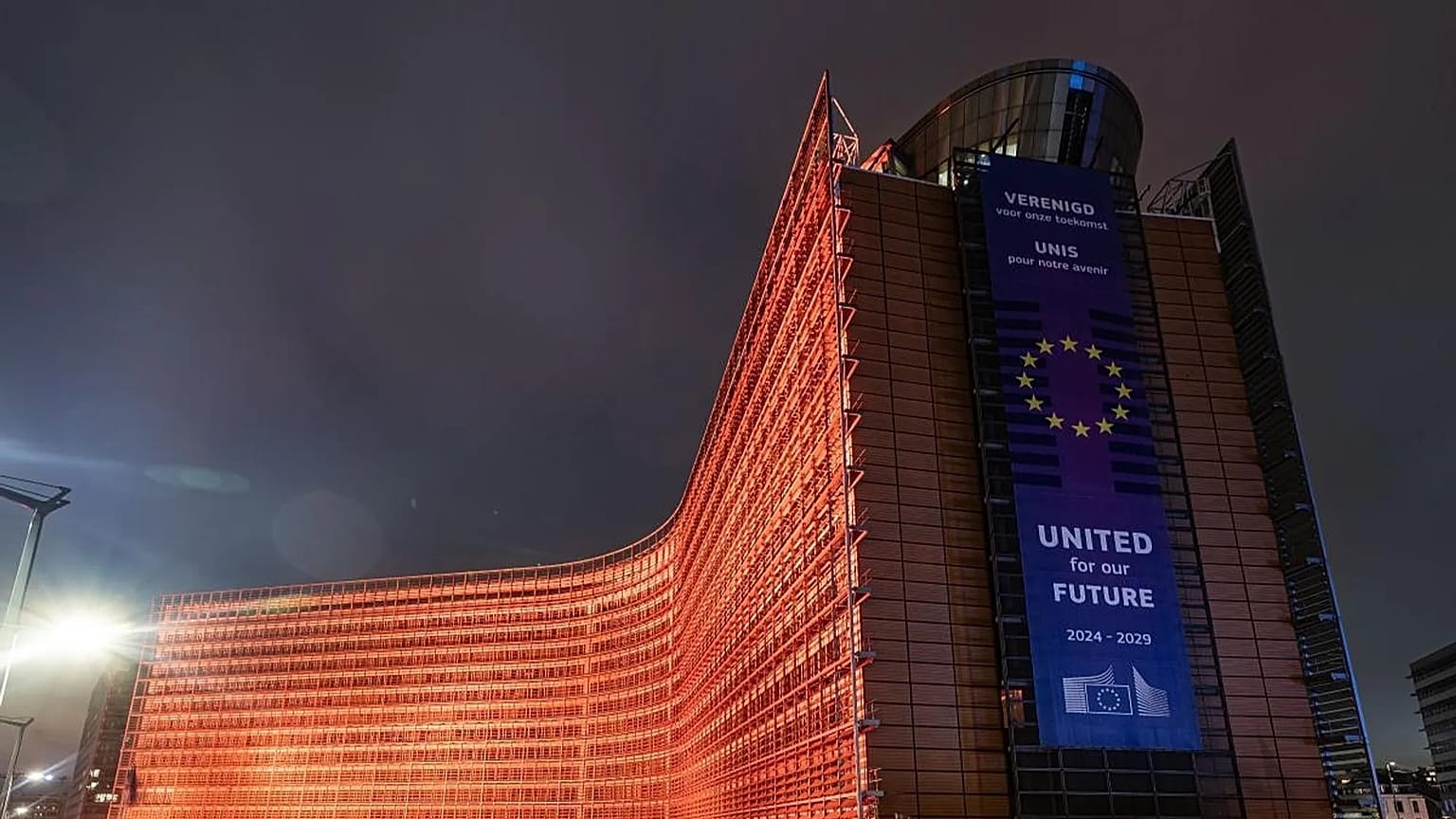
The headquarters of the European Commission in Brussels, Belgium.
– Copyright CE – Service audiovisuel/Xavier Lejeune

 Facebook
 Twitter
 Flipboard
 Send
Send Reddit
 Linkedin
 Messenger
 Telegram
 VK
VK Bluesky
 Threads
 Whatsapp
The money allocated for the EU institutions is emerging as a target for cuts in ongoing budgetary discussions, according to a confidential document seen by Euronews.
Most European Union capitals want to cut the money allocated to the bloc’s civil service, as part of a deal on the EU’s next long-term budget, a document seen by Euronews reveals.
 ADVERTISEMENTADVERTISEMENT
Member states are currently weighing how to cut costs as part of a wider agreement, under which the European Commission, European Parliament and Council of the EU could all see their budgets shrink.
EU countries are locked in intense negotiations on the next Multiannual Financial Framework (MFF), the budget for 2028-2034. On Wednesday, ambassadors will discuss potential landing zones for the total volume, originally set at around €2 trillion.
“A majority of member states saw Heading 4 [European Public Administration] as an area where reductions could be made,” reads a note circulated ahead of a discussion at EU ambassador level on Wednesday and seen by Euronews.
According to the document, many European governments questioned “the justification of the proposed increase in staff levels contained in the Commission proposal while many member states are constraining expenditure and headcount in their own national civil services”.
How high Brussels should set the bar for the next budget remains a point of contention between member states, split into a camp calling for a more ambitious budget led by France and Spain, and the so-called “frugals,” like Germany and the Netherlands, who want to reduce it by “several hundred billion euros.”
In June, the Cypriot rotating presidency of the EU Council presented a compromise proposal reducing the overall size by 2%, with the heftiest cuts falling on the Competitiveness Fund, for defence and industry investments, and the Global Europe Fund, the development aid pot.
The current Irish presidency is now working on a new compromise, expected in early October, ahead of a fresh discussion at the European Council summit on 15-16 October.
“What is your view on the volume of expenditure proposed by the current Negotiating Box and what do you see as the potential landing zone for these discussions?” the Irish government asked EU ambassadors in the note.
On funding for National and Regional Partnership Plans, which cover EU support for poorer regions, agriculture and fisheries, the note states that it “is the most important priority for the majority of member states”.
On the Competitiveness Fund, the presidency acknowledges broad support for its objectives of boosting Europe’s research and defence industries, but notes “there is a degree of openness by some to more moderated increases”.
Enlargement support, particularly for Ukraine, is also seen as a priority within the international aid programme.
In other words, the area of broadest consensus, according to the presidency note, is the budget allocated to the EU institutions themselves. Many European capitals are already tightening their belts, squeezed by ballooning defence spending, rising energy costs and aid to Ukraine.
The European Commission is already undergoing a review expected to lead to an internal reorganisation. Those plans could be coupled with a proposal on how to make a union of 30 or more member states work in practice, expected at the end of the month.
The European External Action Service is also under pressure to reform and become more effective, with the latest German-led proposal suggesting the EU’s diplomatic service could be placed directly under the Commission’s remit, with a significant presence of seconded national diplomats.
The discussion on the bloc’s budget will continue at a meeting of the General Affairs Council next week.
Go to accessibility shortcuts
Read more
EU countries discuss ‘realistic acceptable volume’ for Europe-wide taxes
Germany and France float plan to bring Kallas under von der Leyen’s supervision
EU budget: Costa tests leaders ahead of crunch money talks, eyes year-end deal
Live.
Canada, heatwaves and Ceuta: Von der Leyen delivers State of the Union
Von der Leyen calls for pacing frontier AI models
Von der Leyen unveils European Heatwave Plan in key speech

US threatens EU with retaliation over European preference in EU budget
Why is European money financing the American AI boom?
Germany to deploy troops to Lithuania after volunteer shortfall
Butter late than never: Paris gets its first boutique entirely dedicated to butter
United States Space Force says US has weapons in orbit
Danish PM condemns Russian flare attack on helicopter as ‘reckless’
NATO ‘committed and ready’ after shooting down drone over Lithuania
[analyse_source url=”https://www.euronews.com/my-europe/2026/09/15/eu-institutions-face-budget-cuts-as-member-states-scramble-for-money”]