[analyse_image type=”featured” src=”https://images.euronews.com/articles/stories/09/89/00/43/1200x675_cmsv2_153ad727-a4bb-508e-82fb-f70f0bf066f5-9890043.jpg”]

Two pilots killed in jet crash during Greek air force annual show
Paris drops Mercator projection: France now looks smaller on world maps

US drafting post-war plan for the Middle East, report says

Spain to maintain border checks Italy arrivals until 22 September
Two pilots killed in jet crash during Greek air force annual show
Paris drops Mercator projection: France now looks smaller on world maps
US drafting post-war plan for the Middle East, report says
Spain to maintain border checks Italy arrivals until 22 September
This Greek island solved its rubbish problem – by getting rid of its landfill entirely
©
– Copyright Euronews

 Facebook
 Twitter
 Flipboard
 Send
Send Reddit
 Linkedin
 Messenger
 Telegram
 VK
VK Bluesky
 Threads
 Whatsapp
Most small islands have little choice but to bury their rubbish in a landfill. Tilos in Greece has found another way. Euronews visited the world’s first zero-waste island to see how its system works, and whether other places can do the same.
Tilos, a small Greek island, used to bury its rubbish on a hillside. The landfill kept growing. Wind scattered plastic across the beaches below.
 ADVERTISEMENTADVERTISEMENT
It’s a familiar problem for small islands. Residents and tourists produce waste, but shipping it elsewhere for recycling rarely makes economic sense. So most islands sacrifice a patch of scarce land and bury the problem. Out of sight, out of mind.
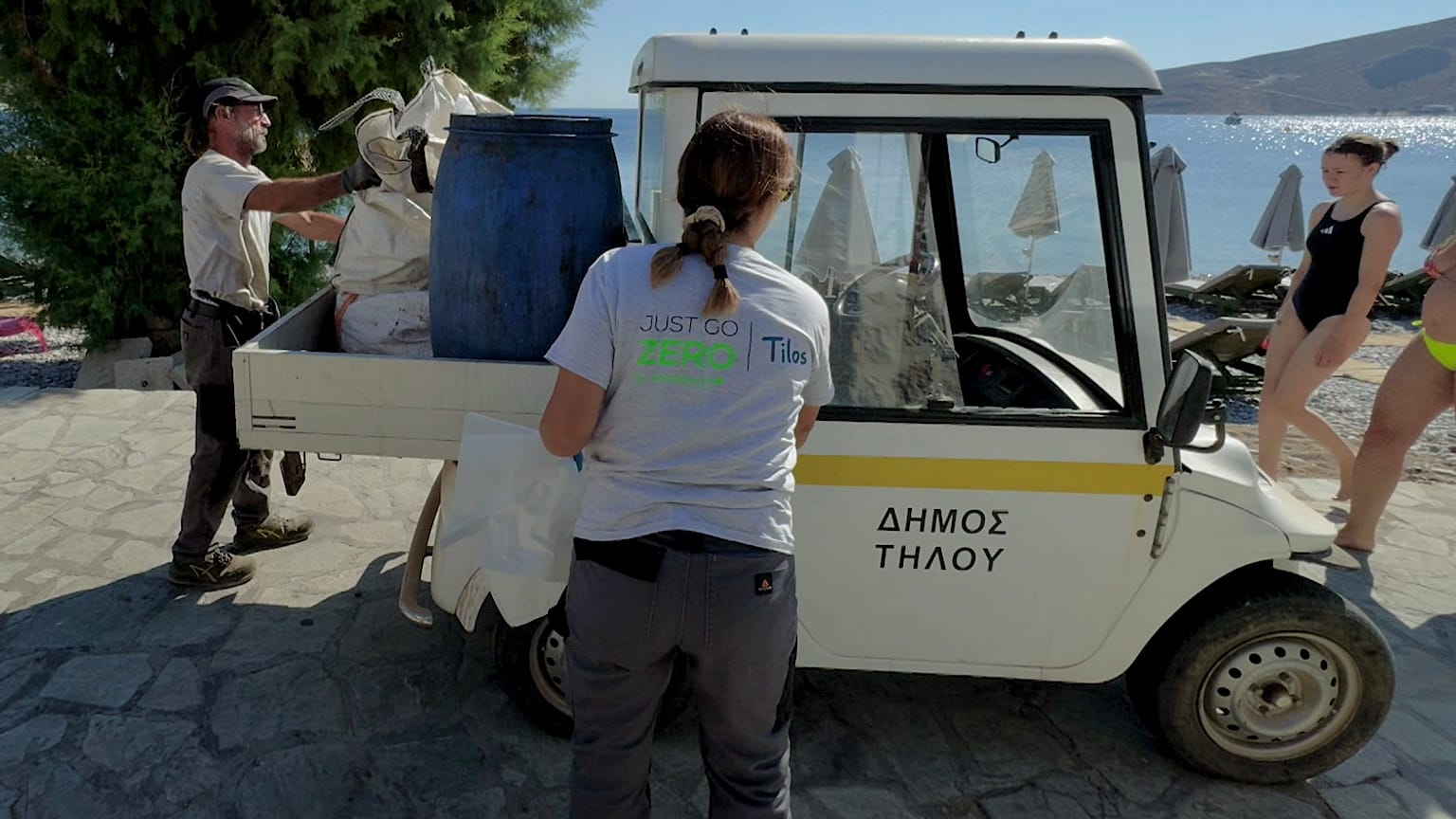
A few years ago, Tilos tried something different. Working with Greek circular economy company Polygreen and backed by the Region of South Aegean, the island removed its street bins entirely and replaced them with door-to-door collection. Every household and business received separate bags for recyclables and organic waste, each tagged with a QR code.
As a result, Tilos is now the world’s first island to hold the Zero Waste Cities Certification, with a recycling and composting rate of close to 90% – well above both the Greek national figure and the EU average.
How it works
All waste collected from the residents and businesses goes to the Centre of Circular Innovation, built on the old landfill site.
“This is an island that produces waste but buries nothing,” project manager Spyros Kastanakis told Euronews. “330 tonnes a year – 60% recyclable, 30% organic, and the remaining 10% goes as fuel to cement factories.”
Organic waste is composted into fertiliser and given free to local farmers. Non-recyclables are turned into alternative fuel. Everything else is sorted into 15 categories, compressed, and shipped to the mainland as economically valuable raw material. “This is no longer waste – it’s raw material,” says Tilos Secretary General Stathis Kontos. “Everything has a second life.”
The system only works if residents sort properly at home. Getting them there took effort. “First we went to the schools and convinced the children,” Mayor Maria Kamma told Euronews. “The children passed it on to their parents, and from there it spread.”
The Just Go Zero Tilos project is ready to grow. Regional authorities are planning to extend the model so that more small islands across Greece can stop burying their waste – and start dealing with it properly.
Go to accessibility shortcuts
Read more
Skyrocketing windmills: The world’s tallest wind power plant is going to dwarf the Eiffel tower
From playing games to building rockets: Portugal’s Ubbu brings coding to primary school
Estonia’s girls only HK Unicorn Squad is helping build the country’s next tech generation
Iran says it attacked tankers, US-linked vessels in Hormuz escalation

Russia to pause strikes on Kyiv as US peace envoys visit

Berlin cyberattack: hackers leak highly sensitive data across dark web
War criminal Mladić commemorated in Belgrade, but no state honours

US drafting post-war plan for the Middle East, report says
Driver of lorry hit by Polish train refused to break through barriers
Spain matches September heat record at 45.7C
Travelling to Europe? EES border checks are changing this weekend
Why is fuel expensive when crude oil hasn’t hit record highs?
Five EU countries in talks to set up return hubs by 2027
[analyse_source url=”https://www.euronews.com/my-europe/2026/09/04/this-greek-island-solved-its-rubbish-problem-by-getting-rid-of-its-landfill-entirely”]