
Updated September 4, 2026
The world is full of incredible mountain ranges, but some stand above the rest when it comes to skiing and snowboarding. From towering peaks and massive glaciers to deep powder and expansive alpine terrain, the world’s best ranges offer the ingredients needed for unforgettable days on snow. While individual mountains can be legendary, an entire mountain range can provide hundreds of miles of terrain and countless opportunities to explore.
What makes a mountain range great for skiing and snowboarding is a combination of abundant snowfall, reliable conditions, dramatic terrain, and enough variety to keep skiers and riders coming back. The ranges below stand out for their exceptional combination of snow and terrain, and many are home to some of the world’s most famous ski destinations.
Here are the mountain ranges every skier and snowboarder should know.
Trending on SnowBrains
-

 1USDA Gives $650,000 Loan to Historic Oregon Ski Area →
 -
 2Falls Creek, Charlotte Pass Close Early on Rough 2026 Season →
 -
 3Old Farmer’s Almanac Winter Forecast: Canada Ski Guide →
 -
 4The 11 Best Mountain Ranges for Skiing and Snowboarding →
 -
 5A Small Romanian Ski Area is Getting a €44M Transformation →
.sb-trending-widget {
background: #f8f8f8;
border-top: 2px solid #e0e0e0;
border-left: 4px solid #ea2e49;
border-radius: 0 4px 4px 0;
margin: 28px 0;
padding: 14px 14px 6px;
width: 100%;
box-sizing: border-box;
}
.sb-trending-header {
display: flex;
align-items: center;
gap: 8px;
margin-bottom: 12px;
padding-bottom: 10px;
border-bottom: 1px solid #e0e0e0;
}
.sb-trending-icon {
font-size: 18px;
line-height: 1;
flex-shrink: 0;
}
.sb-trending-label {
font-size: 15px;
font-weight: 700;
color: #1a1a1a;
line-height: 1.3;
text-transform: uppercase;
letter-spacing: 0.04em;
}
.sb-trending-list {
list-style: none;
margin: 0;
padding: 0;
}
.sb-trending-item {
border-bottom: 1px solid #e8e8e8;
padding: 9px 0;
border-radius: 3px;
transition: background 0.1s;
}
.sb-trending-item:last-child {
border-bottom: none;
padding-bottom: 4px;
}
.sb-trending-item:active {
background: #fef0f2;
}
.sb-trending-link {
display: flex;
align-items: center;
gap: 10px;
text-decoration: none;
color: inherit;
padding: 2px 4px;
}
.sb-trending-thumb {
flex-shrink: 0;
}
.sb-trending-thumb img {
display: block;
width: 80px;
height: 64px;
object-fit: cover;
border-radius: 3px;
}
.sb-trending-text {
display: flex;
align-items: center;
gap: 8px;
flex: 1;
min-width: 0;
}
.sb-trending-num {
font-size: 22px;
font-weight: 700;
color: #ea2e49;
line-height: 1;
min-width: 22px;
flex-shrink: 0;
}
.sb-trending-right {
flex: 1;
min-width: 0;
}
.sb-trending-title {
font-size: 14px;
font-weight: 500;
color: #1a1a1a;
line-height: 1.45;
text-align: left;
transition: color 0.15s;
display: inline;
}
.sb-trending-arrow {
font-size: 14px;
color: #ea2e49;
font-weight: 700;
white-space: nowrap;
display: inline;
}
.sb-trending-link:hover .sb-trending-title {
color: #ea2e49;
}
.sb-trending-link:active .sb-trending-title {
color: #ea2e49;
}
Rocky Mountains

The Rocky Mountains are arguably the most well-known mountain range in the United States for skiing and snowboarding. Stretching roughly 3,000 miles from Canada through New Mexico, the Rockies contain more than 100 subranges, generally divided into the Canadian and Northern Rockies, Middle Rockies, and Southern Rockies. Colorado is perhaps the most famous skiing destination in the range, with iconic resorts such as Vail, Breckenridge, and Winter Park.
Some of the Rockies’ best skiing can also be found outside Colorado. Wyoming’s Teton Range is home to Jackson Hole, while Utah’s Wasatch Range is famous for its legendary powder and resorts such as Snowbird. With abundant snowfall, high elevations, massive alpine terrain, and hundreds of ski areas, the Rocky Mountains offer some of the most diverse and accessible skiing and snowboarding in North America.
Sierra Nevada Mountains
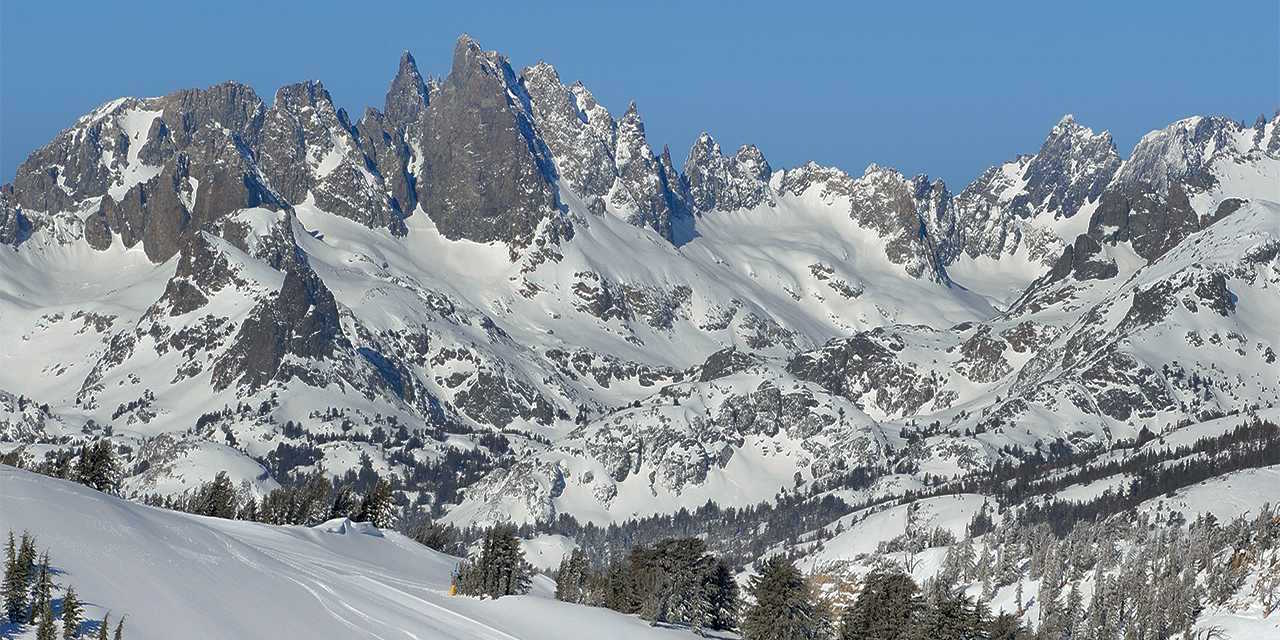
Known as the “Range of Light” by legendary naturalist John Muir, the Sierra Nevada stretches roughly 400 miles along eastern California and into Nevada. The range is home to 14,495 foot Mt. Whitney, the highest peak in the contiguous United States, as well as some remarkably snowy terrain. The UC Berkeley Central Sierra Snow Lab at Donner Summit averages around 409 inches of snow each year, highlighting the tremendous winter precipitation that helps make the Sierra Nevada such a special place for snow sports.
The range is also home to some of the most renowned ski resorts in the United States, including Palisades Tahoe and Mammoth Mountain in California. Both resorts offer extensive terrain, significant vertical, and access to the Sierra’s distinctive combination of steep alpine peaks, open bowls, and abundant snowfall. For skiers and snowboarders, the Sierra Nevada combines enormous mountain scenery with the deep winter storms and challenging terrain that make California skiing so unique.
Selkirk Mountains

Stretching roughly 326 miles through British Columbia, Idaho, and Washington, the Selkirk Mountains are one of the great snow belts of western North America. The range is known for rugged peaks, steep terrain, and abundant snowfall, with Pacific moisture producing massive winter accumulations. Mount Sir Sandford rises to 11,545 feet, while Rogers Pass receives roughly 370 inches of snow in an average year, helping make the Selkirks a paradise for powder skiers and snowboarders.
For skiers, the Selkirks are best known for destinations such as Revelstoke and Rogers Pass, where deep snow meets dramatic alpine terrain. Rogers Pass, located within Glacier National Park (Canada), receives an average of about 14 meters of snow annually and is one of Canada’s premier backcountry ski touring destinations.
Japanese Alps
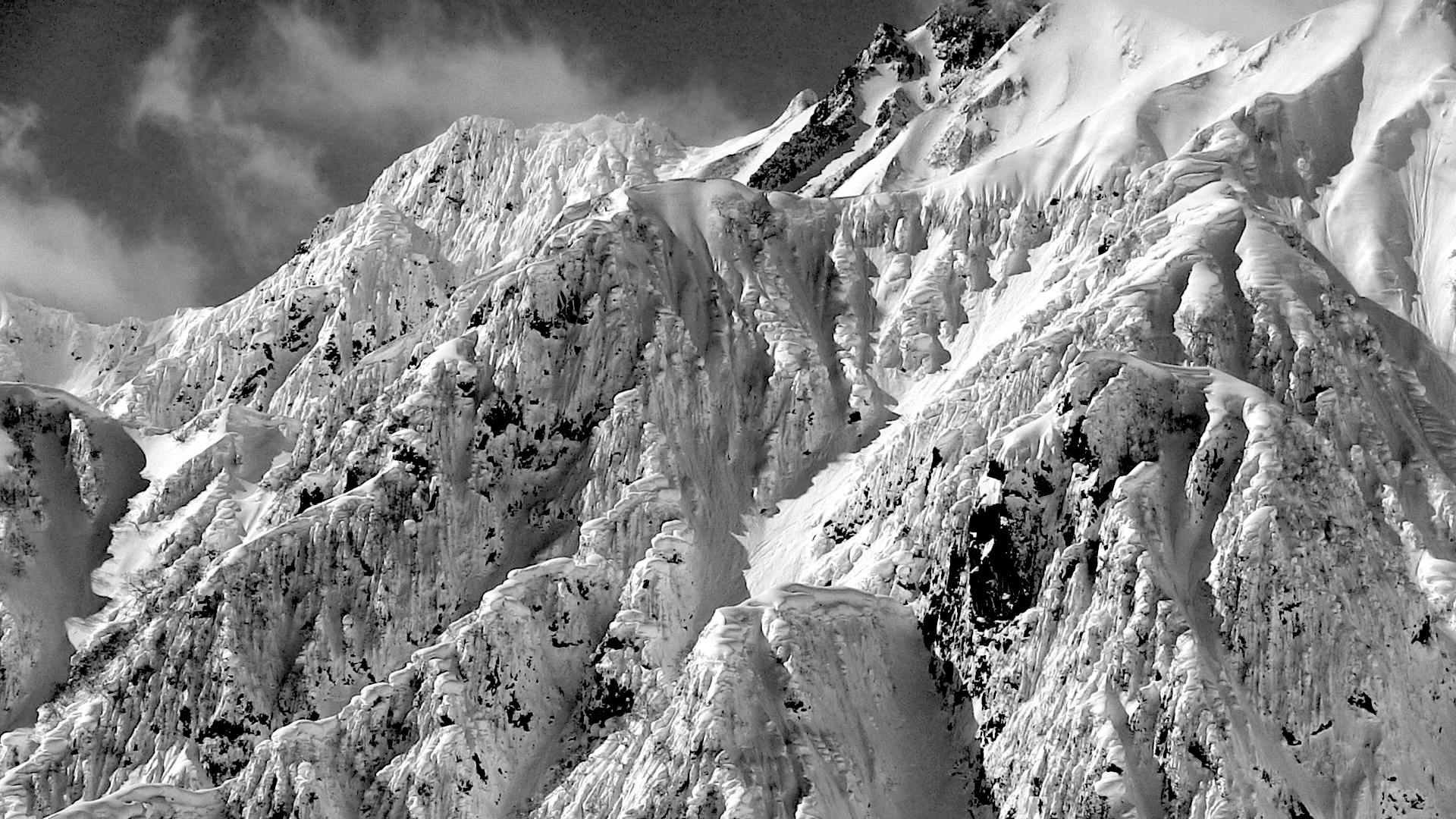
Japan’s Alps may be home to some of the most consistent powder skiing on Earth. Located on Honshu, the country’s largest island, the range receives enormous amounts of moisture from the Sea of Japan, which is transformed into frequent snowfall as storms encounter the mountains. The region is also home to Mount Kita, which rises to 10,476 feet and is the highest peak in the Japanese Alps, while ski areas around Hakuba, Myoko, and Nozawa Onsen regularly see several hundred inches of snow each winter.
The Japanese Alps combine deep powder with an impressive variety of ski terrain and some of Japan’s best ski resorts. Happo One in Hakuba offers steep alpine terrain and more than 1,000 meters of vertical, while Myoko Kogen is renowned for its enormous snowfall and Nozawa Onsen combines extensive terrain with a traditional Japanese village and hot spring culture. With snowfall totals around 11 to 13 meters at some resorts, the region has earned its reputation as a powder paradise.
Andes Mountains

Stretching roughly 4,500 miles along the western edge of South America, the Andes are the longest mountain range on Earth and a massive destination for skiing and snowboarding. The range reaches its highest point at Aconcagua, which rises to 22,838 feet, and its southern sections receive substantial snowfall during the Southern Hemisphere winter. The combination of high elevation, dry snow, and dramatic terrain makes the Andes one of the world’s most unique mountain environments.
While much of the range is remote and difficult to access, several world class ski resorts showcase the Andes. Las Leñas and Catedral Alta Patagonia in Argentina, along with Portillo in Chile, offer everything from groomed runs to steep alpine terrain and deep powder. For skiers and snowboarders looking to chase winter during the Northern Hemisphere summer, the Andes also provide the opportunity to ski from June through October, making South America an essential destination for snow enthusiasts.
Chugach Mountains
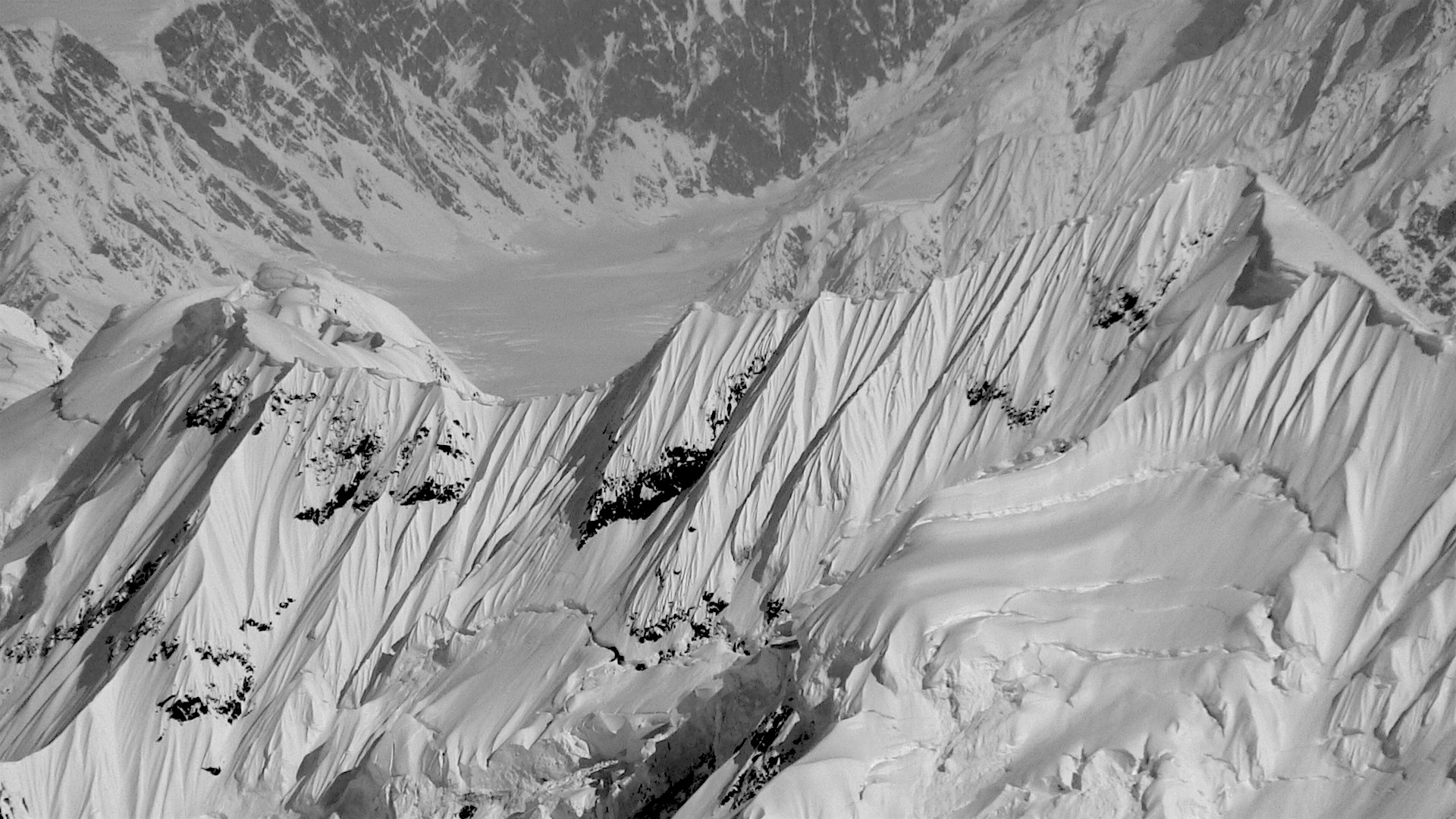
The Chugach Mountains are widely regarded as one of the world’s premier destinations for big mountain skiing and snowboarding. Stretching roughly 250 miles across southern Alaska, the range is defined by enormous peaks, glaciers, steep faces, and abundant snowfall. Mount Marcus Baker rises to more than 13,000 feet, while the coastal Chugach can receive extraordinary amounts of snow each winter.
For resort skiing, Alyeska Resort provides the most accessible gateway into the Chugach, combining more than 2,500 feet of vertical with an average of roughly 650 inches of snow annually. Beyond the resort, the range becomes a playground for expert skiers and snowboarders, with heli-skiing providing access to massive glaciers, alpine bowls, and steep mountain faces far beyond the boundaries of a traditional ski area.
Southern Alps

The Southern Alps of New Zealand’s South Island are among the most spectacular mountain ranges on Earth. Stretching roughly 300 miles along the island, the range is dominated by rugged peaks, glaciers, and dramatic valleys, including 12,218 foot Mt. Cook, New Zealand’s highest mountain. The range also receives impressive snowfall, with many areas averaging roughly 200 to 400 inches of snow annually.
The Southern Alps are home to several quality ski areas, each offering its own take on New Zealand’s unique alpine terrain. Treble Cone, Cardrona, Mt. Hutt, and The Remarkables are among the most notable. For skiers and snowboarders looking for dramatic scenery, quality snow, and a chance to experience skiing far from the traditional resorts of North America and Europe, the Southern Alps are hard to beat.
Coast Range

Stretching roughly 1,000 miles along the coast of British Columbia and southeastern Alaska, the Coast Mountains are a massive playground for skiers and snowboarders. The range is home to Mount Waddington, which rises to 13,168 feet and is the highest peak in British Columbia, along with countless glaciers, steep alpine faces, and deep valleys. This makes the Coast Mountains a combination of big terrain and abundant snowfall that skiers dream about.
The range is also home to some of the world’s most famous ski destinations, including Whistler Blackcomb, British Columbia, which is the largest resort in North America. Beyond the major resorts, the Coast Mountains provide seemingly endless opportunities for backcountry skiing, heli skiing, and ski mountaineering.
North Cascades
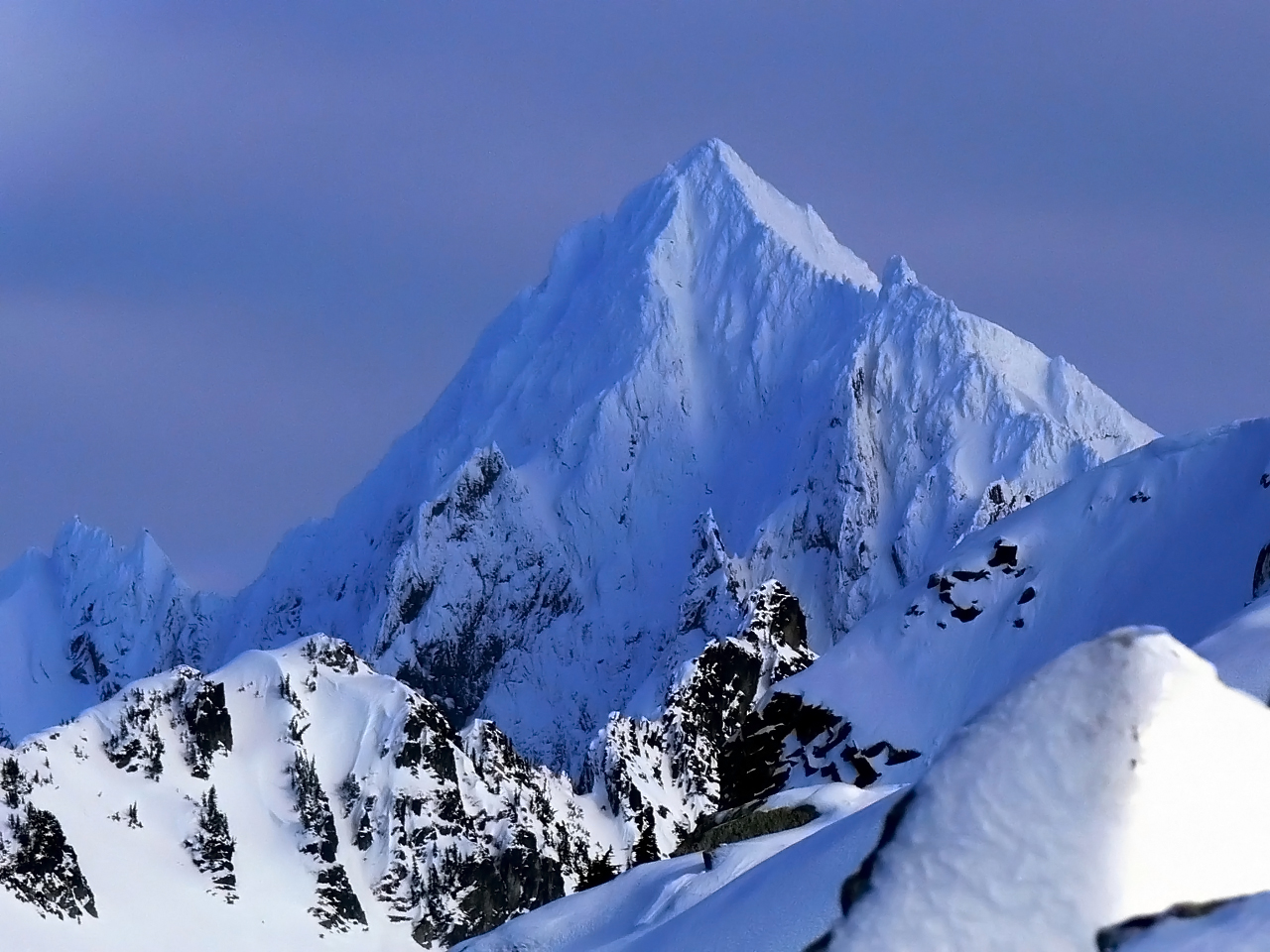
The North Cascades are among the most rugged and spectacular mountains in the Lower 48. Stretching roughly 150 miles across northern Washington, the range is packed with jagged peaks, glaciers, steep alpine faces, and deep valleys. At 10,781 feet, Mount Baker is the range’s highest point and sits in one of the snowiest corners of the country.
For skiers and snowboarders, the North Cascades are defined by huge amounts of snow and challenging terrain. Mt. Baker Ski Area averages more than 660 inches of snow annually, with the mountain receiving a remarkable 1,140 inches during the 1998–99 season, a snowfall total verified as the world record for a single season. While the range has limited lift-served skiing, Mt. Baker provides access to some of the deepest snow and most rugged inbounds terrain in North America, while the surrounding mountains offer extensive opportunities for experienced backcountry skiers and snowboarders.
Alps

Stretching roughly 750 miles across Europe, the Alps are arguably the most important mountain range in the world for skiing and snowboarding. The range is home to some of the biggest and most famous ski resorts on Earth, with towering peaks, extensive lift networks, glaciers, and thousands of miles of ski terrain spread across multiple countries. Mont Blanc rises to 15,780 feet, making it the highest peak in the Alps, while many parts of the range receive roughly 300 to 400 inches of snow annually.
The Alps also offer an incredible variety of skiing, from steep alpine terrain and legendary off-piste routes to massive interconnected ski areas and high-altitude glaciers. Some of the world’s most famous ski destinations are found here, including Chamonix, Verbier, Zermatt, St. Moritz, and Courmayeur. With its combination of size, elevation, snowfall, terrain, and world-class resorts, it is difficult to make a list of the world’s best mountain ranges for skiing without putting the Alps near the top.
Himalayas

Stretching roughly 1,500 miles across Asia, the Himalayas are home to the biggest mountains on Earth. The range includes Mount Everest, which rises to 29,035 feet and is the highest point on the planet, along with more than 100 other peaks exceeding 23,000 feet. With enormous elevations, massive glaciers, and some areas receiving an estimated 500 to 800 inches of snow annually, the Himalayas offer an unmatched scale for skiing and snowboarding.
Despite the extreme environment, the range is home to several ski destinations, with Gulmarg in Kashmir, India, standing out as one of the world’s premier powder skiing destinations. Gulmarg is famous for its deep snowfall, high alpine terrain, and access to some of the world’s highest lift-served skiing. For adventurous skiers and snowboarders, the Himalayas offer a combination of altitude, terrain, and snow that is difficult to match anywhere else.
From the Rockies and Alps to the Himalayas and Andes, the world’s great mountain ranges offer an incredible variety of skiing and snowboarding. Each range has its own combination of snow, terrain, elevation, and scenery, giving skiers and riders plenty of reasons to explore beyond their local mountains. Whether you’re chasing deep powder, massive alpine lines, or simply want to experience some of the most spectacular mountains on Earth, these ranges belong on any skier or snowboarder’s bucket list.
