[analyse_image type=”featured” src=”https://velo-cdn.outsideonline.com/wp-content/uploads/2026/09/DSC_5714-Edit-2.jpg”]
Pros
40mm tire clearance
In-frame storage
UDH compatibility
More aerodynamic than the previous generation
Same seatpost as the Dogma GR offering intentional flex
New X-Stay design allows for more seat tube flex
Pinarello offers more sizes than many brands
Cons
Not a great gravel bike
The X-Stays add material to the rear triangle to address vibration damping that is already handled in other ways
Specs
Size tested: 53
Weight: 8.1kg ready to ride minus pedals
Price: $8200
Brand: Pinarello
Verdict
Ignore the chatter about the new Pinarello X Series being a gravel bike. The Pinarello X7 I tested feels nervous on serious gravel, but that’s because it wasn’t built for it. While light dirt is fine, put this bike on the rolling hills of the Italian countryside and it truly comes alive. It is a traditional endurance bike that serves as an ideal Saturday morning partner for long rides, and the signature Pinarello style certainly doesn’t hurt.
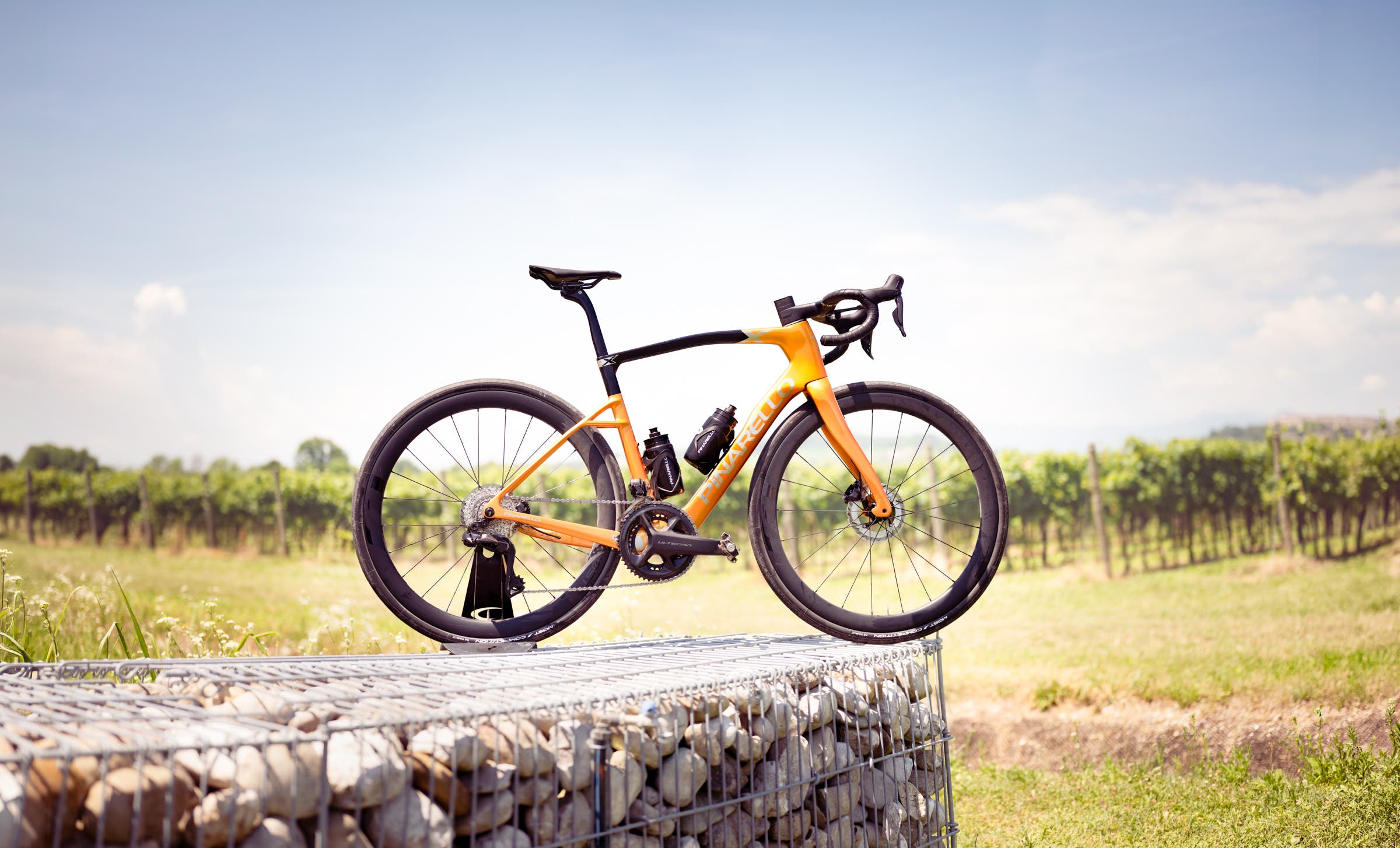
Today the updated Pinarello X Series is launching, and it’s been dramatically reworked. Pinarello calls it an all-new bike, but I think that erases its heritage. It was already a dialed design, and this update builds on that foundation rather than replacing it.
There’s a new steerer, more tire clearance, integrated storage, and an update to the brand’s X-Stays that promise to reduce road chatter. You could lean on those changes adding up to a brand-new bike, but you could also look at this as the next chapter for a bike that speaks Italian like few bikes do. It was already a great design, and making it more capable doesn’t mean it strays from the heritage of the name.
I was able to explore that heritage near the factory in Italy earlier this summer. Here’s what I thought of the Pinarello X7.
Quick hits: x standout details of the Pinarello X Series
- The X1 model carries over unchanged from the previous generation to preserve compatibility with mechanical groupsets.
- The X7 is 8.1kg, the X9 is 7.7kg, x5 8.75kg, and 8.85kg for the X3
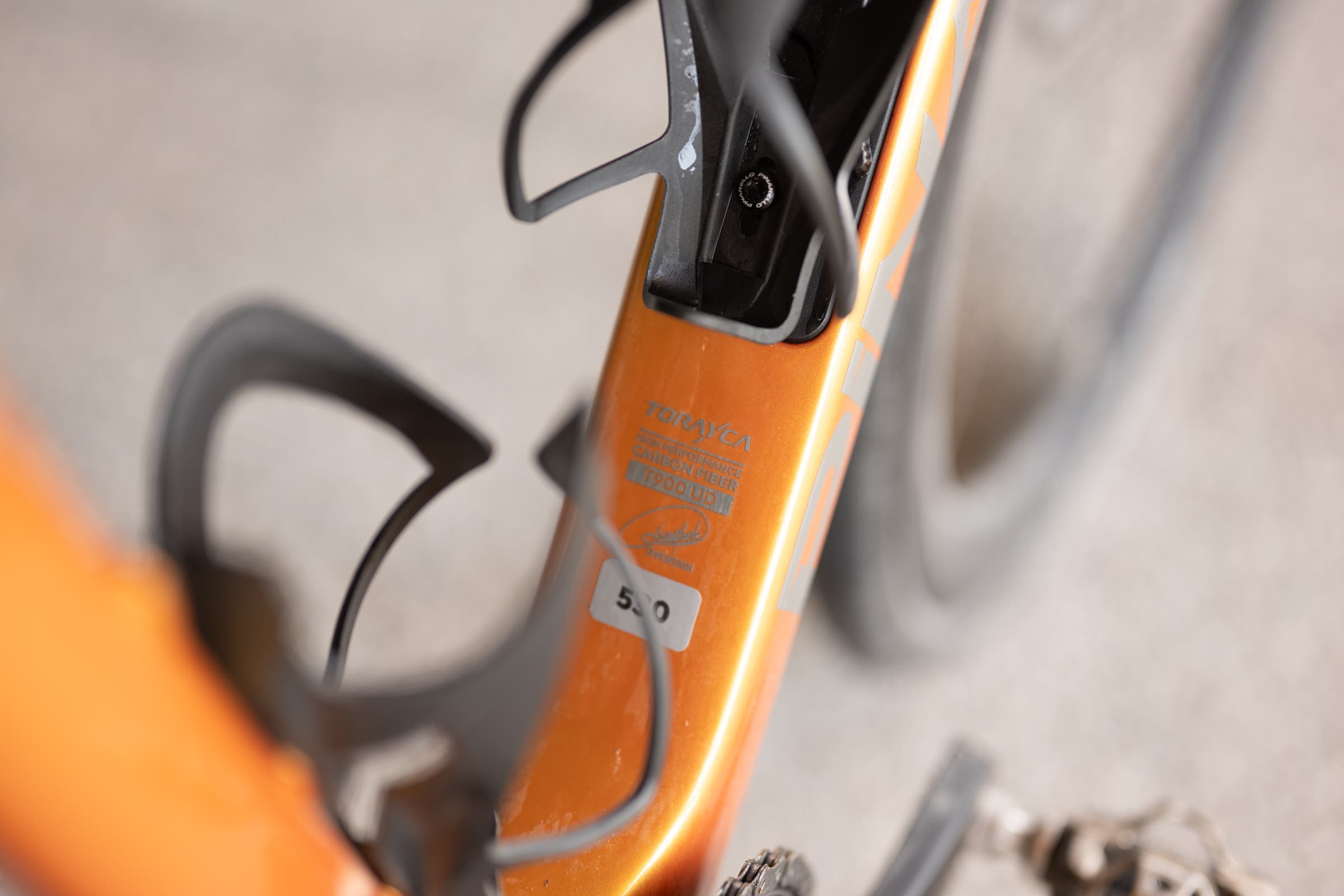
- The top-tier X9 and X7 utilize premium Torayca T900 carbon fiber, with the layup scaling to lower grades as you move down the lineup.
- True to the brand’s heritage, the frames continue to be hand-painted and finished in Italy.
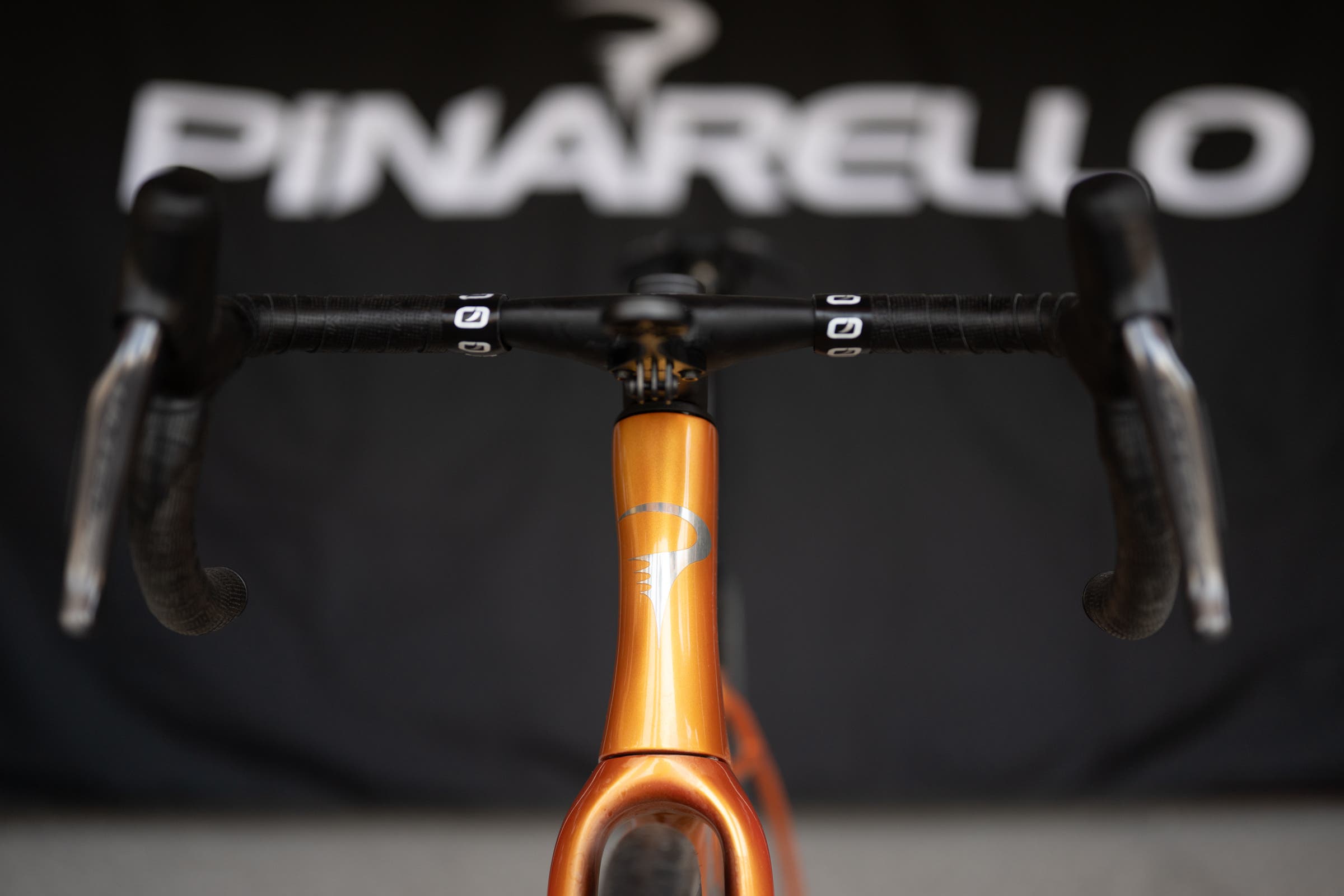
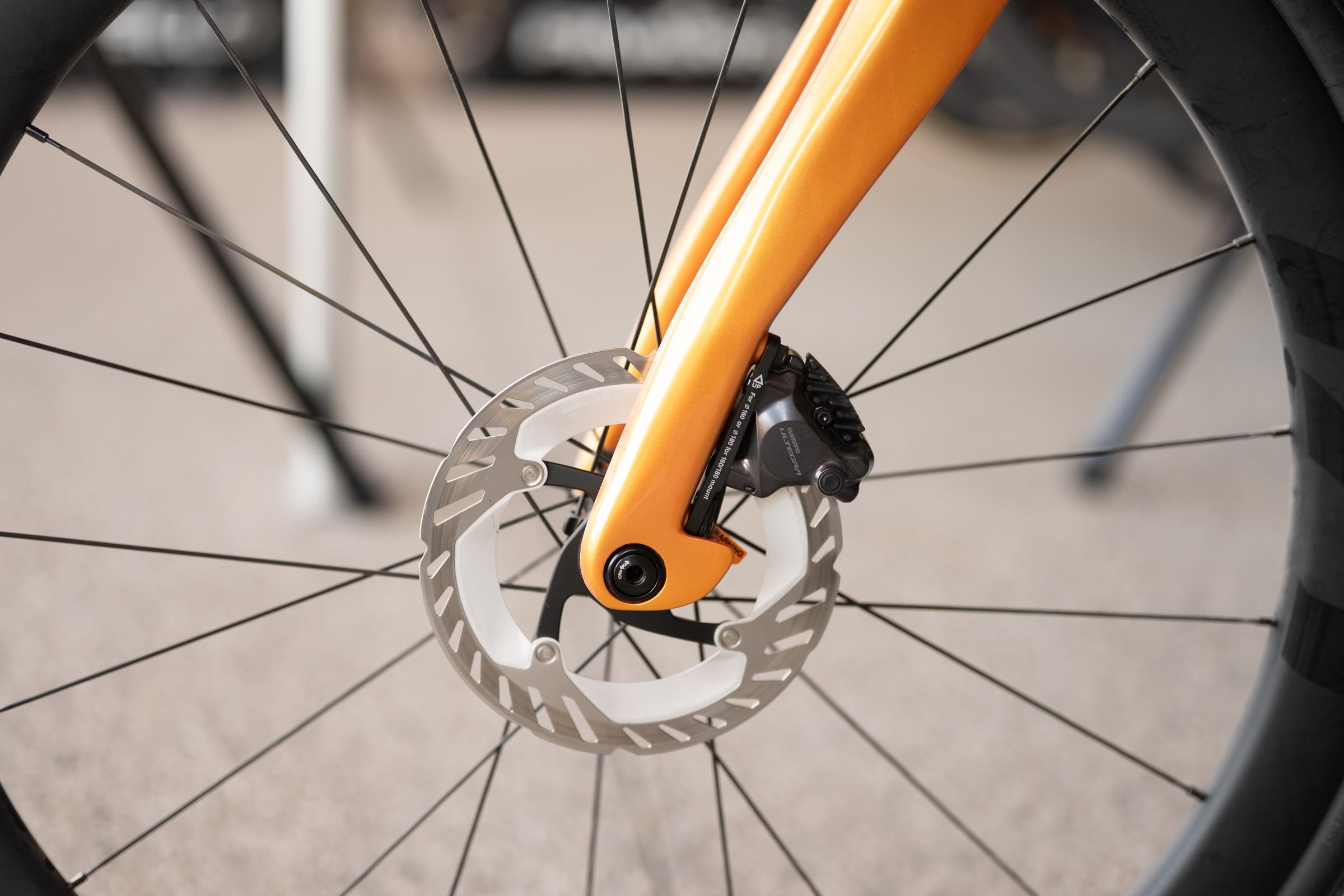
- While the cables were already hidden, the new elliptical steerer slims down the headtube for better aerodynamics and increased stiffness.
- To help soak up rough tarmac, the seatpost is engineered to allow up to 10mm of vertical flex.
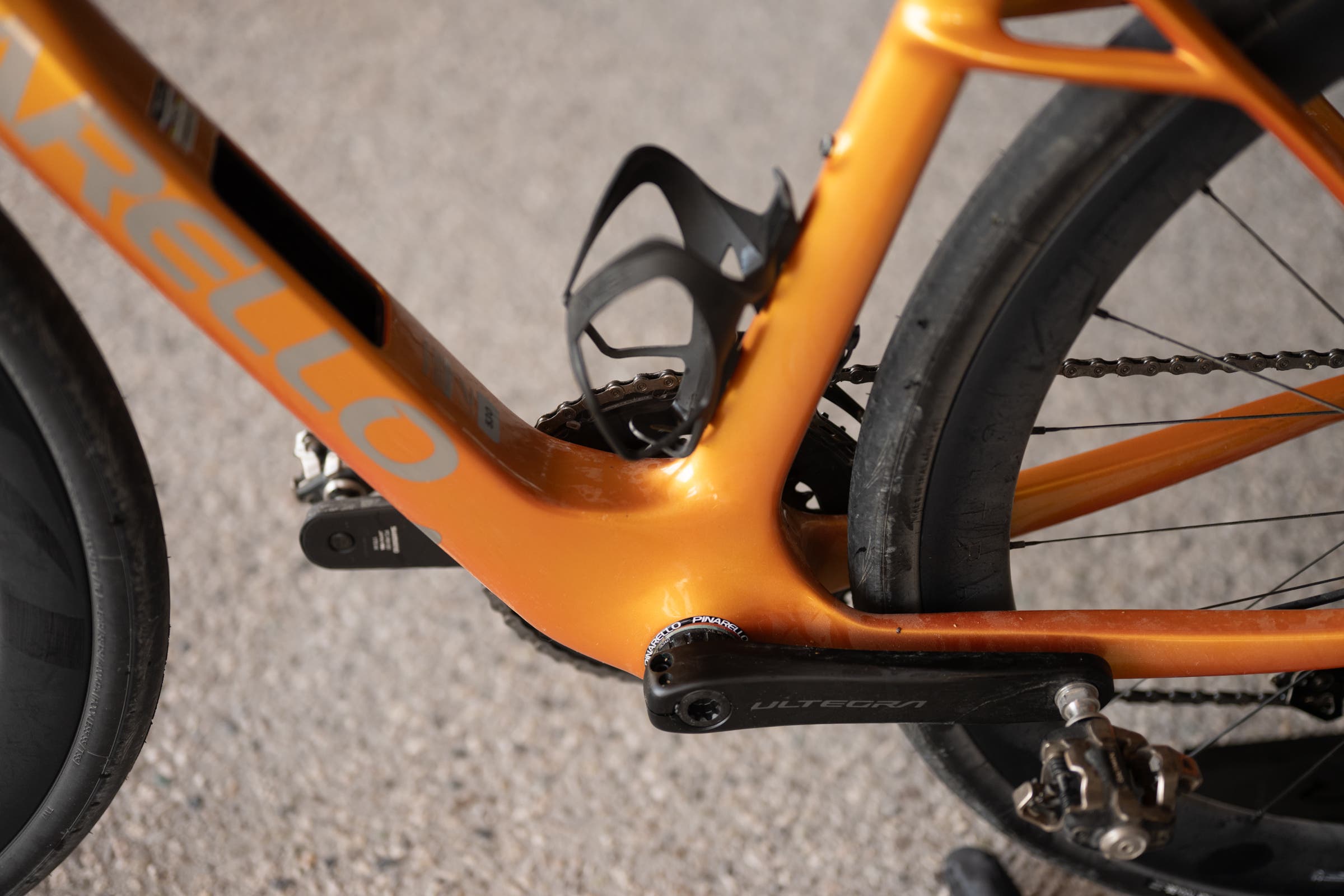
- A threaded bottom bracket and a Universal Derailleur Hanger (UDH) ensure long-term ease of ownership and maintenance.
- Maximum tire clearance has been pushed to 40mm.
- For more information, visit the Pinarello website.
Pinarello X Series frame details
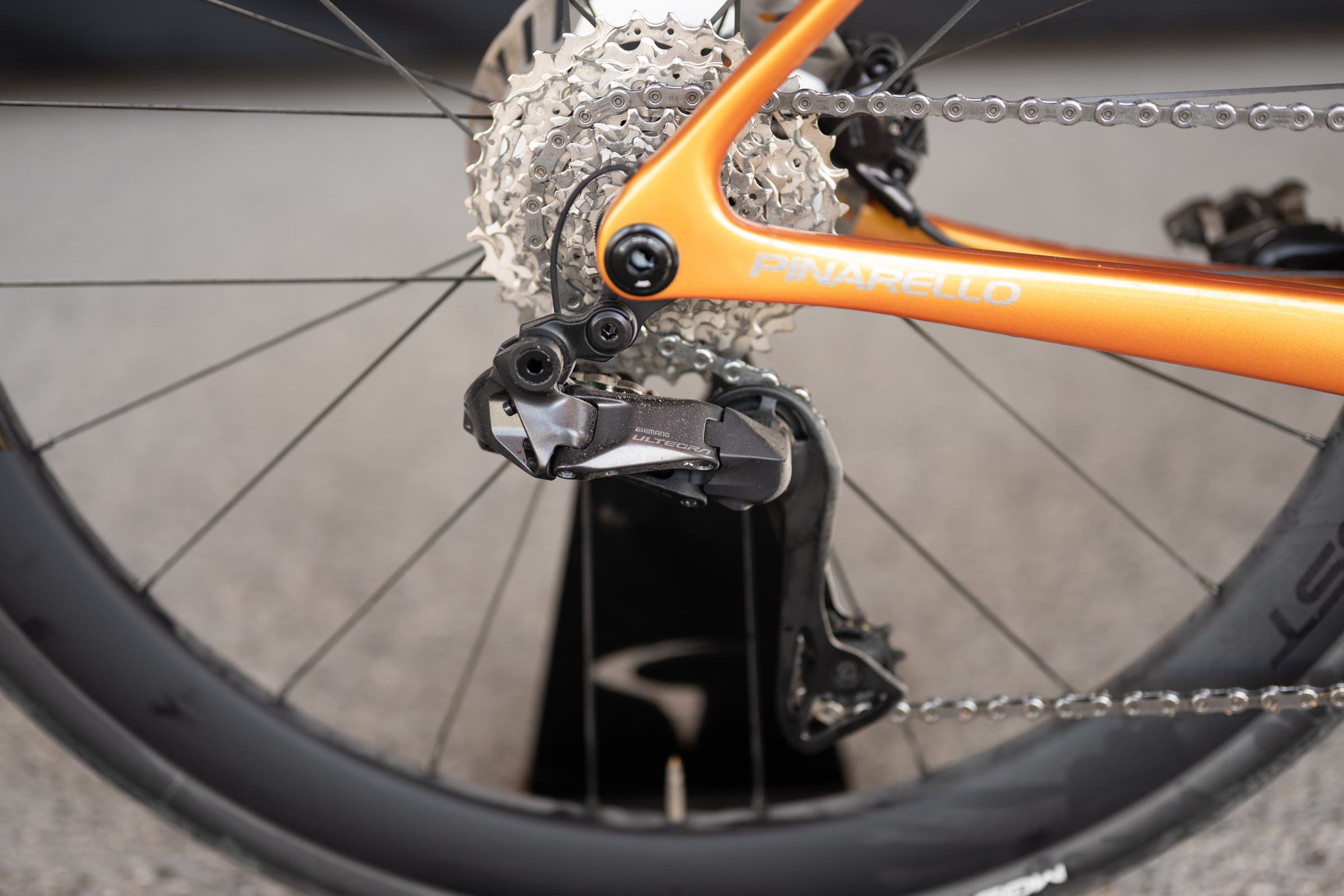
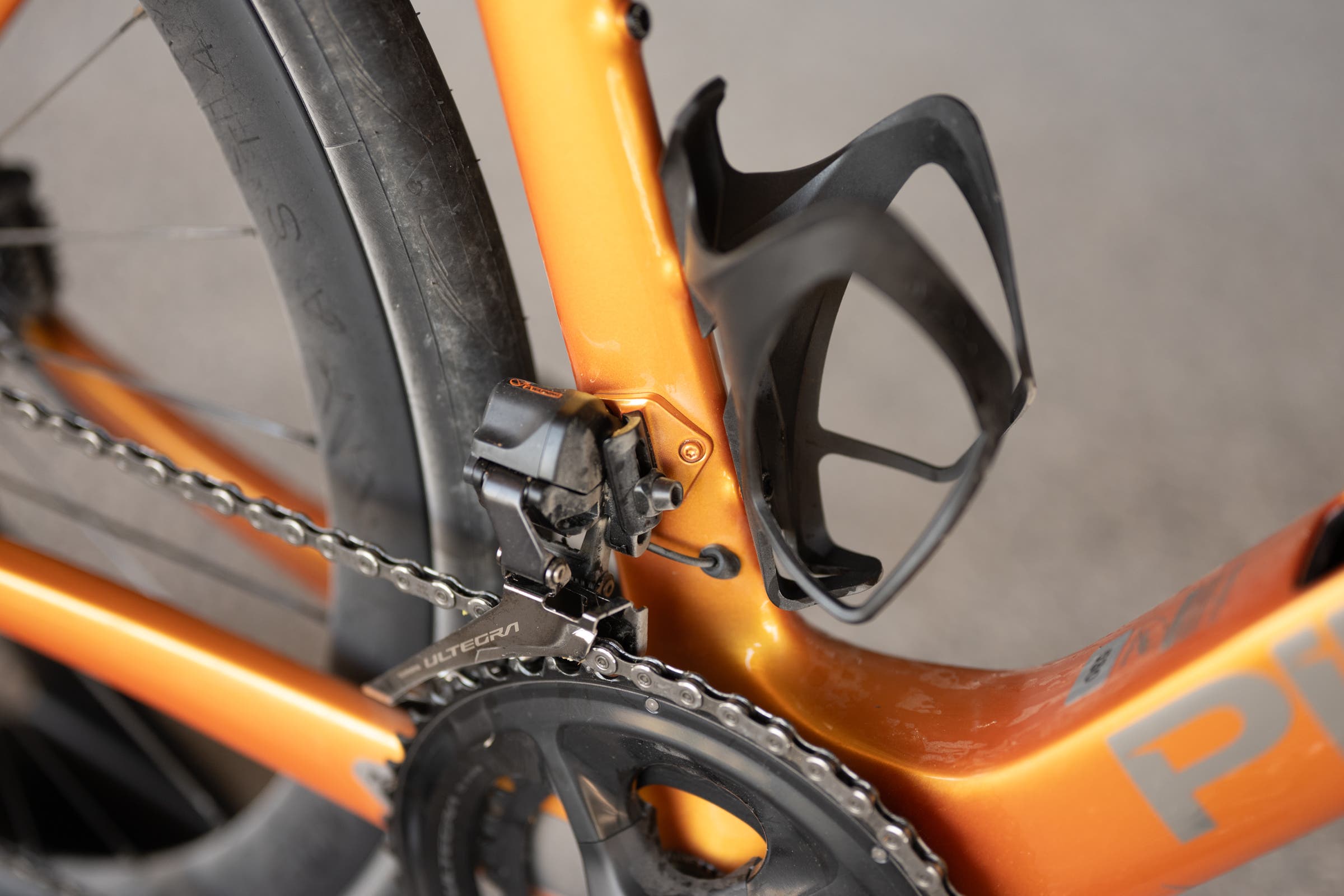
To set the stage for this review, we have to start with an explanation of what the X Series actually is. I rode the Pinarello X7, but that name is really just a build detail for the X Series. The X7 designation represents both the carbon grade and the groupset—in this case, Shimano Ultegra Di2 and Torayca T900 carbon. The X9, X5, and X3 have also all been updated to this new frame architecture. The Pinarello X1 remains in the lineup, but it uses the previous frame design and exists primarily as an option for riders looking for mechanical shifting, as the updated frame is electronic-only.
With that in mind, it may be worth backtracking even a bit more. The X9-X3 might be receiving an update, but the bikes remain what they’ve always been: endurance bikes. The foundation has always been to pair the fun-to-ride feel of the F-series race bikes with the comfort of more stack, less reach, bigger tires, and controlled flex.
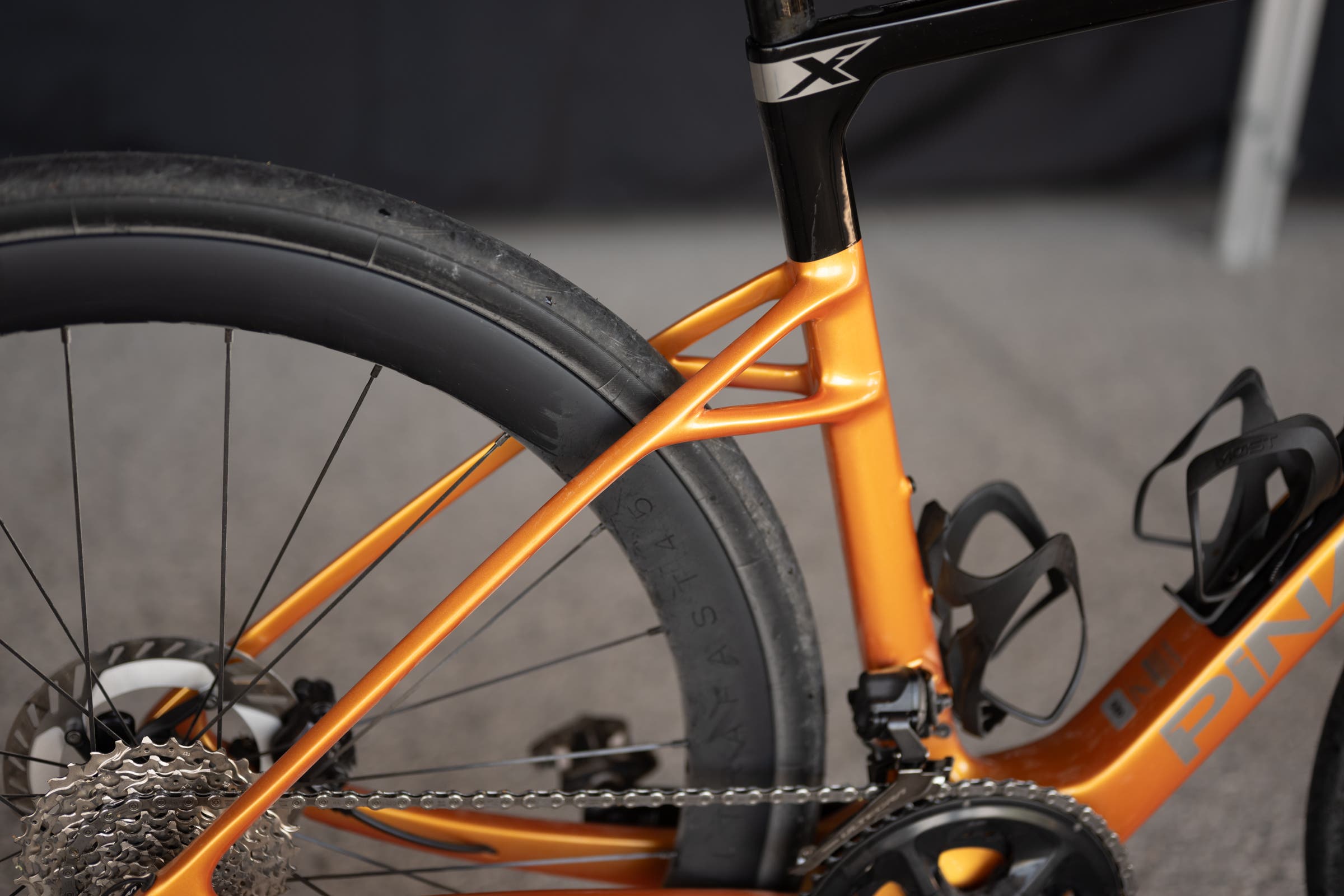
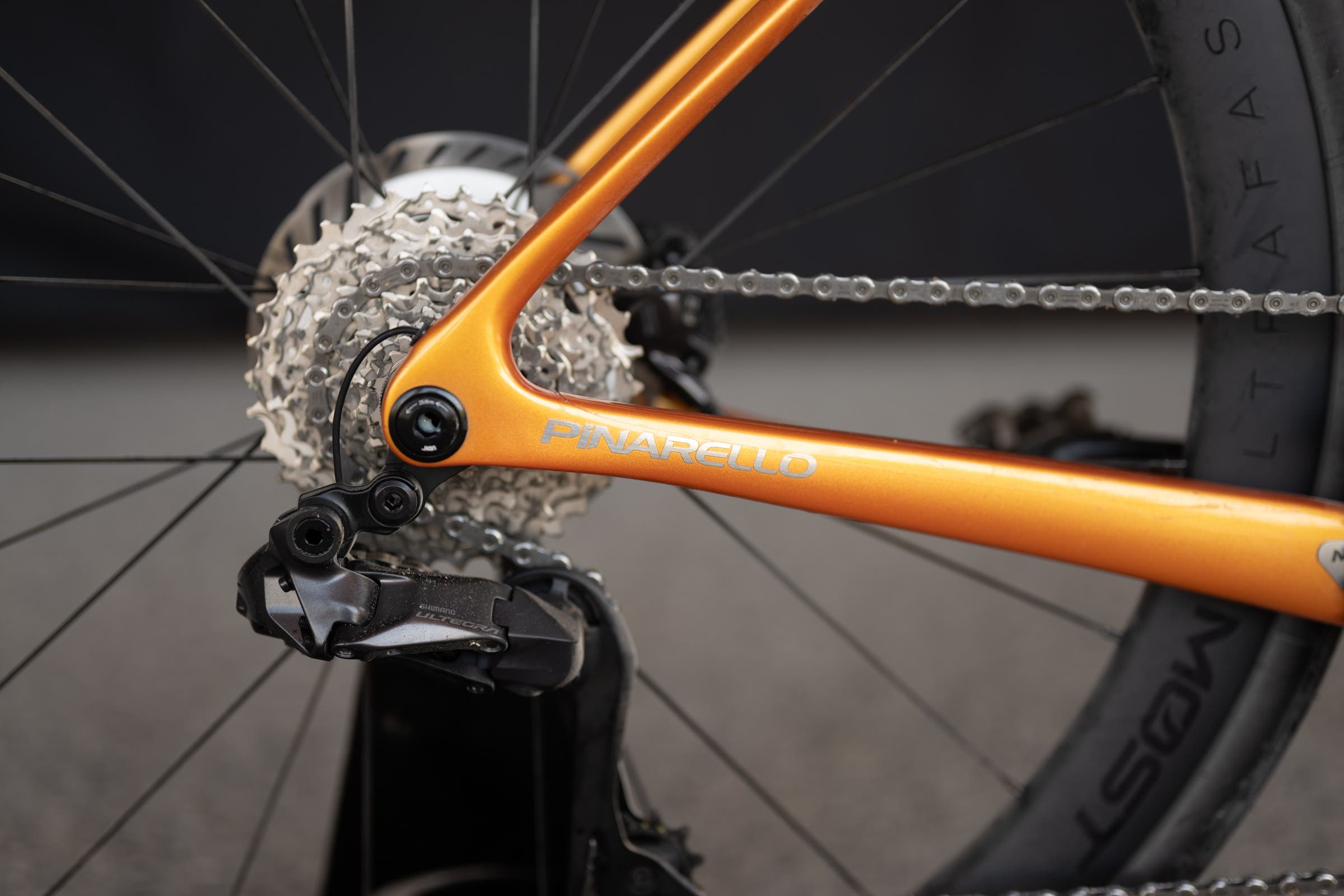
The X Series bikes have also always included a physical X shape, and that returns here. It has changed a bit, though. In the previous generation, that signature double-arm, four-point attachment system connected higher up on the seat tube, utilizing a cross-braced layout to dissipate vibrations before reaching the saddle. For this update, Pinarello calls the design X-Stays 2.0 and has dropped the attachment points lower on the seat tube. The core concept has not changed, but Pinarello claims lowering the attachments disperses road chatter more efficiently while better minimizing rear-end rebound to keep the bike planted and controlled over rough tarmac.
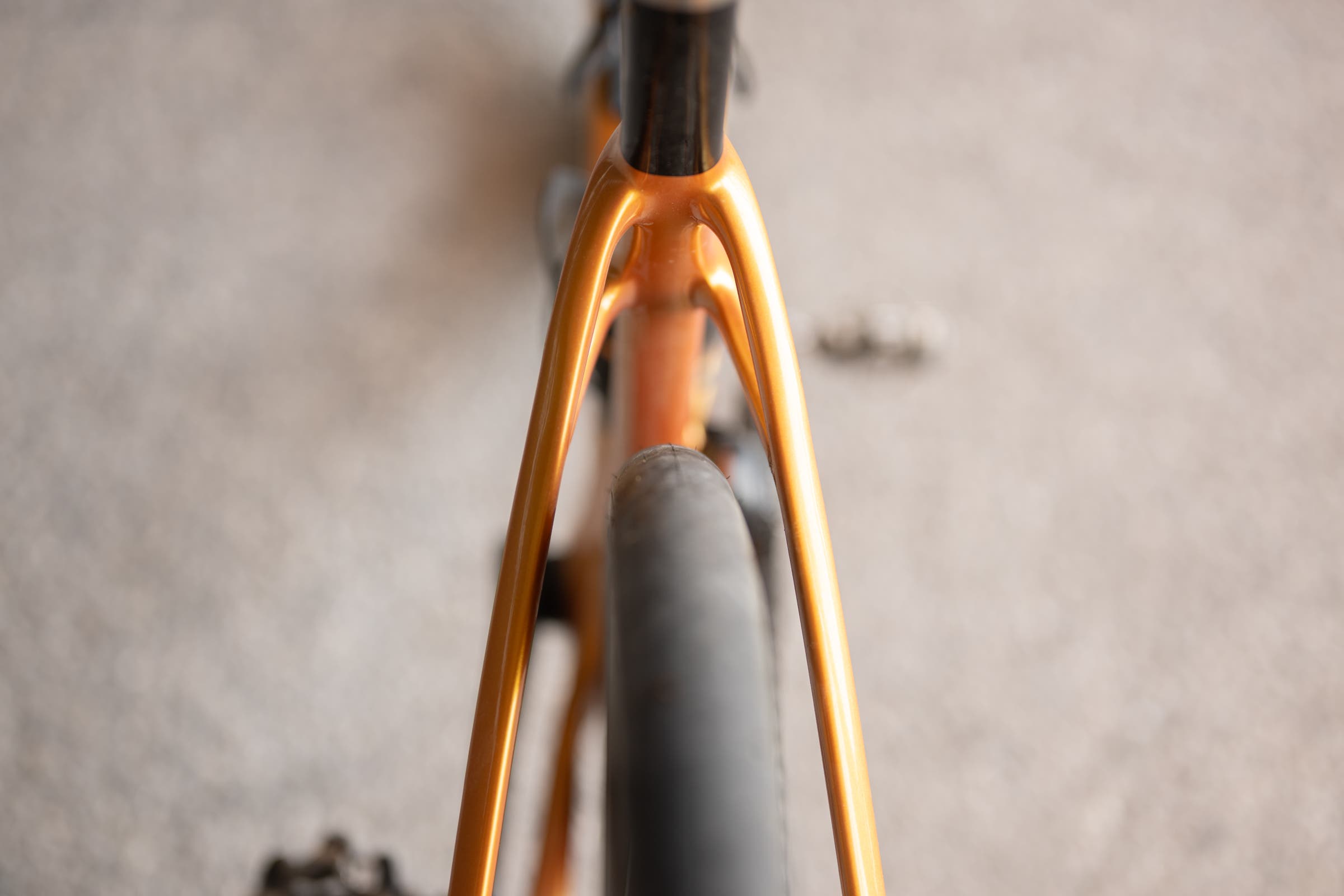
That is not the only change. Pinarello claims it is essentially an all-new bike, and while I am not willing to go that far, the brand has made the necessary modern updates.
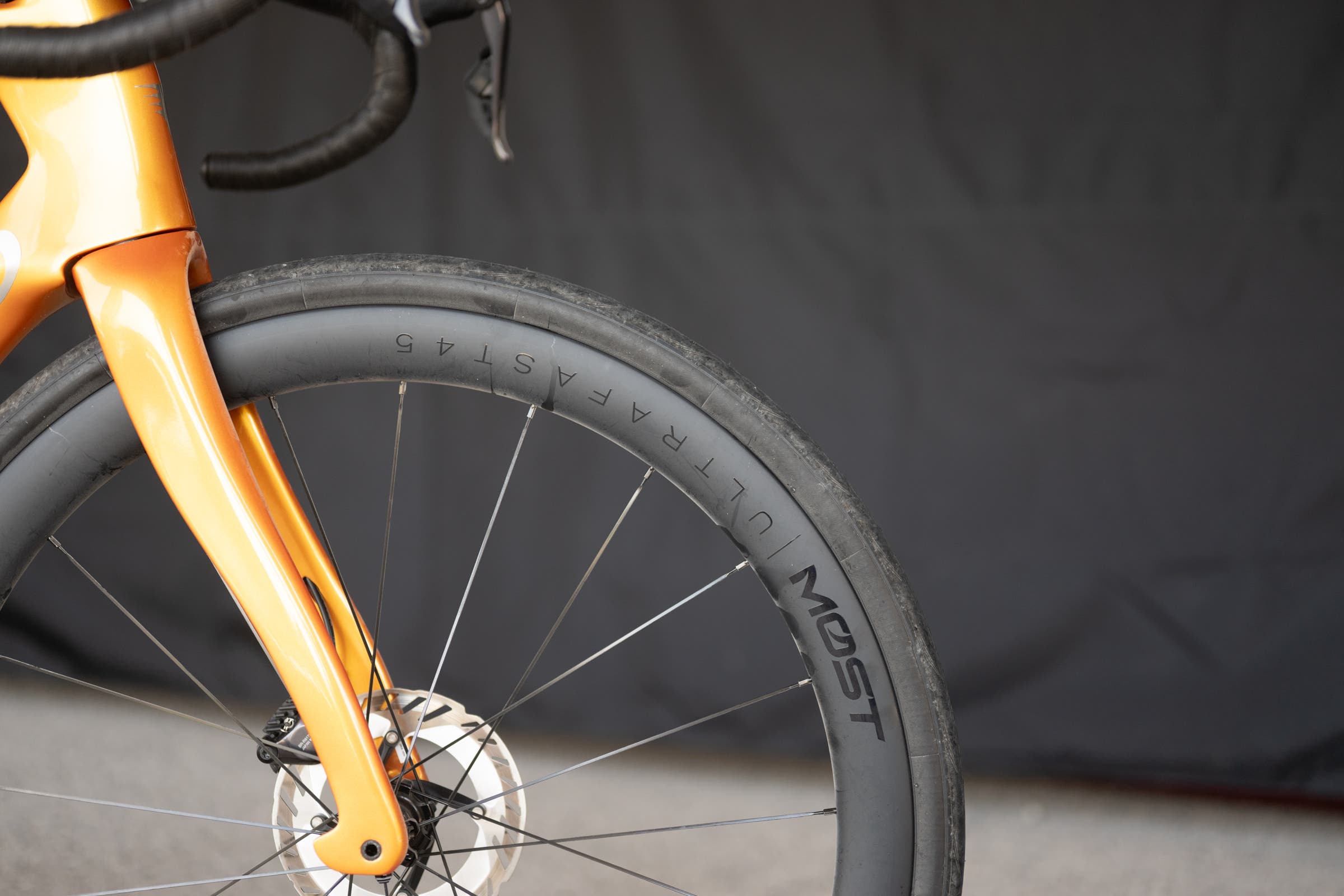
That starts with tire clearance. The old frame topped out at 35mm, and while that made sense at the time, this bike, be it an endurance road or a light gravel, had to go up to 40mm, and that is exactly what we’ve gotten in this update. The brand has managed to otherwise keep the geometry the same, though.
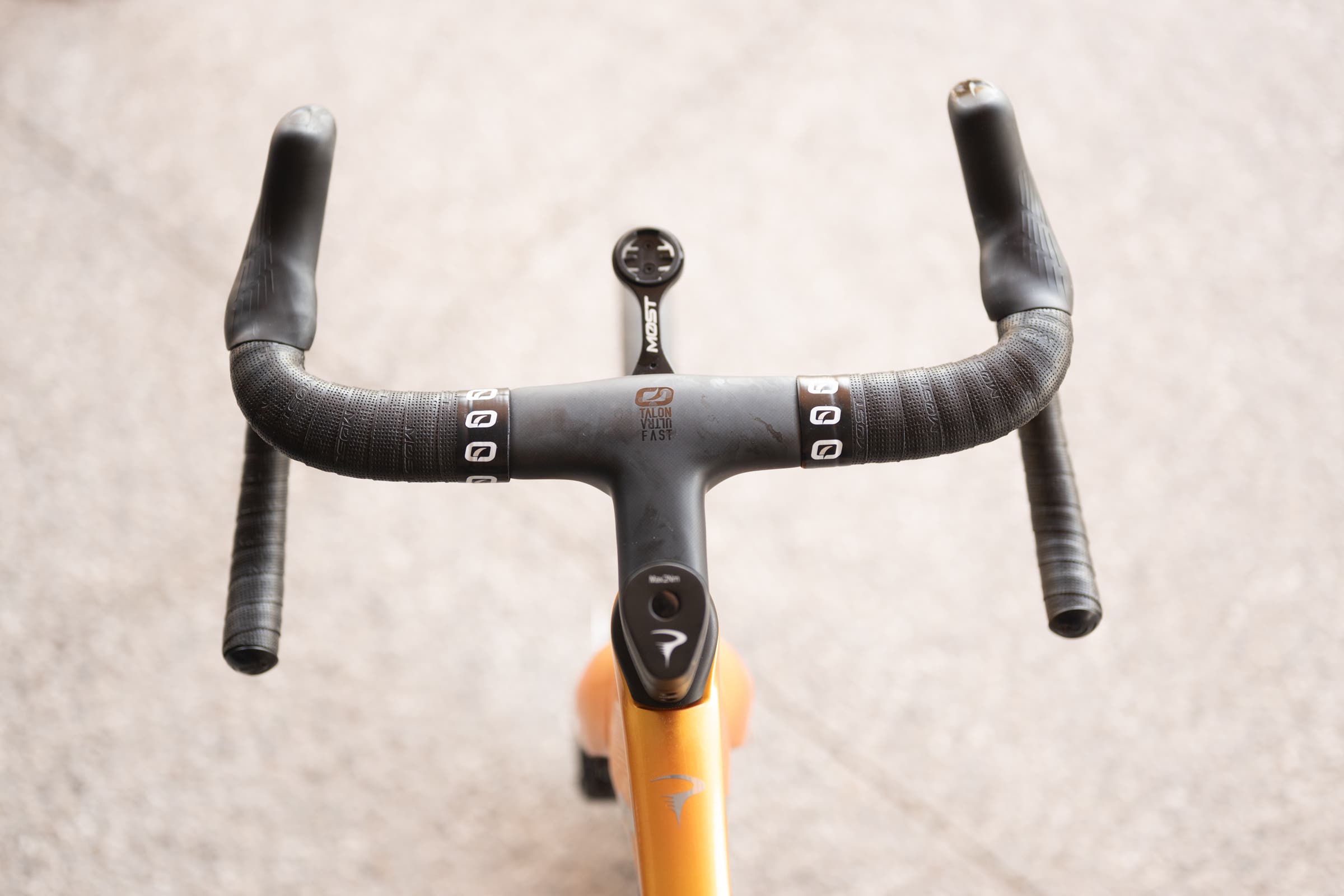
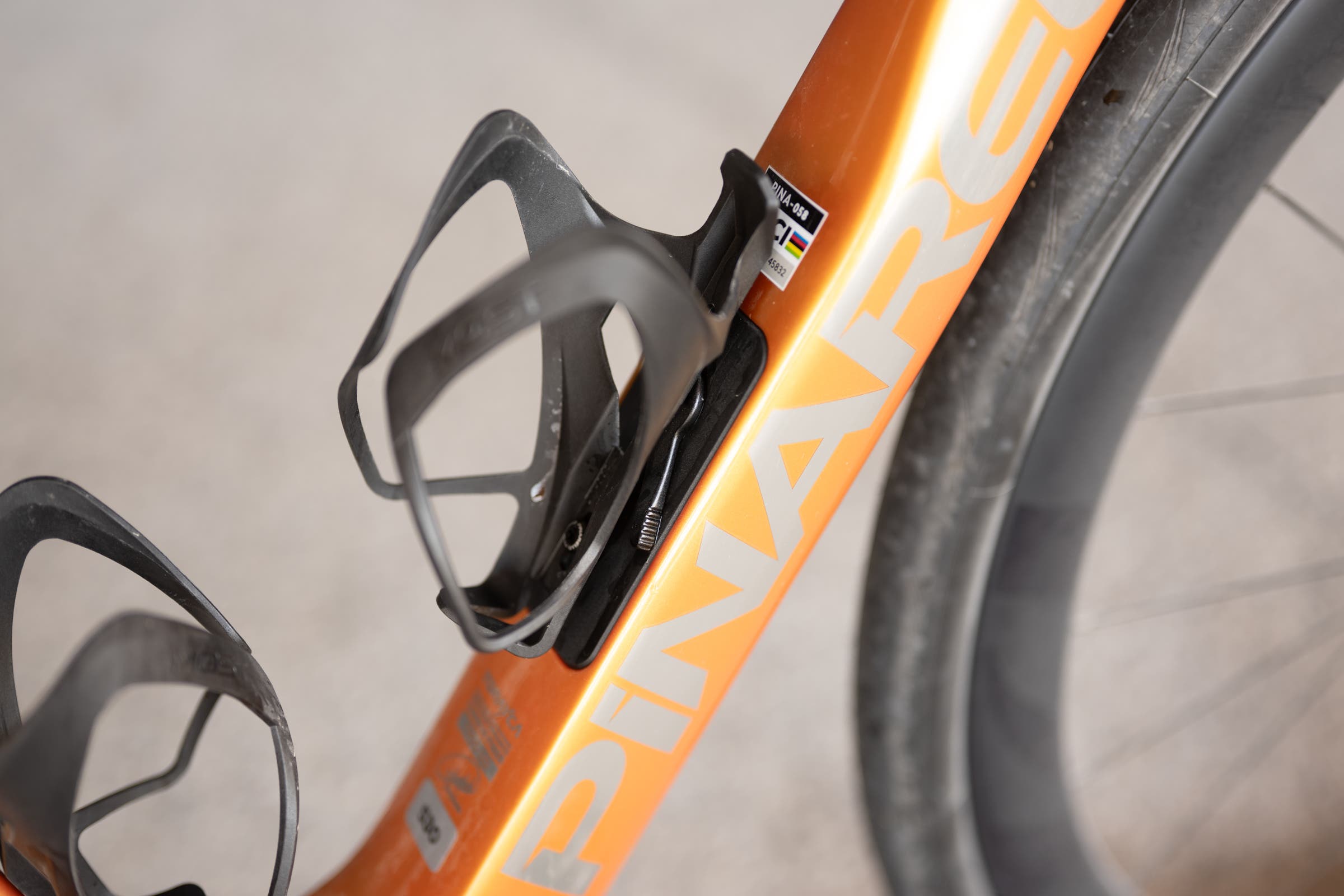
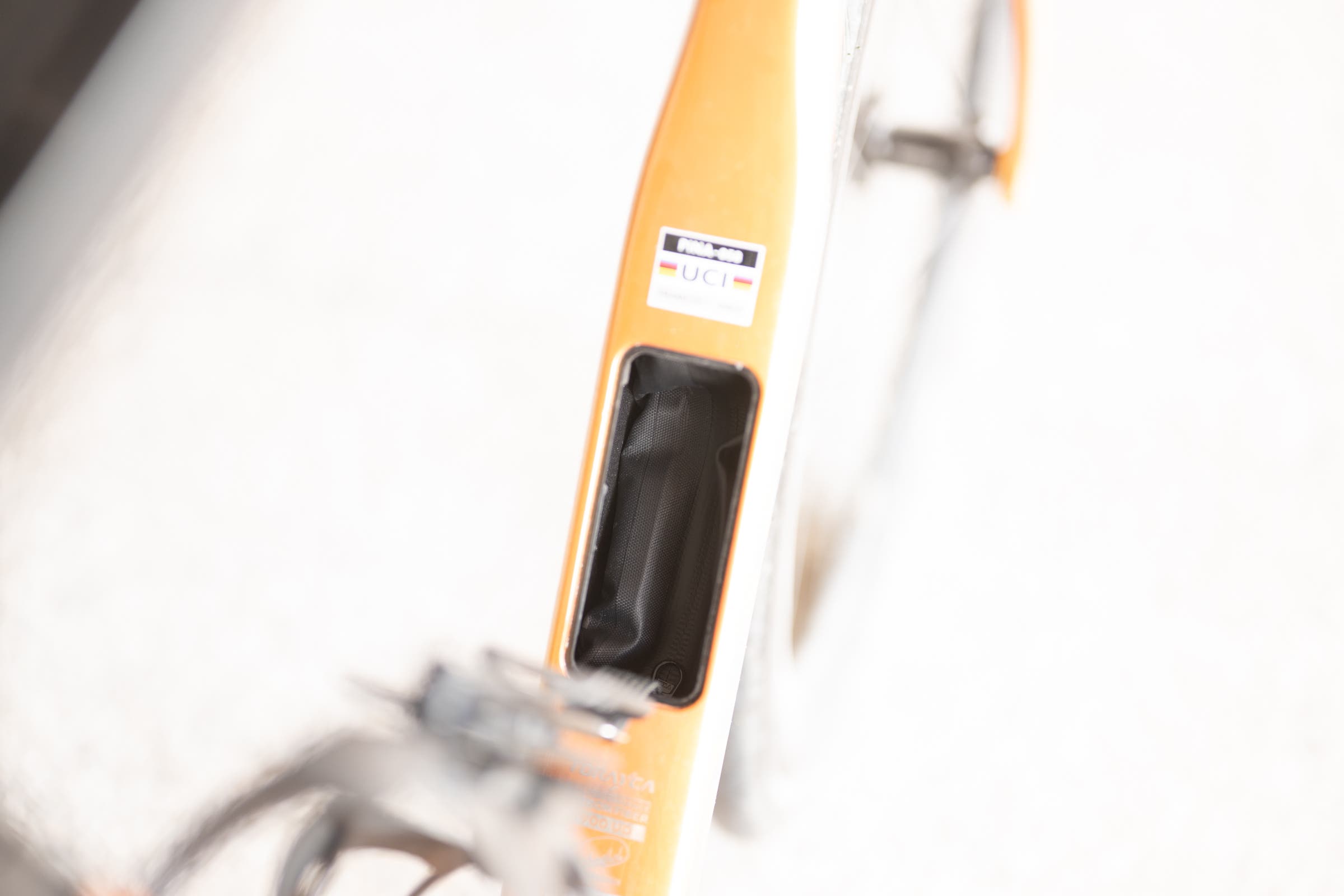
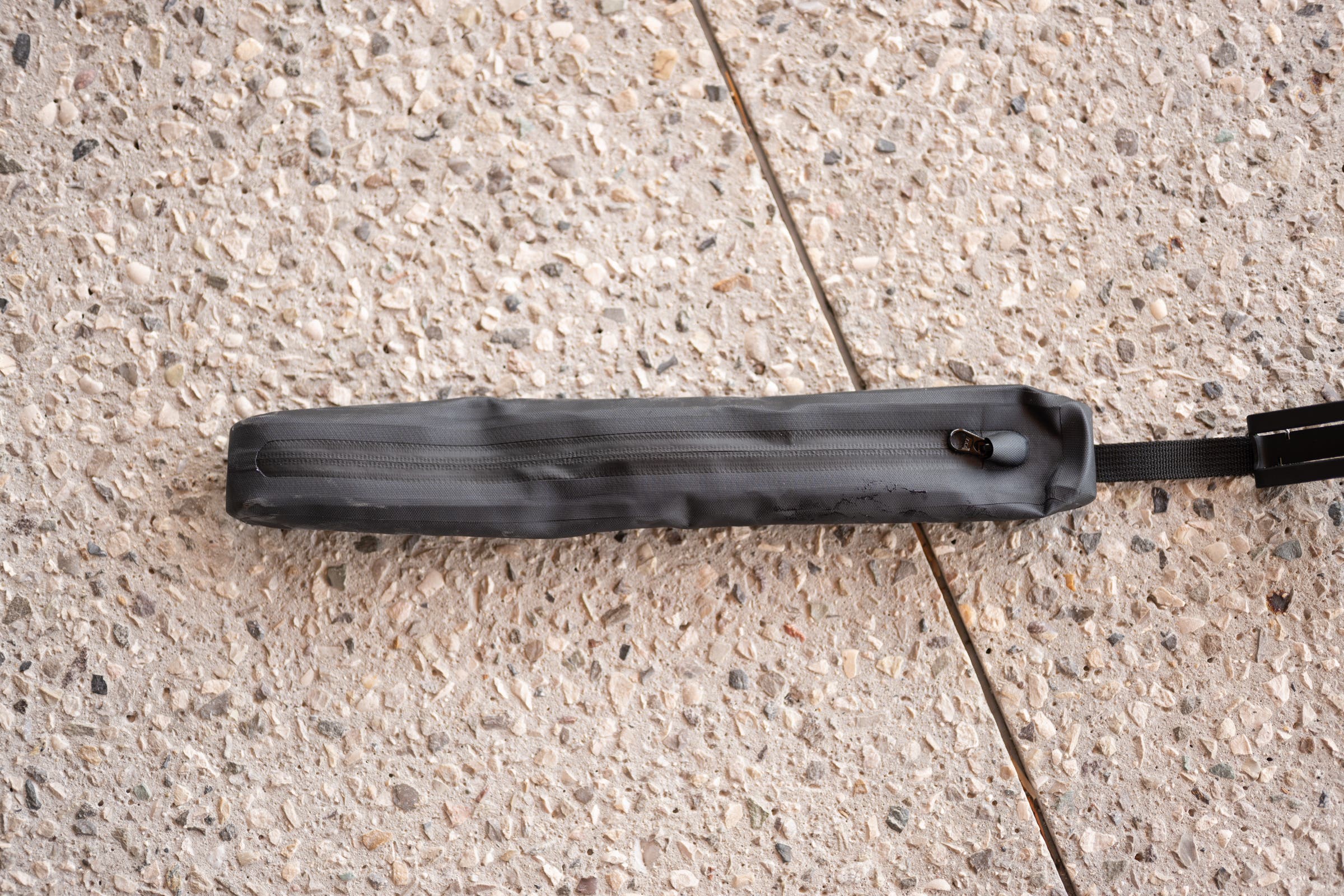
Along with wider tire clearance comes another category staple: in-frame storage. The opening is not massive, but an access port sits on the down tube beneath the bottle cage to reveal internal frame storage. Pinarello includes a compact tool roll inside the port, plus a cage configured for a multi-tool. It is not groundbreaking, but it fits the use case.
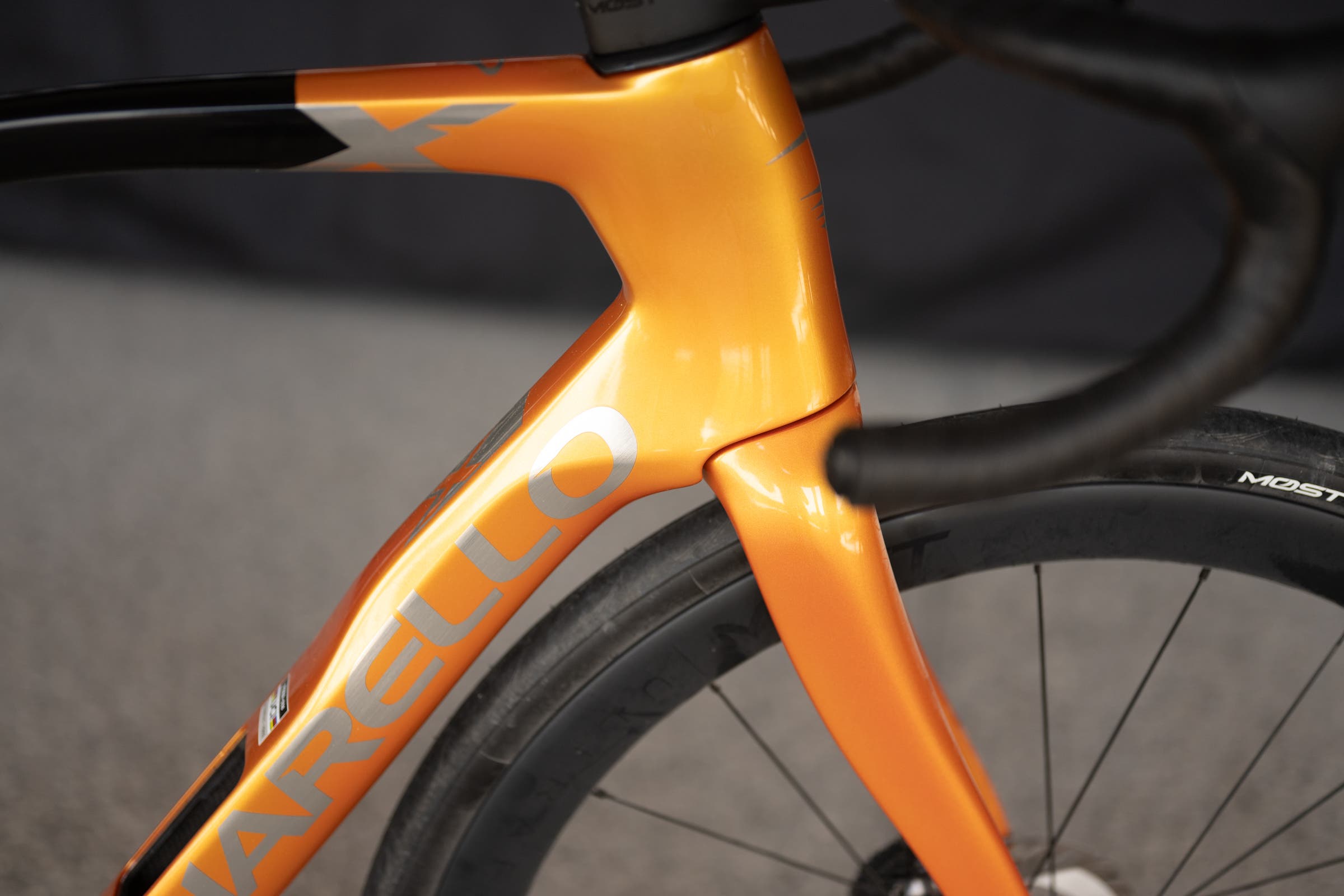
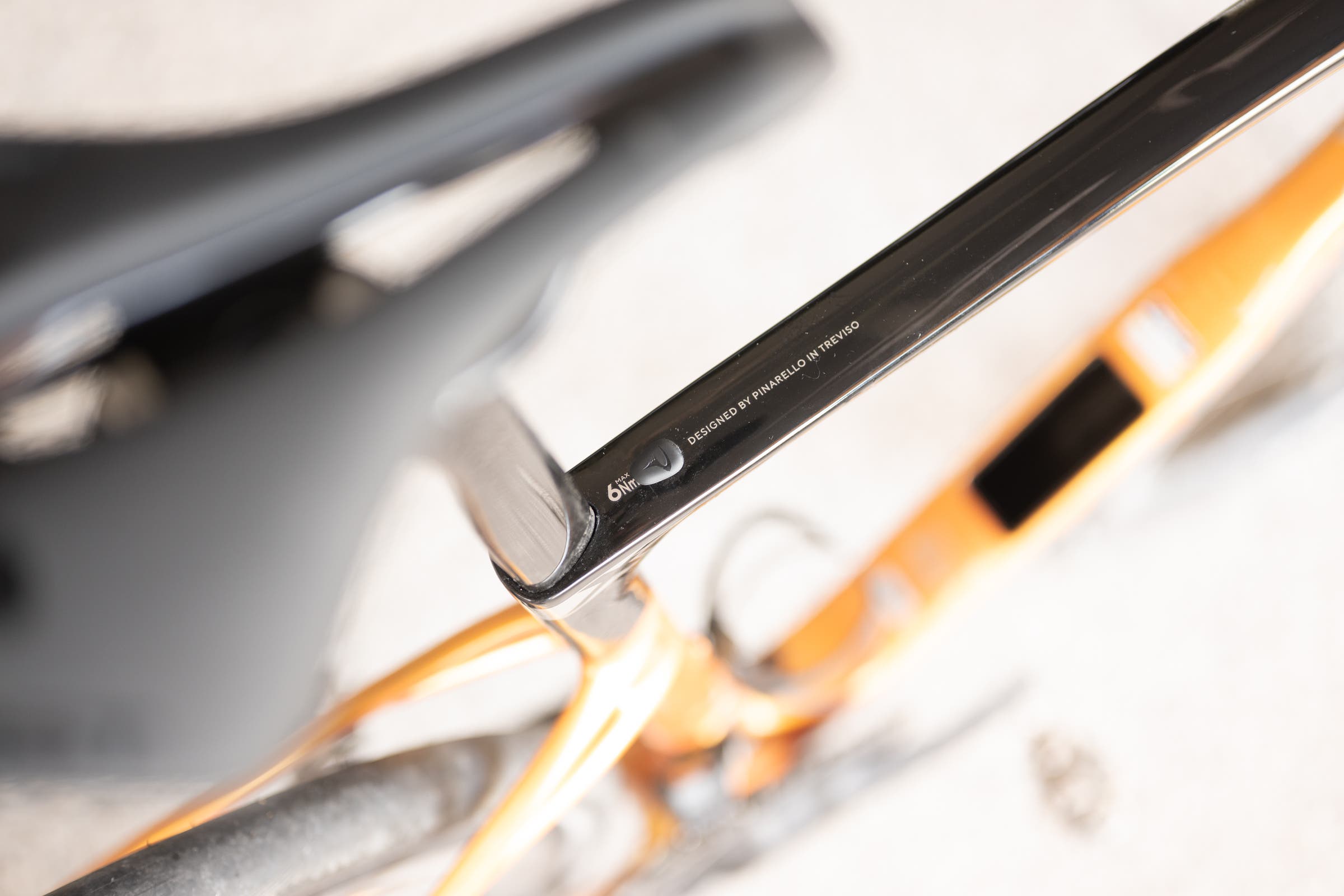
Pinarello also brought over the elliptical steering tube from the Dogma F and Dogma X. The official line from Pinarello for the X Series is that this frame “doesn’t pursue aerodynamic optimization” and instead focuses entirely on torsional stiffness and front-end precision. That is a bit of a contradiction. When the same design launched on the Dogma X, Pinarello claimed it enhanced aerodynamic efficiency by reducing overall frontal width. The reality is that slimming down the headtube improves aerodynamics, even if Pinarello’s marketing materials want to downplay aero on an endurance platform.
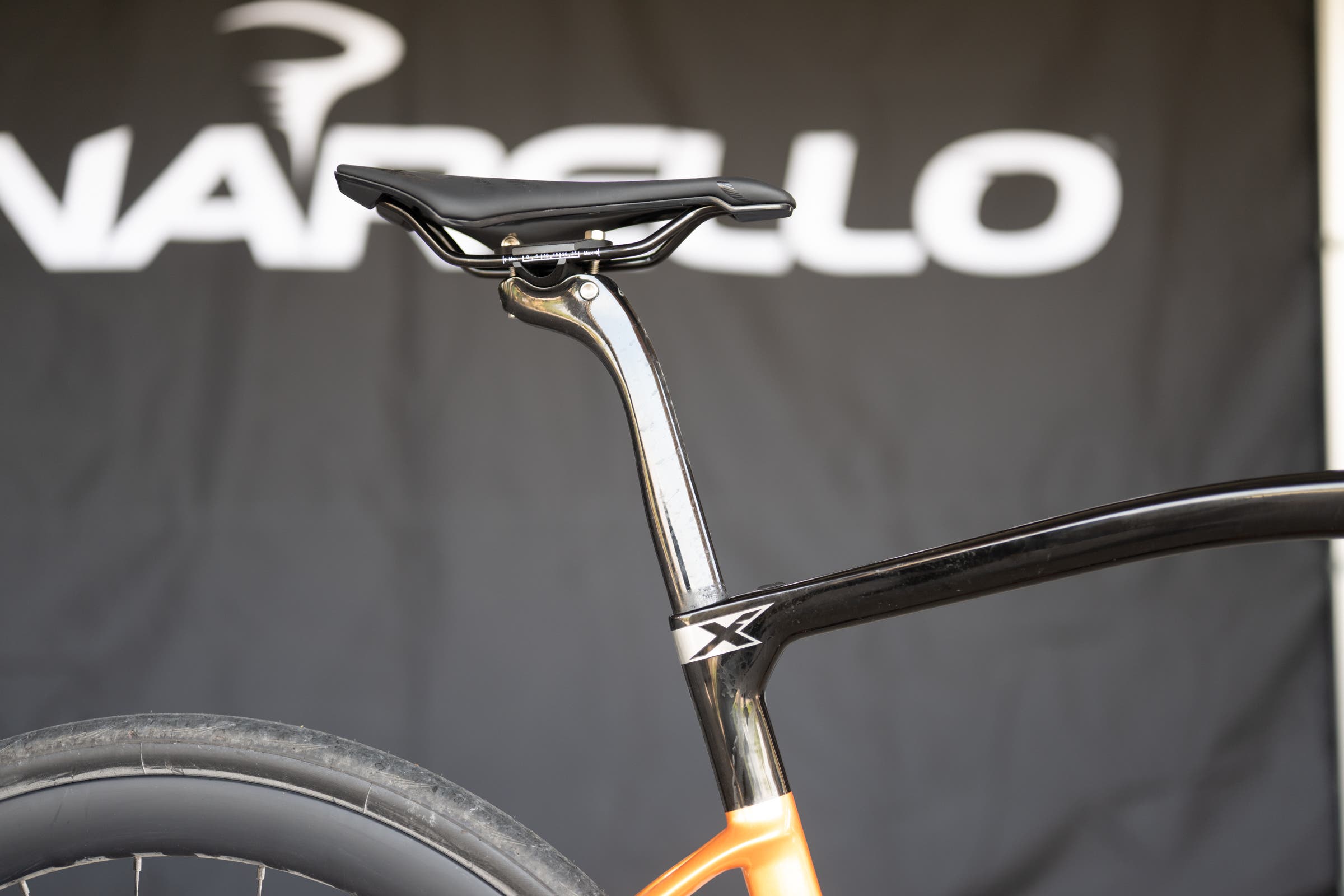
Ultimately, this update is about amping up what the X Series does well. It’s more aerodynamic at the front, it’s got a stiffer front end, there’s more tire clearance, in-frame storage adds usability, and the last major update is the seat post. Rather than manufacture something unique, Pinarello has grabbed the post used on the Dogma GR gravel bike with up to 10mm of vertical flex engineered into it.
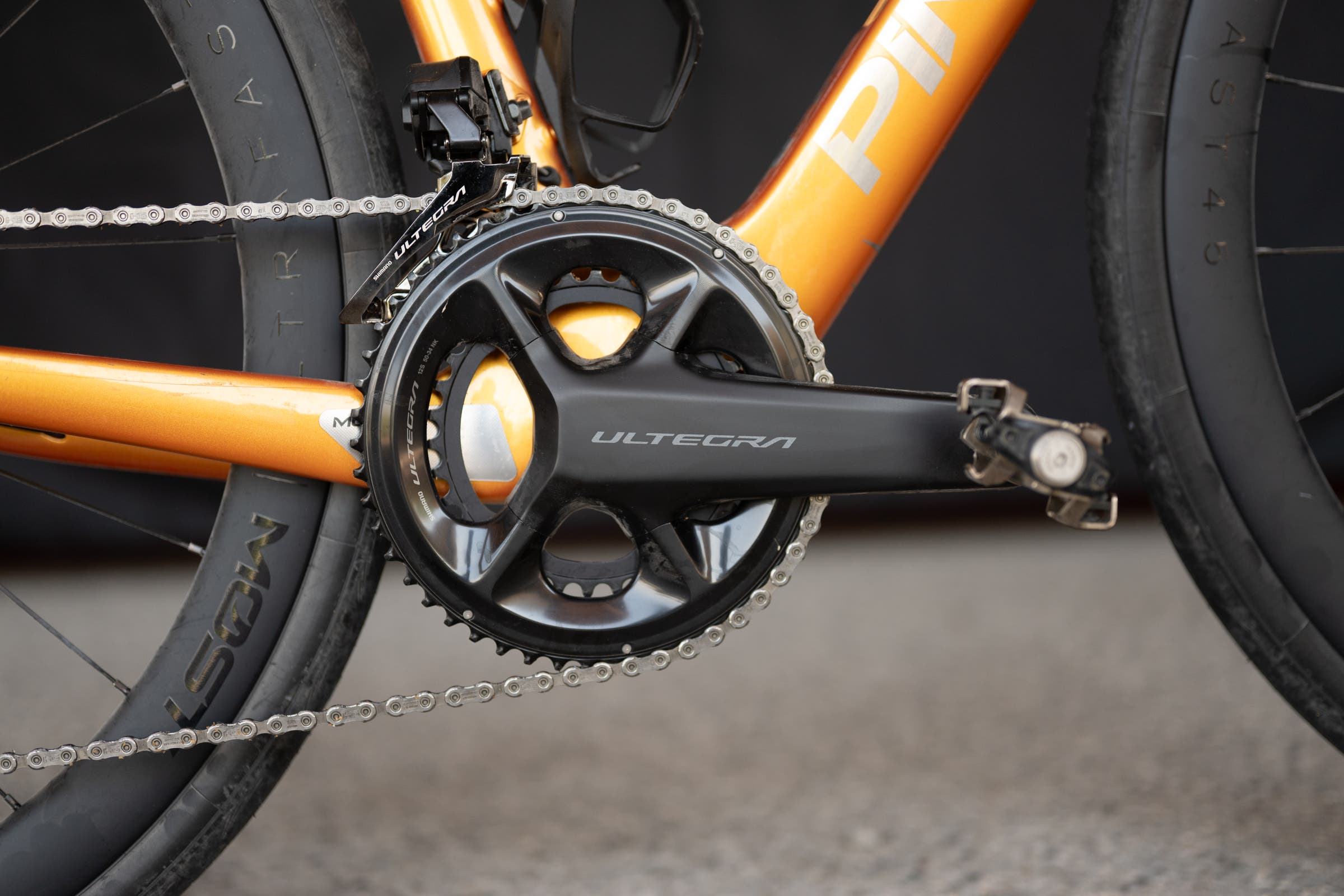
Build details
For the most part, this is straightforward. The only detail worth noting outside of the chart is that there are two different carbon options for the updated frames. The higher-end X9 and X7 both use Toray T900, while the lower-priced X5 and X3 use T700. Don’t expect to feel the differences, but the frames will be heavier with the lower level of carbon. Pinarello does also use higher-level carbon beyond T900, but it’s reserved for the Dogma-level bikes and doesn’t show up here, even in the X9. There is also, as already mentioned, the X1, which uses the previous version of the frame and T600 carbon paired with mechanical 105 for the groupset.
| Model Name | Carbon Level | Groupset | Handlebar | Wheel | Max Tire Clearance | Price |
| X9 | T900 | SHIMANO Dura Ace Di2 2×12 | MOST Talon Ultra Fast | MOST Ultrafast 45 | 40mm | $11,000 |
| X7 | T900 | SHIMANO Ultegra Di2 12v | MOST Talon Ultra Fast | MOST Ultrafast 45 | 40mm | $8,200 |
| X7 | T900 | SRAM Force AXS 2X12 | MOST Talon Ultra Fast | MOST Ultrafast 45 | 40mm | $7,500 |
| X5 | T700 | SHIMANO 105 Di2 2×12 | MOST Claw Ultra Aero + Jaguar Claw Ultra | MOST Fast 45 | 40mm | $5,500 |
| X3 | T700 | SHIMANO 105 Di2 2×12 | MOST Claw Ultra Aero + Jaguar Claw Ultra | DT SWISS A1800 | 40mm | $4,750 |
| X1 | T600 | SHIMANO 105 2×12 Mechanical | Jaguar XA Ticr – Tiger Alu TiCR | MOST Fast 27 | 35mm | $2,950 |
Pinarello X Series geometry
| Seat Tube | Top Tube | Seat Tube Angle | Headtube Angle | Chainstay | Headtube | BB Drop | Fork Rake | Fork Height | Reach | Stack |
| 430 | 492 | 75,25 | 70 | 422 | 123 | 67 | 52 | 375 | 341,9 | 527,5 |
| 460 | 509 | 74,5 | 70,5 | 422 | 128 | 72 | 52 | 375 | 352,1 | 539,2 |
| 490 | 525 | 74 | 71 | 422 | 140 | 72 | 52 | 375 | 361,9 | 552,4 |
| 515 | 536 | 73,75 | 71,5 | 422 | 149 | 72 | 47 | 375 | 368,5 | 564,4 |
| 530 | 545 | 73,5 | 72 | 422 | 159 | 72 | 47 | 375 | 372,5 | 575,8 |
| 545 | 555 | 73,25 | 72,25 | 422 | 171 | 72 | 47 | 375 | 376,7 | 588,2 |
| 560 | 565 | 73 | 72,5 | 422 | 185 | 72 | 47 | 375 | 380,2 | 602,4 |
| 580 | 577 | 72,75 | 72,5 | 422 | 209 | 67 | 47 | 375 | 384,1 | 620,3 |
| 600 | 590 | 72,5 | 72,5 | 422 | 230 | 67 | 47 | 375 | 388,1 | 640,4 |
Pinarrelo X series ride experience
You might have noticed that I was quite specific in saying that the X Series was staying what it always was: an endurance bike. What I didn’t say is that it’s an endurance road bike, and that’s because that isn’t how Pinarello wants you to view this bike.
Calling a bike an endurance bike can be the death knell for a launch. You can decide if that makes sense or not, but more and more brands look to avoid it. This coincides with a shift in tire sizes for road bikes. Modern endurance bikes now generally include up to 40mm clearance. This is a number you might remember because, for a few years, that was the size that marked a bike as a gravel bike.
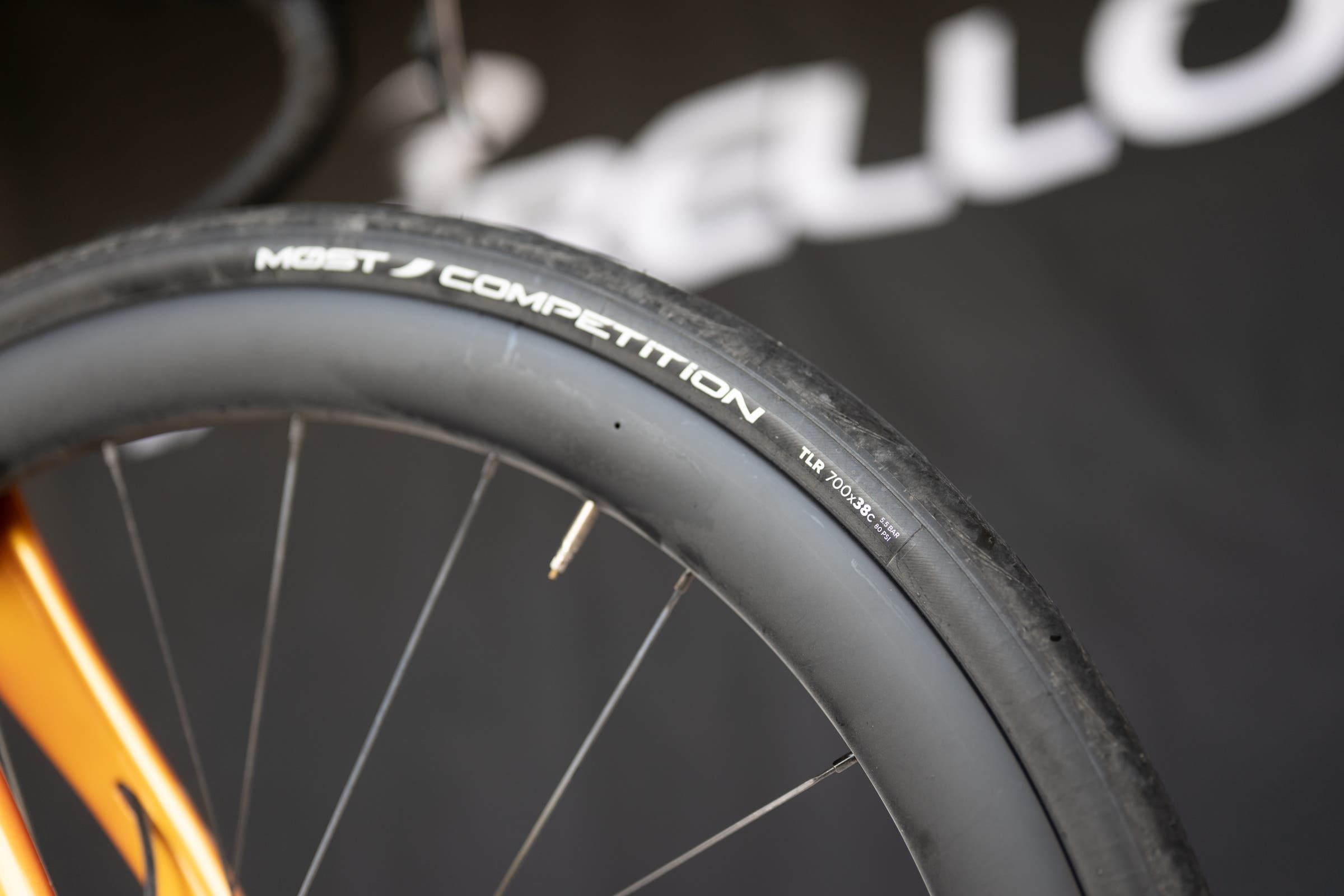
Those two things come together, and a bike brand will just call an endurance road bike an all-road bike and hope no one notices. It’s a strategy that sometimes works, too. It depends on the bike, but I’ve had all-road bikes with 40mm of clearance and it was fine. This isn’t that bike, though.
On the day we tested this bike, we headed out of the winery and pretty quickly turned onto a crushed gravel path. This is technically unpaved, but no one thinks you need a gravel bike for this riding. On my own rides at home, it’s often the joke to ride a road bike in a situation like that and declare that it’s now a gravel ride. Of course, the X7 I was riding did just fine here; this was road riding.
Tire size alone does not make a gravel bike, though, and soon we turned to real gravel riding. In that situation, the tires we had were fine, though not great, but the bike still felt nervous, and riding it in those situations, you feel perched on top. If I compare it to an Enve MOG, which drops you deep into the chassis with a long, slack, and stable stance, the Pinarello’s steep road geometry and high center of gravity make it feel high-strung and overly sensitive rather than stable and planted. You can make nearly anything a gravel bike, but it does this bike a disservice to try and push that narrative.
This was especially noticeable when the road soon changed from gravel to the kind of Italian riding you dream about. As we shifted to the road, the first thing we did was descend, and immediately that nervous feeling disappeared. With big tires and a longer wheelbase, descending on a smooth road is a dream. You can shift your weight from side to side and flow through corners with almost more feeling than steering.
Then it was time for rolling hills in the Italian countryside. As expected, we passed wineries, and every roller was a chance to surge. Since I’d gotten dropped in the hills and the gravel, I was now on the chase. I found myself sprinting up those small rises, then shifting to an aero position on the flats. The frame is stiff, but nothing upsets it. Hammering away and looking for small efficiencies, you don’t notice things like patched pavement in the small towns. Nothing ever pulls you off your line, and it’s easy to hold an aero position with the added stack. The bike is a little more comfortable, but it’s still made to go fast on roads.
Usability
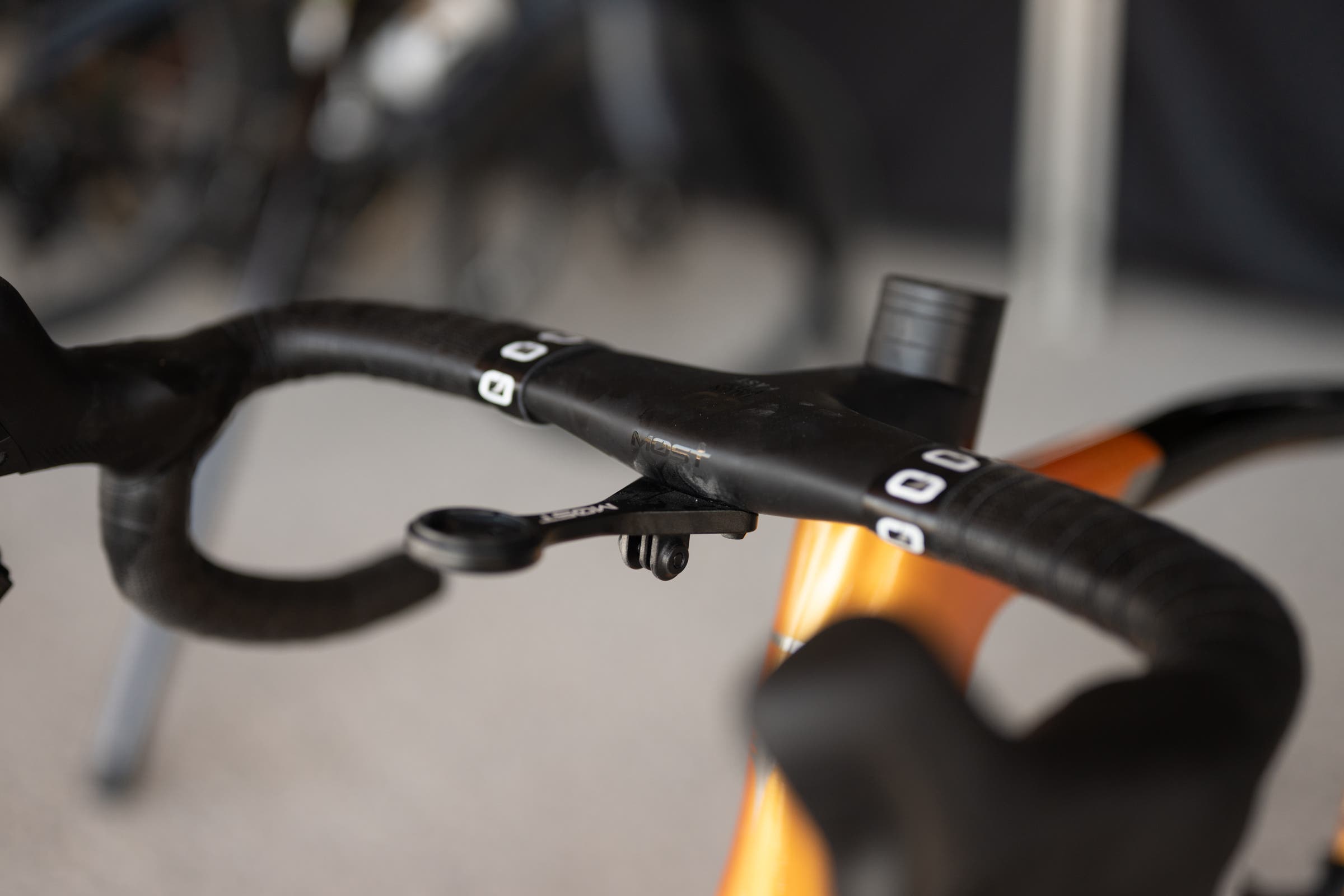
The X7 I rode has a one-piece bar and stem with fully internal routing. This is a modern bike with modern bike usability. Highlights include an out-front mount that does actually consider the need to manage lights, and there’s the in-frame storage plus a threaded BB. On the downside, the hole for the in-frame storage is not big enough to fit a jacket, and getting it open at all is a bit fiddly. There are also no top tube mounts.

Conclusion
You can certainly ride gravel on 40mm tires, but even among road-ish bikes, there are more capable all-road options. If you want to find joy on this bike, put a set of fast 38mm tires on it and take it out for big days of hard riding on the road.
Gravel is a talking point, and the Italians don’t do it justice. The Dogma X I also tested might as well be a race bike, but the X Series is the real old-school—in a good way—endurance bike that used to mean a really good bike that’s just a bit more comfortable.
[analyse_source url=”https://velo.outsideonline.com/road/road-gear/pinarello-x7-review/”]