[analyse_image type=”featured” src=”https://images-prod.dazeddigital.com/1200/0-0-2398-1599/azure/dazed-prod/1450/2/1452269.jpg”]
Elliot Hoste
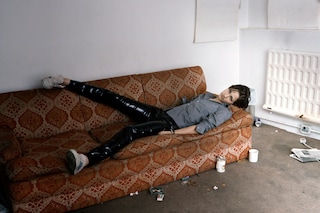
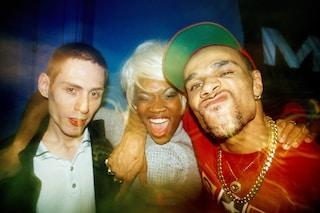
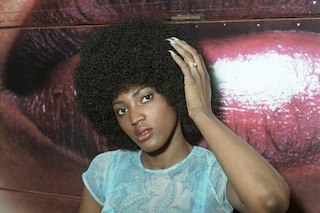
There’s a moment in his memoir when Edward Enninful recalls the gargantuan excesses of the 80s surrendering to the complicated cool of the 90s. “Let’s not mince words: I was horrified by the commercial fashion imagery of the 1980s and all its tacky, contoured makeup and jumping ladies with plastic smiles,” wrote Enninful in chapter four of 2022’s A Visible Man. “The images and clothes were all so Dynasty and over the top and often phoney. A triumph of fakery when what I yearned for was truth.” He goes on: “In our grubby little corner of London, we remained in search of authenticity. Our generation was craving a sea change.”
The sea change that followed is the subject of a new exhibition opening at Tate Britain next month, of which the famous fashion editor is guest curator. The 90s: Art and Fashion attempts to document a decade of massive social change via the artefacts fashioned from its fabric, and Enninful was drafted in to oversee its undertaking, a man uniquely positioned to take on the role. In 1991, Enninful became i-D magazine’s youngest-ever fashion director at 18, spending the rest of the decade (and his formative 20s) at the forefront of cultural production in the UK. Following that, he filled major posts at Vogue Italia, American Vogue and W, before climbing to the top of British Vogue’s masthead in 2017. But while his illustrious reputation precedes him, the bedrock of Enninful’s creative vision has always remained the gritty 1990s.
We meet to talk about that influential decade in the dog days of August’s heatwave, when Tube rides were an endurance sport and the phrase “air conditioning” a sick joke. Beneath the vast halls of Tate Britain, a labyrinth of staff corridors leads to a room where Enninful has spent the afternoon recording interviews to accompany the exhibition, while workmen now de-rig camera equipment to load into a van. “I was at Vogue when Maria Balshaw was here,” begins Enninful, recalling the exhibition’s origins, “and I knew Alex Farquharson from when I first came to London.” Two years ago, Balshaw, the former Tate director who stepped down this spring, took Enninful to lunch in hopes of collaborating. A week later, Farquharson, Tate Britain’s current director, was on the phone offering him the exhibition. “It kind of just happened!” he says. “It wasn’t planned.”
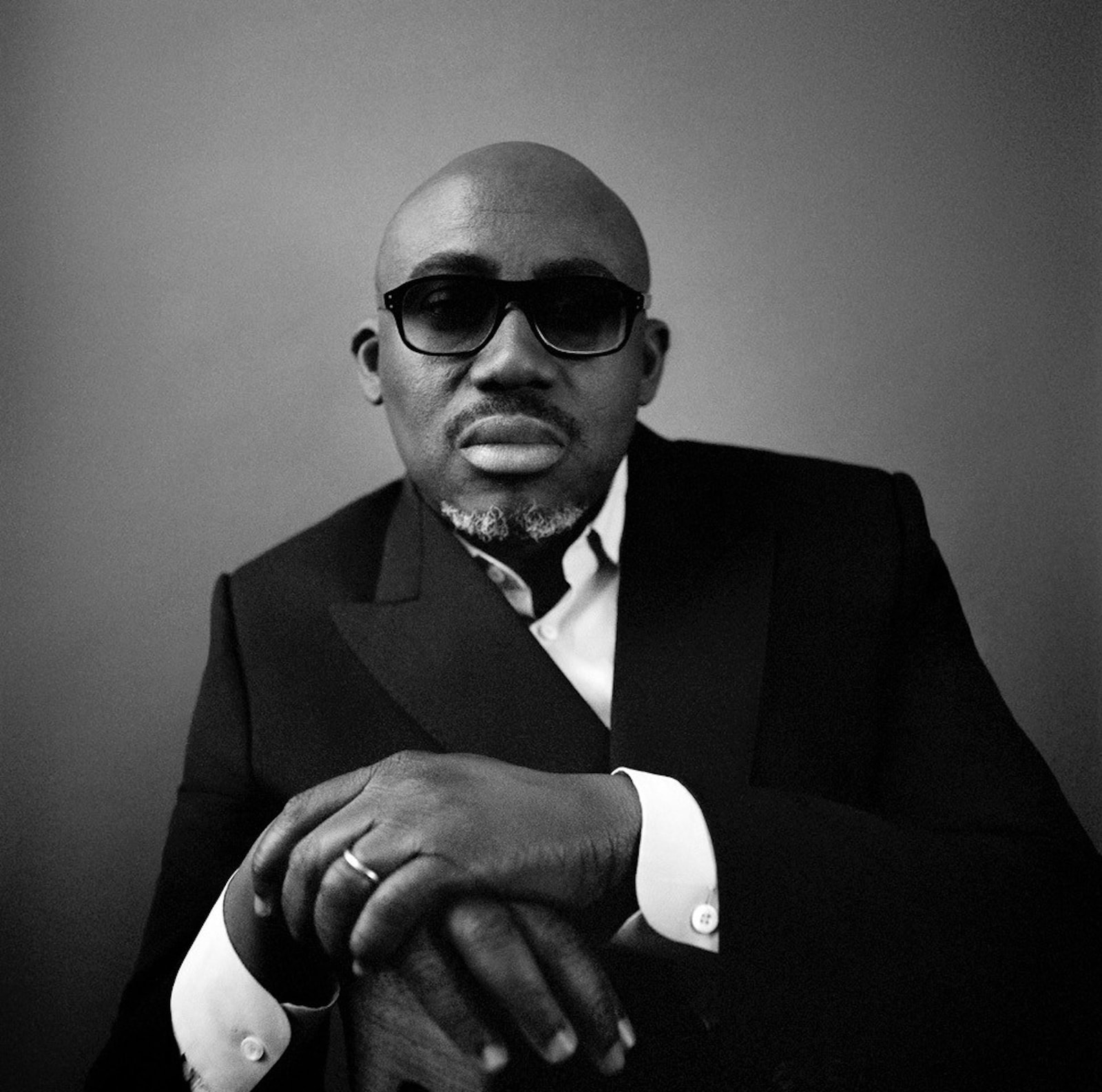
Though the pressure of representing an entire decade was immense, Enninful knew attempting to do so would be foolish. “I’ve been around long enough to know that all I could really do is do it from my perspective,” he says of the curation. “Of course, there were moments where you’re like ‘oh my god I need this, I need that,’ but I also knew that, as an editor, you can’t have everything.” Despite this knowledge, there was always a checklist of classics that just had to go in. “Of course we had to have Tracy Emin, of course we needed something in formaldehyde, of course we needed Jake and Dinos [Chapman], Jenny Saville,” he lists off. “Because it’s sort of the first exhibition of its kind, I was like a kid in a candy store. It was as much about what you didn’t put in as what you did.”
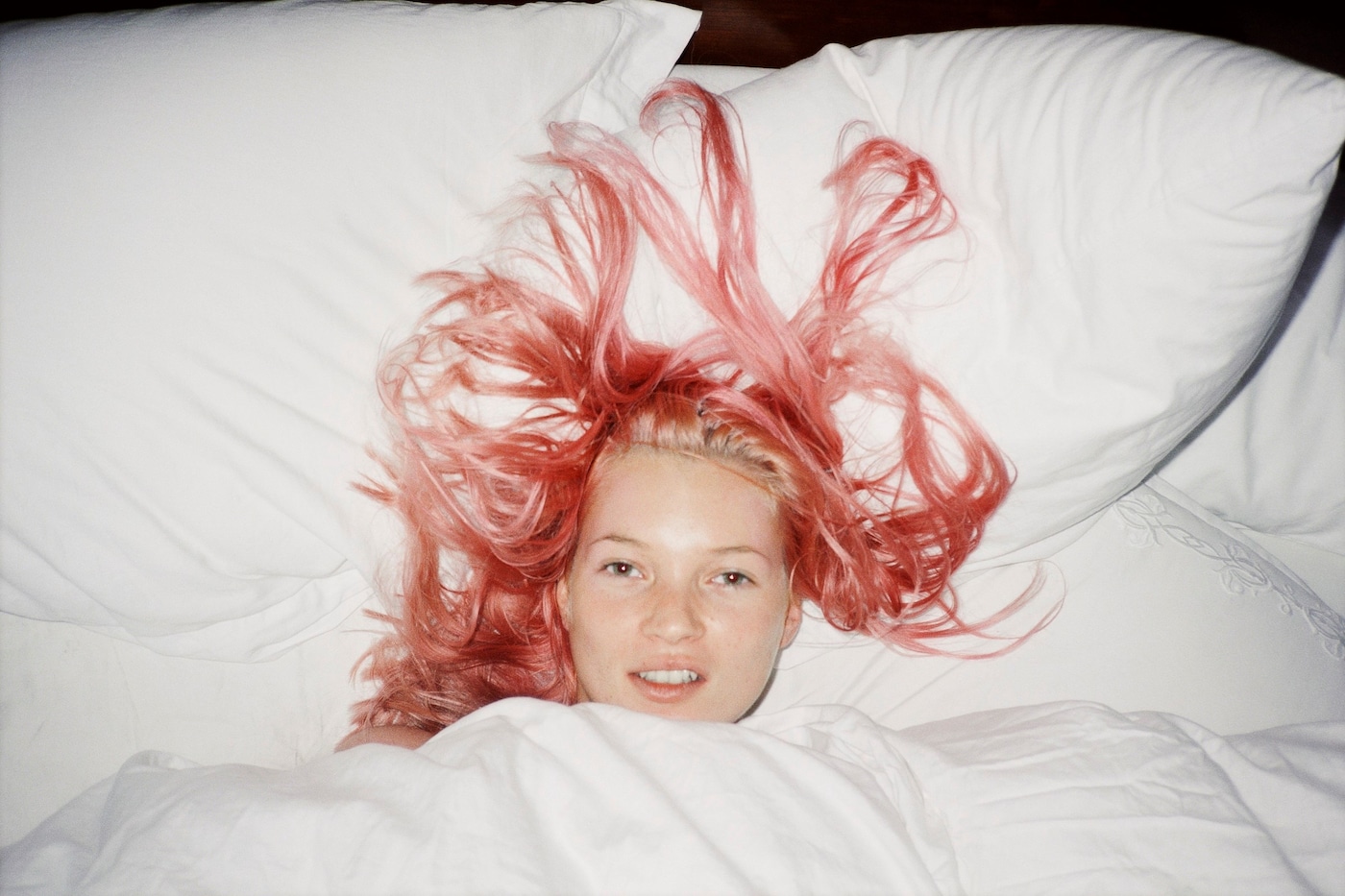
Fashion designers like Alexander McQueen, John Galliano, Vivienne Westwood and Hussein Chalayan all made the cut, while Damien Hirst’s formaldehyde shark – or “The Physical Impossibility of Death in the Mind of Someone Living” – proved particularly hard to wrangle because of its immense size (“that took a bit of back and forth, but in the end we got it”). And while photos by Corinne Day, Juergen Teller and Glen Luchford were all successfully procured, there was one particular piece that eluded him. “One dress that was very difficult [to get] was the Liza Bruce one that Kate Moss wore in 1993,” he says, with some frustration. “I really wanted that, but in the end we couldn’t quite get that actual one.” Instead, an iconic image of Moss wearing the silvery, grey slip – rendered completely see-through by the paparazzi’s flashbulbs – will run in the exhibit instead.
The 90s is overrun with major cultural moments like this, but Enninful also wanted to go further afield. At a press conference some months before we meet – fittingly held at 90s haunt The Groucho Club – the editor explicitly stated that the exhibition “is not simply a reflection of the YBA moment”, but casts its net wider in reconsidering the decade. “I knew you were going to say that,” he replies when I mention the distinction, before revealing that Balshaw and Farquharson originally approached him with a different proposal. “When they came to me initially they thought it was going to be a YBA exhibition,” he says – an idea he immediately turned down. “I said, ‘you don’t need me for a YBA exhibition’.”
“I’d turn up on shoots with a black bin bag carrying my clothes from the market… Naomi and Kate would pay for the train” – Edward Enninful
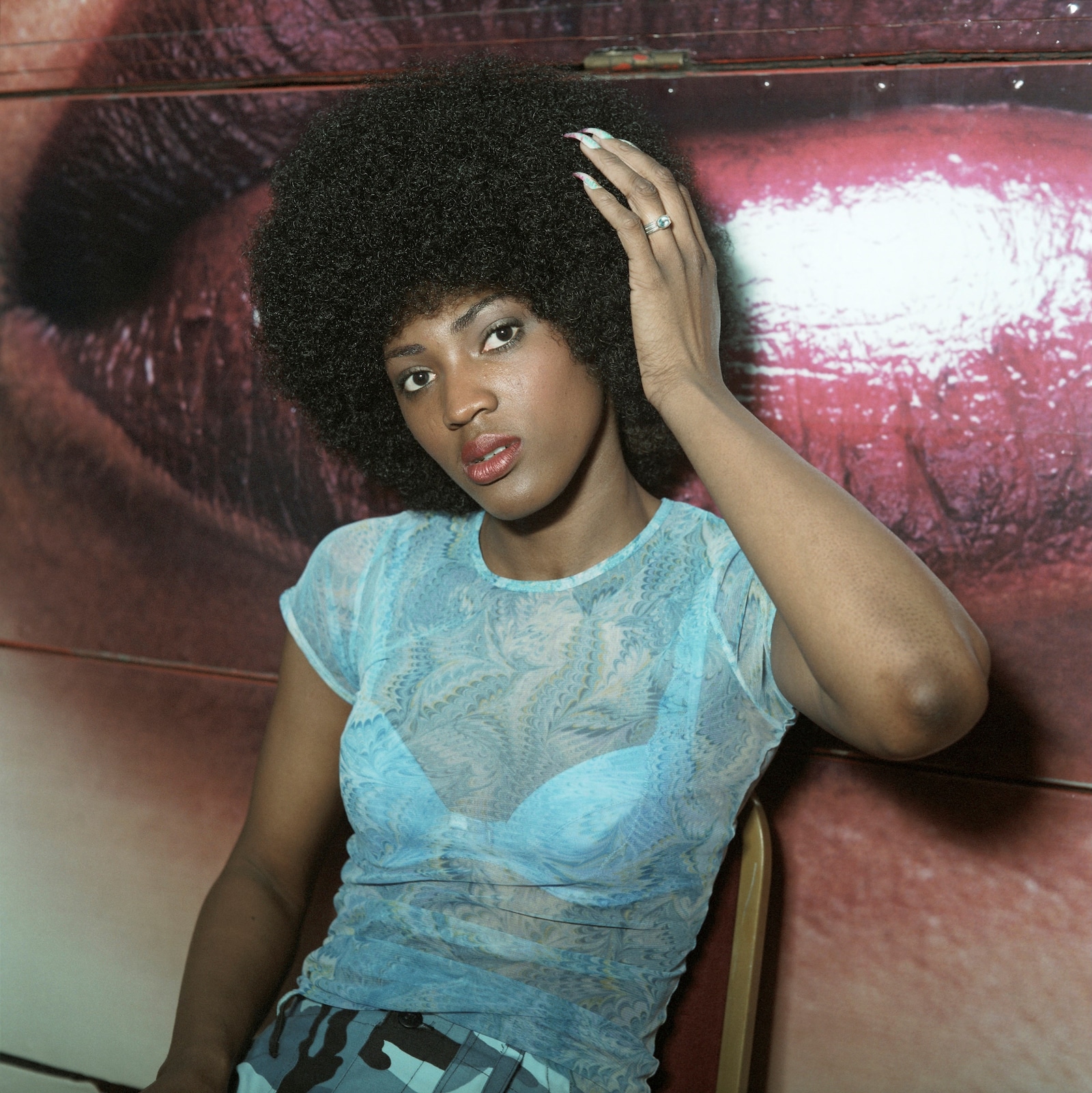
The show that did materialise took a more diverse approach to its curation. Black British artists like Maud Saulter and Dame Sonia Boyce expanded the vision, while Enninful introduced the Tate team to the oeuvre of nightclub photographer Normski. “What the exhibition turned into was all these incredible, talented people who were not part of the YBAs, who were not part of Goldsmiths,” he recounts. “They didn’t go to the right schools, but had the same talent. When I brought that up, everybody was like, ‘that’s why we brought you here.’ For me, that’s the heart and backbone of the exhibition.”
Beyond the exhibition, when discussing the decade more broadly, Enninful recalls its rawness with palpable enthusiasm. As a teenager working at i-D, he and the team would create beautiful imagery out of very little. “I’d turn up on shoots with a black bin bag, carrying my clothes from the market that we’d got, and Craig [McDean] would bring his little camera, and then you create these incredible images,” he remembers. “Naomi and Kate would literally pay for the train. They’d pay for the food! When you look at the work now, you’re like, ‘how was this created on’ – not even shoestring budget – ‘no budget!’” It was also a time before smartphones and the ubiquity of social media, when nights out could still disappear largely undocumented. So, were there any fashion parties he was happy came before the advent of the iPhone? “All of them!” Enninful responds with a booming laugh. “My God, we’d have all been in trouble. All my friends joke that had there been phones, nobody would be around. Everybody would be cancelled!”
Enninful also became i-D’s fashion director in 1991 – the very same year that Rankin and Jefferson Hack founded Dazed & Confused. To the question of rivalries (“of course there were!”), Enninful remembers them as fierce but fond. “The Face was a little glossier, so they would get Madonna, but then i-D was street, so we’d get all the cool people… and then Dazed started!” With three youth culture bibles vying for the same pop stars on their covers, the atmosphere could be tense. “It was super competitive. Dazed were kind of like the new naughty kids. Dazed and i-D were going at each other. But then we’d all go out at night and we’d be in the clubs together having the best time. In the day we’re very competitive, and then in the night we’d all be fine!” he says, laughing. “We were all just passionate about journalism and passionate about image-making.”
Despite the supermodel besties and bitter rivalries, Enninful is still careful not to overly romanticise the past, a feeling that’s reflected in the exhibit, which refuses to solely trade in nostalgia. “I think the 90s has been sort of wrapped in nostalgia, but don’t forget it was also the time when people started talking about inclusivity and diversity,” he says. With British diaspora creatives front and centre in the exhibition, the slick tailoring of Ozwald Boateng sits alongside the photography of Roshini Kempadoo, while evocative prints from Eileen Perrier and Hamad Butt’s musings on the Aids crisis elevate the exhibit beyond mere lip service. “I feel like I want people to leave the exhibition thinking, ‘Oh my God, the 90s really started these conversations’,” concludes Enninful. “It wasn’t just about the fashions of the time – it was political, too.”
The 90s: Art and Fashion is on at Tate Britain from October 8, 2026 to February 14, 2027
Trending
Help! My friends won’t stop having birthdays
Hinge
Tembe Denton-Hurst and Sasha Bonét on running towards your fears
The artist pushing beauty culture to its ugliest extreme
These photos document a decade of hedonism in Berlin
These were the biggest fashion collabs of August
Photos of the sun-drenched street style at Notting Hill Carnival 2026
Horoscopes September 2026: Things are about to get weird!
7 future Met Gala themes we’d like to see
There’s a moment in his memoir when Edward Enninful recalls the gargantuan excesses of the 80s surrendering to the complicated cool of the 90s. “Let’s not mince words: I was horrified by the commercial fashion imagery of the 1980s and all its tacky, contoured makeup and jumping ladies with plastic smiles,” wrote Enninful in chapter four of 2022’s A Visible Man. “The images and clothes were all so Dynasty and over the top and often phoney. A triumph of fakery when what I yearned for was truth.” He goes on: “In our grubby little corner of London, we remained in search of authenticity. Our generation was craving a sea change.”
The sea change that followed is the subject of a new exhibition opening at Tate Britain next month, of which the famous fashion editor is guest curator. The 90s: Art and Fashion attempts to document a decade of massive social change via the artefacts fashioned from its fabric, and Enninful was drafted in to oversee its undertaking, a man uniquely positioned to take on the role. In 1991, Enninful became i-D magazine’s youngest-ever fashion director at 18, spending the rest of the decade (and his formative 20s) at the forefront of cultural production in the UK. Following that, he filled major posts at Vogue Italia, American Vogue and W, before climbing to the top of British Vogue’s masthead in 2017. But while his illustrious reputation precedes him, the bedrock of Enninful’s creative vision has always remained the gritty 1990s.
We meet to talk about that influential decade in the dog days of August’s heatwave, when Tube rides were an endurance sport and the phrase “air conditioning” a sick joke. Beneath the vast halls of Tate Britain, a labyrinth of staff corridors leads to a room where Enninful has spent the afternoon recording interviews to accompany the exhibition, while workmen now de-rig camera equipment to load into a van. “I was at Vogue when Maria Balshaw was here,” begins Enninful, recalling the exhibition’s origins, “and I knew Alex Farquharson from when I first came to London.” Two years ago, Balshaw, the former Tate director who stepped down this spring, took Enninful to lunch in hopes of collaborating. A week later, Farquharson, Tate Britain’s current director, was on the phone offering him the exhibition. “It kind of just happened!” he says. “It wasn’t planned.”
Though the pressure of representing an entire decade was immense, Enninful knew attempting to do so would be foolish. “I’ve been around long enough to know that all I could really do is do it from my perspective,” he says of the curation. “Of course, there were moments where you’re like ‘oh my god I need this, I need that,’ but I also knew that, as an editor, you can’t have everything.” Despite this knowledge, there was always a checklist of classics that just had to go in. “Of course we had to have Tracy Emin, of course we needed something in formaldehyde, of course we needed Jake and Dinos [Chapman], Jenny Saville,” he lists off. “Because it’s sort of the first exhibition of its kind, I was like a kid in a candy store. It was as much about what you didn’t put in as what you did.”
Fashion designers like Alexander McQueen, John Galliano, Vivienne Westwood and Hussein Chalayan all made the cut, while Damien Hirst’s formaldehyde shark – or “The Physical Impossibility of Death in the Mind of Someone Living” – proved particularly hard to wrangle because of its immense size (“that took a bit of back and forth, but in the end we got it”). And while photos by Corinne Day, Juergen Teller and Glen Luchford were all successfully procured, there was one particular piece that eluded him. “One dress that was very difficult [to get] was the Liza Bruce one that Kate Moss wore in 1993,” he says, with some frustration. “I really wanted that, but in the end we couldn’t quite get that actual one.” Instead, an iconic image of Moss wearing the silvery, grey slip – rendered completely see-through by the paparazzi’s flashbulbs – will run in the exhibit instead.
The 90s is overrun with major cultural moments like this, but Enninful also wanted to go further afield. At a press conference some months before we meet – fittingly held at 90s haunt The Groucho Club – the editor explicitly stated that the exhibition “is not simply a reflection of the YBA moment”, but casts its net wider in reconsidering the decade. “I knew you were going to say that,” he replies when I mention the distinction, before revealing that Balshaw and Farquharson originally approached him with a different proposal. “When they came to me initially they thought it was going to be a YBA exhibition,” he says – an idea he immediately turned down. “I said, ‘you don’t need me for a YBA exhibition’.”
“I’d turn up on shoots with a black bin bag carrying my clothes from the market… Naomi and Kate would pay for the train” – Edward Enninful
The show that did materialise took a more diverse approach to its curation. Black British artists like Maud Saulter and Dame Sonia Boyce expanded the vision, while Enninful introduced the Tate team to the oeuvre of nightclub photographer Normski. “What the exhibition turned into was all these incredible, talented people who were not part of the YBAs, who were not part of Goldsmiths,” he recounts. “They didn’t go to the right schools, but had the same talent. When I brought that up, everybody was like, ‘that’s why we brought you here.’ For me, that’s the heart and backbone of the exhibition.”
Beyond the exhibition, when discussing the decade more broadly, Enninful recalls its rawness with palpable enthusiasm. As a teenager working at i-D, he and the team would create beautiful imagery out of very little. “I’d turn up on shoots with a black bin bag, carrying my clothes from the market that we’d got, and Craig [McDean] would bring his little camera, and then you create these incredible images,” he remembers. “Naomi and Kate would literally pay for the train. They’d pay for the food! When you look at the work now, you’re like, ‘how was this created on’ – not even shoestring budget – ‘no budget!’” It was also a time before smartphones and the ubiquity of social media, when nights out could still disappear largely undocumented. So, were there any fashion parties he was happy came before the advent of the iPhone? “All of them!” Enninful responds with a booming laugh. “My God, we’d have all been in trouble. All my friends joke that had there been phones, nobody would be around. Everybody would be cancelled!”
Enninful also became i-D’s fashion director in 1991 – the very same year that Rankin and Jefferson Hack founded Dazed & Confused. To the question of rivalries (“of course there were!”), Enninful remembers them as fierce but fond. “The Face was a little glossier, so they would get Madonna, but then i-D was street, so we’d get all the cool people… and then Dazed started!” With three youth culture bibles vying for the same pop stars on their covers, the atmosphere could be tense. “It was super competitive. Dazed were kind of like the new naughty kids. Dazed and i-D were going at each other. But then we’d all go out at night and we’d be in the clubs together having the best time. In the day we’re very competitive, and then in the night we’d all be fine!” he says, laughing. “We were all just passionate about journalism and passionate about image-making.”
Despite the supermodel besties and bitter rivalries, Enninful is still careful not to overly romanticise the past, a feeling that’s reflected in the exhibit, which refuses to solely trade in nostalgia. “I think the 90s has been sort of wrapped in nostalgia, but don’t forget it was also the time when people started talking about inclusivity and diversity,” he says. With British diaspora creatives front and centre in the exhibition, the slick tailoring of Ozwald Boateng sits alongside the photography of Roshini Kempadoo, while evocative prints from Eileen Perrier and Hamad Butt’s musings on the Aids crisis elevate the exhibit beyond mere lip service. “I feel like I want people to leave the exhibition thinking, ‘Oh my God, the 90s really started these conversations’,” concludes Enninful. “It wasn’t just about the fashions of the time – it was political, too.”
The 90s: Art and Fashion is on at Tate Britain from October 8, 2026 to February 14, 2027
[analyse_source url=”https://www.dazeddigital.com/fashion/article/70894/1/edward-enninful-the-90s-art-and-fashion-exhibition-tate-britain-kate-moss”]