[analyse_image type=”featured” src=”https://images.euronews.com/articles/stories/09/89/75/11/1200x675_cmsv2_37a01a7f-677d-5af4-bd48-d675fa7c2198-9897511.jpg”]
Macron, King Charles hail UK-France ties at Bayeux Tapestry exhibit

Malta jury clears businessman in Daphne Caruana Galizia murder case
Spain in disarray over leaked reports about Morocco’s role in Ceuta

The surge of the far-right – who is to blame? MEPs clash in The Ring
Macron, King Charles hail UK-France ties at Bayeux Tapestry exhibit
Malta jury clears businessman in Daphne Caruana Galizia murder case
Spain in disarray over leaked reports about Morocco’s role in Ceuta
The surge of the far-right – who is to blame? MEPs clash in The Ring
Fact check: How inaccurate and conflicting claims may have affected Iceland’s EU referendum
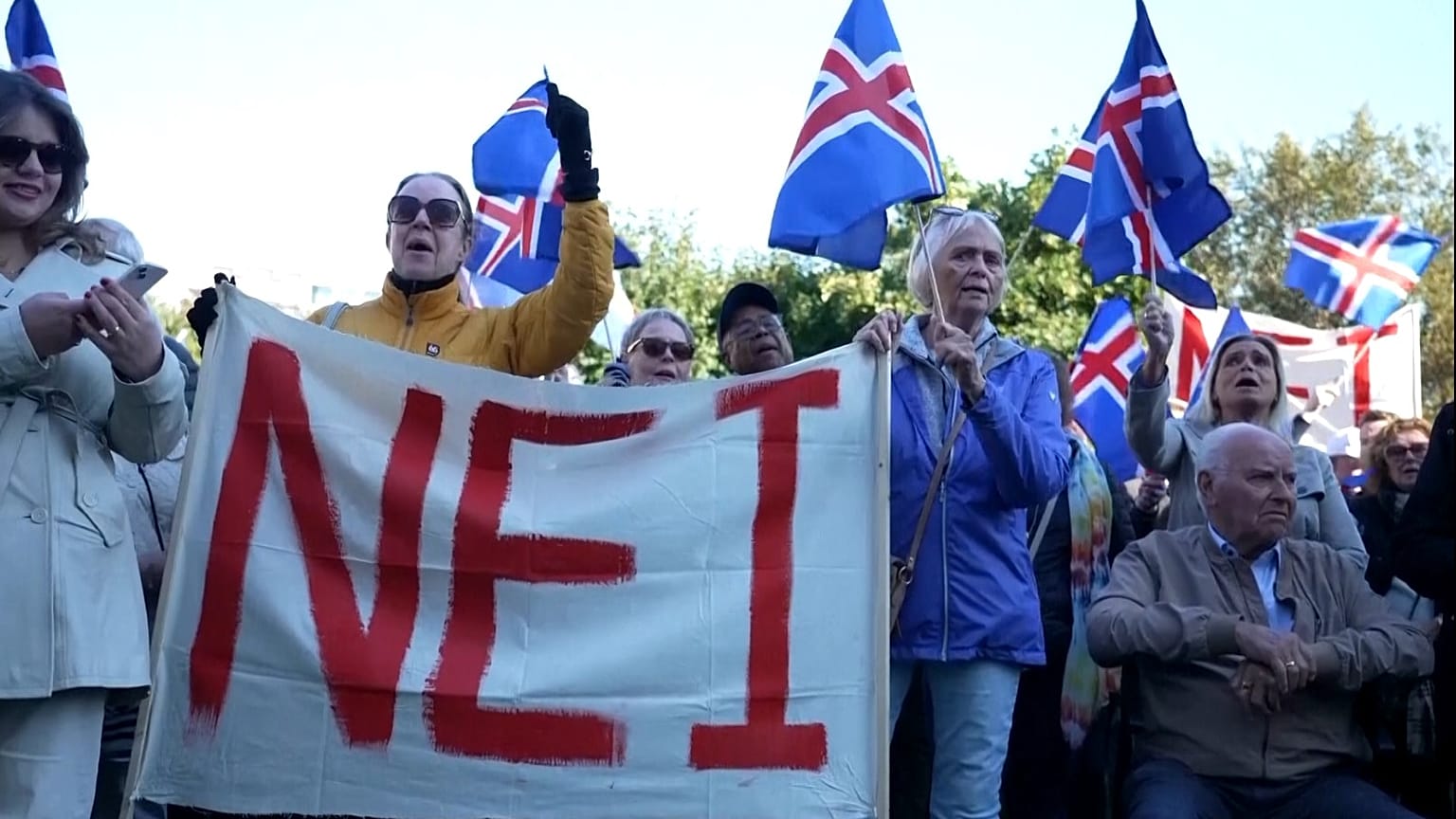
The EU referendum campaign in Iceland
– Copyright AP

 Facebook
 Twitter
 Flipboard
 Send
Send Reddit
 Linkedin
 Messenger
 Telegram
 VK
VK Bluesky
 Threads
 Whatsapp
The Icelandic EU referendum raised a number of important issues for voters, but also a series of unclear claims.
Uncertainty over fishing quotas may have made many Icelandic voters reluctant to embark on an EU membership pathway.
 ADVERTISEMENTADVERTISEMENT
The country voted no on 29 August on resuming negotiations with Brussels by 52.8%, with the talks between the two on hold since 2013.
The campaign was fierce and, as with many crucial public votes in recent years, was also marked by inaccurate claims circulating online and among media channels.
One of them involved the referendum’s main sticking point: fisheries.
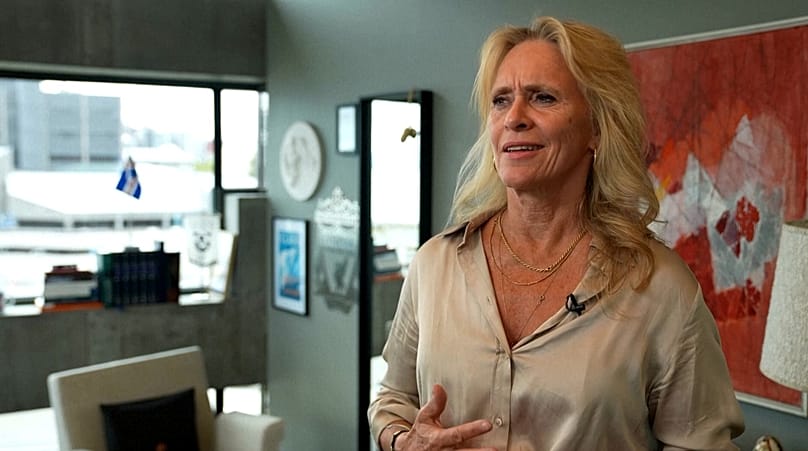
A few media outlets reported on talks between Iceland’s foreign affairs minister Þorgerður Katrín Gunnarsdóttir and Dutch Prime Minister Rob Jetten about a special exemption from the EU’s Common Fisheries Policy.
They said that Gunnarsdóttir claimed that such exemptions were discussed and that the Dutch government strongly denied her version of events.
However, Gunnarsdóttir later rejected those claims, prompting the press to admit the story had been largely misreported.
Yet it touched a sensitive nerve: control over fishing grounds is fiercely guarded in Iceland, so much so that it led to a series of confrontations between Iceland and the UK in the 1950s and the 1970s — known as the Cod Wars.
Joining the EU would likely mean giving up part of its quota, under the Common Fisheries Policy, although there is no consensus on how much exactly Iceland would have to give up.
Some experts argue the quota would be minimal, mainly involving pelagic fish species (i.e. herrings, sardines, mackerel) that migrate across the sea and so are not stationed permanently in Icelandic waters.
However, failing to address this sensitive issue early on may have dulled voters’ enthusiasm for EU membership, according to international relations expert Arno Minasian.
“Iceland didn’t get to negotiate fisheries and agriculture in 2009, either,” he told Euronews’ fact-checking team, The Cube. “The EU and Iceland never actually got to those chapters, which is concerning, because those are the really big, important chapters for Iceland.”
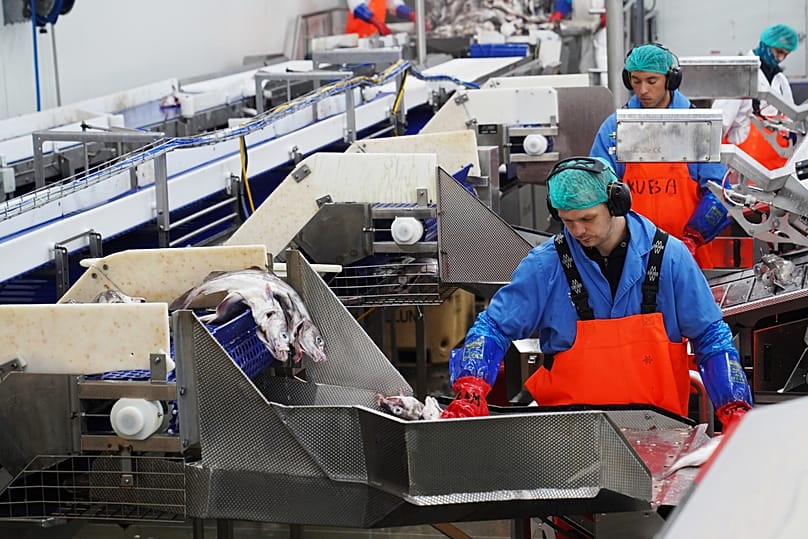
Some 4% of Iceland’s workforce is employed in fisheries, and the sector accounts for around 8% of its GDP. “So fisheries have a lot of economic and political weight,” Minasian added.
“If Iceland and the EU cannot negotiate this in the first place, it’s quite unrealistic that Icelanders would agree on imposing these quotas through the Common Fisheries Policy,” he said.
All of the obligations, none of the benefits?
Another misleading claim was about Iceland’s EU-related rights as a non-EU member.
Some, such as former Prime Minister Sigmundur Davíð Gunnlaugsson, said that, since Iceland is already part of the European Economic Area, it already enjoys all the benefits of EU membership.
Gunnlaugsson, who is now leader of the Centre Party, added that joining the EU would mean taking on just downsides and obligations, rather than any extra benefits.
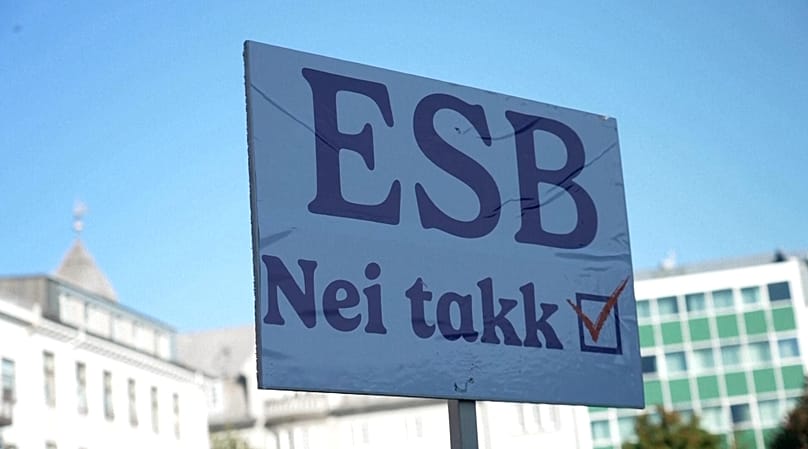
While it is true that, as a member of the European Economic Area, Reykjavík is already playing by much of the EU’s economic playbook, by not being a member of the EU itself, it has no seat at the table when the rules are defined.
Iceland does not have votes in the European Parliament, nor a role in the European Commission. It also misses out on certain EU subsidies and funds, to name just a few.
When it comes to the cost of accessing the EU, the opposing camps cited drastically different numbers.
The “No” front set the figure as high as €1 billion a year, while prominent pro-EU figures said it would be just over €50 million.
The latter seems much closer to the truth, according to a study by the independent think tank Evropustraumar, which claimed Iceland’s net EU membership cost would be around €60 million a year.
Go to accessibility shortcuts
Read more
The EU gave Iceland the silent treatment. It didn’t work, again
What does Iceland’s “No” vote mean for the EU’s enlargement policy?
Iceland’s ‘no’ vote deals a blow to Brussels’ security pitch to wealthy nations
Spain in disarray over leaked reports about Morocco’s role in Ceuta
Belgium pushes back against new attempt to use Russian assets
Ukraine formally warns airlines that Russian airspace is unsafe
Netherlands moves 86 tonnes of gold from US and Canada to UK
The surge of the far-right – who is to blame? MEPs clash in The Ring
Death of Germany’s richest man creates a giant charitable foundation
Thailand confirms it will cut visa-free stays for EU travellers
Netherlands moves 86 tonnes of gold from US and Canada to UK
Ryanair’s Boeing 737 stairs tied to hundreds of passenger falls, study says
Zelenskyy warns ‘Russian airspace will effectively be closing’
[analyse_source url=”https://www.euronews.com/my-europe/2026/09/02/fact-check-how-inaccurate-and-conflicting-claims-may-have-affected-icelands-eu-referendum”]