{“@context”:”https://schema.org”,”@type”:”Article”,”image”:”https://car-images.bauersecure.com/wp-images/271358/070-bristol-fighter.jpg”,”mainEntityOfPage”:{“@type”:”WebPage”,”@id”:”https://www.carmagazine.co.uk/car-news/first-official-pictures/bristol/2026-fighter-continuation/”},”url”:”https://www.carmagazine.co.uk/car-news/first-official-pictures/bristol/2026-fighter-continuation/”,”author”:{“@type”:”Person”,”name”:”Luke Wilkinson”,”description”:”Luke Wilkinson is Deputy Editor of our sister site, Parkers. However, he also writes news, reviews and features for CAR magazine. Heu2019s worked as a car journalist for five years now, having started his career as a Staff Writer at Auto Express in November 2018. He joined Bauer Media in February 2022.nHe was excited to work as a car journalist before heu2019d even finished his studies. As a university student, heu2019d visit his local car dealerships in his spare time (posing as a customer), and test drive cars. He would then write reviews on those cars for his own website to build up a portfolio to show to his future employer.nLukeu2019s efforts soon landed him an internship with the Daily Recordu2019s motoring supplement, Road Record. He worked for two weeks at the publication, gathering vital online and print magazine skills that would stand him in good stead for his entrance into the working world.nHighlights of his career so far include driving a V8 powered (and ULEZ exempt!) Range Rover Classic down Saville Row, redlining the David Brown Automotive Mini Remasteredu00A0and tearing down Millbrook Proving Groundu2019s mile straight at 170mph in au00A0McLaren 720S.nWhen he isnu2019t shackled to his desk, Luke spends his time restoring hisu00A0Classic Mini. Itu2019s a 1993 Rover Mini Sprite thatu2019s heu2019s owned since he was 15. Itu2019s already undergoing its second bout of rust repair and is awaiting an entire new floor pan, a fresh front end and a rebuilt engine.nYou can follow Luke on his Twitter,u00A0Instagramu00A0andu00A0LinkedInu00A0pages. Alternatively, you can find a list of his latest articles at the bottom of this page.”,”image”:{“@type”:”ImageObject”,”url”:”https://car-assets.bauersecure.com/wp-images/14254/lukewilkinson1.jpeg”,”caption”:”Luke Wilkinson”},”sameAs”:[“https://www.linkedin.com/in/luke-wilkinson-08a155112/”,”https://x.com/LT_Wilkinson”,”https://www.instagram.com/lt_wilkinson/”],”url”:”https://www.carmagazine.co.uk/author/luke-wilkinson/”,”alumniOf”:{“@type”:”EducationalOrganization”,”name”:”University of Glasgow”},”jobTitle”:”Deputy Editor”,”knowsAbout”:”Automotive,Motoring,Road testing,Car news”,”worksFor”:{“@type”:”Organization”,”name”:”Parkers”}},”dateModified”:”2026-09-02T16:40:49+01:00″,”datePublished”:”2026-09-02T16:40:49+01:00″,”headline”:”Unfinished business: Bristol to complete the Fighteru2019s production run”,”publisher”:{“@type”:”Organization”,”name”:”Bauer Media”,”brand”:{“@type”:”Organization”,”name”:”Car Magazine”},”logo”:{“@type”:”ImageObject”,”url”:”https://car-assets.bauersecure.com/images/logos/car.200×88.png”}}}
Unfinished business: Bristol to complete the Fighter’s production run

-
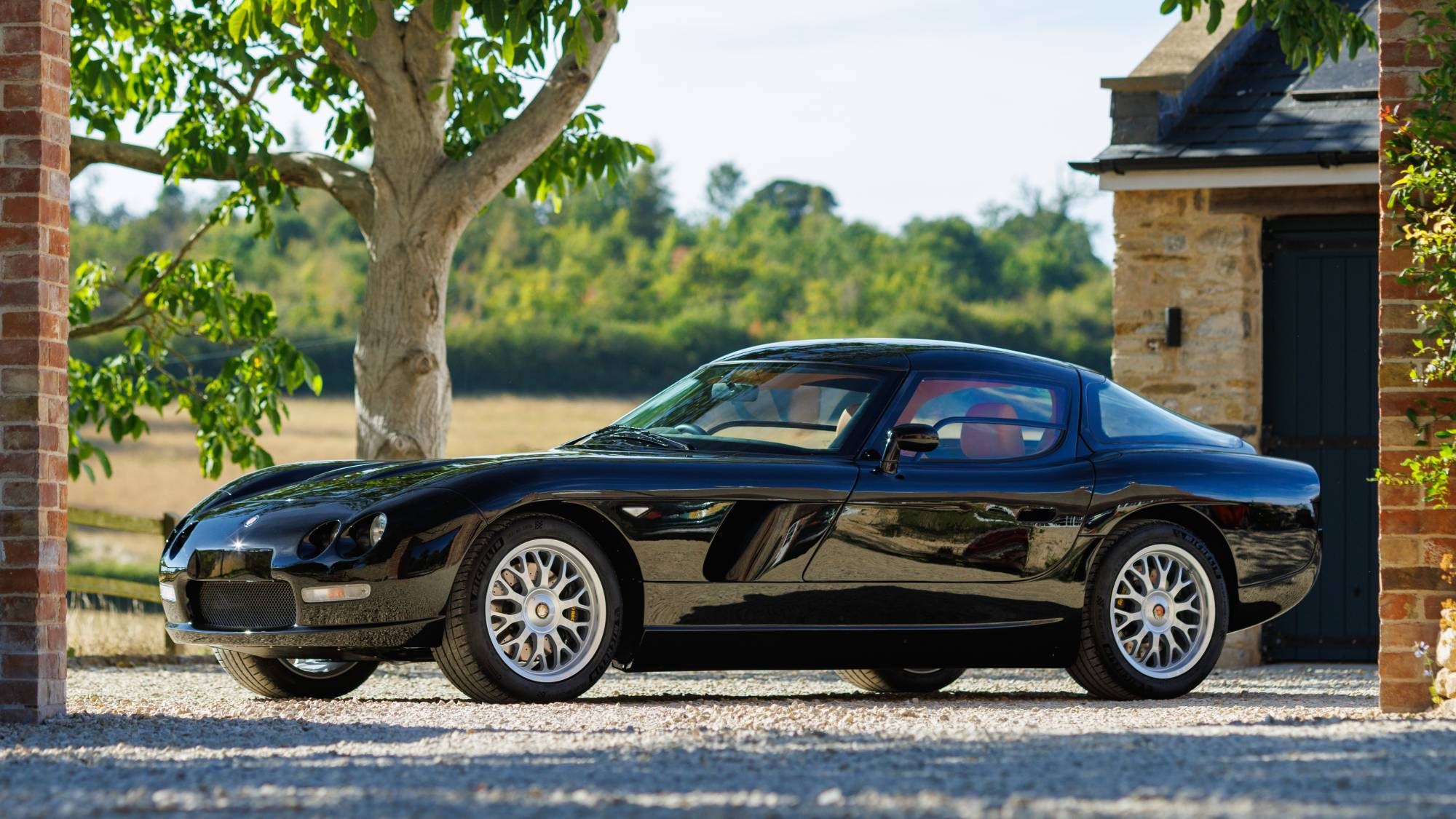
 Bristol Fighter (2026): front three quarter static, black paint
 -
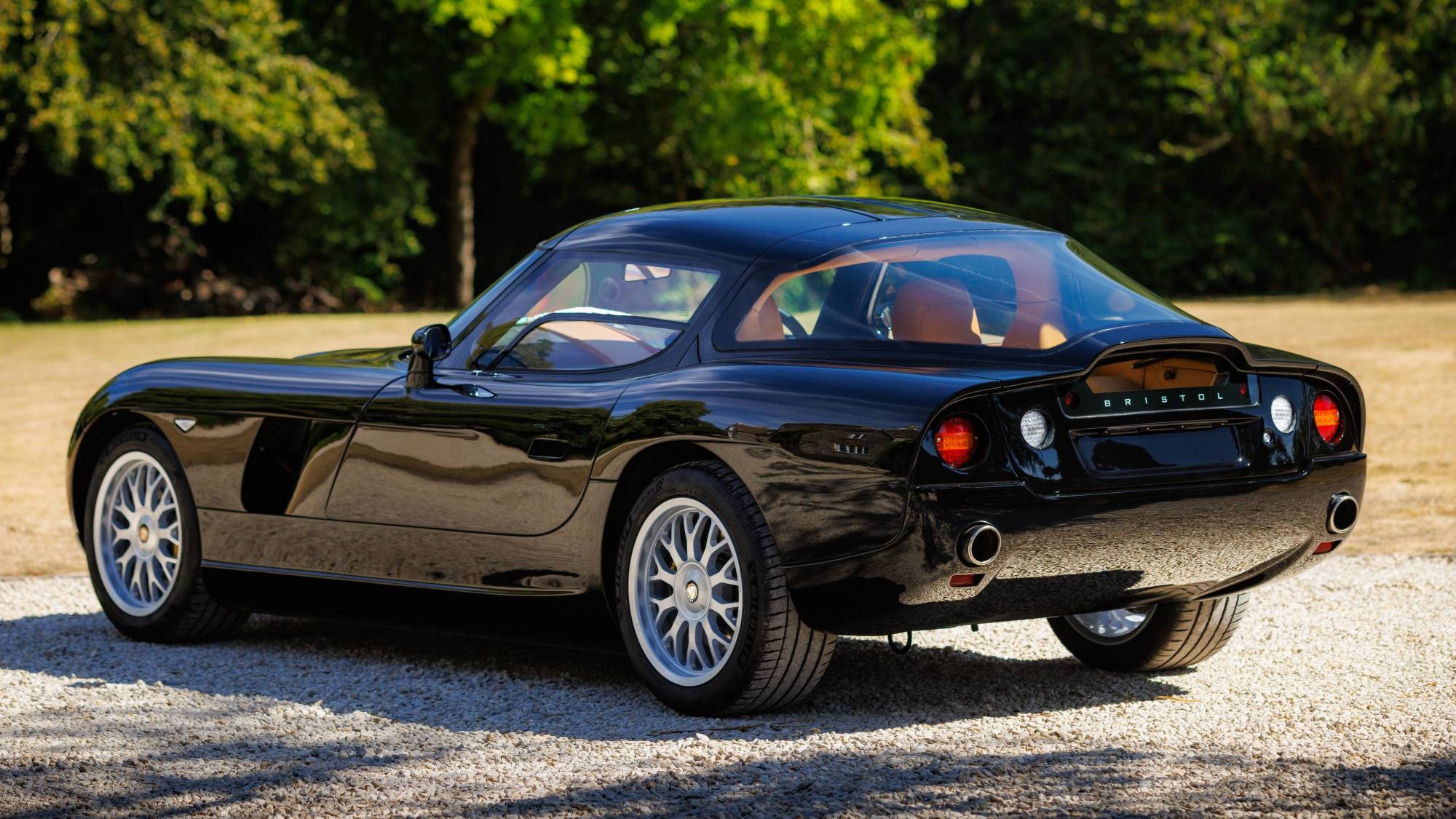
Bristol Fighter (2026): rear three quarter static, black paint
-
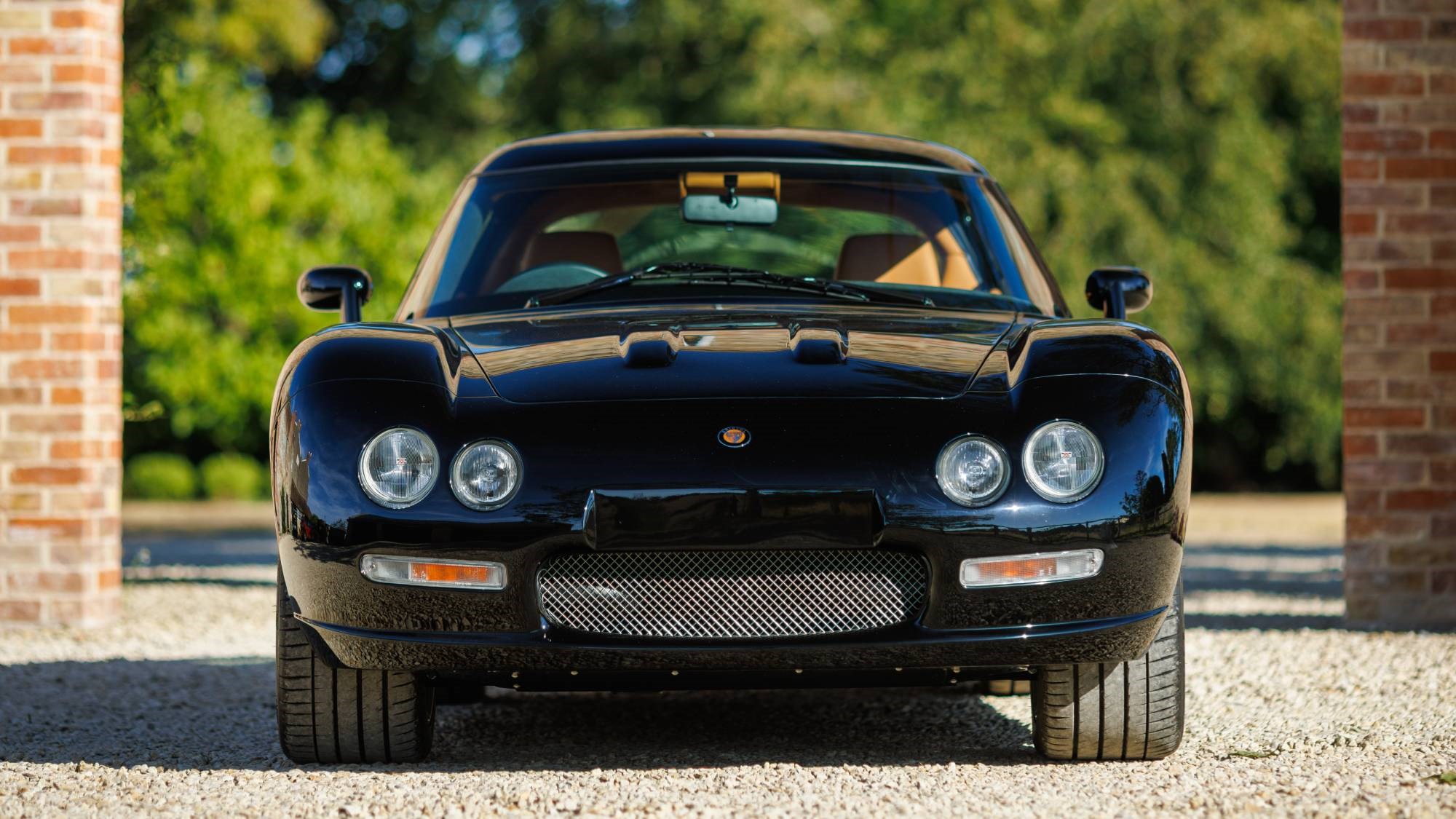
Bristol Fighter (2026): front static, black paint
-
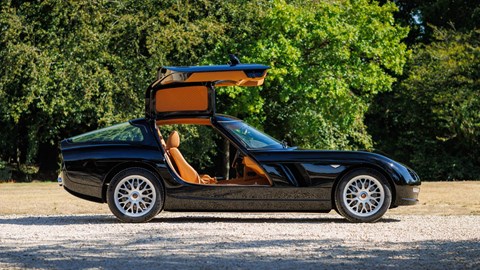
Bristol Fighter (2026): side view static, black paint
-
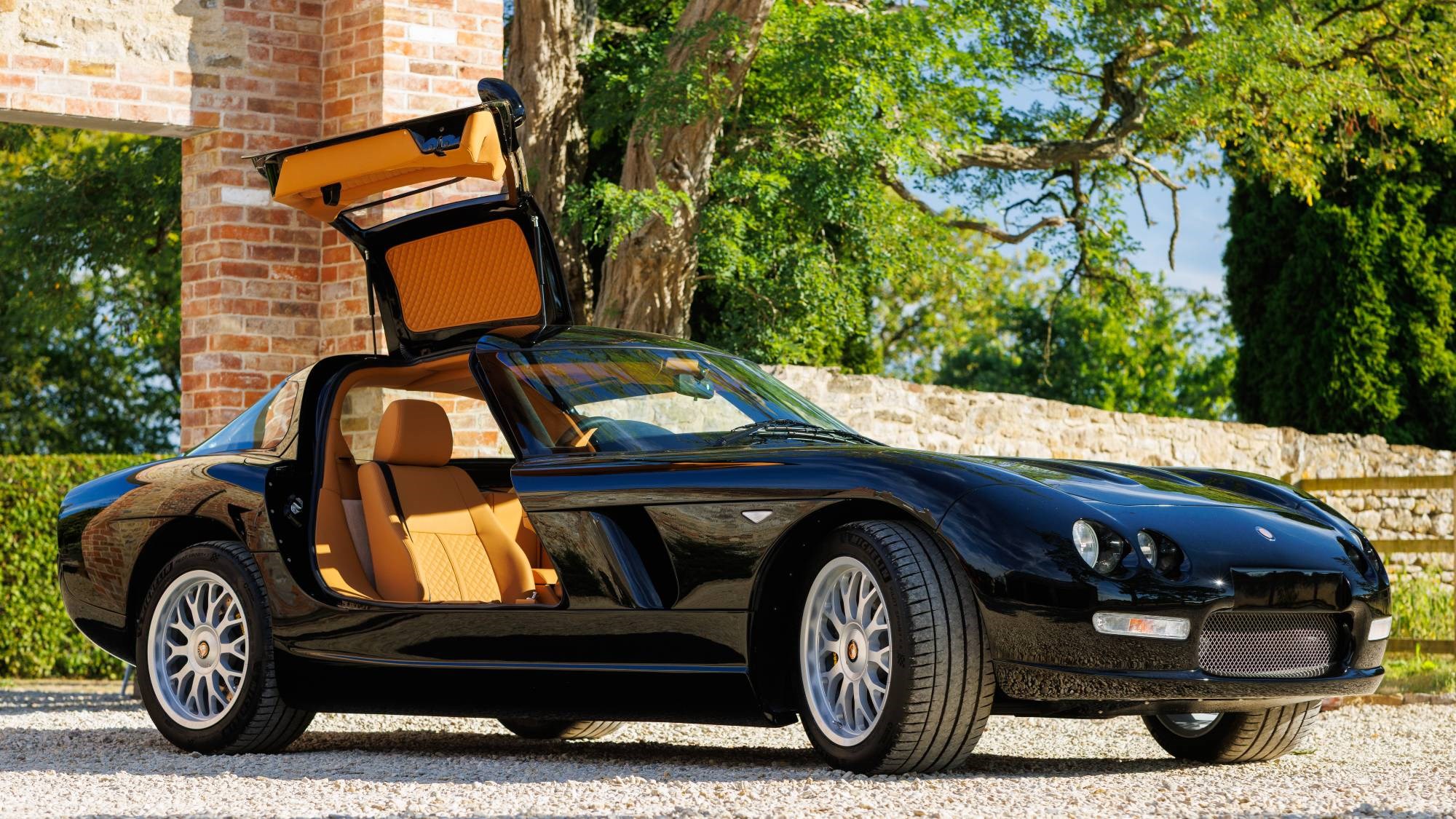
Bristol Fighter (2026): front three quarter static, door up, black paint
-
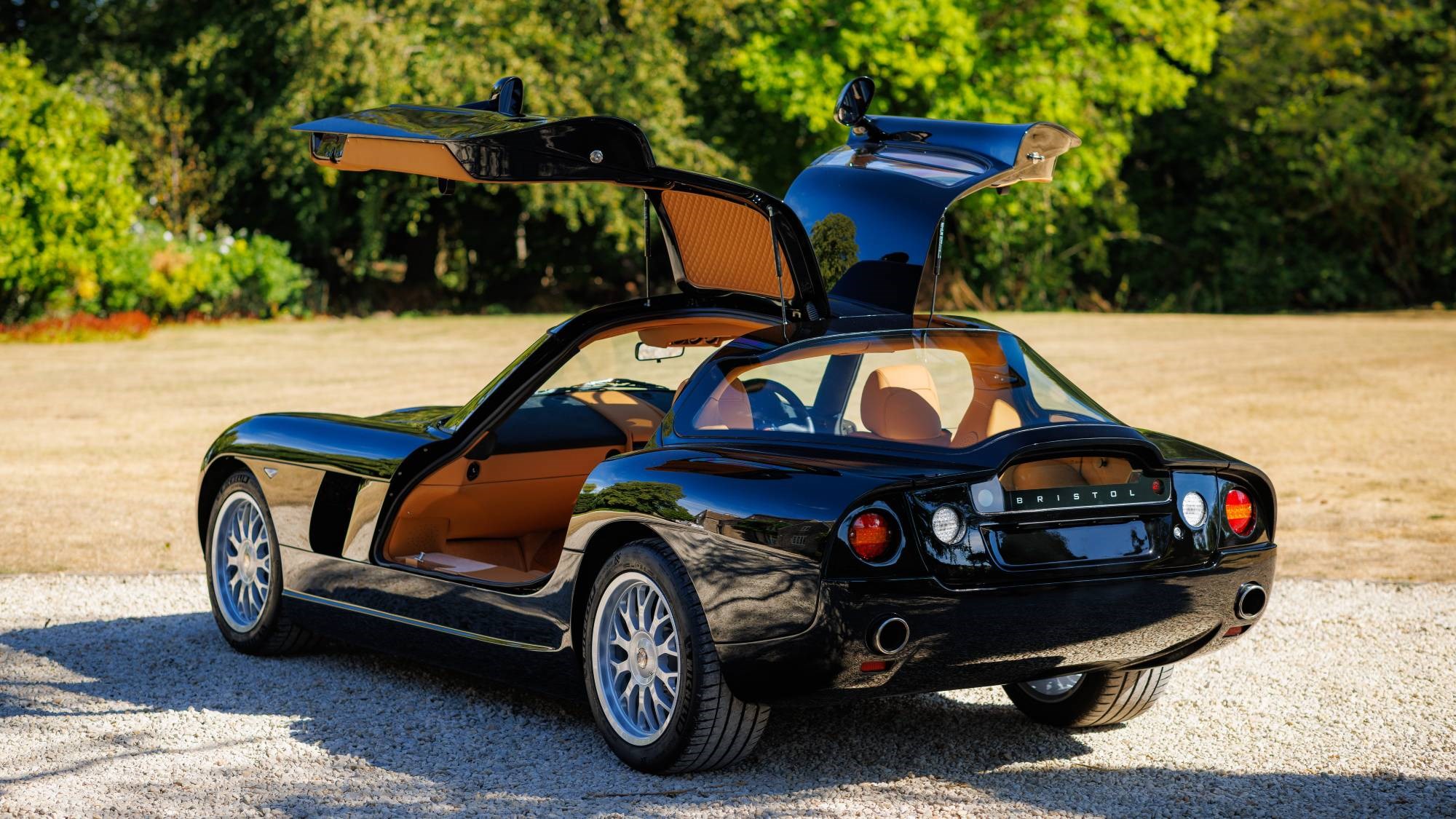
Bristol Fighter (2026): rear three quarter static, doors up, black paint
-
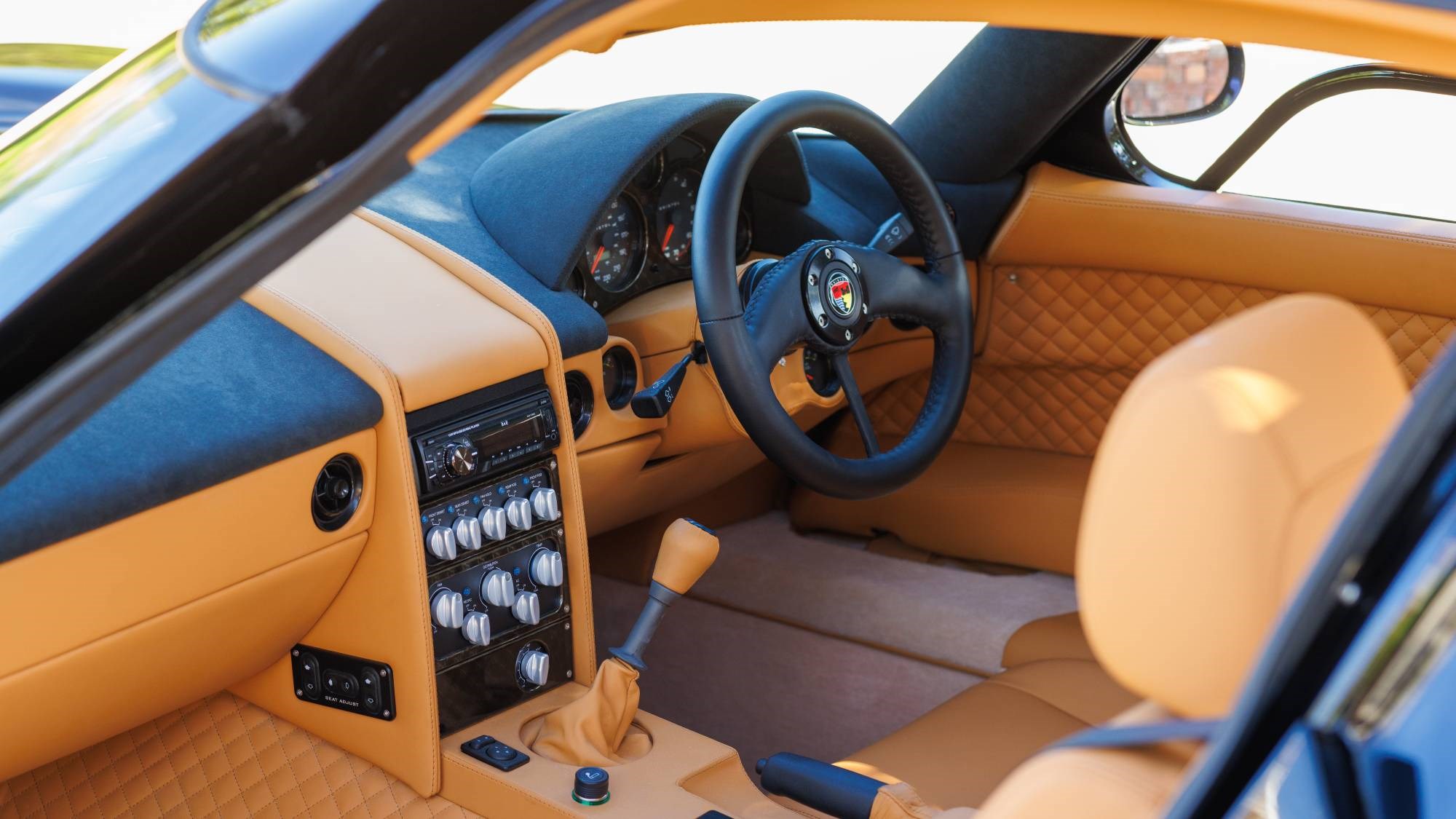
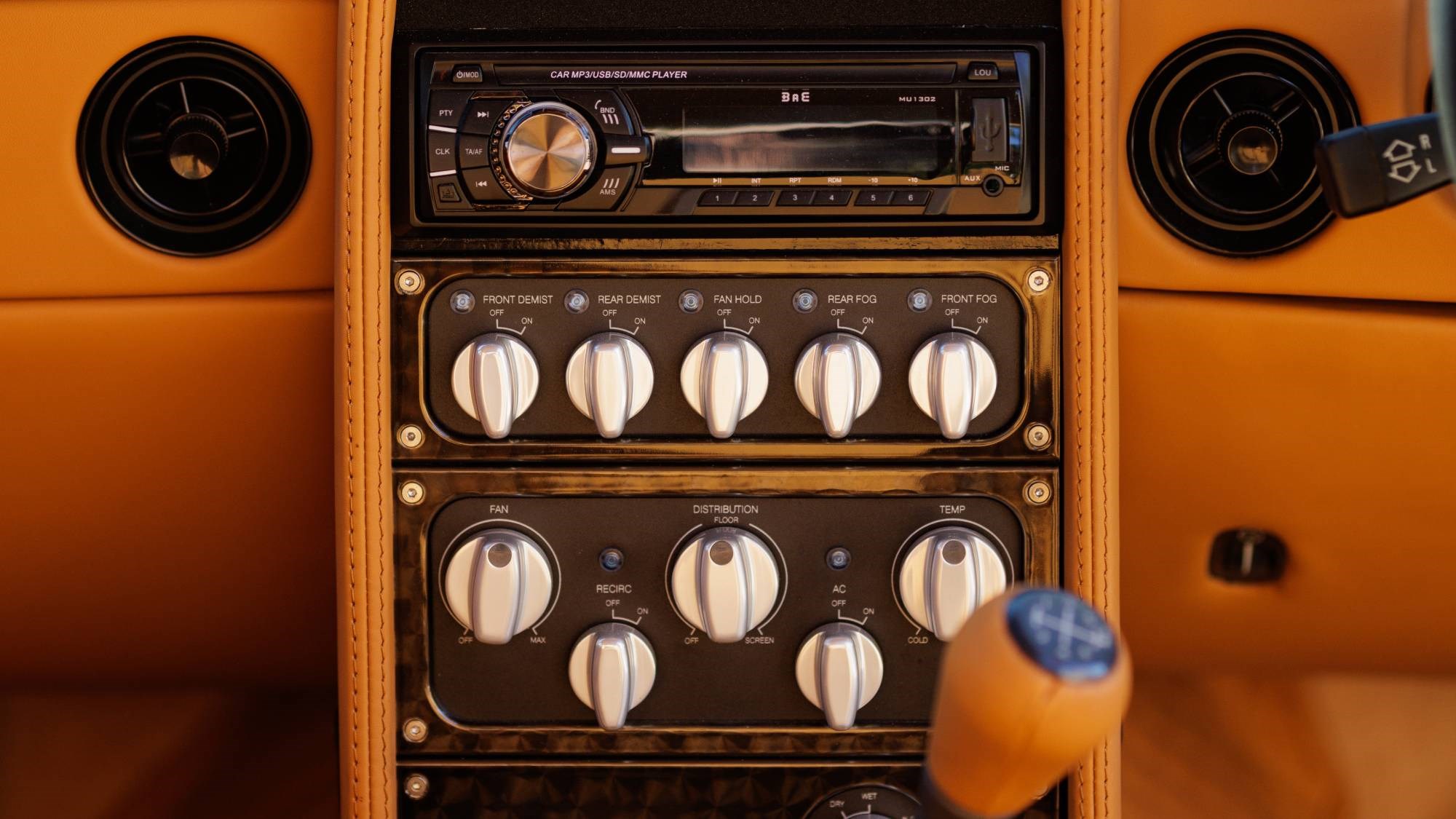
Bristol Fighter (2026): dashboard and front seats, tan leather interior
-
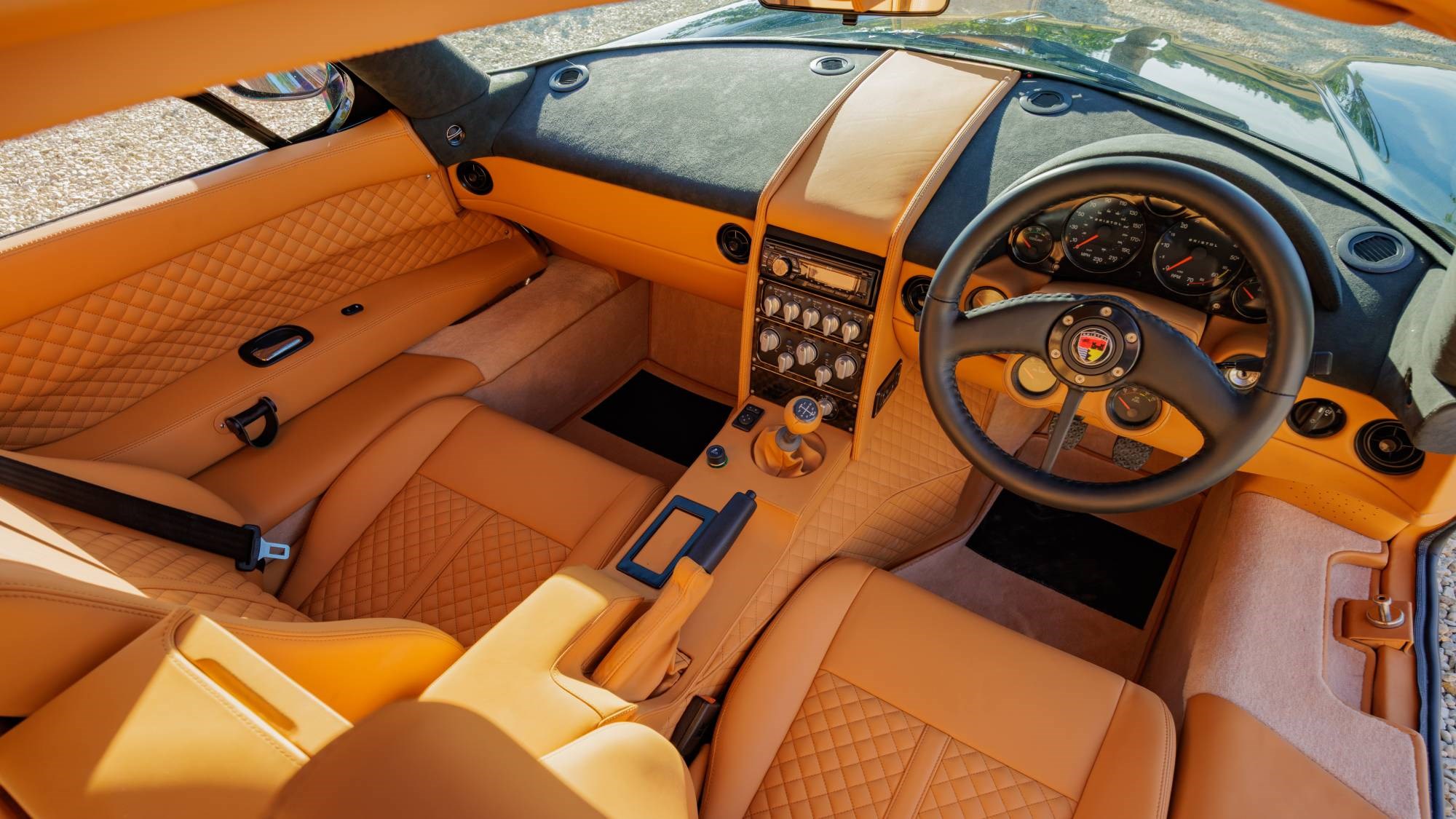
Bristol Fighter (2026): dashboard and front seats, tan leather interior
-
Bristol Fighter (2026): centre console, tan leather upholstery
-
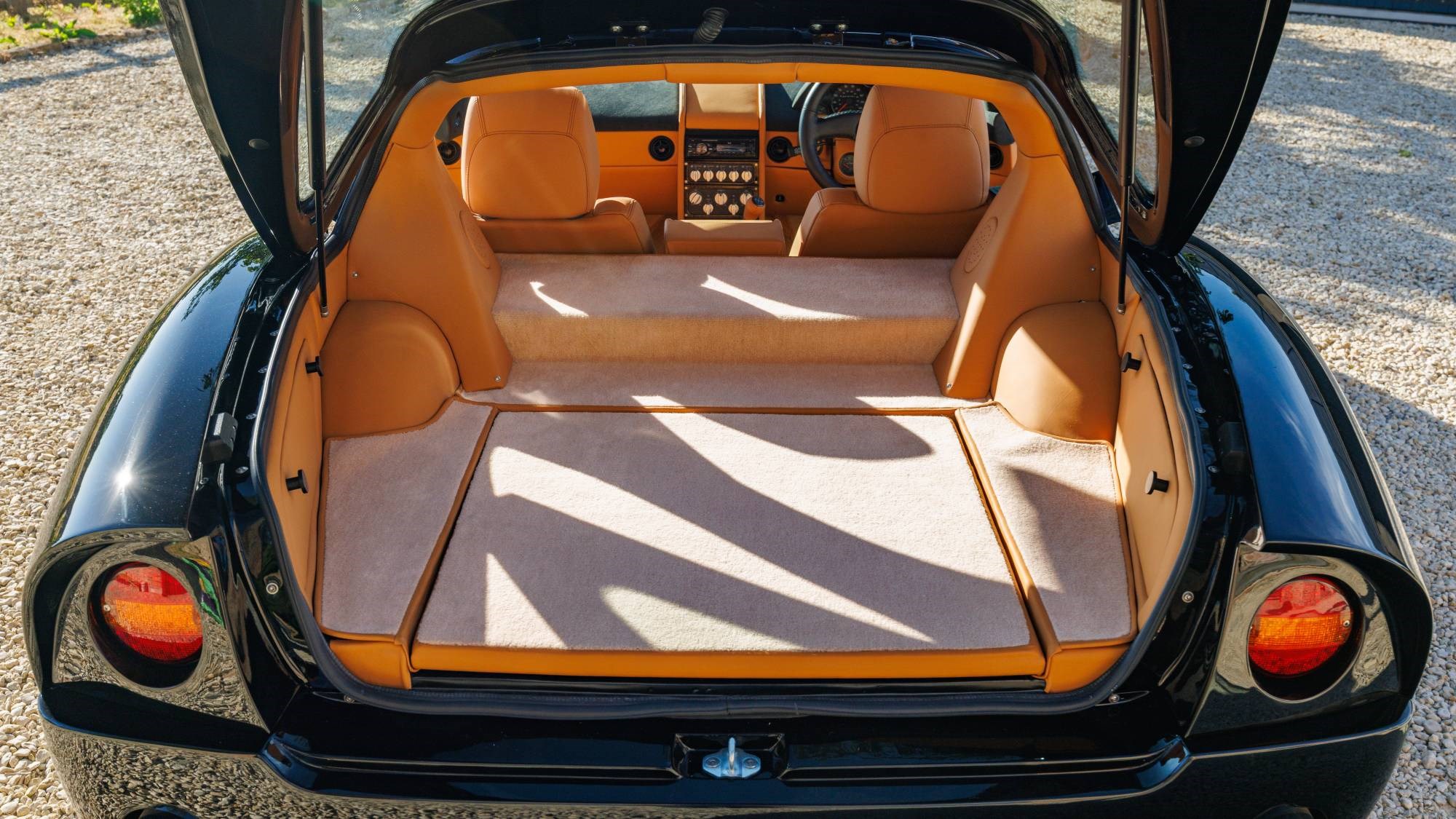
Bristol Fighter (2026): boot space, tan leather upholstery
-
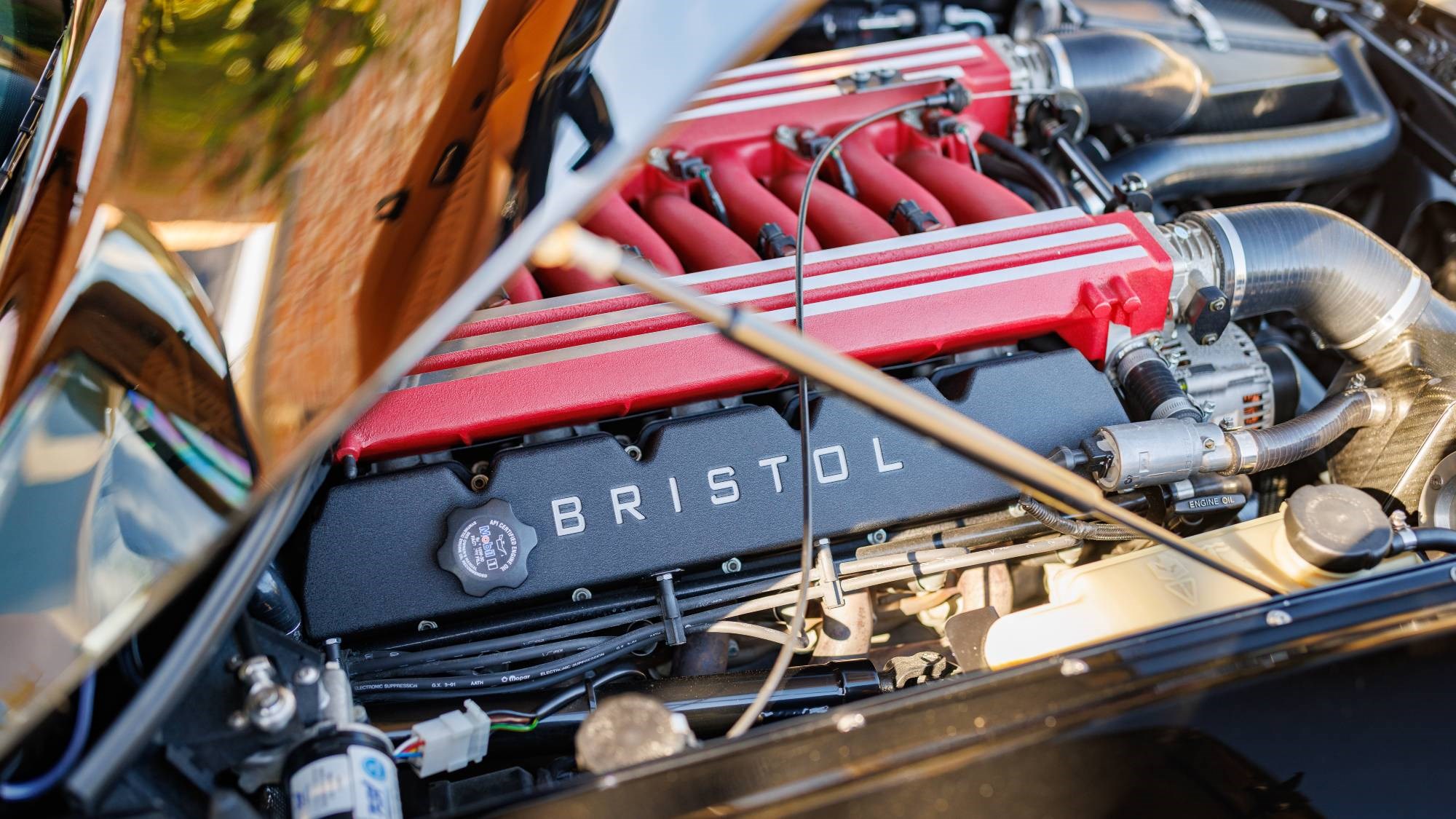
Bristol Fighter (2026): V10 engine
-
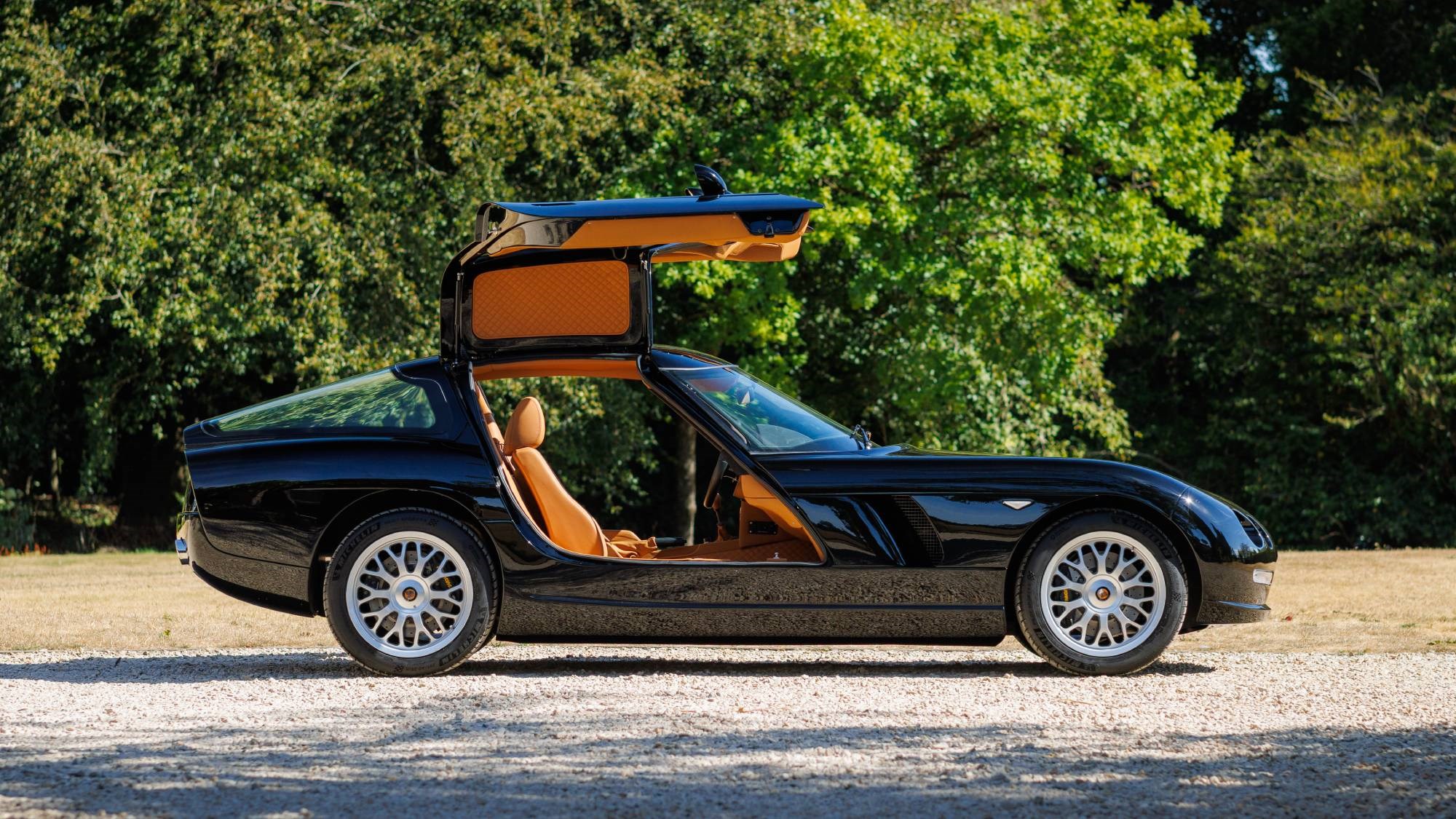
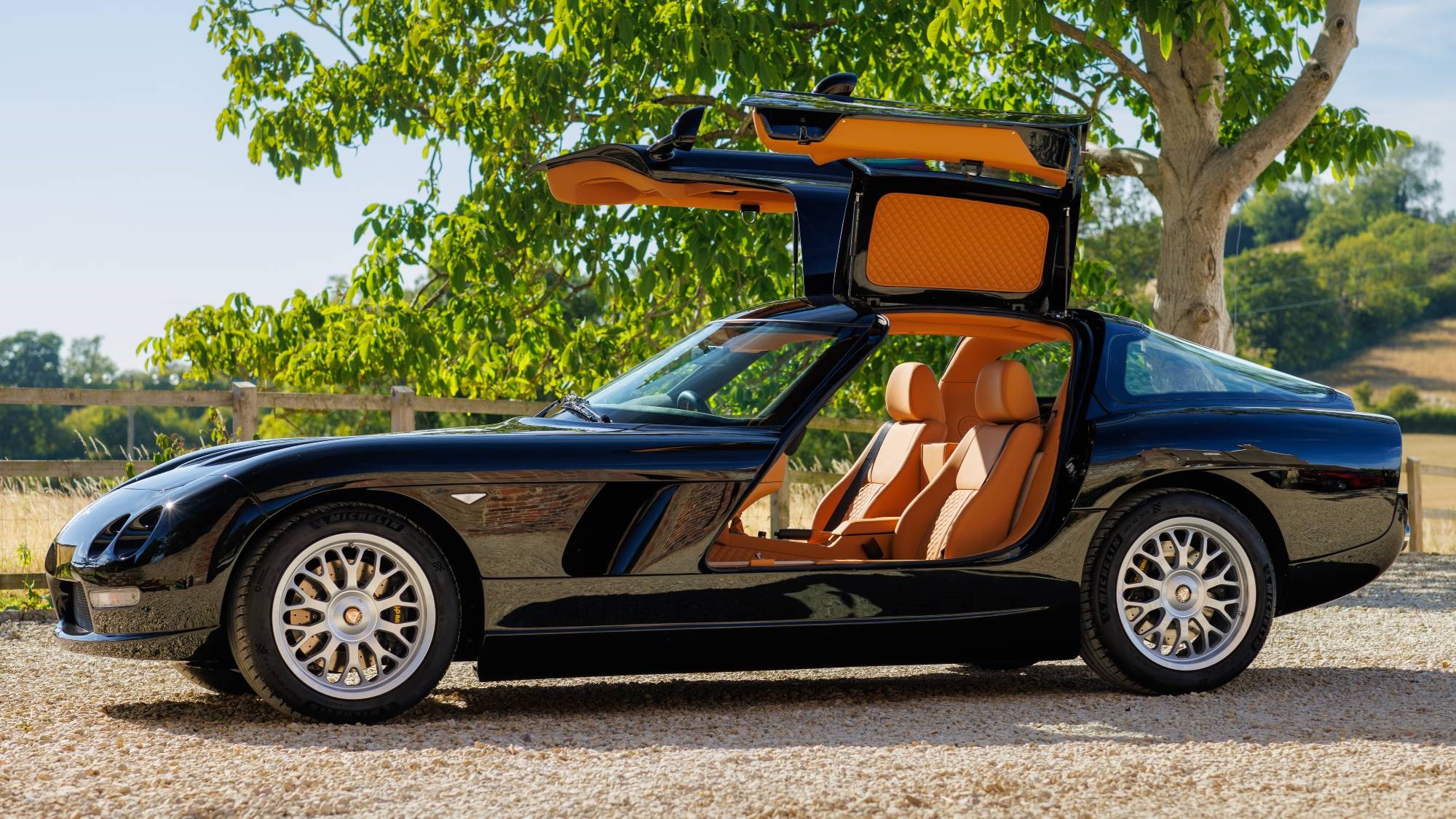
Bristol Fighter (2026): side view static, doors up, black paint
-
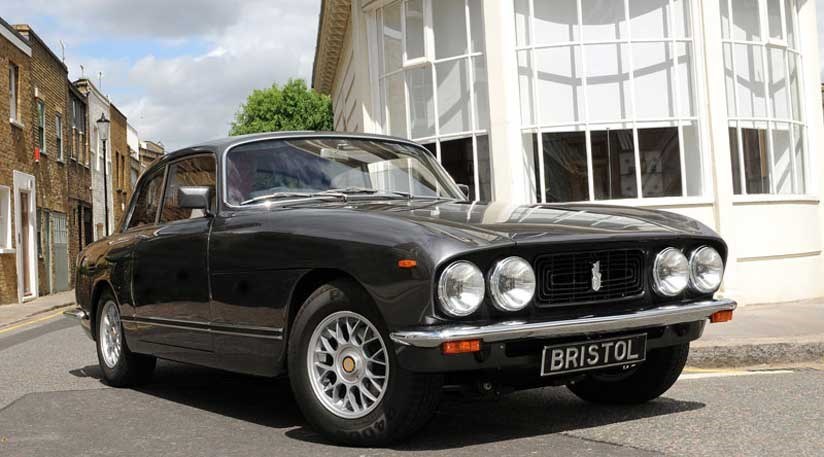
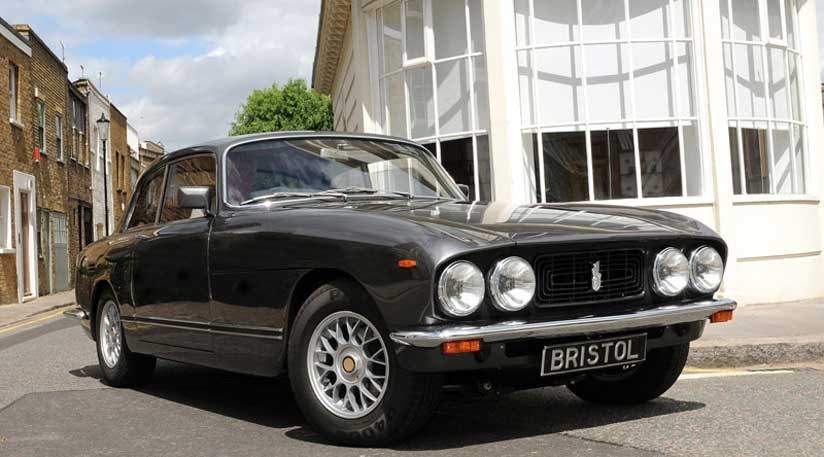
Bristol 411: front three quarter static, silver paint
-
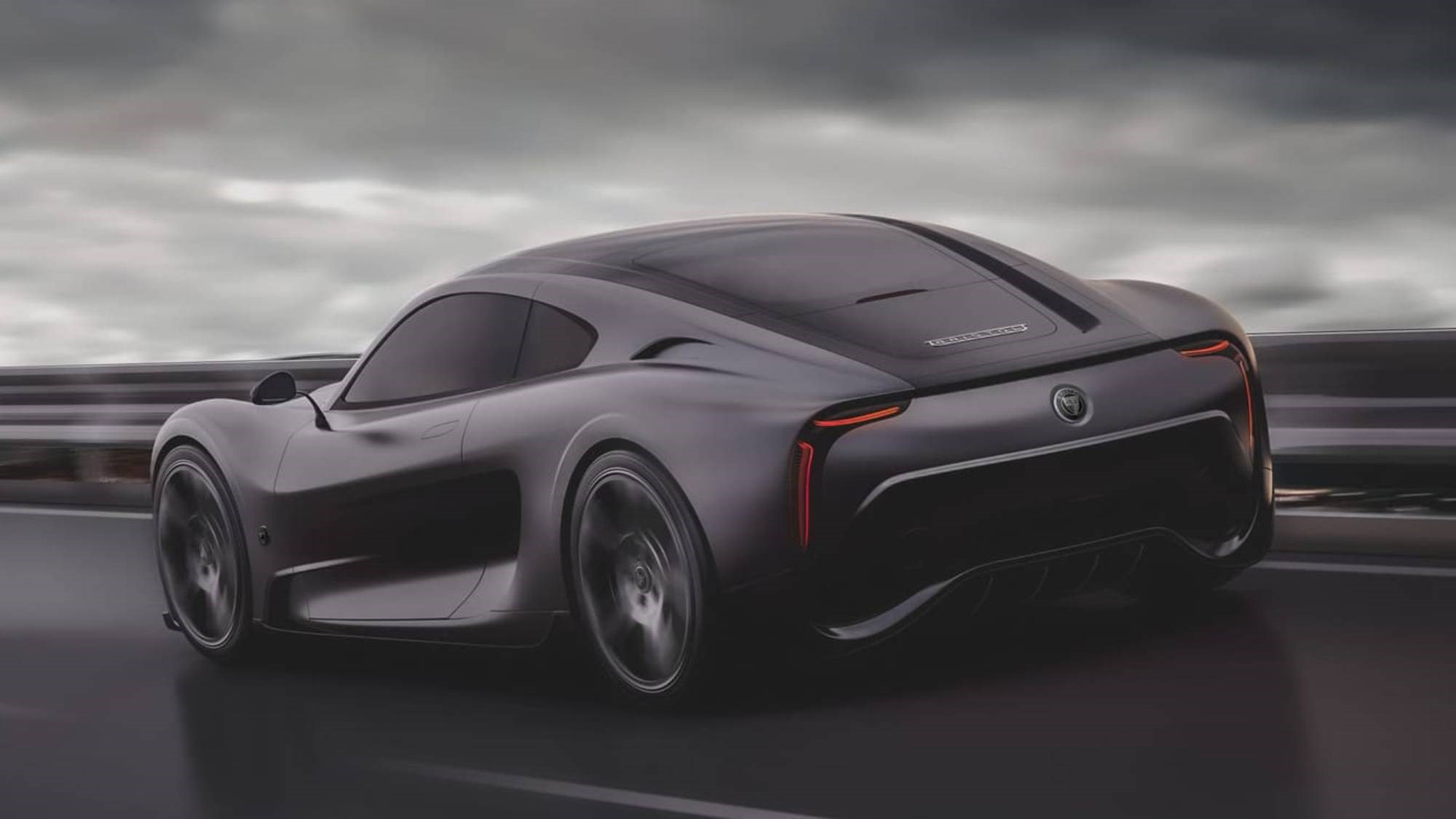
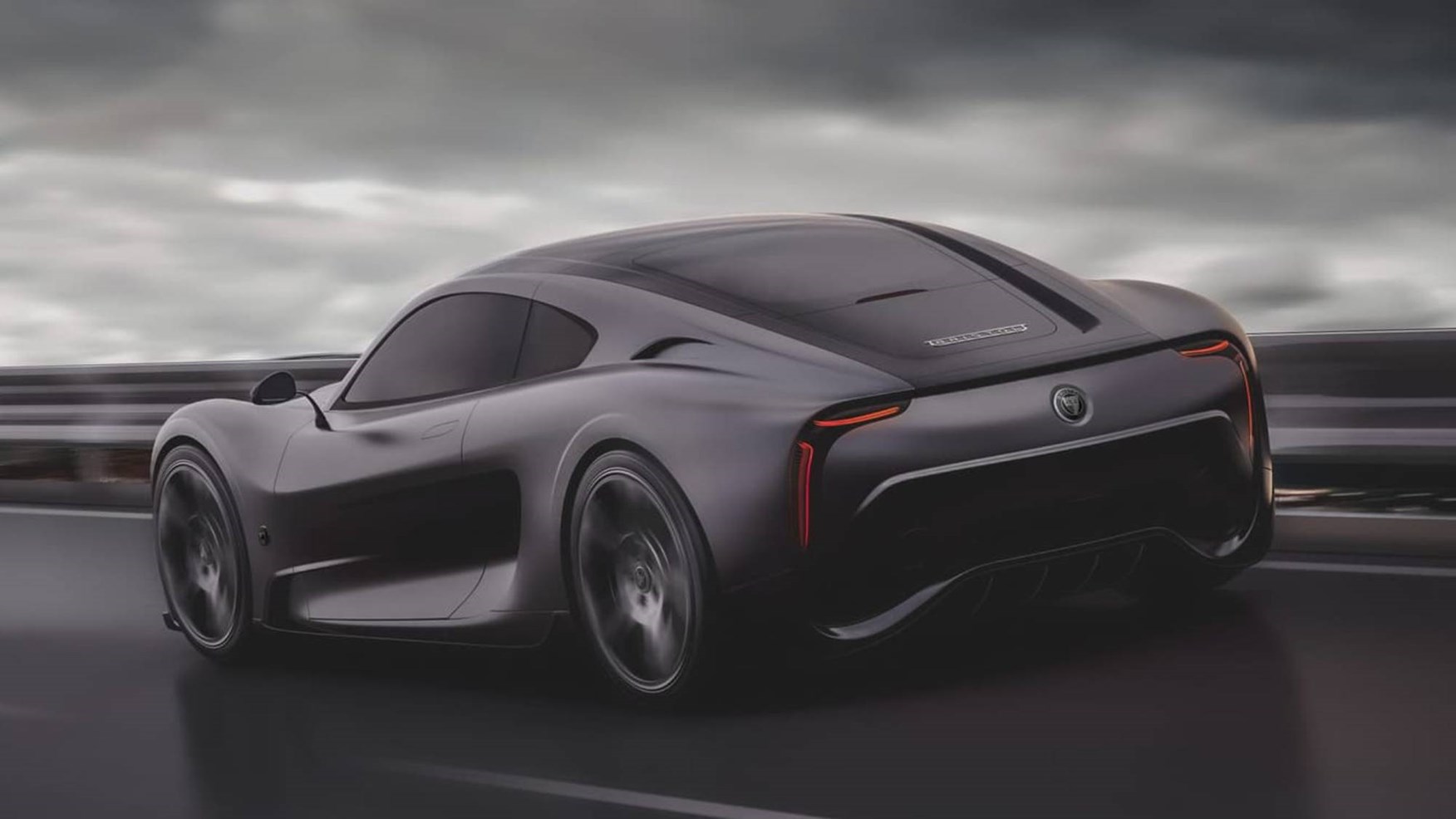
Bristol supercar concept: rear three quarter driving
► Small-time British manufacturer launches its comeback
► Starting with its ill-fated and unfinished Fighter sports car…
► … and evolving into electrification and a new supercar
Remember Bristol? The small-volume British sports car manufacturer was dragged under water by the weight of its own debts in 2020. But now the company’s back – and its new owner wants to right the wrong that sent Bristol down the path of liquidation. He’s going to finish the Fighter’s production run.
The Fighter was Bristol’s final car before it was forced to halt manufacturing in 2011. Bristol passed into administration that year and its unfinished vehicles were moved into storage. Five of those chassis have since been unearthed and are now being assembled to original spec using the drawings from more than two decades ago.
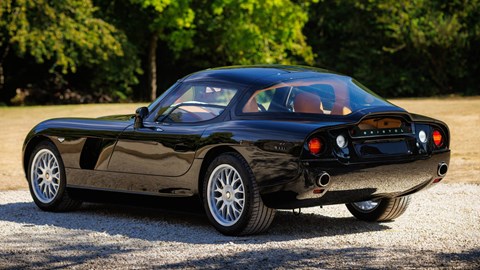
One of the cars – the black over tan model in these images – has already been completed. It was unveiled at this year’s Salon Prive, where the brand marked its 80th anniversary. The remaining four examples will be offered for purchase over the coming months. Bristol hasn’t publicly announced how much each car will cost, but we reckon they’ll be comfortably north of the original cars’ £230,000 sticker price.
Like the original Fighters from the early 2000s, this reborn model is powered by an 8.0-litre V10, sourced from a Dodge Viper. It’ll be offered in two states of tune – the standard car produces 525bhp, but a more potent 600bhp model will also be available. Sadly, the truly insane 1,000bhp Bristol Fighter T hasn’t survived the company’s rebirth.
Despite this, Bristol claims the ‘normal’ Fighters will still have a top speed of 210mph and, if the remanufactured car can match the specs of the original, they should be able to sprint from 0–62mph in around four seconds. That’s more than fast enough for a car with gullwing doors that you can’t open if you stove it upside down into a ditch.
The desire to retain the car’s original spec extends to the cabin, too. You get the same mad dials littered around the steering wheel, the same airbag-less steering wheel and an utterly charming, period-correct single DIN CD player in the centre of the dashboard.
Richard Hackett, chairman of Bristol Cars, said: ‘Bristol has always been about doing things differently. It was never a mass-market manufacturer. It built exceptional cars in small numbers for people who appreciated their individuality, engineering and character. This is an opportunity to respect everything that made Bristol special while giving the marque a future.’
Bristol: a short history
Bristol started out as an aircraft manufacturer during the Second World War before diversifying into cars in 1946. For the next 50 years, it churned out a small but steady stream of luxury two-door coupes and convertibles which, bucking the trend for most small-volume British car manufacturers, garnered a reputation for build quality.
The Bristol 411 (built between 1969 and 1976) is largely considered to be the company’s finest work, teaming a grunty Chrysler V8 engine with a gorgeous aluminium body and a surprisingly cossetting ride – along with the brand’s famed build quality.
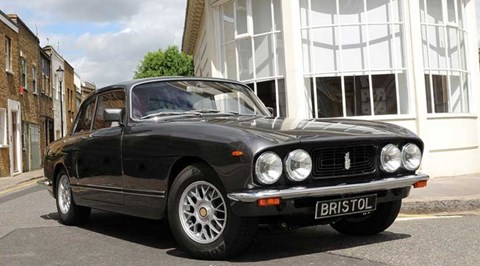
In the early days, Bristol built its own engines, but it shifted to buying existing engines from Chrysler in the 1960s. That wasn’t due to a lack of engineering talent however, because the Bristol-engined 450 clinched an impressive one-two-three finish in the 2.0-litre class at the 24 Hours of Le Mans in both 1954 and 1955. Not bad for a plucky Brit.
Bristol continued using Chrysler engines right up until its final production car, the Fighter, met its fate when the company entered administration. However, when it was grappling with the final throes of its financial turmoil, the brand managed to produce a one last car called the Bullet – and it had a BMW V8.
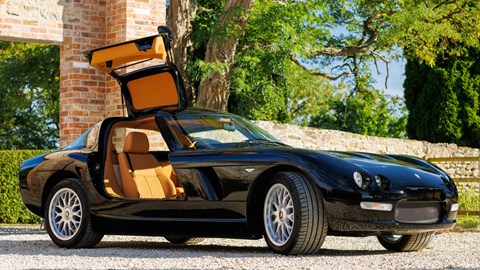
It was based on a Morgan Plus 8 chassis, powered the 4.8-litre engine from the BMW 550i and destined to go into production in 2017 with a very limited production run of just 70 units. However, the company folded before the car got off the ground. Only one Bullet was ever built, so we’re not counting that one as an official production car.
While we appreciate this latest chapter of Bristol’s history looks an awful lot like a rose-tinted, misty-eyed stroll down memory lane, the company is adamant that this is just the beginning of a successful new business model.
Paul King, Director of Bristol Cars, said: ‘To bring Bristol back to making cars in Britain, we have brought together an exceptional combination of heritage, knowledge, engineering and craftsmanship. This is the beginning of Bristol’s return, and there is much more to come.’
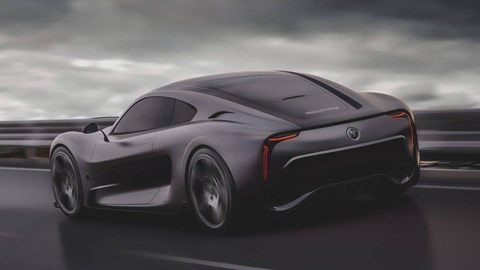
Bristol hasn’t told us what its planning yet, but the brand has previously expressed its desire to move towards electrification. Plus, it’s already talking about plans to launch ‘the next Bristol’ – and it’s penned a new two-door, four-seat supercar concept (above) to give us a glimpse at the vision.
We will watch Bristol’s reborn career with great interest.
console.debug(‘taboola container loaded..’)
window._taboola = window._taboola || [];
_taboola.push({
mode: ‘thumbs-feed-1×1’,
container: ‘taboola-below-article-thumbnails-v3’,
placement: ‘Below Article Thumbnails V3’,
target_type: ‘mix’
});
Bristol Fighter (2026): front three quarter static, black paint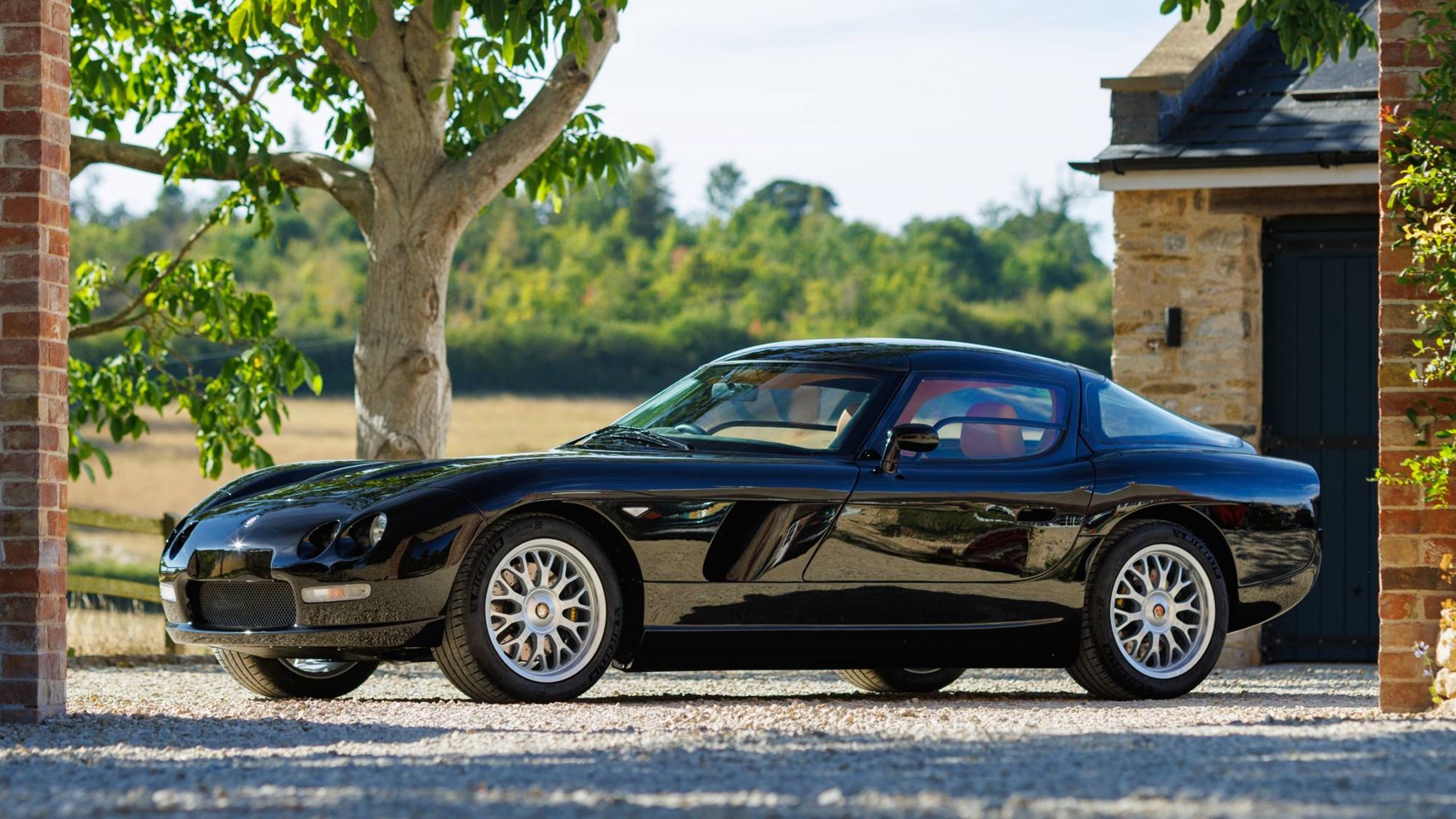
Bristol Fighter (2026): rear three quarter static, black paint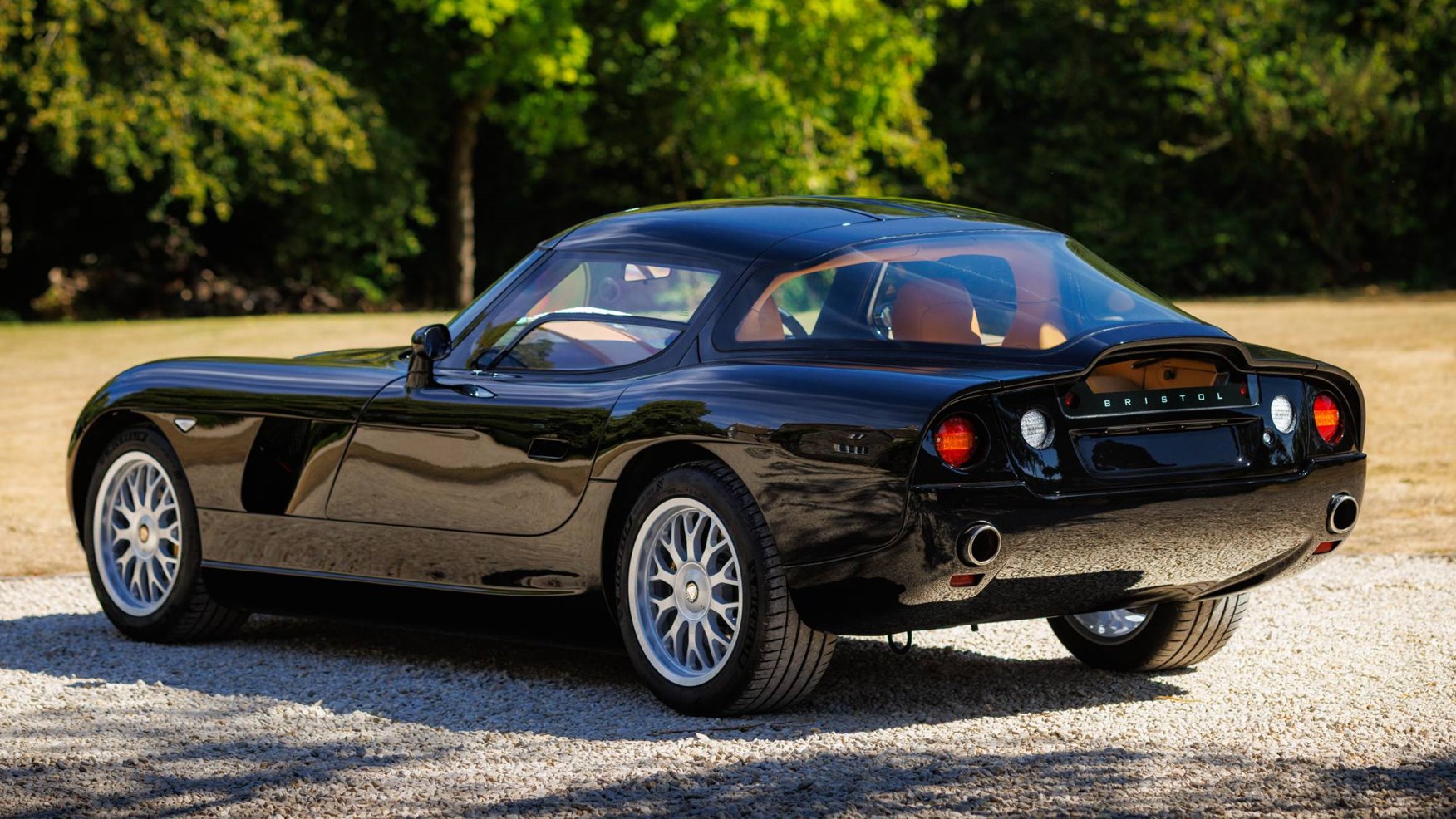
Bristol Fighter (2026): front static, black paint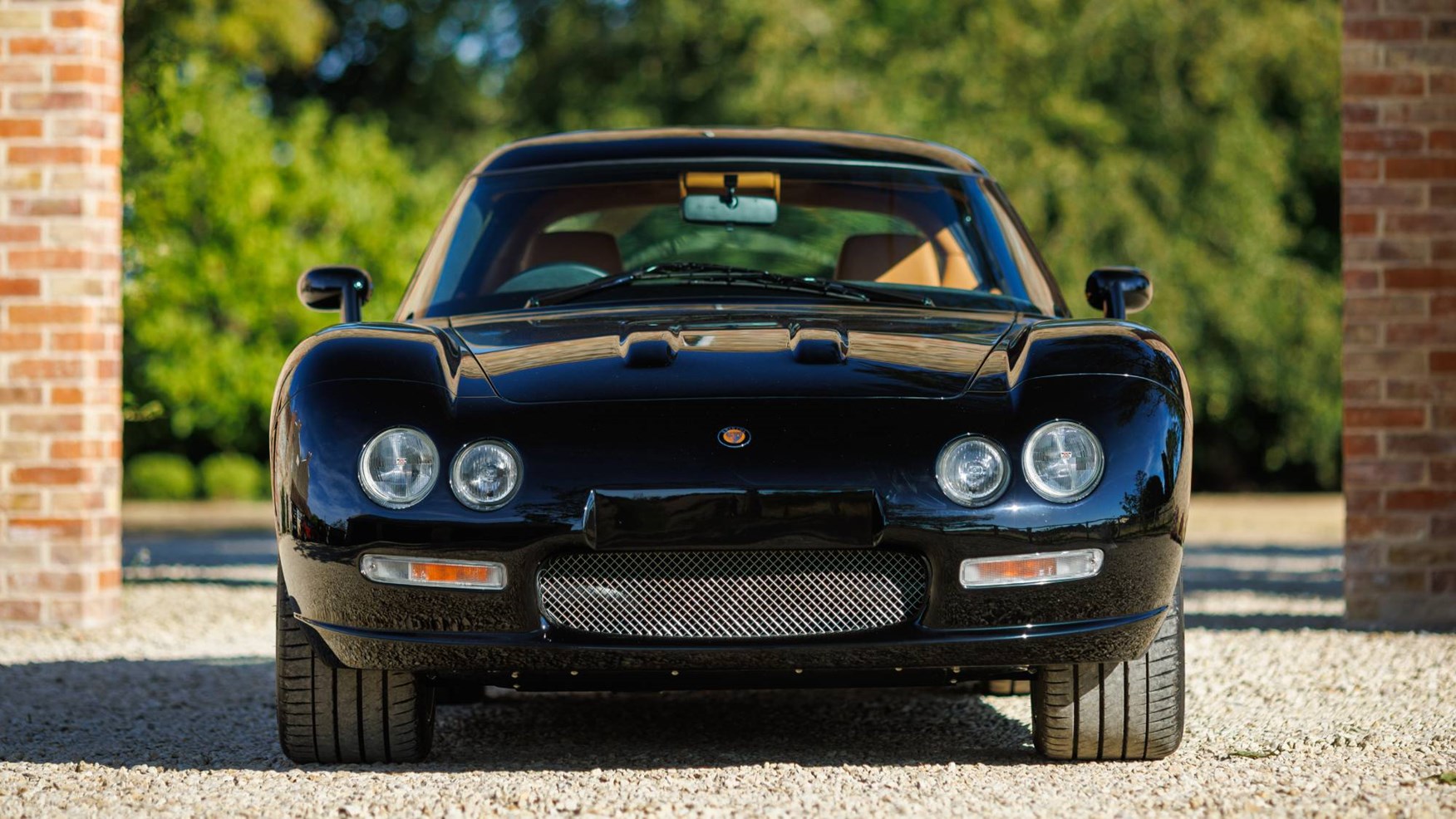
Bristol Fighter (2026): side view static, black paint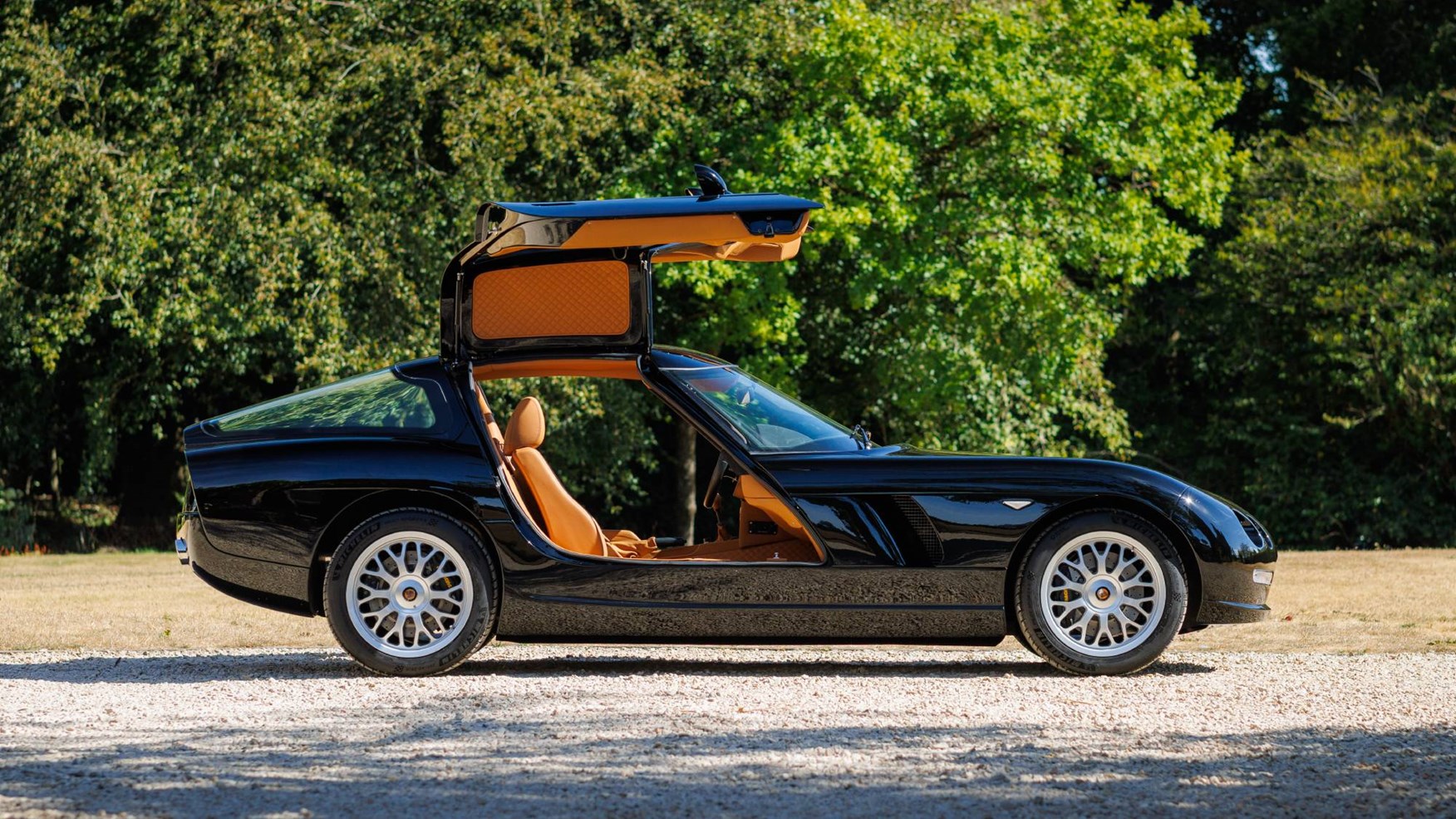
Bristol Fighter (2026): front three quarter static, door up, black paint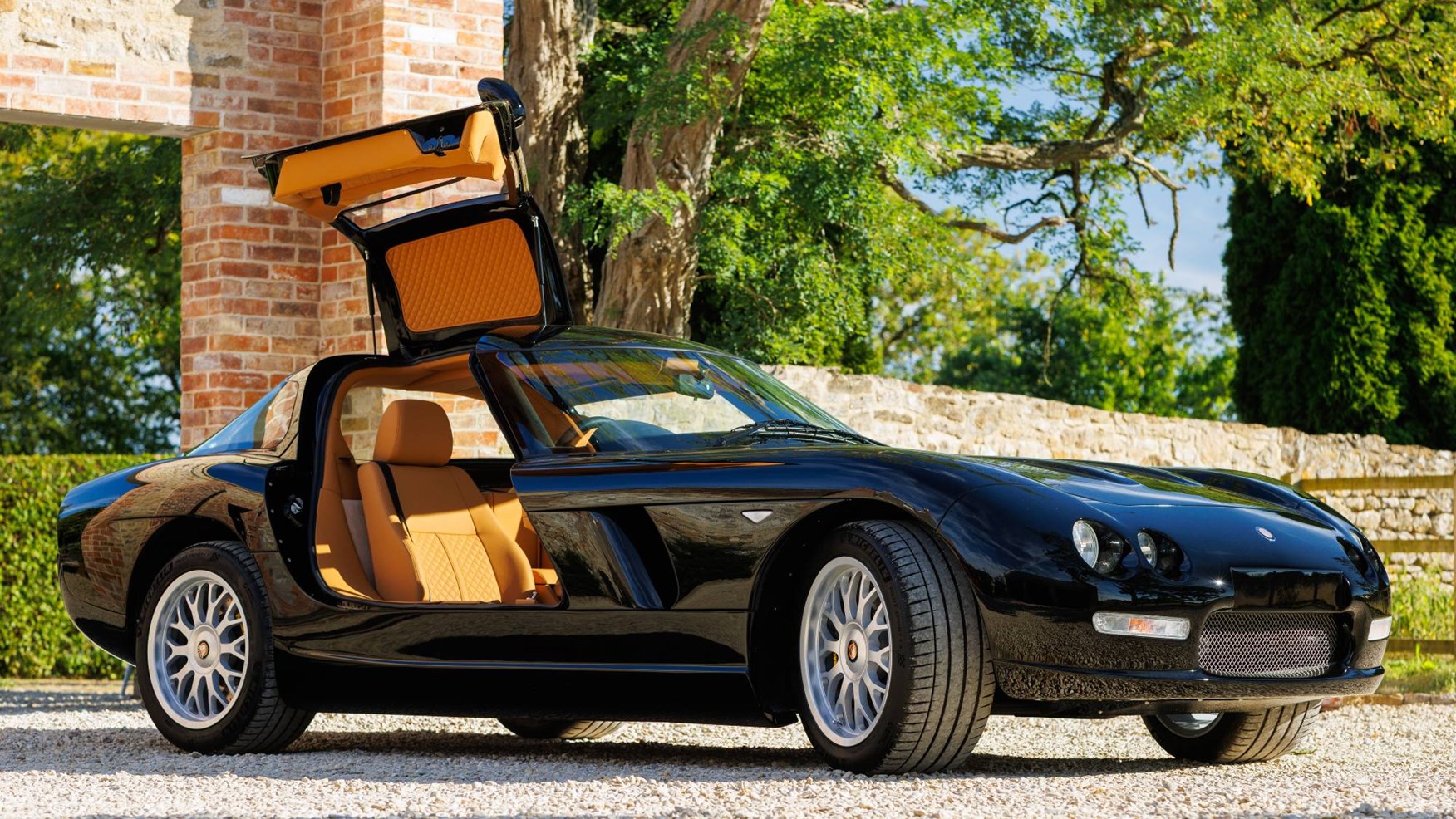
Bristol Fighter (2026): rear three quarter static, doors up, black paint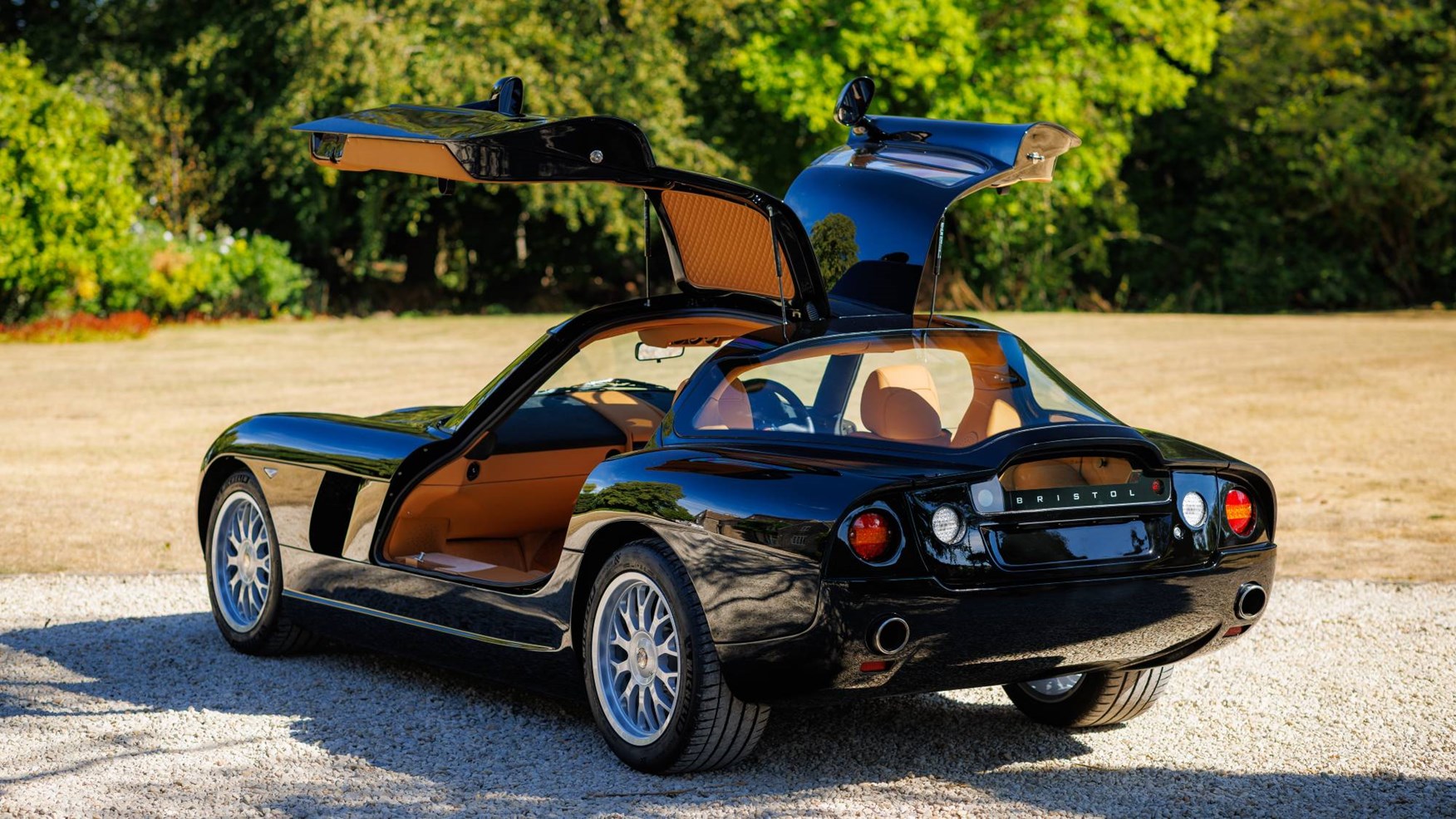
Bristol Fighter (2026): dashboard and front seats, tan leather interior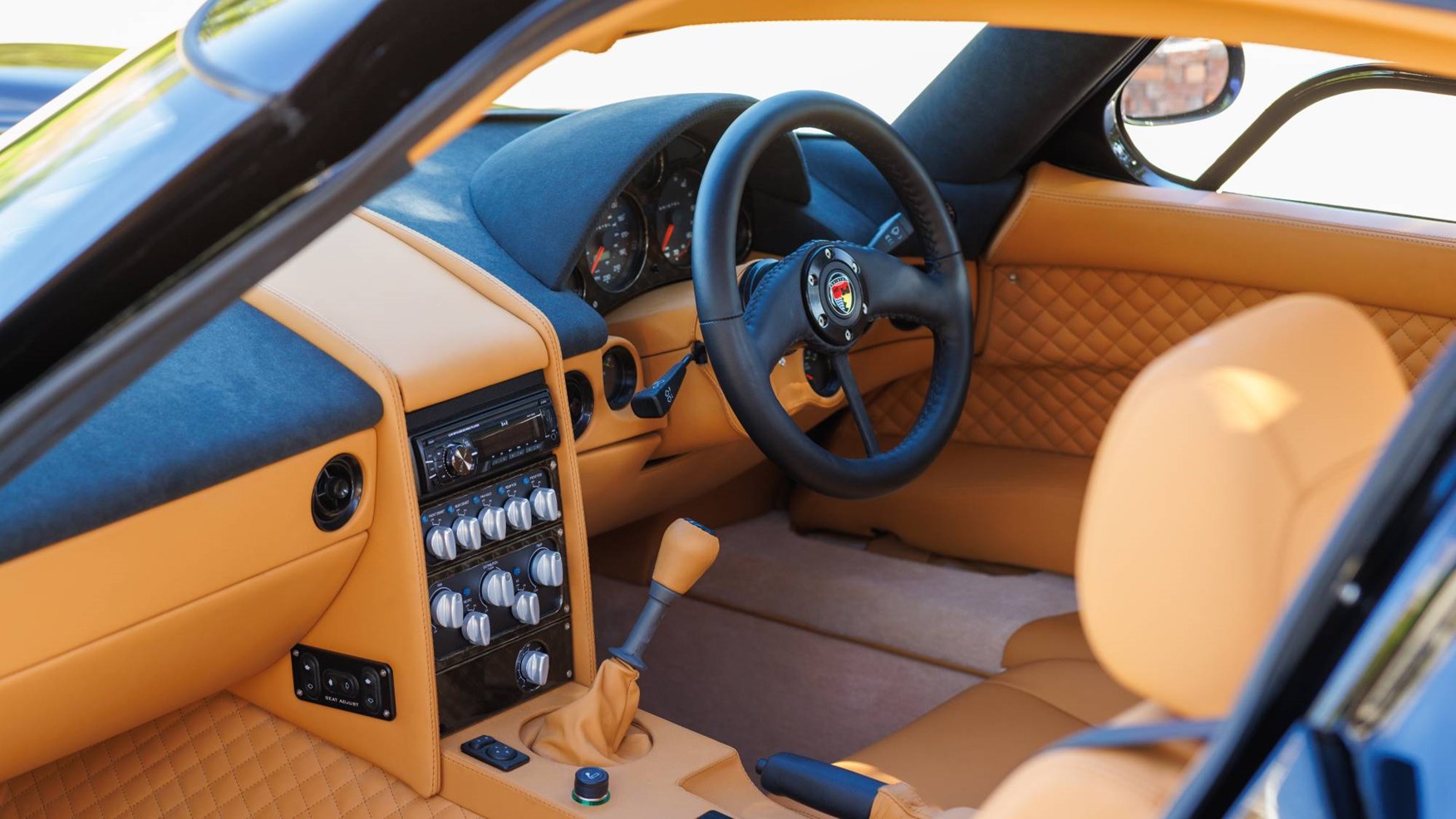
Bristol Fighter (2026): dashboard and front seats, tan leather interior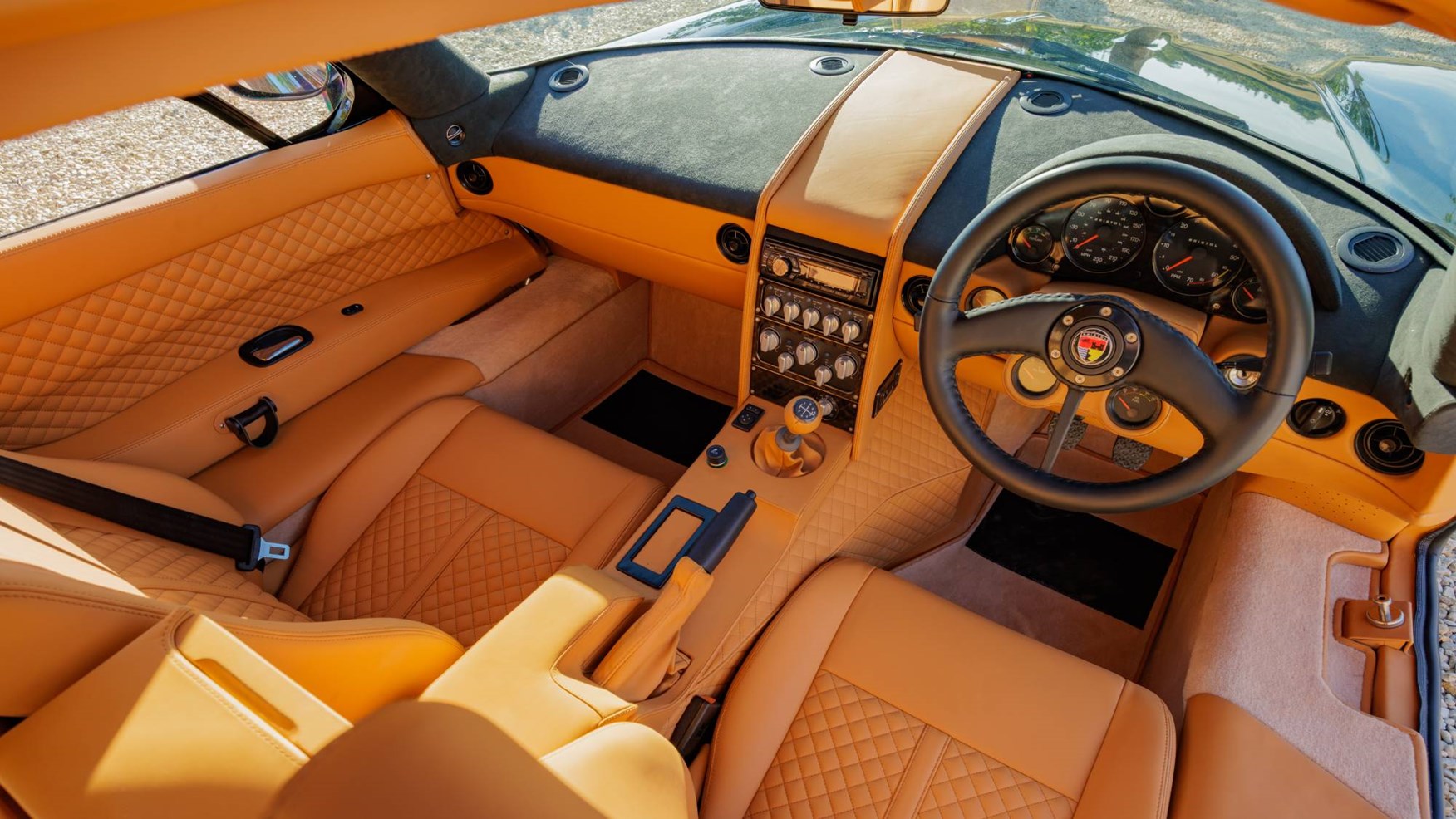
Bristol Fighter (2026): centre console, tan leather upholstery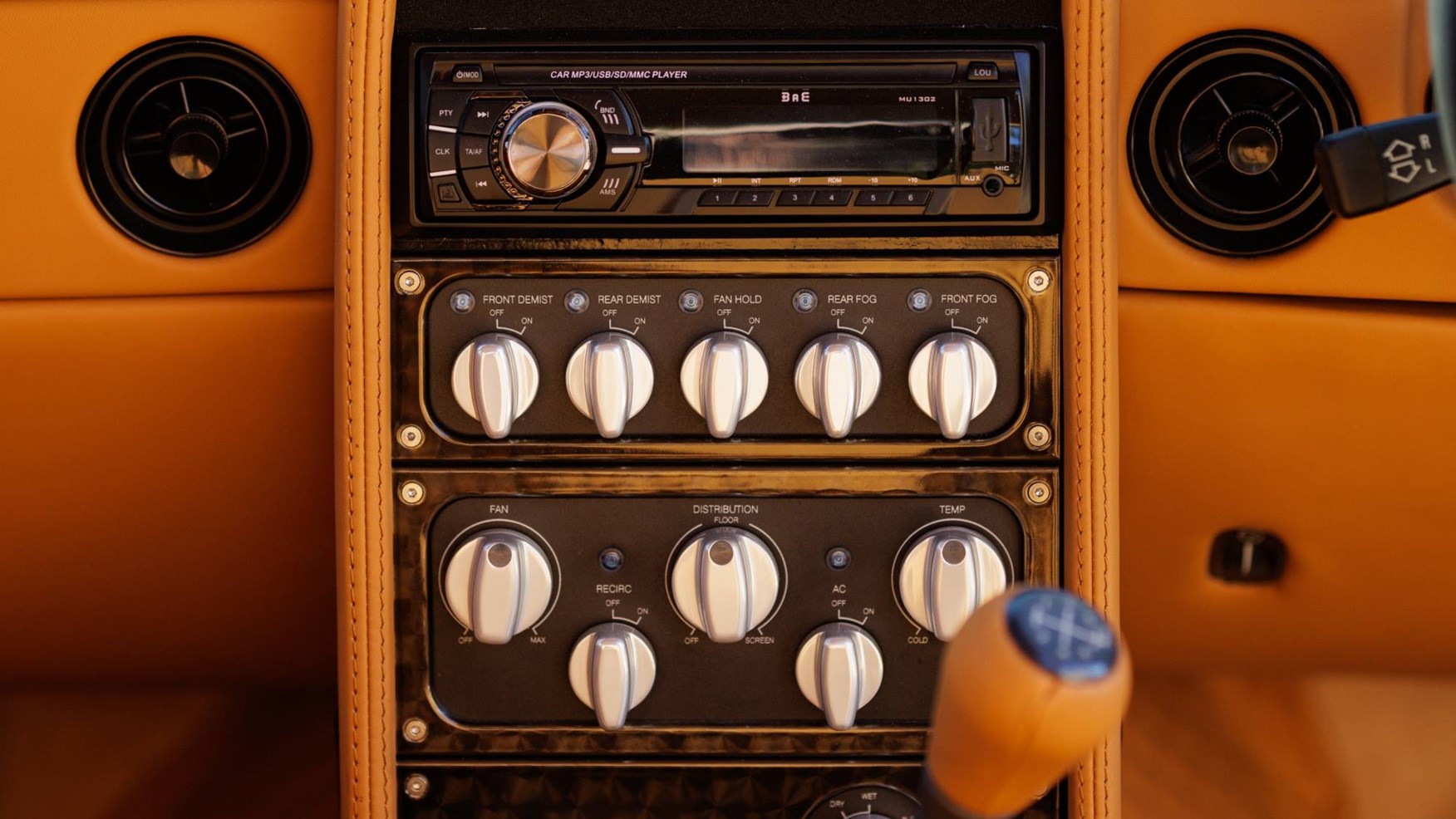
Bristol Fighter (2026): boot space, tan leather upholstery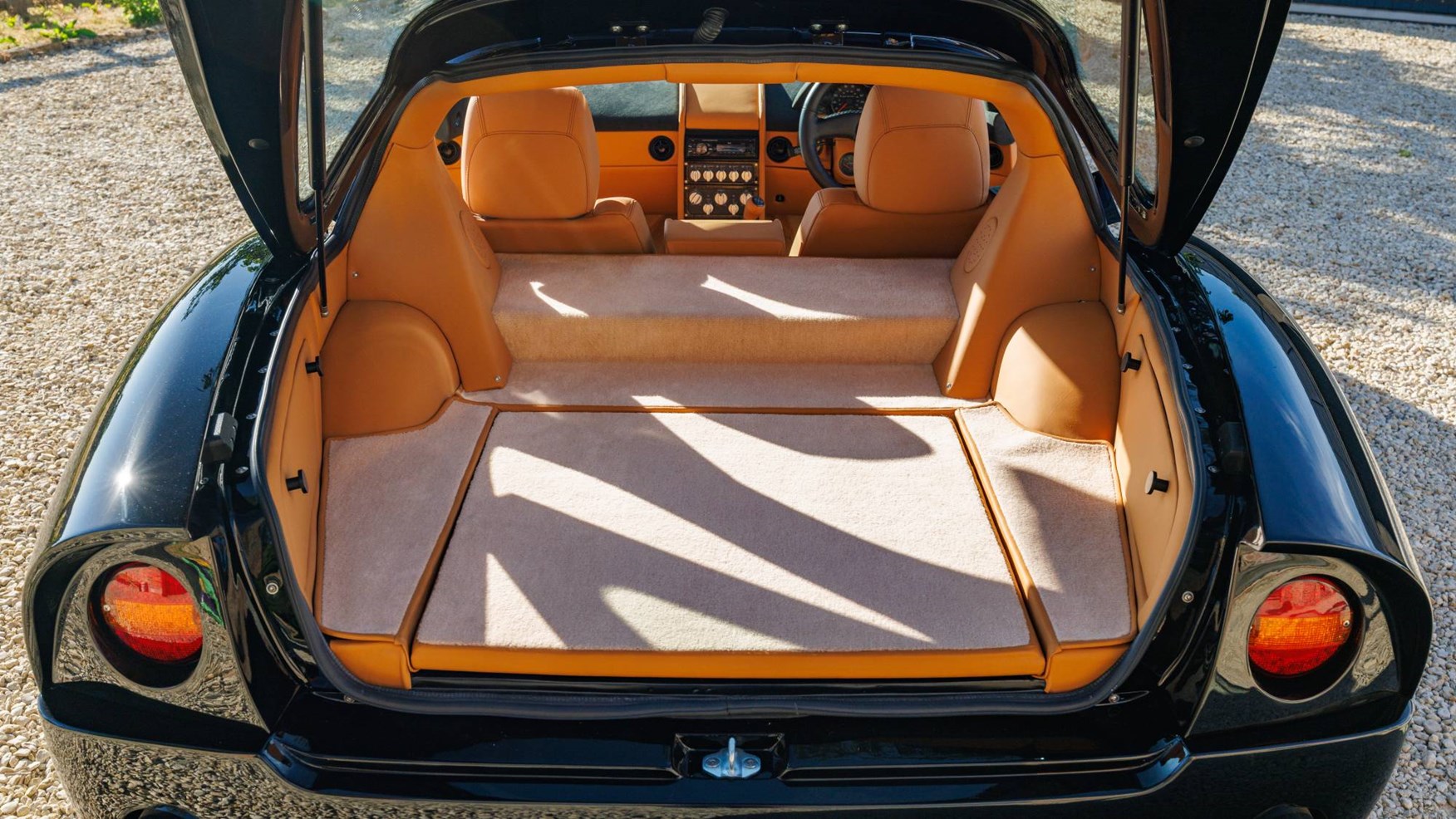
Bristol Fighter (2026): V10 engine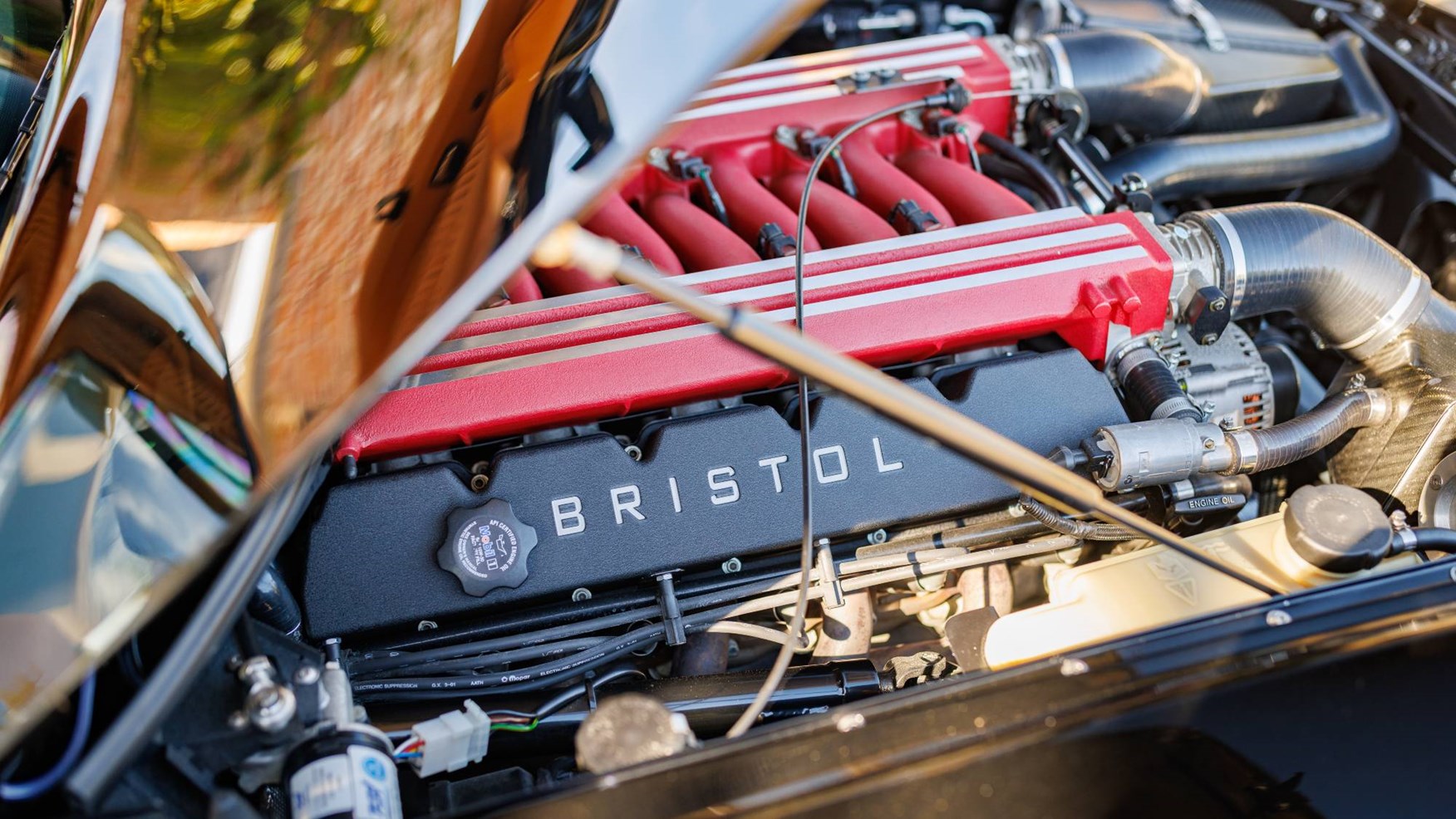
Bristol Fighter (2026): side view static, doors up, black paint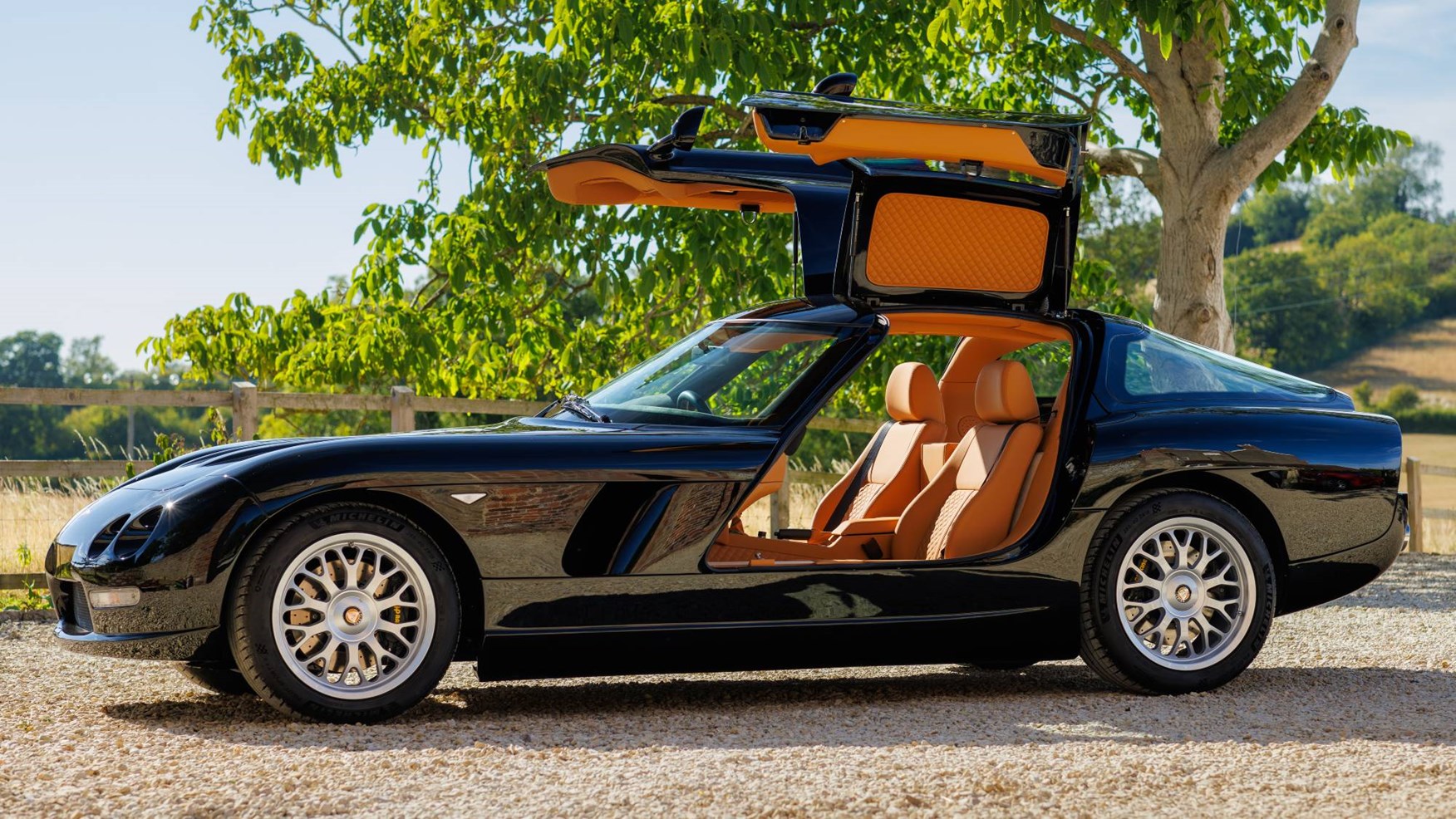
var disqus_shortname = ‘carmagazine’;
var disqus_developer = 0;
var disqus_identifier = ‘article-wp-271358’;
(function () {
var dsq = document.createElement(‘script’);
dsq.type = ‘text/javascript’;
dsq.async = true;
dsq.src = ‘http://’ + disqus_shortname + ‘.disqus.com/embed.js’;
(document.getElementsByTagName(‘head’)[0] || document.getElementsByTagName(‘body’)[0]).appendChild(dsq);
var s = document.createElement(‘script’);
s.type = ‘text/javascript’;
s.async = true;
s.src = ‘http://’ + disqus_shortname + ‘.disqus.com/count.js’;
(document.getElementsByTagName(‘head’)[0] || document.getElementsByTagName(‘body’)[0]).appendChild(s);
})();Please enable JavaScript to view the comments powered by Disqus.