{“@context”:”https://schema.org”,”@type”:”Article”,”image”:”https://car-images.bauersecure.com/wp-images/271237/069-range-rover-electric.jpg”,”mainEntityOfPage”:{“@type”:”WebPage”,”@id”:”https://www.carmagazine.co.uk/car-news/first-official-pictures/range-rover/2026-electric-suv-specs-and-early-impressions/”},”url”:”https://www.carmagazine.co.uk/car-news/first-official-pictures/range-rover/2026-electric-suv-specs-and-early-impressions/”,”author”:{“@type”:”Person”,”name”:”Ben Miller”,”description”:”The editor of CAR magazine, Ben Miller leads the rabble of writers, designers, road testers, photographers, videographers and desk editors who make the title what it is today.nA graduate from the two-wheeled motorcycle scene, Ben has a shared love of cars and bikes u2013 and is one of our deftest feature writers.nFollow Benu2019s X account and Instagram here.”,”image”:{“@type”:”ImageObject”,”url”:”https://car-assets.bauersecure.com/wp-images/14259/benmiller.jpeg”,”caption”:”Ben Miller”},”sameAs”:[“https://x.com/BenMillerWords”,”https://www.instagram.com/benmillercar/”],”url”:”https://www.carmagazine.co.uk/author/ben-miller/”},”dateModified”:”2026-09-02T00:01:00+01:00″,”datePublished”:”2026-09-02T00:01:00+01:00″,”headline”:”New Range Rover Electric: the luxury icon goes EV”,”publisher”:{“@type”:”Organization”,”name”:”Bauer Media”,”brand”:{“@type”:”Organization”,”name”:”Car Magazine”},”logo”:{“@type”:”ImageObject”,”url”:”https://car-assets.bauersecure.com/images/logos/car.200×88.png”}}}
New Range Rover Electric: the luxury icon goes EV

-
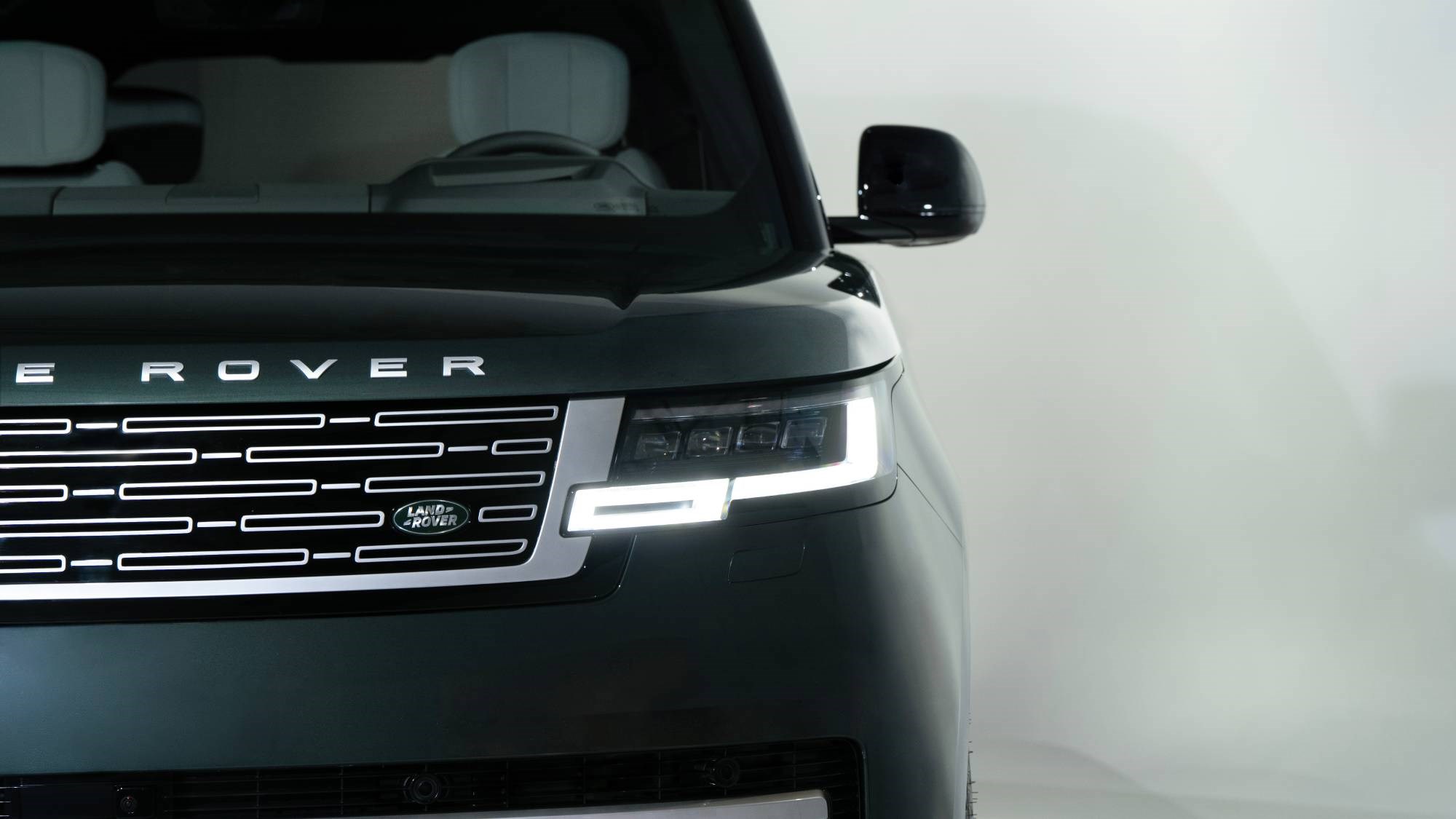
 Range Rover Electric (2026): headlight detail shot
 -
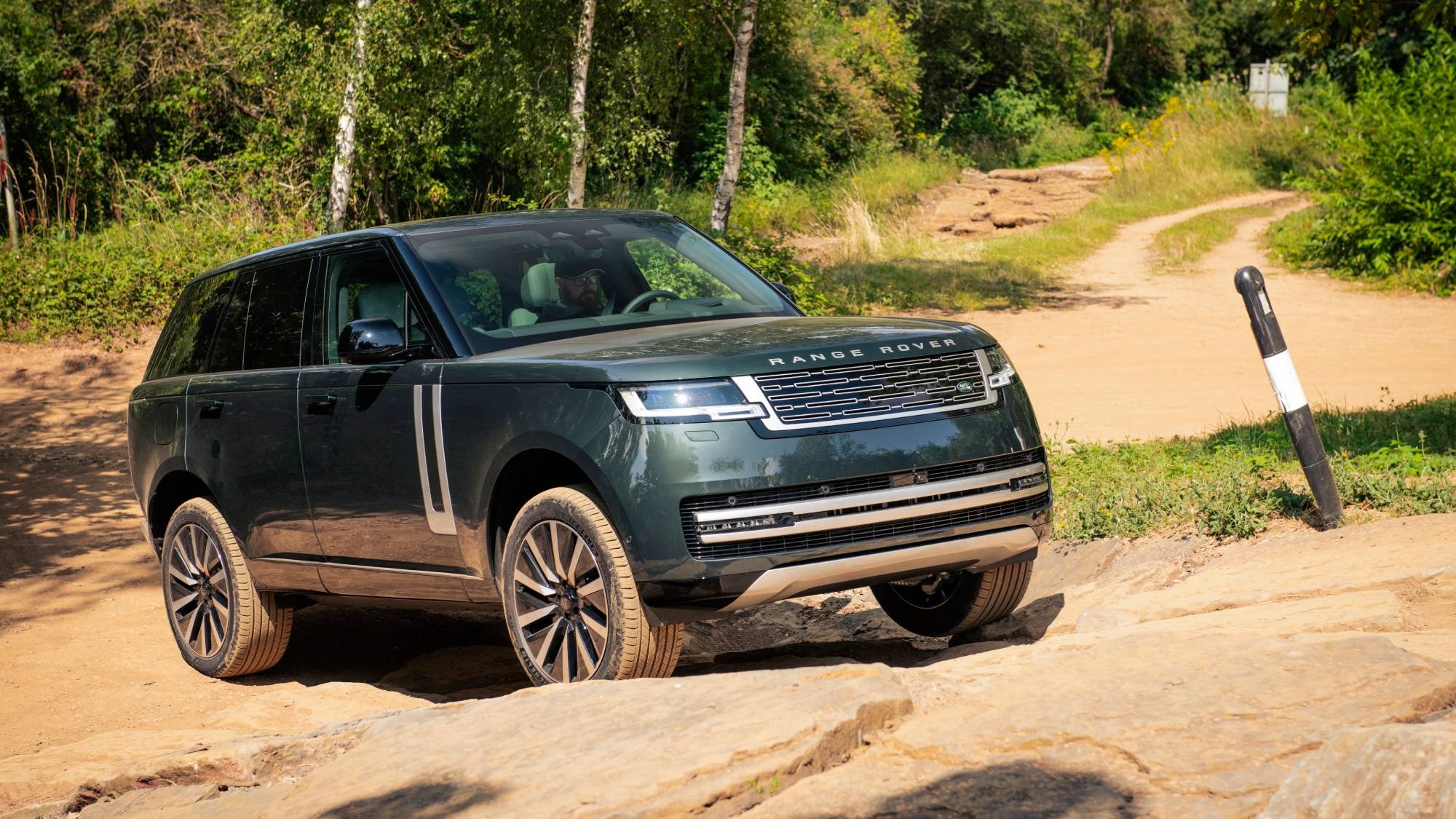
Range Rover Electric (2026): front three quarter off-roading, green paint
-
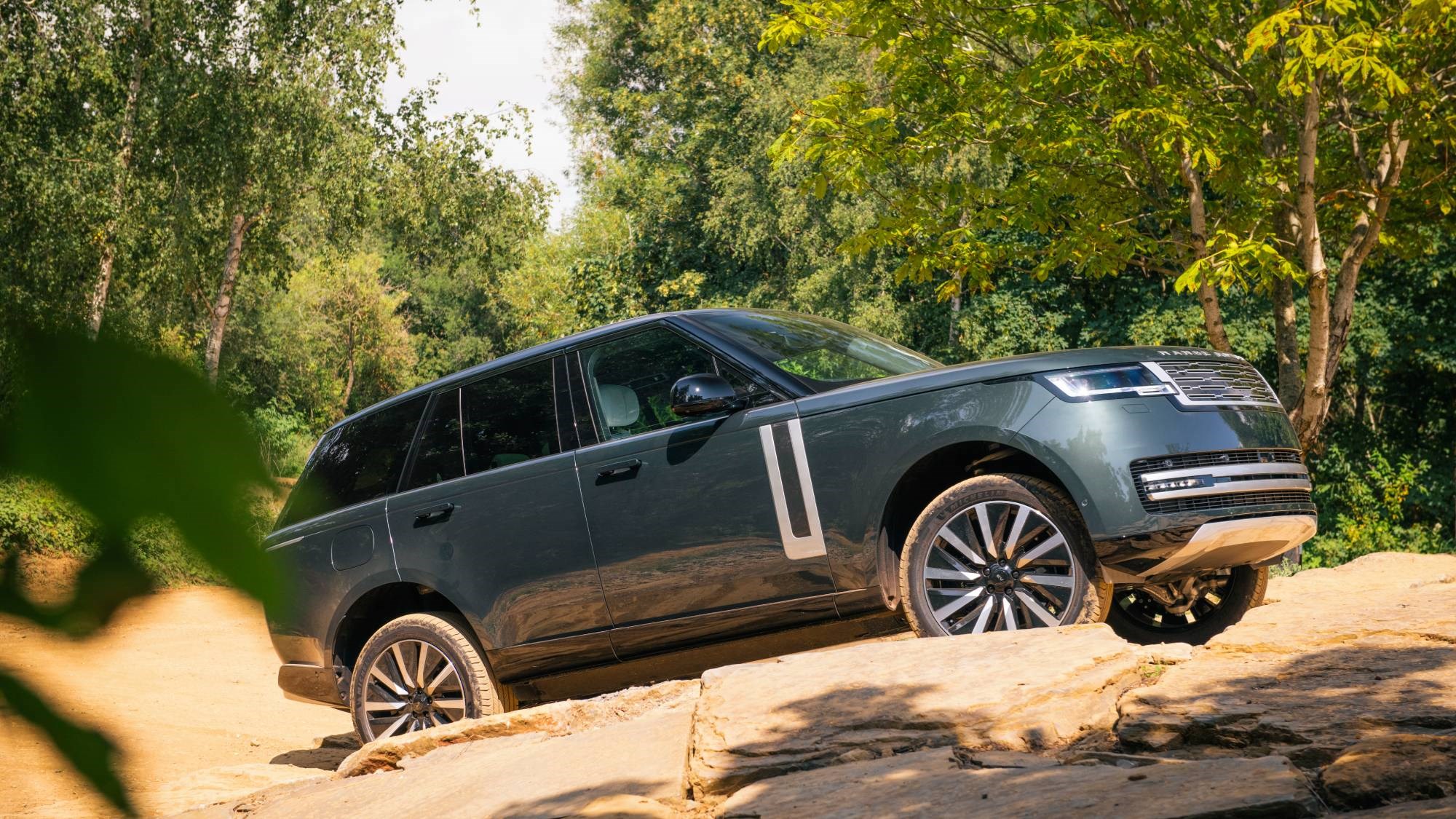
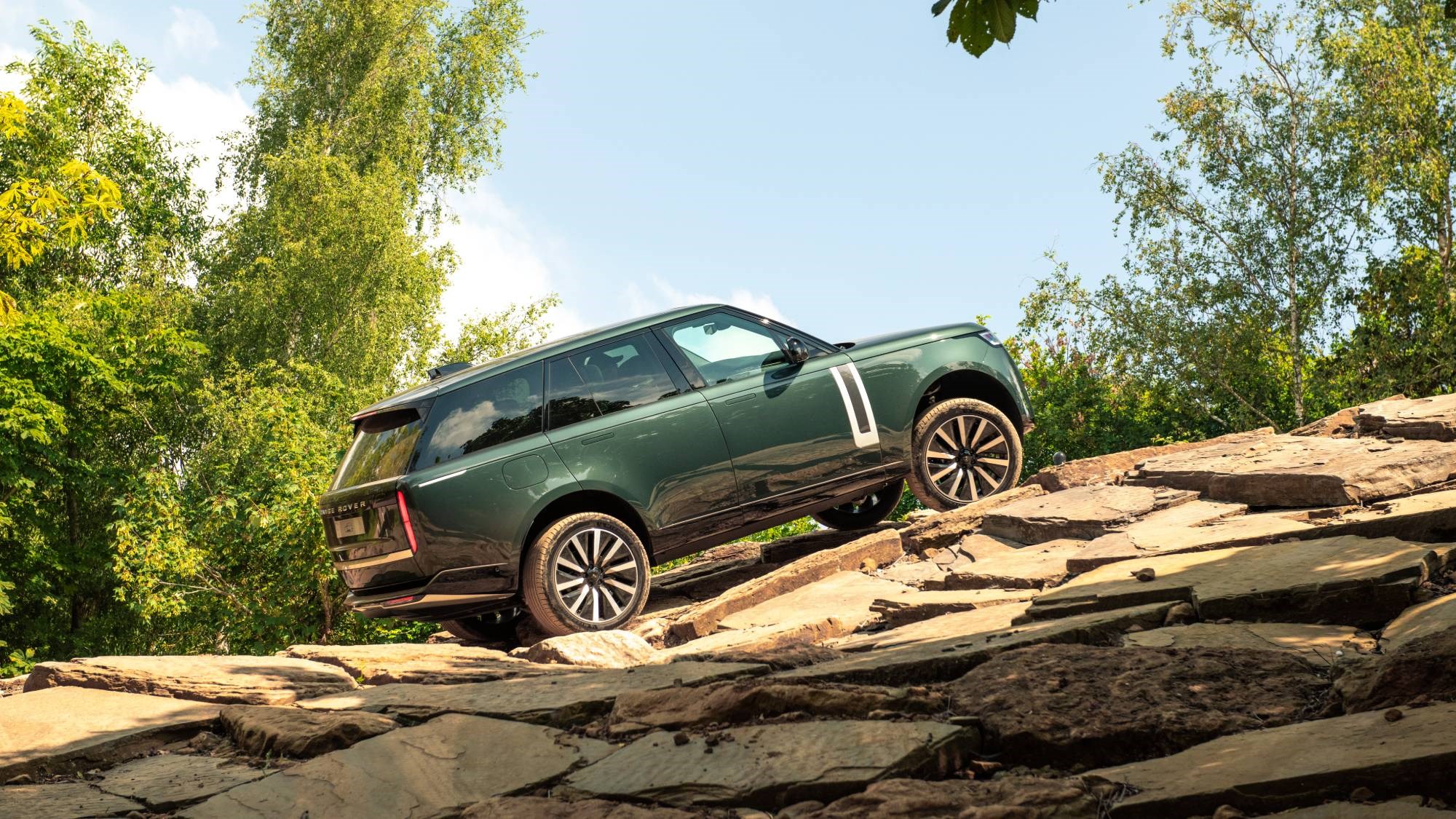
Range Rover Electric (2026): side view off-roading, green paint
-
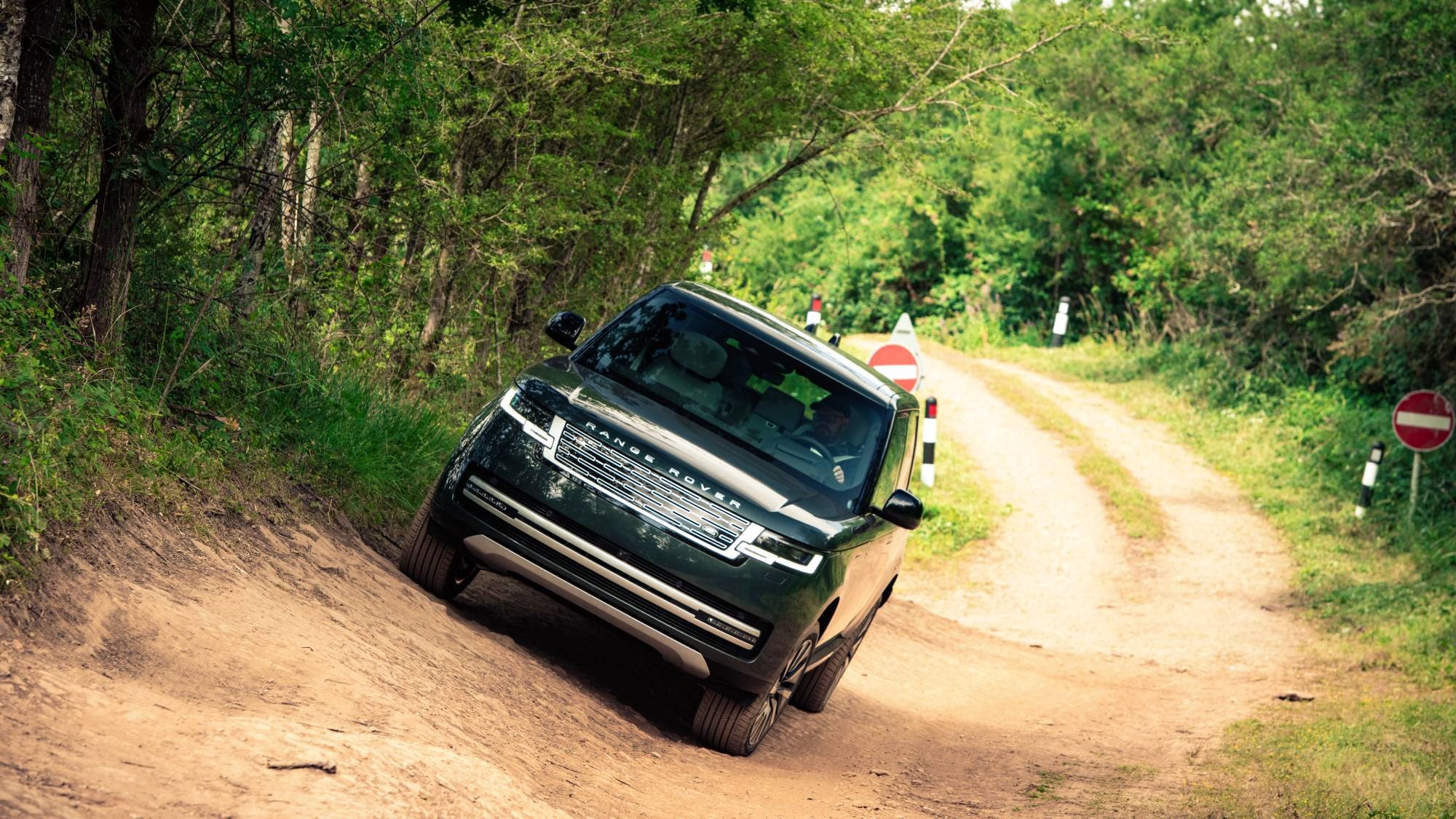
Range Rover Electric (2026): front off-roading, green paint
-
Range Rover Electric (2026): rear three quarter off-roading, green paint
-
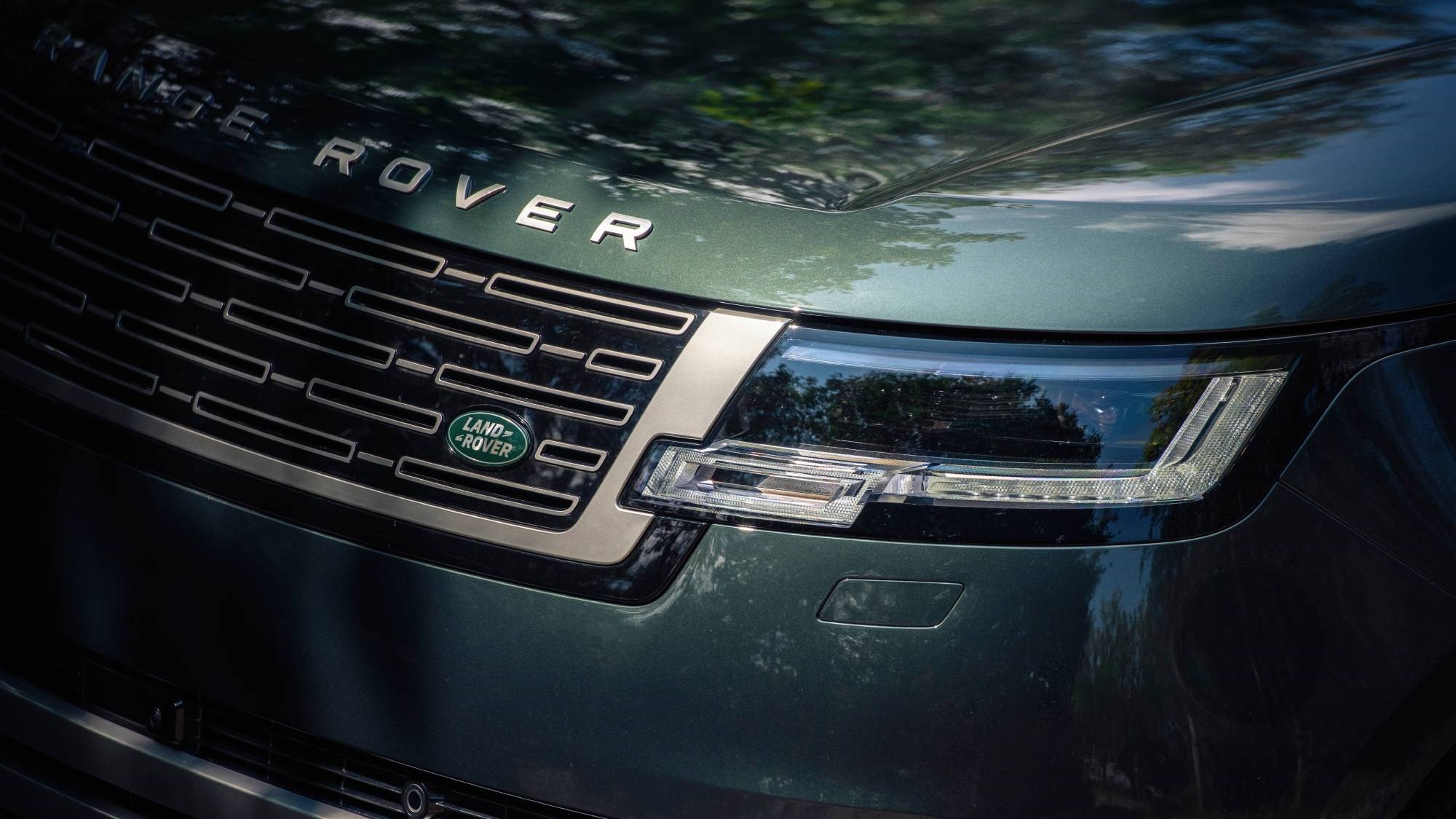
Range Rover Electric (2026): grille and headlight detail shot, green paint
-
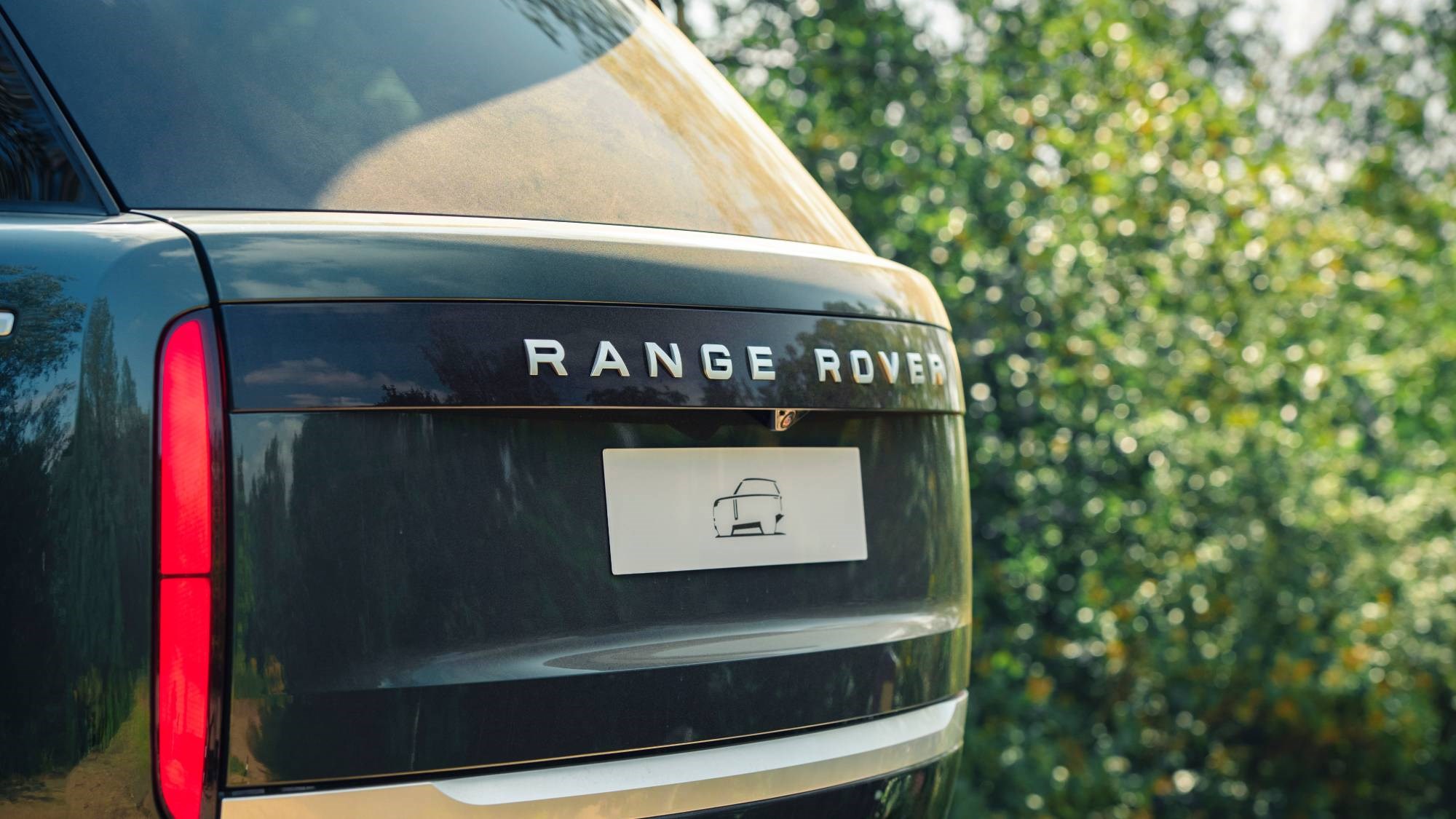
Range Rover Electric (2026): tailgate detail shot, green paint
-
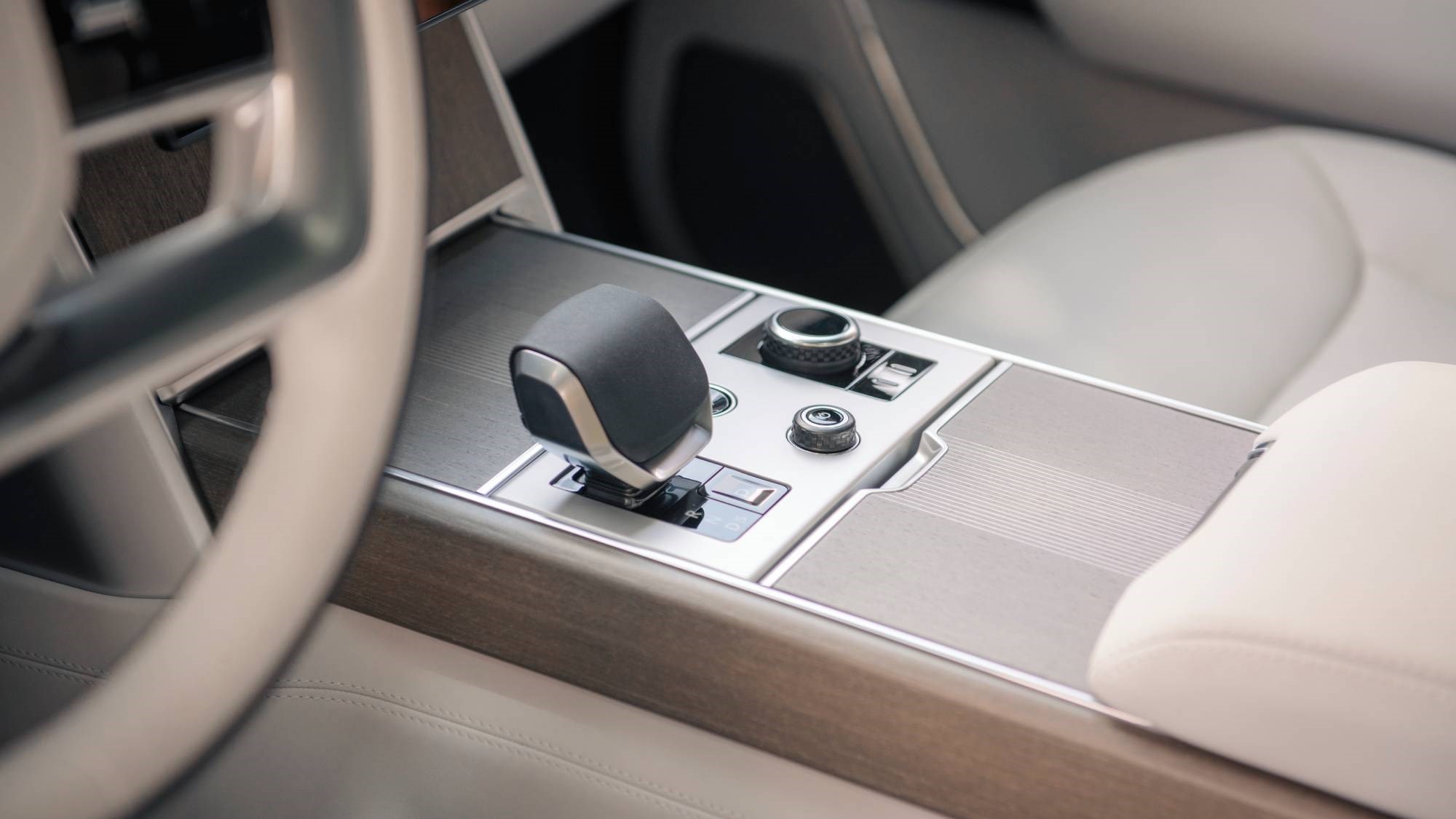
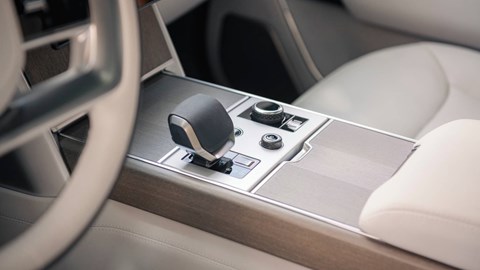
Range Rover Electric (2026): centre console detail shot, cream leather
-
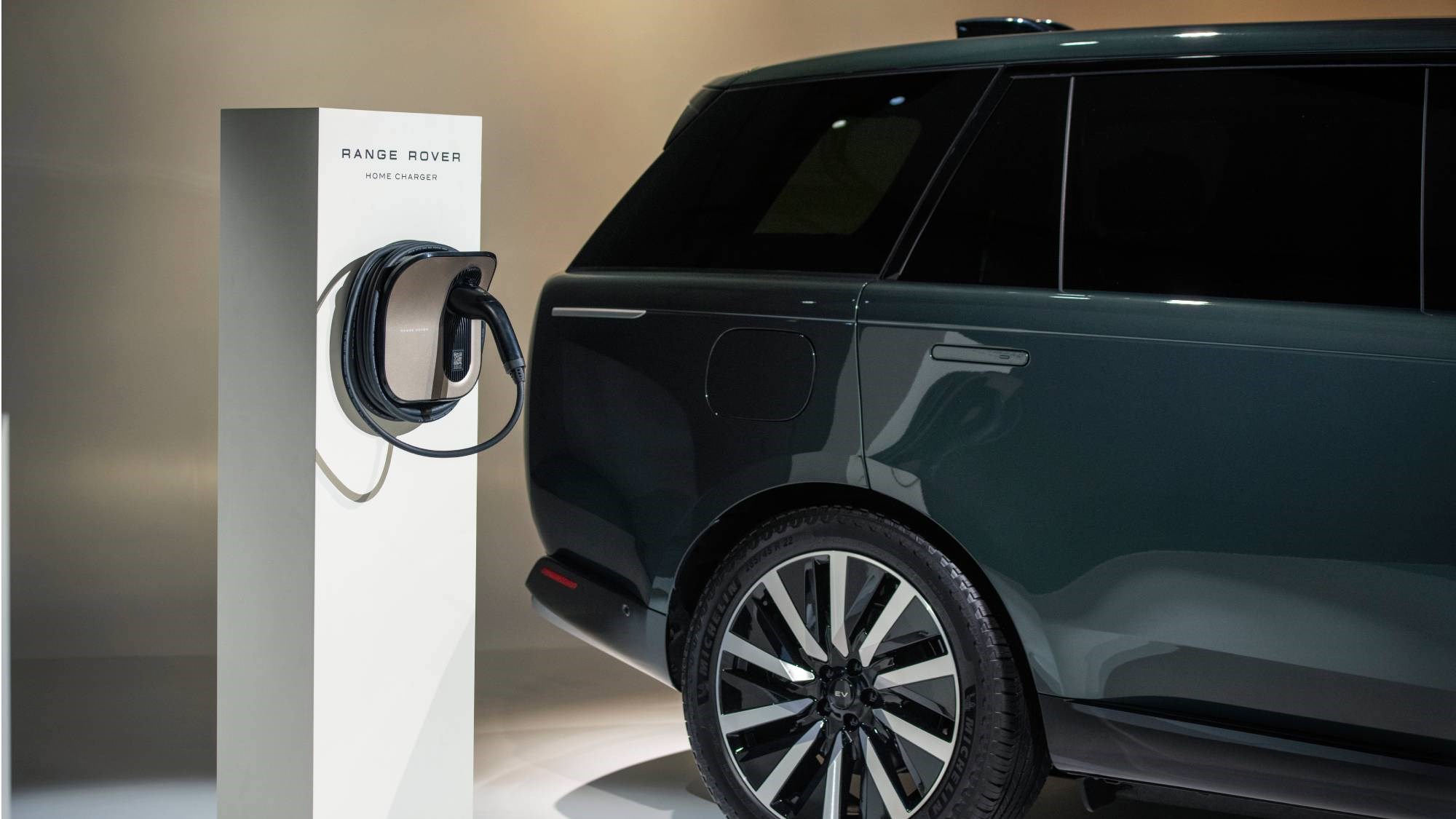
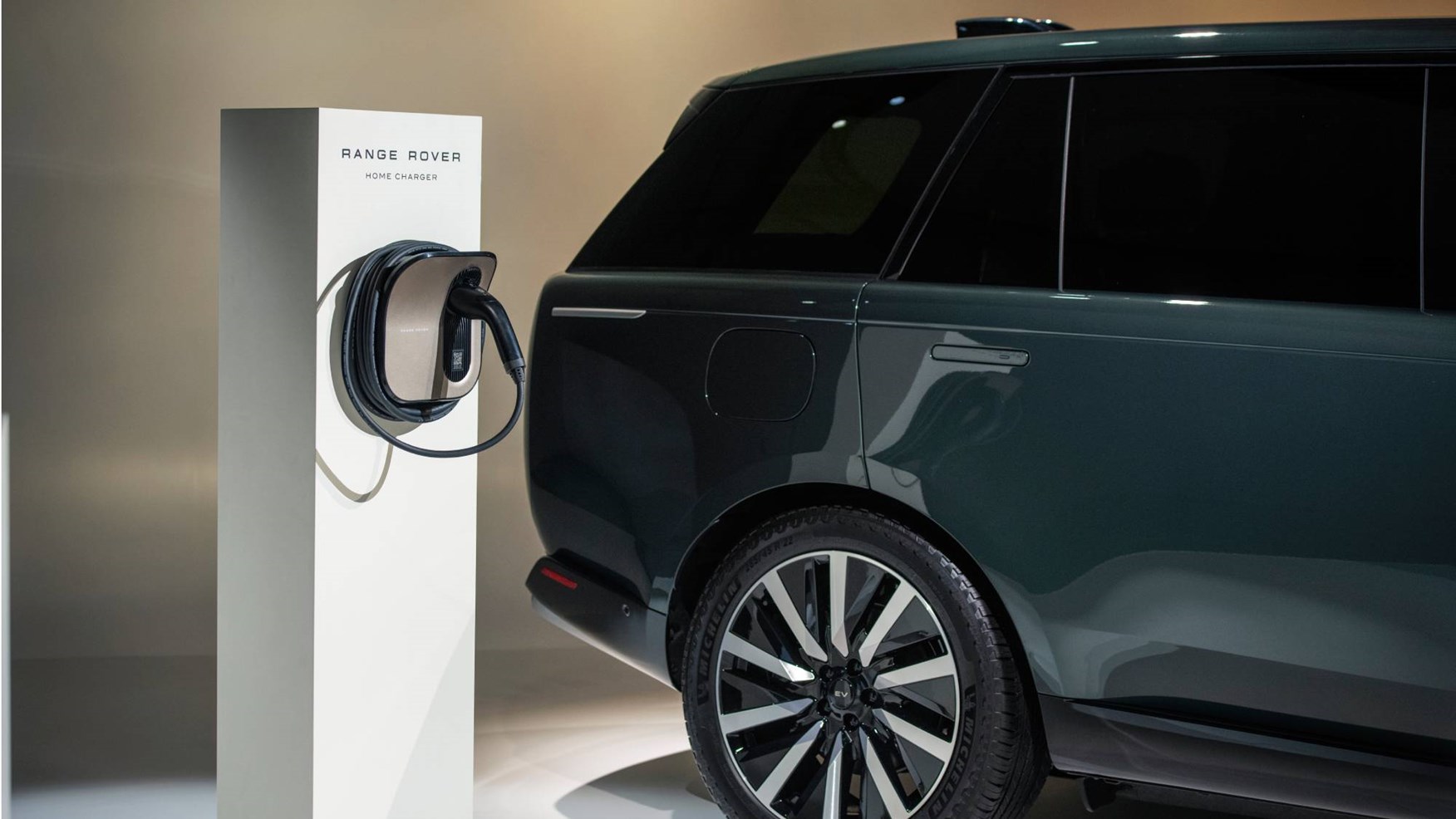
Range Rover Electric (2026): plugged in charging
-
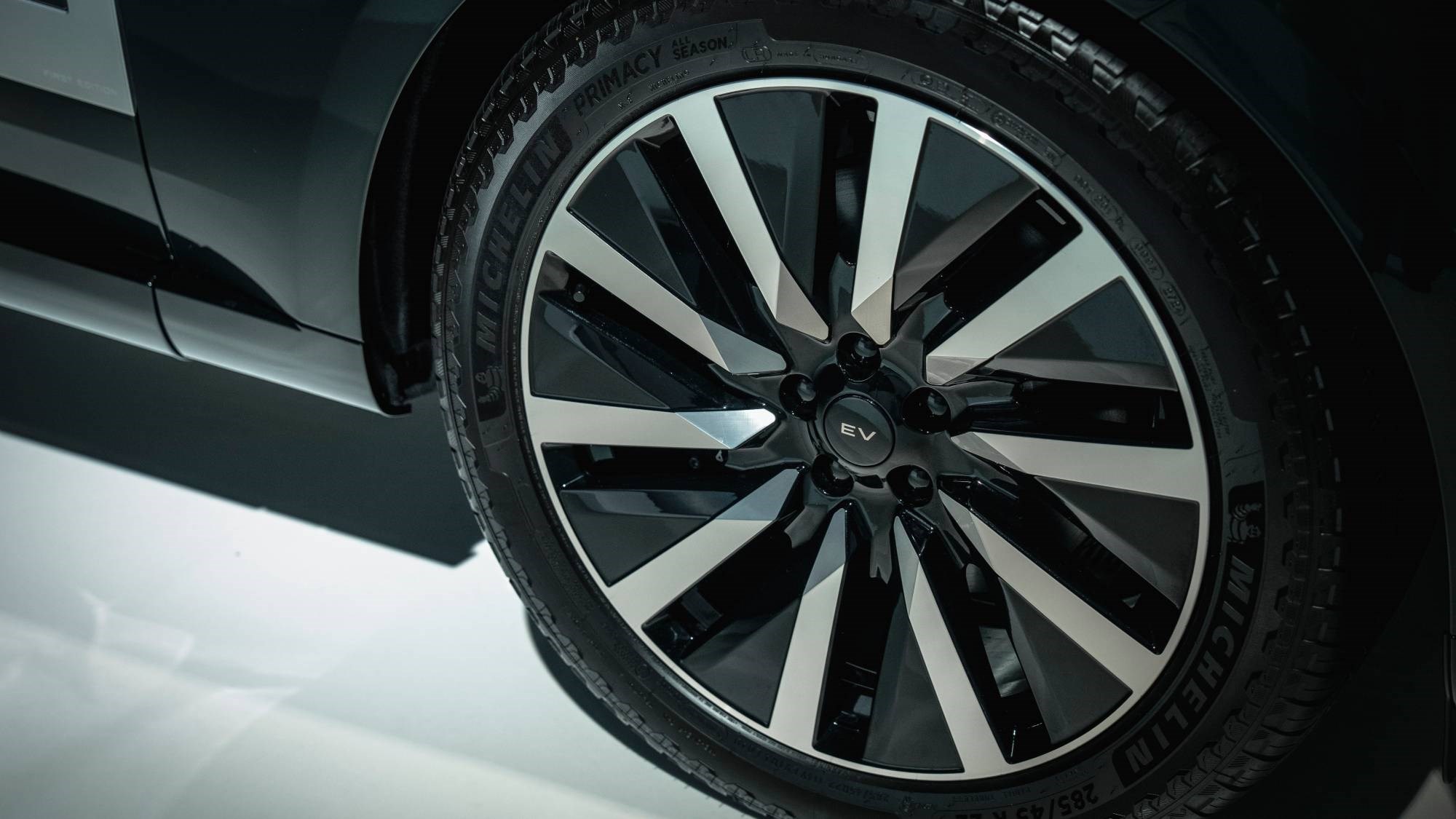
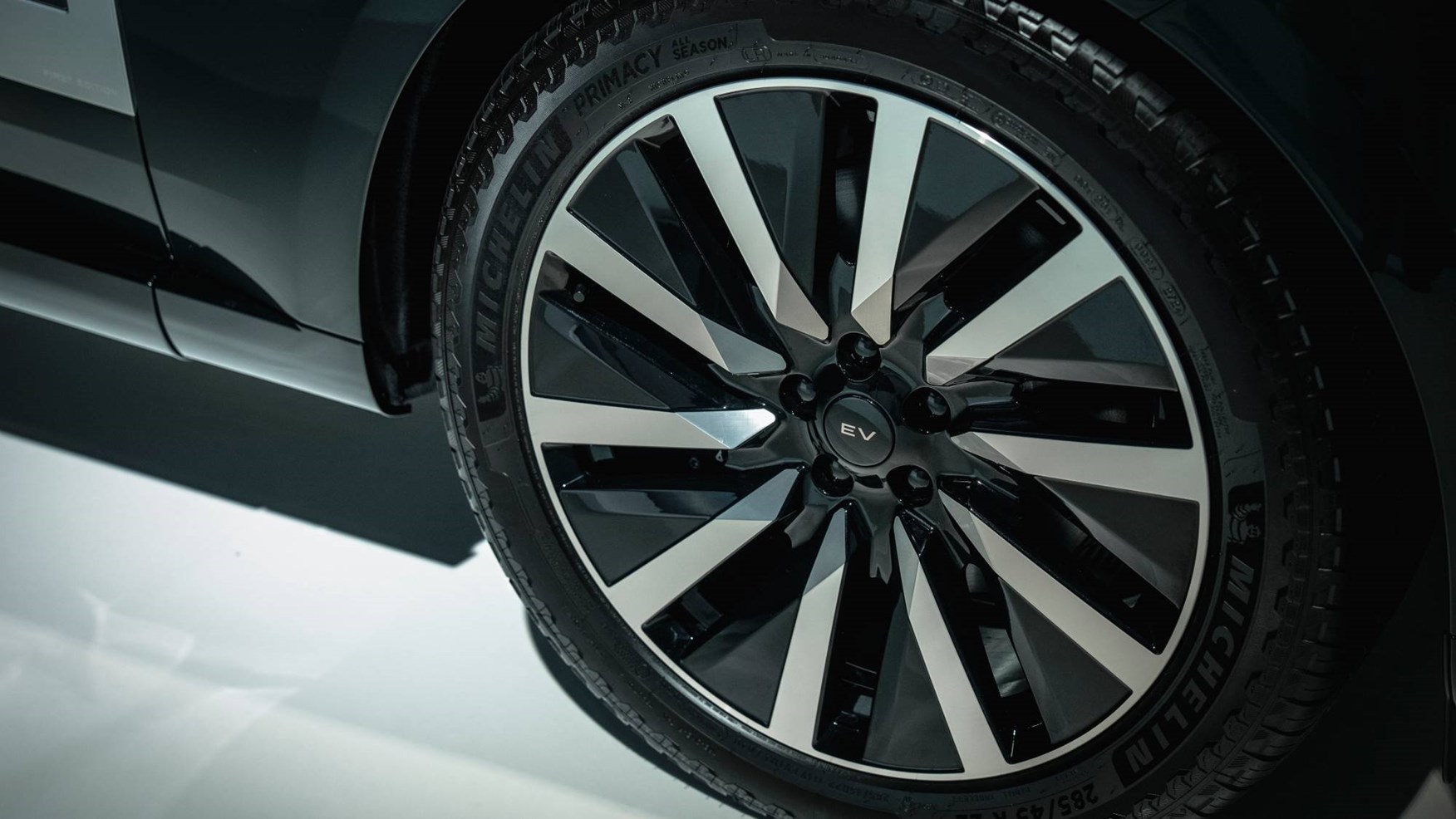
Range Rover Electric (2026): alloy wheel detail shot
► Electric version of JLR’s luxury SUV finally arrives
► Petrol V8 power and range but without the pistons
► Quiet, refined and brilliant off-road, if heavy and expensive
After a protracted gestation Land Rover’s finally pulled the covers off its first ever EV, the Range Rover Electric. The order book is now open for the long-awaited, all-electric luxury SUV, with pricing from £154,000 for the EV550 Autobiography.
Worried we’ve used the wrong pictures? We have not. As well as being absolutely on the nose, that Range Rover Electric name tells you a great deal about JLR’s first zero-emission Rangie. It is many things, including superb to drive off-road (we’ve now driven a number of prototypes) but it is not a clean-sheet EV.
Instead, it’s very deliberately an electric version of the Range Rover; another powertrain option available for a car you’ll still be able to buy with diesel, petrol and plug-in power for the foreseeable future. As such it looks much the same as any other L460 Range Rover, with only a blanked-off grille and low-drag wheels betraying its need to make every kWh go further.
What’s the technology under the skin?
Like its Range Rover Sport sibling, the current, fifth-generation L460 Range Rover uses JLR’s versatile MLA platform. Created from scratch to be ready for full electrification, MLA is no bodge. But neither is it a dedicated EV platform, and that’s evident in some of the compromises required in making this car a reality.
On one hand it can’t offer the range or efficiency of the new generation of smaller, road-orientated all-electric SUVs like the BMW iX3, Volvo EX60 or Mercedes-Benz GLC Electric, let alone BMW’s iX5, which arrives early next year offering a usable 141kWh of battery capacity and likely 450-500 miles of range. But on the other the Range Rover Electric is a Range Rover: looks like one, smells like one, feels like one and will happily plough across fields/jungles/ice caps/country estates like one.
The 2810kg Range Rover Electric uses twin 349bhp electric motors, one on each axle, for all-wheel drive without the need for conventional gearbox, transfer case or propshaft. Which is just as well, because in their place sits the vast battery: a double-stacked 118.5kWh unit with an 800-volt electrical architecture and with the kind of split-charging technology we first saw on the Porsche Macan Electric, helping optimise charging speeds on every kind of charger. The official charge figures are 10-80% in 22 minutes or 137 miles of range in 10 minutes, with a 350kW peak charging rate. The WLTP range figure is 372 miles, or 333 miles ‘real world’ according to JLR.
Where the Range Rover Electric feels like a true Range Rover is in the robustness of its specification, not to mention some of the engineering decisions taken to ensure this is a car worthy of the badge. For example, JLR’s developed its own heat management unit, badged ThermAssist, which looks something like a small hydroelectric power station and is key, it says, to the Electric’s ability to just keep on keeping on, whether you’re blazing a trail across the frozen wastes of the Arctic Circle or working the thing hard in the sand dunes beneath a cruel, hot sun.
What’s more, the Range Rover Electric was also due to use a split approach to e-motor technology, with a more powerful unit on the rear axle and a more compact, more efficient (and likely less expensive) unit up front. But issues with performance shortfall and thermal robustness during the extensive (nearly a million miles covered, real and virtual) and exotic (Arjeplog, Dubai, Herefordshire…) testing programme forced a mid-project change to twin high-output permanent magnet units.
How does it drive?
How the new Range Rover Electric feels on the road remains an unknown. For answers there we’ll have to wait a couple of months. But we’ve driven the car plenty on surfaces ranging from man-made obstacle courses to snow, ice and gravel tracks, and on that evidence there’s no doubt JLR’s fully exploited the potential all-electric powertrains have to out-perform conventional ones away from the tarmac.
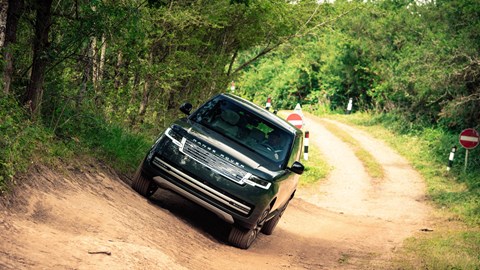
In part this is down to the fidelity of control you have over the powertrain, giving a level of precision hard to achieve with a conventional powertrain, which literally has a lot of moving parts – clutches, gears lash, spinning shafts, turbos and so on – to juggle. The Range Rover Electric worries about none of these, while its intelligent driveline technology and integrated traction management mean slip is managed at a processing speed unimaginable in a car with an engine.
In the different drive modes (there’s also a high-regen Single Pedal Mode, which effectively lets you modulate throttle and braking with one foot and the throttle pedal alone) the Range Rover Electric can also completely change the relationship between pedal throttle pedal travel and torque supply, re-mapping it off-road to spread the torque over a far greater arc of pedal movement. You also have all that torque on hand the moment you ask for it; no revs to dial up, no gears to juggle.
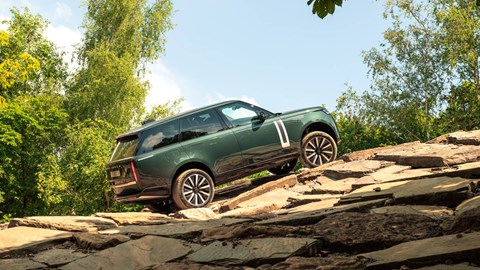
If this all sounds more than a little nebulous, rest assured it adds up to tangible advantages off-road. JLR’s headline figures are the car’s ability to pull away on a 33-degree slope and climb a 45-degree one if already rolling, but the reality is a car with all the capability you expect of a Range Rover – miles of travel on its standard-fit air suspension (there’s no active anti-roll control here, just twin-valve dampers and a lower centre of gravity to battle bodyroll) and a 90cm wading depth – together with ridiculously accessible and flattering off-road performance.
What are the numbers?
The powertrain’s peak power and torque figures are reassuringly modest: 543bhp and 627lb ft of torque. Those numbers are very deliberately in line with those of the other flagship Range Rover powertrain options, such as the 530bhp P550e petrol plug-in hybrid and the 537hp P540 mild hybrid V8 (though the Range Rover Electric naturally boasts more torque than both), backing up JLR’s assertion that the car’s a Range Rover first and electric second. 0-60mph takes 4.3sec; the 50-75mph overtake surge just 2.7.
Decent numbers, then, if not game changing. Used, perhaps, to being able to gaze down on lesser vehicles in traffic, safe in the knowledge their car is quieter, more comfortable, better off-road and, with some of the available powertrains, able to go further than just about anything else, Range Rover Electric buyers will be paying more money for an EV with less range and power than some all-electric rivals.
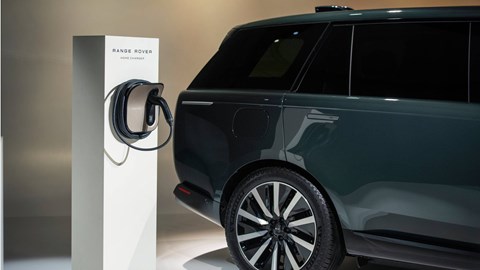
JLR’s adamant they likely won’t care and given the strength it’s built up in Range Rover as a brand, you’re left wondering if they’re likely right. The Range Rover Electric looks right, feels right and wears the right badge, crucially. And a Range Rover that costs a few quid to refuel on your wallbox overnight rather than rinsing your credit card at a petrol station for three figures is not without appeal, even if that means longer stops on road trips.
‘When it comes to range the world is evolving,’ Range Rover managing director Martin Limpert told CAR earlier this year. ‘Range anxiety is real on paper, but the infrastructure and the fast-charging capability are getting there. Diesel is a different thing of course, but if you take the [mild hybrid petrol] V8 the range of the Electric is about the same on our testing cycles. We are not worried about range anxiety. More important is the mix of attributes relevant for our customers. We could have gone for more range, of course, but then you have a heavier battery, sacrificing performance and all-terrain capability and so on.’
As for the buyers, Range Rover insists the Electric will attract a lot of newcomers.
‘In terms of the split in demand, since we communicated that there will be an electric Range Rover a few years ago, we have collected 80,000 expressions of interest,’ continues Limpert. ‘70% of those are new to the brand. The other 30% are existing customers interested in the advantages electric can confer; the fact that it can make the car they love more refined, quieter, more effortlessness and with real breadth of capability.’
And why now?
Limpert explained: ‘Four or five years ago we saw different market dynamics depending on the region in the world, and that’s when we decided it was a good time and we brought the MLA architecture to life. It took a little longer than planned, I’m happy to share that, but now we have that flexibility.
‘We will build these cars [Range Rovers with a mix of powertrains] on one line, so we can adjust supply to meet demand. This is important: that we follow a desire-based business model; that it’s pull and never push. We are not obliged to push a certain number of electric vehicles into the marketplace. We want to build demand, because we think the Range Rover Electric is a perfect match for a lot of customers’ requirements. But we will supply whatever our customer wants.’
Can the Range Rover Electric replace the glorious D350 diesel Range Rover in our affections? And more importantly, can it do the same for actual Range Rover customers? Time – and our first proper drive of the car, on road and off it later this year – will tell.
console.debug(‘taboola container loaded..’)
window._taboola = window._taboola || [];
_taboola.push({
mode: ‘thumbs-feed-1×1’,
container: ‘taboola-below-article-thumbnails-v3’,
placement: ‘Below Article Thumbnails V3’,
target_type: ‘mix’
});
Range Rover Electric (2026): headlight detail shot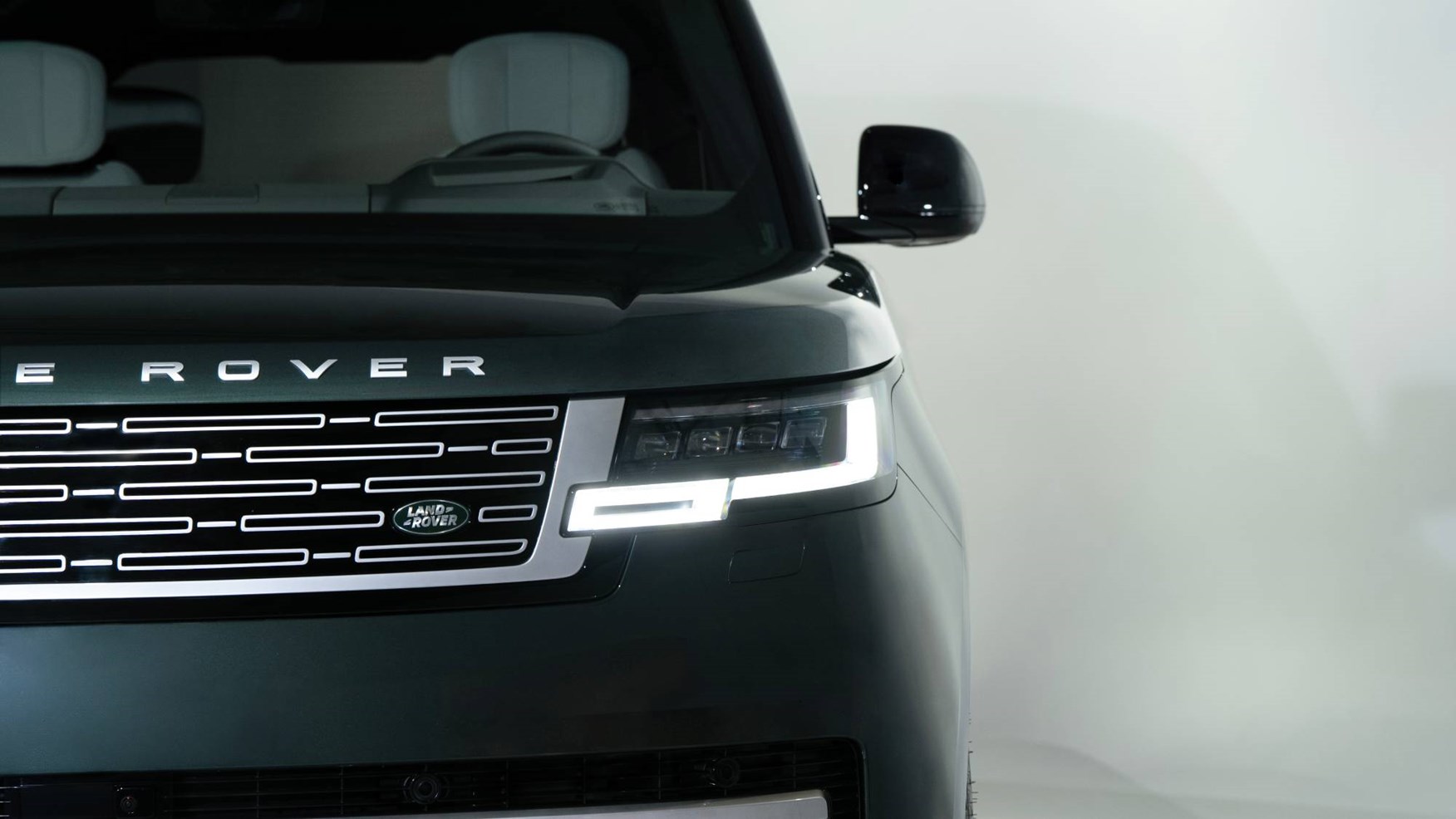
Range Rover Electric (2026): front three quarter off-roading, green paint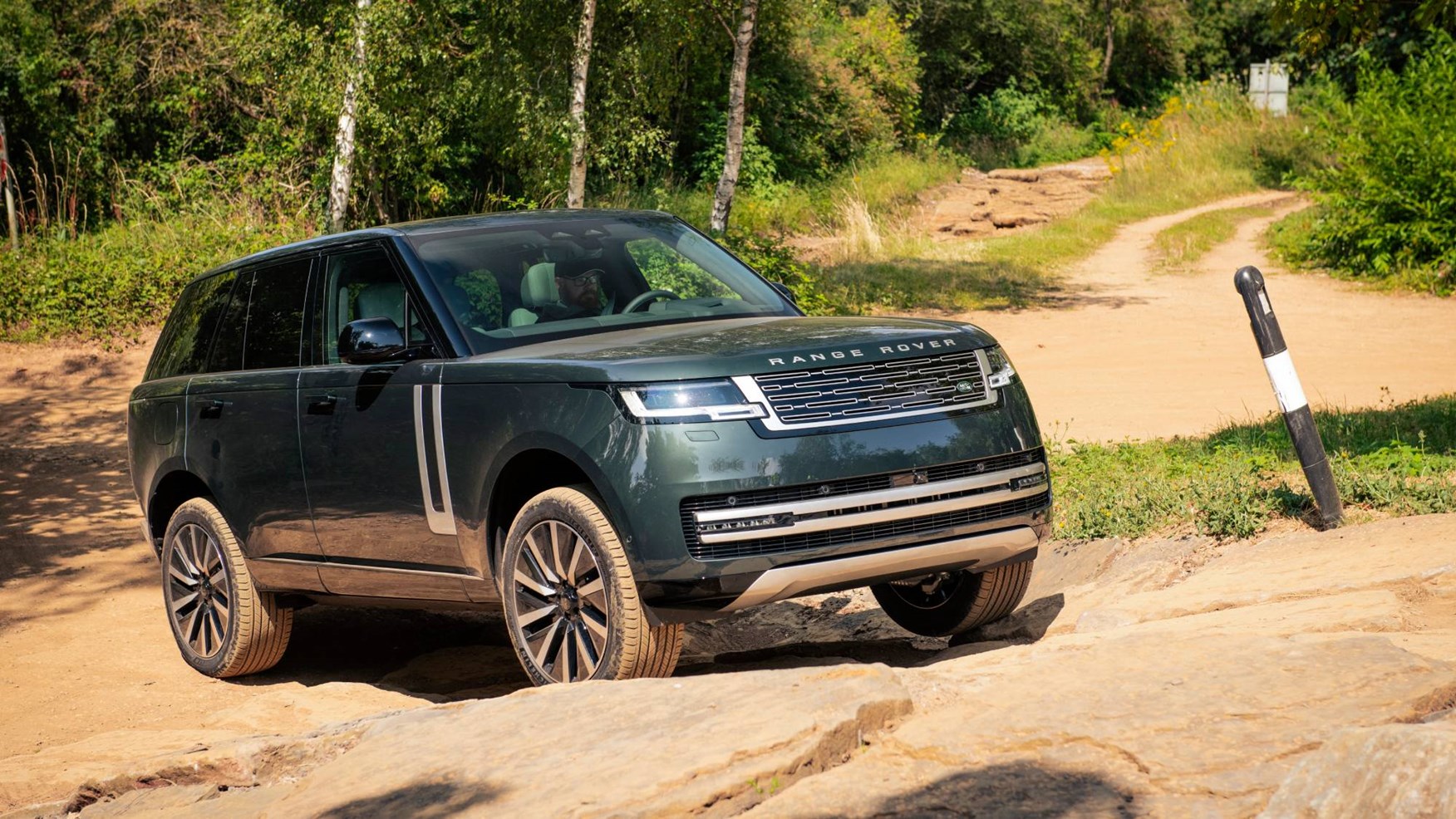
Range Rover Electric (2026): side view off-roading, green paint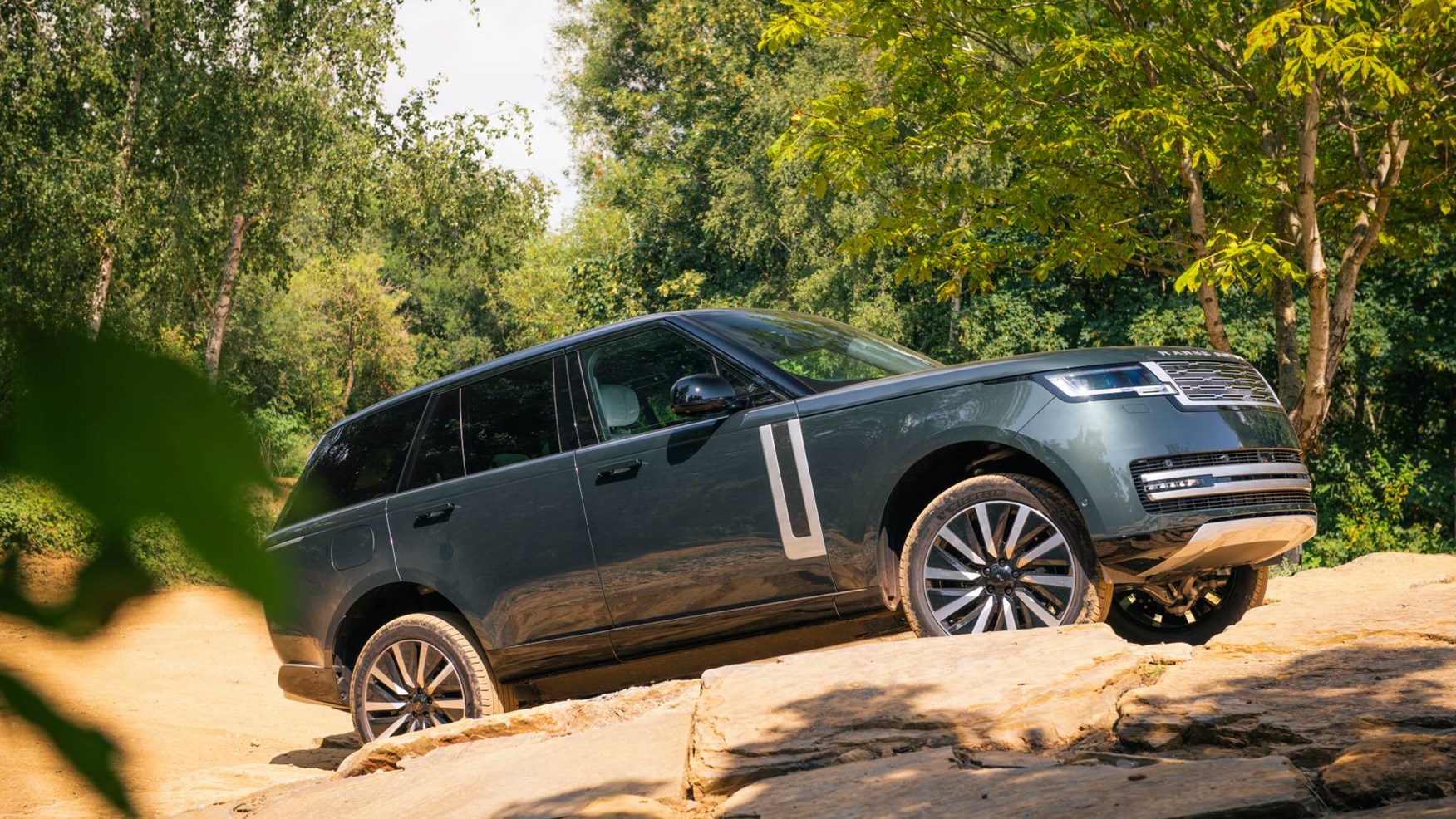
Range Rover Electric (2026): front off-roading, green paint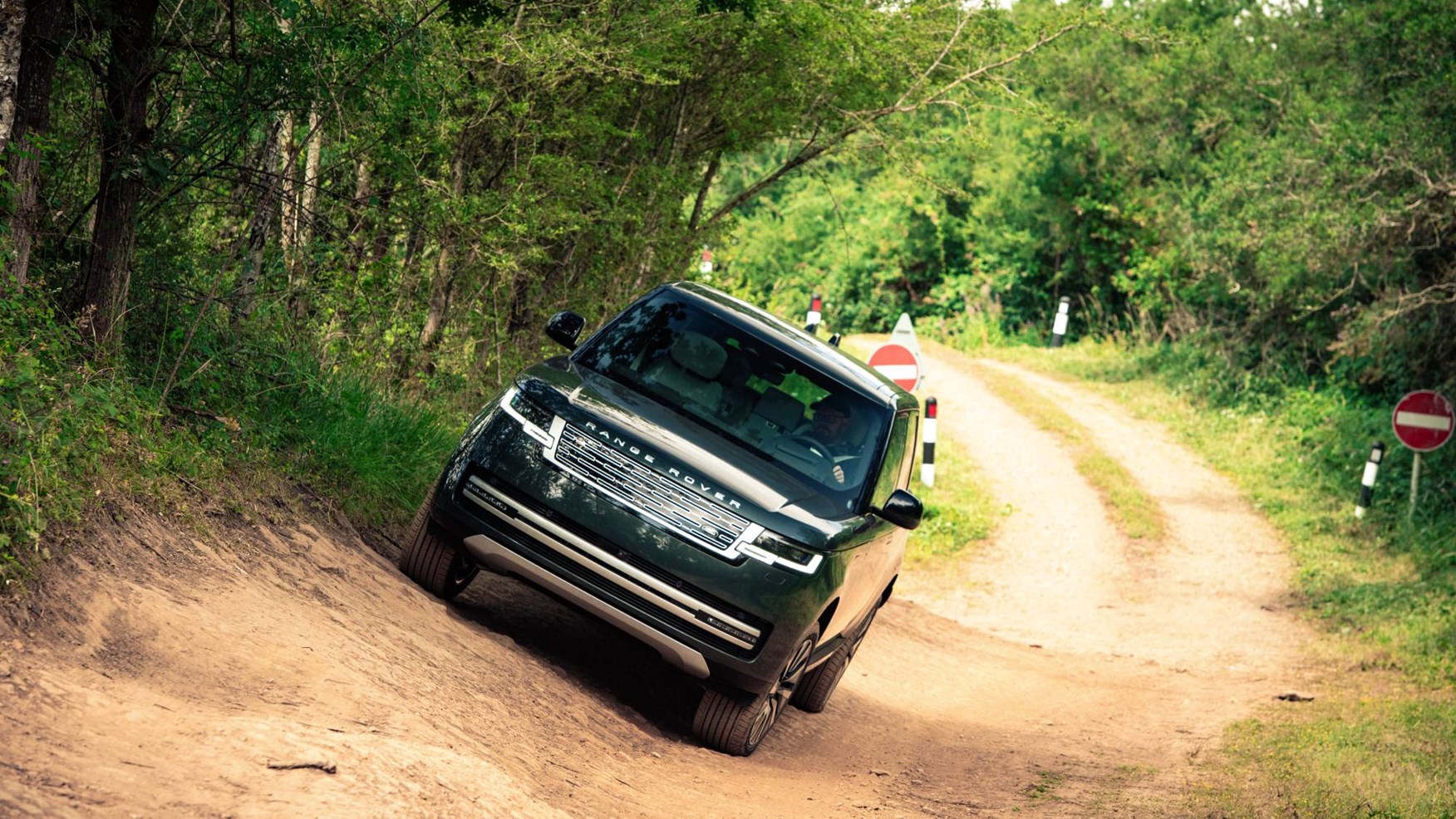
Range Rover Electric (2026): rear three quarter off-roading, green paint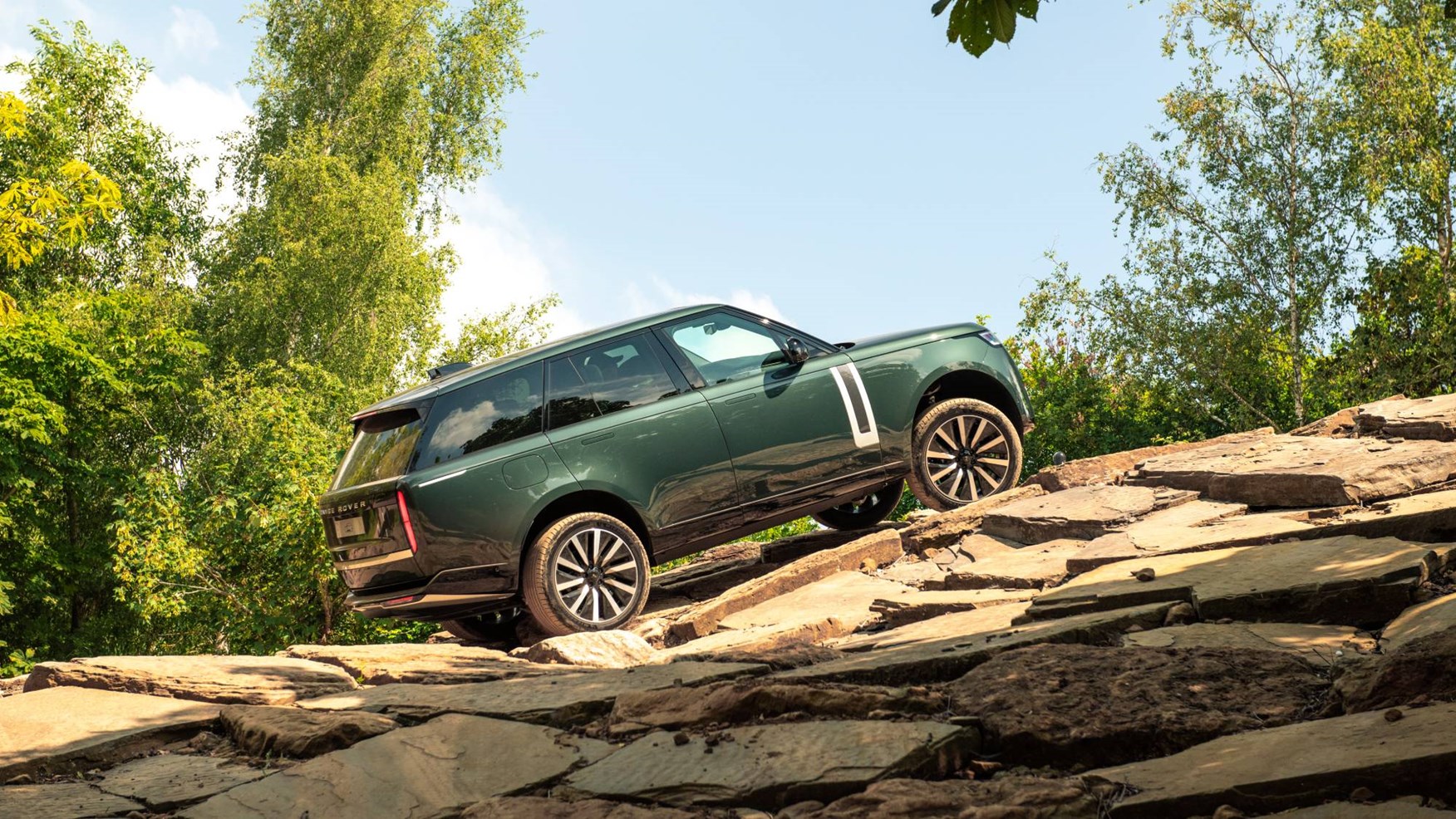
Range Rover Electric (2026): grille and headlight detail shot, green paint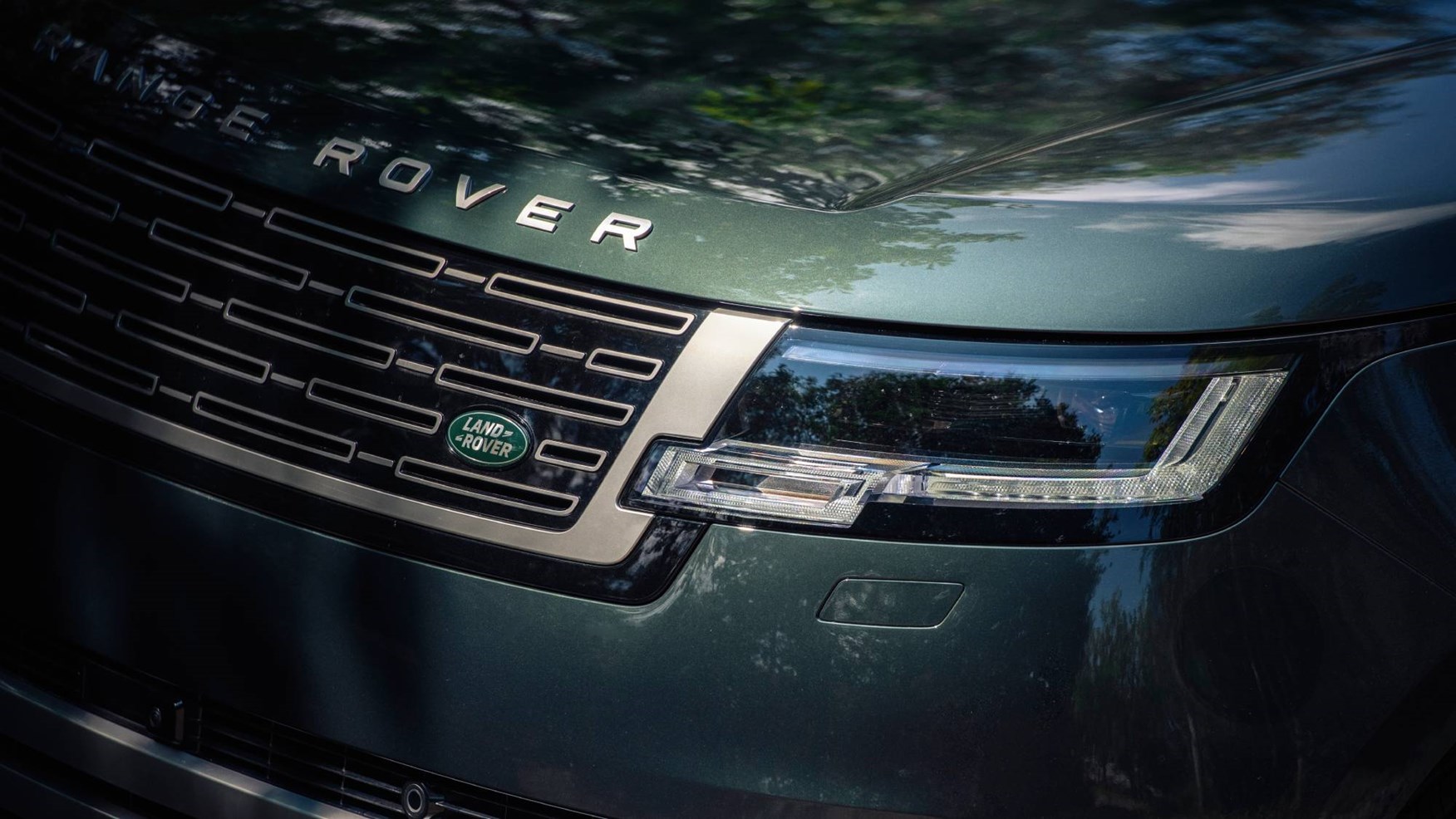
Range Rover Electric (2026): tailgate detail shot, green paint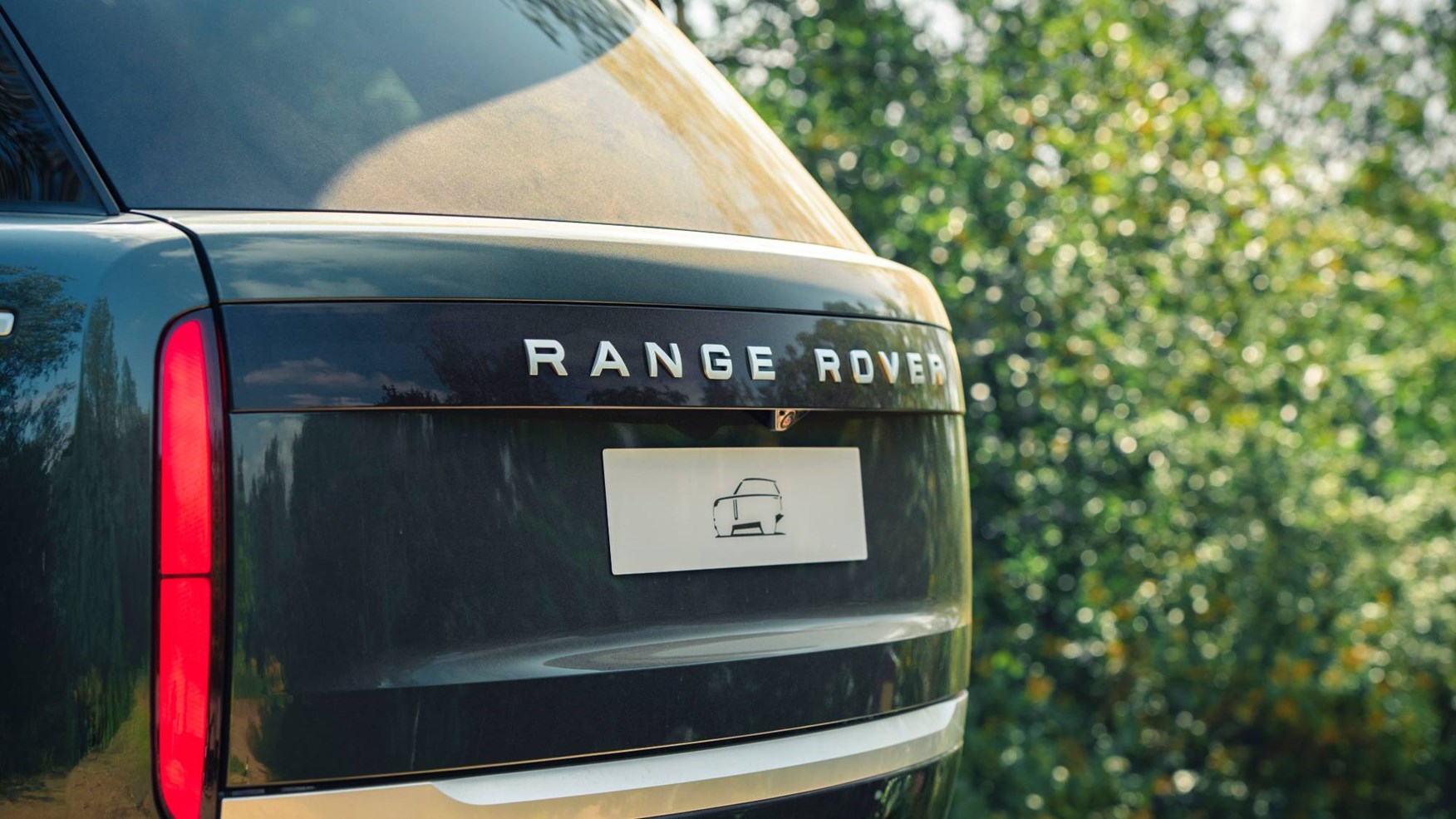
Range Rover Electric (2026): centre console detail shot, cream leather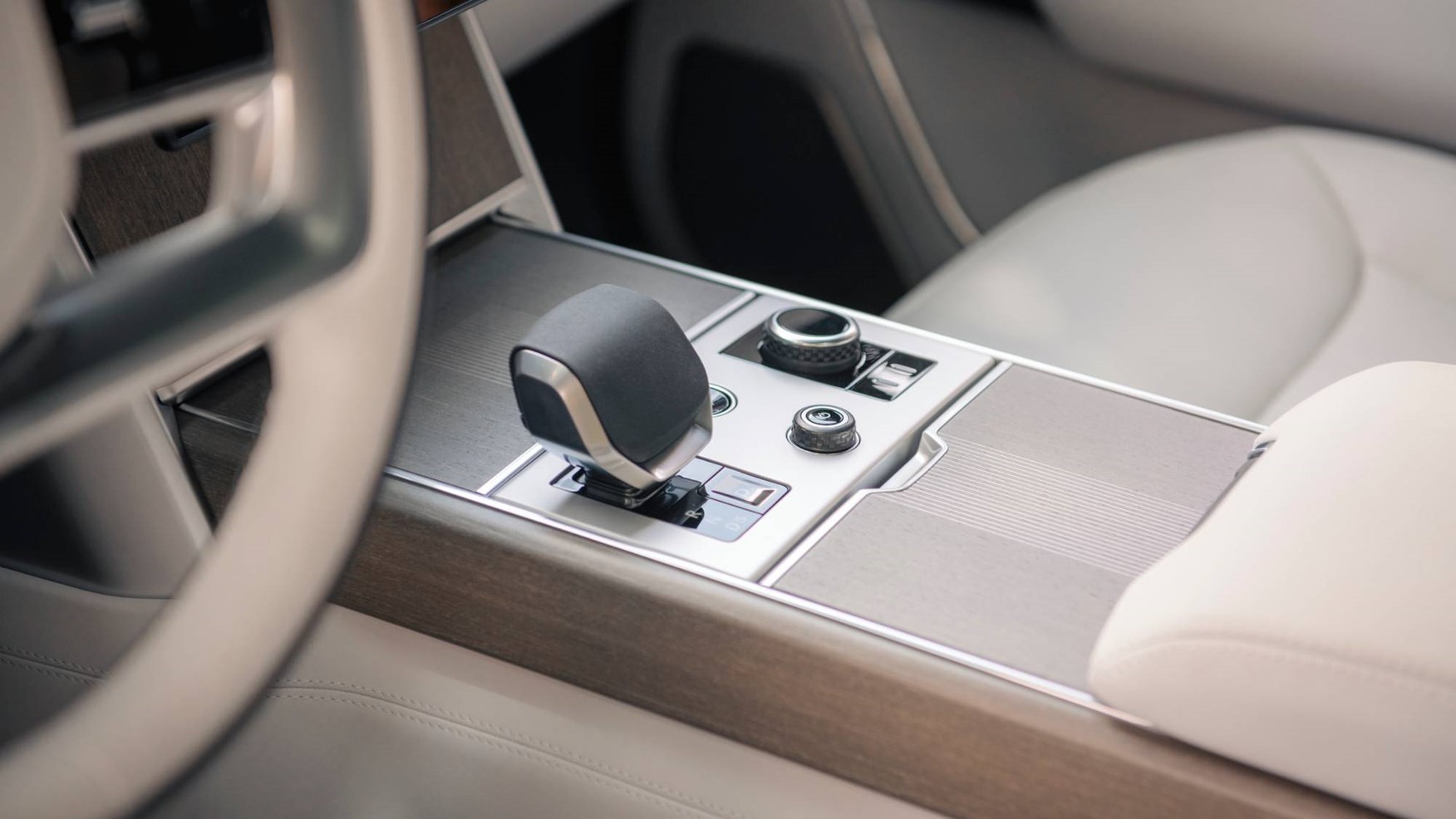
var disqus_shortname = ‘carmagazine’;
var disqus_developer = 0;
var disqus_identifier = ‘article-wp-271237’;
(function () {
var dsq = document.createElement(‘script’);
dsq.type = ‘text/javascript’;
dsq.async = true;
dsq.src = ‘http://’ + disqus_shortname + ‘.disqus.com/embed.js’;
(document.getElementsByTagName(‘head’)[0] || document.getElementsByTagName(‘body’)[0]).appendChild(dsq);
var s = document.createElement(‘script’);
s.type = ‘text/javascript’;
s.async = true;
s.src = ‘http://’ + disqus_shortname + ‘.disqus.com/count.js’;
(document.getElementsByTagName(‘head’)[0] || document.getElementsByTagName(‘body’)[0]).appendChild(s);
})();Please enable JavaScript to view the comments powered by Disqus.