[analyse_image type=”featured” src=”https://images.euronews.com/articles/stories/09/89/40/37/1200x675_cmsv2_799bd811-98f1-59b6-b2c6-eef0cda43461-9894037.jpg”]
Algerian president seeks to impose death penalty on arsonists

Latest news bulletin | August 31st, 2026 – Evening
Von der Leyen warns of worsening disaster risks, touts preparedness

Lionel Messi announces retirement from international football
Algerian president seeks to impose death penalty on arsonists
Latest news bulletin | August 31st, 2026 – Evening
Von der Leyen warns of worsening disaster risks, touts preparedness
Lionel Messi announces retirement from international football
“Never achieved before”: meteorologist analyses MTG-I2 leap to forecast disasters
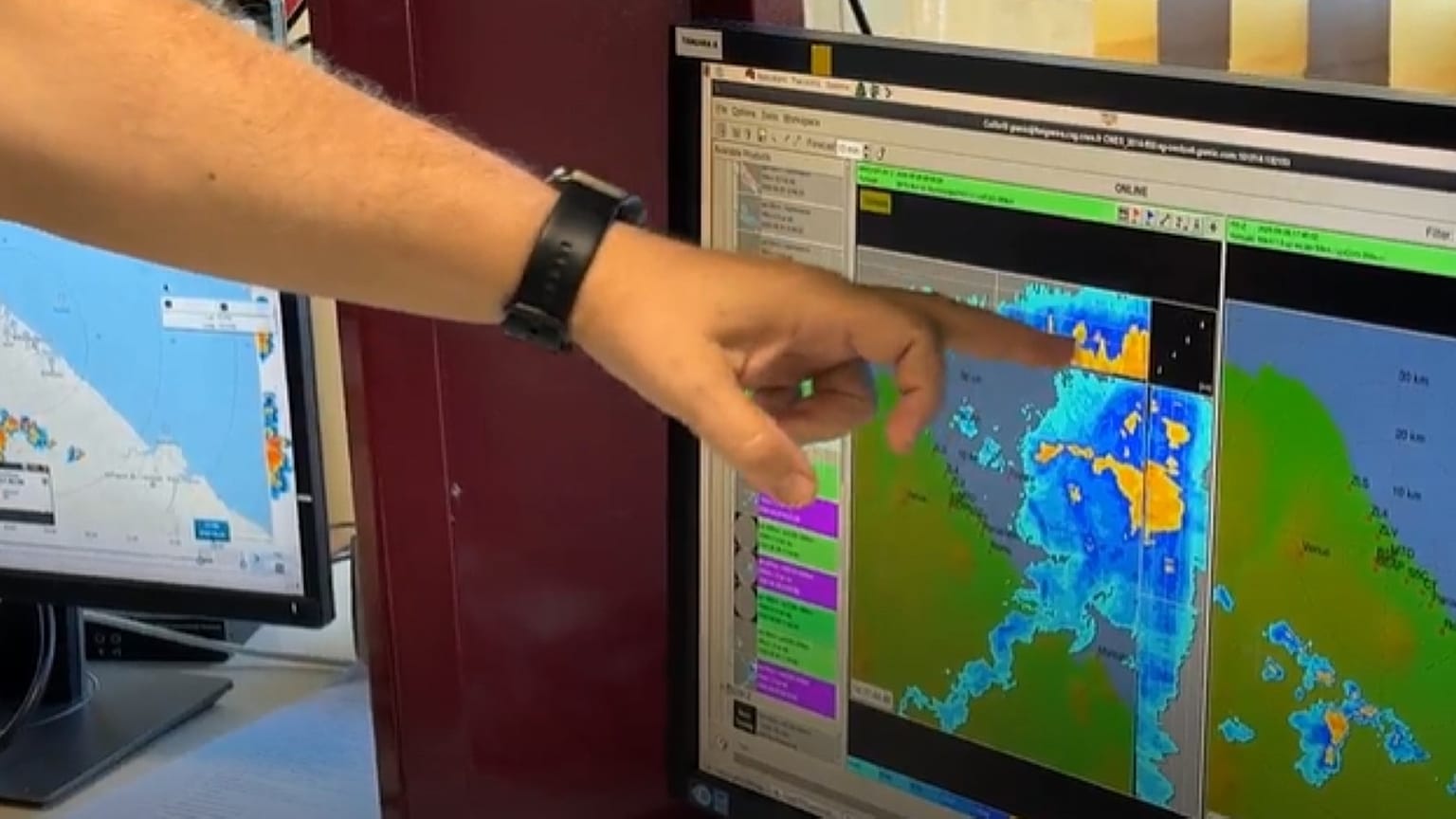
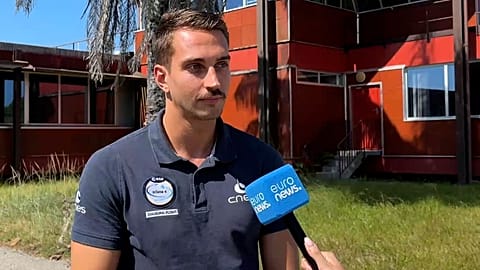
In Kourou, a meteorologist explains the conditions ahead of the launch scheduled for 28 August 2026.
– Copyright Euronews

 Facebook
 Twitter
 Flipboard
 Send
Send Reddit
 Linkedin
 Messenger
 Telegram
 VK
VK Bluesky
 Threads
 Whatsapp
Panos Giannopoulos from Greece’s National Meteorological Service, who has spent years interpreting satellite images, tells “Euronews” what changes with the new Meteosat launched from French Guiana, the world’s most advanced weather satellite.
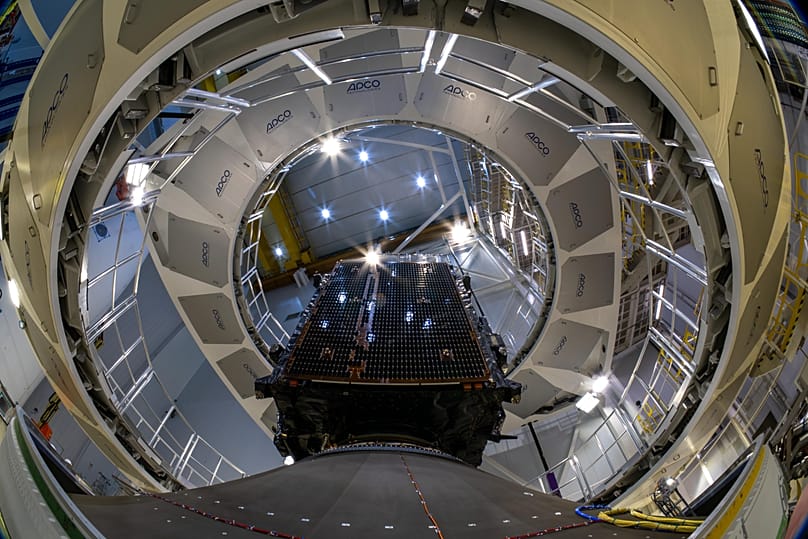
On 28 August, the MTG-I2 (Meteosat Third Generation Imager-2) satellite lifted off from Europes Spaceport in Kourou aboard an Ariane 6 rocket, on the launchers ninth mission and its first flight to a geostationary transfer orbit. With this launch, ESA and Eumetsat complete the first operational trio in the Meteosat Third Generation constellation, positioned 36,000 kilometres above the equator to keep constant watch over the weather in Europe, the Mediterranean and North Africa.
 ADVERTISEMENTADVERTISEMENT
To understand what is really changing with this satellite, we spoke to someone who has spent decades interpreting satellite images in his daily work: Panos Giannopoulos, a meteorologist at the Hellenic National Meteorological Service (HNMS) and weather presenter at SKAI Media Group.
“When I started working 25 years ago, we only had one image every 30 minutes, with three channels; it was the first generation of Meteosat, launched two decades earlier,” he recalls. The second generation, he explains, marked a clear difference: 12 channels and images every ten minutes – every five over Europe – which also made it possible to combine channels to detect fog, dust, volcanic ash and track the evolution of storms, from their birth until they dissipate.
With the third generation, to which MTG-I2 belongs, the leap forward is even greater. The new satellite will scan the upper quarter of the Earth, centred on Europe, every two and a half minutes, something which, according to Giannopoulos, “has never been achieved before anywhere in the world, not even in the United States”. It is a change which, he admits, may overwhelm human analytical capacity: “I do not know whether meteorologists on our own can make full use of all that information, but with the help of artificial intelligence, these images every 2.5 minutes can greatly improve very short-range forecasting.”
This new generation of satellites also carries a lightning detector, something Meteosat has never had before, capable of taking 1,000 samples per second in a very narrow band of the spectrum. And it does not arrive alone: MTG-S, the second satellite in the family, launched in 2025, is already operating in orbit, measuring humidity and temperature profiles in the atmosphere. “Up to now we have depended above all on weather balloons launched every 12 hours from a limited number of locations. That satellite has been delivering data for less than a year, and they are already being fed into global prediction models,” the meteorologist notes.
The MTG-I2 will still take around six months to complete commissioning before it is integrated and calibrated alongside its two sister satellites. From then on, expected around April 2027, the three will operate as a single system. For Giannopoulos, the verdict is clear: “This third generation of Meteosat will have an impact both on very short-range forecasting – the next two or three hours – and on the usual one-to-ten-day range.”
Go to accessibility shortcuts
Read more
African nations ramp up space programmes to cut reliance on the West
Spanish invisible shield that saves satellites from irreparable failure
Neutralisation protocol: the hidden safety system safeguarding lives at every launch
African nations ramp up space programmes to cut reliance on the West
Spanish invisible shield that saves satellites from irreparable failure
Neutralisation protocol: the hidden safety system safeguarding lives at every launch

EU places ChatGPT, Reddit and Roblox under strictest digital safety rules

YouTube’s new ‘exposure-based’ model counts hovering over video as a view
Lake Ontario or Lake America? Google Maps plays both sides
NASA launches Roman telescope to build biggest map of the universe yet

Who is the man set to lead Apple into the world of AI?
Spain moves forward with plans to shorten the 40-hour working week
Who is the man set to lead Apple into the world of AI?
Which countries are embracing a 4-day workweek and how is it going?
Is Twitter back? Ex-employee fights to revive the blue bird
Meet the man who owns the world’s last floppy disks supplier
[analyse_source url=”https://www.euronews.com/next/2026/08/31/never-achieved-before-meteorologist-analyses-mtg-i2-leap-to-forecast-disasters”]