[analyse_image type=”featured” src=”https://images.euronews.com/articles/stories/09/89/23/42/1200x675_cmsv2_bec5e682-0e8f-597d-a5de-5d1d4692d0f4-9892342.jpg”]

Europe’s most expensive cities to buy an apartment

Events in Qatar: What’s coming up in Doha and beyond?

Iceland’s EU referendum: first partial results show razor-thin margin

France political season: Bardella, Faure, Lecornu, Hollande, Philippe
Europe’s most expensive cities to buy an apartment
Events in Qatar: What’s coming up in Doha and beyond?
Iceland’s EU referendum: first partial results show razor-thin margin
France political season: Bardella, Faure, Lecornu, Hollande, Philippe
Europe’s scorching summer has ‘charged’ the Mediterranean Sea. What weather will September bring?
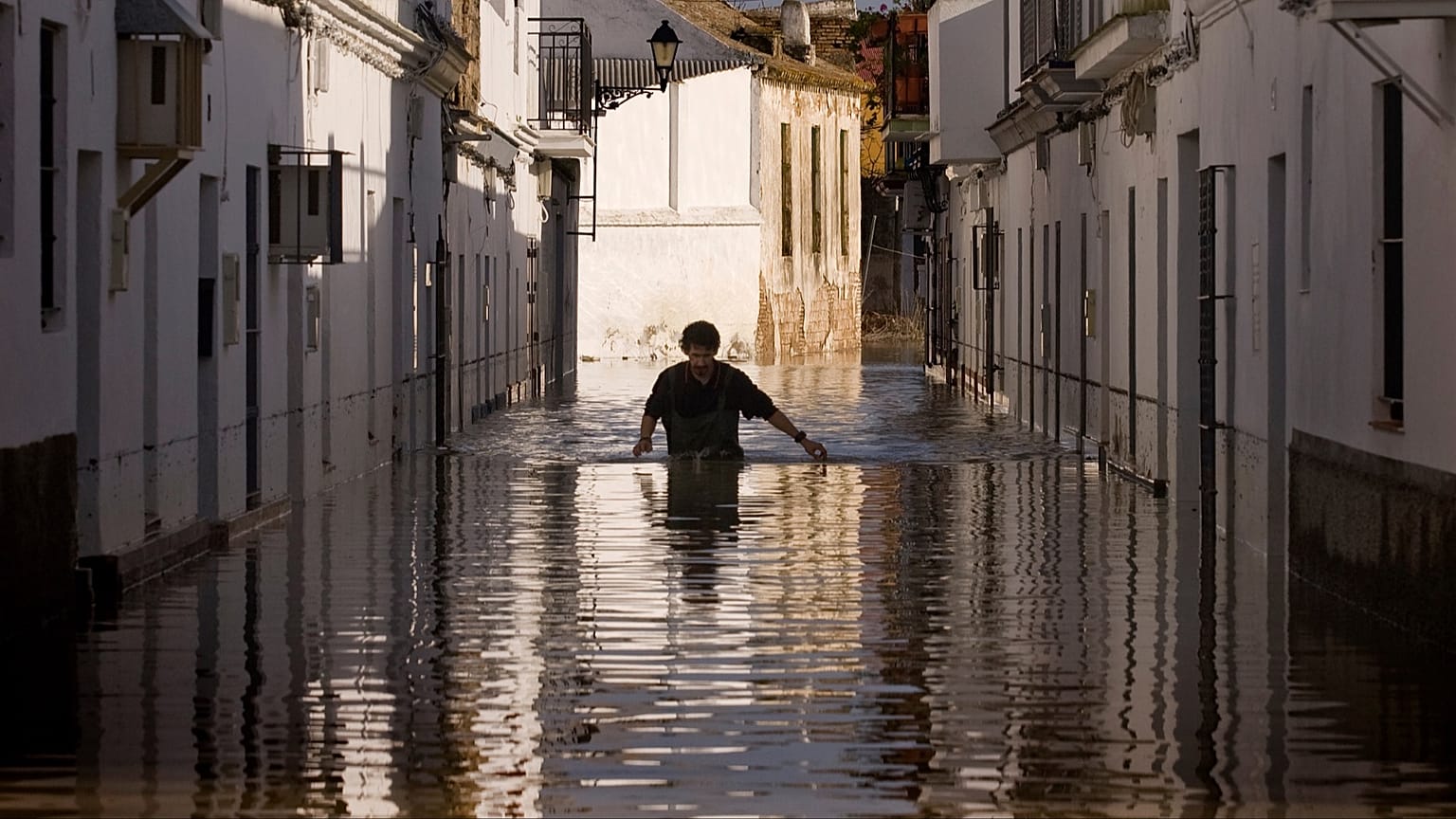
A resident walks along a flooded street in Lora del Rio, southern Spain, Thursday, Dec. 9, 2010.
– Copyright Copyright 2010 AP. All rights reserved.

 Facebook
 Twitter
 Flipboard
 Send
Send Reddit
 Linkedin
 Messenger
 Telegram
 VK
VK Bluesky
 Threads
 Whatsapp
Weather forecasters have warned that parts of Europe will be entering “flash-flood season” following a blistering summer.
Europe’s blistering summer was a “grim illustration” of human-caused climate change.
 ADVERTISEMENTADVERTISEMENT
That’s what the European Commission said in June, when much of the continent was already baking under its third heatwave of the year.
July and August provided little relief, bringing with them extreme heat scientists say would have been “virtually impossible” if it weren’t for the burning of fossil fuels.
Scorching temperatures and scant rainfall cast huge swathes of Europe into drought, paving the way for deadly wildfires that ravaged Spain, Portugal, France, Greece and Türkiye – burning thousands of hectares and resulting in the biggest evacuation effort since the Second World War.
But with September just around the corner, are things finally about to cool down?
Europe’s September weather outlook
Data from global weather forecasting platform WFY24 shows that the first week of September will stay warm across the Mediterranean, with daily highs averaging around 35°C in Rome, 34°C in Athens and 33°C in Madrid.
That’s around 6-8°C above the seasonal average for early September, suggesting that Europe’s extreme summers are starting to expand.
However, Northern Europe is showing much more “cool and unsettled” conditions, with highs of just 21°C in Berlin and 20°C in London. Heavy rain and thunderstorms have already broken the heat and quenched parched soils in parts of the UK, Germany and France.
But the Mediterranean is in for the steepest increase in rainfall.
“September and October are the Mediterranean’s flash-flood season: the sea is at its annual warmest after three months of heating and the first cold troughs arrive overhead,” Ioanna Vergini, founder of WFY24 tells Euronews Earth.
The contrast, she explains, spins up the destructive weather system known in Spain as a DANA (Depresión Aislada en Niveles) – a high-altitude isolated depression or ‘cold drop’..
“That’s what produced Valencia’s deadly floods in October 2024 and Genoa’s repeat events,” Vergini adds. “A hot summer loads it, because the sea is the fuel and it has spent the summer charging.”
Every year, rainfall in Valencia rises from an average of 18mm in August to 47mm in September. It’s the same in Palma (21mm to 55mm) and Palermo (15mm to 42mm), while northern European cities like Berlin, Warsaw and Stockholm tend to experience slightly less rain in September than August. These figures are based on normal seasonal averages, however, and not a weather forecast.
Will El Niño hit Europe this September?
Media coverage on the weather is currently being dominated by El Niño, which experts have warned could be the “strongest in living history” this year.
The World Meteorological Organization (WMO) warns that the weather phenomenon, which occurs when sea temperatures in the Eastern Pacific Ocean become unusually warm, continues to “intensify steadily” and is expected to “dominate climate patterns” over the next couple of months.
El Niño events push up global temperatures, paving the way for more frequent bouts of extreme weather. However, these effects are mainly felt in the tropics.
South America, the southern US, East Africa and Central Asia have all experienced increased flood risks during previous El Niños, while droughts and wildfire risk rises across parts of Australia, northern parts of South America and in certain Asian countries like Indonesia.
Despite reports linking Europe’s scorching summer to this year’s El Niño, experts have reiterated the fact that climate change is to blame.
“This summer we have experienced heatwaves across Europe reminding us of the effects of climate change,” says Professor Stephen Belcher, the UK Met Office’s Chief of Science and Technology.
“This large El Niño is a reminder that natural variations in the climate system are also at play, adding to the stresses of climate change.”
In Europe, El Niño’s impacts are much more indirect and tend to be less severe.
According to the UK Met office, the influence of El Niño may start to increase the chances of “wetter, stormier conditions” for northwest Europe in the coming autumn and early winter.
The European Commission states that an El Niño could also make Europe’s autumn temperatures “warmer-than-normal”, with that warmth building towards next spring. It’s why scientists fear that 2027 is gearing up to be the hottest year globally on record.
Go to accessibility shortcuts
Read more
What role will climate play in France’s presidential race?
Mediterranean sea has warmed by 2°C this summer – here’s why
Germany’s ‘summer of extremes’ ignites debate over climate law
What role will climate play in France’s presidential race?
Mediterranean sea has warmed by 2°C this summer – here’s why
Germany’s ‘summer of extremes’ ignites debate over climate law
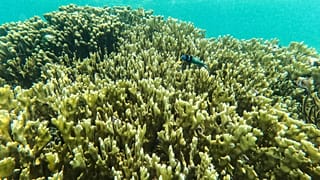
Are El Niños intensifying with global warming?

London unveils biggest ever solar project on major veg market
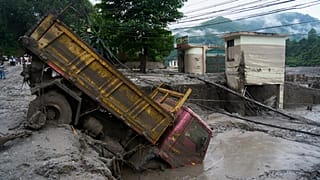
Did a glacier collapse trigger the Nepal-Tibet disaster?

Will Stuttgart’s naturally cooled train station make the city hotter?
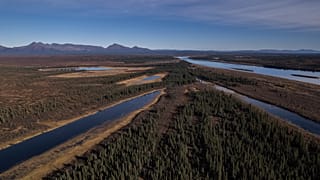
Are Arctic plants cooperating to survive a warming climate?
In photos: These architectural feats are woven into nature
Extreme heat splits Italy: over 44C in the south, heavy downpours in the north
Squid take over the North Sea: What’s behind the squid boom?
London unveils biggest ever solar project on major veg market
Cycling like the Dutch would slash the world’s carbon footprint
[analyse_source url=”https://www.euronews.com/2026/08/30/europes-scorching-summer-has-charged-the-mediterranean-sea-what-weather-will-september-bri”]