{“@context”:”https://schema.org”,”@type”:”Article”,”image”:”https://car-images.bauersecure.com/wp-images/269135/ferrari_corse_cliente_car_magazine___jordan_butte-4.jpg”,”mainEntityOfPage”:{“@type”:”WebPage”,”@id”:”https://www.carmagazine.co.uk/car-news/industry-news/new-f1-rules/”},”url”:”https://www.carmagazine.co.uk/car-news/industry-news/new-f1-rules/”,”author”:{“@type”:”Person”,”name”:”Jamie Turner”,”description”:”Jamie Turner is a specialist in automotive propulsion, having spent a career in the area spanning industry and academy. He spent 28 years in the auto industry, with over 21 working at Lotus Engineering, where he led Powertrain Research for a decade. He originally started working on Wankel rotaries at Norton Motorcycles, which triggered a lifelong fascination with unusual engines, and also worked in F1 and IndyCar at Cosworth Racing, very much the cilmination of being a long-time racing fan. While at Lotus he studied for his Ph.D. from Loughborough University, but still views the u201CUniversity of Hethelu201D as providing the best practical education a car enthusiast could ever hope for. He finished his industry career leading gasoline engine research at Jaguar Land Rover.nnnnAfter this, he joined the University of Bath as part of its Powertrain and Vehicle Research Centre. Heu2019s now a Professor of Mechanical Engineering at KAUST where he is researching all aspects of vehicle propulsion and decarbonization, both on the vehicle side via the fuel path.nnnnSomewhere along the line he club-raced hydroplanes for a couple of seasons (having discovered that he was unlikely to become a four-wheeled racing colossus through sitting in cars next to Lotus test drivers) and he owns a couple of motorcycles as well as a highly-cherished Elise; for several years in his previous life he adored daily-driving those and canu2019t really understand why anyone wouldnu2019t want tou2026nnnnFor the record he has over 37 years of experience in the field of internal combustion engines and is a specialist in spark-ignition combustion, alcohol fuels, and engine and powertrain concepts.u00A0Heu2019s published over 200 papers and book chapters in these areas.u00A0As well as his pieces for CAR he writes for Bike magazine, and really enjoys the contrast between formal writing in his day job and writing for a real-world audience in magazines.nnnnIn addition to his specializations, heu2019s interested in renewable energy and its application to the transport sector, with particular emphasis on the potential ofu00A0alcohol fuels and hydrogen.u00A0As such he believes heu2019s doing something meaningful to help solve the challenges of the day, even if he is an unabashed IC engine fan.”,”image”:{“@type”:”ImageObject”,”url”:”https://car-assets.bauersecure.com/wp-images/210607/jamie.jpg”,”caption”:”Jamie Turner”},”sameAs”:”https://www.linkedin.com/in/james-turner-84688b57/?originalSubdomain=uk”,”jobTitle”:”CAR contributor”,”knowsAbout”:”Automotive”,”worksFor”:{“@type”:”Organization”,”name”:”CAR magazine”}},”dateModified”:”2026-08-28T09:57:47+01:00″,”datePublished”:”2026-08-28T09:57:47+01:00″,”headline”:”F1 2026 season analysis: why the legends of the sport should write the rules”,”publisher”:{“@type”:”Organization”,”name”:”Bauer Media”,”brand”:{“@type”:”Organization”,”name”:”Car Magazine”},”logo”:{“@type”:”ImageObject”,”url”:”https://car-assets.bauersecure.com/images/logos/car.200×88.png”}}}
F1 2026 season analysis: why the legends of the sport should write the rules



► A mid-season look at the new Formula 1 rules
► F1 is more a template now than a ‘formula’
► Have the new regs crushed innovation?
If you think recent tweaks to Formula 1’s rules have fixed any problems, you’re more of an optimist than me. We’re in a comical situation where the FIA looks set to upend its somewhat odd over-step into F1 ‘efficiency’ by allowing naturally-aspirated engines with much-reduced hybridisation from 2030. How did this absurdity arise?
‘A camel is a horse designed by committee,’ or so the old adage goes. That would seem to be where we are with the present F1 regulations, especially for powertrains – although shortcomings there have spilled over into aero.
As a (by now) sorely-tested race fan, I have the words of my old boss at Cosworth, Martin Walters, ringing in my ears. Back in about 1992, he said to his young bucks in F1 development that big manufacturers coming into the sport would be the end of it. Being young at the time, I couldn’t see what he meant, but it is abundantly clear to me now. You see, no large car manufacturer wants to be beaten easily by faster, smaller, more agile teams. While prepared to spend big, mainstream manufacturers lack the processes to act quickly, so they’d rather have an abundance of rules constraining innovation so that the only way to make progress is incrementally. That costs serious money, whereas innovative thinking is cheap.
As a result, F1 is now more of a template, not the ‘formula’ it used to be. To support this assertion, some historical analysis of the size of F1 regulations is enlightening. Now, much of the annual increase in size of the rule book has been to improve safety, and I am definitely not going to argue with that. But since 1982, the number of pages related to powertrain regulation has grown from just half a page to 22. By the end of the naturally-aspirated V8 era in 2013, it had reached six pages. Just in the change from the last ‘turbo hybrid’ era to this one, it increased by 13 – overall, up 145 per cent… while they were trying to make the engines simpler…
The problem is that the manufacturers have a large say in what the rules are, and the FIA and F1 are beholden to them because they see their involvement as success, as the size of the F1 business then goes up. To bring new manufacturers in, the rule makers agreed to eliminate one of the main technologies that the existing competitors had already developed – the MGU-H – because it was claimed it would cost too much to create competitively from scratch. To ensure the cars had ‘greater relevance’ to road-car engineering, the power of the engine was reduced (aligned with the removal of MGU-H), and that of the kinetic energy hybrid system – the MGU-K – increased, so that they are now approximately equal (400kW versus 350kW). But a few niceties appear to have been overlooked…
MGU-H increased power on the straights because the engine air-mass flow rate increased – making recovered power available exactly when you wanted it. MGU-K cannot do this – it can only deploy previously-generated energy, or that fed to the battery when the net power required by the car is less than the engine can generate: so-called super-clipping. Bizarrely, doing this fully at maximum power means your engine will be generating 400kW, but the car can only deploy 50kW, or 67bhp – less power than my first car, a Fiat Uno 70SX, had.
Also, there are layers upon layers of restriction on how much energy can be recovered, when, and at what power. Why, for heaven’s sake? Olly Bearman’s crash at Suzuka has shown that the regulations themselves can make it very dangerous on track, and that’s before you consider race starts. We’ve already had one near miss. So, knee-jerk reactions have been the order of the day – tweaking the permissible harvesting/deployment strategies. I don’t know about you, but if I’d spent tens of millions of dollars on an F1 programme I would want to know that the rules would be (a) fit for purpose and (b) fixed for a long time.

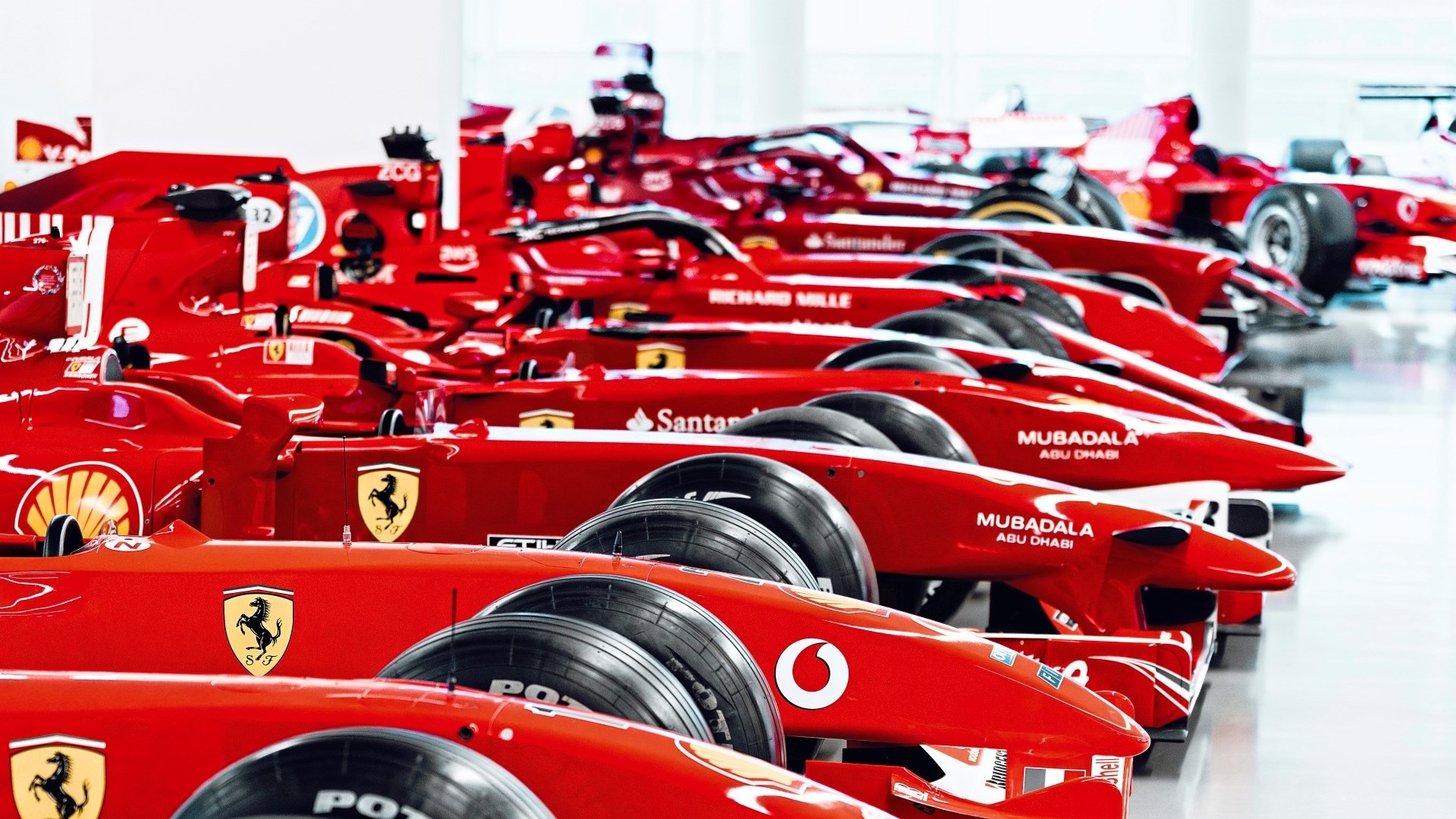
I can only imagine how angry Ferrari must feel, having raised the likelihood of race-start issues early on, due to the poor response from a big, non-MGU-H turbo, only to be told: ‘Those are the rules, work to them’. That’s precisely what Ferrari did, and produced a car that launched much better than the rest – in response to which the FIA moved the goalposts again so the others were less handicapped. I think of this as technical communism, led by the big manufacturers – hobbling the best so the baying pack doesn’t look so bad.
Also, consider the irony that these same manufacturers are at most consulted about rules and regulations for road cars. Given the chance, they would dearly like to have genuine influence on emissions regulations. Quite rightly, this is given short shrift by the legislators, who tell them to meet the regulations or don’t play. The same should be applied in racing. Tough if you’re not good enough. That’s how the breed gets improved.
As an aside, if the MGU-H was such a problem for newcomers, then why not make a stock system available? Everything else is nailed down, after all. This tech is finally becoming relevant to road cars, whereas the type of battery technology that is now necessary in F1 definitely isn’t. This is because the sort of hybrid that an F1 car represents is the polar opposite of a road car, for which the amount of energy stored needs to be high, and the power can be low.
An F1 battery has about 9MJ (or 2.5kWh) of storage capacity – depending on how the FIA have decided to change things on any given day. The MGU-K has 350kW, again depending on the mood of the legislators. These values imply an approximate ‘C’ rate (the rate at which the battery can charge or discharge, or power divided by energy) of 140. This is off the scale for road cars.
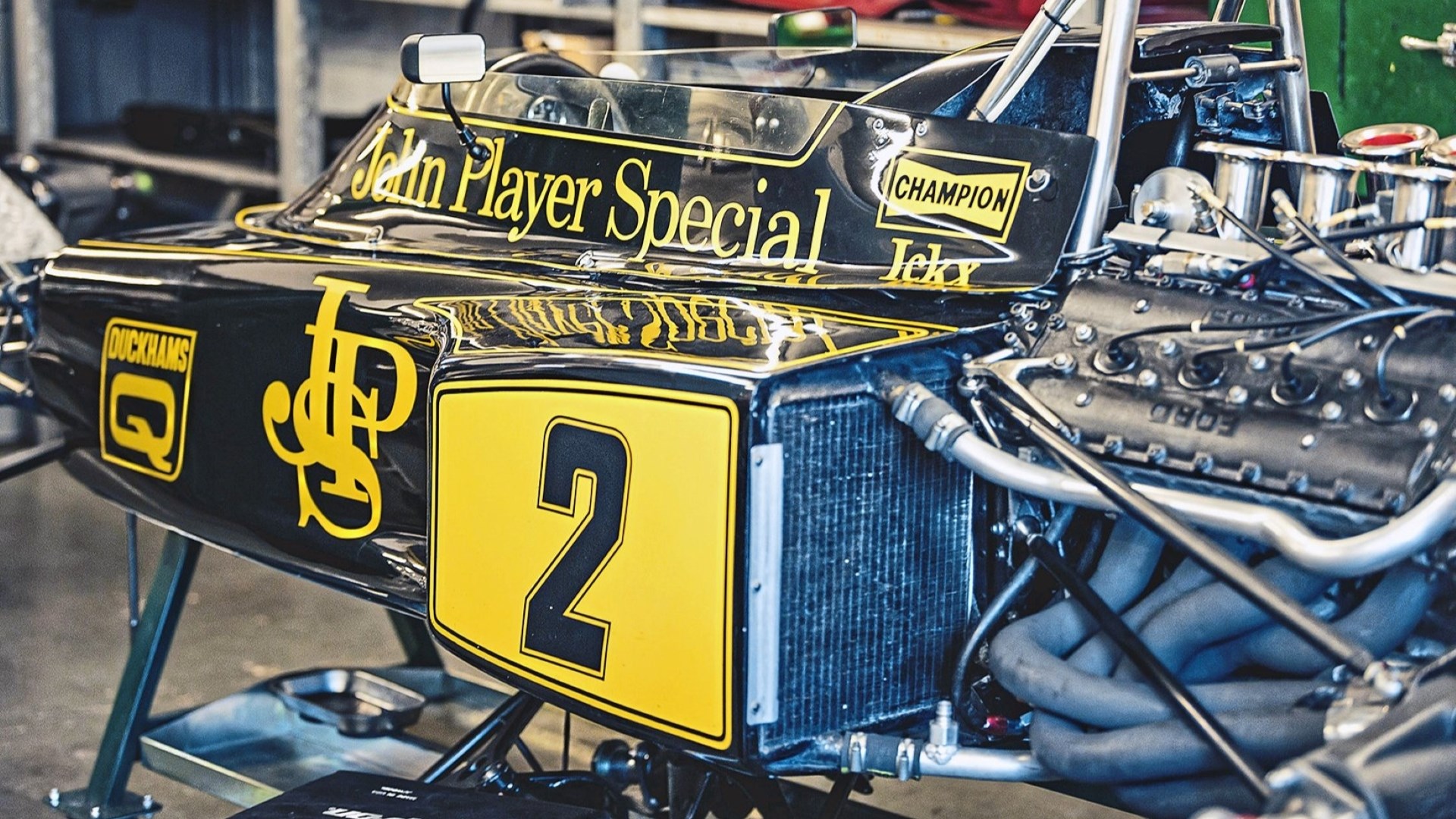
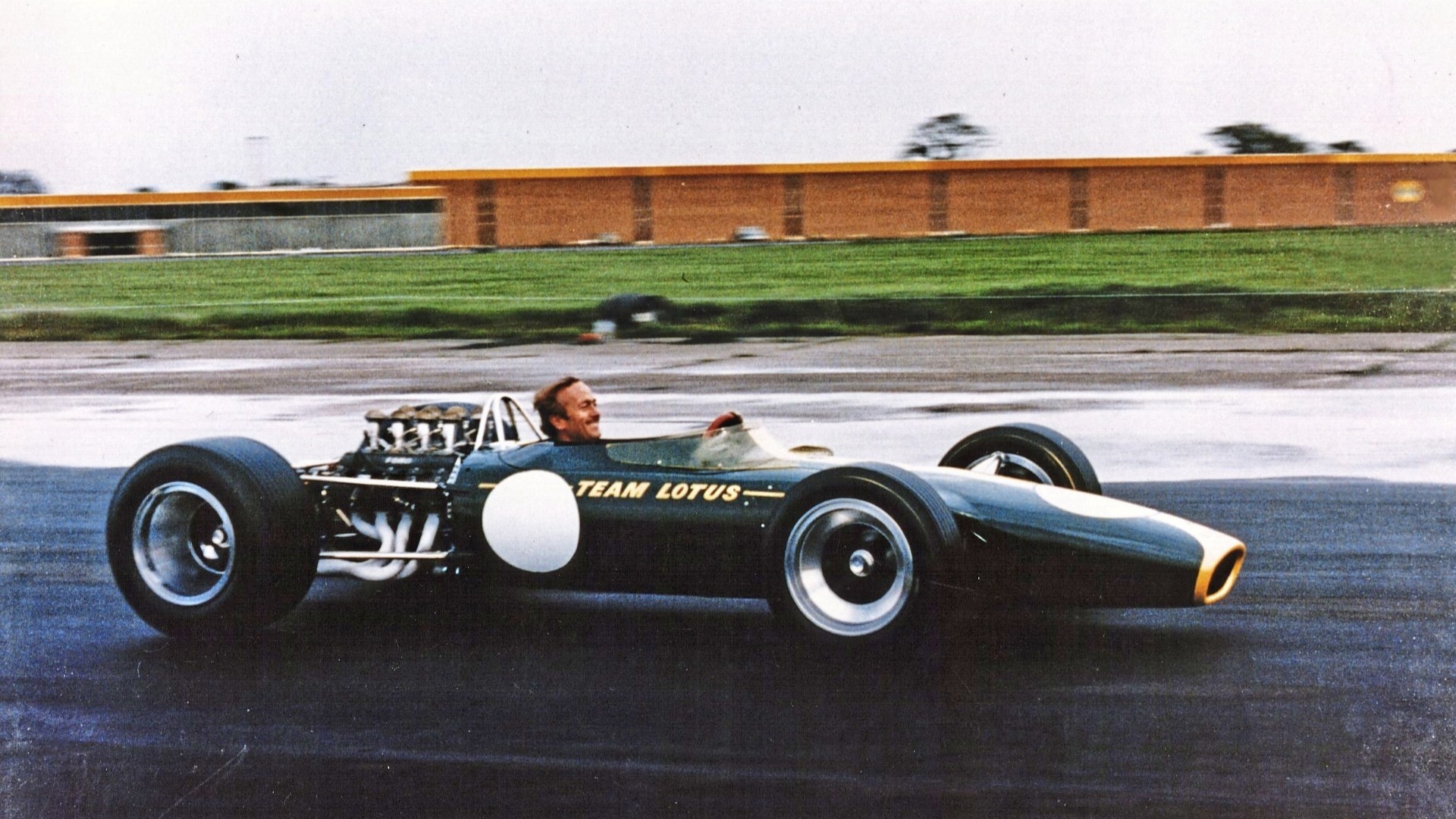
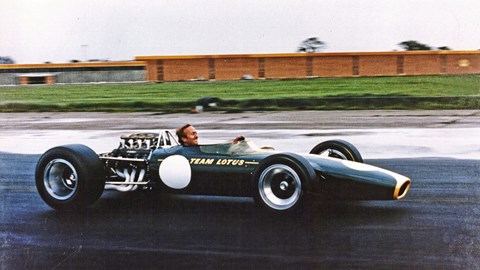
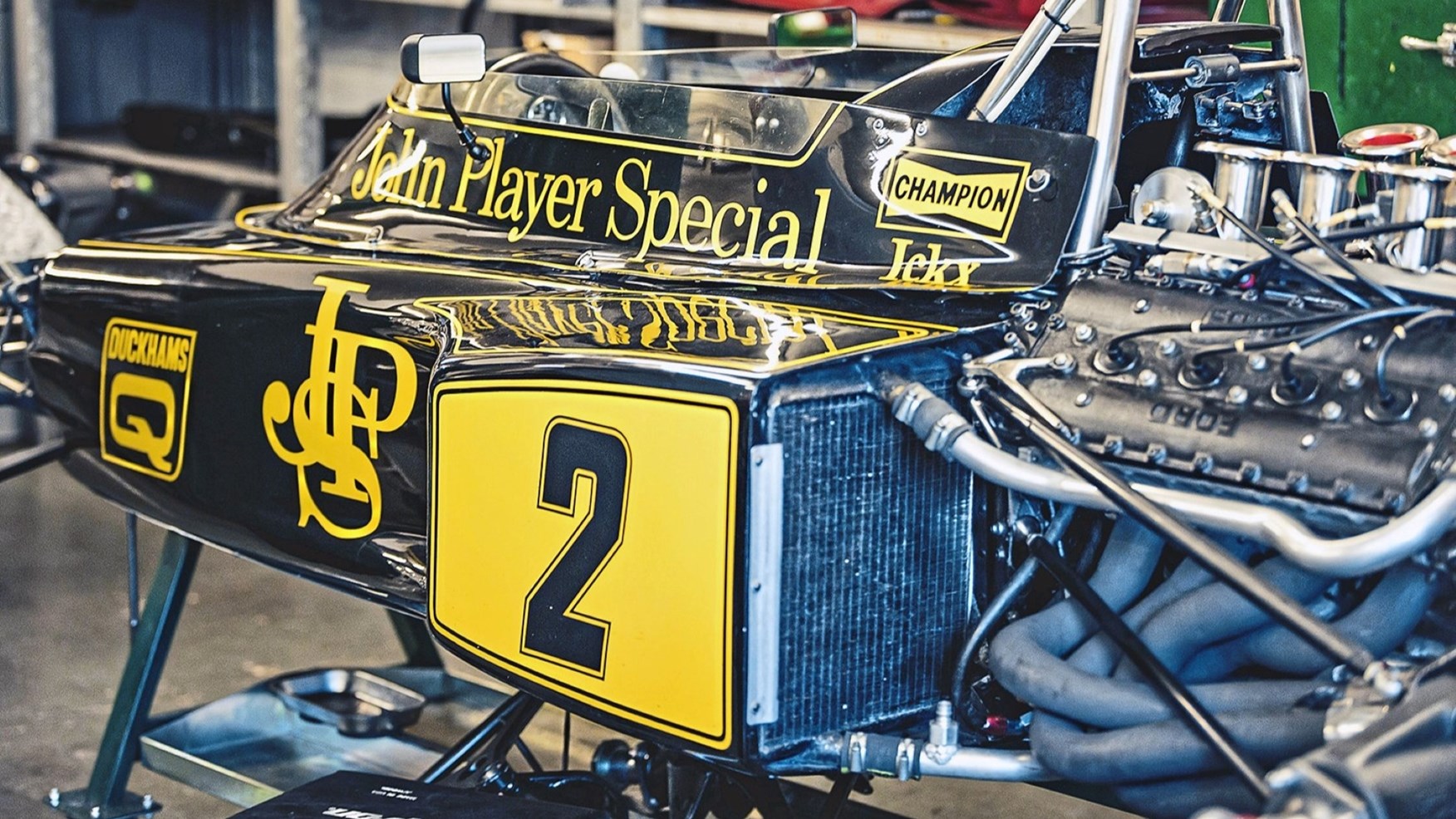
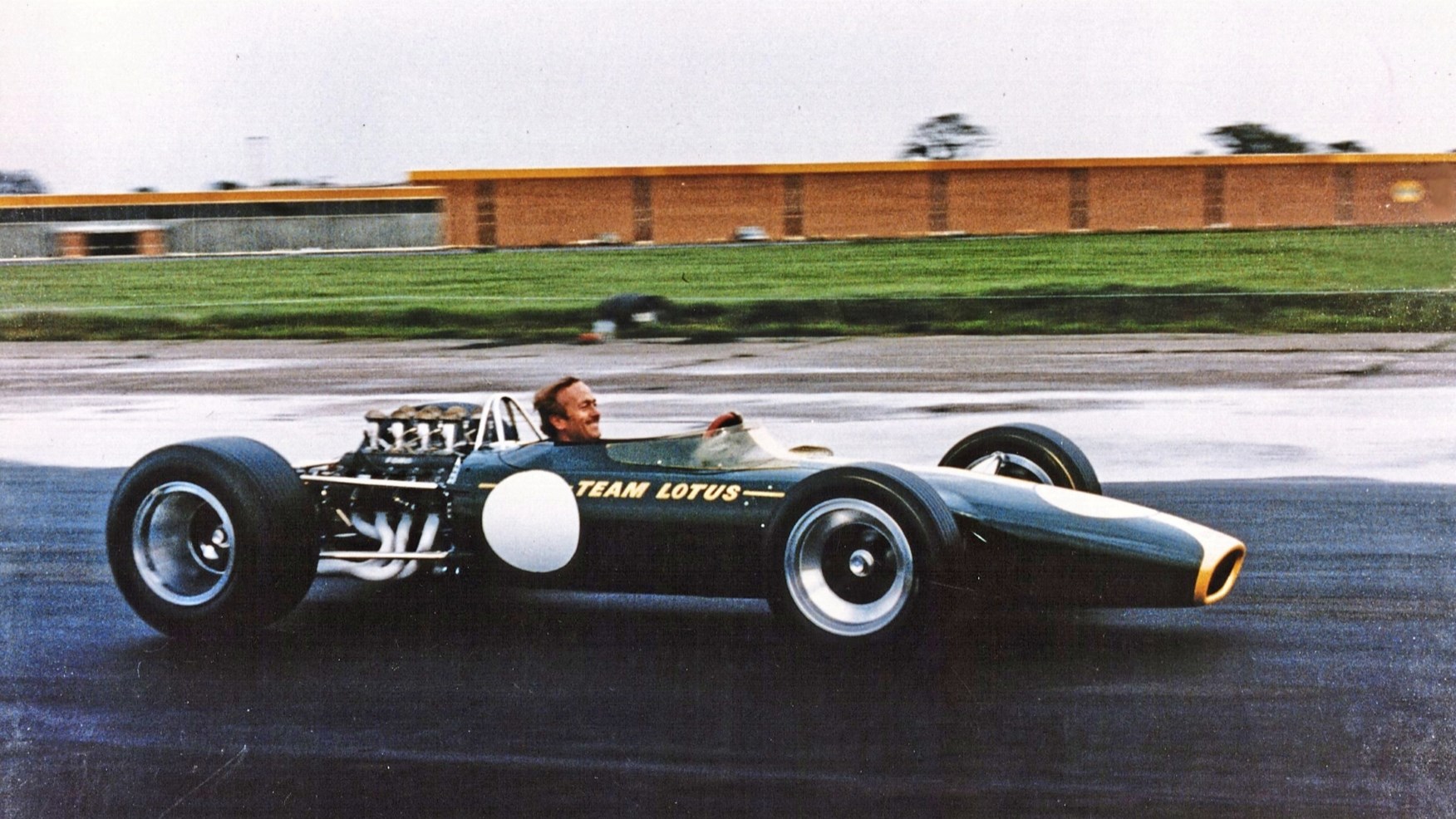
F1 cars now have 100kg of fuel for each race, versus 110 last year. A direct year-on-year performance comparison is therefore impossible, but evidence suggests this year’s cars are up to three seconds a lap slower – and to get that, they have had to adopt active aero (Colin Chapman must be spinning in his grave – remember the Type 88?). So much for progress. But enjoy it while it lasts, because in two stages the balance of power between the engine and the hybrid will shift to 60-40 in 2028, via 58-42 in 2027.
Ultimately, all of the constraints on energy storage, harvesting and deployment are ridiculous – punishing the good while rewarding the rest. Now, I count myself as reasonably clued-up on things propulsive, but the regulations are an impenetrable mess. A better system would be just to give the teams a set amount of energy for any race. Don’t dictate when and how they use it. Let the teams decide on the optimum solution for the allotted amount of energy. Let them be clever.
With the FIA’s Mohammed Ben Sulayem now openly talking about naturally-aspirated V8 engines being the future, I implore them to allow a free engine configuration formula. Forget roadgoing notions of hypercars and ultracars – F1 cars are truly the supercars, capable of feats impossible for road vehicles. They should also be allowed super engines.
Either you want something that looks like racing, or you want racing that improves the breed – what we have now is neither. We need to massively simplify things instead of complicating them with ever more restrictions. Simplifying is definitely not the same as setting a template, so that you end up with something like NASCAR but with more carbonfibre. In fact, what is needed is to heed a quotation from Antoine de Saint Exupéry, much beloved by Colin Chapman: ‘Perfection is achieved not when there is nothing more to add, but when there is nothing left to take away.’
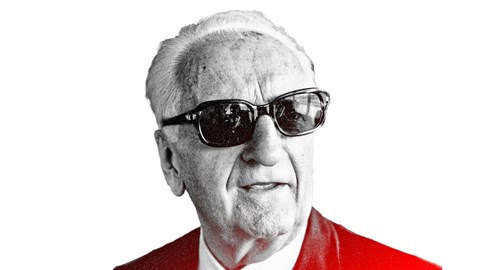
Powertrain rules should be written on a maximum of five pages, allowing engineers to show their craft. Enzo Ferrari in the afterlife must be ranting at the situation – not being allowed to show his company’s mastery of propulsion. Ferrari’s and Chapman’s spirits would surely form a rare alliance in wanting to bring high-technology, innovative competition back to F1.
console.debug(‘taboola container loaded..’)
window._taboola = window._taboola || [];
_taboola.push({
mode: ‘thumbs-feed-1×1’,
container: ‘taboola-below-article-thumbnails-v3’,
placement: ‘Below Article Thumbnails V3’,
target_type: ‘mix’
});



var disqus_shortname = ‘carmagazine’;
var disqus_developer = 0;
var disqus_identifier = ‘article-wp-269135’;
(function () {
var dsq = document.createElement(‘script’);
dsq.type = ‘text/javascript’;
dsq.async = true;
dsq.src = ‘http://’ + disqus_shortname + ‘.disqus.com/embed.js’;
(document.getElementsByTagName(‘head’)[0] || document.getElementsByTagName(‘body’)[0]).appendChild(dsq);
var s = document.createElement(‘script’);
s.type = ‘text/javascript’;
s.async = true;
s.src = ‘http://’ + disqus_shortname + ‘.disqus.com/count.js’;
(document.getElementsByTagName(‘head’)[0] || document.getElementsByTagName(‘body’)[0]).appendChild(s);
})();Please enable JavaScript to view the comments powered by Disqus.