[analyse_image type=”featured” src=”https://images.euronews.com/articles/stories/09/88/83/01/1200x675_cmsv2_8fa4b5b1-5596-569f-b8c0-7c82dc4330cc-9888301.jpg”]

Canada hits back with new counter tariffs on US goods

Mongolia positions itself as Asia’s next data centre hub

CIA director Ratcliffe makes secret trip to Moscow, US reports claim

Azerbaijan’s biggest bank enters Uzbek market with Davr Bank acquisition
Canada hits back with new counter tariffs on US goods
Mongolia positions itself as Asia’s next data centre hub
CIA director Ratcliffe makes secret trip to Moscow, US reports claim
Azerbaijan’s biggest bank enters Uzbek market with Davr Bank acquisition
Norway moves to tighten rules on use of smart glasses
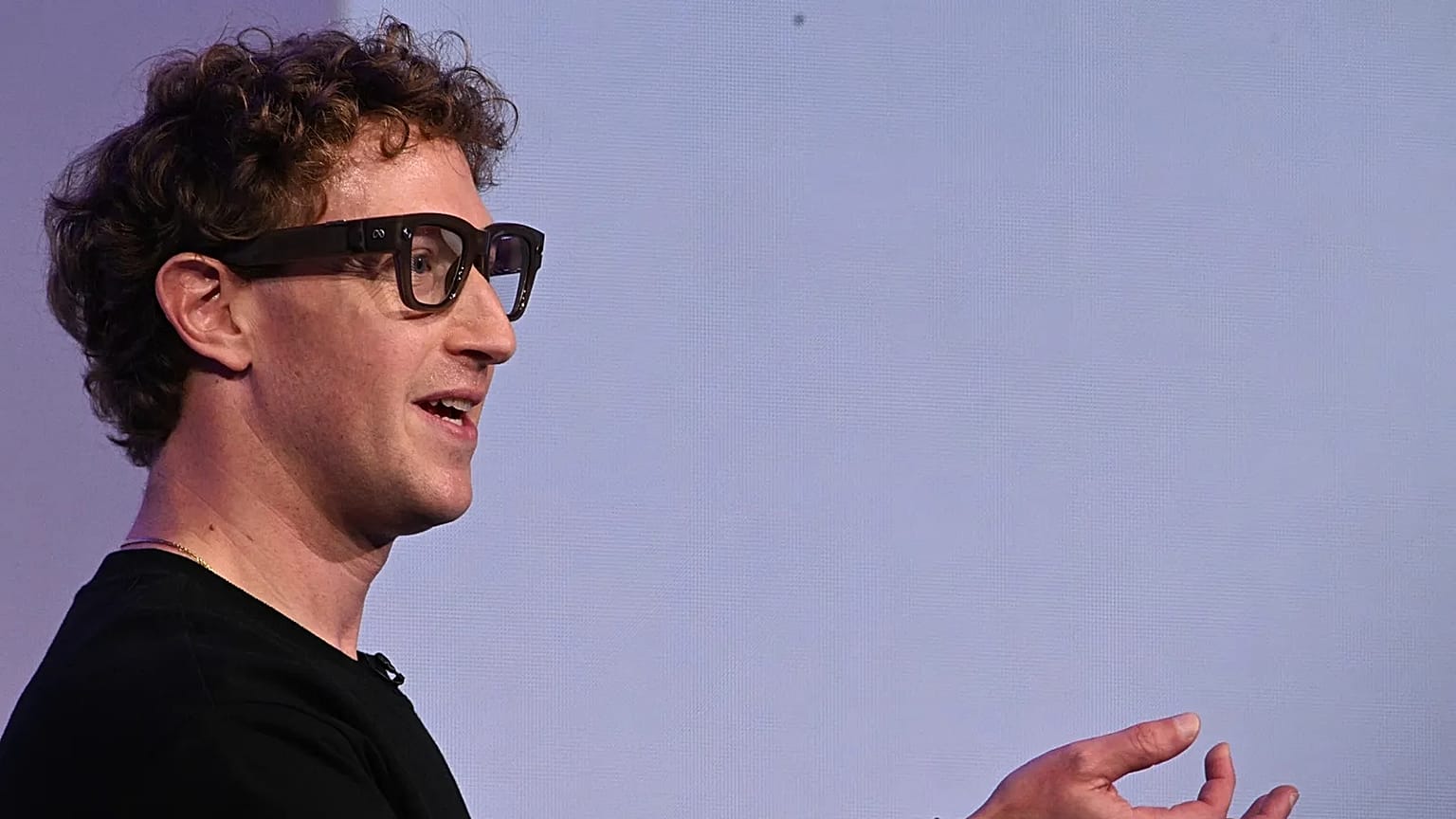
Meta CEO Mark Zuckerberg wears artificial intelligence-powered smart glasses and a wristband as he speaks during the company’s Connect developer conference.
– Copyright Copyright 2025 The Associated Press. All rights reserved

 Facebook
 Twitter
 Flipboard
 Send
Send Reddit
 Linkedin
 Messenger
 Telegram
 VK
VK Bluesky
 Threads
 Whatsapp
Smart eyewear is a type of wearable tech offering features such as built-in cameras, microphones, and augmented-reality displays, allowing users to capture photos and videos or project data into view.
Norway is planning to clamp down on the use of smart glasses and similar devices in response to concerns over privacy issues, Oslo announced on Tuesday.
 ADVERTISEMENTADVERTISEMENT
Norway’s Ministry of Digitalisation said it was seeking “stricter regulation” on the wearable tech and that it was urging both the public and private sectors to “consider their own guidelines.”
“We see that people’s privacy and data protection are being put under pressure by new technology, so I will therefore regulate smart glasses and similar devices more strictly than today,” Karianne Tung, Norway’s Minister of Digitalisation and Public Governance said.
“This could, for example, involve banning functions such as facial recognition of other people in public spaces,” Tung continued.
She added that the ministry would also establish an “expert group” that would advise the department on regulation of the technology.
Smart eyewear is a type of wearable tech offering features such as built-in cameras, microphones, and augmented-reality displays, allowing users to capture photos and videos or project data into view.
Its usage has become increasingly controversial in recent months, with critics voicing concern over privacy issues and the potential for the glasses to be used for “surveillance,” while others note its benefits for disabled people, particularly people who are blind or visually impaired.
Go to accessibility shortcuts
Read more
Meta smart glasses ban ignores Europe’s wider surveillance threat

Meta faces lawsuit over AI smart glasses privacy breach
Norway moves to tighten rules on use of smart glasses
Meta smart glasses ban ignores Europe’s wider surveillance threat
Meta faces lawsuit over AI smart glasses privacy breach
Norway moves to tighten rules on use of smart glasses

What is phubbing? The tech habit quietly damaging relationships

African nations ramp up space programmes to cut reliance on the West

The rise of retro tech among Gen Zers

ChatGPT to start showing ads across Europe next week
Could magnesium become the new lithium for electric vehicles?
The rise of retro tech among Gen Zers
African nations ramp up space programmes to cut reliance on the West
Macron confirms school mobile phone ban effective from new term
Another eclipse over Spain on 28 August: where and how to see it
ChatGPT to start showing ads across Europe next week
[analyse_source url=”https://www.euronews.com/next/2026/08/25/norway-moves-to-tighten-rules-on-use-of-smart-glasses”]