[analyse_image type=”featured” src=”https://images-prod.dazeddigital.com/1200/0-308-1830-1220/azure/dazed-prod/1260/8/1268842.jpg”]
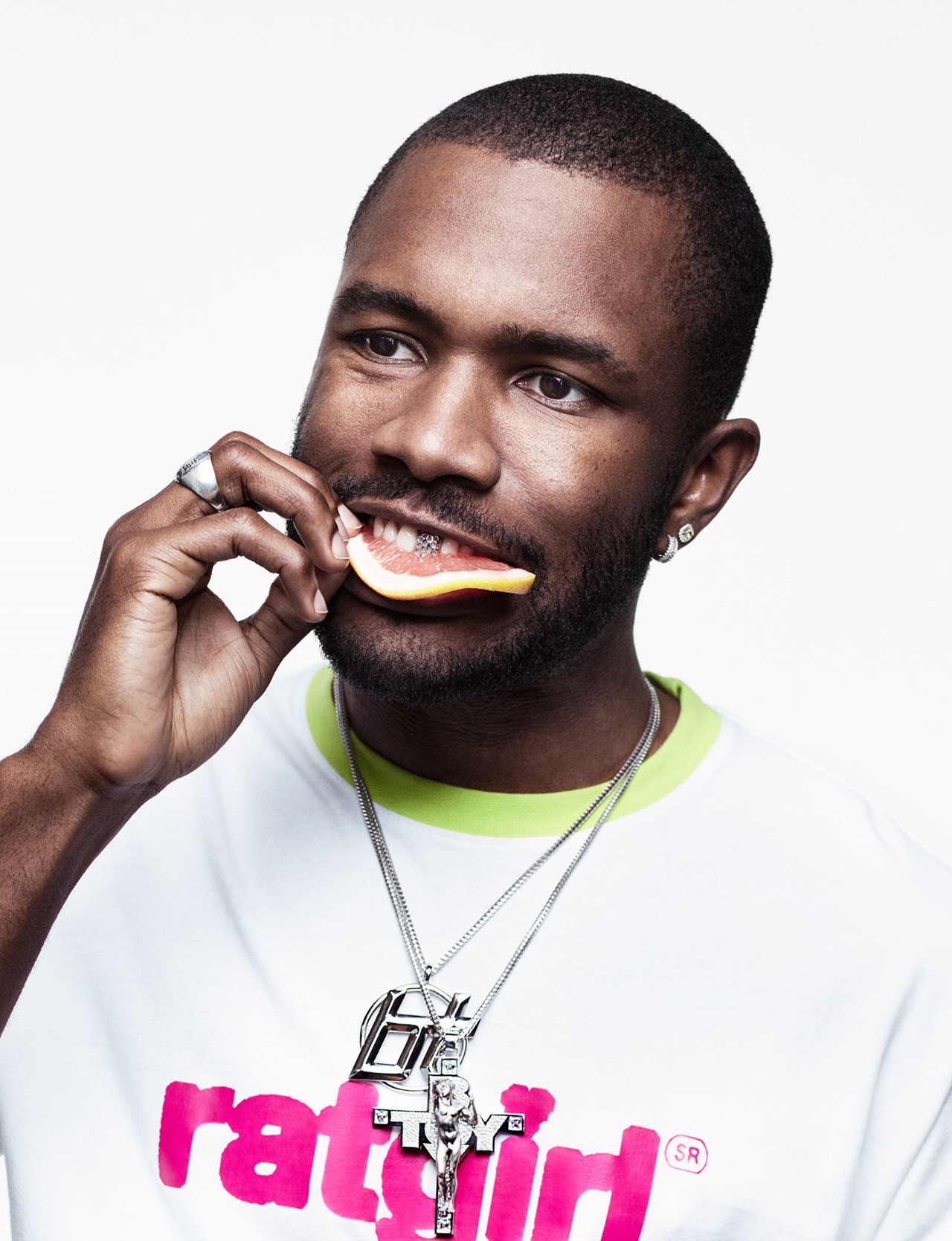
‘He never needs to drop again’: The legacy of Frank Ocean’s Blonde
10 years ago, the Grammy award-winning artist dropped Blonde, and music changed forever. Here, fans reflect on what the album has meant and continues to mean to them
Halima Jibril

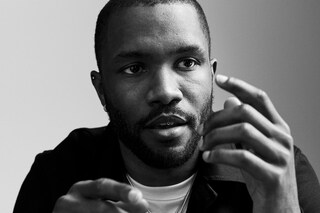
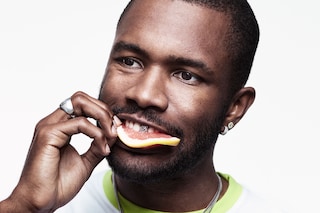
10 years ago, Christopher Edwin Breaux, known to the world as Frank Ocean, dropped his second studio album, Blonde. Released 48 hours after publishing his ambient 45-minute visual album Endless (the album he used to fulfil his contract obligations to Def Jam and Universal), the four-year-long drought, filled with cryptic Tumblr posts, letters and a library due date card with random dates, finally came to a disorienting and abundant end: two albums and a glossy accompanying magazine, Boys Don’t Cry.
Endless set the internet ablaze. Launched on a live stream, where dedicated, hungry fans watched Ocean build boxes and watch paint dry over previews of instrumental music. Pitchfork‘s Ryan Dombal called the whole spectacle “painfully dull”. But that all got overshadowed when Blonde debuted.
“R.I.P. Trayvon, that nigga look just like me”, Ocean’s autotuned child-like voice sings on lead single “Nikes”. The four years between Ocean’s critically acclaimed debut album Channel Orange and Blonde saw a modern civil rights movement erupt in the US, prompted by the brutal murders of 12-year-old Trayvon Martin; Michael Brown, Eric Garner, Tamir Rice, Eric Harris, Walter Scott, Freddie Grey, Alton Sterling, and many more by the police (or in the case of Martin, a neighbourhood watch volunteer, who was aquitted of all charges and served no prison time). Blonde is not a particularly political album, but this line is both its most overly political moment and one of its most memorable – a simple, haunting recognition that Martin’s unjust end could happen to any young Black man.
It’s a powerful introduction to an album that explores many themes: masculinity, drugs, family, queerness, youth, morality, self-love and self-hatred, and falling in and out of love. For many young people, it was the album they came of age to; an album so emotionally intelligent that listening to it felt like waking up for the first time. “To put it simply, Blonde gave boys my age access to a musical and emotional vocabulary that hadn’t existed before,” 29-year-old Jacob tells Dazed.
Blonde, in all its minimal simplicity (it mostly uses guitar and keyboard loops, albeit punctured by moments of psychedelic splendor, drawing influence from the likes of the Beach Boys and Todd Rundgren along with the R&B greats), is surprisingly difficult to describe. One thing’s for sure: it is profoundly affecting. Listening to it 10 years on, it’s difficult not to think of Ocean’s brother, Ryan Breaux, who died in a car crash in 2020 at the age of 18, and who features on the album’s final song “Futura Free”. Lines like “we’ll never be those kids again” on “Ivy,” which were always true, painful reflections on the passage of time, now hurt in new and unexpected ways, all these years later.
Below, fans of Ocean try their best to explain what this groundbreaking album means to them.
MONTSERRAT, 28
“Listening to Blonde was the first time, I was unequivocally moved by art and wanted to learn more about it. I had just turned 18 and was going on a family trip, so I downloaded the album to listen to offline. I listened to it all that spring and summer during car rides, looking out the window, and “Ivy” was my favourite song. During that time, I used to hook up with boys that pretended we were ‘just friends’ in public. The whole narrative about being loved and intimate behind closed doors really resonated with me. [The album] spoke on my terms and in my language about experiences I struggled to put into words. It was like a gateway drug to more complex artists and pieces, but it definitely changed my interests and the respect I had for music, performance and lyrics.”
MANNAV, 23
“Blonde means everything. I got a tattoo of the helmet from the album’s shoots on my 18th birthday. I listened to it once a day religiously during COVID. I wrote essays dissecting it, held listening parties, anything to get my people [friends] involved with this album. To this day, I can name every hidden feature, every sample and interpretation; I can spatially sense when Kanye says “love” on “White Ferrari”. This album got me into paying attention to music. It got me into being proud of being really nerdy. I haven’t heard it in maybe two years purely because I committed it to memory early on. His brother’s interviews on the back end of “Futura Free” are still icebreaker questions that I ask people. “What’s one superpower you wish you had?” etc. It‘s a life-changing, seminal piece of work. I’m okay with him never dropping again. He’s done enough. This album will feel new again in several years of not listening.”
AMARÍ, 24
“Up until that point, I only had one picture of romance, or even love, or a crush for that matter. I thought there was only one way that it could go. Then I listened to Blonde when I was 14. Frank’s entire infatuation with references to cars, religion, style and memory felt so specific to me. So niche! I remember hearing “Nikes” for the first time and getting stuck on the line about the yarmulke. I literally stopped and researched it because I was so fascinated by the idea of him talking about a boy, desire, and identity while pulling in something so deeply cultural and symbolic. He takes all of these references and filters them through this glittery, hazy, almost red-lit mind: smoking with a boy, sweat and “glitter”, memories, all of it colliding into one feeling. I think that was the first time I understood that infatuation could look and sound so beautiful.“
DHARAM, 21
“I remember exactly where I was when Blonde came out: I had just moved houses after my parents split and had such a weird summer of not knowing what things would look like for 11-year-old me, and now, 10 years later, I don’t think I would’ve been able to predict the trajectory of my interests, studies, career (or anything). My favourite song on the album has to be “Skyline To”. There’s something so liminal about it. Maybe I was being a really introspective tween, but it was really comforting to see the fear and beauty of the unknown be navigated in the song – and the way it constantly oscillated between them. That’s how I feel about the whole album, really.“
ISABEL, 27
“Blonde was the first time I ever fully noticed the concept of an album. I was in secondary school when it dropped. I didn’t really listen to Western music, so it was my first venture into it. My friends and I listened to it on repeat, chose our favourite songs and were mind-blown by all the featured artists as well. It’s lowkey a gateway album to other great albums. We all stanned Frank like crazy afterwards. In retrospect, we were all overreacting a bit, but as teenagers, I think it was normal. I still really like the music, but I wouldn’t die over it now. It’s a very sentimental album to me, though, given the amount of time I spent discussing it with friends. “Nikes” was the song we listened to together the most. And then we went to see him together at Lovebox in 2017 – it was unbelievable! He was late as fuck, and I didn’t know any of the words, but he had a grip on my friends and me. I think my love for the album at the time was more about the community, but it was such a good soundtrack to our Black and gay teenage friendship.“
JACOB, 29
“When Blonde was released, it was the last few weeks of summer before going back to my second year of university. I was 19 years old. I remember the online buzz, with Endless released and the immediate follow-up a day later: Blonde. I was a huge fan of Channel Orange, and I remember being so excited. The first time I listened to the album in its entirety was on a late-night drive with my girlfriend at the time. I remember thinking how beautiful the album was, the variety and creativity on display. If you take “Pink + White” and “White Ferrari”, I was struck by the moments of density versus how happy Frank was creating a stillness in his music. The first song that really stuck with me would have been “Nights”; the atmosphere so perfectly matched the drive, watching the sunset and streetlights passing us by. The beat switch in “Nights” might have fundamentally changed my brain chemistry; it made me consider music differently and the multitude of emotions a single song can evoke. To put it simply, Blonde gave boys my age access to a musical and emotional vocabulary that hadn’t existed before. It also created a generation of softboys who endlessly speculated and crashed out on Reddit over the follow-up album that never arrived.“
Escape the algorithm! Get The Drop
Get must-see stories direct to your inbox every weekday.
Thank you. You have been subscribed
Expand your creative community and connect with 30,000+ creatives from around the world.
Trending
6 eclectic tracks that shaped Raf-Saperra
Malcolm Todd may forget his shirt, but the Gap jeans and flip-flops stay on
10 of the hottest Instagram accounts fusing art, sex and erotica
Punketos: Meet the Gen-Z punks of Mexico City
9 essential books to read by women in translation
Blissful photos of friends reuniting amid a steamy Berlin summer
Hot couture: How will extreme heat change the fashion industry?

The sexiest flesh-baring Instagram accounts you need to follow
Escape the algorithm! Get The Drop
Get must-see stories direct to your inbox every weekday.
Thank you. You have been subscribed
10 years ago, Christopher Edwin Breaux, known to the world as Frank Ocean, dropped his second studio album, Blonde. Released 48 hours after publishing his ambient 45-minute visual album Endless (the album he used to fulfil his contract obligations to Def Jam and Universal), the four-year-long drought, filled with cryptic Tumblr posts, letters and a library due date card with random dates, finally came to a disorienting and abundant end: two albums and a glossy accompanying magazine, Boys Don’t Cry.
Endless set the internet ablaze. Launched on a live stream, where dedicated, hungry fans watched Ocean build boxes and watch paint dry over previews of instrumental music. Pitchfork‘s Ryan Dombal called the whole spectacle “painfully dull”. But that all got overshadowed when Blonde debuted.
“R.I.P. Trayvon, that nigga look just like me”, Ocean’s autotuned child-like voice sings on lead single “Nikes”. The four years between Ocean’s critically acclaimed debut album Channel Orange and Blonde saw a modern civil rights movement erupt in the US, prompted by the brutal murders of 12-year-old Trayvon Martin; Michael Brown, Eric Garner, Tamir Rice, Eric Harris, Walter Scott, Freddie Grey, Alton Sterling, and many more by the police (or in the case of Martin, a neighbourhood watch volunteer, who was aquitted of all charges and served no prison time). Blonde is not a particularly political album, but this line is both its most overly political moment and one of its most memorable – a simple, haunting recognition that Martin’s unjust end could happen to any young Black man.
It’s a powerful introduction to an album that explores many themes: masculinity, drugs, family, queerness, youth, morality, self-love and self-hatred, and falling in and out of love. For many young people, it was the album they came of age to; an album so emotionally intelligent that listening to it felt like waking up for the first time. “To put it simply, Blonde gave boys my age access to a musical and emotional vocabulary that hadn’t existed before,” 29-year-old Jacob tells Dazed.
Blonde, in all its minimal simplicity (it mostly uses guitar and keyboard loops, albeit punctured by moments of psychedelic splendor, drawing influence from the likes of the Beach Boys and Todd Rundgren along with the R&B greats), is surprisingly difficult to describe. One thing’s for sure: it is profoundly affecting. Listening to it 10 years on, it’s difficult not to think of Ocean’s brother, Ryan Breaux, who died in a car crash in 2020 at the age of 18, and who features on the album’s final song “Futura Free”. Lines like “we’ll never be those kids again” on “Ivy,” which were always true, painful reflections on the passage of time, now hurt in new and unexpected ways, all these years later.
Below, fans of Ocean try their best to explain what this groundbreaking album means to them.
MONTSERRAT, 28
“Listening to Blonde was the first time, I was unequivocally moved by art and wanted to learn more about it. I had just turned 18 and was going on a family trip, so I downloaded the album to listen to offline. I listened to it all that spring and summer during car rides, looking out the window, and “Ivy” was my favourite song. During that time, I used to hook up with boys that pretended we were ‘just friends’ in public. The whole narrative about being loved and intimate behind closed doors really resonated with me. [The album] spoke on my terms and in my language about experiences I struggled to put into words. It was like a gateway drug to more complex artists and pieces, but it definitely changed my interests and the respect I had for music, performance and lyrics.”
MANNAV, 23
“Blonde means everything. I got a tattoo of the helmet from the album’s shoots on my 18th birthday. I listened to it once a day religiously during COVID. I wrote essays dissecting it, held listening parties, anything to get my people [friends] involved with this album. To this day, I can name every hidden feature, every sample and interpretation; I can spatially sense when Kanye says “love” on “White Ferrari”. This album got me into paying attention to music. It got me into being proud of being really nerdy. I haven’t heard it in maybe two years purely because I committed it to memory early on. His brother’s interviews on the back end of “Futura Free” are still icebreaker questions that I ask people. “What’s one superpower you wish you had?” etc. It‘s a life-changing, seminal piece of work. I’m okay with him never dropping again. He’s done enough. This album will feel new again in several years of not listening.”
AMARÍ, 24
“Up until that point, I only had one picture of romance, or even love, or a crush for that matter. I thought there was only one way that it could go. Then I listened to Blonde when I was 14. Frank’s entire infatuation with references to cars, religion, style and memory felt so specific to me. So niche! I remember hearing “Nikes” for the first time and getting stuck on the line about the yarmulke. I literally stopped and researched it because I was so fascinated by the idea of him talking about a boy, desire, and identity while pulling in something so deeply cultural and symbolic. He takes all of these references and filters them through this glittery, hazy, almost red-lit mind: smoking with a boy, sweat and “glitter”, memories, all of it colliding into one feeling. I think that was the first time I understood that infatuation could look and sound so beautiful.“
DHARAM, 21
“I remember exactly where I was when Blonde came out: I had just moved houses after my parents split and had such a weird summer of not knowing what things would look like for 11-year-old me, and now, 10 years later, I don’t think I would’ve been able to predict the trajectory of my interests, studies, career (or anything). My favourite song on the album has to be “Skyline To”. There’s something so liminal about it. Maybe I was being a really introspective tween, but it was really comforting to see the fear and beauty of the unknown be navigated in the song – and the way it constantly oscillated between them. That’s how I feel about the whole album, really.“
ISABEL, 27
“Blonde was the first time I ever fully noticed the concept of an album. I was in secondary school when it dropped. I didn’t really listen to Western music, so it was my first venture into it. My friends and I listened to it on repeat, chose our favourite songs and were mind-blown by all the featured artists as well. It’s lowkey a gateway album to other great albums. We all stanned Frank like crazy afterwards. In retrospect, we were all overreacting a bit, but as teenagers, I think it was normal. I still really like the music, but I wouldn’t die over it now. It’s a very sentimental album to me, though, given the amount of time I spent discussing it with friends. “Nikes” was the song we listened to together the most. And then we went to see him together at Lovebox in 2017 – it was unbelievable! He was late as fuck, and I didn’t know any of the words, but he had a grip on my friends and me. I think my love for the album at the time was more about the community, but it was such a good soundtrack to our Black and gay teenage friendship.“
JACOB, 29
“When Blonde was released, it was the last few weeks of summer before going back to my second year of university. I was 19 years old. I remember the online buzz, with Endless released and the immediate follow-up a day later: Blonde. I was a huge fan of Channel Orange, and I remember being so excited. The first time I listened to the album in its entirety was on a late-night drive with my girlfriend at the time. I remember thinking how beautiful the album was, the variety and creativity on display. If you take “Pink + White” and “White Ferrari”, I was struck by the moments of density versus how happy Frank was creating a stillness in his music. The first song that really stuck with me would have been “Nights”; the atmosphere so perfectly matched the drive, watching the sunset and streetlights passing us by. The beat switch in “Nights” might have fundamentally changed my brain chemistry; it made me consider music differently and the multitude of emotions a single song can evoke. To put it simply, Blonde gave boys my age access to a musical and emotional vocabulary that hadn’t existed before. It also created a generation of softboys who endlessly speculated and crashed out on Reddit over the follow-up album that never arrived.“
Escape the algorithm! Get The Drop
Get must-see stories direct to your inbox every weekday.
Thank you. You have been subscribed
[analyse_source url=”https://www.dazeddigital.com/music/article/70820/1/frank-ocean-blonde-tenth-anniversary-cultural-legacy-fans-reflect”]