[analyse_image type=”featured” src=”https://velo-cdn.outsideonline.com/wp-content/uploads/2026/08/DSC_5585-Edit-2.jpg”]
Pros
Exceptionally smooth, vibration-damping ride quality
BSA threaded BB, UDH, and 27.2mm round seatpost
Modern 32mm tire clearance
Excellent value backed by a lifetime frame warranty and local shop support
Aggressive, crit-ready race geometry
Clean aesthetics with Delta Steerer internal routing
Cons
Heavy and not aero optimized
Supplied tires are not tubeless-compatible
Price doesn’t favor high-end aluminum
Not enough bare aluminum options
Specs
Size tested: 54
Weight: 8.98 kg / 19.8 lb
Price: $3,999
Brand: Cannondale
Verdict
The CAAD14 delivers an incredibly engaging ride for a price that, adjusted for inflation, hasn’t changed since 2009. It’s a great bike first and a great value second. The fact that you can walk into a local bike shop and roll out with a legitimate race machine—backed by a lifetime frame warranty—makes it one of the smartest buys on the market.
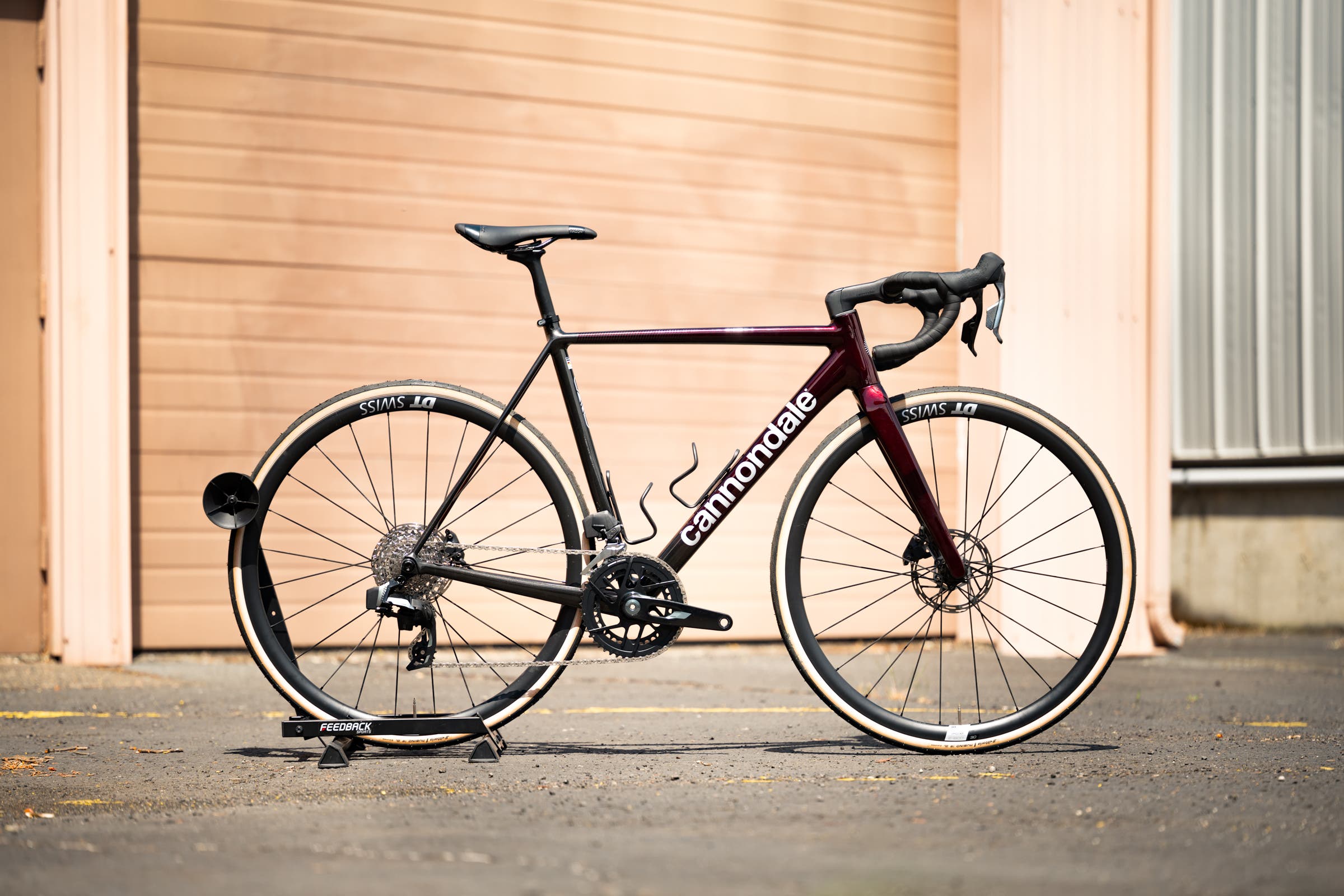
The Cannondale CAAD line of bikes is legendary. Full stop. If you don’t know how good these bikes once were, you are missing out. They were some of the most lively, fun-riding bikes of all time, and they were a bargain. Even in 2026, I still tell people that if you want a great ride for a great price, go find whatever disc-brake CAAD you see being sold cheap. The only question now is if a new Cannondale CAAD is still relevant in the face of modern competition.
Now, I get to answer that question. Cannondale claims the CAAD 14 is a return to form for one of the greatest bikes in modern memory, but is it really? There is barely any marketing in the launch booklet, and what is there is almost entirely a list of superlatives referencing the past.
I didn’t need to see that list, though. I already know the history because I’ve got my own CAAD9 from the late 2000s sitting right where I can see it from my desk. So, does the 2026 Cannondale CAAD 14 actually live up to the legend?
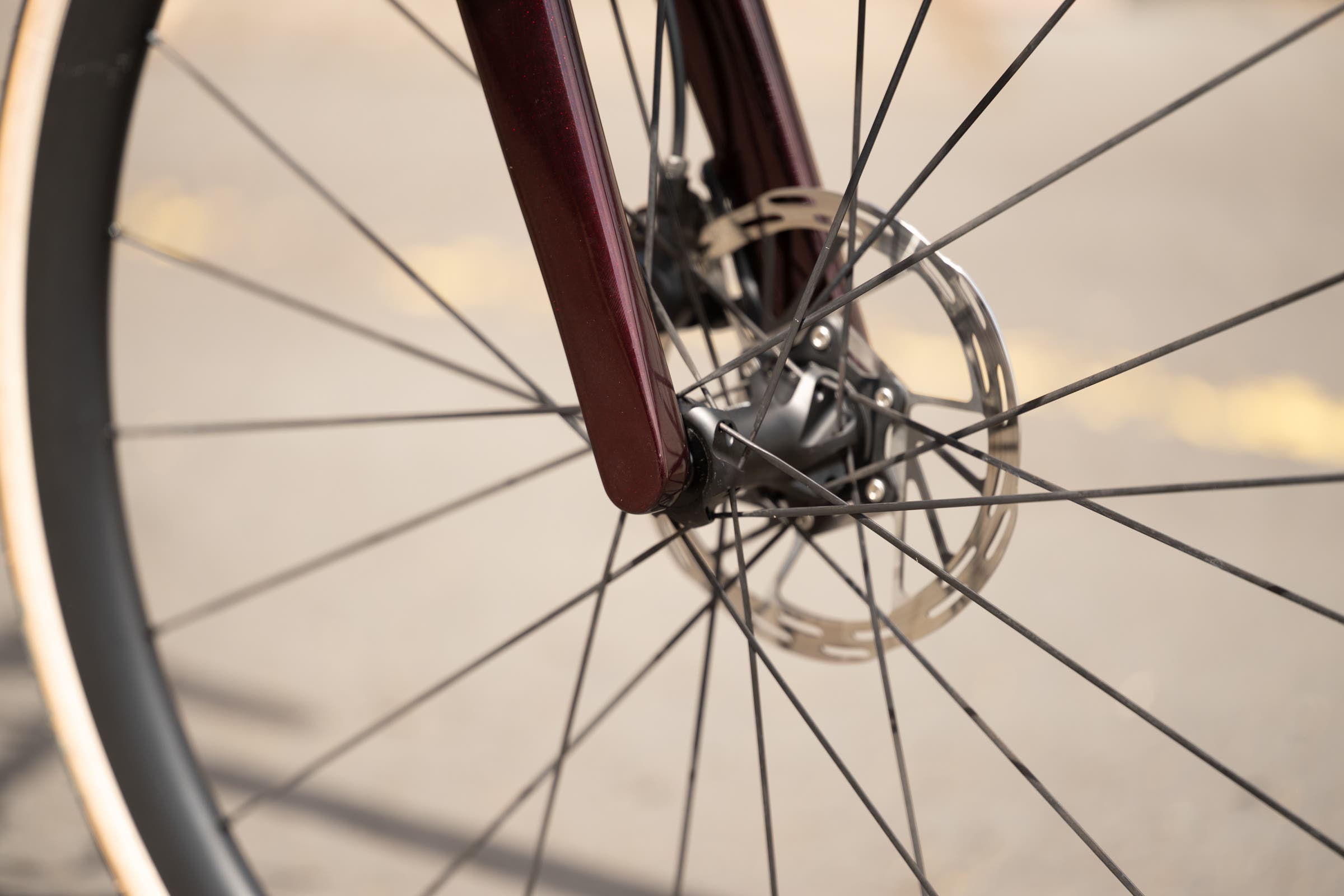
Quick hits: 7 standout details of the Cannondale CAAD14
- Max tire clearance of 32mm
- 1410g frame / 397 g fork / ready to ride minus pedals 8.98 kg
- Frameset only is available but not with bare aluminum
- Lifetime frame warranty
- Uses a threaded BB, UDH, and a 27.2 seatpost for ease of ownership
- Carbon fork uses a Cannondale Delta Steerer for internal cable routing
- Inflation adjusted the CAAD bike hasn’t changed in price since at least 2009
- For more information visit the Cannondale Website
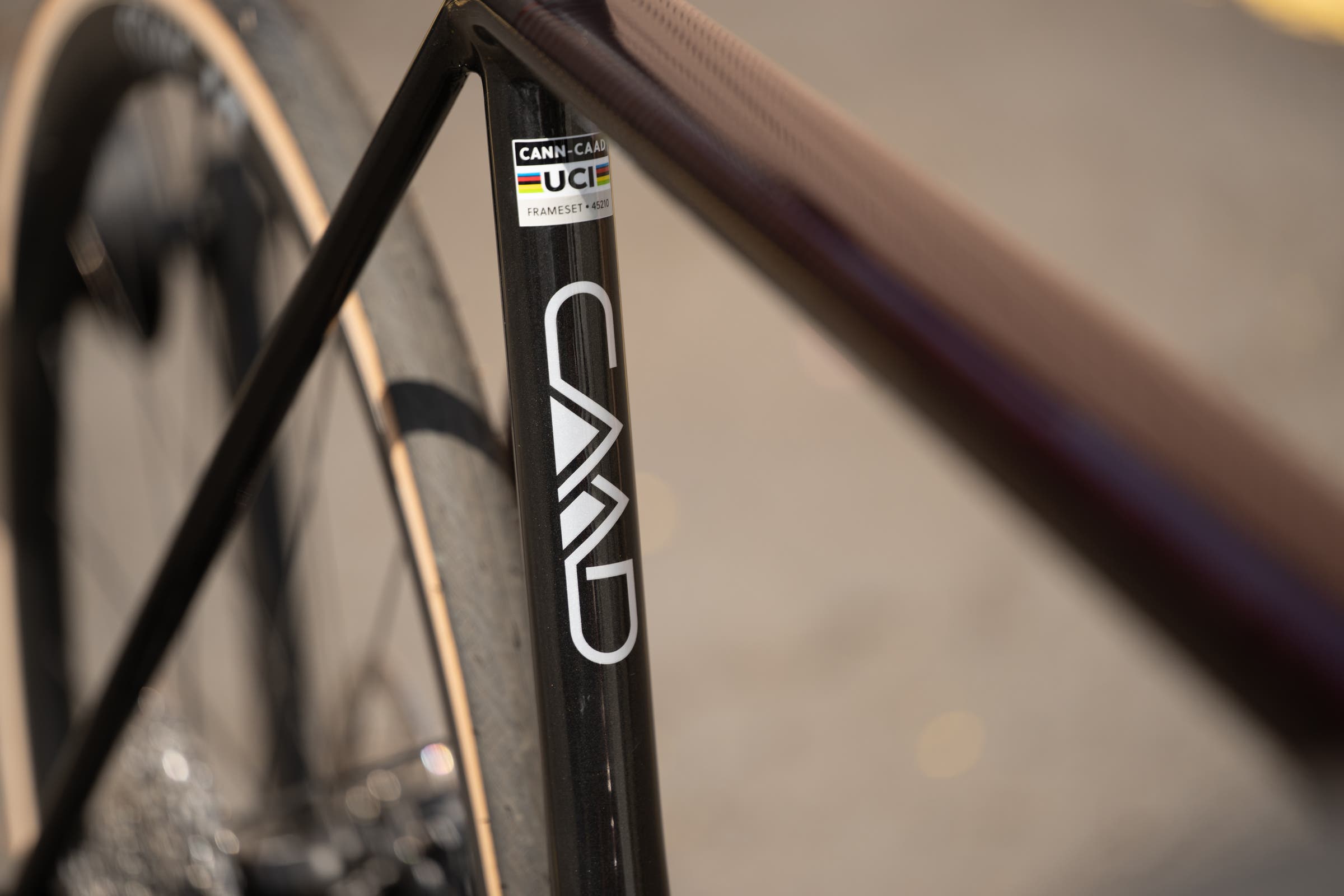
Cannondale CAAD14 frame details
Consumers often dismiss marketing as a distraction, but I’d push back on that. A brand’s marketing reveals exactly how that brand perceives its own product. In this case, Cannondale starts the story with a surprising admission of a mistake.
According to Cannondale the CAAD13 went down a path that wasn’t right and the CAAD14 is correcting that mistake. At least in 2026, aluminum can not compete with carbon for a road bike frame. That’s okay, that’s the point. You don’t choose aluminum as a second class citizen, you choose it for its unique properties.
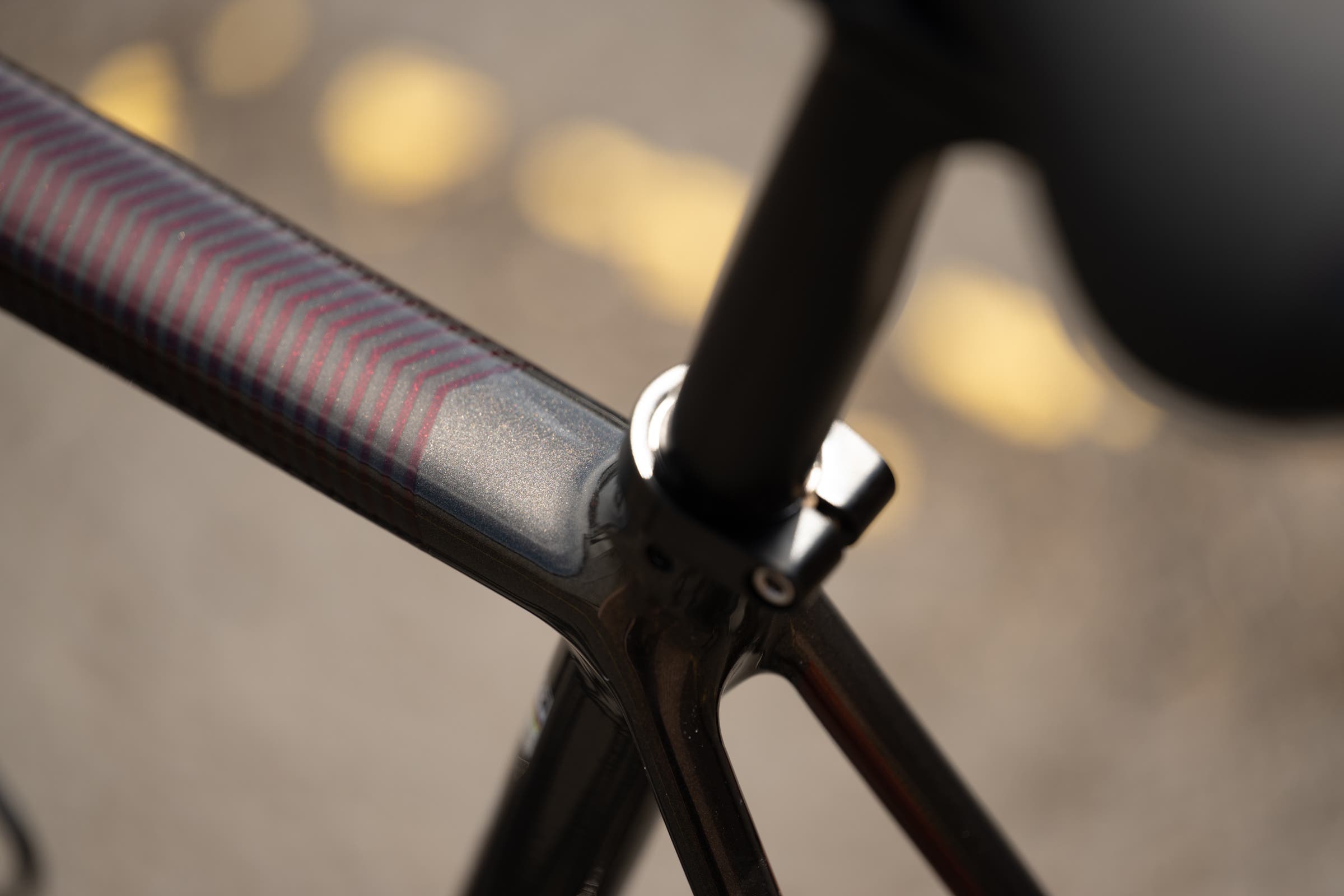
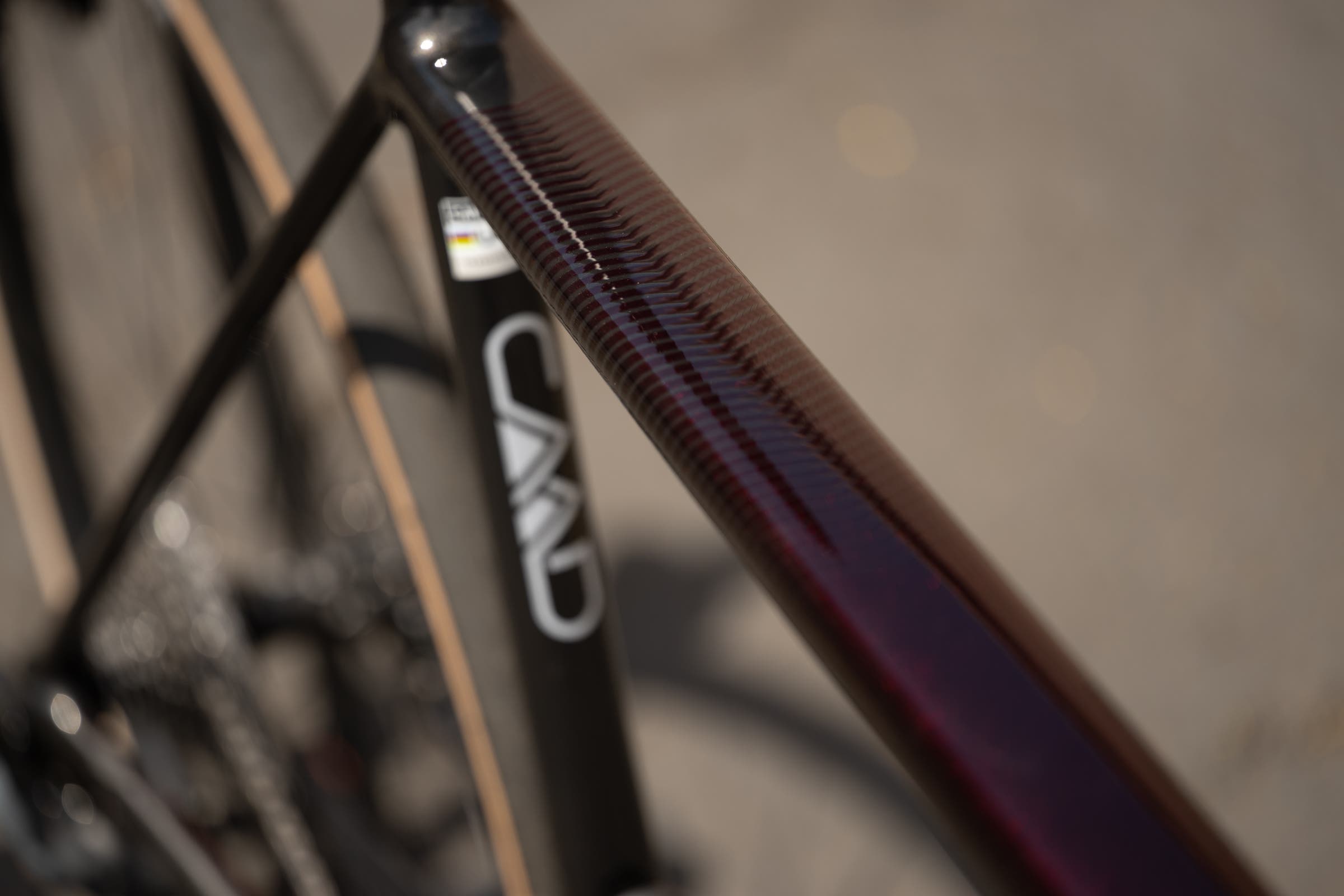
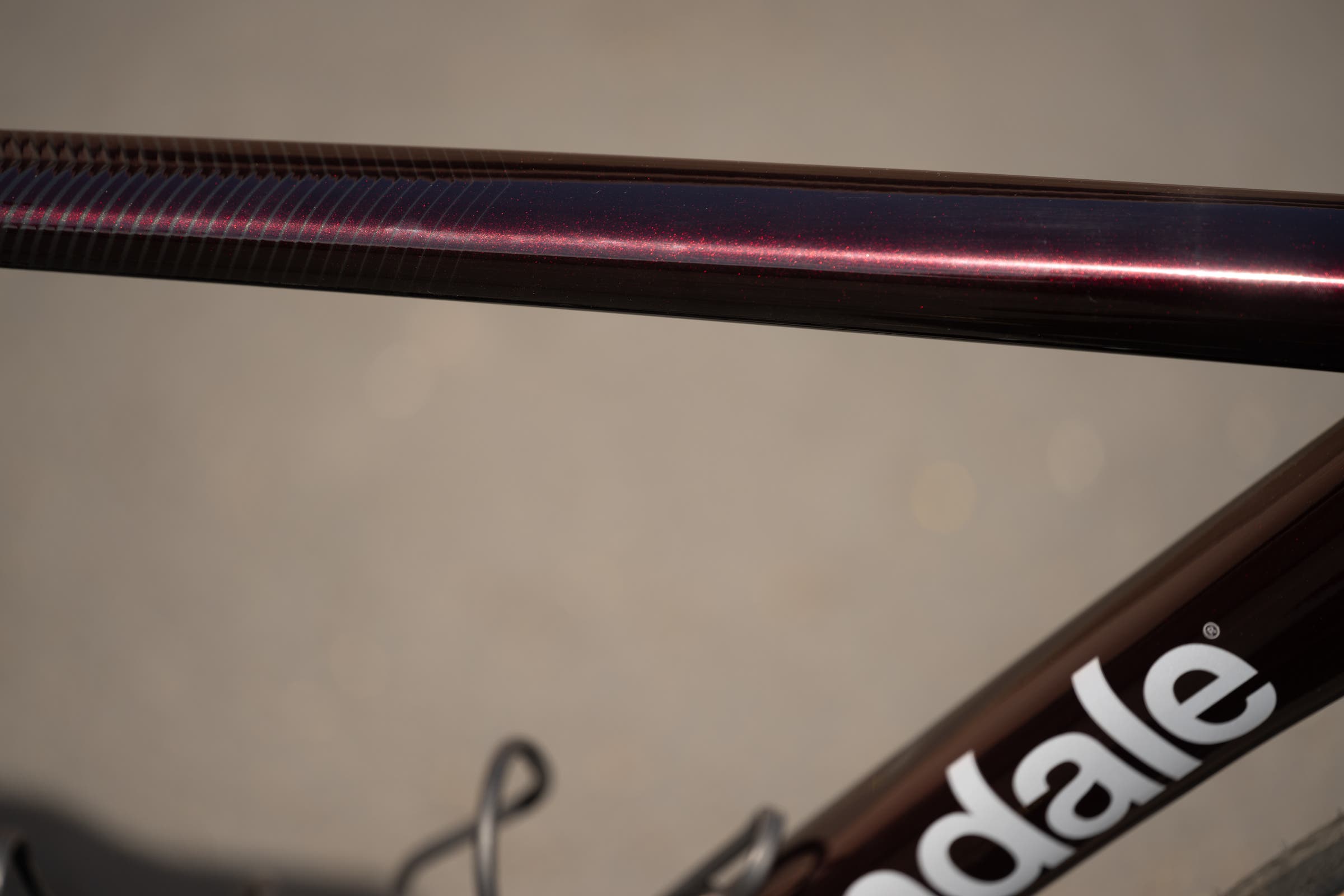
For the CAAD14 what that means is no more trying to mimic carbon. This is a metal bike and you won’t find the dropped seatstays and aero-profiled tubes that the CAAD13 employed to copy the carbon SuperSix EVO. This is a design-first bike and a return to a classic silhouette with traditional, large-diameter round tubes. According to the brand, the new design is “honest to its material and intent,” operating under the tagline, “Not carbon, not sorry.”
Of course, as much as I love a good design story, a bike is equal parts engineering, and Cannondale had to focus on making this bike modern. Often the most obvious part of that is frame weight, but this time the numbers aren’t what you’d expect. The official Cannondale weight for the CAAD14 is 1280 grams for the lightest version or 1410 grams for a painted size 56, and I measured my build at 8.98kg ready to ride minus pedals. Meanwhile, when we tested the CAAD13, the quoted spec was 8.20 kg.
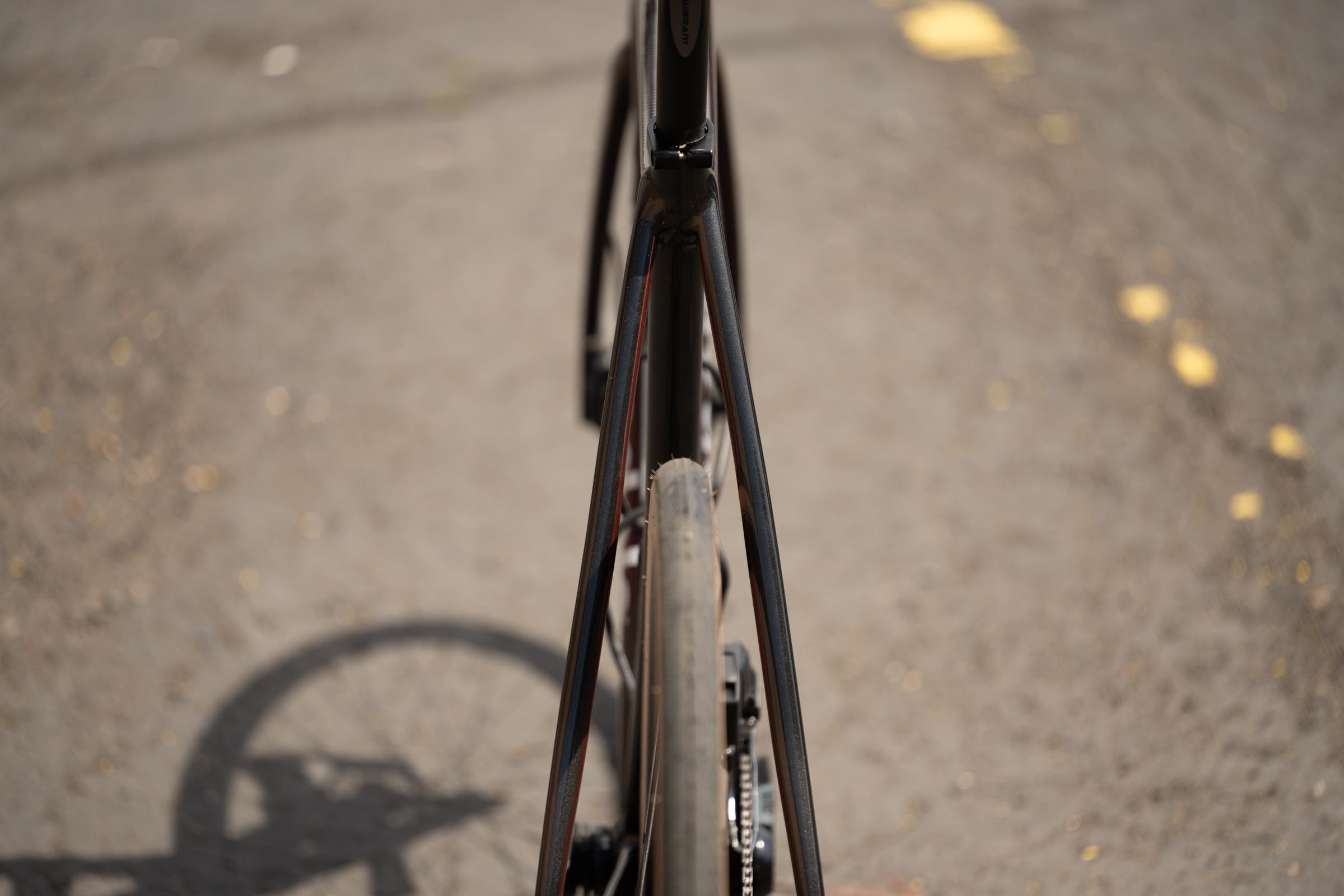
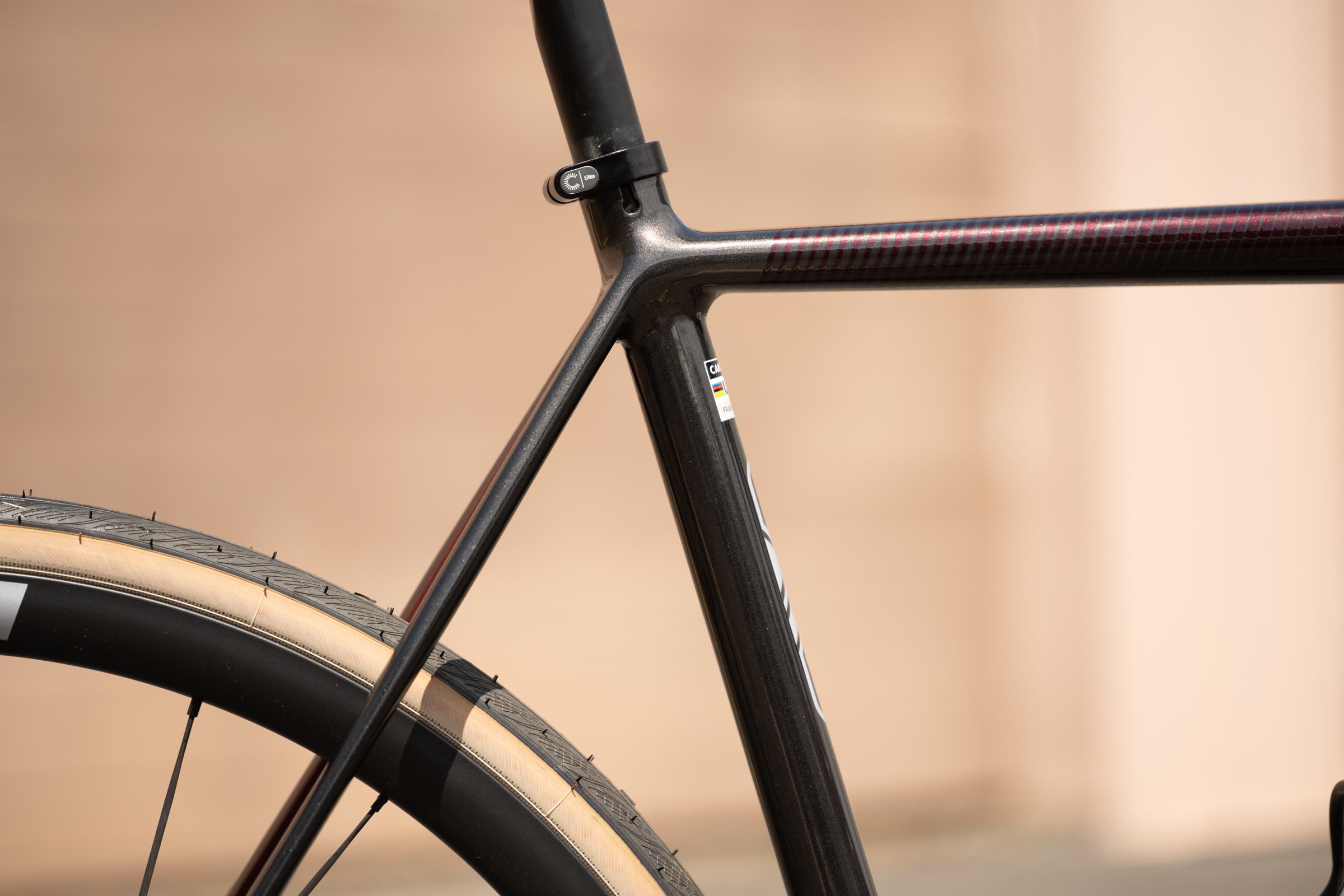
Clearly the frame got heavier, but it’s the kind of heavier that makes sense. Bigger tubes are used to balance head tube and bottom bracket stiffness against compliance while keeping the lively and direct feel that a CAAD bike represents. There’s no more press-fit or odd bottom bracket standards but rather a return to standard BSA. At the front of the bike, there’s no more cables and instead the carbon fork uses the triangular shaped Delta steerer system to fit the cables through the bearings. And, most importantly, there’s more tire clearance. While the old bike topped out at 30mm for the disc brake version, the CAAD14 steps up to a modern 32mm.
Tire clearance doesn’t come for free. On one hand it can mean more weight because of a physically bigger bike, but it also presents an engineering challenge with regard to handling. What gives a CAAD bike the unique flavor it has is as much about the geometry as the material.
A CAAD has to be direct and immediate and that’s a challenge when you put a bigger, taller tire on a bike as it pushes the axle higher off the ground. That geometry shift naturally increases the trail, which slows down the steering and makes the bike feel sluggish. This is not an endurance bike. A CAAD frame is a very specific historic touchpoint and Cannondale addressed the issue by adjusting fork rakes and head tube angles across the size run and holding a static 58mm trail figure across every frame size.
The trail figure is the same as the CAAD13 (ignore that the CAAD13 had one outlier in the size 44 that no longer exists) but now you’ve got modern rubber. From an engineering standpoint this might not be a monumental task but it does cost more money. If nothing else, it illustrates that Cannondale isn’t treating the CAAD14 as a cheap stand-in for the SuperSix.
Build details
To really drive home the point that this isn’t a stand-in for carbon at a lower price point, Cannondale is even offering what is essentially a special edition version of the new frame. The CAAD14 1 Raw is meant as a showcase for the material and the concept, but there are only 300 being made. According to the brand, that isn’t artificial to drive scarcity, but rather a necessity of how hard it is to create. Cannondale states, “With no paint or primer to hide behind, only the very best frames pulled off the line qualify” to move on and be “hand-brushed, logoed, and finished with the lightest clear coat.”
That means you’ll probably want to consider the CAAD14 1 unobtanium. If you want to replicate the build with a 1x groupset, one-piece carbon bar and stem, and deep Reserve wheels, your choices are limited to two painted framesets. On the upside, you can beat the price of the top build by a few hundred dollars with upgraded hubs and a handlebar that’s your exact size. You could also go in a completely different direction, but that’s how it looks to duplicate the Cannondale build.
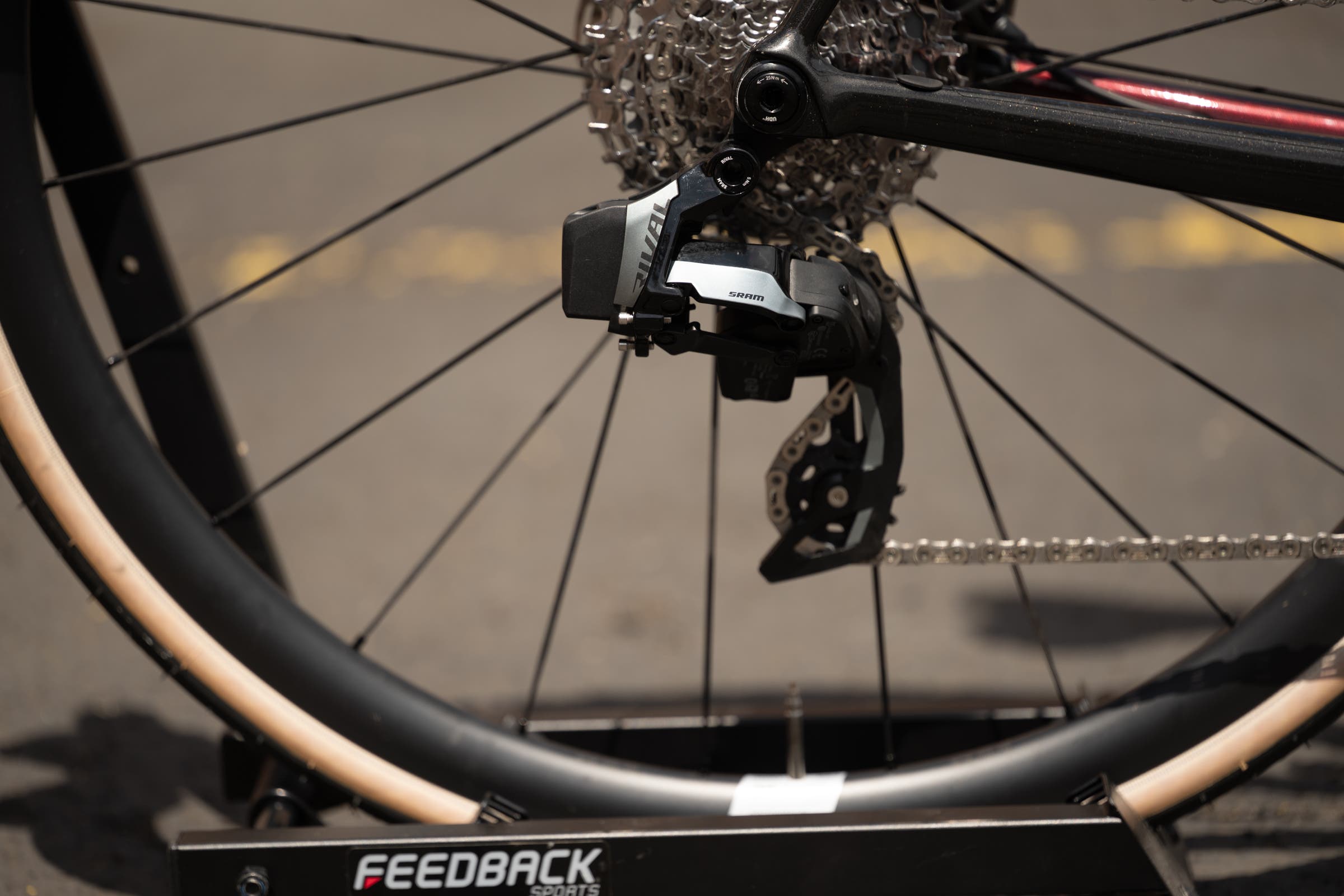
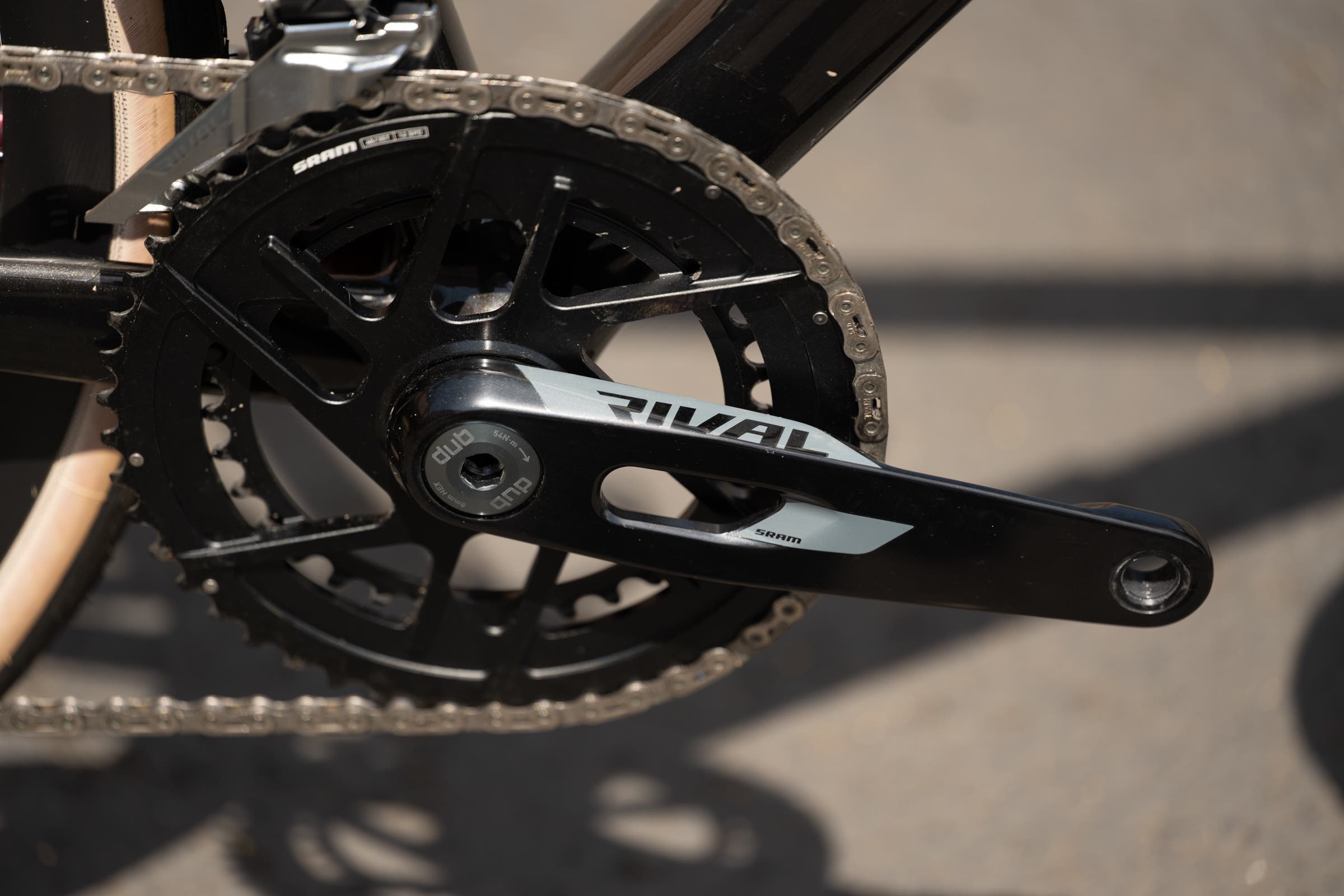
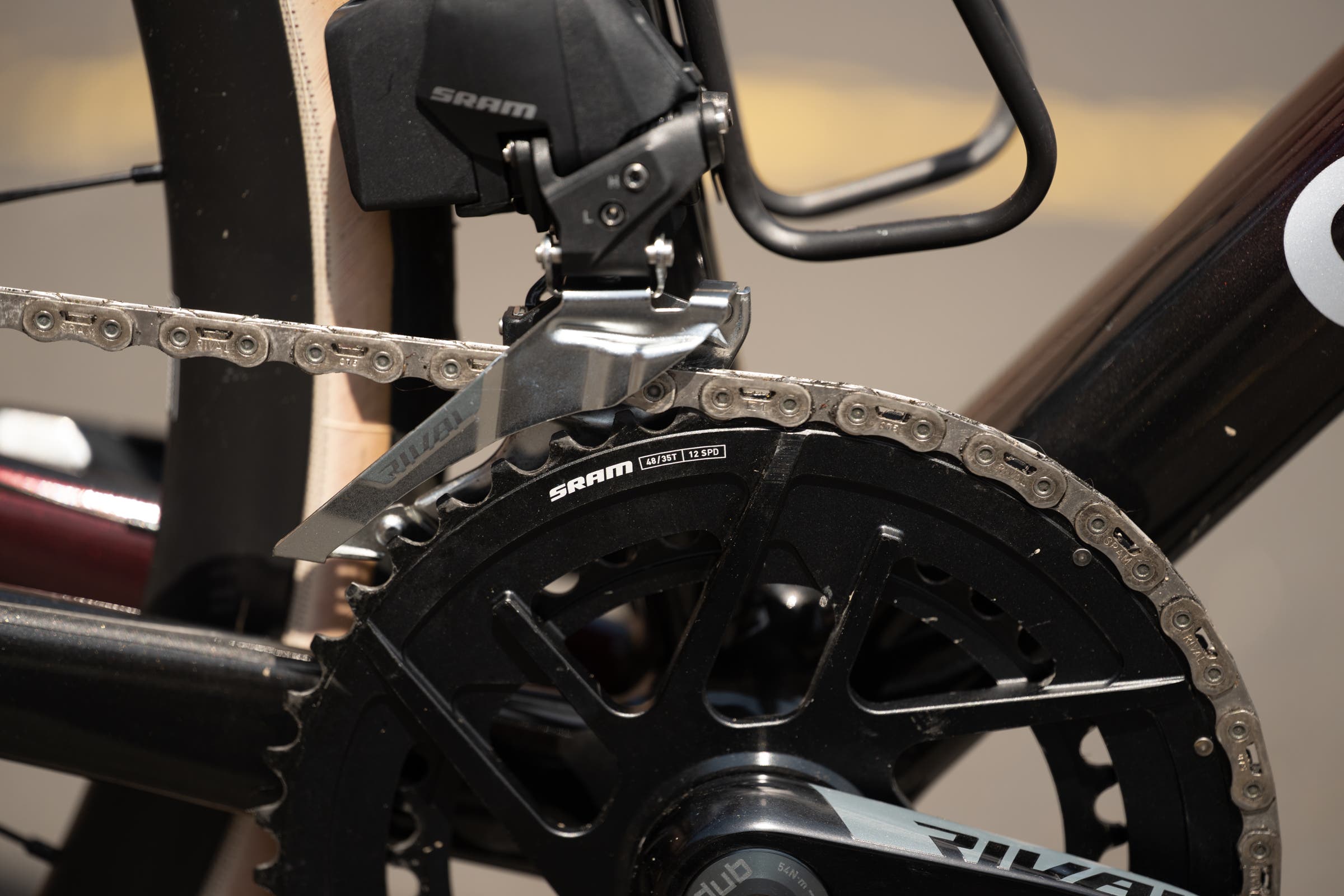
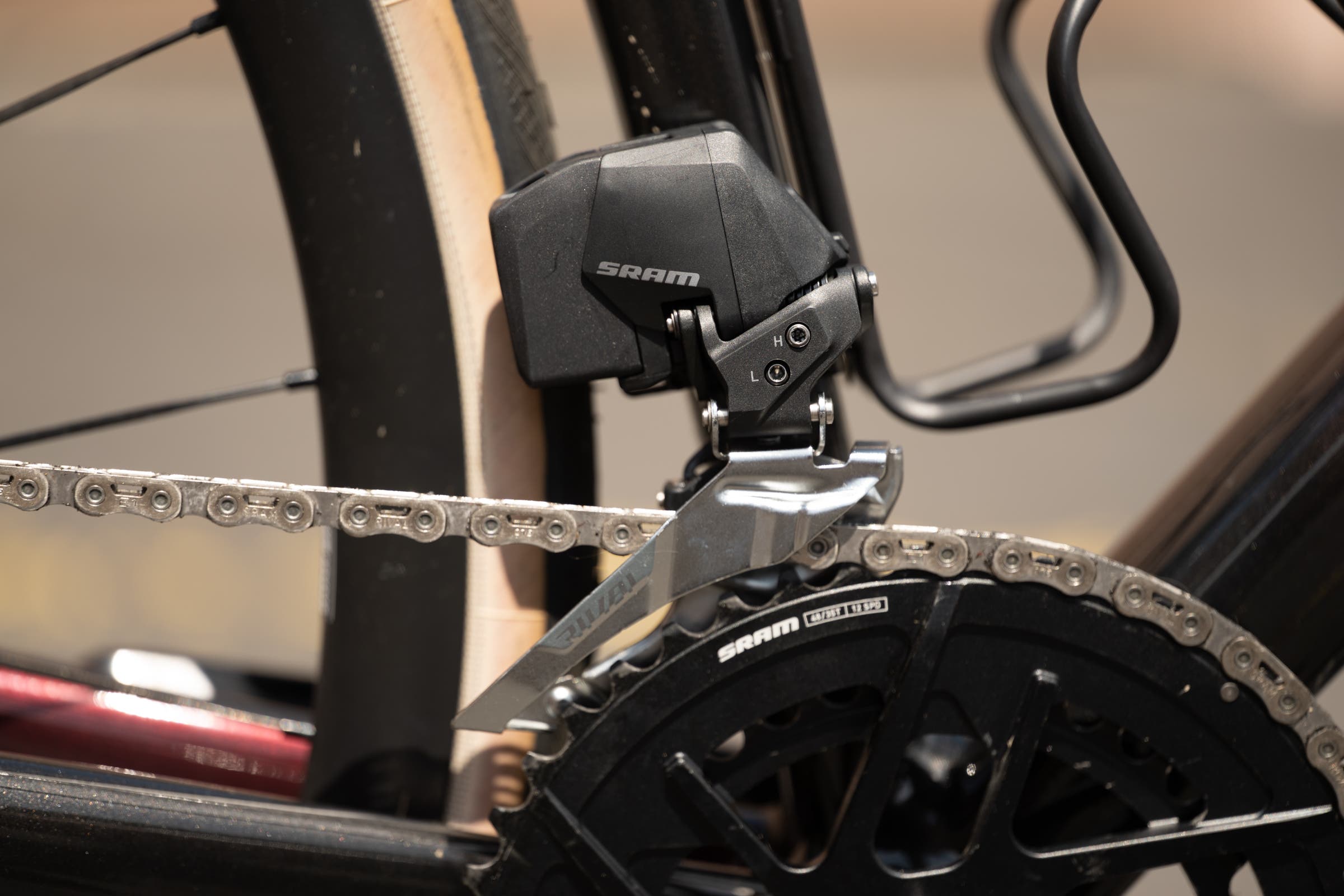
Other than that, things are simple. The base model build is a Shimano mechanical 105 groupset, or there’s a SRAM Rival AXS option. Neither option offers notable wheels, and differences like a carbon seatpost on the more expensive bike aren’t a big deal to add later. Primarily this is a choice between groupsets and both are very good. Just decide if you want electronic or mechanical shifting.
| Model Name | Price (USD) | Groupset | Wheels | Power Meter | Cockpit Type |
| CAAD14 1 | $7,499 | SRAM Force XPLR AXS | Reserve 57/64 (with DT 370) | Force AXS Power Meter | Cannondale SystemBar R-One |
| CAAD14 2 | $3,999 | SRAM Rival AXS | DT Swiss E1800 with DT Swiss 370 | N/A | Cannondale C1 Conceal stem and Vision Trimax Aero |
| CAAD14 3 | $2,499 | Mechanical Shimano 105 | Cannondale RD 2.0 Disc with Shimano TC500 | N/A | Cannondale C1 Conceal stem and Vision Trimax Compact |
| CAAD14 frameset Frameset | $1,799 |
Cannondale CAAD14 geometry
| 48.0 | 51.0 | 54.0 | 56.0 | 58.0 | 61.0 | |
| Seat Tube Length (cm) | 49.0 | 52.5 | 55.5 | 58.0 | 60.0 | 62.0 |
| Top Tube Horizontal (cm) | 52.1 | 53.3 | 54.8 | 56.4 | 58.1 | 60.4 |
| Top Tube Actual (cm) | 51.2 | 52.9 | 54.6 | 56.3 | 57.8 | 59.8 |
| Head Tube Angle | 71.2 | 71.2 | 71.2 | 73.0 | 73.0 | 73.0° |
| Seat Tube Angle | 74.1 | 73.7 | 73.3 | 72.9 | 72.5 | 72.1° |
| Standover (cm) | 73.2 | 76.1 | 78.5 | 80.9 | 82.8 | 85.1 |
| Head Tube Length (cm) | 9.8 | 11.7 | 13.8 | 15.1 | 17.2 | 20.3 |
| Wheelbase (cm) | 99.0 | 100.1 | 101.2 | 99.8 | 101.1 | 102.9 |
| Front Center (cm) | 58.7 | 59.6 | 60.8 | 59.3 | 60.5 | 62.3 |
| Chain Stay Length (cm) | 41.5 | 41.5 | 41.5 | 41.5 | 41.5 | 41.5 |
| Bottom Bracket Drop (cm) | 7.4 | 7.2 | 7.2 | 6.9 | 6.9 | 6.9 |
| Bottom Bracket Height (cm) | 26.8 | 27.1 | 27.1 | 27.3 | 27.3 | 27.3 |
| Fork Rake (cm) | 5.5 | 5.5 | 5.5 | 4.5 | 4.5 | 4.5 |
| Trail (cm) | 5.8 | 5.8 | 5.8 | 5.8 | 5.8 | 5.8 |
| Stack (cm) | 50.5 | 52.0 | 54.0 | 56.0 | 58.0 | 61.0 |
| Reach (cm) | 37.7 | 38.1 | 38.6 | 39.2 | 39.8 | 40.7 |
| Axle to Crown (cm) | 37.6 | 37.6 | 37.6 | 37.6 | 37.6 | 37.6 |
Cannondale CAAD14 2 ride experience
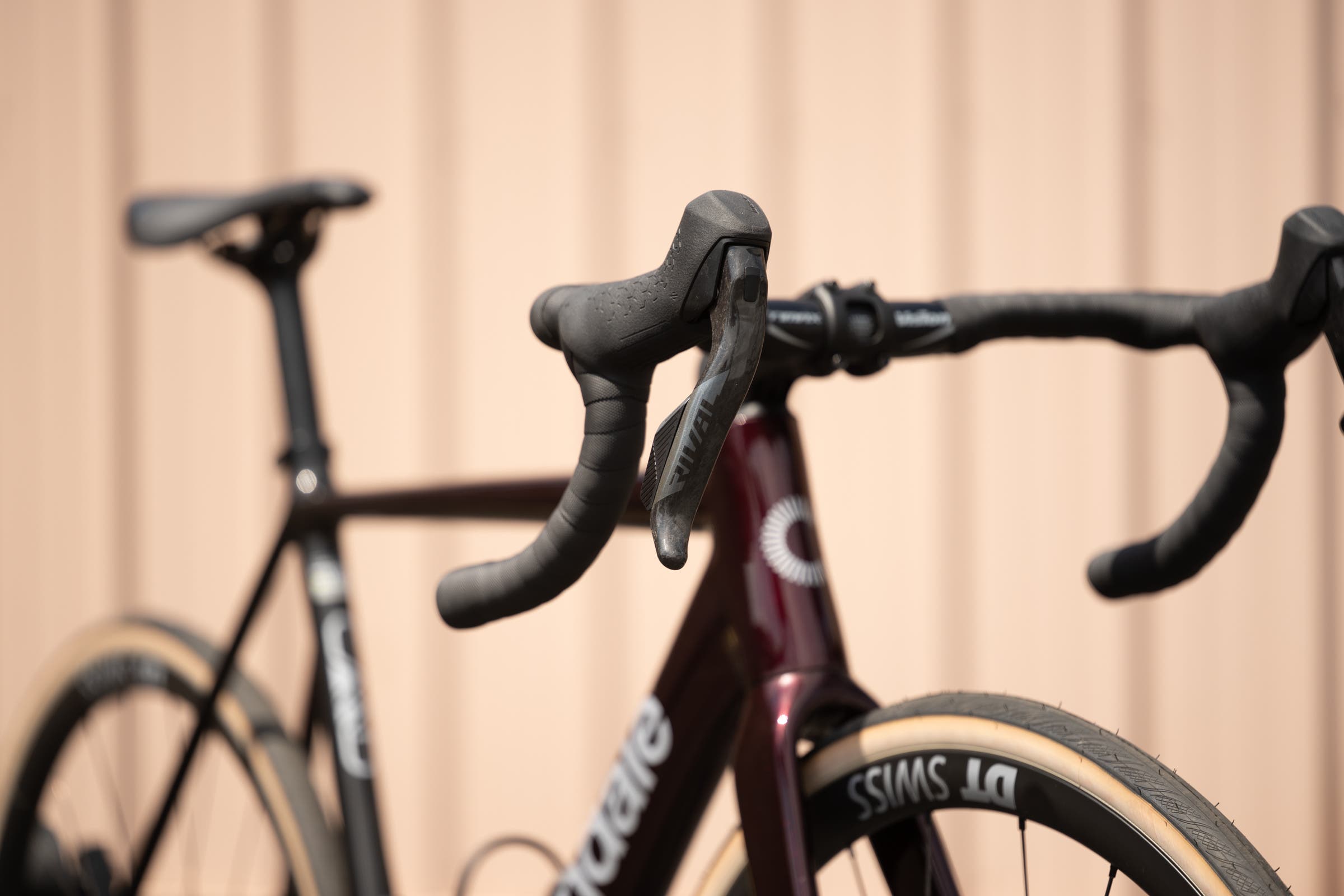
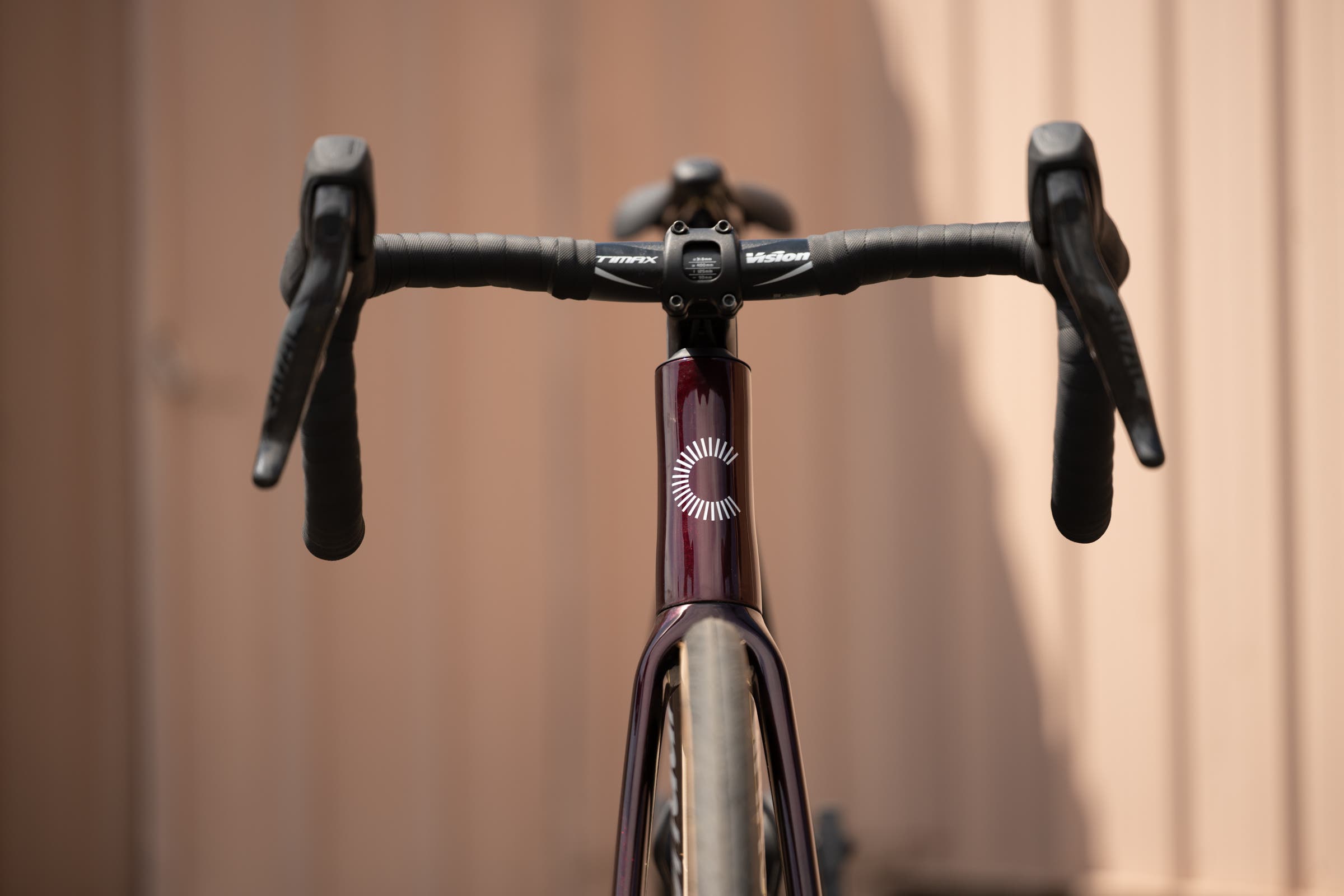
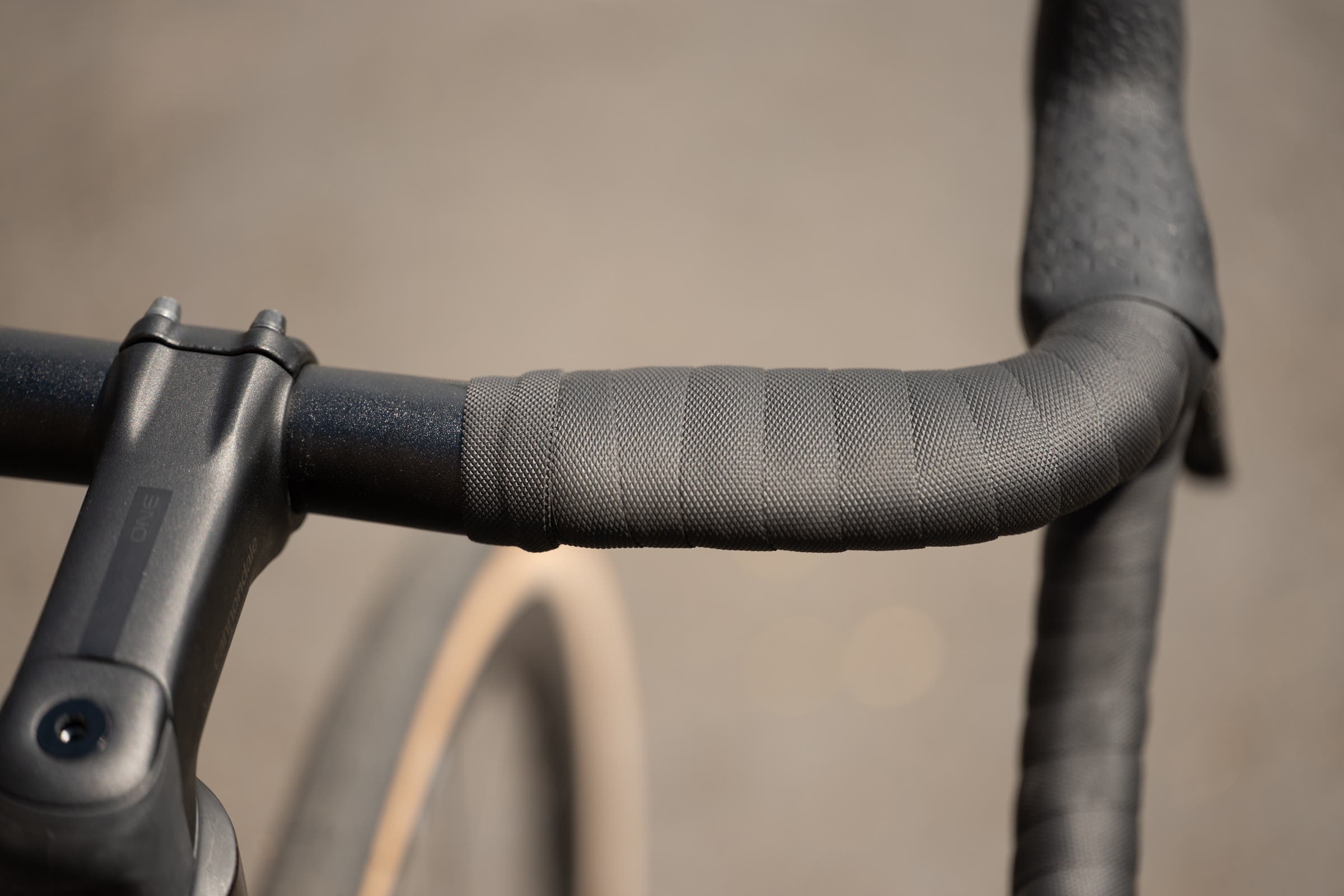
The first thing I always notice when I start testing a new bike is the cockpit. That might seem obvious, but the amount of times I encounter odd choices is shocking. The CAAD14 doesn’t come with anything fancy. This build uses a $100 Vision Trimax Aero alloy bar. In theory, it’s nothing special, but at the same time it’s perfect for what it is and that’s the trend here.
The CAAD14 isn’t trying to be more than it is, but the choices made translate into a ready-to-ride bike that’s incredibly fun. Sticking with the cockpit, those Vision bars come specced in a 400mm width for the size 54 frameset with a 100mm stem, and they’ve got a flattened out tops section that both looks good and is comfortable to climb with. You don’t have to run out and change this setup.
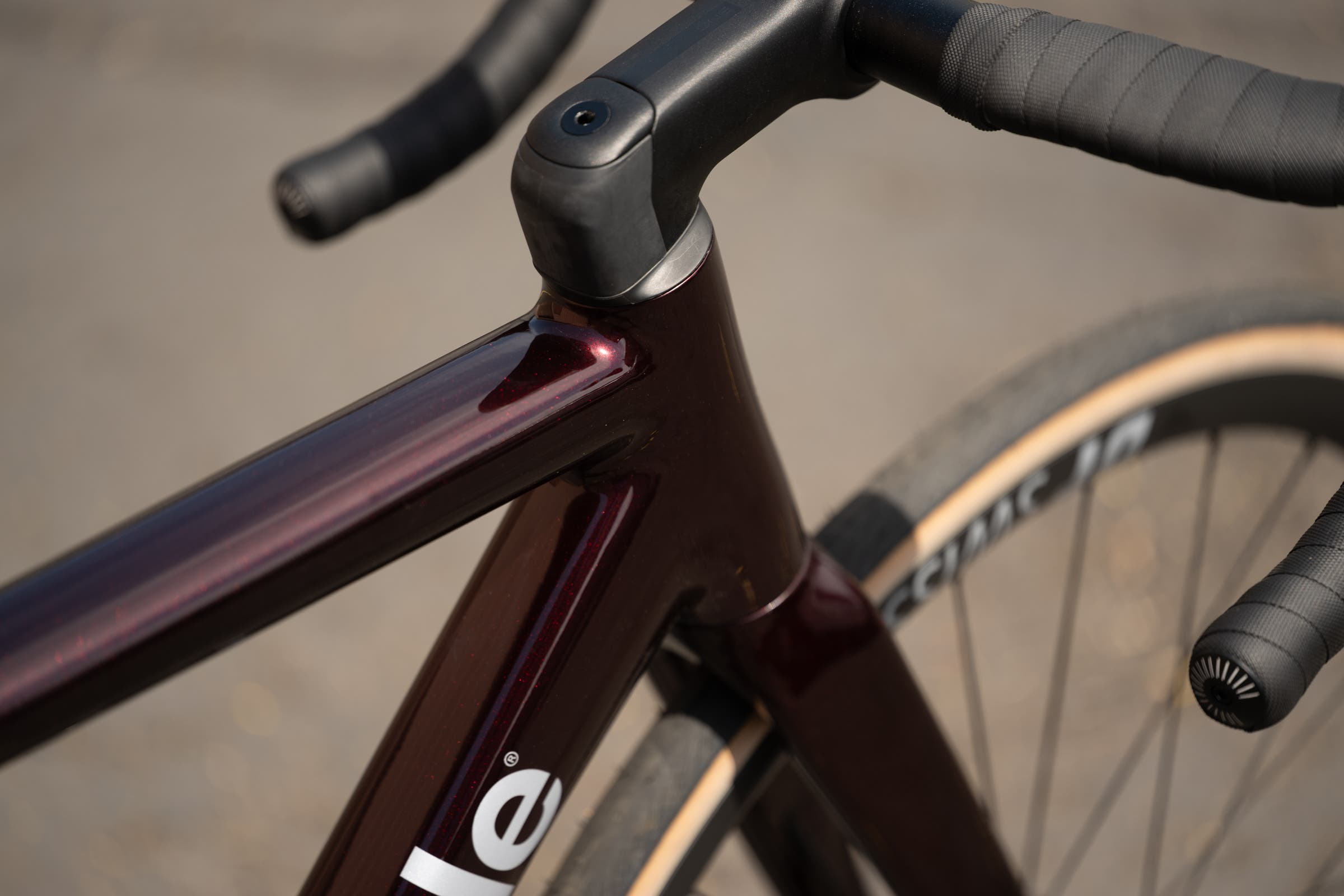
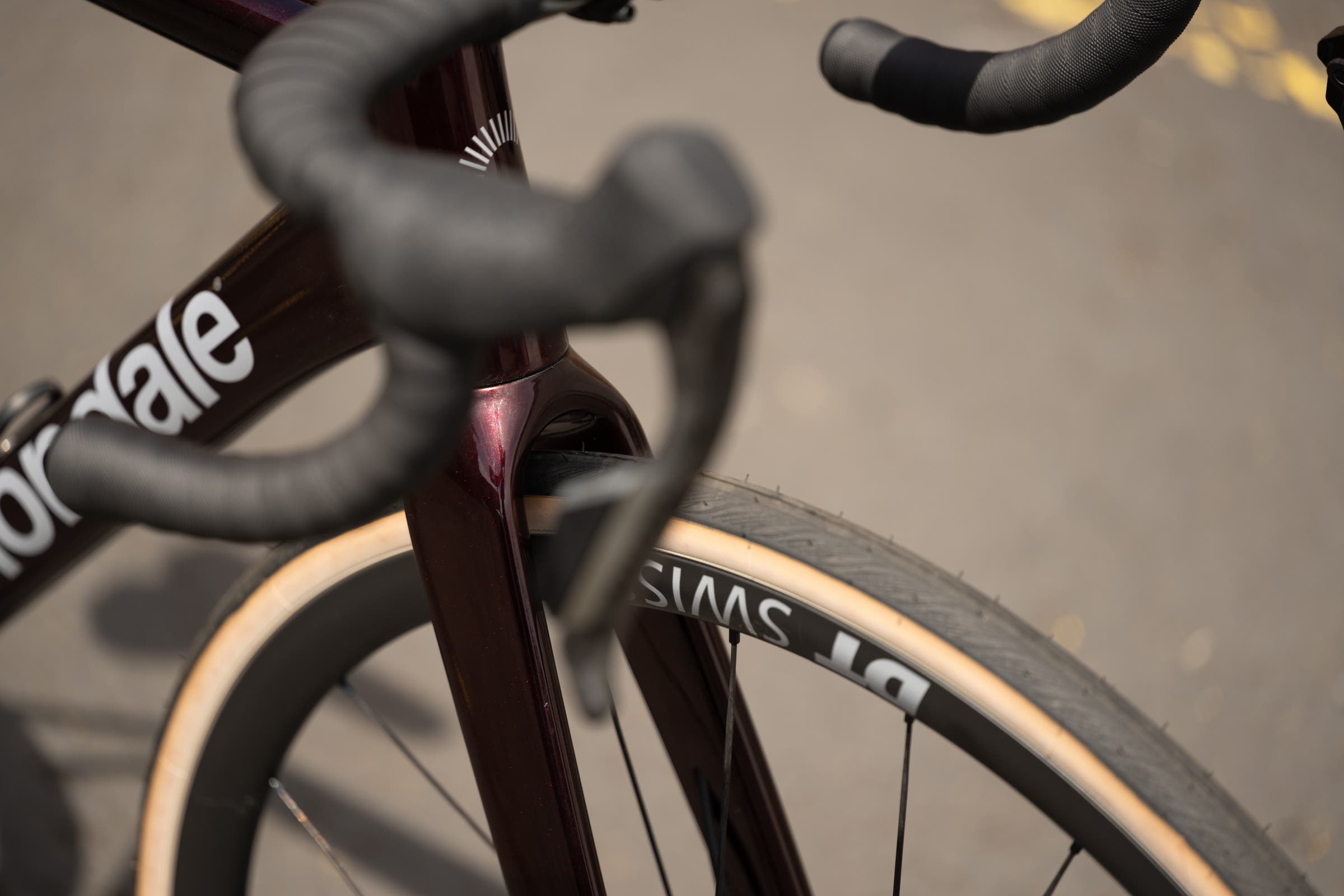
If you do decide to change it out though, be aware of the Delta Steerer setup with internal routing. The bar might be inexpensive, but the cables travel under the stem and through the bearings alongside the steerer tube. The fact that the bar is good is even more important given it’s slightly harder to change it. The upside is a clean looking front of the bike that looks every bit as modern as it is. I understand not everyone will agree with the tradeoff, but I’d say the greater market has spoken on this point.
When it’s time to actually ride this bike, its true crit-racing DNA takes over immediately. The CAAD series has a long-standing reputation for aggressive geometry, and the CAAD14 delivers exactly that. In a size 54, it actually pushes a lower and more stretched-out fit than the Specialized Tarmac SL8. With a stack of 540mm and a reach of 386mm, it sits 4mm lower and 2mm longer than the SL8. That’s not the comparison that immediately jumped to mind, though. For me, the CAAD fits like the Look 795 Blade RS, which is about as aggressive and stretched as you’ll find.
The practical result is that I love sitting in an aero tuck on this bike. With my hands on top of the hoods and my forearms parallel to the ground, there’s tons of room to feel comfortable and I can get my back flatter than a long list of other bikes I’ve ridden.
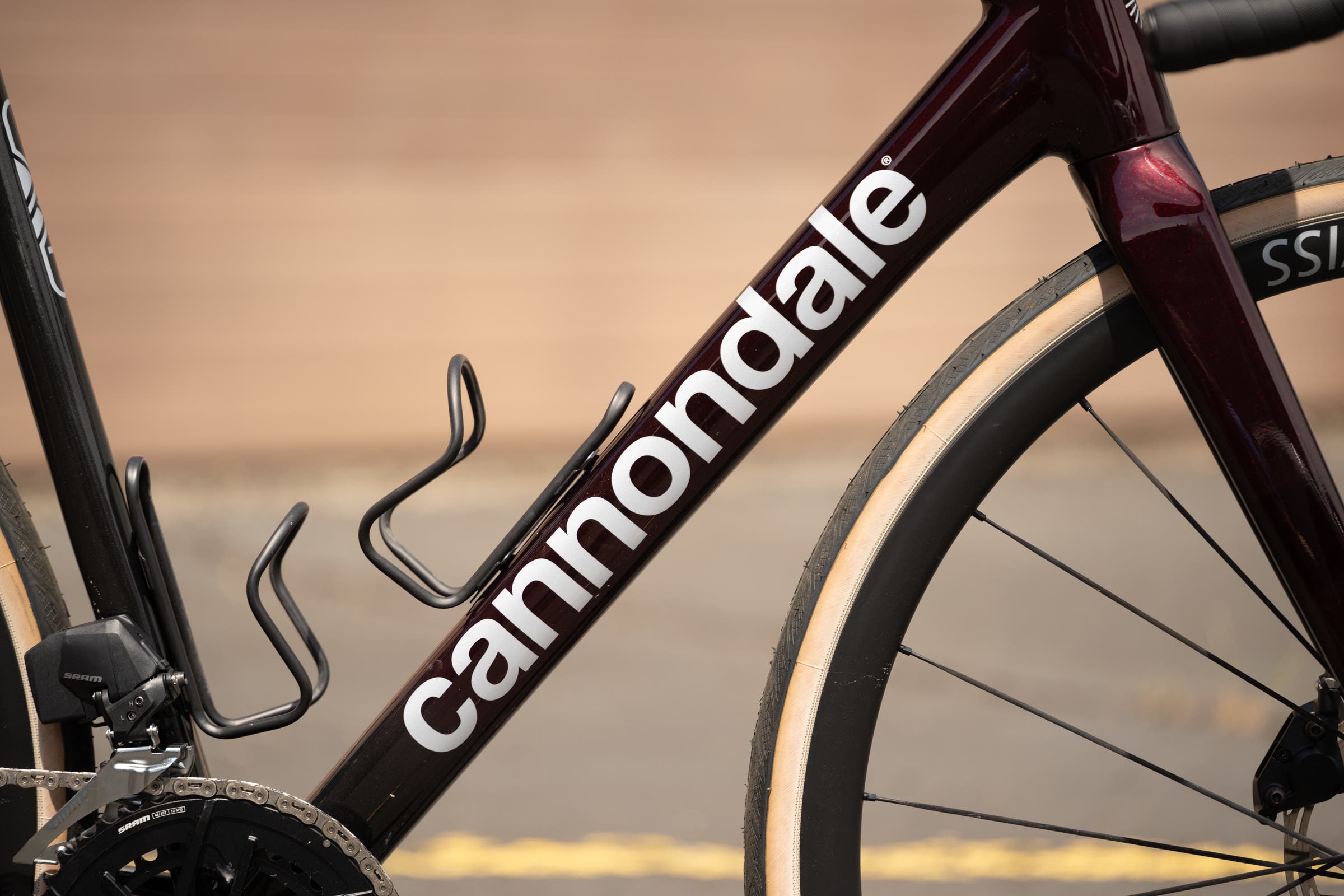
The aggressive fit is expected, but the big surprise of the aluminum CAAD14 is how incredibly smooth it feels. I didn’t change a thing for the test, and because the supplied tires aren’t tubeless compatible, I ran standard tubes. Even so, the frame feels like the place where vibrations go to die. It’s so compliant that it almost verges on deadening the sharpness of the ride, though the geometry keeps it right on the edge.
For me, that smoothness carries over into the descending as well. I always lean towards careful in descents, but having such a solid, smooth, and predictable frame lets me attack the descents a bit more from that place of security. Again, the geometry supports that frame dynamic with a 58mm trail figure for immediate steering feel, but a slack 71.2-degree head tube angle that extends the wheelbase for stability. This bike feels like it’s walking a tightrope and succeeding in almost every way.
There are two places where this falls apart a bit and it starts with the weight. The bike I reviewed, built with Rival AXS, retails for $4,000. At that price point, the 8.98 kg ready-to-ride weight (minus pedals) is entirely reasonable, but you do feel it. This is especially true if you have any frame of reference.
The weight also has to be acknowledged within the context of the current market. You can find a direct-to-consumer aero bike like the Quickpro ER:One offering a ~500-gram lighter frame and fork. I’m not saying this is a deal breaker, but the weight is there, you can feel it, and there are lighter options.
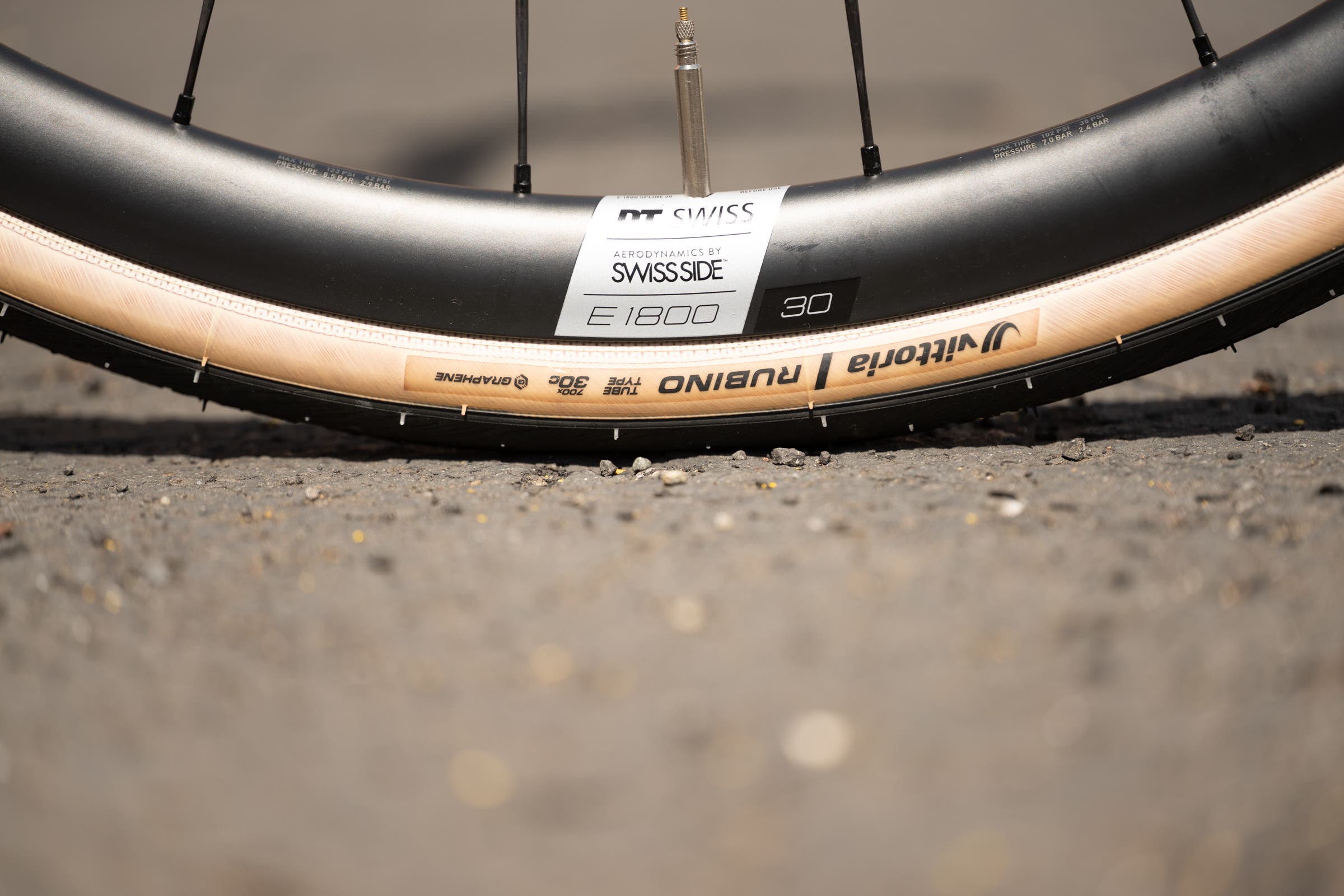
The other place where things look a little less than ideal is the wheels. The specced wheel is an aluminum DT Swiss E1800 in the 30mm depth. It’s a roughly 1900 gram wheelset that, while fine, is certainly nothing special and adds a good amount of weight. Including non-tubeless compatible tires is also the one place I feel Cannondale cut corners in this build. You should immediately replace those and that’s an oddity these days for a road bike of this caliber.
These aren’t deal breakers, though. The CAAD14, like previous CAAD iterations, feels like Zone 3 turned into a bike. It might not actually be the fastest out there, but it sure feels like it. That translates to a lot more fun than most bikes in this price range. Leaving some room for upgrades is almost part of the appeal and the chassis is more than good enough to be worth it.
Usability
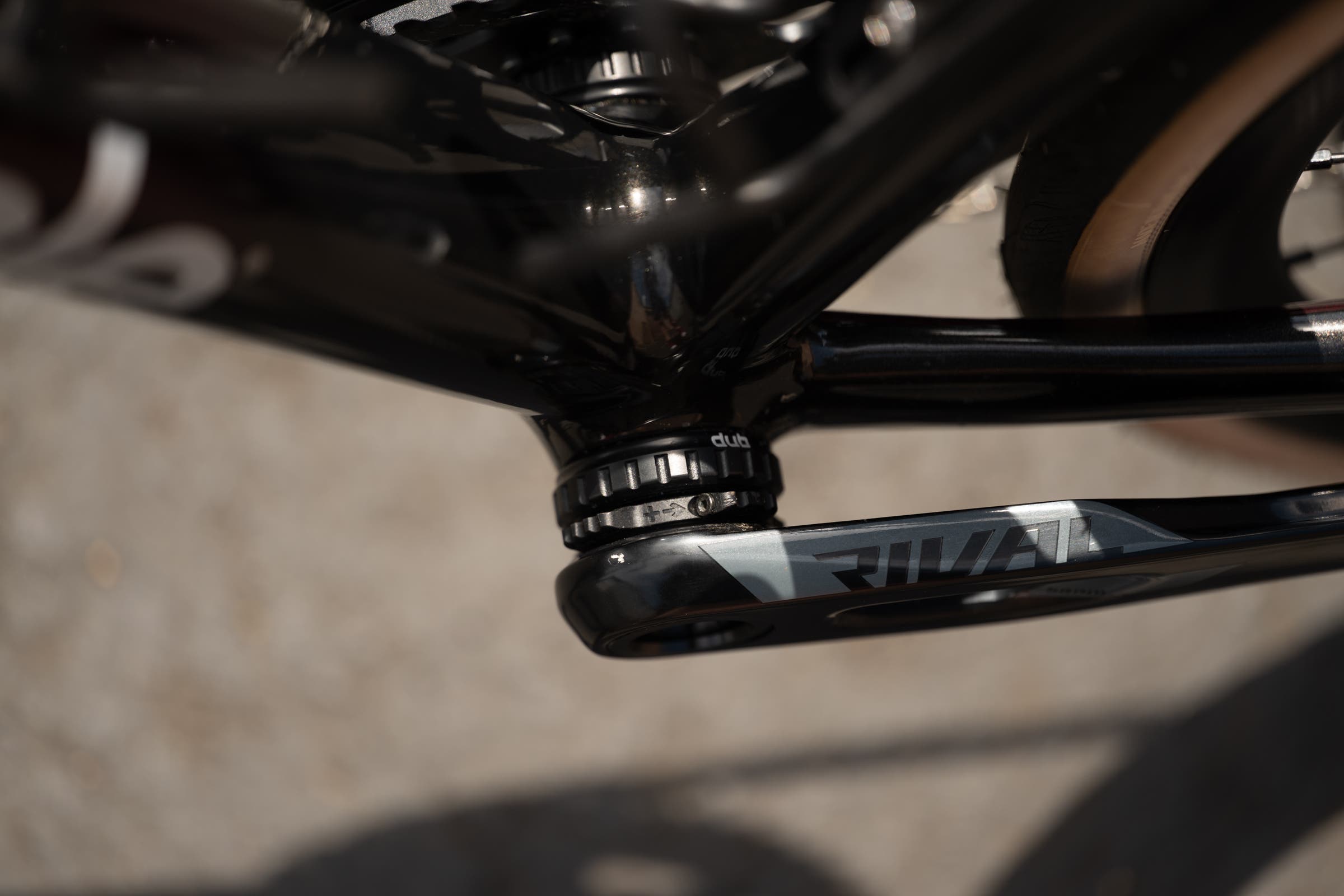
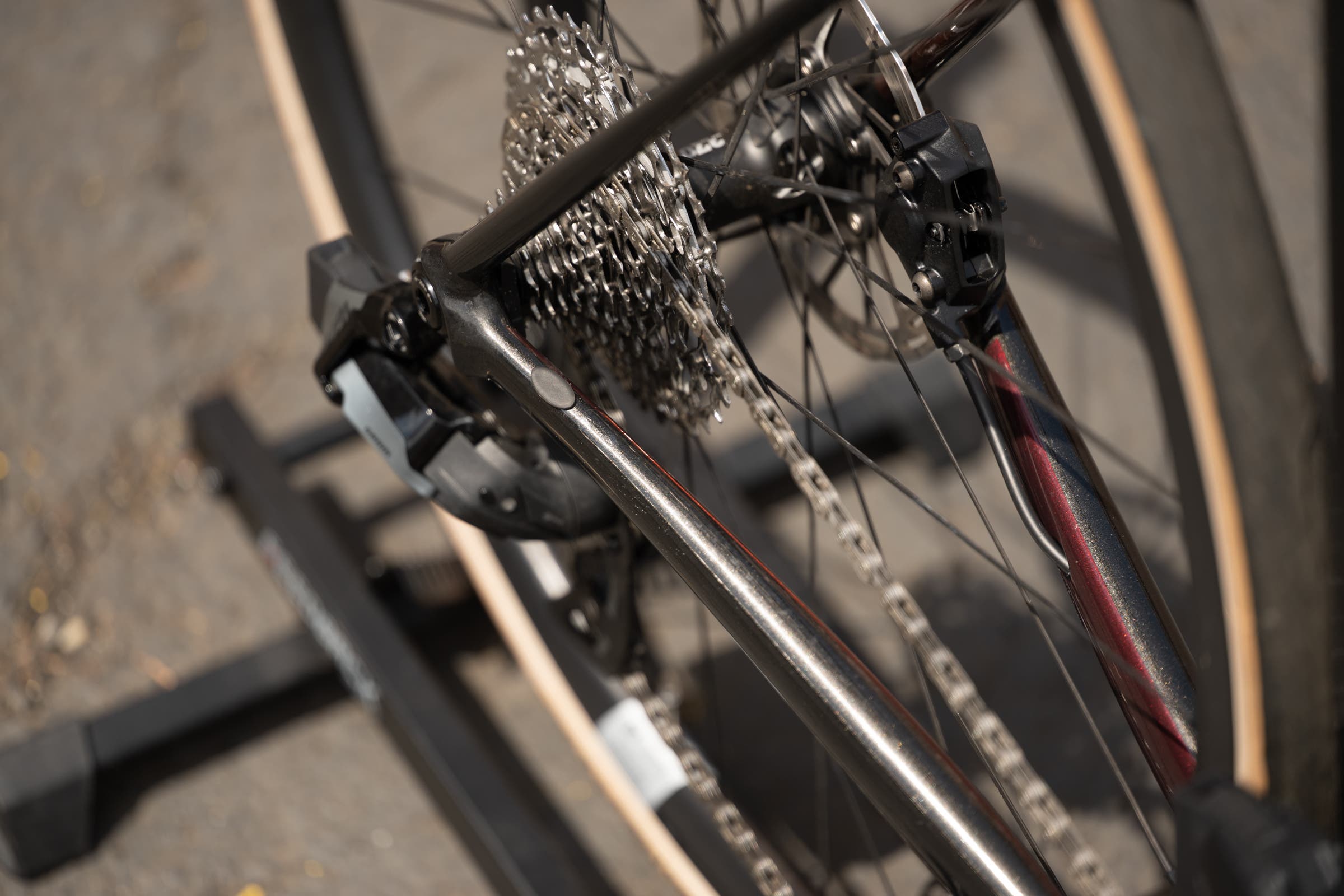
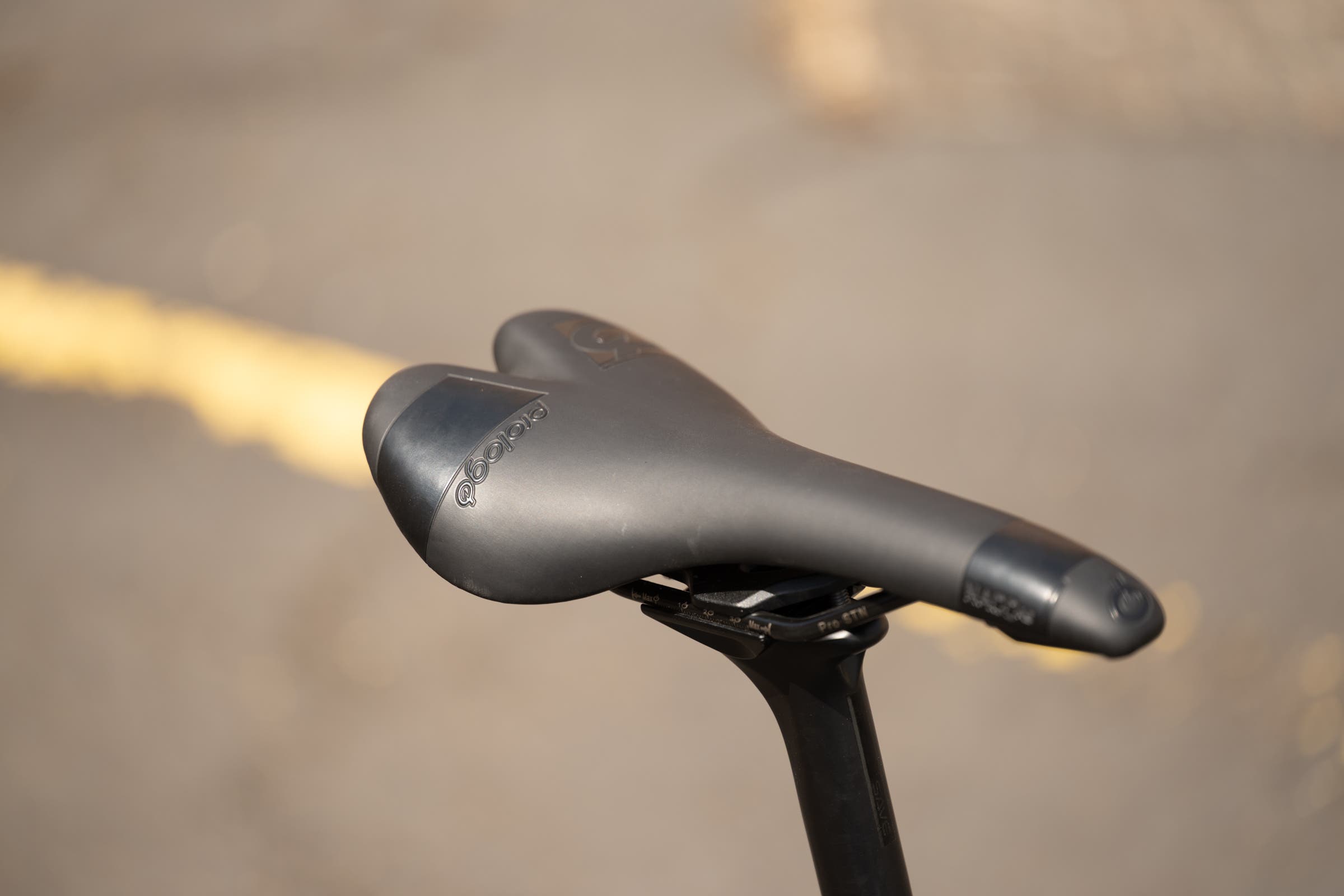
Cannondale talks up the usability of this bike a lot, but in some ways much of that is just the nature of a metal bike. The seat post is round so that’s more usable but it’s also completely expected. That said, the Specialized Allez Sprint does not use a round post so give credit where it’s due I suppose. The bottom bracket is BSA and, importantly in 2026, there’s UDH.
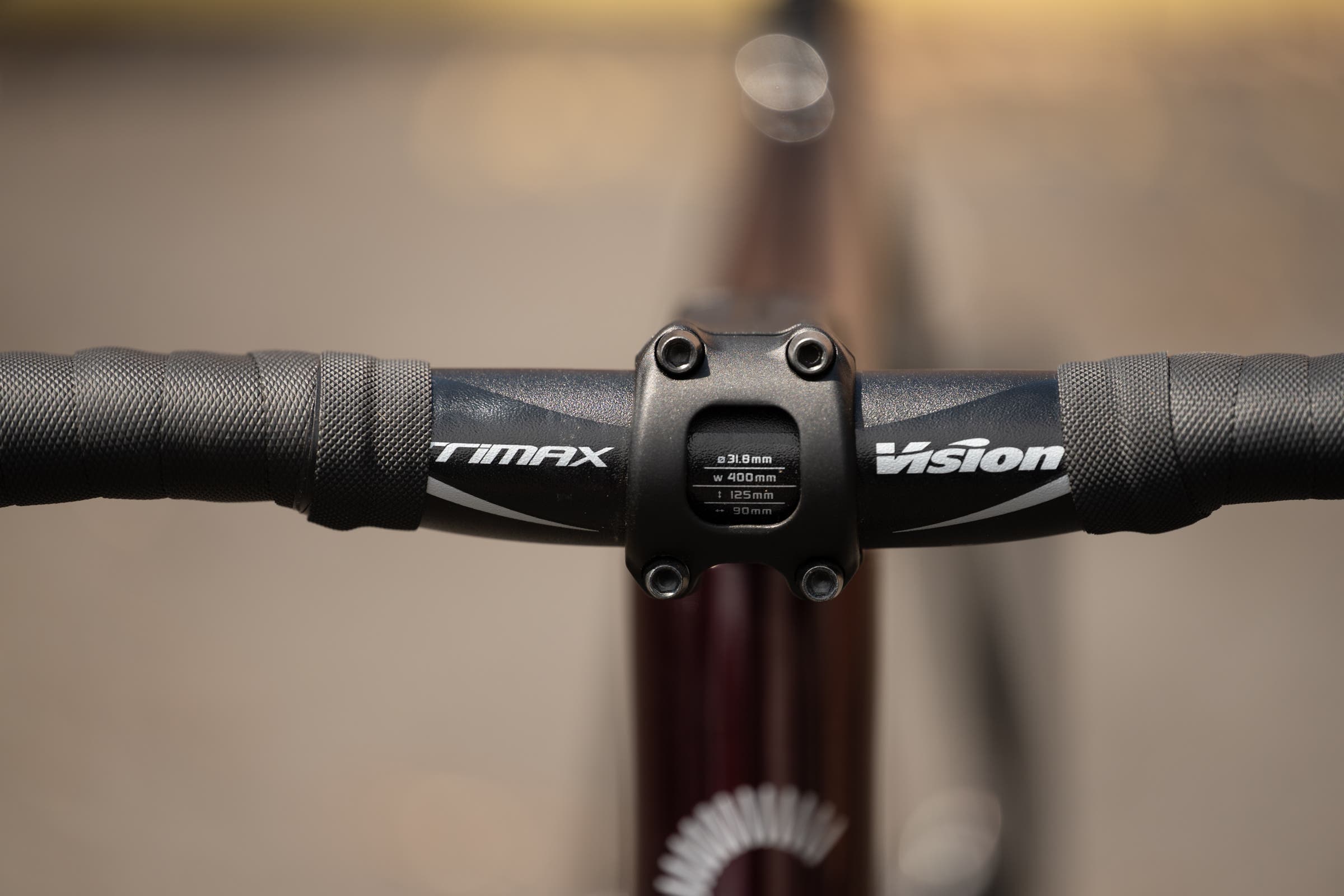
The big thing people will likely either love or hate is fully internal routing with the Delta steerer system. There’s really not a lot to say here, if you want fully external routing there’s now one less bike to offer it. You can still keep it routing under the stem but it is through the bearing.
Conclusion
I despise recommending a bike simply because it’s cheap. I never want you to read an article, buy a bike solely because it fits your budget, and end up with a subpar machine. I would always rather tell you to buy a high-quality used bike instead. I want every moment on your new bike to be a joy, even if you aren’t living in a reality where you’d ever consider a $12k top-spec bike. So, what does a genuinely good, affordable bike look like in practice?
It looks exactly like this. Go buy a Cannondale CAAD14 3—or upgrade to the 2 if you can swing it—and just start riding. It won’t be the lightest or most aero, but it will be incredibly fun, and it will never hold you back. This is the bike that gets you hooked. It’s a frame that will stick with you for years to come. You might upgrade the wheels at some point, add a power meter, or swap the groupset, but the chassis will keep up. Eventually, you might buy that carbon superbike and relegate the CAAD to rain-bike duties, but you will still ride it fondly.
I know this because this is the classic lifecycle of a CAAD. It has happened countless times before, and I know it’ll happen to the next person who buys one. The only thing you need to consider is what kind of rider you are. This is a race bike, and it rides like one. You won’t be coddled, and it’s not a relaxed all-road cruiser. This is your starter race bike.
I also need to acknowledge that in 2026, the market is expanding options. As I mentioned, the inflation-adjusted price of this bike hasn’t changed since I bought my CAAD9 in 2009, and the modern version is substantially better. But the competition is better now, too.
Today, you could look at a direct-to-consumer brand like QuickPro and the ER:One. For a similar price as the CAAD14 2 you’ll get better handlebars, deep carbon wheels, and less weight. The spec sheet is better and for some people that’s the end of the story. It’s not going to work for everyone, though. Clicking “add to cart” from a lesser-known brand located across the world is not the same as walking into your local bike shop and rolling out with a bike backed by a lifetime warranty. There is value in both approaches even if the spec sheet favors one vs the other.
If I can leave you with one final thought, it’s this: the CAAD is the benchmark I compare every other bike against. Not the CAAD14 specifically—it just came out—but rather the feeling of past CAADs. Now that I’ve ridden the CAAD14, I know it continues that legacy and has that exact feel. It’s snappy, aggressive, and, above all else, undeniably fun. If you are looking for that classic race bike experience, this is an unequivocally safe bet. I know you’ll be happy.
[analyse_source url=”https://velo.outsideonline.com/road/road-gear/cannondale-caad14-review/”]