[analyse_image type=”featured” src=”https://velo-cdn.outsideonline.com/wp-content/uploads/2026/08/8509456.jpg”]

The Velo tech team is freshly back from our latest Field Test in Squamish, British Columbia, where we set out to answer a very important question: “What is the future of gravel cycling?”
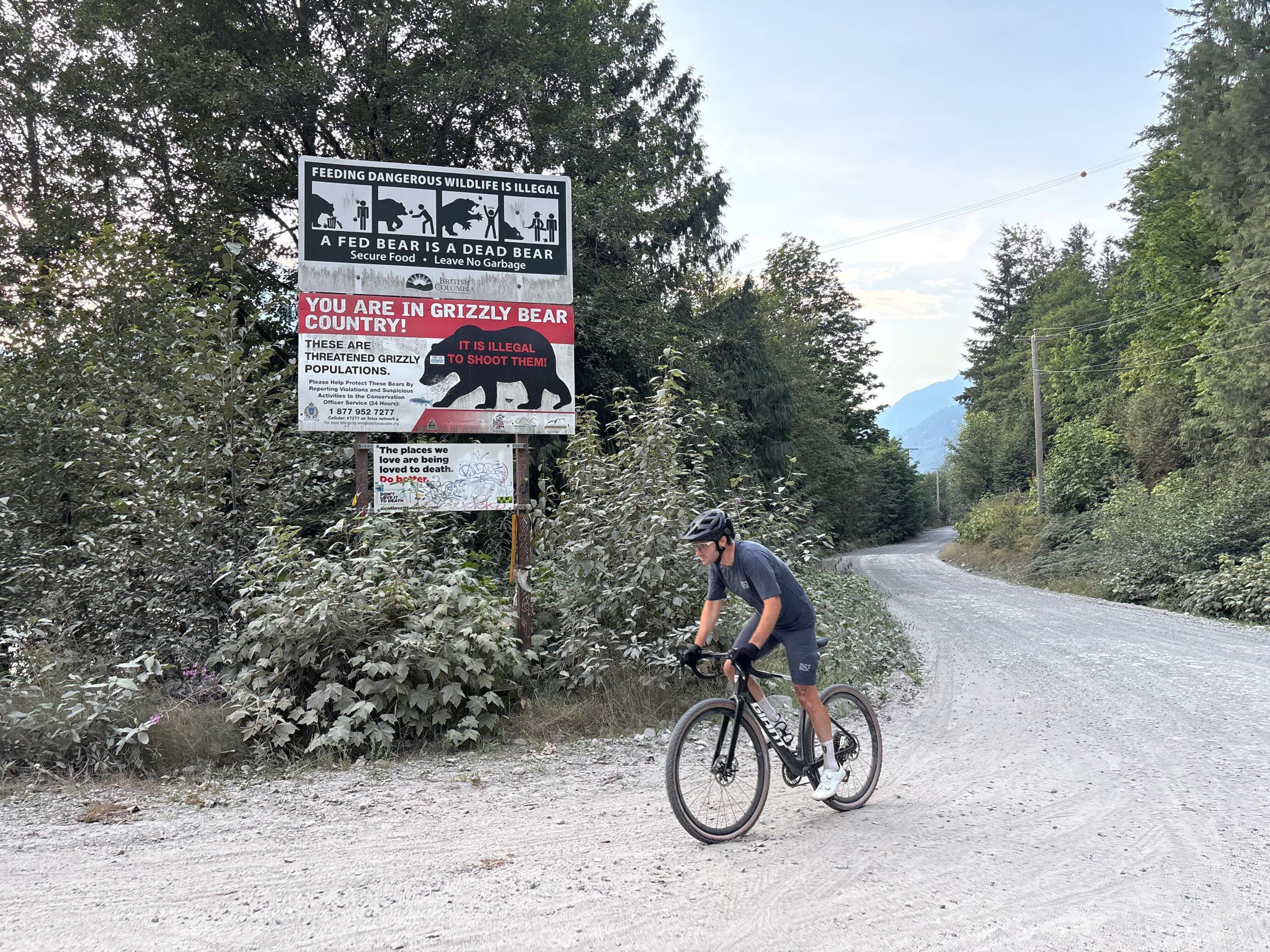
We selected a group of gravel bikes to fill out the categories we see as a representation of all the different directions gravel riding is heading. We looked for bikes that make sense today, but also bikes that offer a vision of the future.
We also argued about what those categories are and what bikes fit them. Then we argued some more about that. I asked what a progressive race bike even means, and we argued more. Ultimately, what’s important is that the bikes represent drastically different ideas.
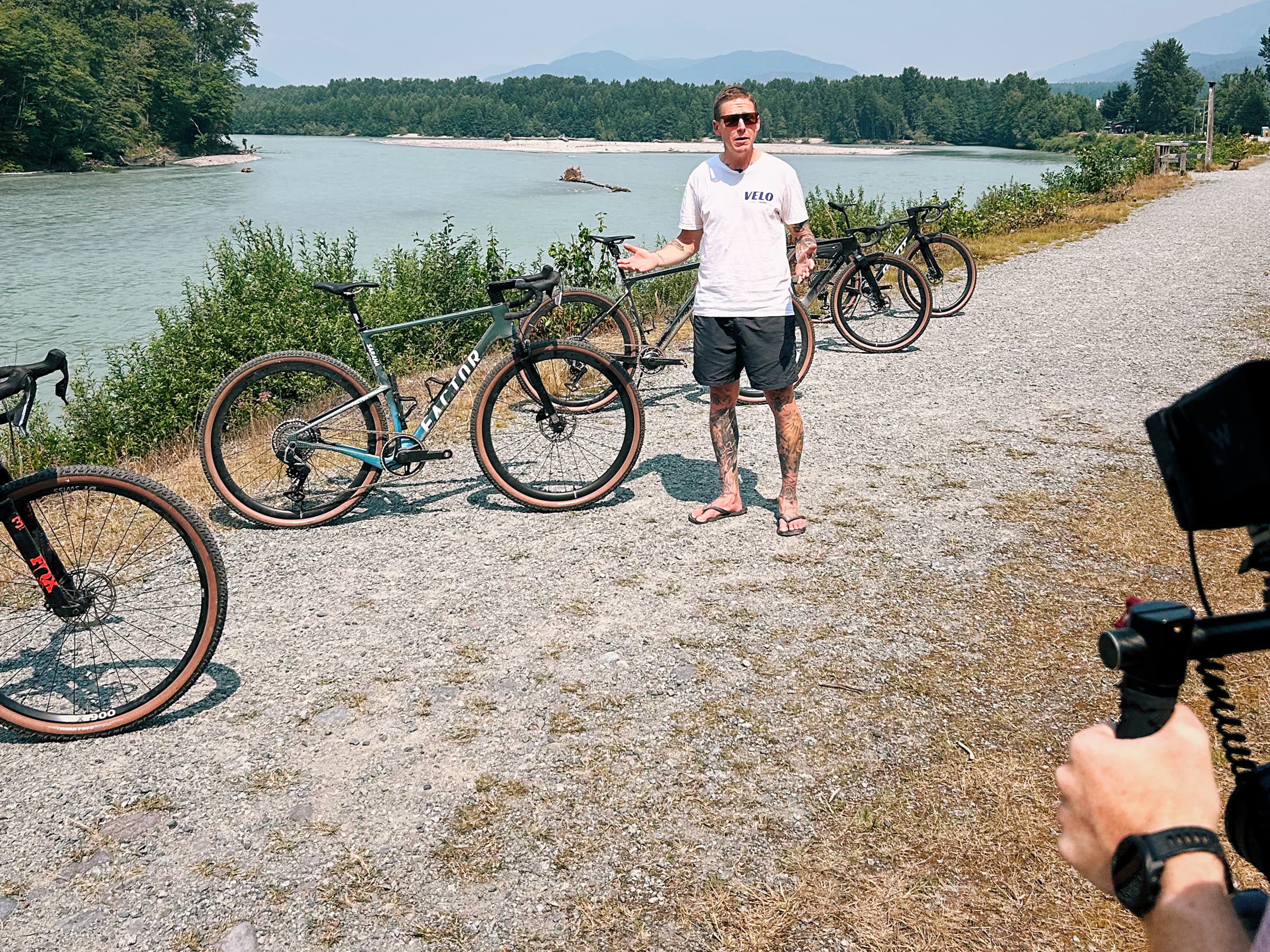
To figure out which ideas actually hold water, we brought six specific machines. For the speed-focused side of the spectrum, we had the OBED GVR gravel race bike, or maybe you prefer to call it a progressive gravel race bike, and the Argon 18 Anti-matter representing pure aero gravel tech. For ultra-endurance duty, we packed the Factor Sarana, and as our all-rounder control benchmark, we used the Giant Revolt.
Then the builds got weird. Perhaps the future of gravel is actually just an outlier today? It would make sense if that was the case, so we grabbed the Pivot Les SL drop-bar build to represent the drop-bar mountain bike options, and naturally, the emerging 32-inch segment is represented with the Salsa Fargo 32. Part of this whole process is spending time geeking out over geometry trail figures, debating the need for suspension, and trying to figure out if an aero frame actually makes sense when you’re heavily underbiking. Levy also kept the 32-inch bike after the test was over—not because it was his favorite bike, but because he’s got a compulsion to tinker and can’t leave well enough alone. Before he stole it away though, we had to test.
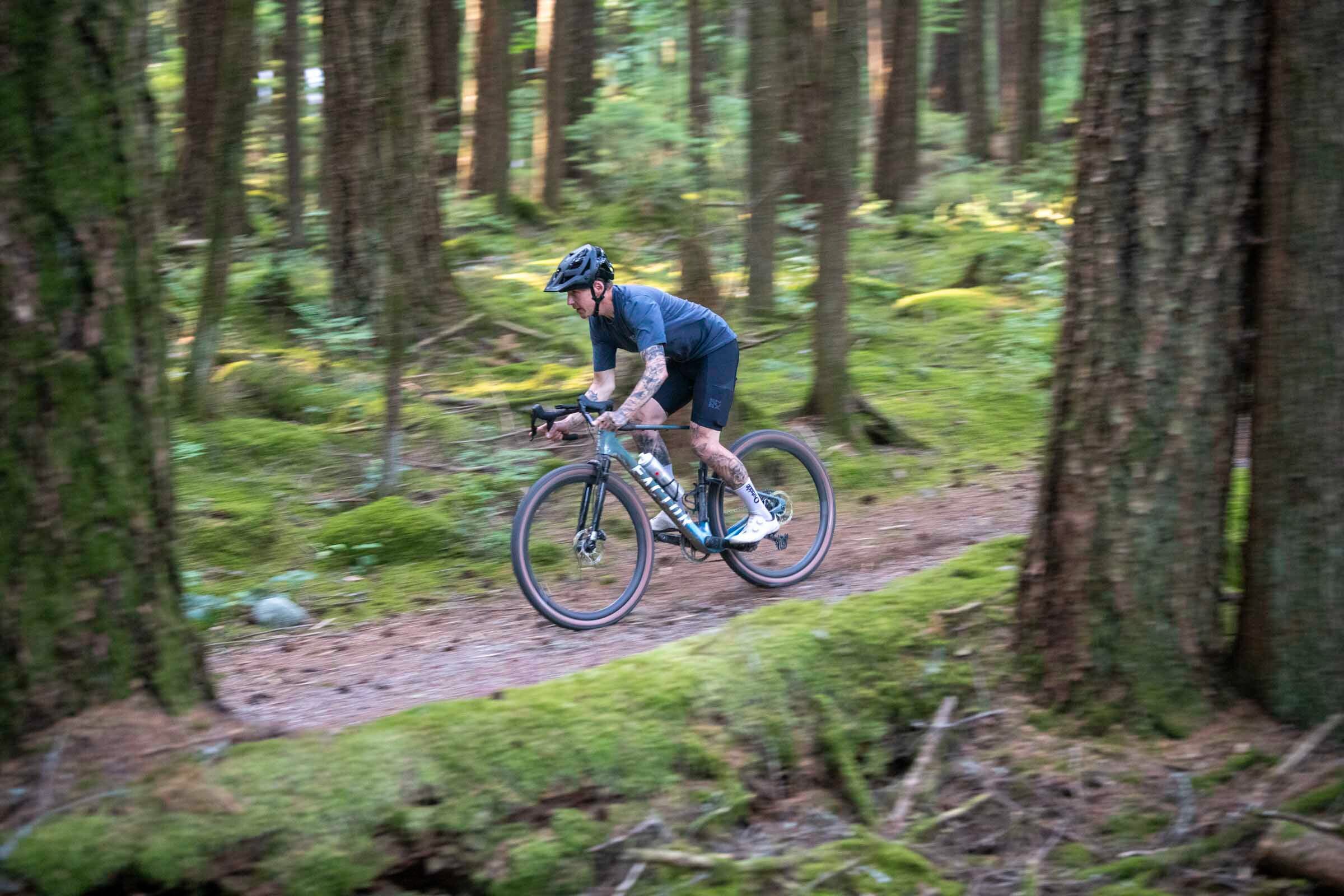
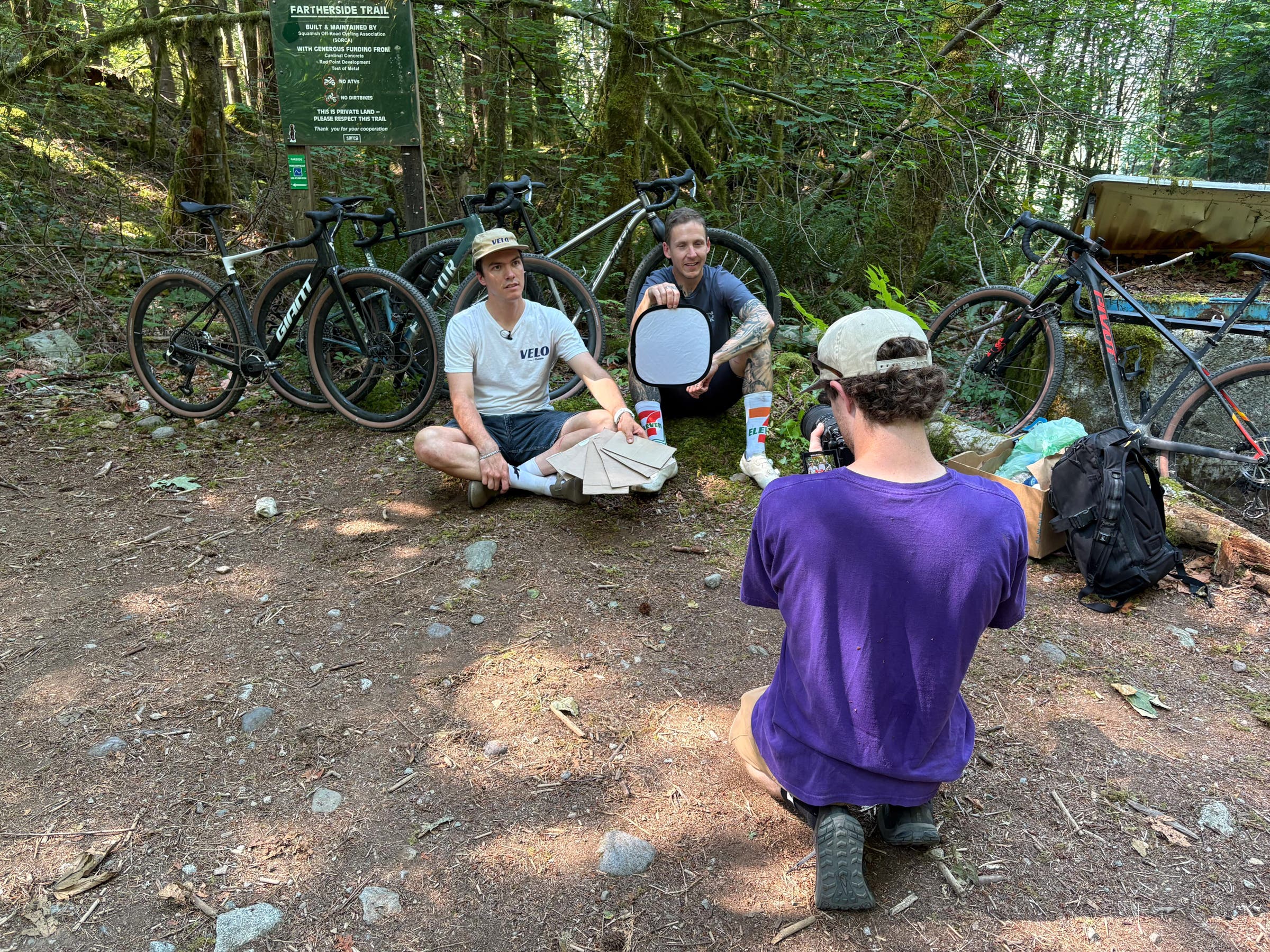
We took those bikes and flew to Squamish. It’s a place well known for world-class mountain biking, but it’s also a place where we could put these bikes through the full range of gravel bike experiences. Do you want to underbike on near-mountain bike trails? Do you want to ride perfect roads through the backcountry on your way to champagne gravel? Maybe it’s flowing, smooth singletrack through a temperate rainforest?
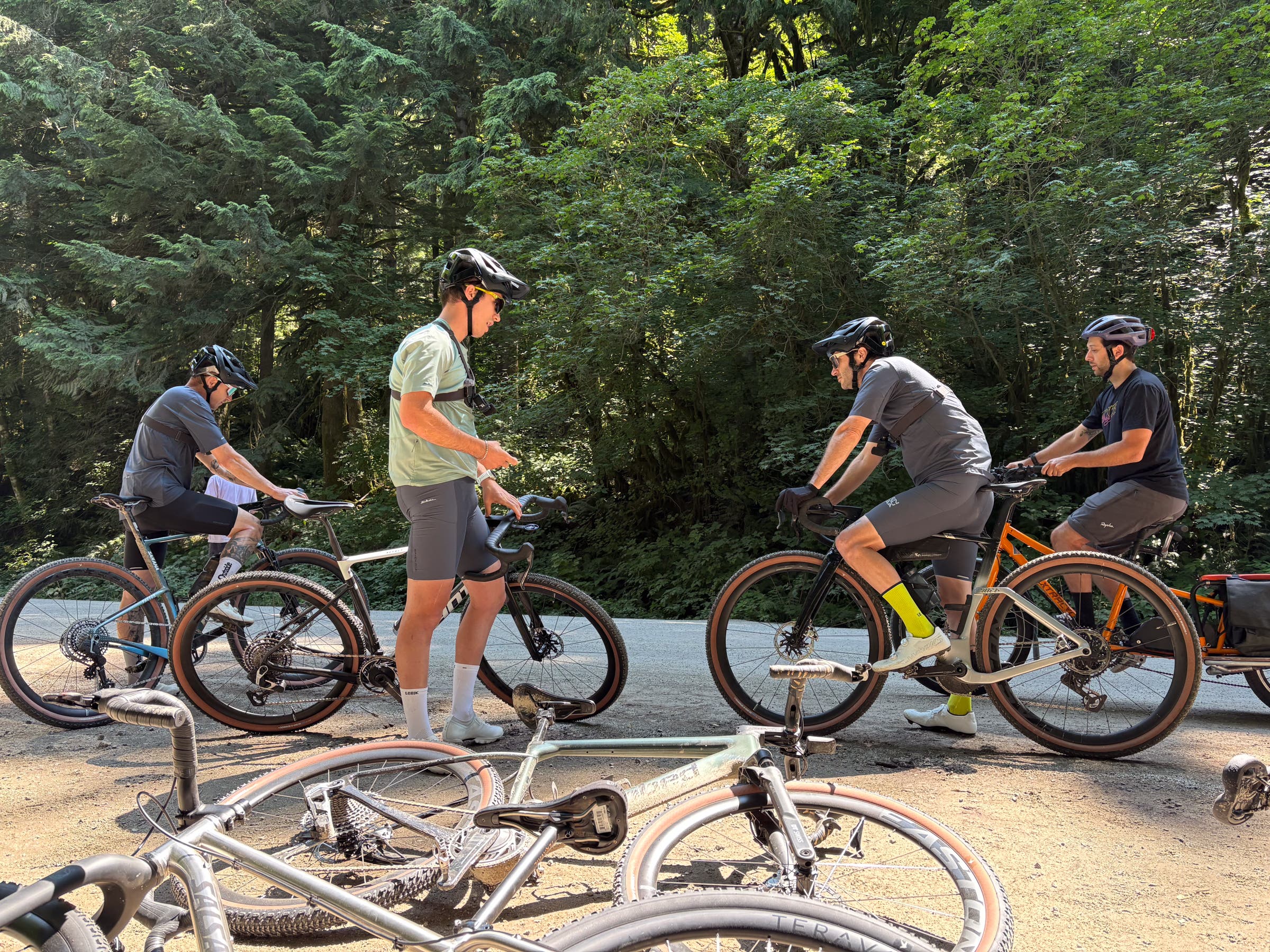
We had access to it all, and our mission was to test these bikes by riding them. Not just a little, either—we rode these bikes a lot. Part of that was putting them through specific testing. What’s fastest when it’s time to descend? What about the fastest bike to climb, or the most efficient bike to handle flat and fast sections? Finally, we topped it off with a “big dumb ride” where we spent a day covering beautiful scenery and getting very familiar with a specific bike before swapping it for the ride home.
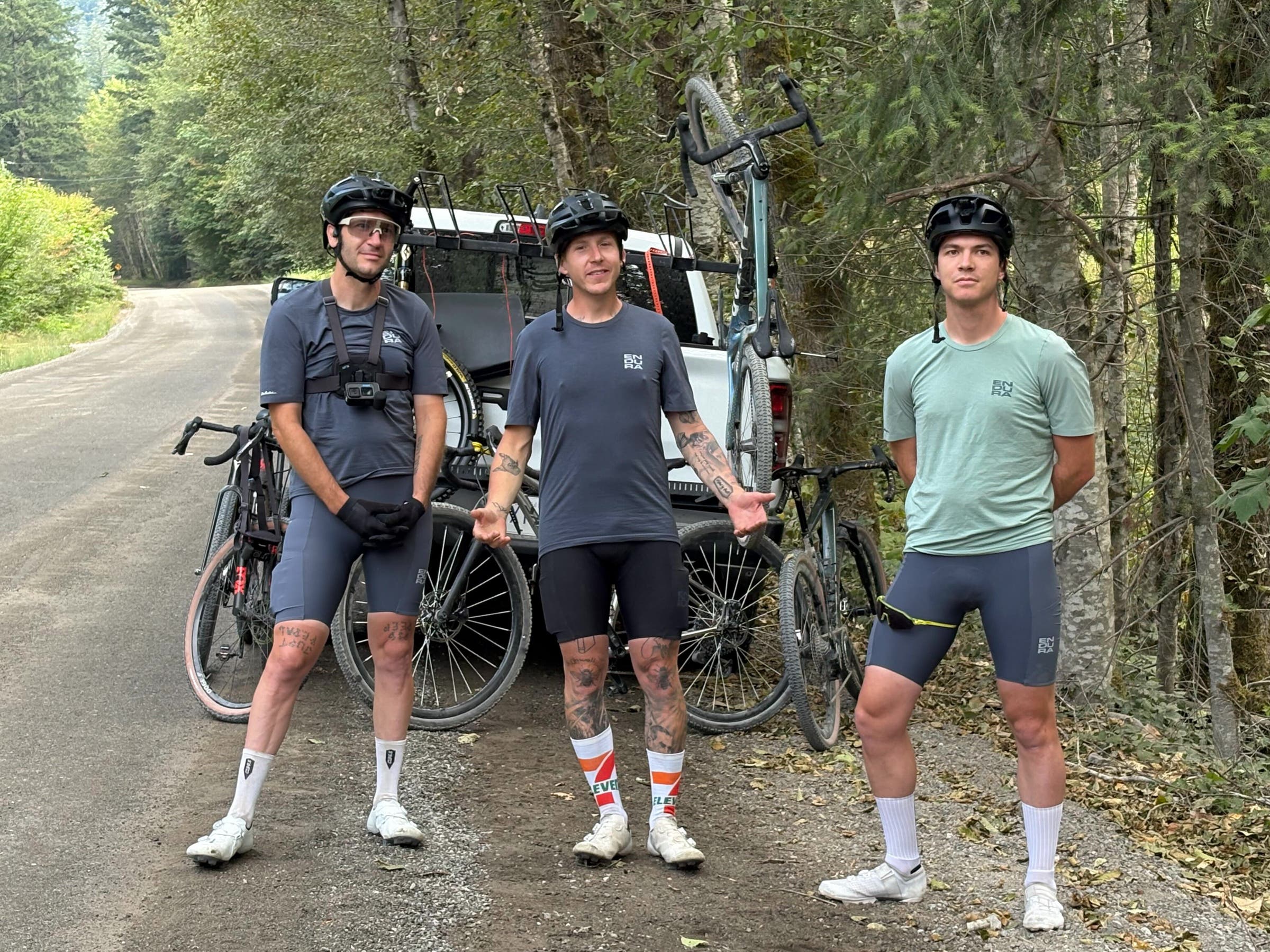
Three distinct perspectives on the dirt
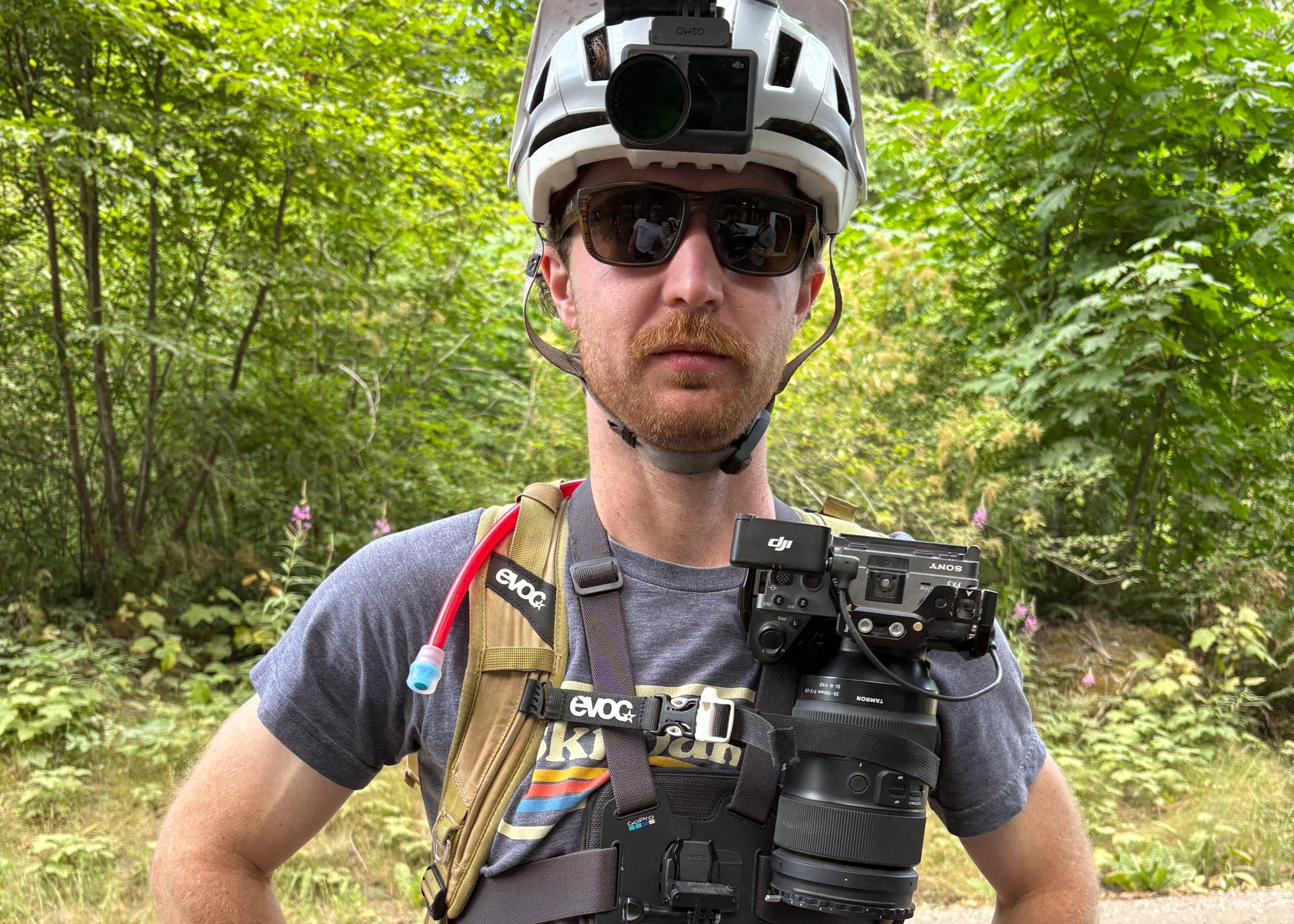
To properly test this broad spectrum of bikes, we needed a spectrum of riders. When we got home, the video editing team asked for footage of me on the most extreme aero road bike I have (that’s the Factor One at the moment) because my introduction is essentially, “here’s the roadie who doesn’t really care if the road is paved or not.” That’s exactly the lens I brought to Squamish. My focus was evaluating these bikes through the eyes of someone who appreciates traditional, fast-rolling Midwest-style gravel, where efficiency and long-distance speed are paramount.
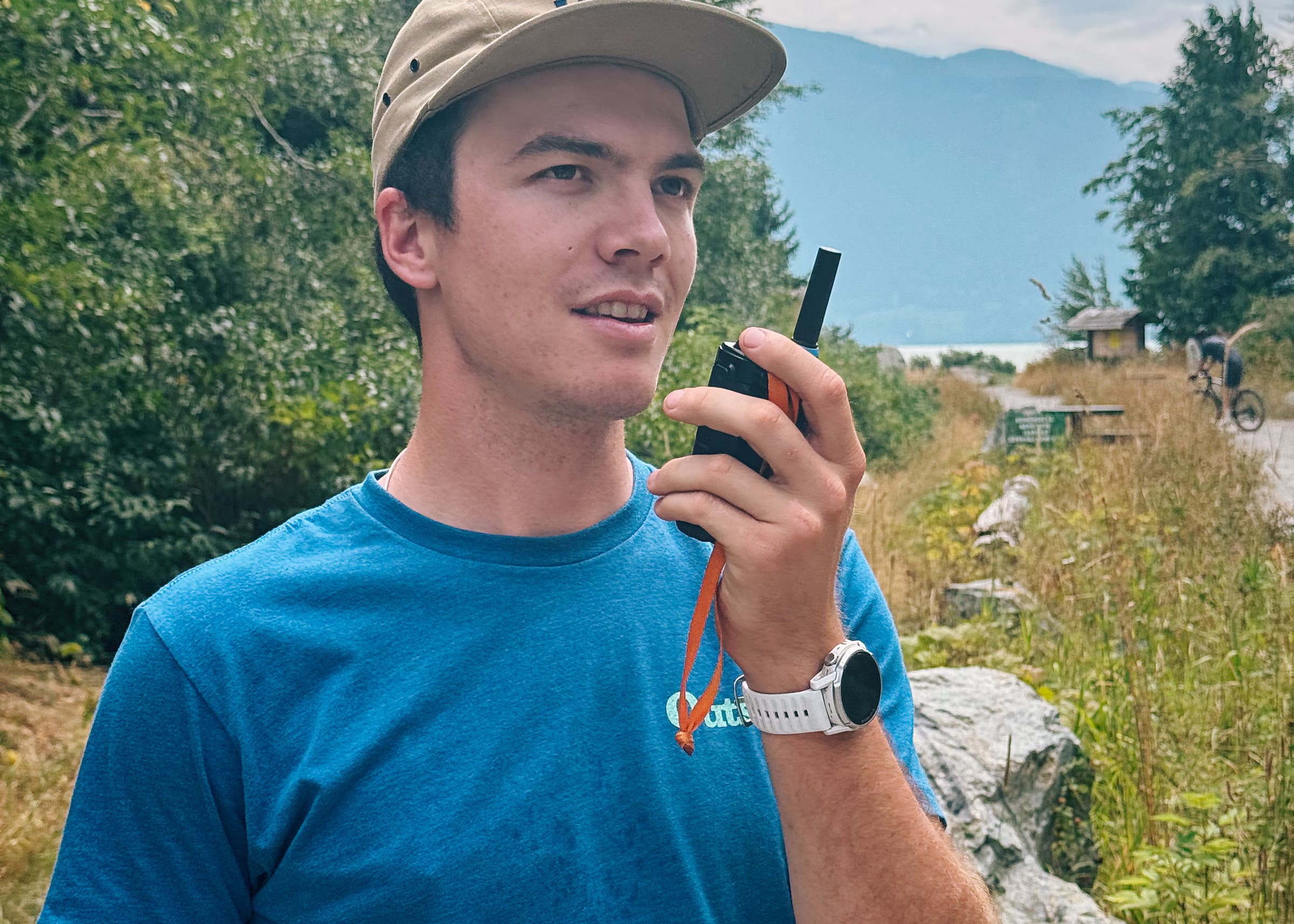
We also had Mike Levy, who brings a distinct mountain bike perspective—despite his continued claims that he only rides drop-bar bikes now. He was analyzing how these machines handle when the terrain gets rowdy and technical. Rounding us out was Logan Jones-Wilkins, an incredibly strong gravel racer who looked at everything from a competitive, high-performance standpoint. The future of gravel is not only more than one bike, but it’s also more than one point of view, and that is exactly what we bring to the table as a well-rounded team.
What about you? What is your favorite kind of gravel to ride, and what do you think the future of gravel will bring? Drop a comment and let me know your thoughts.

It wasn’t just about testing bikes
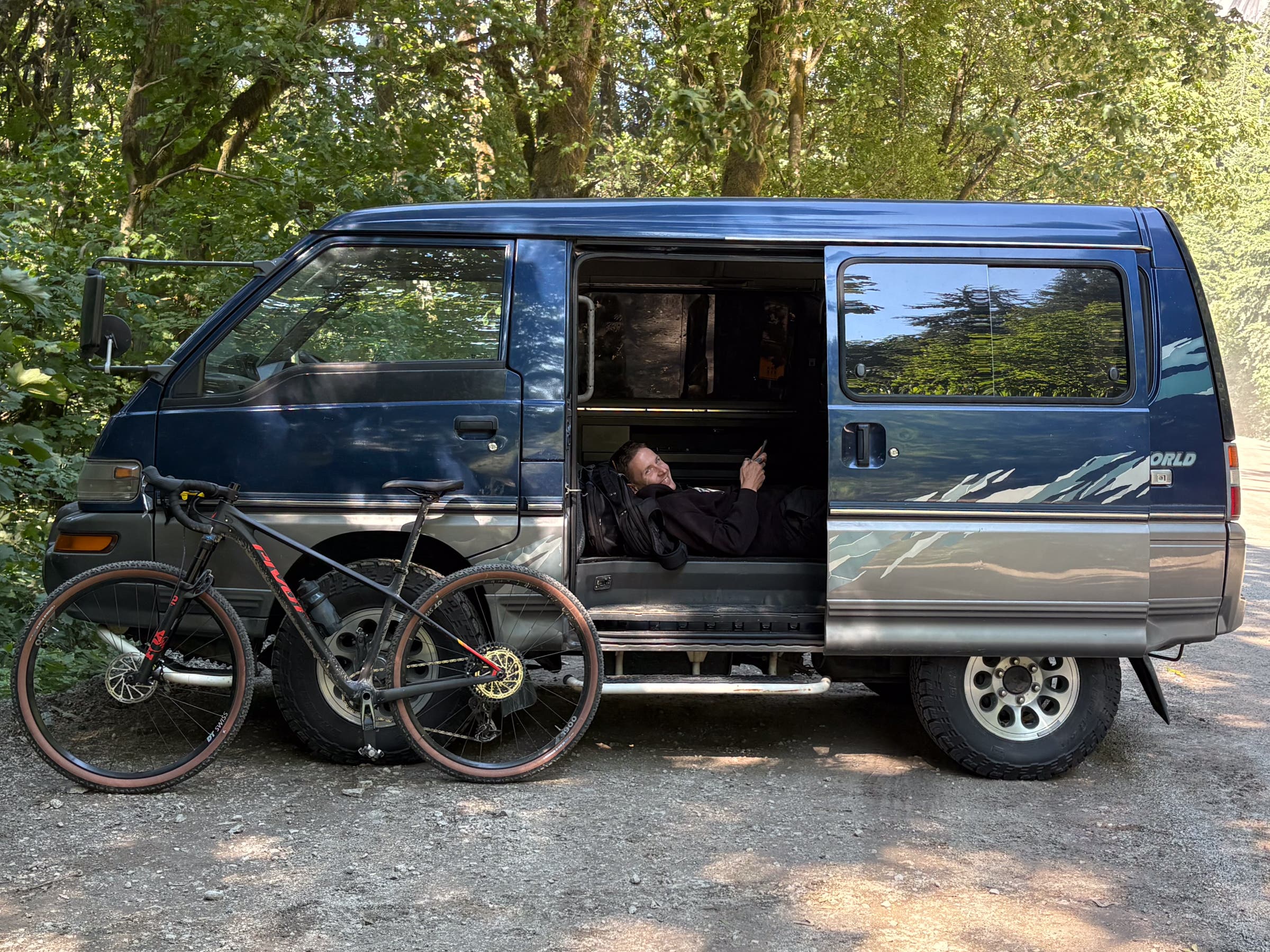
The other amazing thing about Field Tests is that they are a chance for us to get together. I don’t generally get a chance to ride in British Columbia with Levy and Logan, so having those moments in person is pretty special. This time we were in Levy’s backyard and that meant he got a chance to show off his local routes and favorite places in town. He took us out for an incredible dinner at a ramen shop, and showed us some spectacular views of glacial lakes.
Of course, we had some downtime as well. It takes a long time to finish all the testing and capture the footage our video team needs. In the middle of it all, we snuck away one evening to race go-karts. Spoiler, I did not win. As it turns out we had a couple of ringers on the team. I won’t name names, but there’s time spent practicing in full-on race sim rigs. That’s not me, so I’m not a great go-kart racer. Luckily, it’s not Logan either, so when I posted faster lap times than him, that was the only race I cared about winning. Don’t let him live it down—I know I won’t.
I do have another question, though. While you’re commenting about your favorite gravel to ride, let me know where else we should go. We’ve been to San Francisco to test all-road bikes, and this time we headed to Squamish to test the future of gravel. I’m hoping next time we test road race bikes (time will tell). Either way, where should we head? What would be the perfect place to test bikes? I am partial to Portland, but there are so many places in the US I haven’t had a chance to experience. Let me know about your hidden gem for road or gravel.
[analyse_source url=”https://velo.outsideonline.com/gravel/gravel-gear/testing-future-gravel-bikes-squamish-dropped/”]