[analyse_image type=”featured” src=”https://velo-cdn.outsideonline.com/wp-content/uploads/2026/08/Emma-Langley-Ventum-32-Leadville-Bike-13-e1786993649262.jpg”]
Thirty-two-inch prototypes have officially broken containment. First, it was Scott at Unbound. Then, Ventum brought its to the Leadville 100 MTB. As the calendars start to flip to late summer, the new wheel size has now been tested out in the open at the two biggest American bike races this year.
At Unbound, the wheels were a success, with Robin Gemperle winning the Unbound XL and Cam Jones fighting to a top-10 finish. Since then, Jones has piloted his prototype Scott to even more success with a dominating performance at the Oregon Trail Gravel Grinder.
Yet, Ventum’s 32-inch mountain bike at Leadville is another step up. While Scott had only one size and insisted the bike was not going to be brought to market anytime soon, Ventum has brought its 32-inch mountain bike to Leadville because it is close to market. In other words, this is not a drill. Ventum’s first mountain bike will be a 32-inch build.
This meant that all, bar one, of Ventum’s athletes were racing the 2026 Leadville on the prototype bike. We caught up with a few of them to learn more about it and to see how it handled the high-altitude terrain of the Leadville 100.
Zach Calton — 5:33:18, 11th
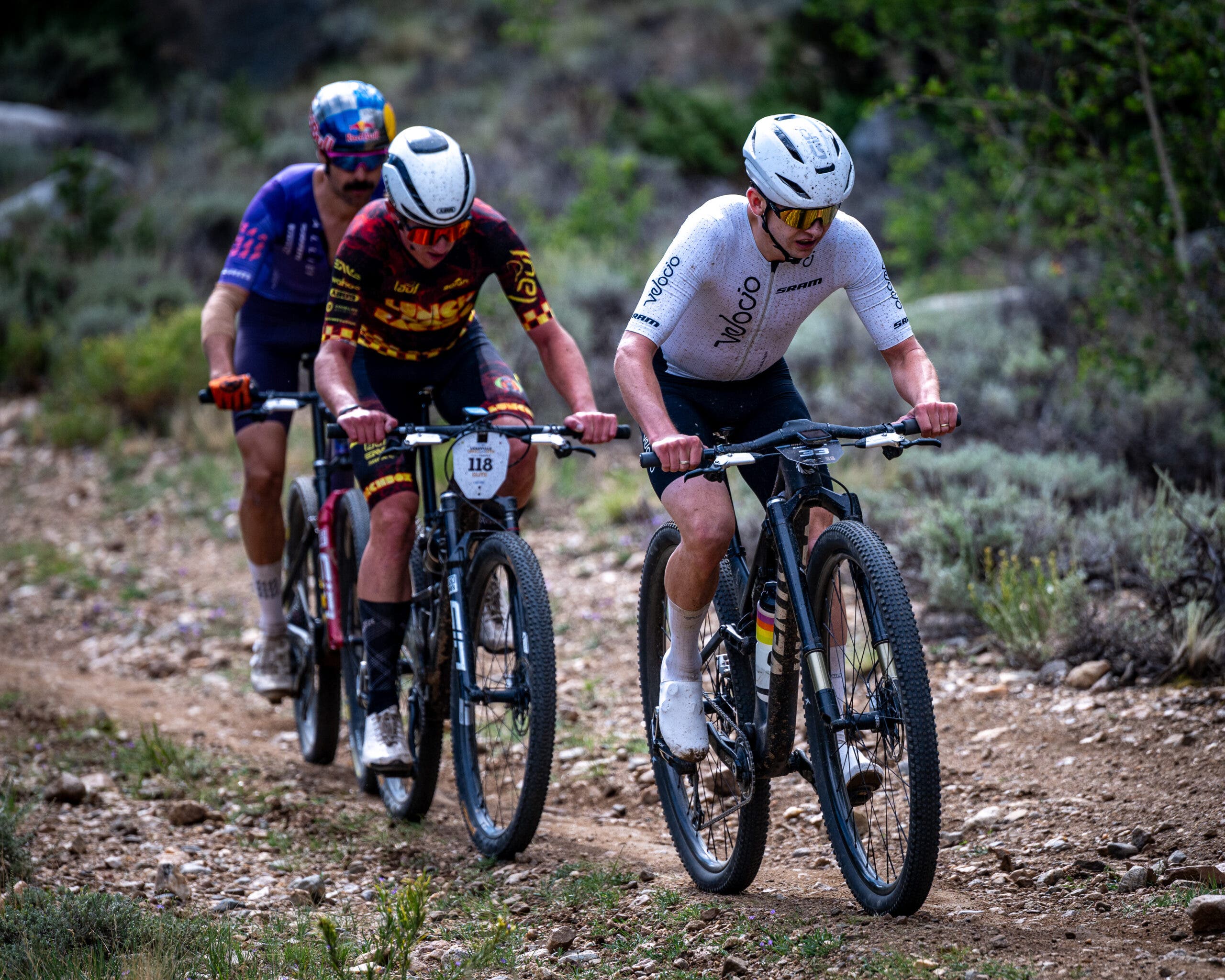
We caught up with Zach Calton before the race to get the lowdown on the new bike. You can see that video here.
With over 400 miles on the bike already, for Calton racing the bike at Leadville was more of a confirmation of what he already knew from his prep for the race. Nevertheless, with a strong 11th place finish in a deep field, Calton felt confident the bike was the right tool for his Leadville effort.
“When I thought about going to a bigger wheel, I immediately thought of rollover,” Calton said, “but one other big aspect was a bigger contact patch. I am running about a PSI lower in these wheels than I typically would with a 29er.
“At Leadville, for example, we have a lot of those twisting fire roads where it is that marbly loose-over-hard surface. I found I take those with a lot more speed than I used to. Straight line braking traction is improved, too. It takes a lot to break traction.”
The big overarching question beyond sizing of the bike is what is the cost of the higher weight heading up hill.
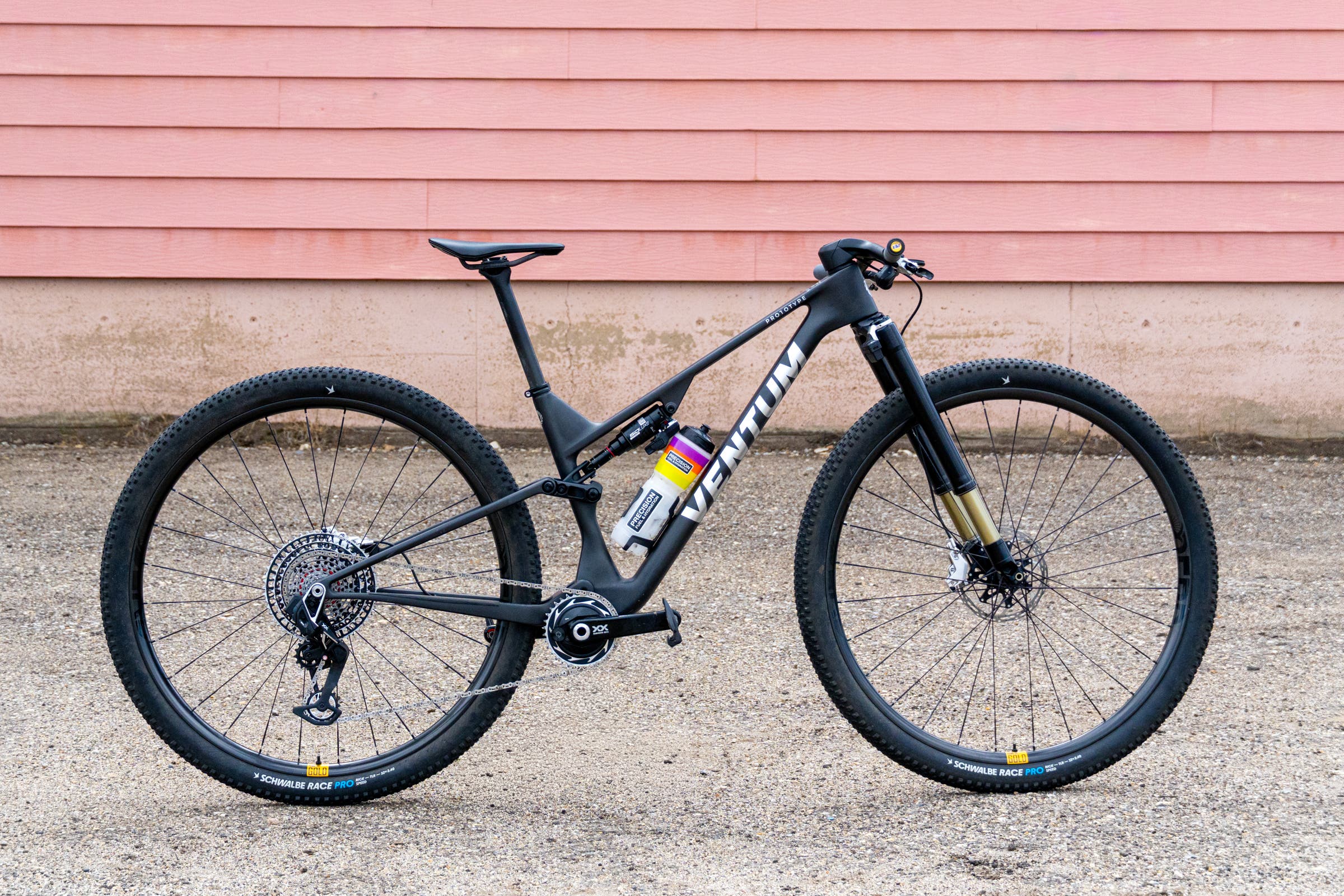
“It feels great climbing, especially on anything rough. It’s obvious, but you just have better roll over,” Calton said of the trade-offs between weight and the larger wheels. “There are these steep sections where you have to step up and having the extra roll-over is huge. It just makes it that little bit easier which matters.”
On race day, Calton had a solid day, finishing within a minute of the top 10. Calton has been in the top 10 of the race before, but with the race getting deeper with every passing edition, he was happy with the result. Thirteen-minutes down on the winner was a solid day for Calton on a course with less climbing and technical terrain, which is typically his strength.
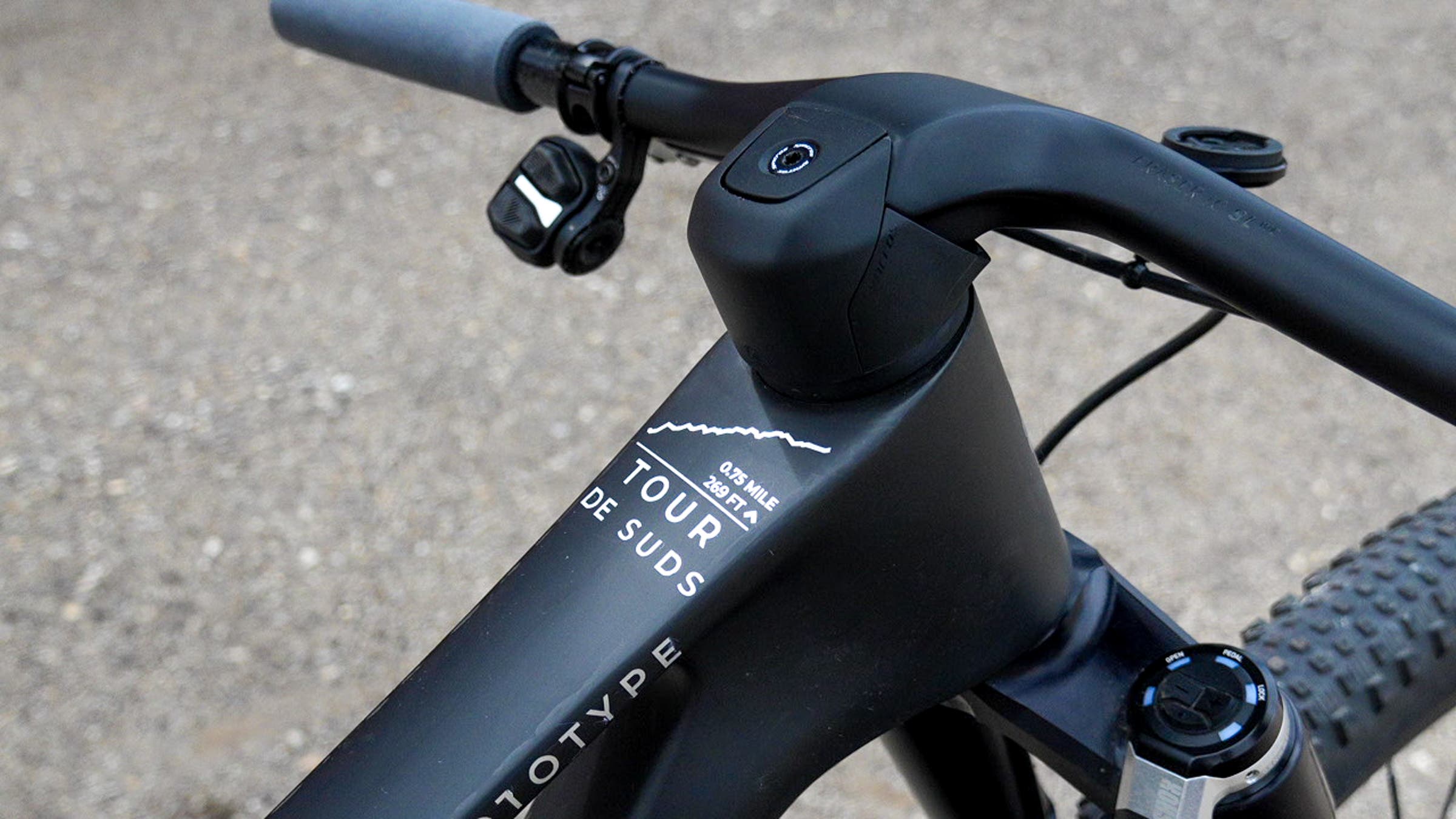
“All I want out of these races is a clean day, especially at Leadville, and I got that, so I am super stoked,” Calton said at the finish.
“I bridged up about five places on the Columbine descent. I felt like I had extra grip and more confidence in general. With more air volume I could just slam into shit at the top there, and I just felt really good and steady all day.
Calton will be putting the 32 through more tests over the next month, especially at Park City Point to Point. Point to Point is a true backcountry single-track race, which will provide a different challenge to the big wheels of Ventum’s new prototypes.
“That’s 75 miles of Park City’s best single track,” he said. “It will be different, but I am very optimistic.”
Emma Langley — 6:43:49, 14th
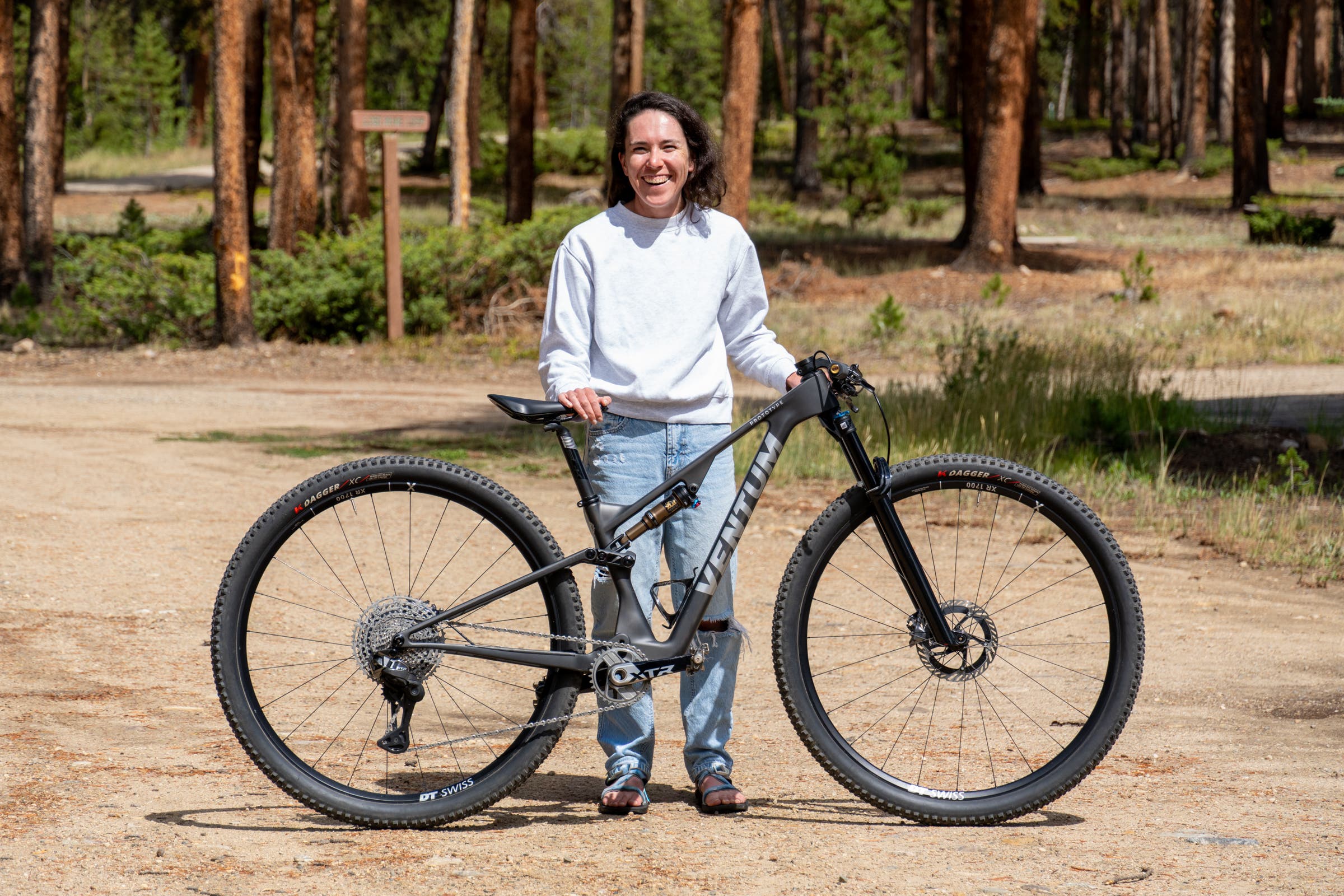
Emma Langley was an important test case for Ventum because the Life Time Grand Prix athlete from Virginia is on the shorter side. At 5’3”, Langley is the type of rider who would be potentially hindered by the extra height of the 32-inch wheels.
While Langley is new to mountain biking in general—Leadville this year was her debut—she still was excited about the prospects of trying a bigger-wheeled bike. Like Calton, Langley got a few weeks of prep on the bike during her pre-race block in and around Leadville.
Before the race, we caught up with Langley about the bike to ask about some of the concerns shorter riders have around the new technology.
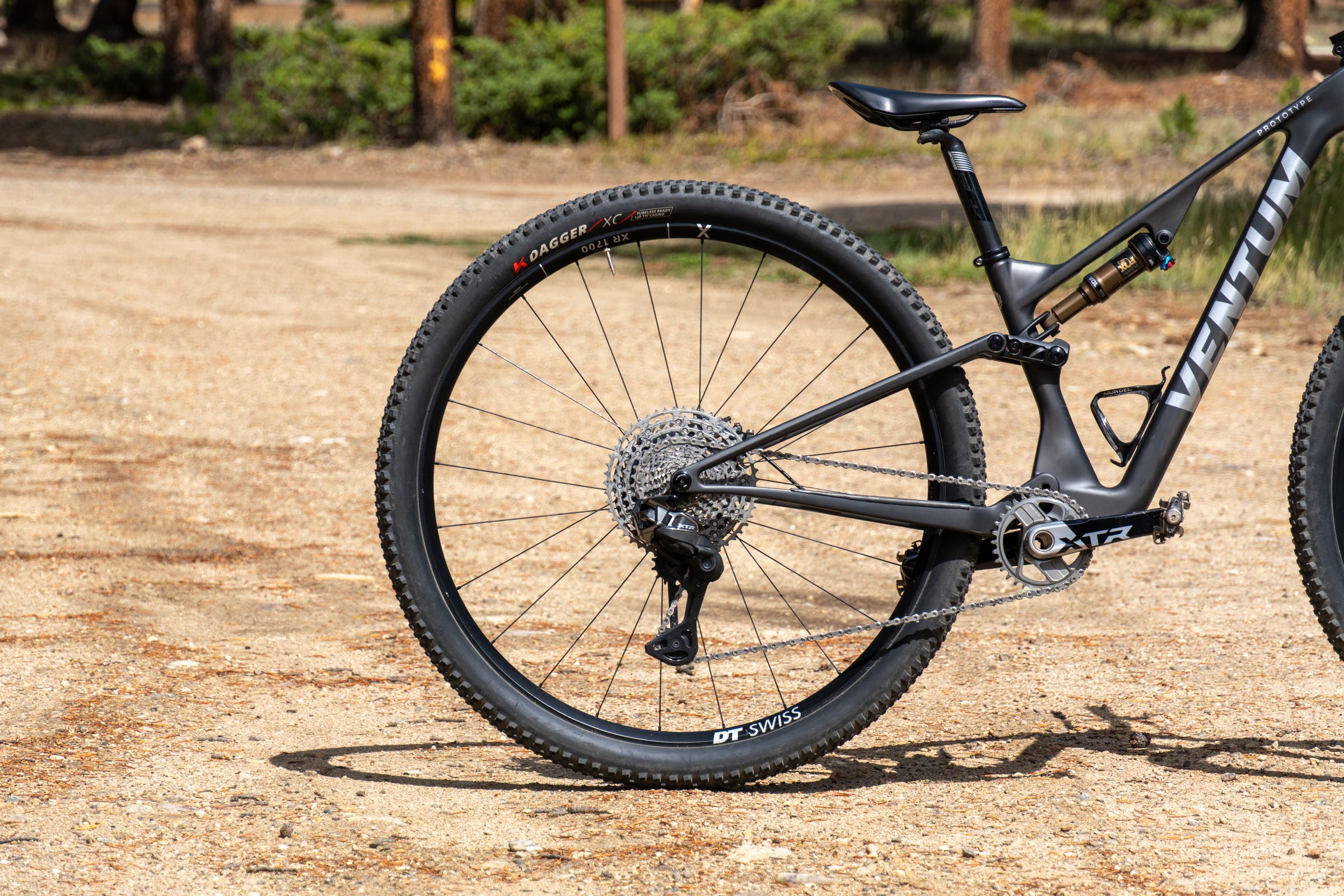
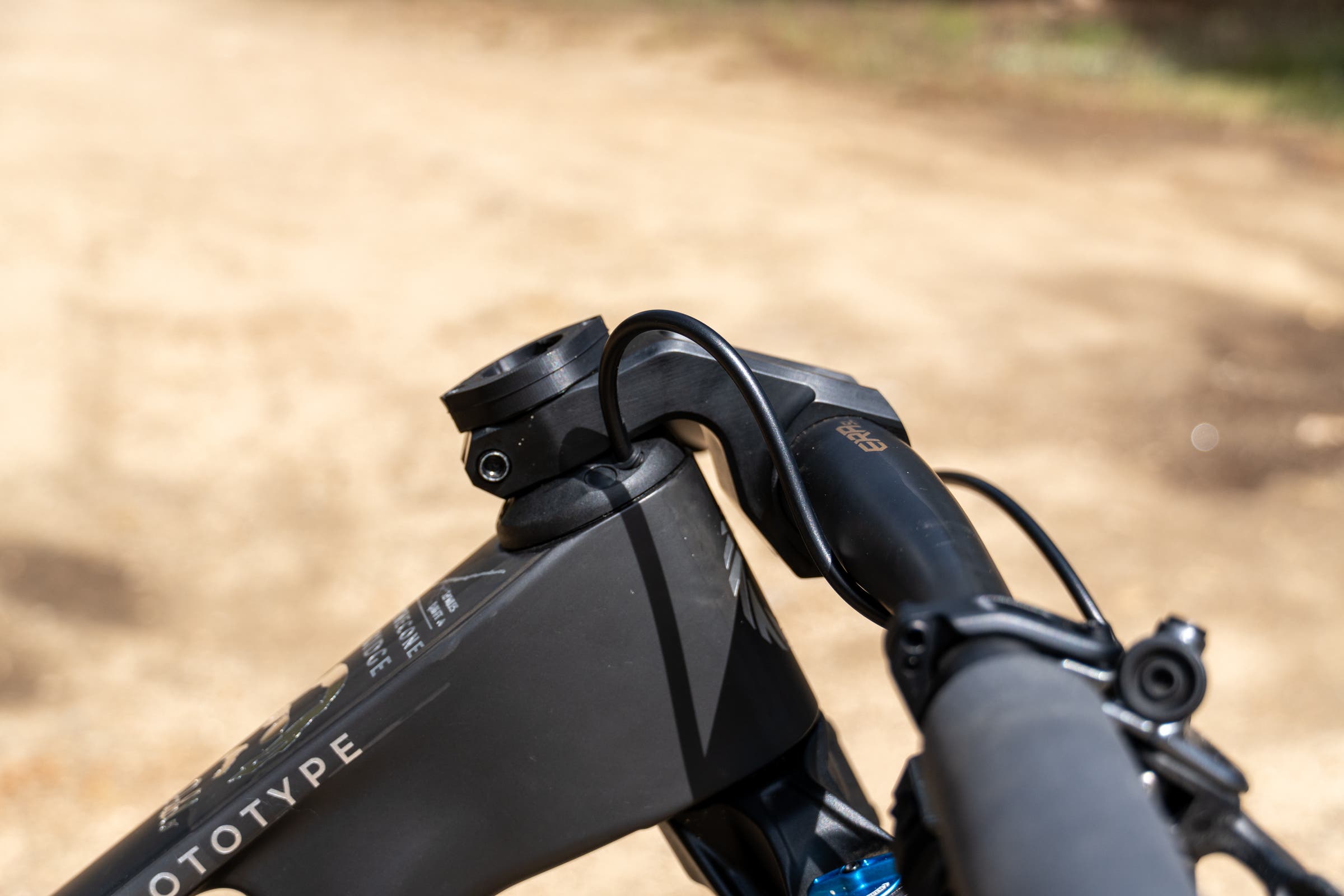
“The biggest thing for me that I noticed getting on this bike is just how much more stable it is,” Langley said, “which for me, as an adult onset mountain biker, is huge.
“The bike feeling big was my number-one concern, and honestly, it wasn’t a problem. My fit is pretty much exactly the same [between my 29- and 32-inch bike].”
As it turned out, the bike was the right mix for Langley to put her best foot forward and come away with a solid, if not spectacular, day at Leadville.
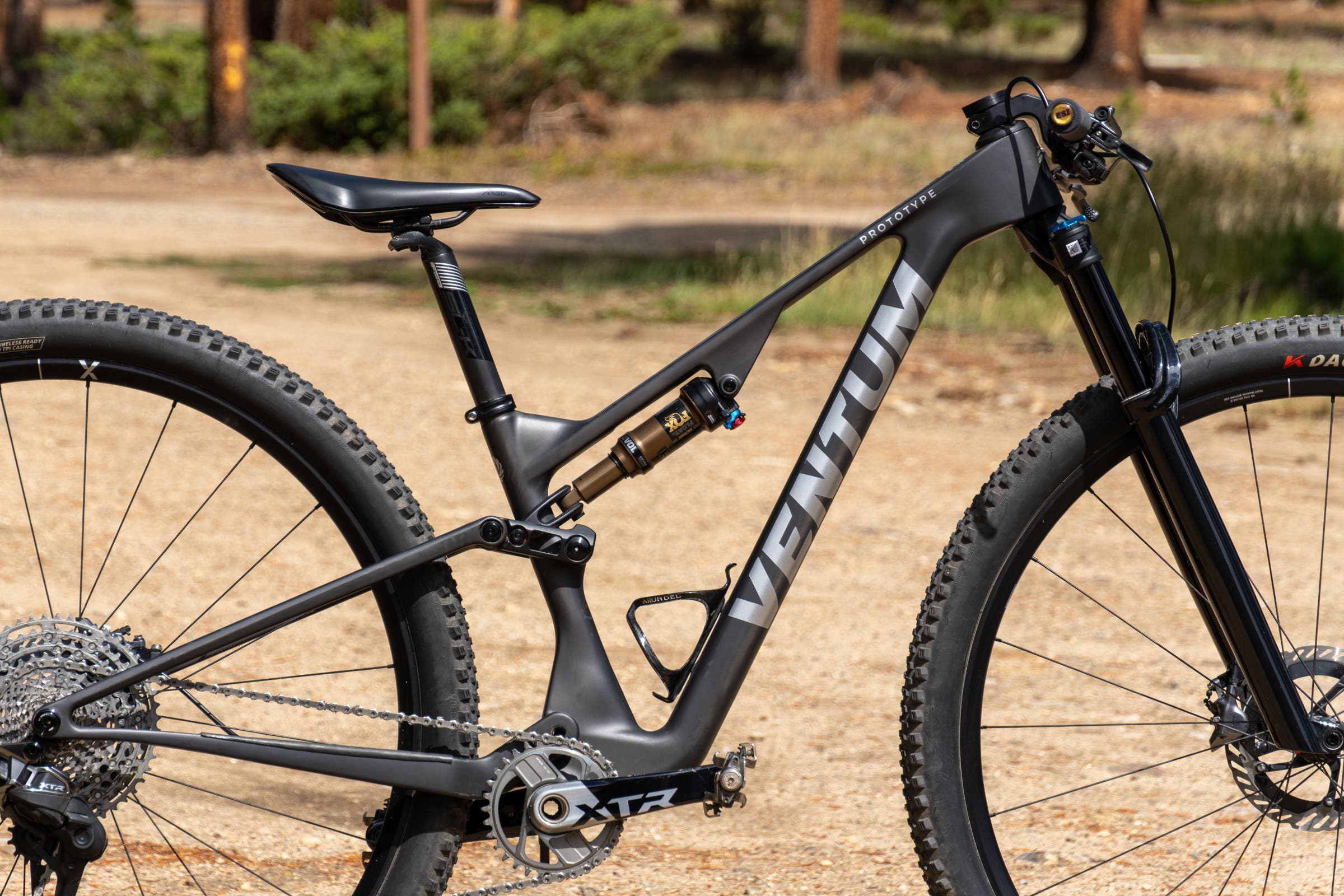
“I’m actually really happy with my day, which I don’t usually feel right after a race,” Langley said. “The bike felt great, no joke. I felt the best I have descending and cornering. I just had so much more confidence today.”
“I wasn’t like super pleased with how I climbed, just like legs weren’t amazing, but in terms of the bike, I felt like it was awesome, especially considering how intimidated I was for this race.”
Mike Woods — 5:35:12, 14th

Mike Woods is a legend on the road, but Leadville served as his first-ever race on the mountain bike. Woods has ridden flat bars before, especially this year as his schedule has branched out into off-road racing and adventures. Nevertheless, racing provides a different stress test and Woods found that some of the key benefits of racing a 32 helped him in the uncharted territory.
“It was really great,” he said. “Especially on the single track, more gnarly terrain, it just rolled over everything. I really didn’t feel like I was like at a disadvantage on the descents, which normally is my big challenge, but with these wheels I was able to stick with the two guys I was with comfortably, and that felt great.”
One of the riders Woods was with was Cobe Freeburn, who is known as one of the best bike handlers in the US off-road scene. For Woods, who is late in his career and might not have the same risk calculus as younger riders, the bigger margin of error for the 32-inch wheels was a huge benefit.
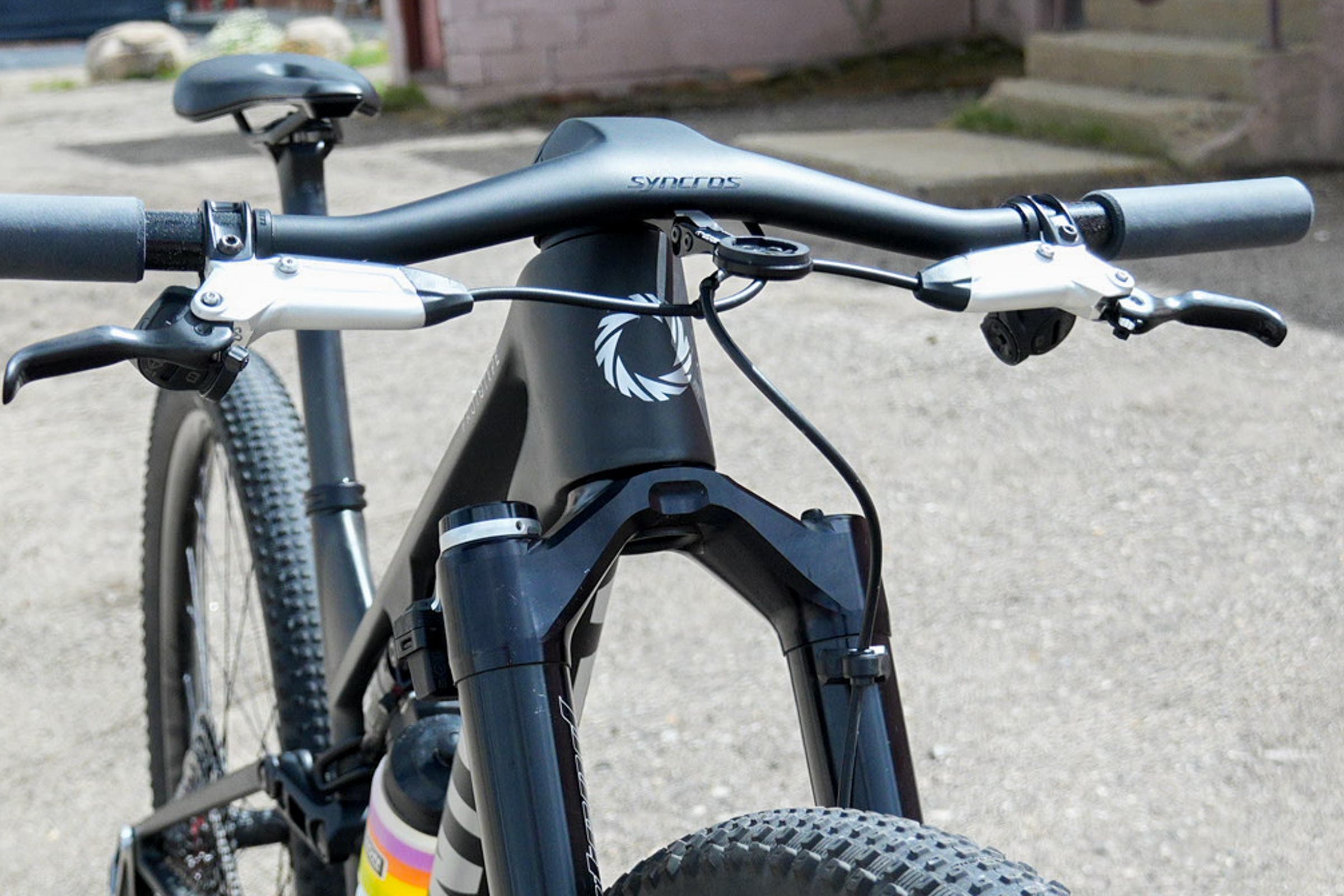
“I’m still a dog once I get in the fight,” Woods said of his racing style. “I forget my age, and I forget that I have two kids and a wife. But it definitely feels way more stable and you feel like you have a lot more traction. I’ve really noticed that just because of its wider wheel base.”
Away from the descending, perhaps the most important takeaway from Woods is how the bike climbs.
“I didn’t get a great idea of how it climbed relative to the best climbers because I wasn’t well placed at the base of the climb. But I climbed well today and I feel like on anything that’s rocky, even if it’s steep, it rolls super well. It’s a bit heavier, but you’re also able to roll over a lot of things. And then the advantage of this was such a flat race, I felt like it was a big advantage having the 32s on the whole.”
Who didn’t ride the new bike?
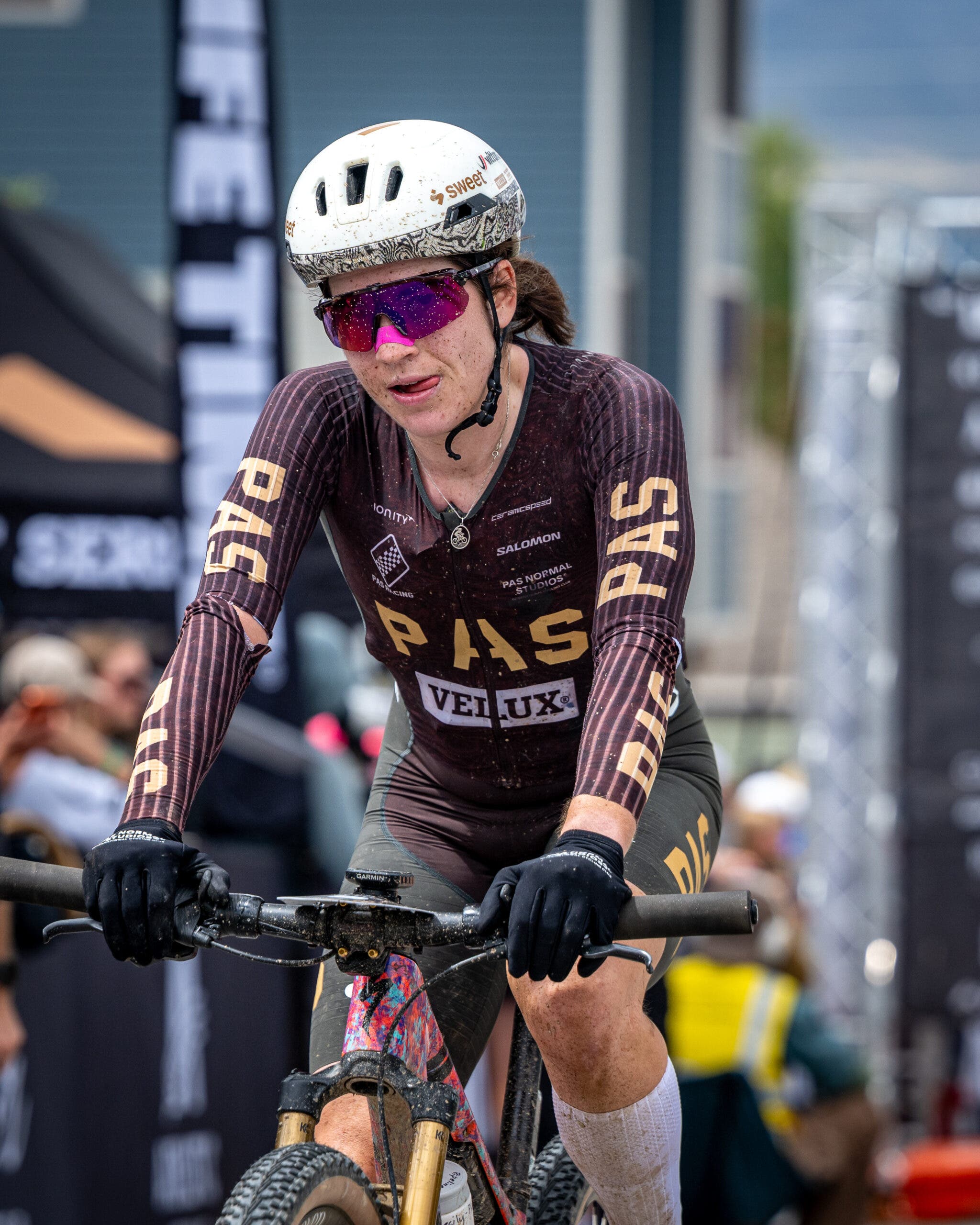
The notable athlete who had access to the new Ventum 32 prototype but didn’t ride it was Cecily Decker. Decker, who was the main animator of the women’s race, chose a Specialized Epic World Cup, the bike she has raced previously for the key Life Time Grand Prix races.
Paired with Berd wheels, the bike was clearly built to be as light as possible, with Decker prioritizing the weight savings of the standard 29-inch bike over the rollover and traction benefits of the 32-inch bike.
For the majority of the race, Decker looked like she made a good choice, given her lead and climbing time up Columbine. Yet, it wasn’t enough to stay away from a charging Melisa Rollins, who reeled her in on the way back to the finish.
In an incident that certainly could be the crux of the discourse around how 32-inch bikes at Leadville, Decker lost the race on the final technical descent of St. Kevin’s when she flatted trying to follow Rollins on the rough, rocky terrain.
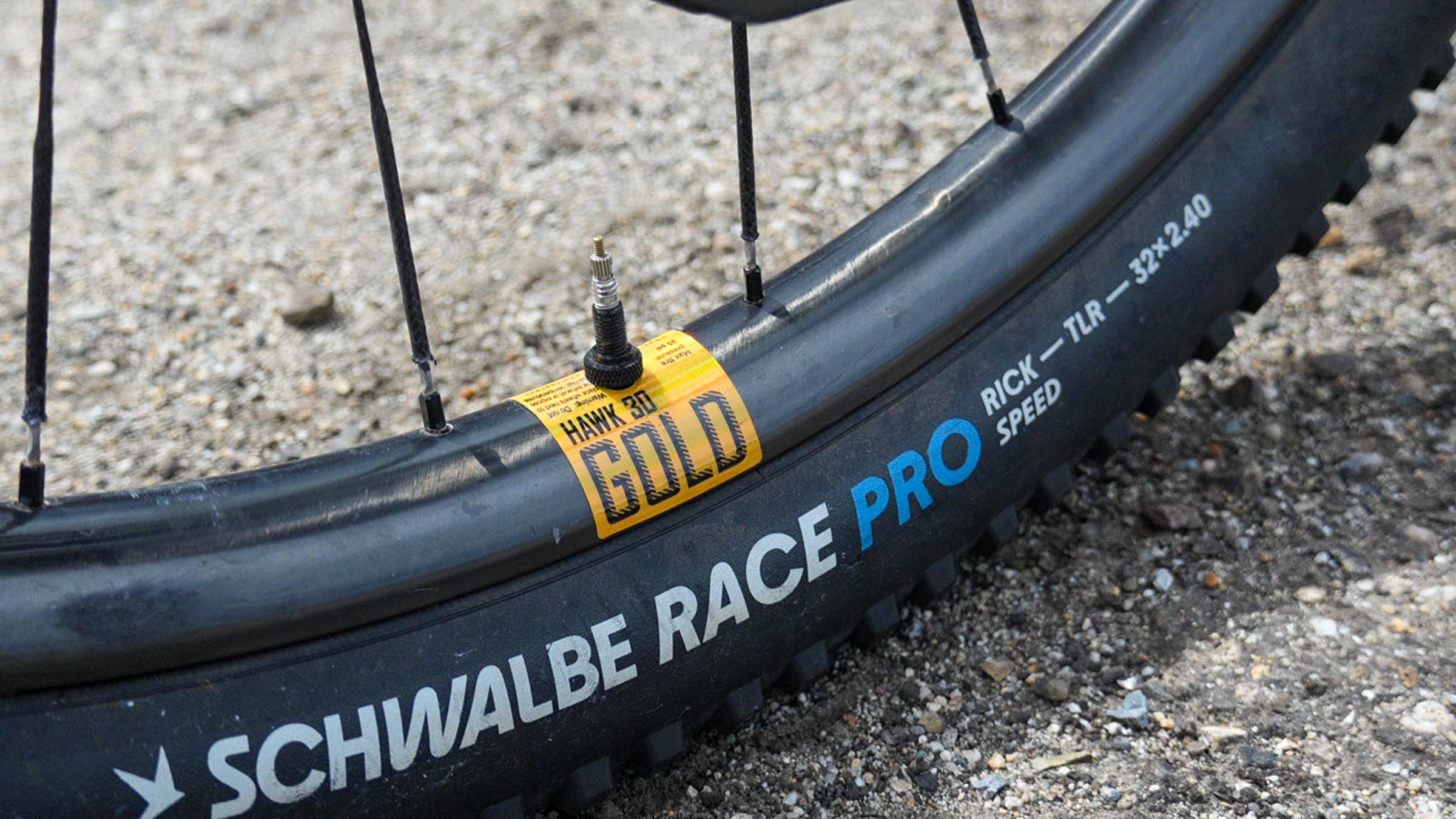
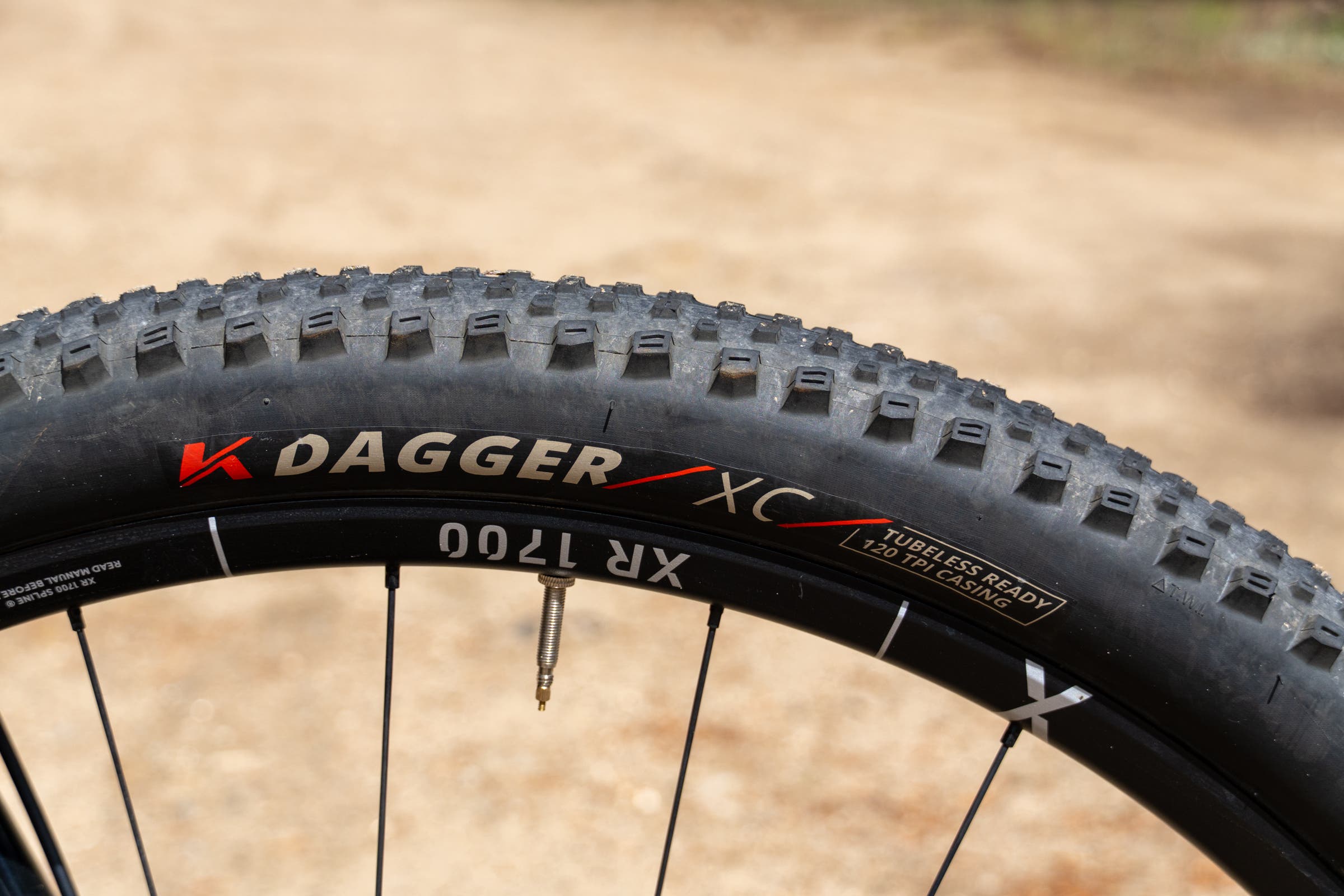
That flat—whether a bad strike or a forced error trying to follow the former winner Rollins—is a massive reason why 32-inch bikes have been developed. Not only can they improve stability, as many of the athletes mentioned, they also can prevent flats. It won’t avoid all flats (Griffin Hoppin flatted the 32-inch prototype on Columbine), but it certainly can change the calculus, as the higher volume of air at the same tire width can offer a much bigger room for error when it comes to pinch flats.
Ultimately, we were unable to speak to Decker after the race, yet it will be interesting to see if she changes her tactics for the two upcoming Life Time Grand Prix mountain bike races where the 32-inch wheels will have even less climbing to contend with.
[analyse_source url=”https://velo.outsideonline.com/mountain/32-inch-ventum-prototype-bike-leadville/”]