[analyse_image type=”featured” src=”https://velo-cdn.outsideonline.com/wp-content/uploads/2026/08/Berd-Spokes-Cover.jpg”]
Berd, known for fiber spokes, has launched the Sparrow 50 Gold wheelset. The brand has come with bold claims, arguing the wheels are the lightest and most compliant deep gravel wheel available. While gravel has increasingly adopted the “smooth is fast” motto, perhaps no company embodies that idea more than Berd wheels. With its patented fiber spokes offering a unique selling point, Berd has been aggressive at building a slate of gravel and mountain bike offerings that quite literally reinvent the bike wheel with a completely different spoke system.
The Sparrow Gold 50 is the latest culmination of that tech, as the company has gone to great lengths to validate and test its wheels against the best in the market. Not only has Berd tried to build a wheel that can silence the criticism that the fiber spokes are not fast enough for high-speed gravel riding, but also, the Sparrow 50 Gold now comes in a 32-inch model. It has all the same features and functions, making it future-proof for whatever comes next.
Read on to get a look at all the interesting details of the wheels and our first ride impressions of the Sparrow 50 Gold gravel wheelset.
Specs
| Specification | 700C / 29″ | 32″ |
| Rim Depth | 50 mm | 50 mm |
| Rim Internal Width | 30 mm | 30 mm |
| Rim External Width | 38 mm | 38 mm |
| Hub | Talon ESL-R | Talon ESL-R |
| Hole Count | 24 Hole | 24 Hole |
| Front Axle Compatibility | 12 × 100 / 12 × 110 mm | 12 × 100 / 12 × 110 mm |
| Rear Axle Compatibility | 12 × 142 / 12 × 148 mm | 12 × 142 / 12 × 148 mm |
| Recommended Tire Size | 40–60 mm | 40–60 mm |
| Optimized Tire Size | 45–55 mm | 45–55 mm |
| Spoke Length | 259 mm | 291 mm |
| Front Wheel Weight | 600 g | 718 g |
| Rear Wheel Weight | 698 g | 823 g |
| Wheelset Weight | 1,298 g | 1,541 g |
| MSRP (USD) | $2,395 | $2,495 |
The power of compliance
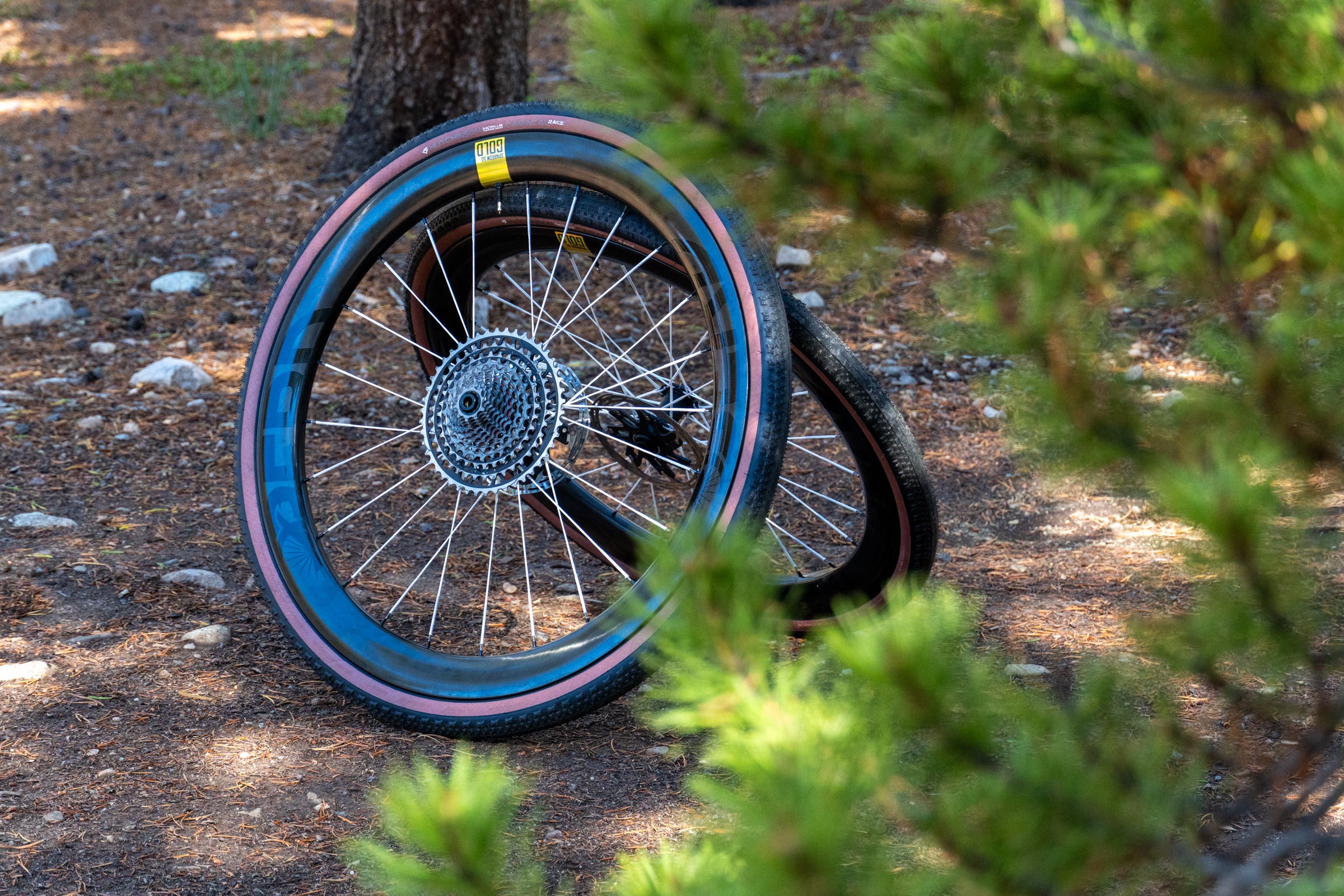
Just as wide tires and tubeless technology have become predominant in the post-COVID cycling world, Berd spokes and wheels are a product of the same shift in understanding: compliance is the low-hanging fruit in pursuit of off-road speed.
While advancements in aerodynamics are important—more on that later—compliance can and should be the building block of tech. And, as we have seen with the mix of tires, suspension, and frame design, there are so many ways to go about finding that compliance. Berd saw the opportunity to look for that compliance in the wheel. More specifically, Berd looked to the material of a wheel’s spokes as an opportunity for real innovation.
With this goal, Berd introduced fiber spokes as a replacement for metal, carbon, or composite options. Instead of rigid materials, Berd uses fiber spokes (more specifically braided ultra-high-weight polyethylene). The secret to the material’s success is its viscoelastic properties. In simplified terms, spokes made of this fiber can deform more and then snap back into its original shape better than other materials.
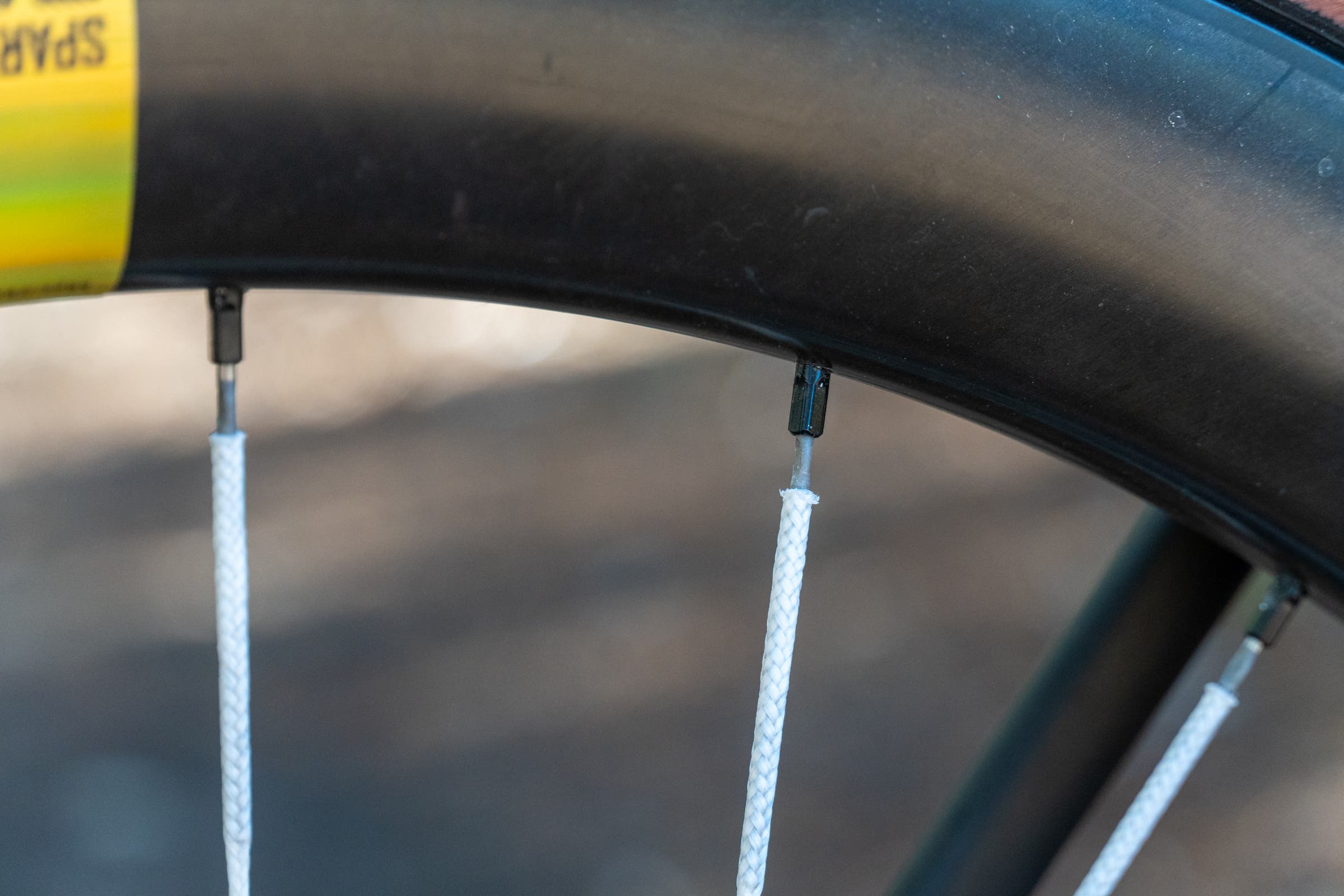
This means that the tension and length of steel spokes are similar to Berd spokes. However, the energy transfer from the rim to the hub “decays” two to three times faster with fiber spokes. That energy decay is due to the fiber essentially stretching more and thus damping more of the vibrations of the road. This directly translates to less suspension loss and preserves forward momentum.
To quantify this change, Berd turned to the expertise of John Karrasch. Karrasch, known as @flexfitbyjohn on Instagram, uses the Chung method to test rolling resistance in real-world conditions. Through testing the Berd Sparrow 50 Gold in its 32-inch configuration versus a similar DT Swiss steel spoke wheelset, Karrasch found the Berd wheel saved five watts at 18 miles per hour on rough gravel.
Now, this is a simplified explanation of a very complicated physical phenomenon and testing that Berd has detailed in a comprehensive white paper. We will explore the White Paper more in our long-term review. In the meantime, you can read it here.
As light as any aero gravel wheelset on the market
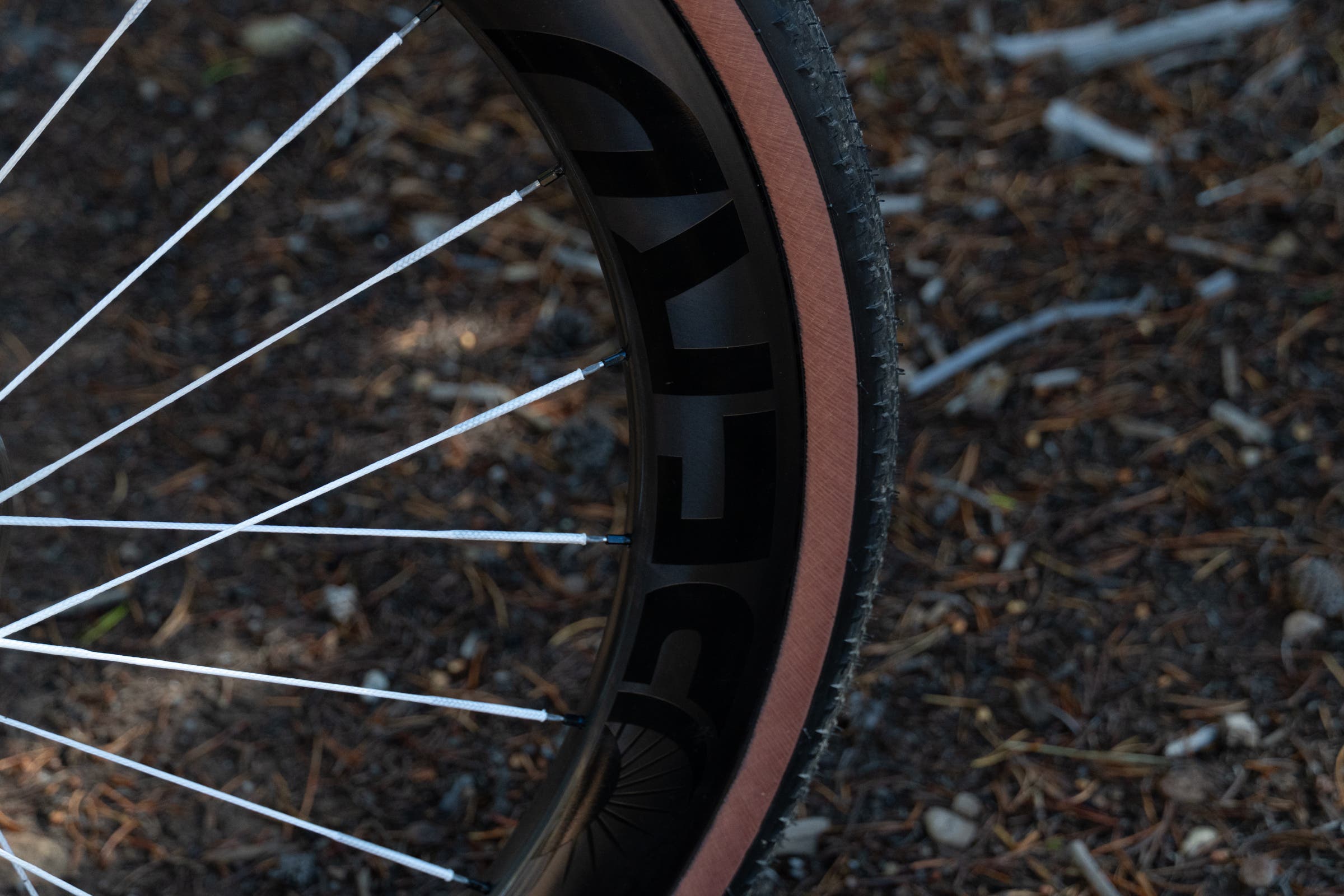
Even though compliance has become the biggest draw, Berd spokes were first developed for strength-to-weight gains. For off-road riding, Berd has been at the forefront of lightweight wheel technology ever since they entered the market.
The Sparrow 50, for all of its compliance and aerodynamics, is no different. Weighing in at 1,298 grams for the set, Berd has developed the wheels to be the lightest 50mm gravel wheelset on the market. While some wheels are close, like the Roval Terra Aero CLX, Berd has tried to walk the fine line of producing an aerodynamic gravel option while staying true to its lightweight roots. The aerodynamics are where Berd has looked to improve beyond its conventional strengths.
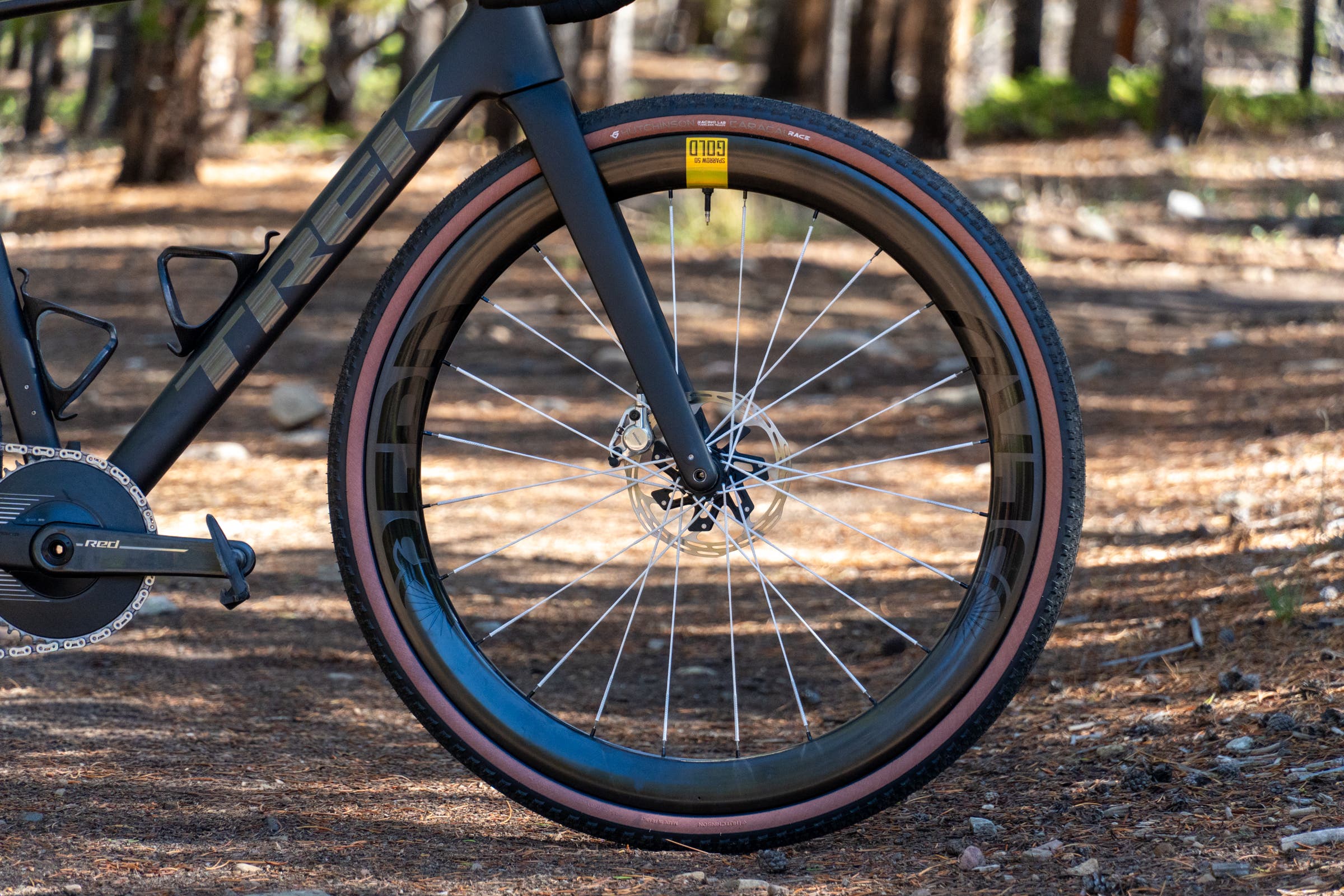
Berd took the Sparrow 50 to the wind tunnel to compare their new rim profile to both the shallow Sparrow gravel wheel and other top competitors like the Enve GES 4.5 and the Zipp XPLR SW. In wind tunnel tests, Berd saw massive gains compared to their own shallow rim and minimal losses compared to the Zipp and Enve. At 20 miles per hour, the Sparrow 50 produced 1.7 watts more drag than the Zipp and 0.8 watts more than the Enve wheel.
Through a calculation that generates expected finishing times based upon inputs like rolling resistance, aerodynamics, and weight, the Sparrow 50 was a big step up for Berd. Over 100 km of moderate gravel, the wheel was a minute faster than the previous Sparrow, 49 seconds better than the Enve, and 41 seconds quicker than the Zipp. All of these figures were calculated for a 90 kg rider producing 200 watts for the race.
While different courses, power profiles, and speed will change that calculation drastically, the calculator demonstrates that for an average gravel rider, compliance paired with aerodynamics can be a consequential marginal gain. The calculator used to generate this data is available at berdspokes.com if you are interested in computing your own time-to-finish calculations with different equipment combinations.
An early option in premium 32-inch offerings
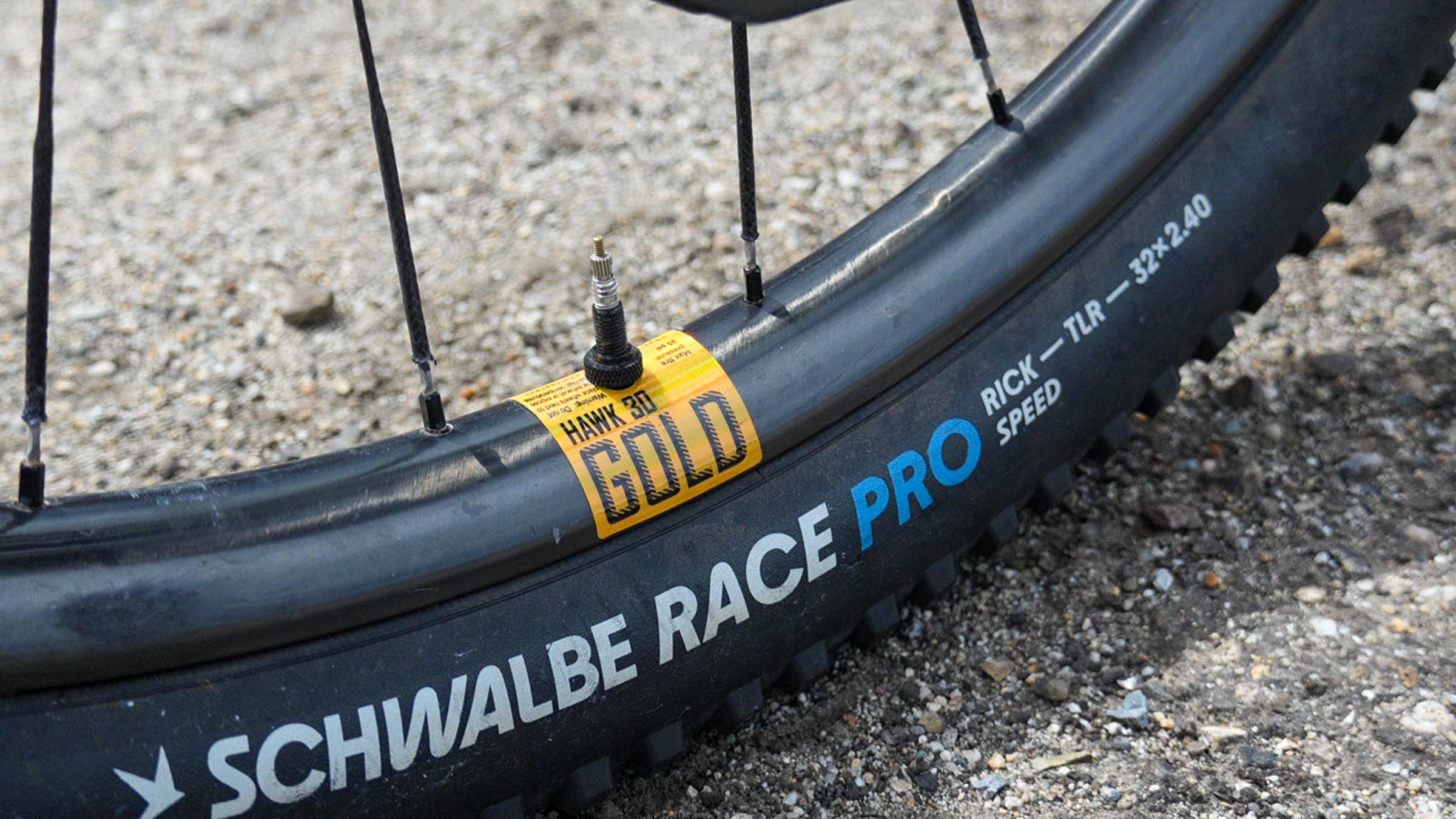
When you consider that the name Berd comes from pushing the words bike and nerd together, it is no surprise that Berd has been a leading presence in bringing high-quality 32-inch gravel bikes to the market. The Sparrow 50 Gold is a case in point, as the wheelset brings a level of racing tech and efficiency to the 32-inch category that doesn’t quite have frames ready to match that racing quality.
That is set to change quickly as many brands are deep in the R&D process for 32-inch gravel bikes. When they come, don’t be surprised to see the metallic gold badge on a fair few bikes, as the damping qualities and low weight in particular will be popular traits in the world of big wheels.
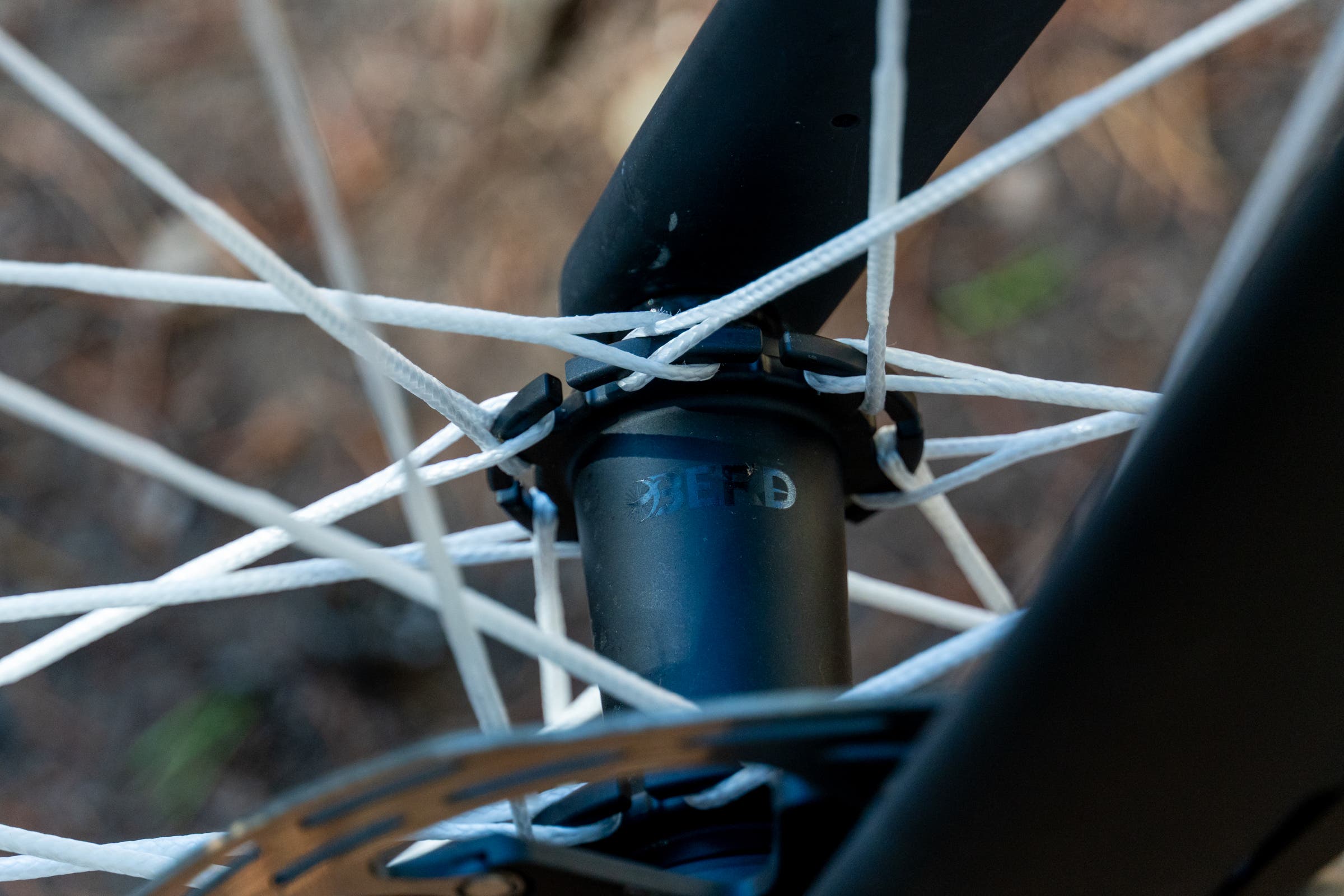
All the technical features of the two wheel sizes are the same. They are just scaled to fit the extra three inches in diameter. The only change is in the front Talon ESL-R hub setup. You’ll swap the 12 mm axle for a 15 mm axle. This 15 mm axle is becoming the new standard for 32-inch gravel bikes. With the Talon ESL-R hubs, that swap is designed to be easily made without requiring tools to change the “sleeves” that set the axle diameter.
First ride impressions
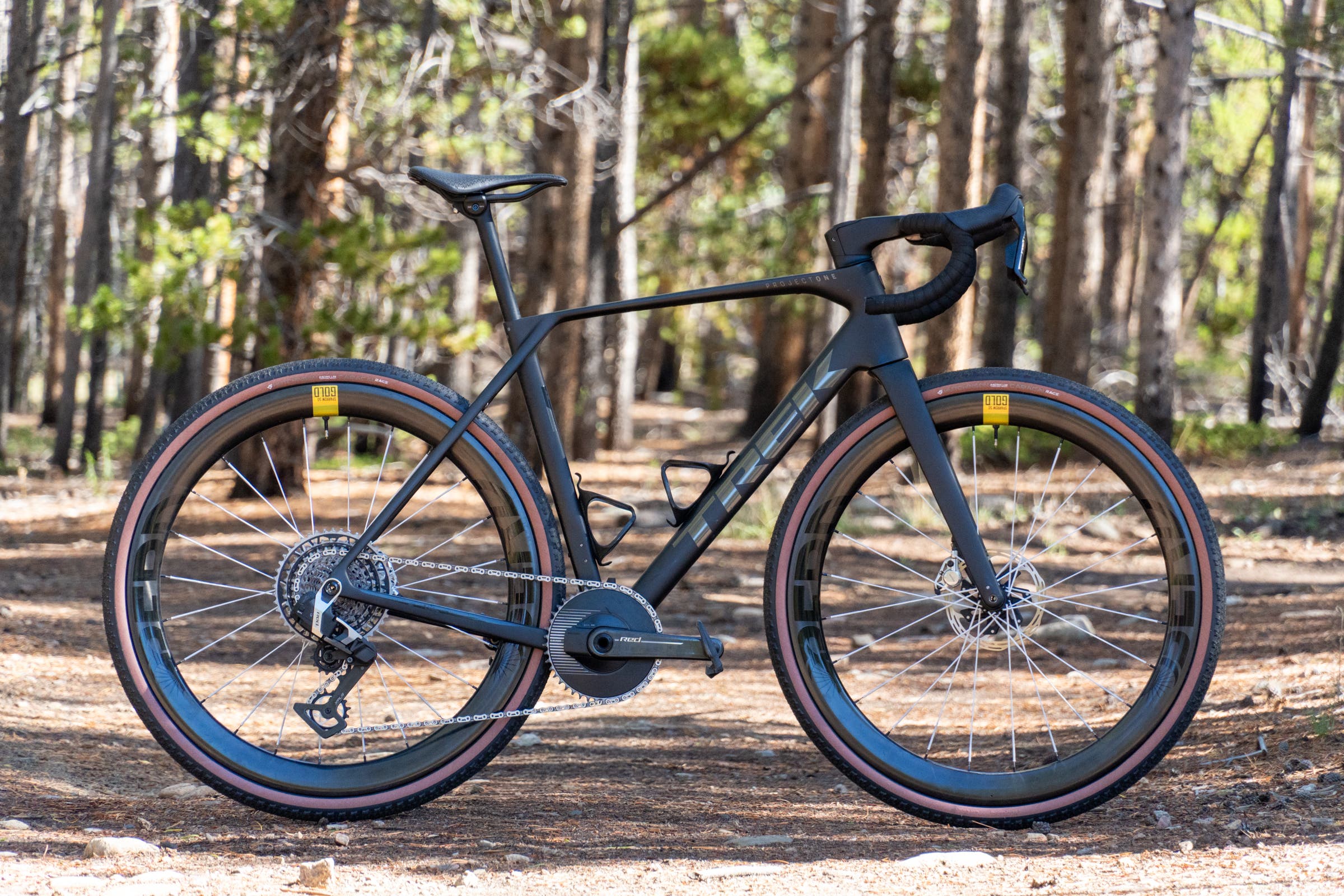
I’ve just begun the long-term review of the new Berd Sparrow 50 Gold wheelset. A more comprehensive review will follow. Nevertheless, in limited riding, the new wheels have been extremely exciting.
As is customary, I did my best to put the wheels on their best foot forward during the first impression period. For some products, that use case is obvious. The Specialized Crux, for example, is best when it races gravel. The Berd wheels, however, could be taken in a few different directions.
Ultimately, I settled on putting the wheels on the new Trek Domane to evaluate the Domane’s underbiking capacity on light gravel. I paired the wheels with a set of Hutchinson Carcal Race in 40mm to push gravel speed to the max. 40mm was also the middle of the Venn diagram of the wheels’ minimum tire size and the bike’s maximum tire clearance.
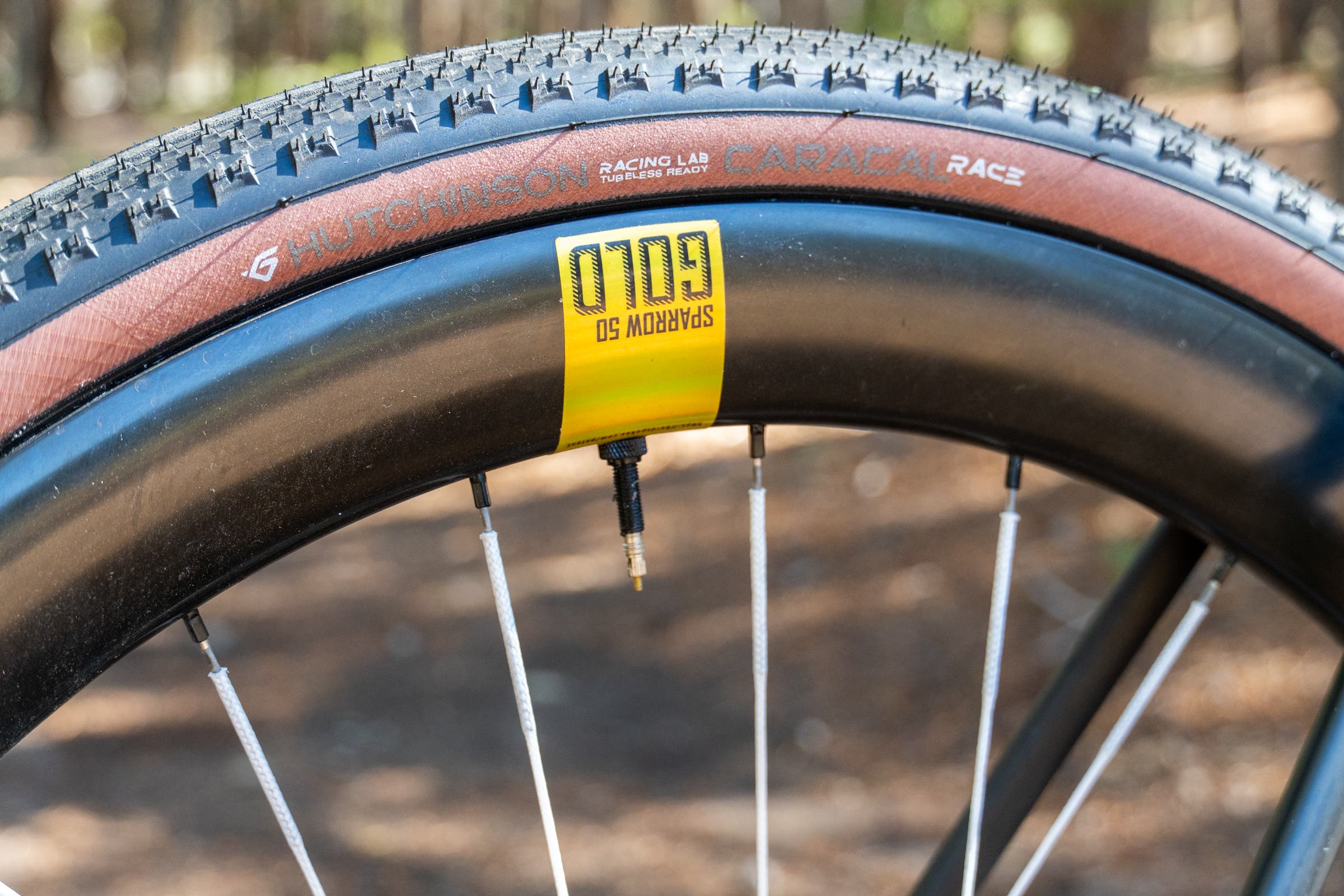
My first big ride on the wheels was in Durango, Colorado, on a mix of paved and hard-packed gravel roads east of town. You would be hard-pressed to find a more representative “light gravel” terrain west of the Mississippi River. Putting everything together really worked for this task. If the wheels did what they promised, I had found the perfect bike build for the day.
Sure enough, that excited panned out.
Off the bat, the weight was most obvious. The Domane is a distinctively light bike for its category, but I was prepared to feel like the wheels would push the bike out of its low-weight class. That wasn’t the case, as the bike weighed in right at 16 pounds fully built up. I’ll admit a sixteen-pound bike with gravel tires was a new experience for me, but as I climbed away from Durango on the pavement, I was pleasantly surprised with the ease of the bike.
A bit of the bike’s spring was removed, but when I was seated, it felt close to how the bike felt with 35mm tires and lightweight wheels. Nevertheless, pavement climbing is the one area where the Berd wheels’ added compliance can feel like a hindrance. I have always enjoyed the sensations of a rigid, stiff wheel for climbing—the Enve AR40, for instance, felt great on the climbs even if it is far from the best riding or lightest-weight wheel.
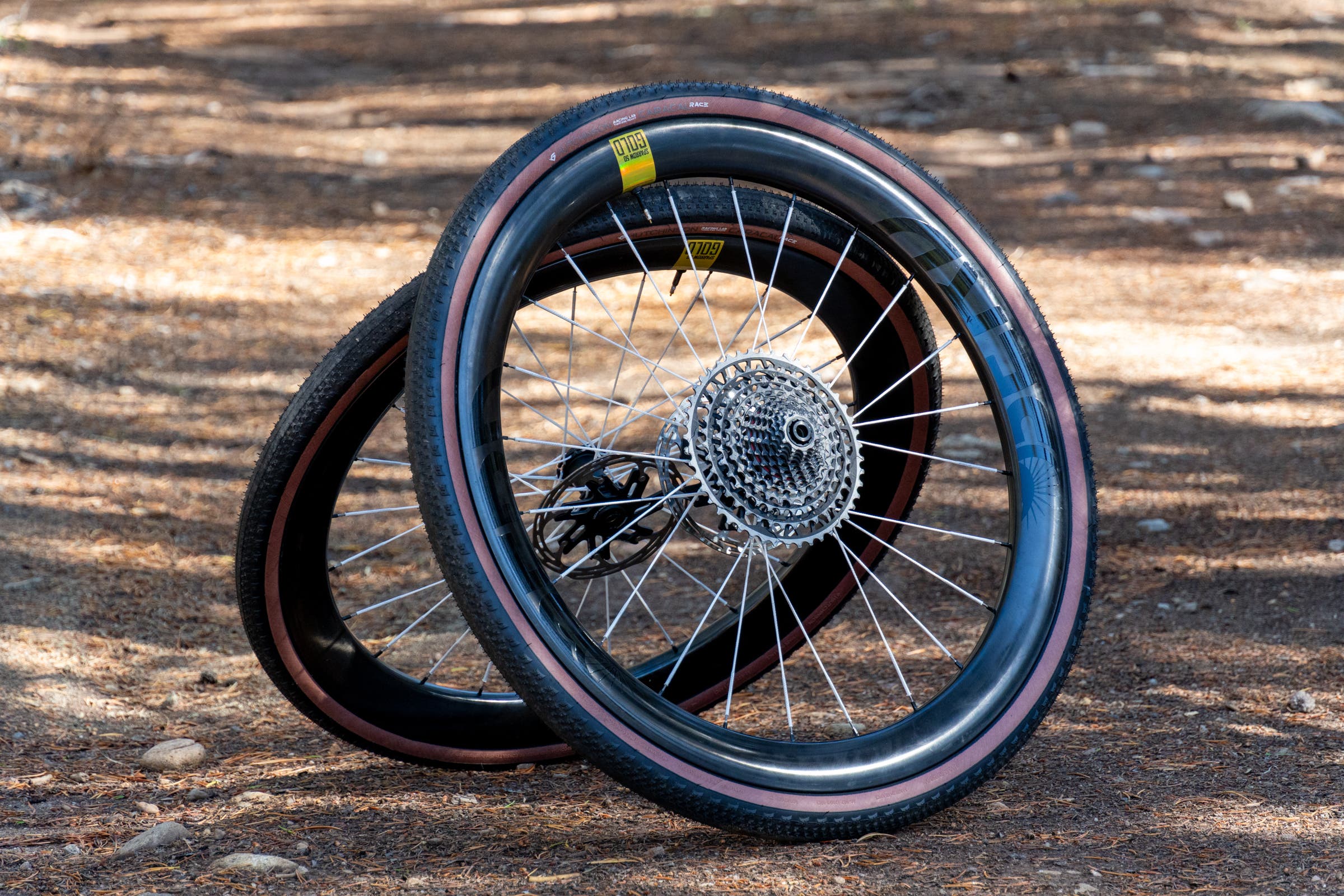
The Sparrow 50 with a 40mm tire does not provide the same experience, and it took a bit to get used to the wheels supple forgiveness . i would say the wheels are stiff; it is more that the combination of the smooth feel of the wheels and the lower pressure of the 40mm tire is never going to feel very solid. But as I rolled downhill and onto some clunkier pavement, the sensations flipped. The only way I could describe the sensation is pillowy, offering the sensation of a nice 50mm slick but with the speed of a 40mm slick.
That was only exaggerated once I got to the dirt. There, where the 40mm of tire could flip the rolling resistance in its favor, I was thrilled. I couldn’t help but feel like a school kid who has cracked algebra. Oh, what a joy it is to connect a wheelset, tire, and bike together in harmony with the roads around you.
Now, I’ll admit this is a narrow test case. One bike ride with all the aspects lined up. But across that dirt, what I felt was a material change to the sensations of the bike. That is what many wheels promise, but few deliver to the extent that the Berd wheel system does. It truly feels like an extra 5mm of volume without the extra drag of the 5mm of volume.
What is Goldilocks if not that?
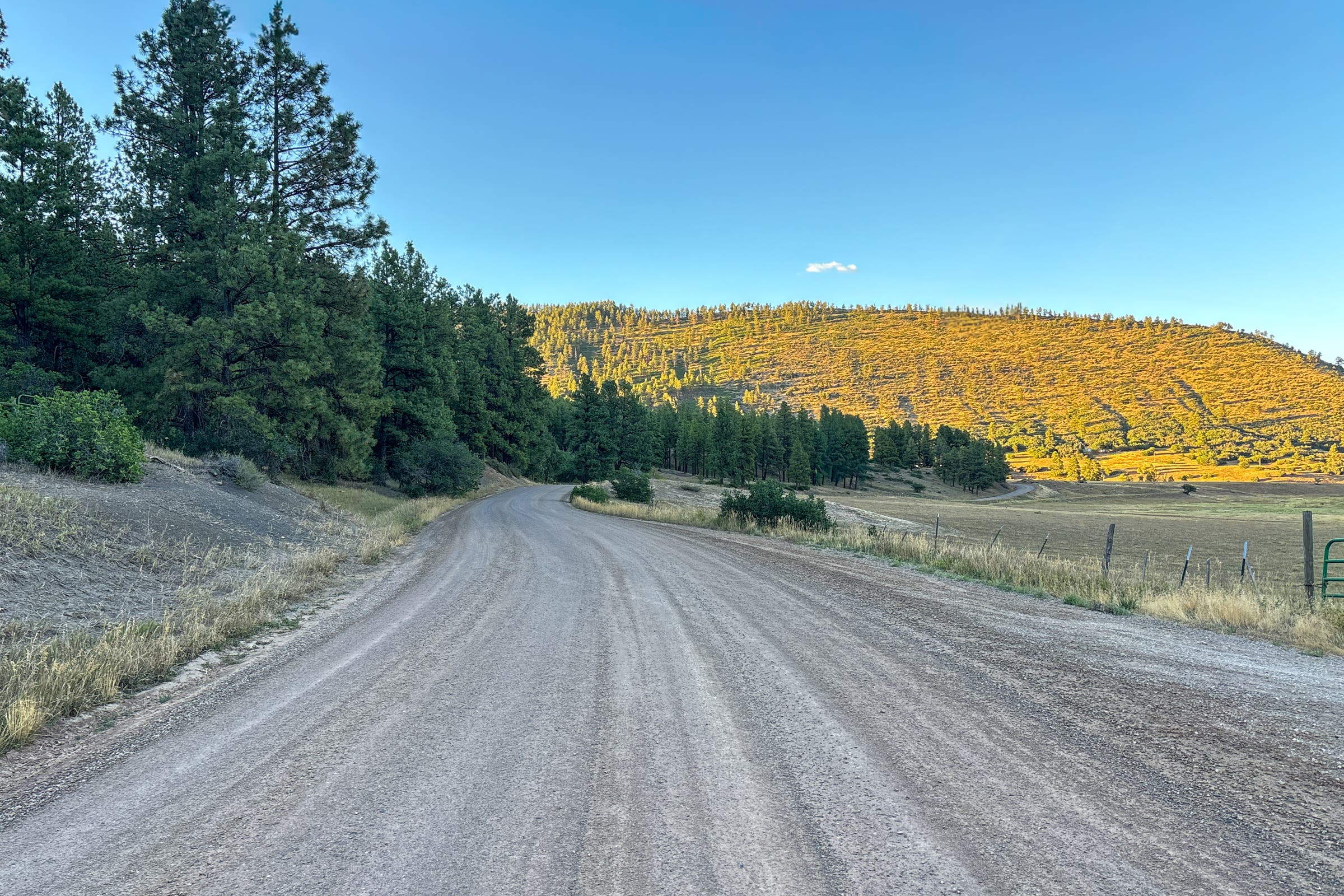
I am excited to keep diving into the wheels. It could be that the buttery compliance is additive at a lower tire volume and lacks desirable stiffness with a bigger tire. Then again, it could be additive across the range of widths; in gravel it is hard to find too much compliance when the going gets rough.
Regardless, short of tires, there are few components I have tested that provide such a specific change of experience as the Sparrow 50 wheels. This ride experience is truly different. I’m excited to explore how it stacks up against Berd’s bold claims.
[analyse_source url=”https://velo.outsideonline.com/gravel/gravel-gear/berd-sparrow-50-gold-first-ride-review/”]