{“@context”:”https://schema.org”,”@type”:”Article”,”image”:”https://car-images.bauersecure.com/wp-images/270599/092-czinger-21c-spyder-front-studio.jpg”,”mainEntityOfPage”:{“@type”:”WebPage”,”@id”:”https://www.carmagazine.co.uk/car-news/first-official-pictures/czinger/2026-21c-spyder/”},”url”:”https://www.carmagazine.co.uk/car-news/first-official-pictures/czinger/2026-21c-spyder/”,”author”:{“@type”:”Person”,”name”:”CJ Hubbard”,”description”:”CJ is a former Associate Editor of CAR, and now runs parent company Bauer Mediau2019s Digital Automotive Hub u2013 the in-house team that provides much of the online content for CAR and sister site Parkers.co.uk as well as helping out with CAR magazine. Heu2019s been writing about cars professionally (if thatu2019s the right word) for nearly two decades, though attempts to hide this fact with an extensive moisturising routine. Rumour has it his first word was u2018caru2019 as well, mind, so his fascination with the topic goes back more than double that length of timeu2026nHis former life at specialist automotive editorial agency Motoring Research means heu2019s also written for the likes of PistonHeads, the Sunday Times, City AM, Auto Express and the Microsoft MSN network, and has appeared in print and on video all over the world. Heu2019s also previously taken a diversion into the world of light commercial vehicles, which means he knows an unhealthy amount about vans and pick-ups, too.nA career starting in 2006 has seen him cover events and create features from all over the globe, including locations as diverse as the Australian Outback, the Arctic Circle, the Omani desert, North and South America, India, China, Thailand and Cuba. An enthusiast and a technologist, he approaches the current quickening evolution of all things automotive with an analytical interest that aims to put the driver first, and feels incredible lucky to be experiencing so many of these changes first hand.nOver this time heu2019s driven everything from city cars to articulated trucks, and almost every type of power-source imaginable. Thereu2019s no steam car in the archive, but as well as petrol, diesel and electric, CJu2019s tried LPG, CNG and several varieties of hydrogen, including rotary and V12 as well fuel cell. Heu2019s daily driven a Lamborghini (tough gig; apparently even tougher to stop mentioning it, several years later), crossed Europe in a van, crashed on track, travelled on and off-road in all kinds of conditions, been kinetically recovered, run out of fuel, and even found himself reported as stolen. In Sweden.nCJu2019s personal four-wheeled back catalogue includes E30 and E34 BMWs, Fords fast and slow, multiple MX-5s, a Saab 900, a Nissan Sunny andu2026 a Vauxhall Cavalier. Having not learnt his lesson spending far too much money ITB-modifying an early Eunos Roadster, heu2019s now burning all his spare cash trying to keep a notoriously unfickle 996 alive. A car he bought largely by accident due to its entirely Nephrite Green interior. As such, heu2019s the very embodiment of why you should do your research before buying a car, rather than afterwards, a perspective that usefully comes across more correctly in his writing than his bank account.nFor cat pictures, random musings, and to see just how green that cabin really is, you can find CJ on Instagram, Threads and possibly Bluesky. Heu2019s also on LinkedIn, but is yet to work our quite why. CJu2019s latest CAR articles are listed below.”,”image”:{“@type”:”ImageObject”,”url”:”https://car-assets.bauersecure.com/wp-images/14264/cjhubbard.jpeg”,”caption”:”CJ Hubbard”},”sameAs”:[“https://www.linkedin.com/in/cj-hubbard-1a649888/”,”https://x.com/ir_427″,”https://www.instagram.com/ir_427/”],”url”:”https://www.carmagazine.co.uk/author/cj-hubbard/”,”alumniOf”:{“@type”:”EducationalOrganization”,”name”:”MA (Distinction) in Motoring Journalism from Coventry University (2005-2006), BA (First) in American Studies (History) from University of Kent (1998-2002)”},”email”:”cj.hubbard@bauermedia.co.uk”,”jobTitle”:”Head of the Bauer Digital Automotive Hub”,”knowsAbout”:”automotive,road testing,car news,car advice,long-term tests,product testing”,”worksFor”:{“@type”:”Organization”,”name”:”CAR magazine”}},”dateModified”:”2026-08-14T10:28:38+01:00″,”datePublished”:”2026-08-14T08:01:00+01:00″,”headline”:”You can take the roof off u2013 new Czinger 21C Spyder brings world-first tech, lets 11,000rpm V8u2026 Czing”,”publisher”:{“@type”:”Organization”,”name”:”Bauer Media”,”brand”:{“@type”:”Organization”,”name”:”Car Magazine”},”logo”:{“@type”:”ImageObject”,”url”:”https://car-assets.bauersecure.com/images/logos/car.200×88.png”}}}
You can take the roof off – new Czinger 21C Spyder brings world-first tech, lets 11,000rpm V8… Czing

-
 Czinger 21C Spyder – full details on CAR
 -
-
-
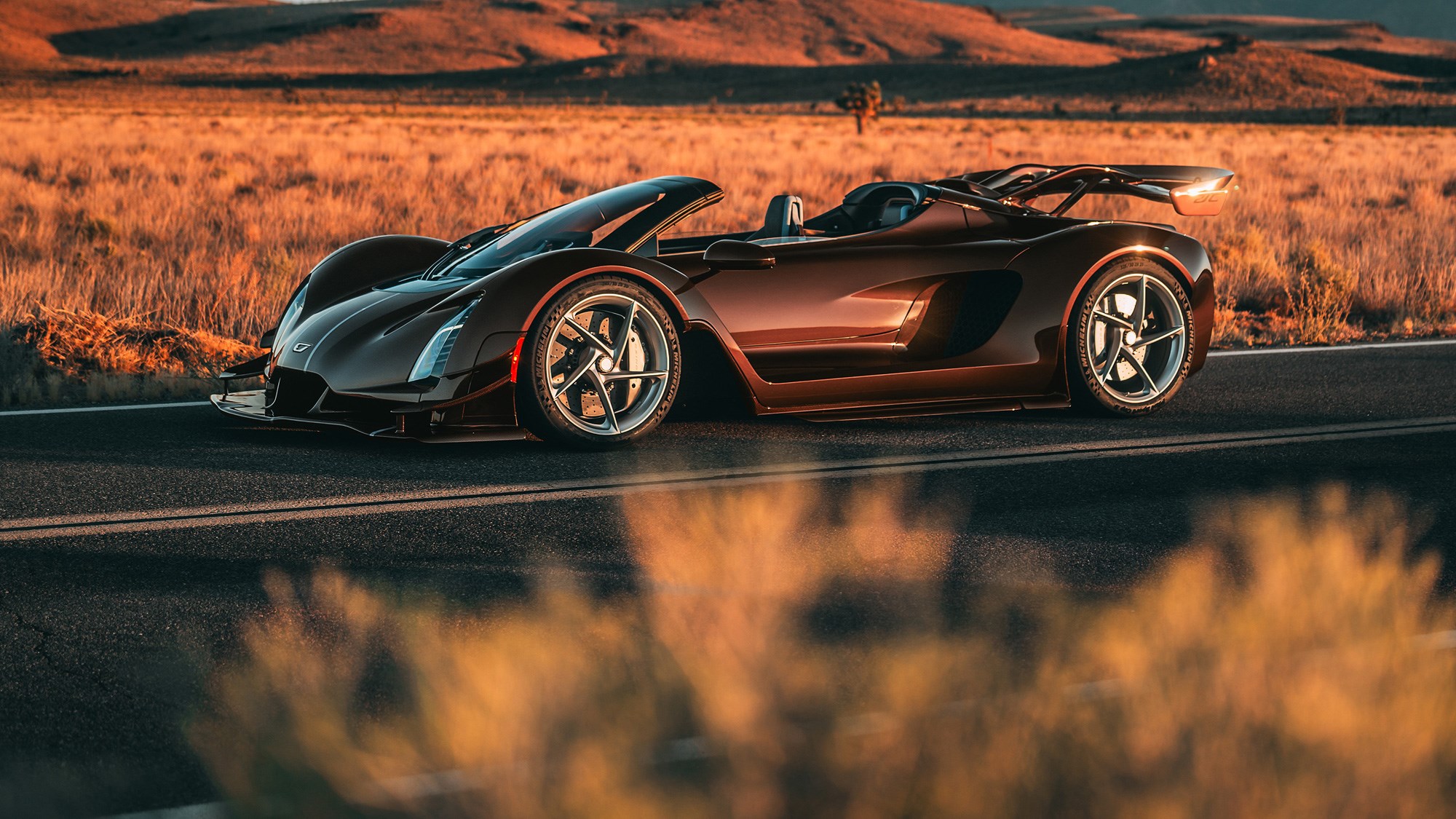
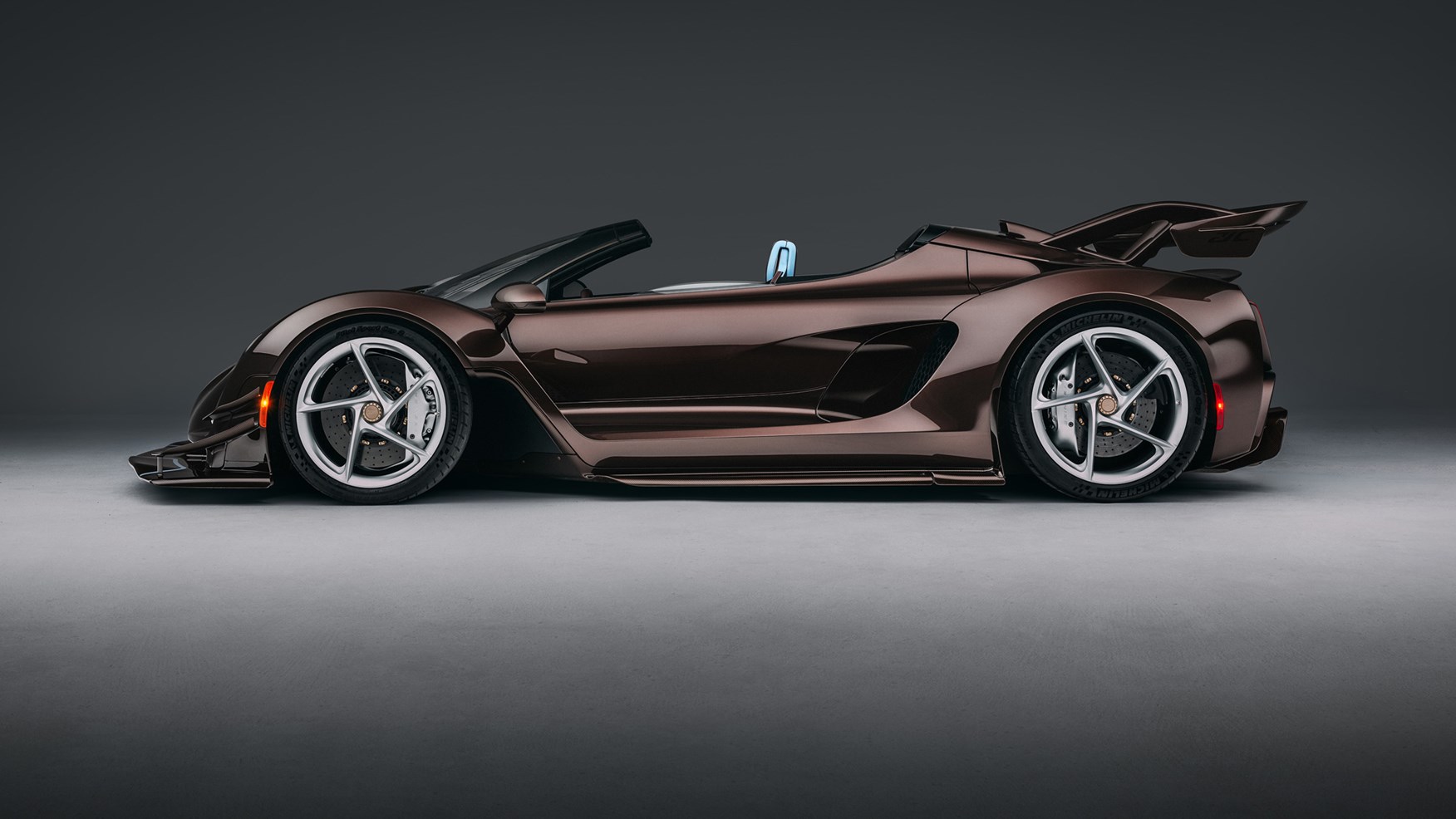
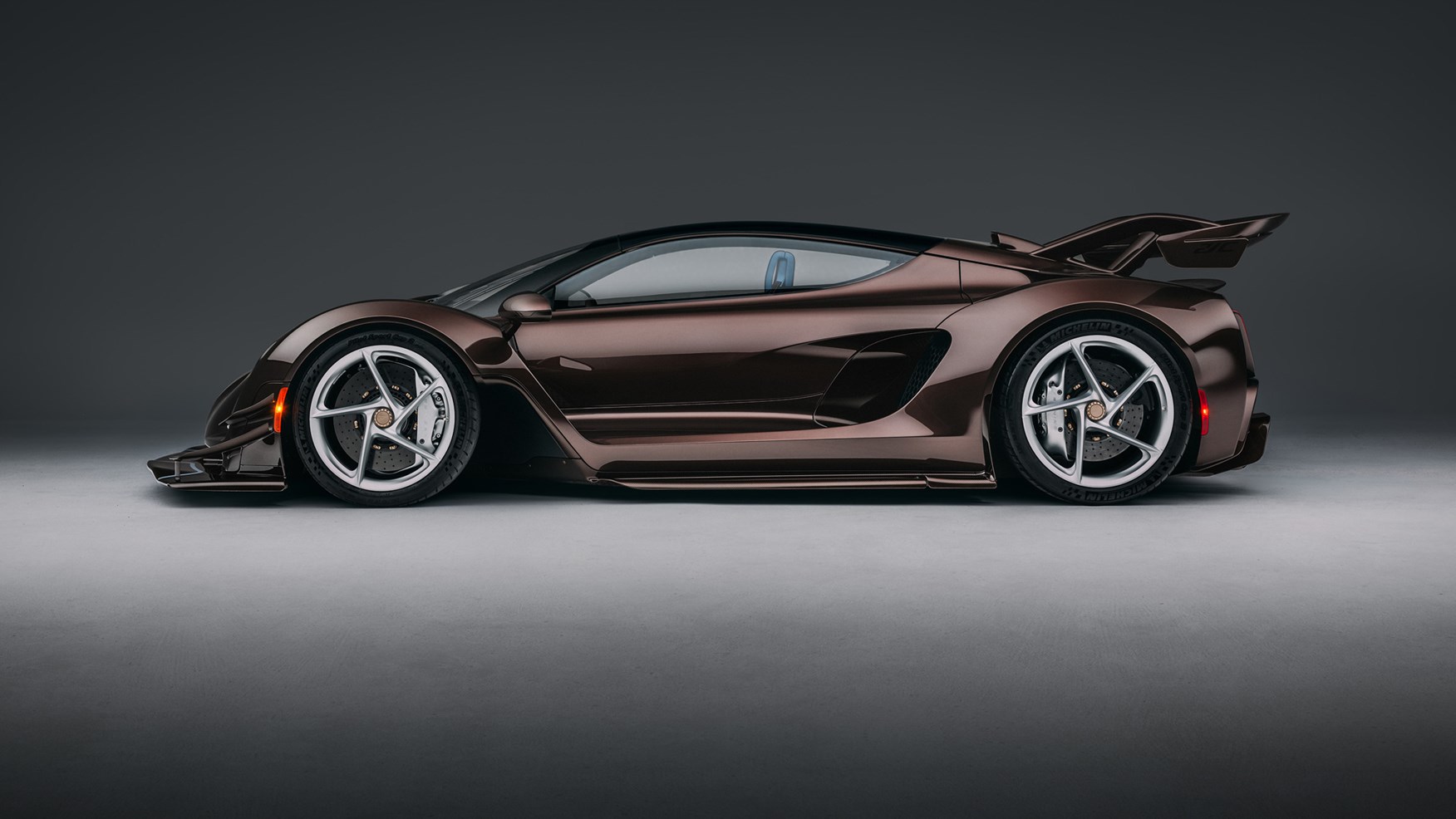
Czinger 21C Spyder – side, desert
-
Czinger 21C Spyder – front, driving on desert highway
-
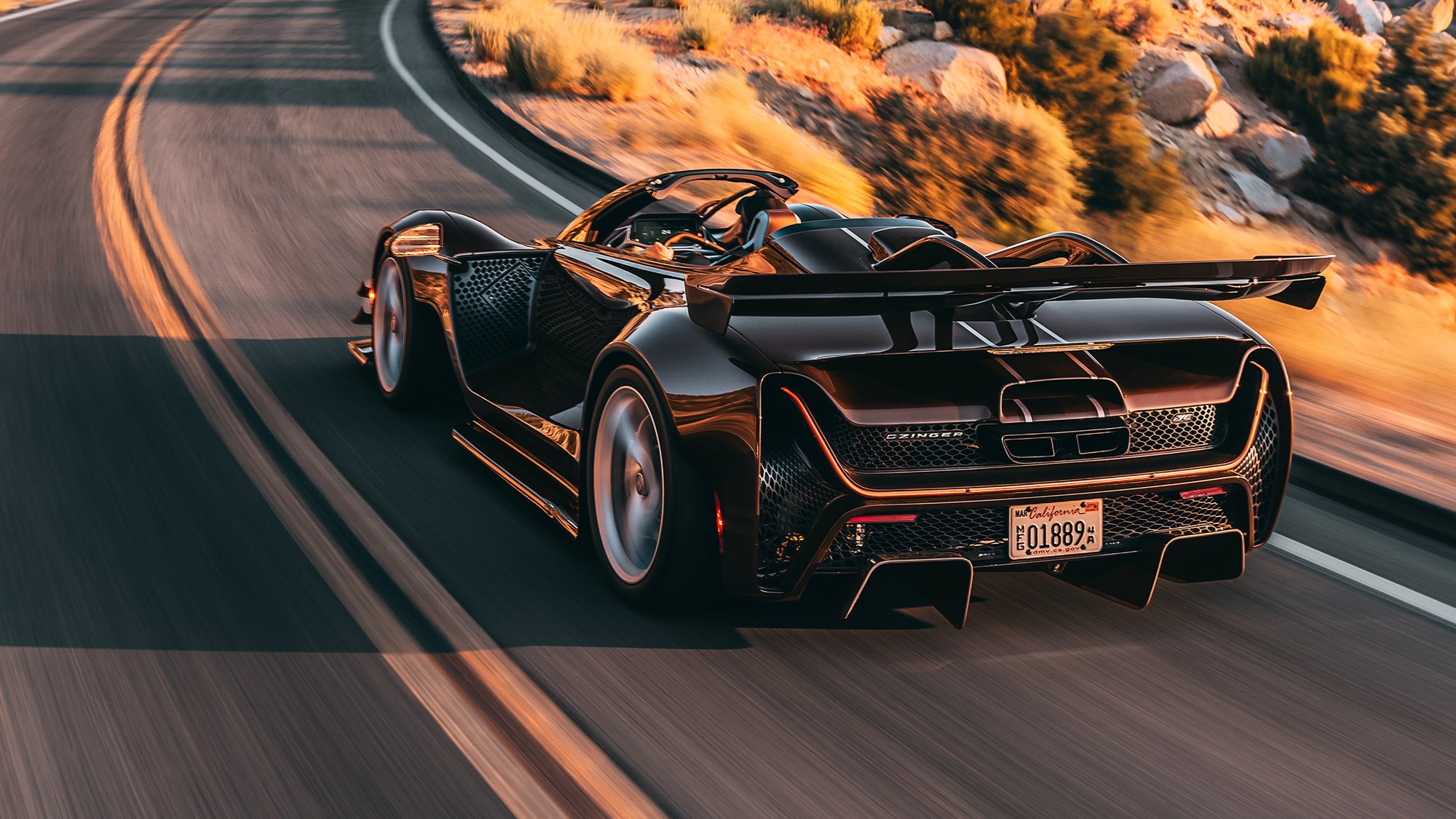
Czinger 21C Spyder – rear, driving on desert highway
-
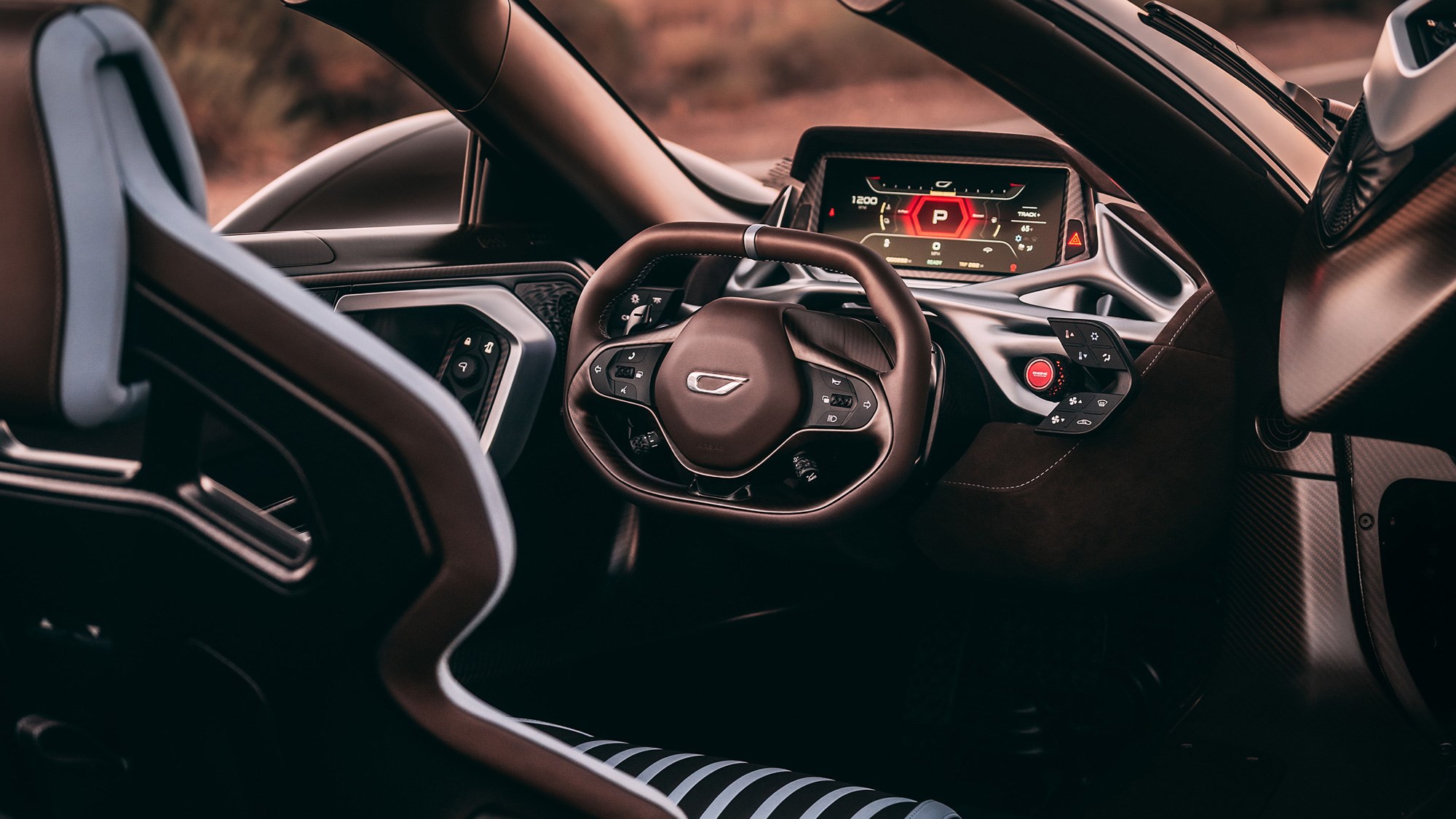
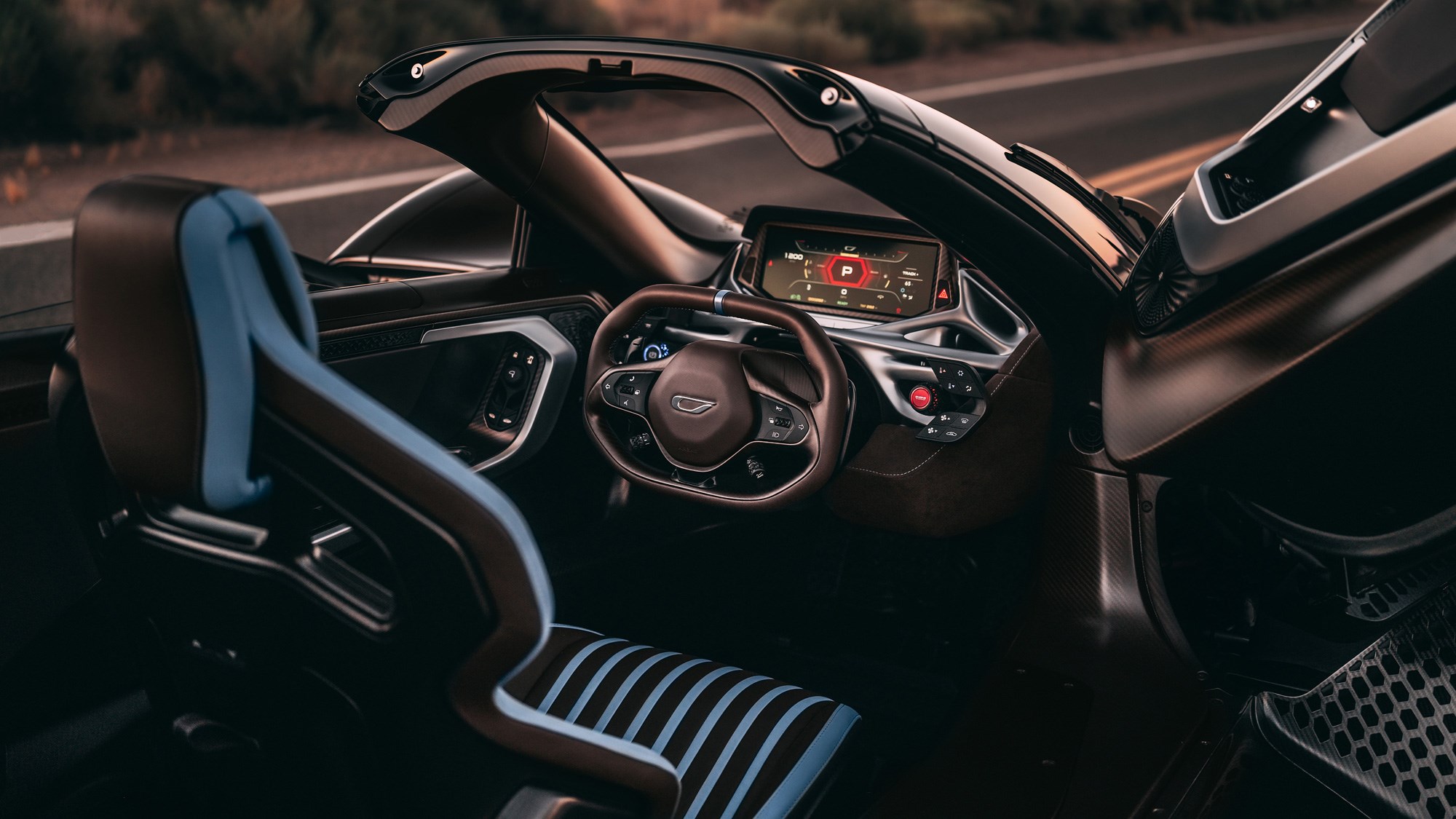
Czinger 21C Spyder – interior showing close-up of NeuralNode, new steering wheel
-
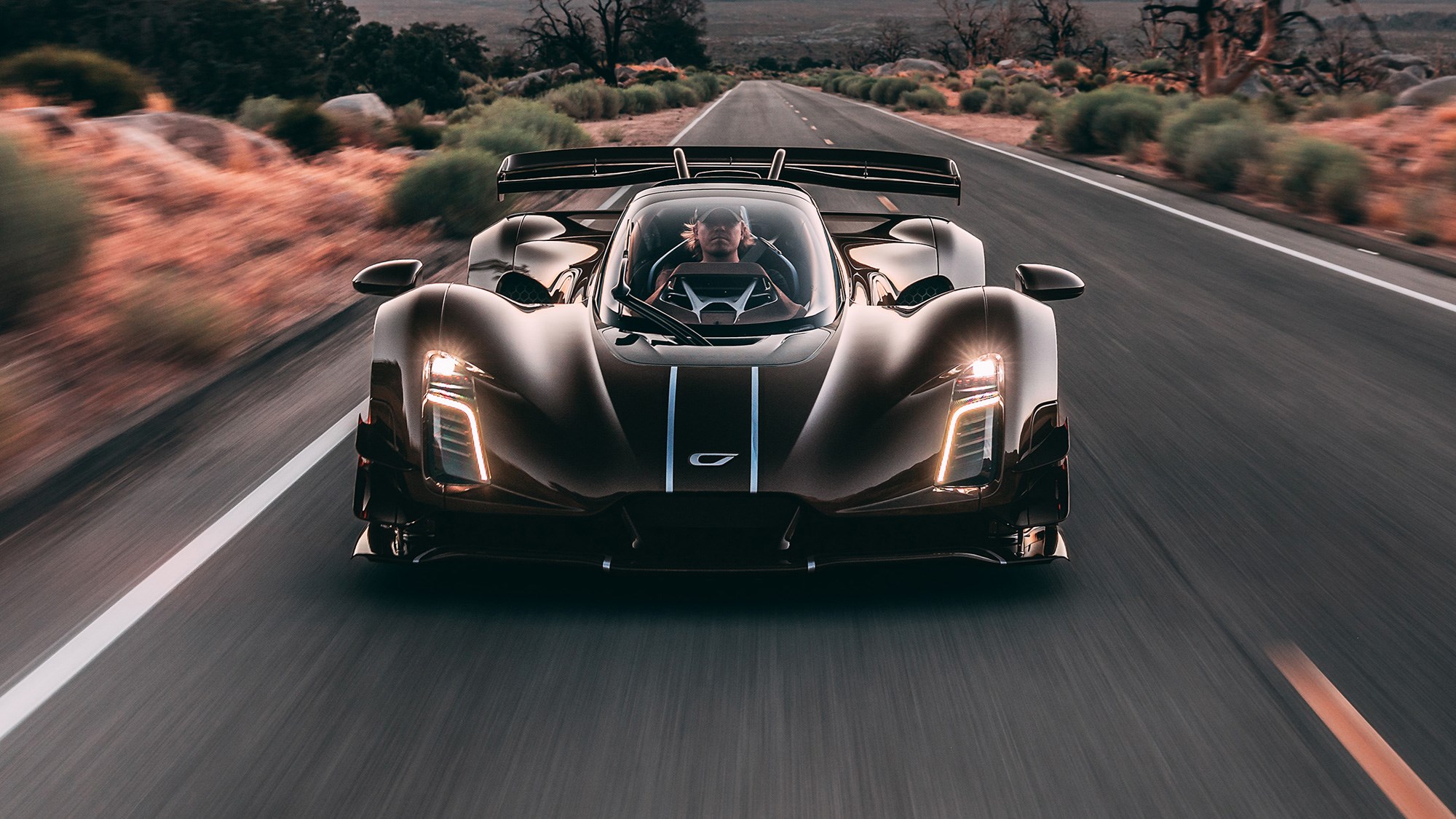
Czinger 21C Spyder – dead-on front, driving on desert highway
-
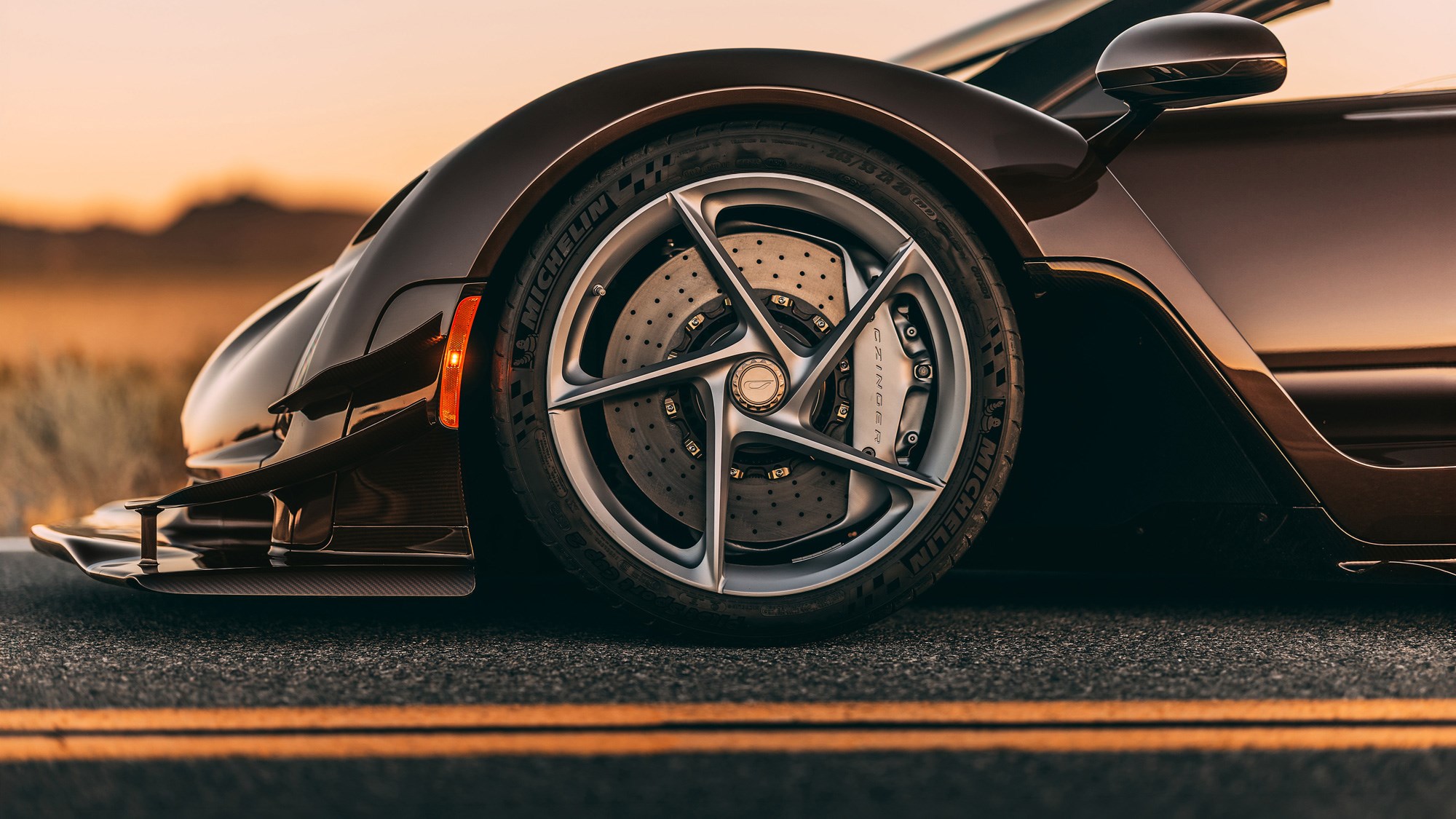
Czinger 21C Spyder – new front wheel showing BrakeNode
-
Czinger 21C Spyder BrakeNode, rear view
-
Czinger 21C Spyder BrakeNode, front view
-
Czinger 21C Spyder NeuralNode interior and new steering wheel, studio
-
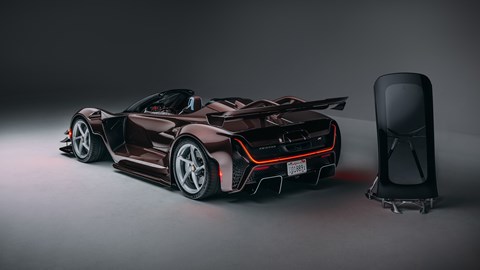
Czinger 21C Spyder – rear view, with carbonfibre canopy roof on BioLogic stand, studio
-
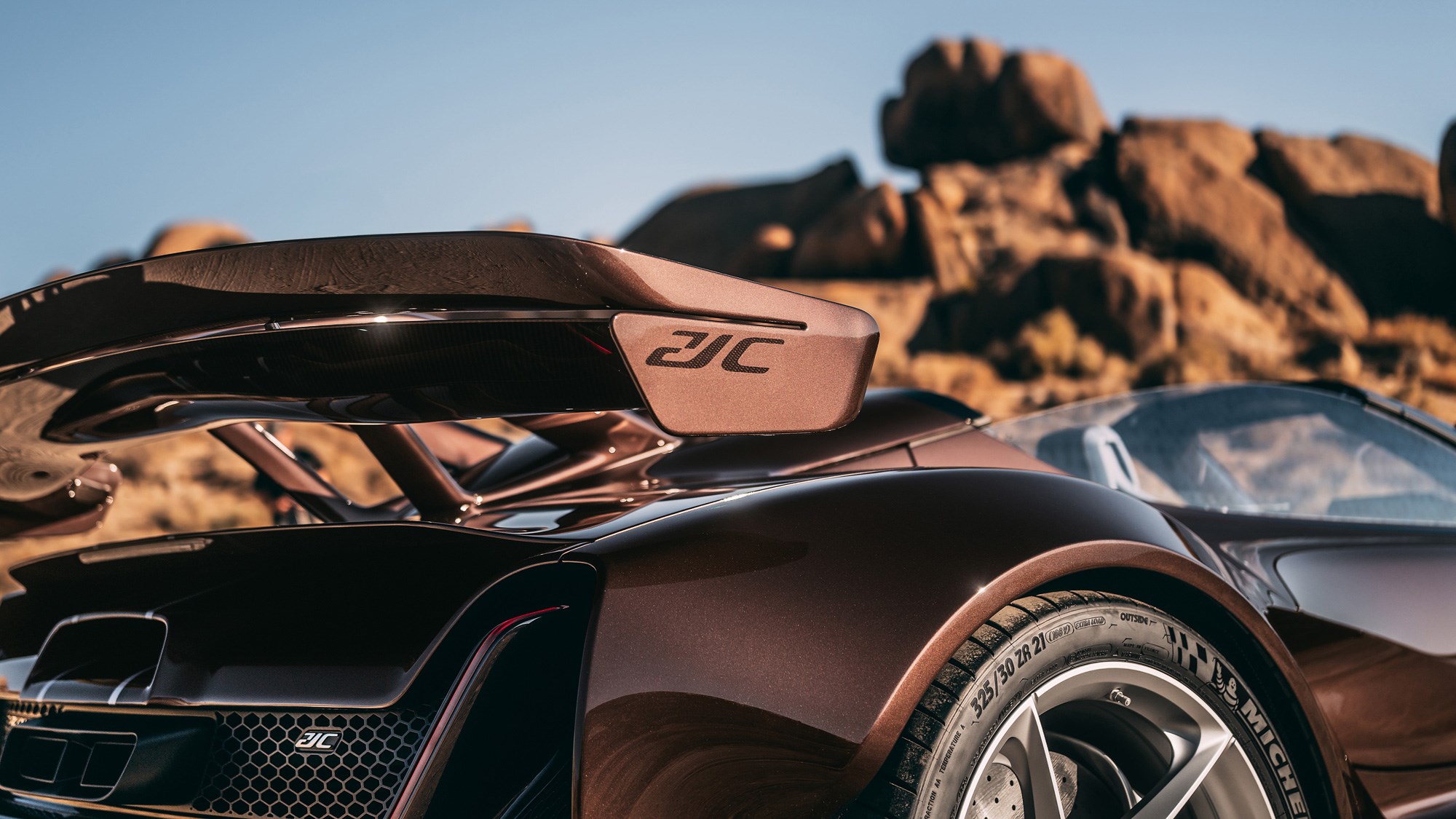
Czinger 21C Spyder – rear wing, desert
-
Czinger 21C Spyder – interior, wide view, desert

► Czinger 21C without a roof for the first time
► Still packs 1250bhp, huge downforce
► Plus wild new world-first BrakeNode tech
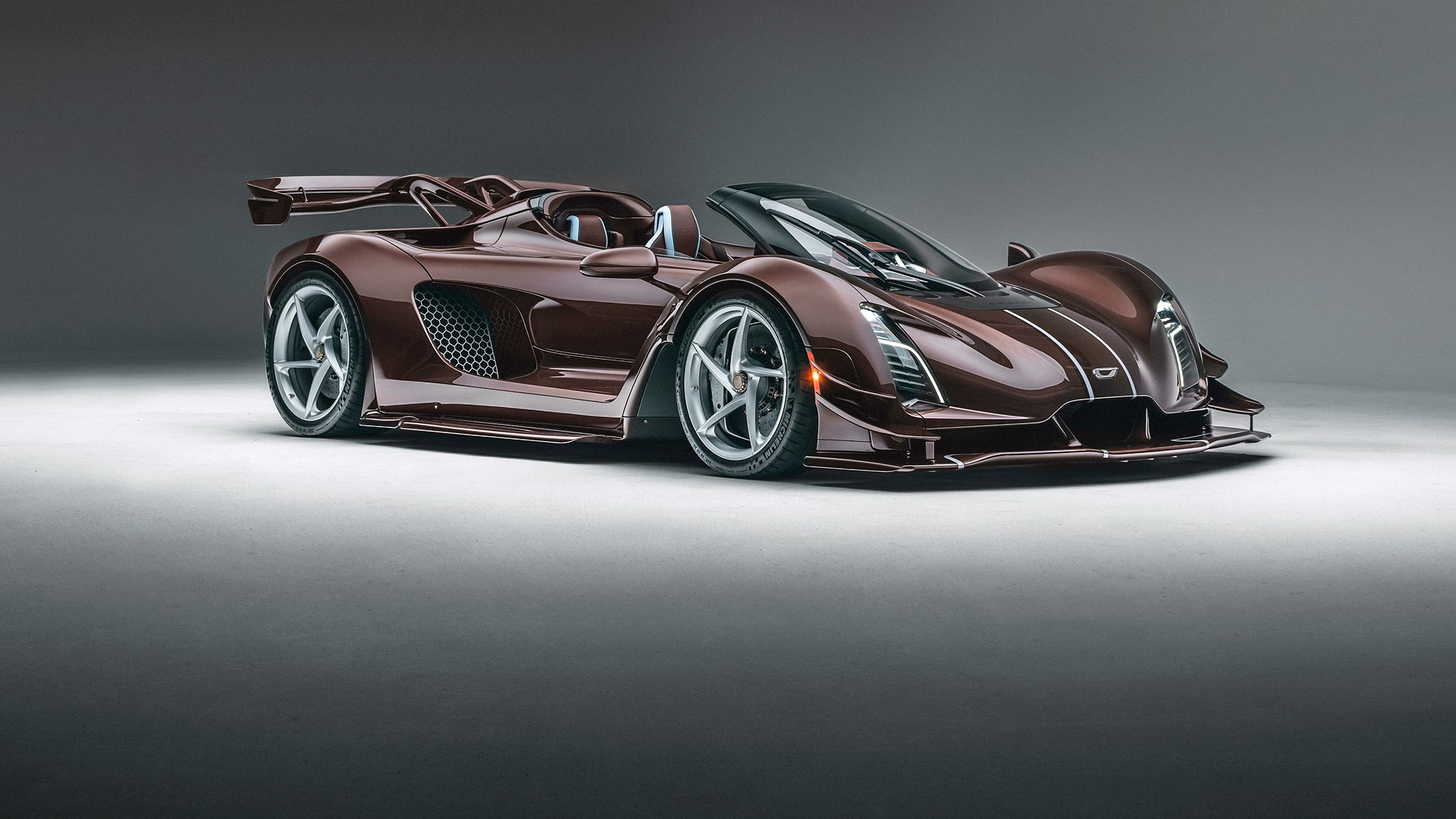
When a hypercar maker puts out a 17-page press release about a convertible version of an existing model it’s either got something extraordinary to say or needs to disappear down one of its own 3D-printed load-bearing manifolds. So, what’s the word on this new Czinger 21C Spyder?
Well, if it’s innovation you want, it’s hard to imagine any other firm delivering to quite this extent. Since being established in 2019 by Lukas and Kevin Czinger, this Californian madhouse has specialised in rethinking almost every element of vehicular design and execution, utilising a process it refers to as BioLogic Engineering. Algorithm-driven iterative construction that delivers weight and strength optimised components that look more evolutionary than mechanical by making extensive use of ‘additively manufactured’ processes.

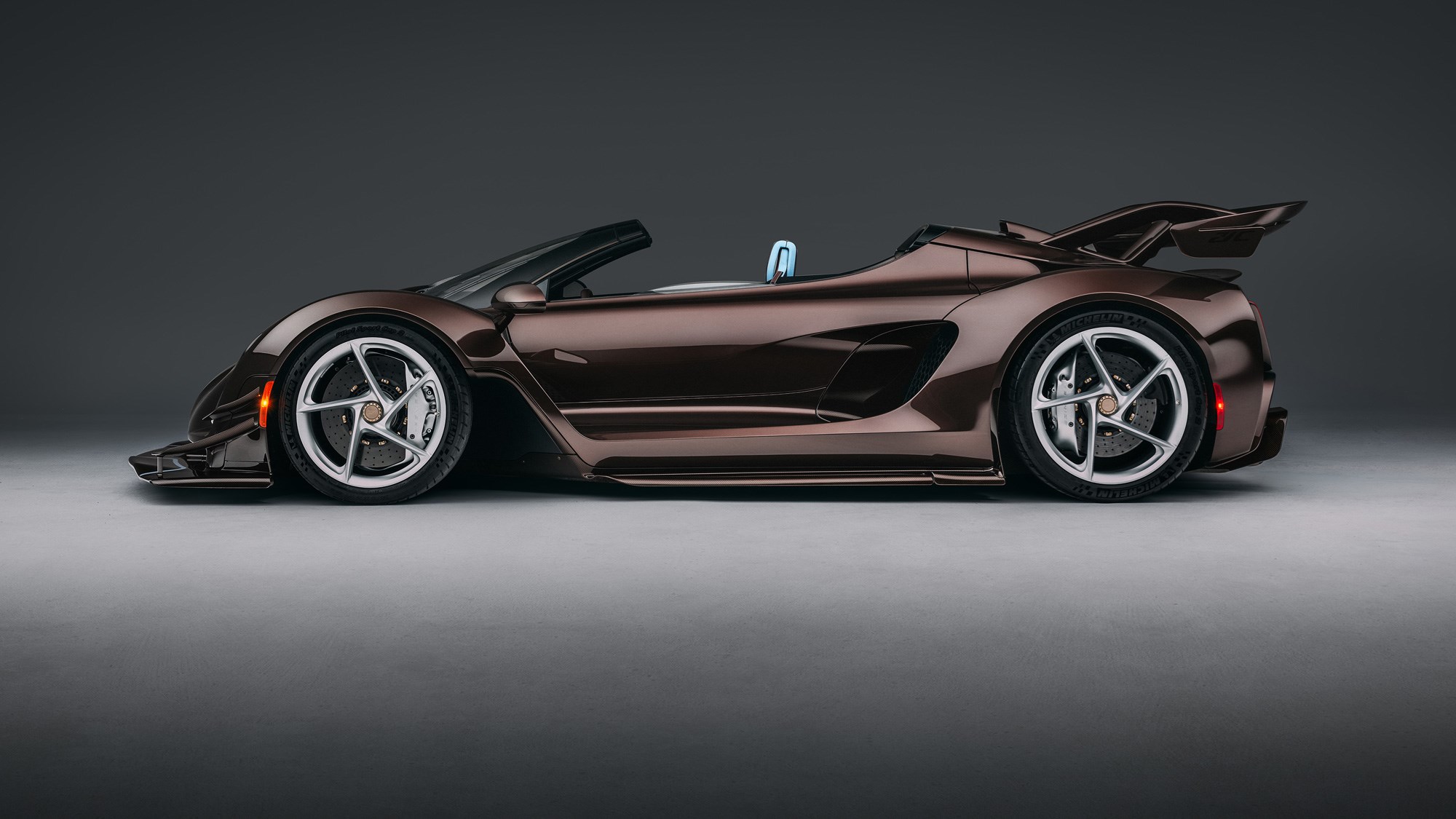
So, on the one hand, the Spyder is a roof redacted version of Czinger’s distinctive but now familiar tandem-seater, complete with the usual hypercar four-figure power-output and multi-million price tag. On the other, it’s an example of how Czinger continues to innovate, introducing yet more radically re-engineered ‘nodes’ and immersing buyers in an open-air experience that includes an 11,000rpm V8 and 0-62mph in 1.92sec.
Also, it looks stunning, doesn’t it?
What’s this world-first BrakeNode technology?
All Czingers are packed with wacky, biological-looking parts, in many cases combining multiple elements into one node to save weight, increase performance and reduce failure points. All stuff that’s only made possible by additive manufacturing that 3D-prints metal into ‘topological’ forms that are otherwise unachievable, often using Czinger’s proprietary Z301 aluminium alloy.
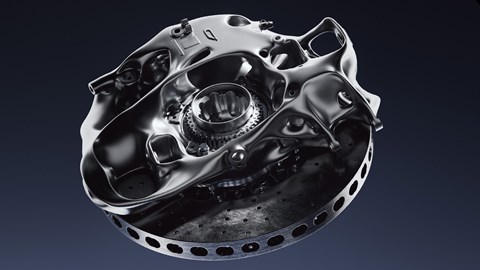
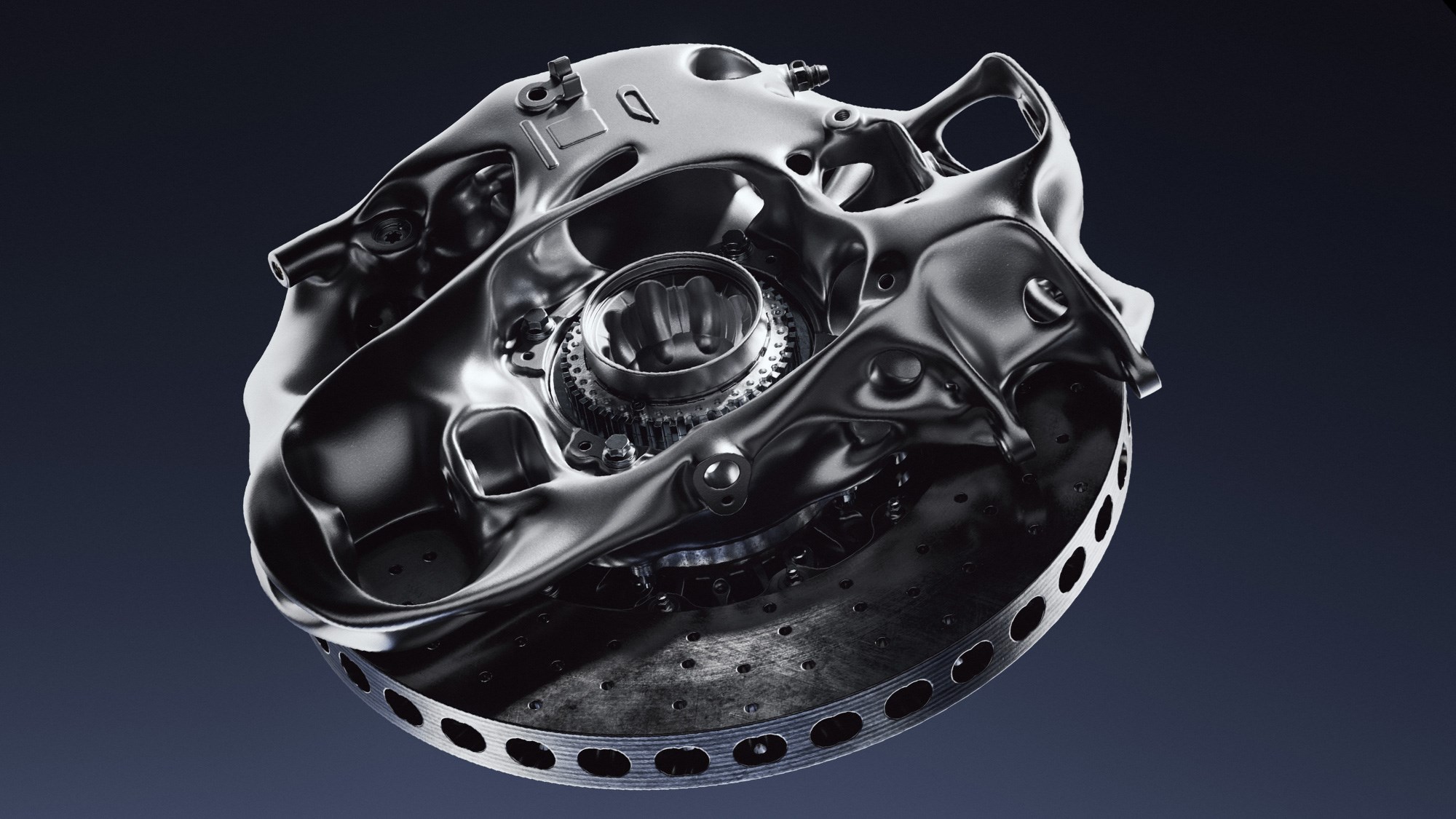
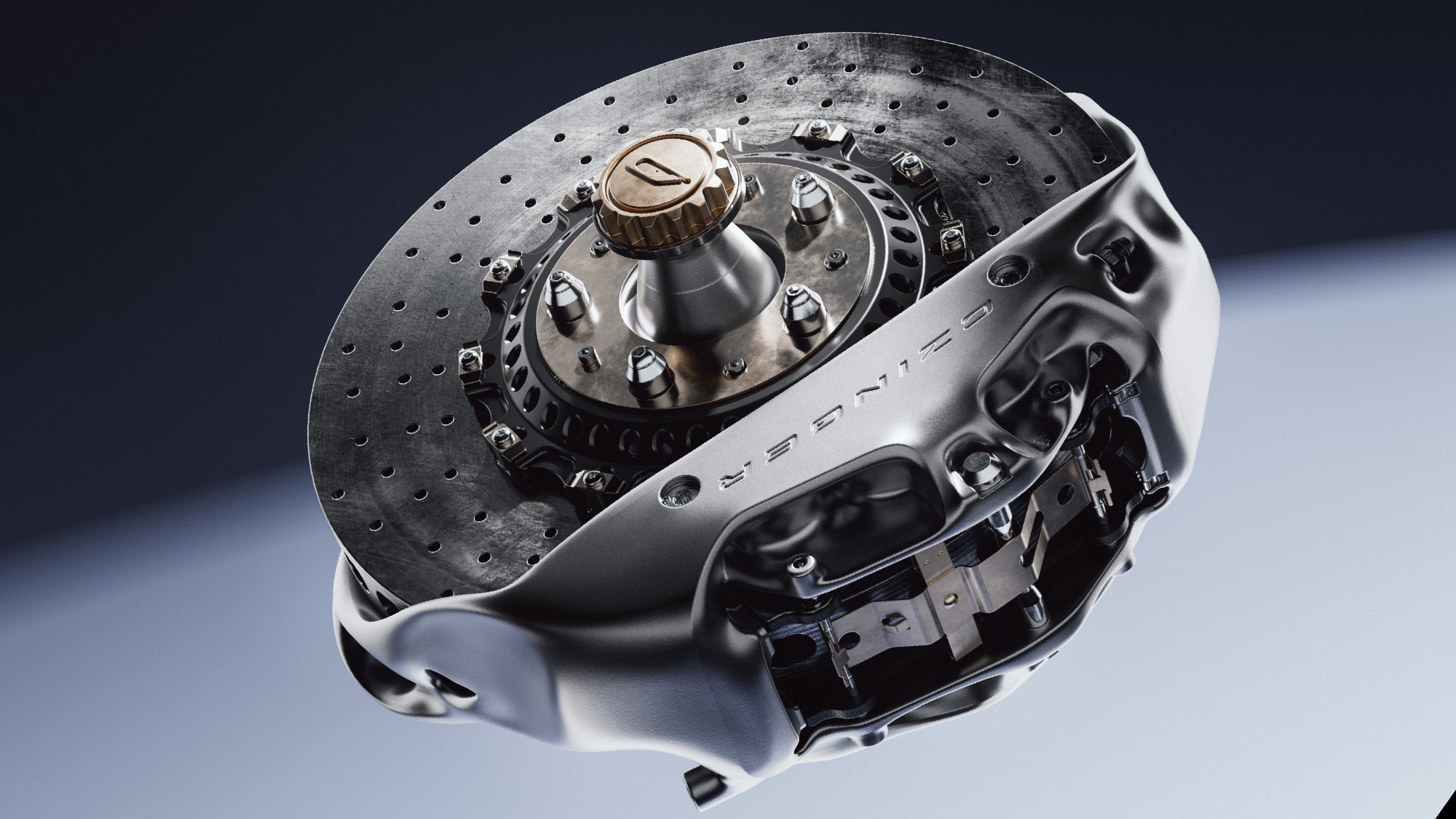
For the 21C Spyder there are two new examples of this, most significant of which is the BrakeNode. This turns the suspension knuckle and the brake caliper into a single unified component, complete with integrated hydraulic lines. An astonishing 37 per cent of it is reinforce hollow structure.
This creates a part that’s lighter, stronger – it’s not only 30 per cent stiffer, the fluid paths have been tested up to 500 bar, eight times the usual operating pressure – easier to service and visually… weird. Something the new, more open alloy wheel design aims to display to the maximum. As with all of Czinger’s additive manufactured parts, the colour can be customised during the build process, too.
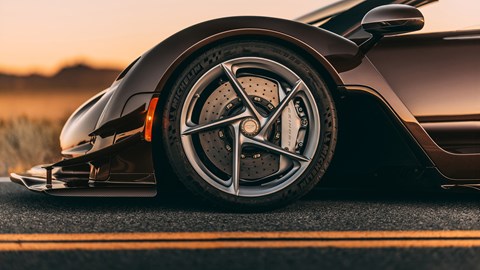
The result is a saving of 0.7kg of unsprung mass at each corner, reduced stopping distances and improved cooling. Other tasty bits include the titanium pistons inside the calipers and the carbon-ceramic discs they clamp on to. Brake porn is now apparently a thing.
Other 21C models can be upgraded to match the Spyder, and BrakeNodes can be retrofitted to existing customer cars as well.
What else is new?
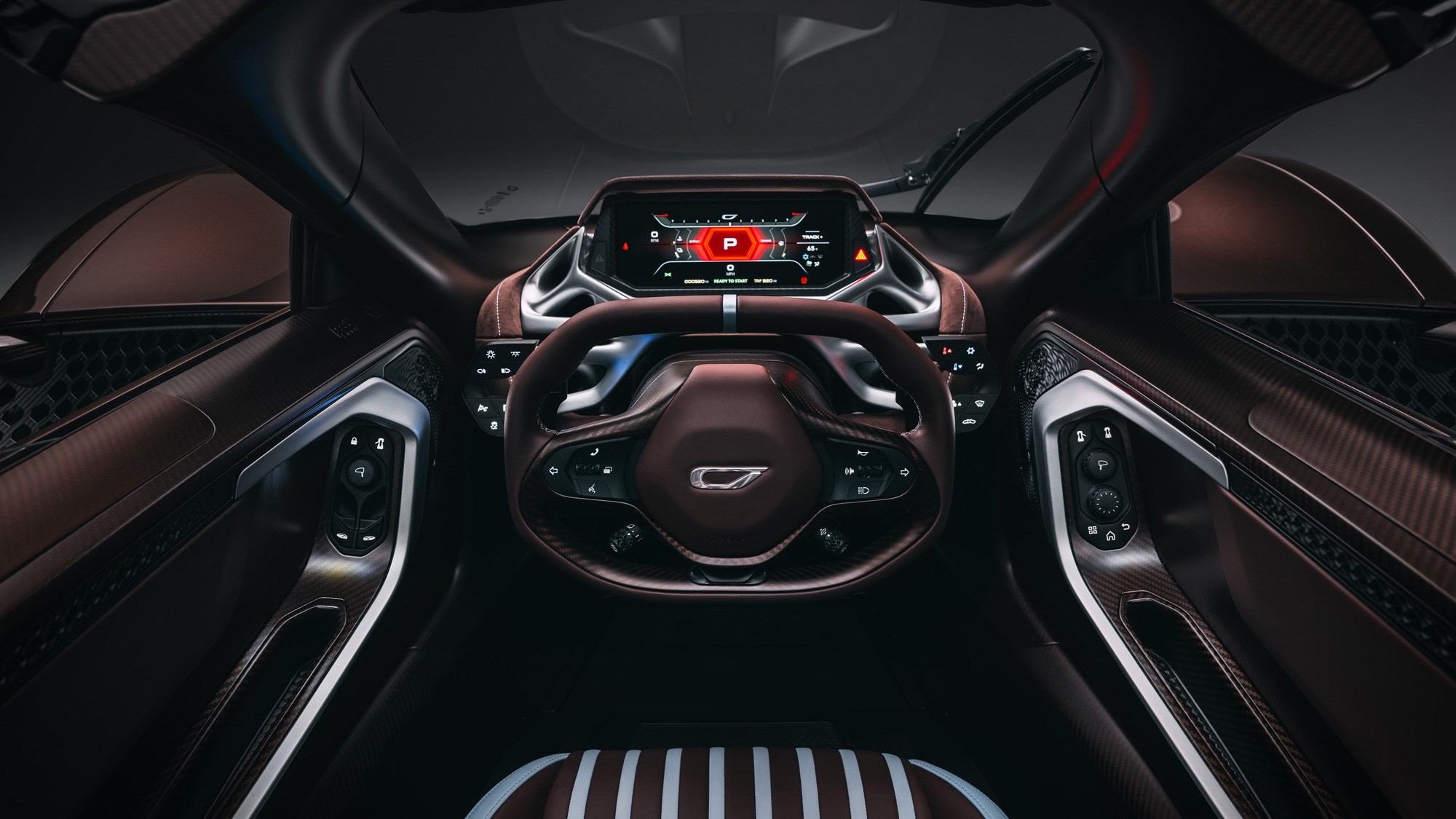
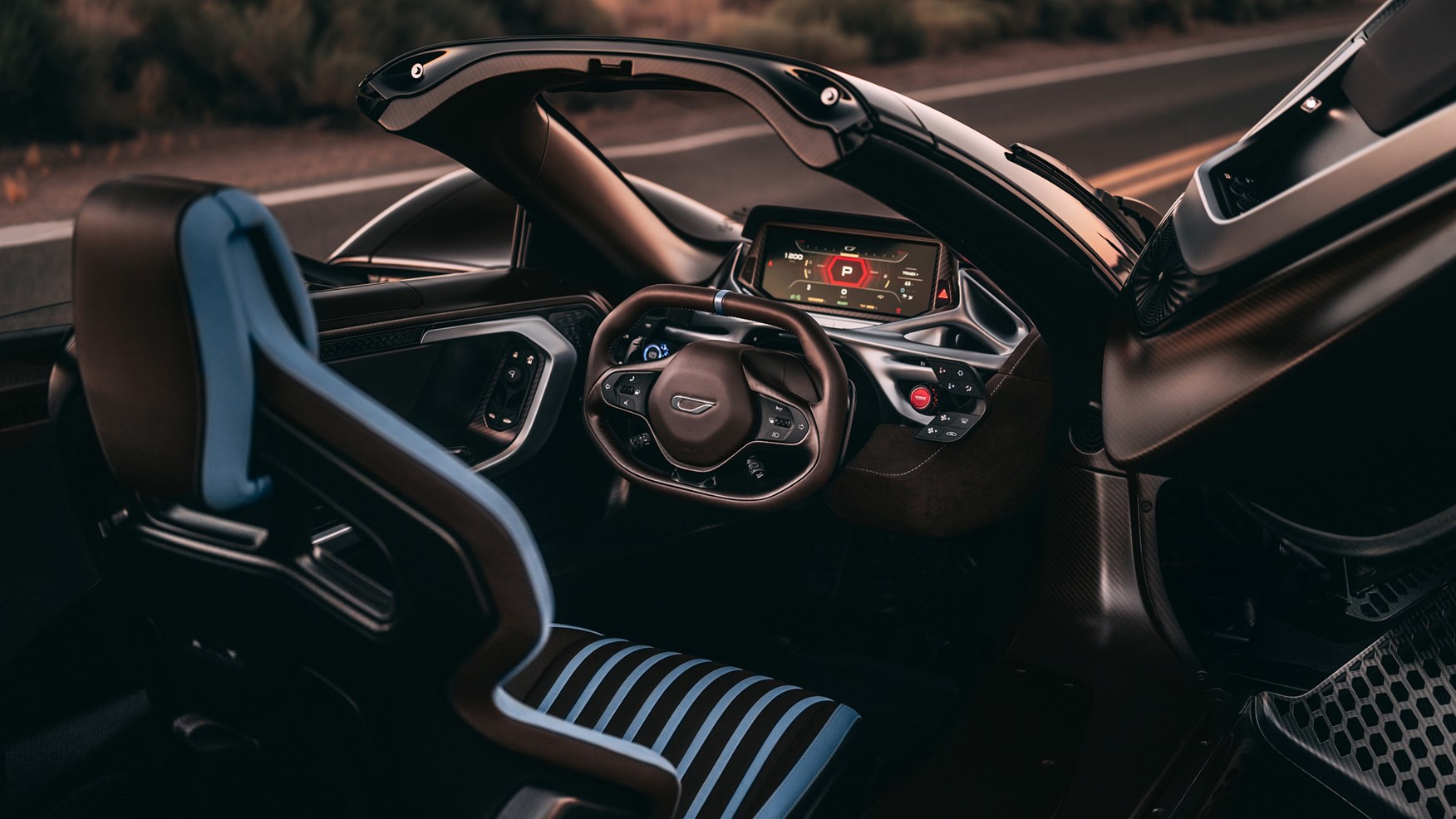
On the inside the Spyder gets a new NeutralNode, this time replacing the formerly multi-part dashboard with another singular component.
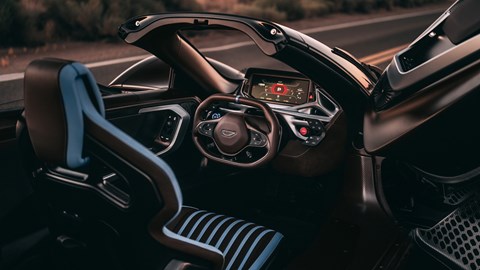
While it looks comparatively conventional, this uses its own structure to channel air for the climate control system. Attached to this is a new design of lightweight steering wheel, now fully trimmed, while the high-end 650w audio uses Morel Hi-Fi components and Digital Signal Processing to adjust the sound quality in real time.
Then there’s the lack of roof. This planned from the start, so the only reinforcement added to the Spyder is in the carbonfibre windscreen surround, enabling it to serve as roll-over protection.

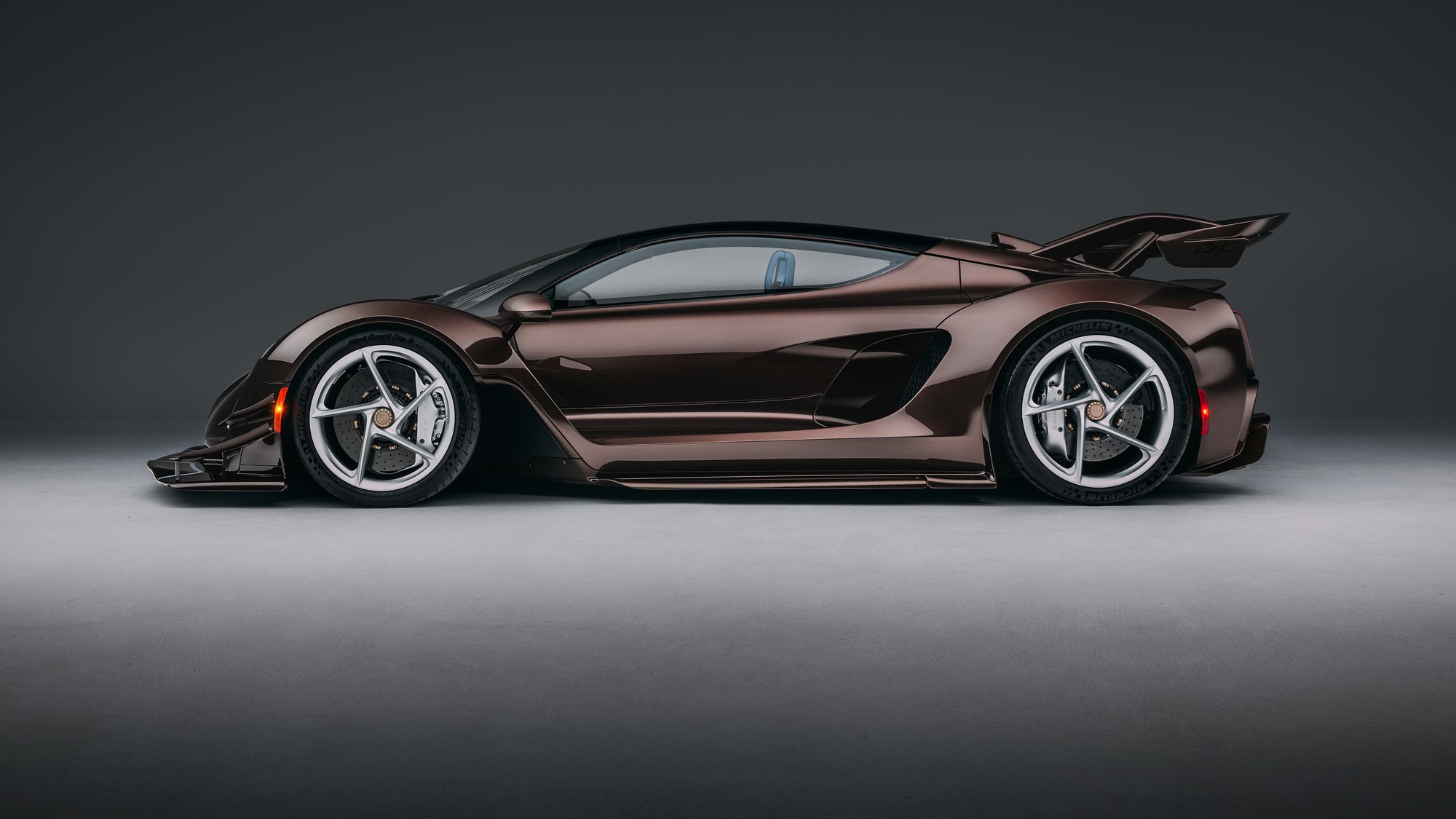
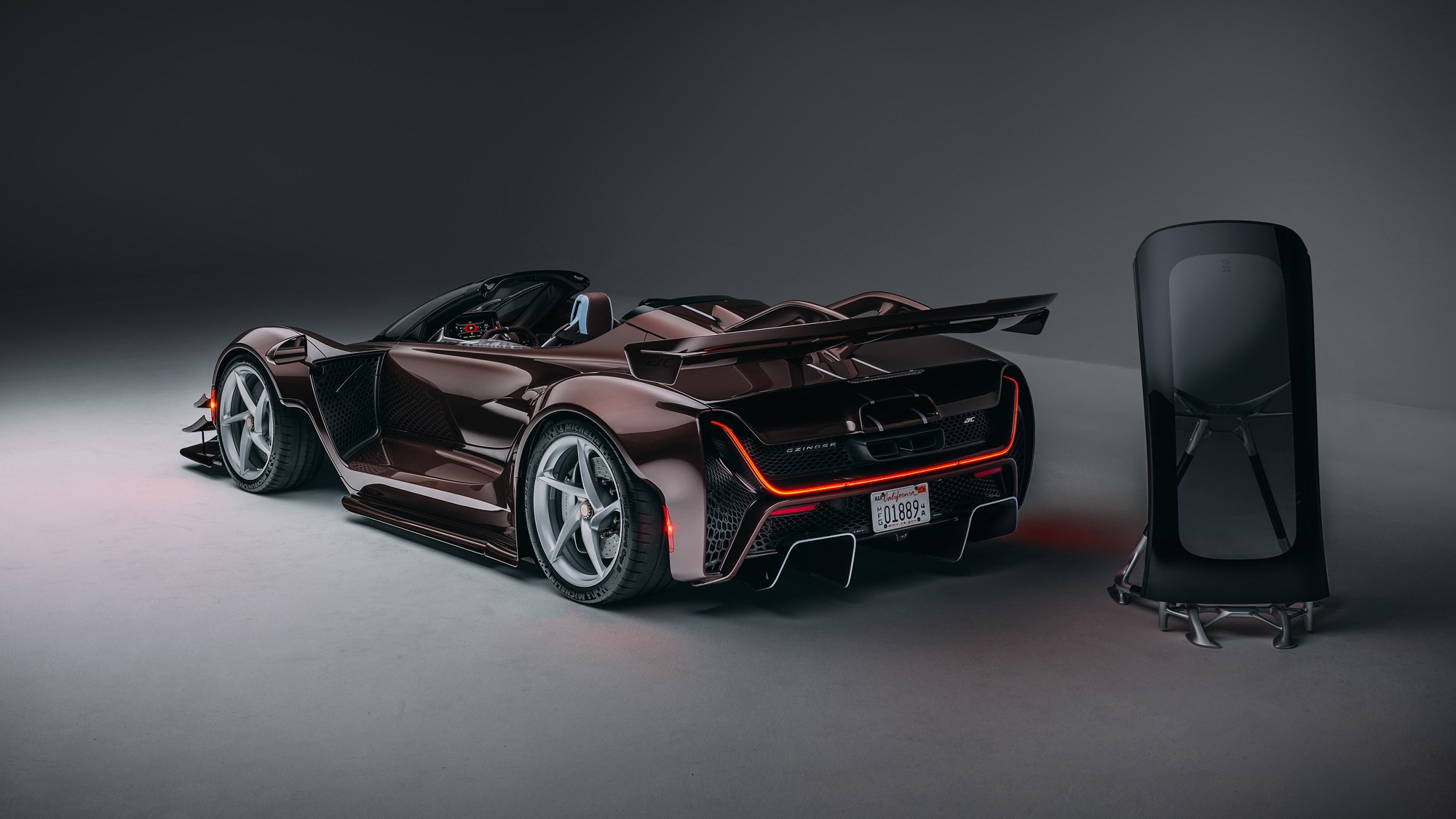
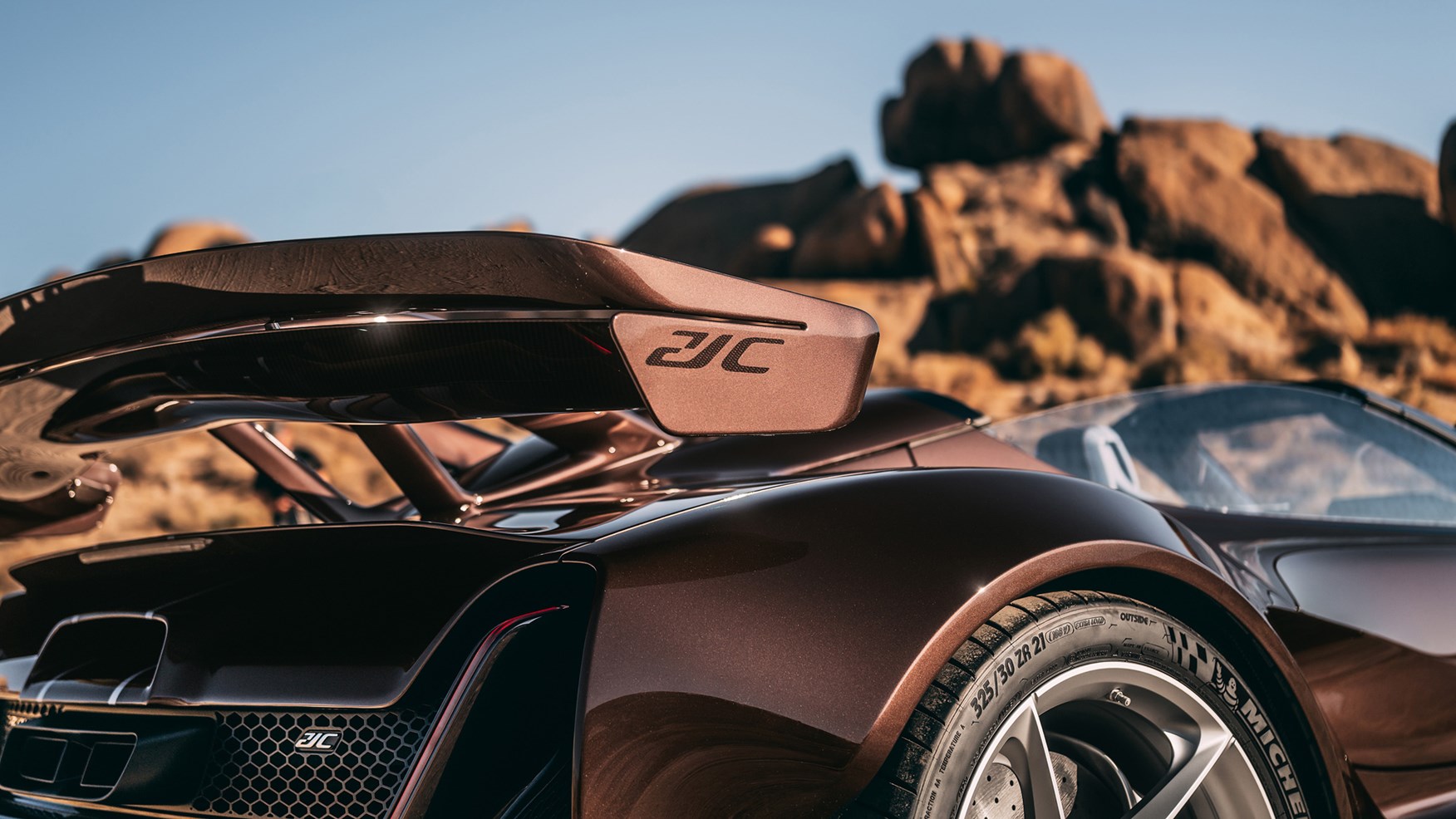
You get a lightweight carbonfibre hardtop as part of the package, and with this fitted the Spyder matches the aerodynamic performance of the fixed-roof 21C High Downforce (HDF) model. Without it, the new Czinger delivers more downforce than any other open-top road car – that rear wing is taller than the windscreen, and obsessive attention to detail means even the profile of the suspension arms are aerodynamically relevant.
If it starts raining when you’ve left the hardtop at home – presumably stored on the included BioLogic Roof Mount – there’s a soft top that can be stowed inside the 21C for emergencies.
Enough with the foreplay, hit us with the stats
As with all 21C variants, the Spyder combines a purpose-built (to fit the available space…) twin-turbo 2.88-litre flatplane V8 with three electric motors. There’s one to drive each front wheel plus another acting on the crankshaft.
This delivers all-wheel drive and up to 1250bhp (you only get 1140bhp in the Street and Sport driving modes, the full whack being restricted to Track and Track+), that scorching 1.92sec 0-62mph time and a top speed – with the carbonfibre ‘canopy’ in place – of 205mph.

The aerodynamics include ground effect elements and a full-length underbody diffuser in addition to the more obvious aspects, and the Spyder apparently creates as much as 1482kg of downforce – with the roof off. This goes up to 1500kg with the roof in place. Ought to be enough to safely get you to the next cars and coffee.
The Spyder weighs just 10kg more than the 21C HDF, and although at 1620kg dry it’s not super lightweight, the power density is an impressive 260bhp per litre from the V8 alone, and the total system torque is 691lb ft. It’ll do a standing quarter mile in 8.7sec.
You also get electronically adjustable in-board dampers that can stiffen up by as much as 50 per cent, a seven-speed sequential transaxle gearbox, and the Czinger can move on electric power up to 60mph (in Street mode). We also couldn’t help noticing that the steering is hydraulically rather than electrically assisted, a little detail that speaks of Czinger’s commitment to achieving a deeply involving driving experience as well as wild performance.
What price such frontier engineering?
The 21C Spyder starts at $2.7m before you get stuck into the customisation process, which is potentially extensive.
Just 30 will be built, and the chances are most of the slots will be gone by the end of Monterey Car Week 2026, which is where this latest Czinger makes its public debut.
console.debug(‘taboola container loaded..’)
window._taboola = window._taboola || [];
_taboola.push({
mode: ‘thumbs-feed-1×1’,
container: ‘taboola-below-article-thumbnails-v3’,
placement: ‘Below Article Thumbnails V3’,
target_type: ‘mix’
});
Czinger 21C Spyder – full details on CAR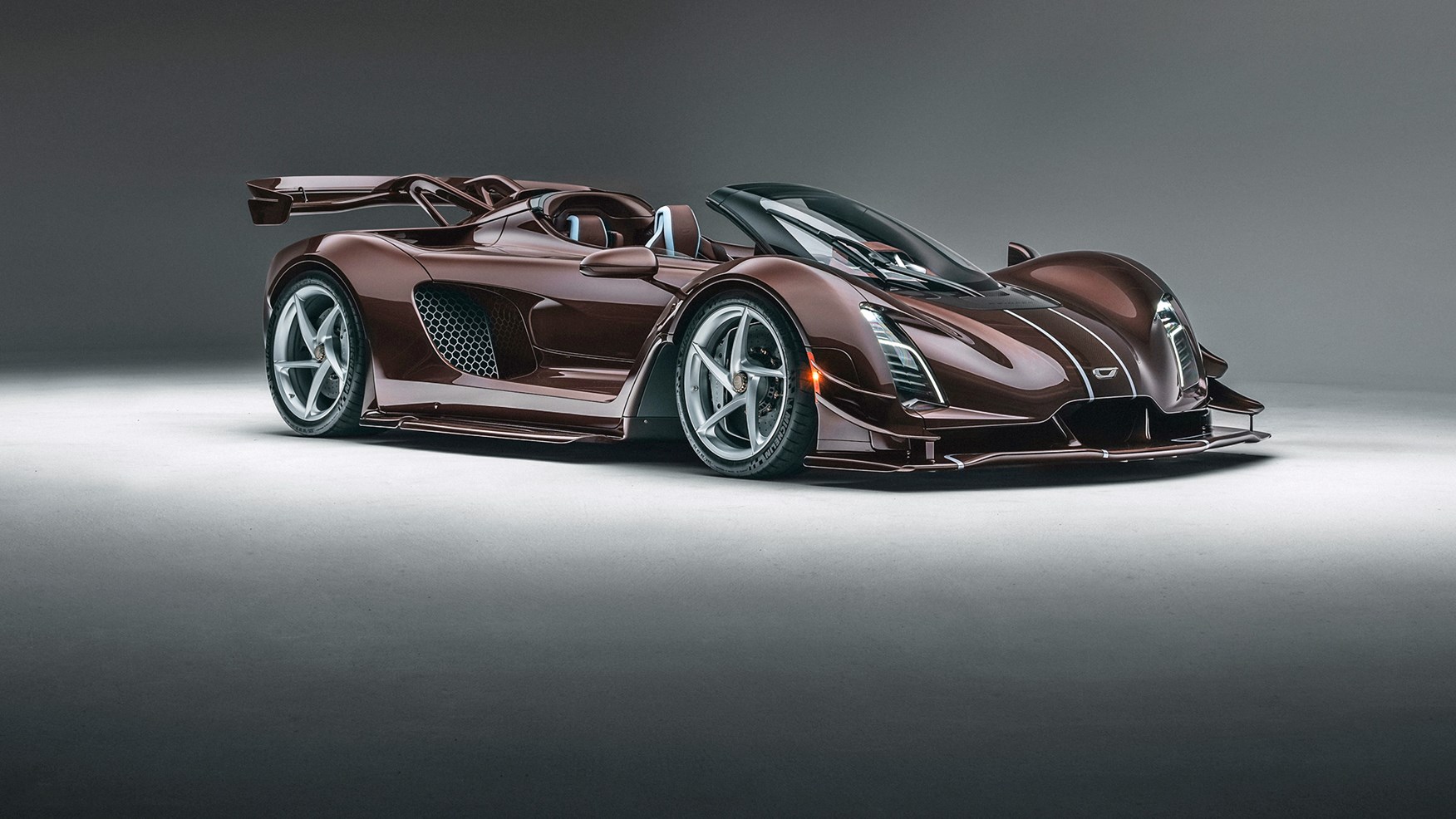
Czinger 21C Spyder – side, desert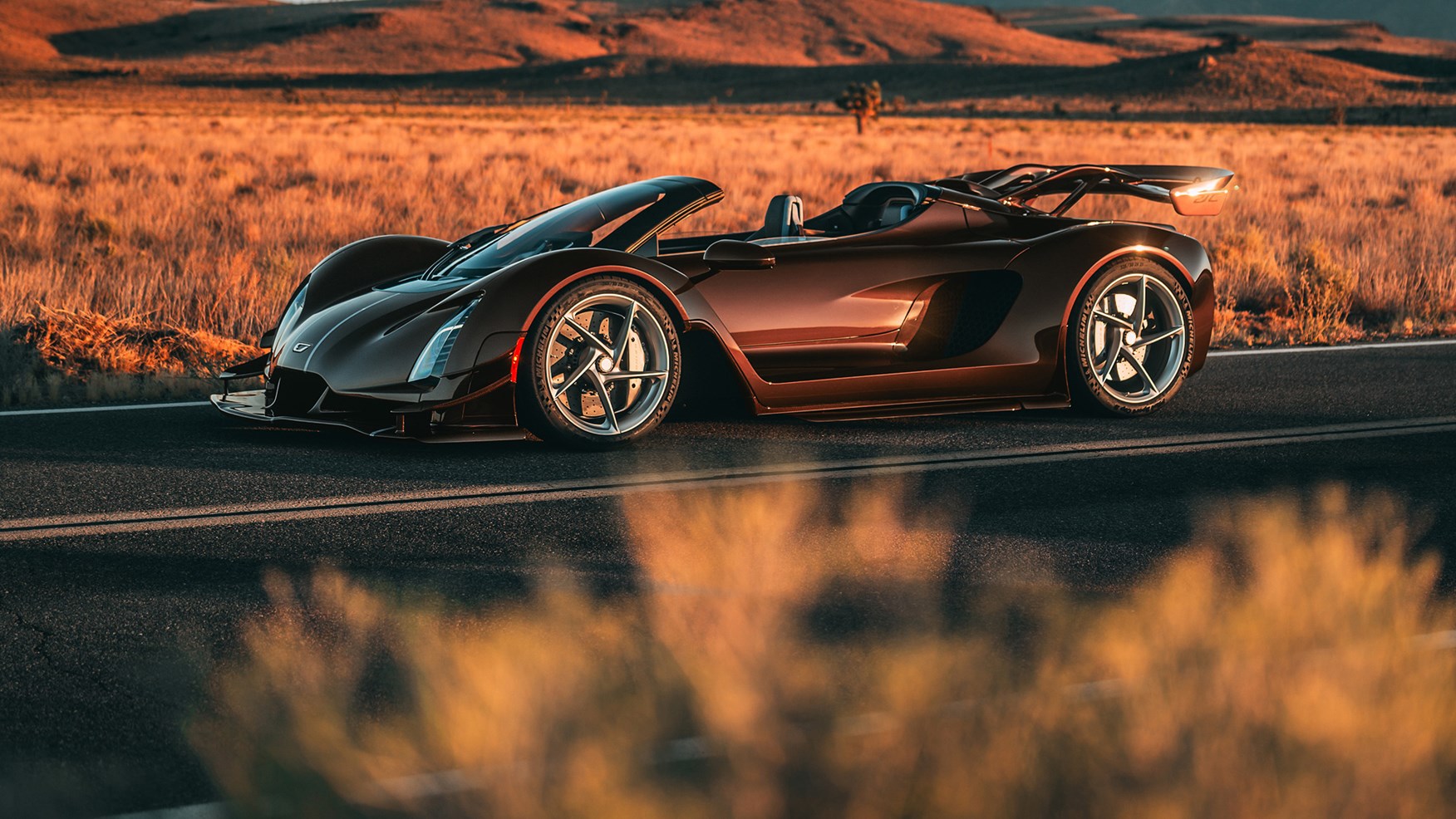
Czinger 21C Spyder – front, driving on desert highway
Czinger 21C Spyder – rear, driving on desert highway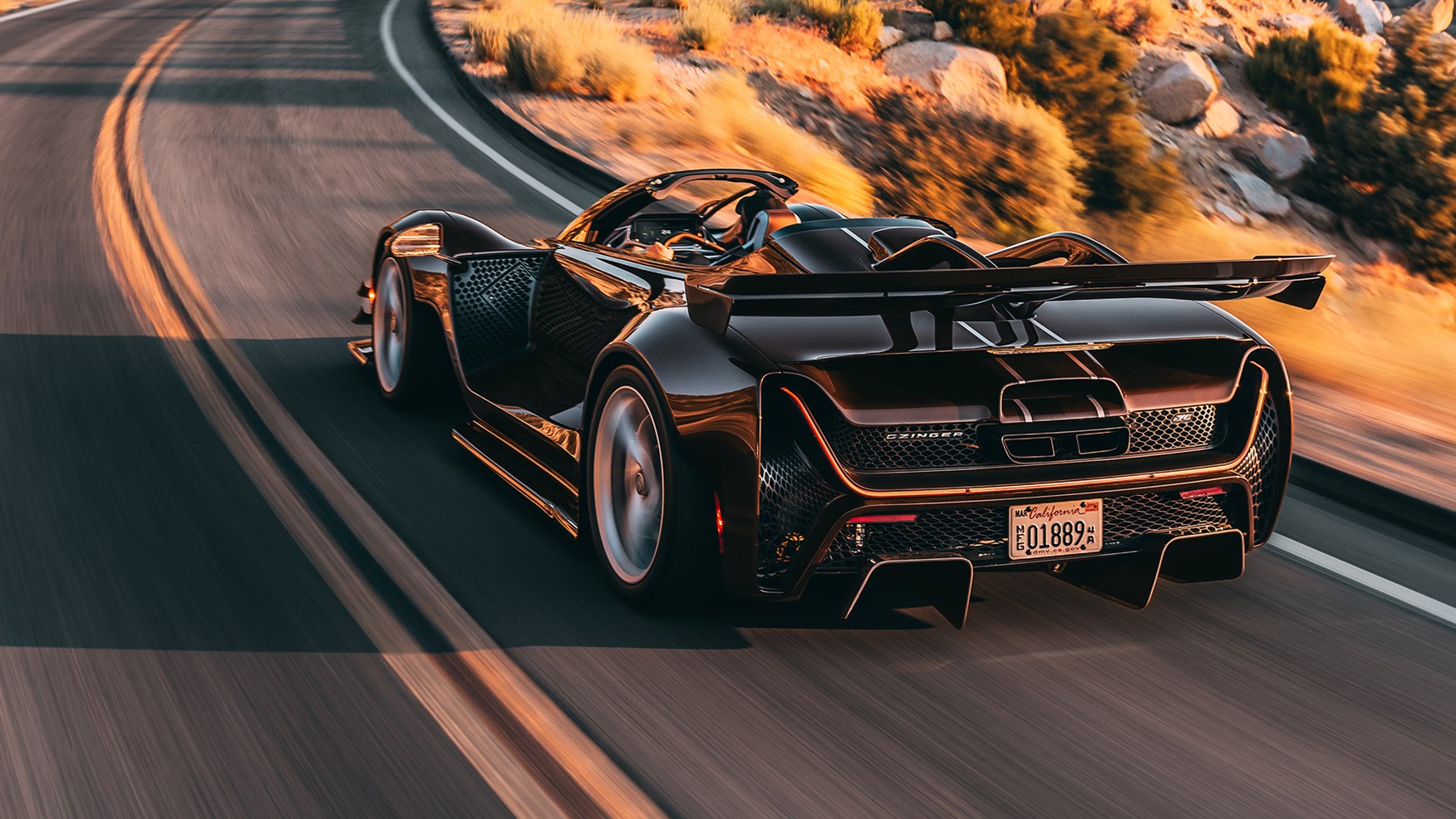
Czinger 21C Spyder – interior showing close-up of NeuralNode, new steering wheel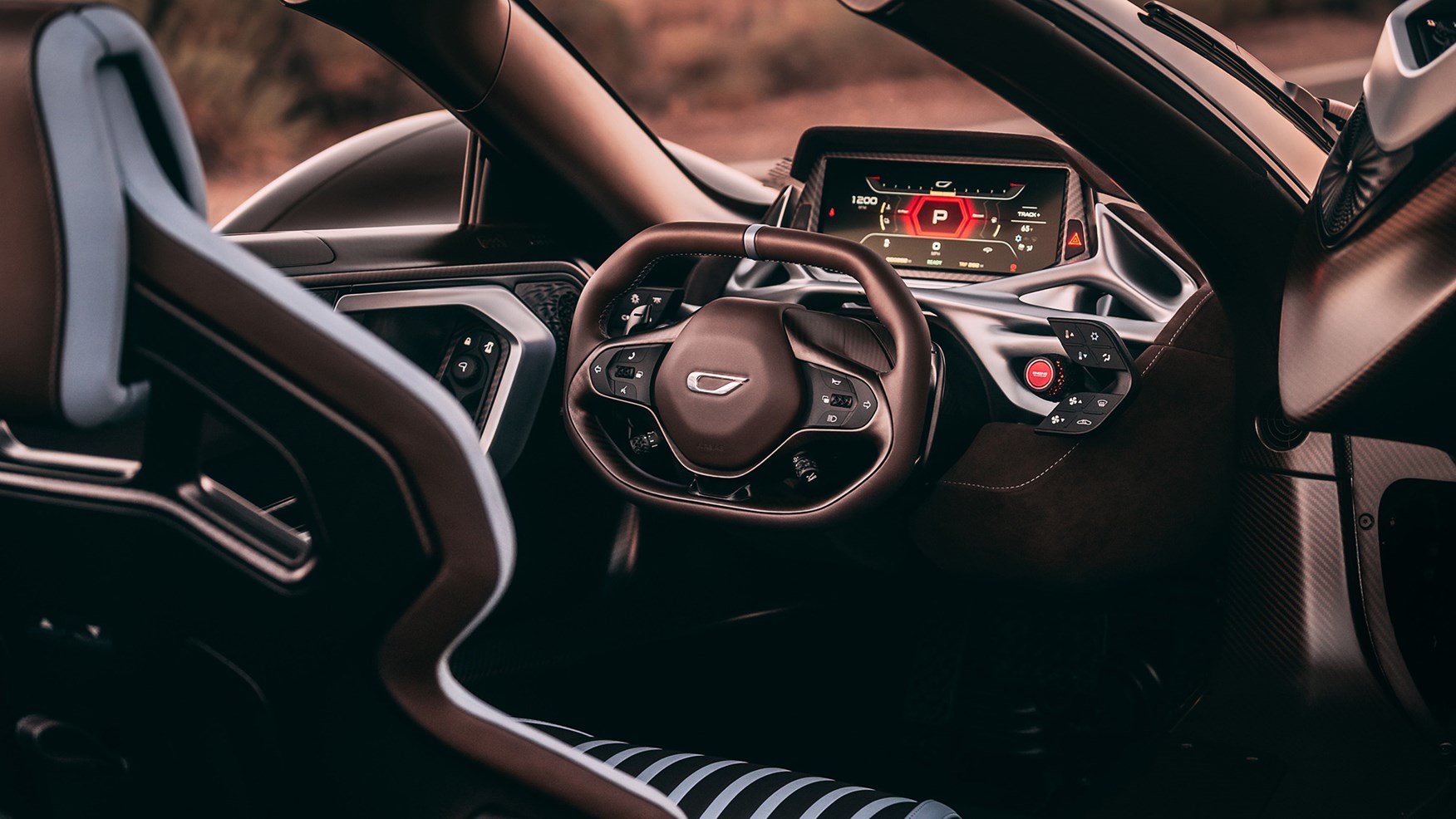
Czinger 21C Spyder – dead-on front, driving on desert highway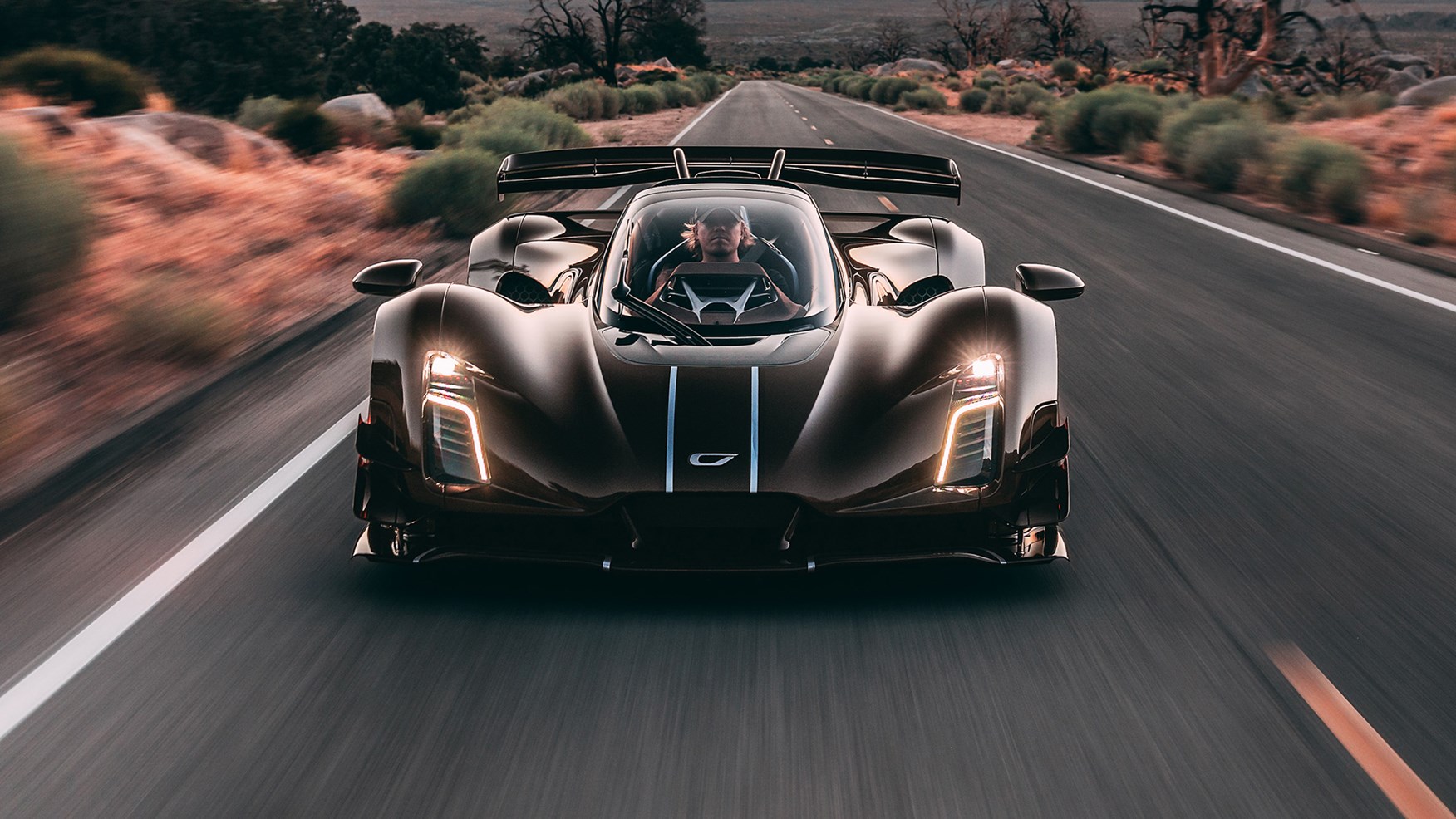
Czinger 21C Spyder – new front wheel showing BrakeNode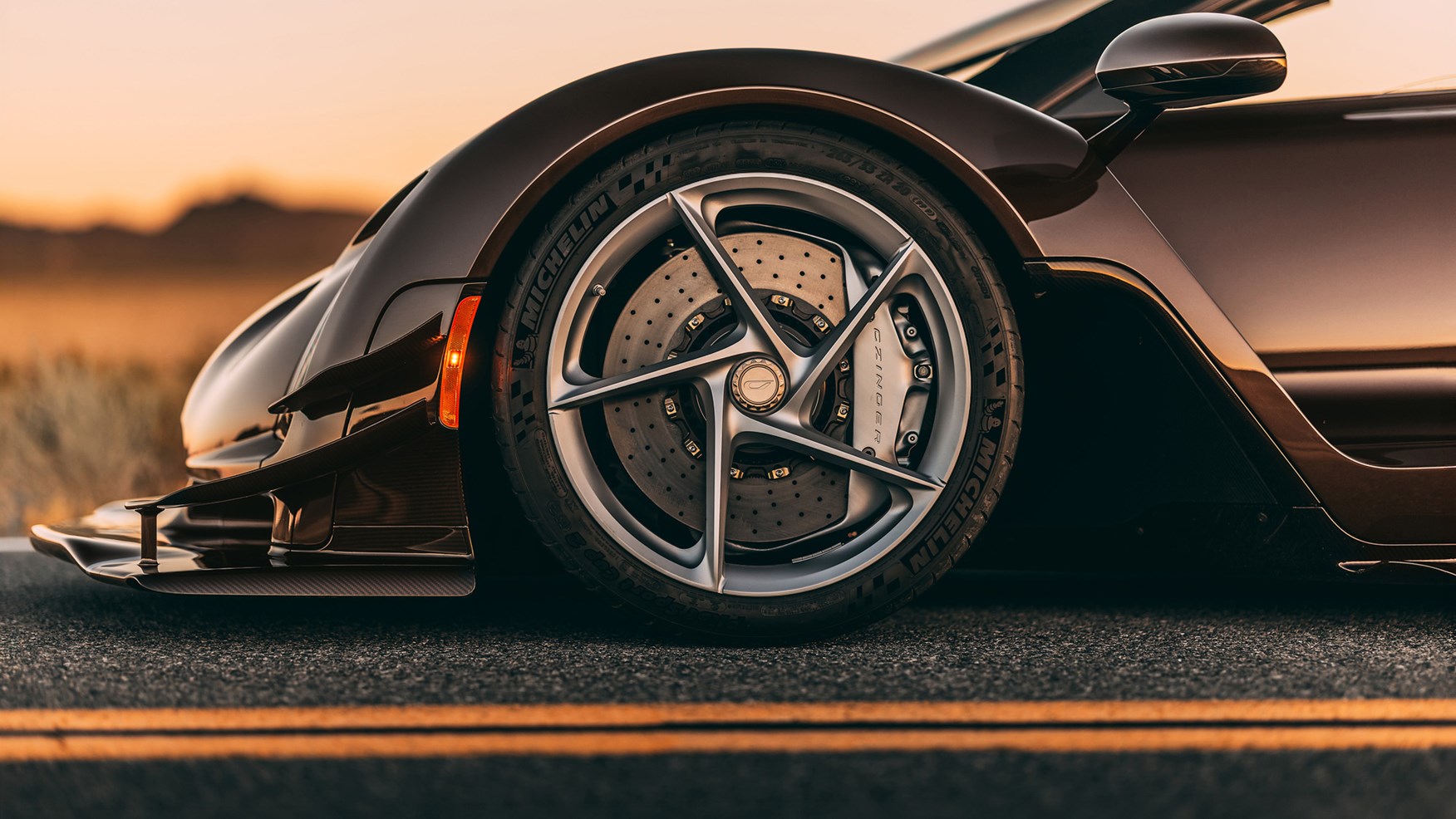
Czinger 21C Spyder BrakeNode, rear view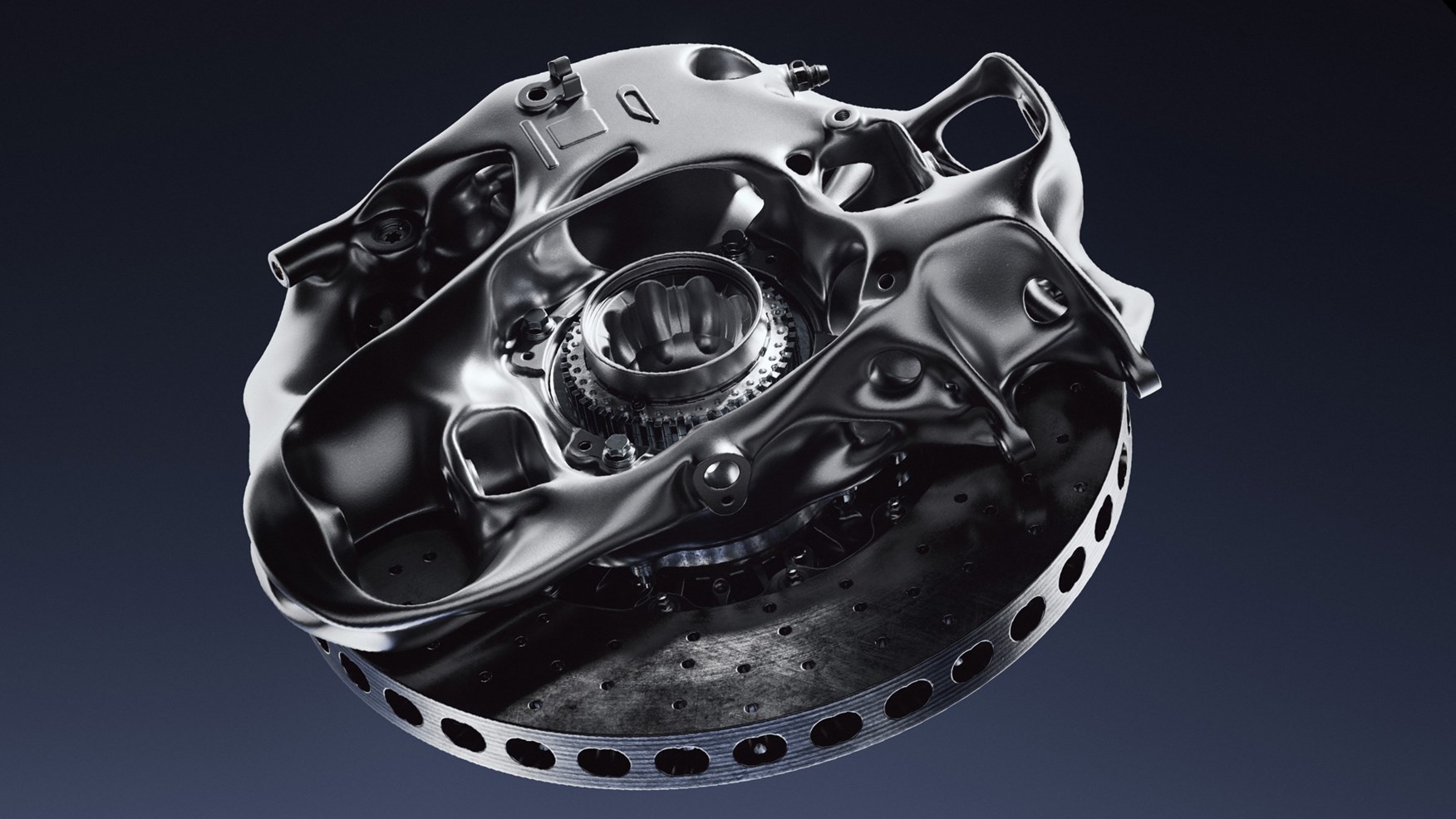
Czinger 21C Spyder BrakeNode, front view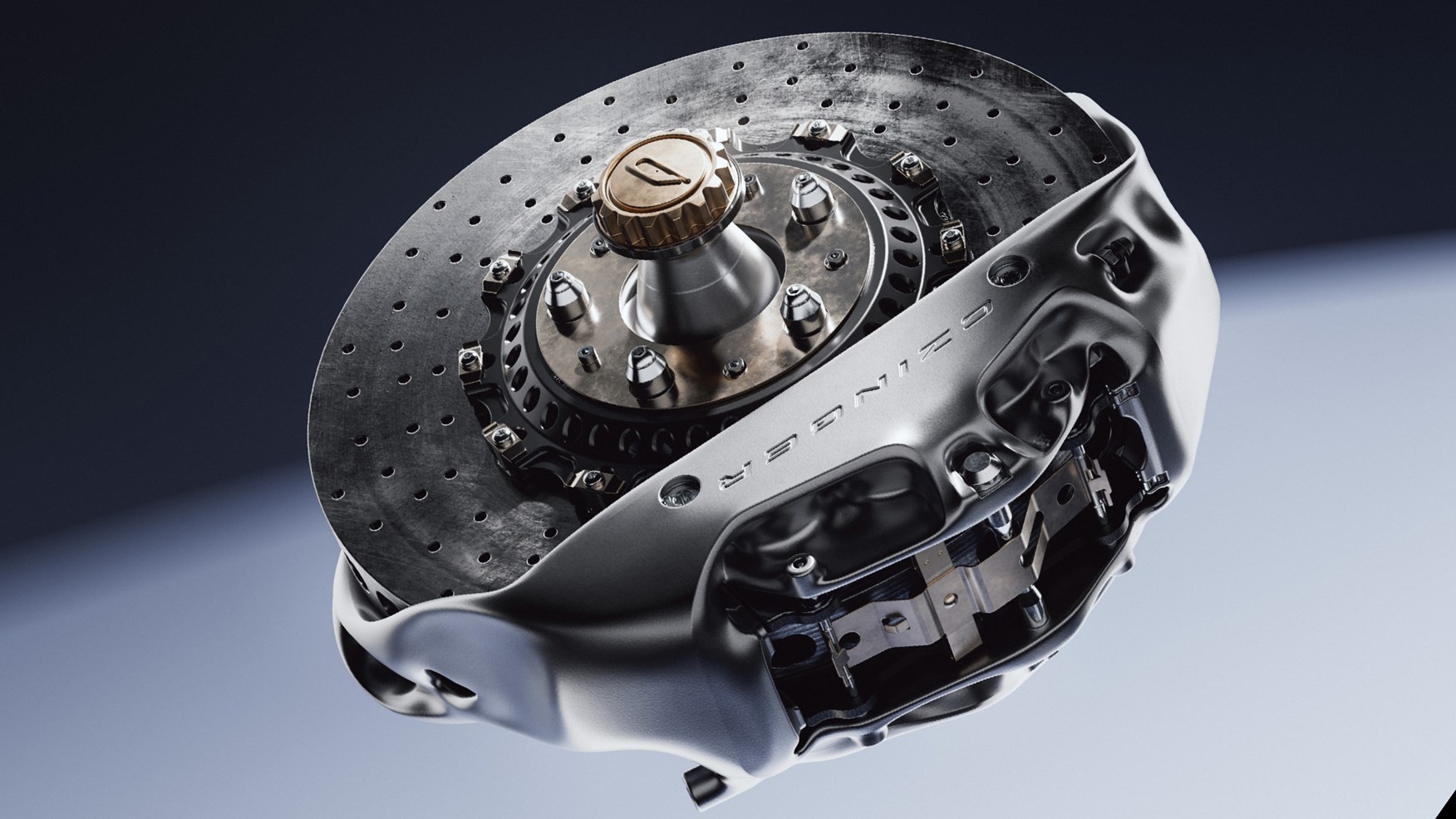
Czinger 21C Spyder NeuralNode interior and new steering wheel, studio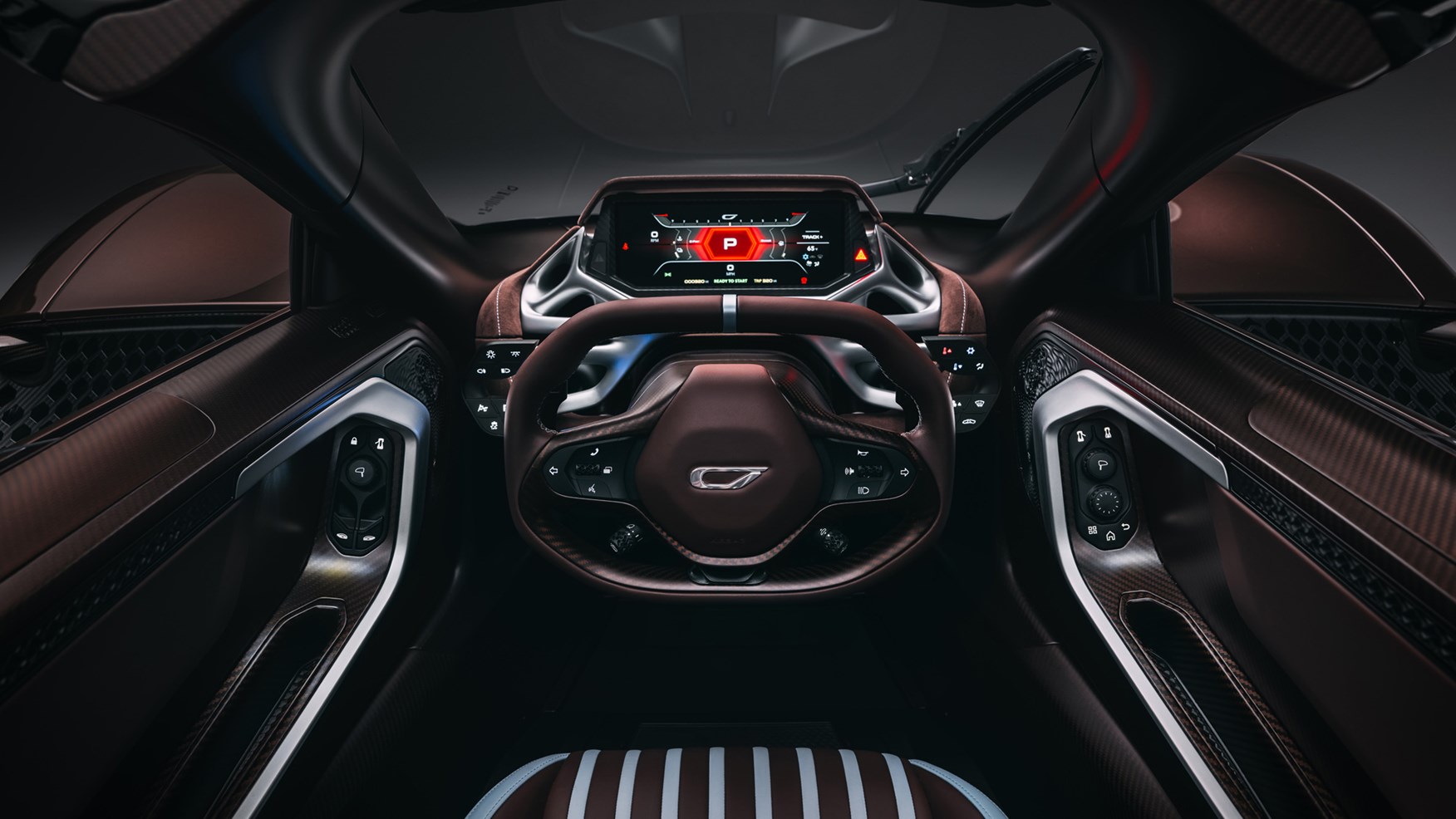
Czinger 21C Spyder – rear view, with carbonfibre canopy roof on BioLogic stand, studio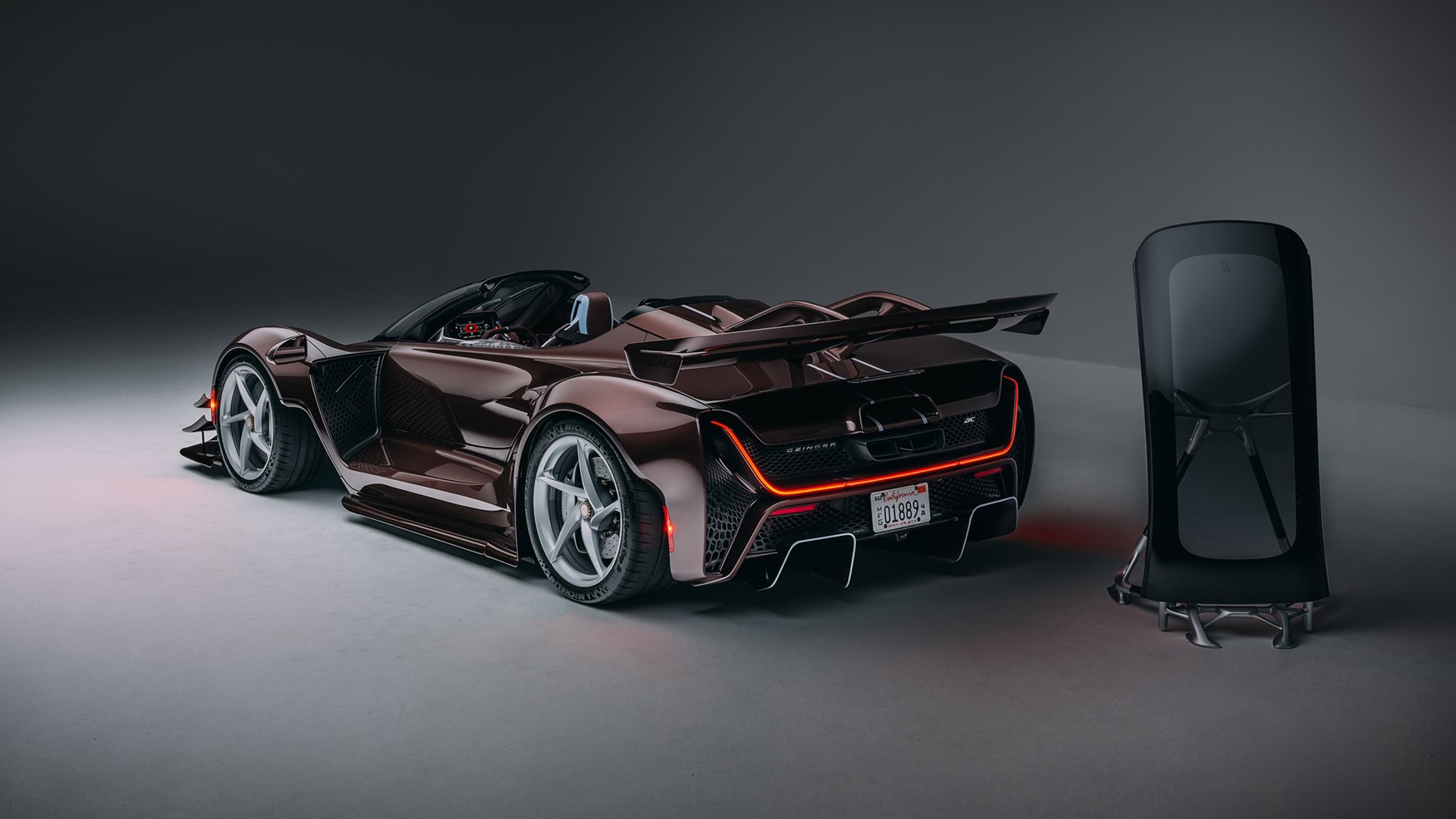
var disqus_shortname = ‘carmagazine’;
var disqus_developer = 0;
var disqus_identifier = ‘article-wp-270599’;
(function () {
var dsq = document.createElement(‘script’);
dsq.type = ‘text/javascript’;
dsq.async = true;
dsq.src = ‘http://’ + disqus_shortname + ‘.disqus.com/embed.js’;
(document.getElementsByTagName(‘head’)[0] || document.getElementsByTagName(‘body’)[0]).appendChild(dsq);
var s = document.createElement(‘script’);
s.type = ‘text/javascript’;
s.async = true;
s.src = ‘http://’ + disqus_shortname + ‘.disqus.com/count.js’;
(document.getElementsByTagName(‘head’)[0] || document.getElementsByTagName(‘body’)[0]).appendChild(s);
})();Please enable JavaScript to view the comments powered by Disqus.