[analyse_image type=”featured” src=”https://velo-cdn.outsideonline.com/wp-content/uploads/2026/08/trek-thumb-image.jpg”]
Pros
Incredibly lightweight
Standout ride quality and vertical compliance
The right amount of tire clearance for a modern endurance bike
High-value price points at the high and low end of the spectrum
Cons
Lightweight spec choices like wheels and tires are counterintuitive to endurance goals
No features like downtube storage or IsoSpeed for those looking for specific endurance bike features
Specs:
Size tested: ML (roughly a 56cm frame)
Weight: 6.40kg (14.1 pounds) measured without pedals or bottle cages. With two bottle cages and pedals, the “endurance ride” weight is 6.60kg.
Price: $11,499
Brand: Trek
Verdict:
The new Domane enters the market as not only one of the top endurance bikes, but also a high-level climbing machine. Its weight puts it firmly in the realm of the Specialized Aethos, but with a lower price tag, it is a huge win for Trek’s road bike line-up.
The fifth Trek Domane is the latest iteration of the brand’s endurance model, building on a tradition born from the cobblestones of Flanders and Roubaix—this time with a significant new twist.
The latest iteration of Domane adds tire clearance and sheds a ton of weight to push the boundaries of its definition as an endurance bike. Trek has positioned the bike as not only a bike for consumers who gravitate towards endurance bikes, but also for riders who love a simple, light road bike.
With its lightweight design, superior smooth ride quality, and capability to tackle light gravel terrain, the Domane is a road bike that suits a wider range of riders than its previous iterations and provides an interesting perspective on where the endurance bike category might be heading.
Quick Hits: Seven Standout Details from the Trek Domane
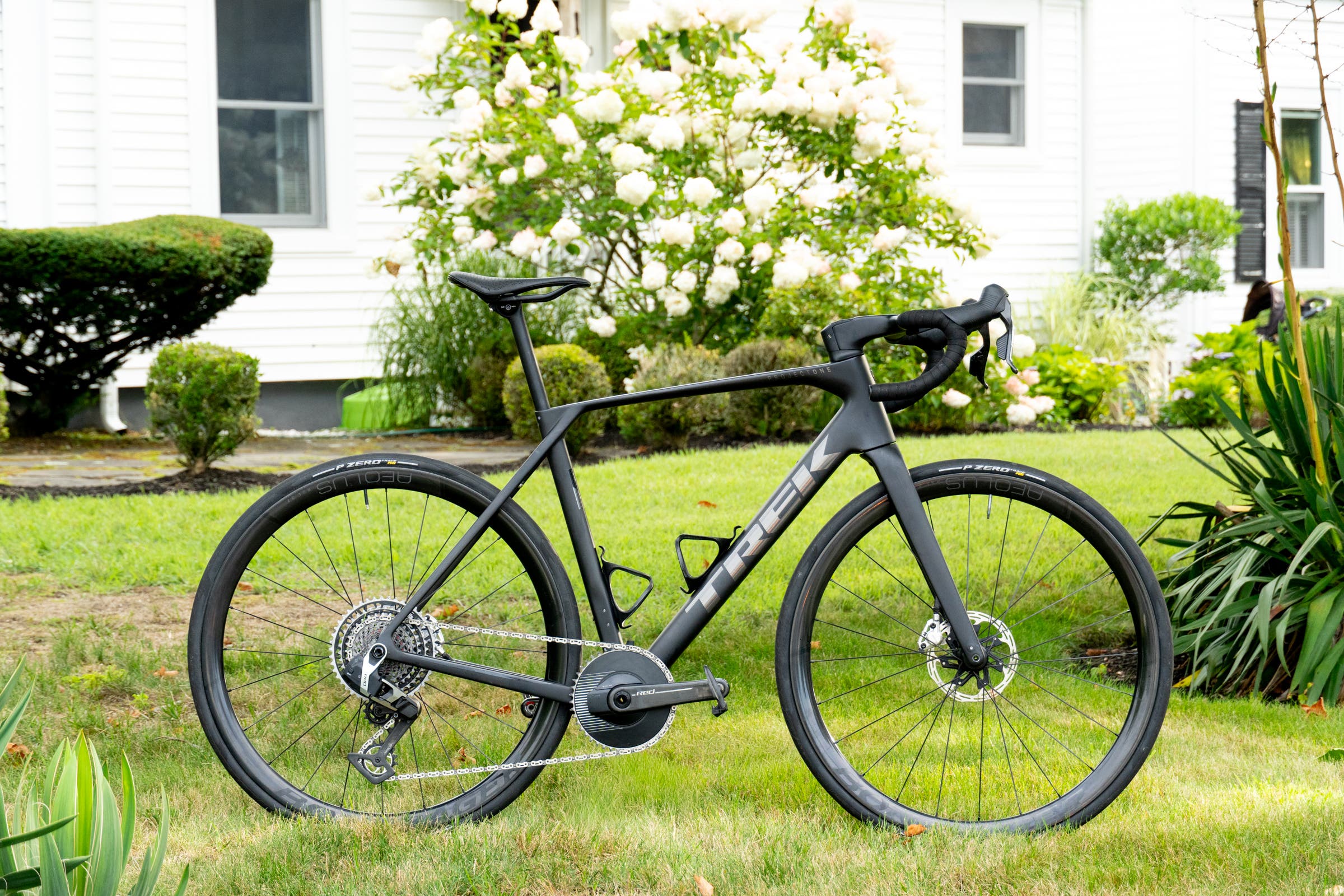
- An 835g frame / 367g fork for 300+ grams of savings from the previous Trek Domane
- Up to 40mm of tire clearance
- Within 5% of the vibrational damping qualities of the previous model
- Frame mounts for the top tube and frame bags
- Taller stack to accommodate more approachable bike fits
- Significantly shorter spec cranks to meet the demands of modern riders
- A very competitive entry price point
- For more information visit the Trek website
Trek Domane Frame Details
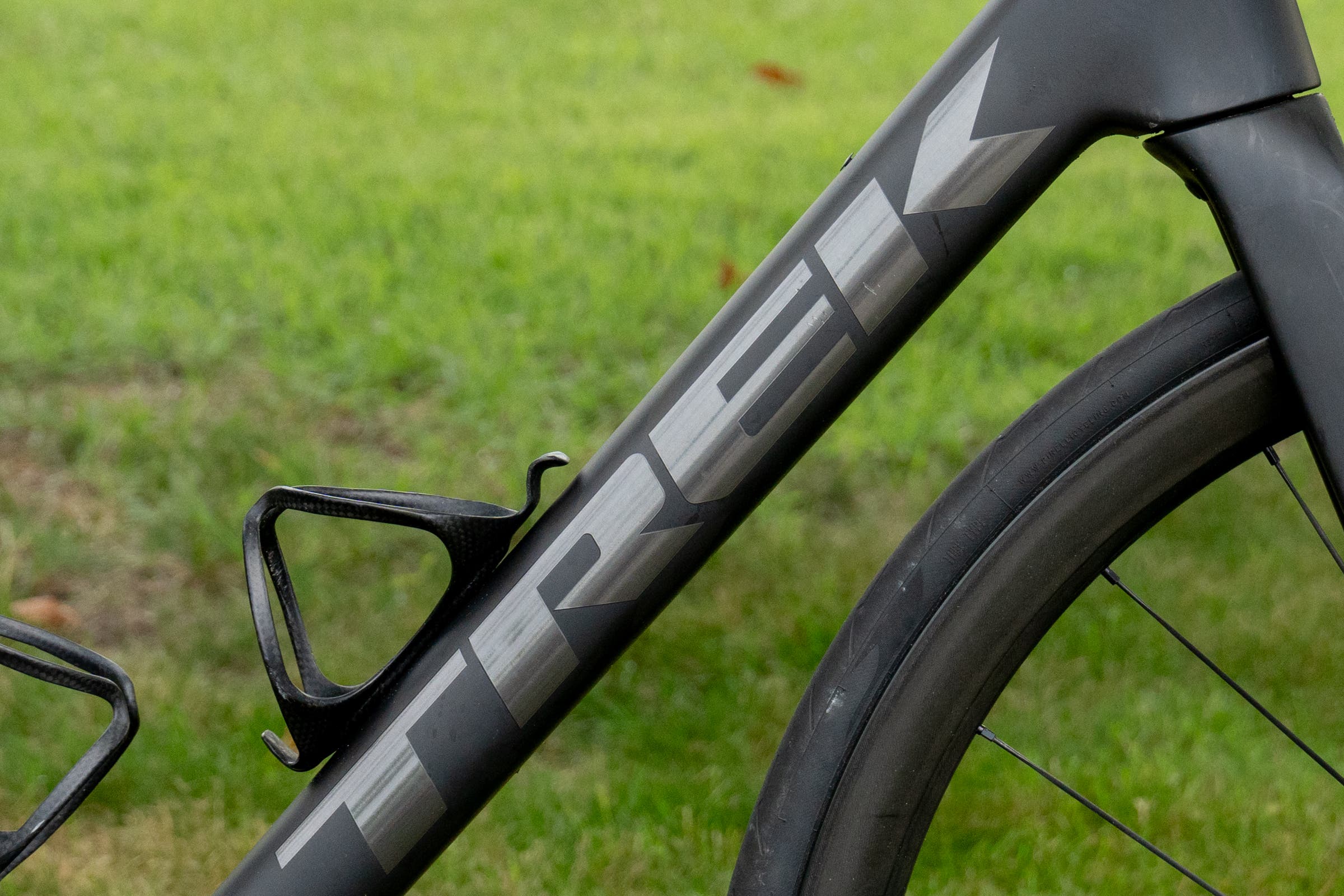
With the new and improved Domane, Trek made a concerted effort to keep things very simple. There is no IsoSpeed system and no frame storage, but the bike has retained dimensions that provide a more relaxed fit while boosting weight savings and tire clearance. Centrally, Trek has changed the orientation of the Domane away from just maximizing ride smoothness. The previous Domane was billed all around that quality, but the Domane 5 uses the movement to wider tires as an opportunity to build around new endurance priorities. Most notably, climbing.
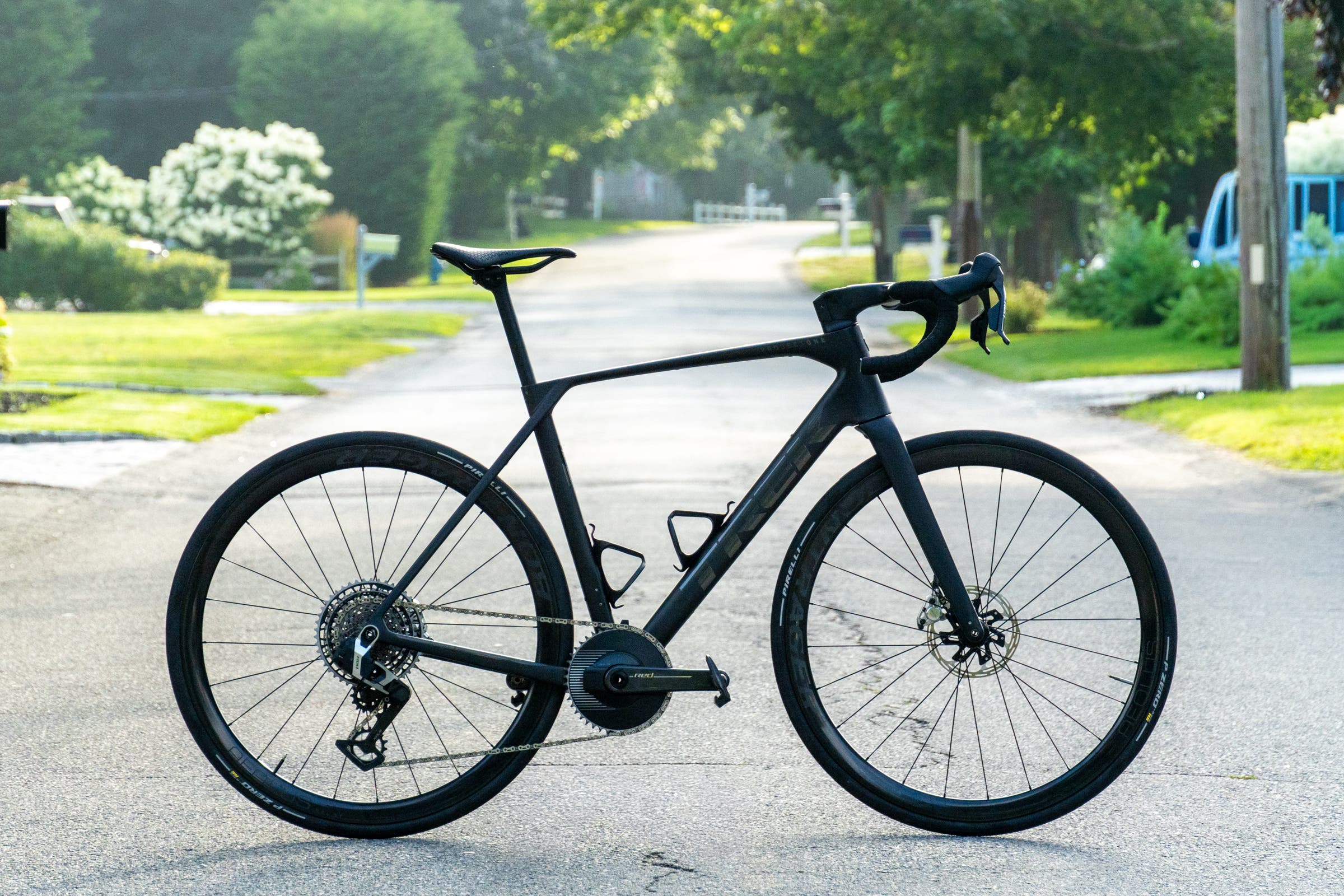
At just 6.40 kilos (14.1 pounds) without cages and pedals, and with a true ready-to-ride build weight of 6.60 kilos (14.6 pounds), Trek shaved 305 grams of weight from the frame and fork, while complete builds run a full two pounds lighter for the lightest spec. That sub-15-pound system weight for the bike is a massive shift and places the bike in the rare category of endurance bikes that plunge below the UCI weight limit.
To get those weight gains, the Domane is a trimmed-down version of its predecessor, where less is seen as more. A close parallel is the Specialized Aethos. Both bikes ignore racing, both from a UCI weight limit capacity and aerodynamic approach, and set out to make bikes that climb well and ride smooth.
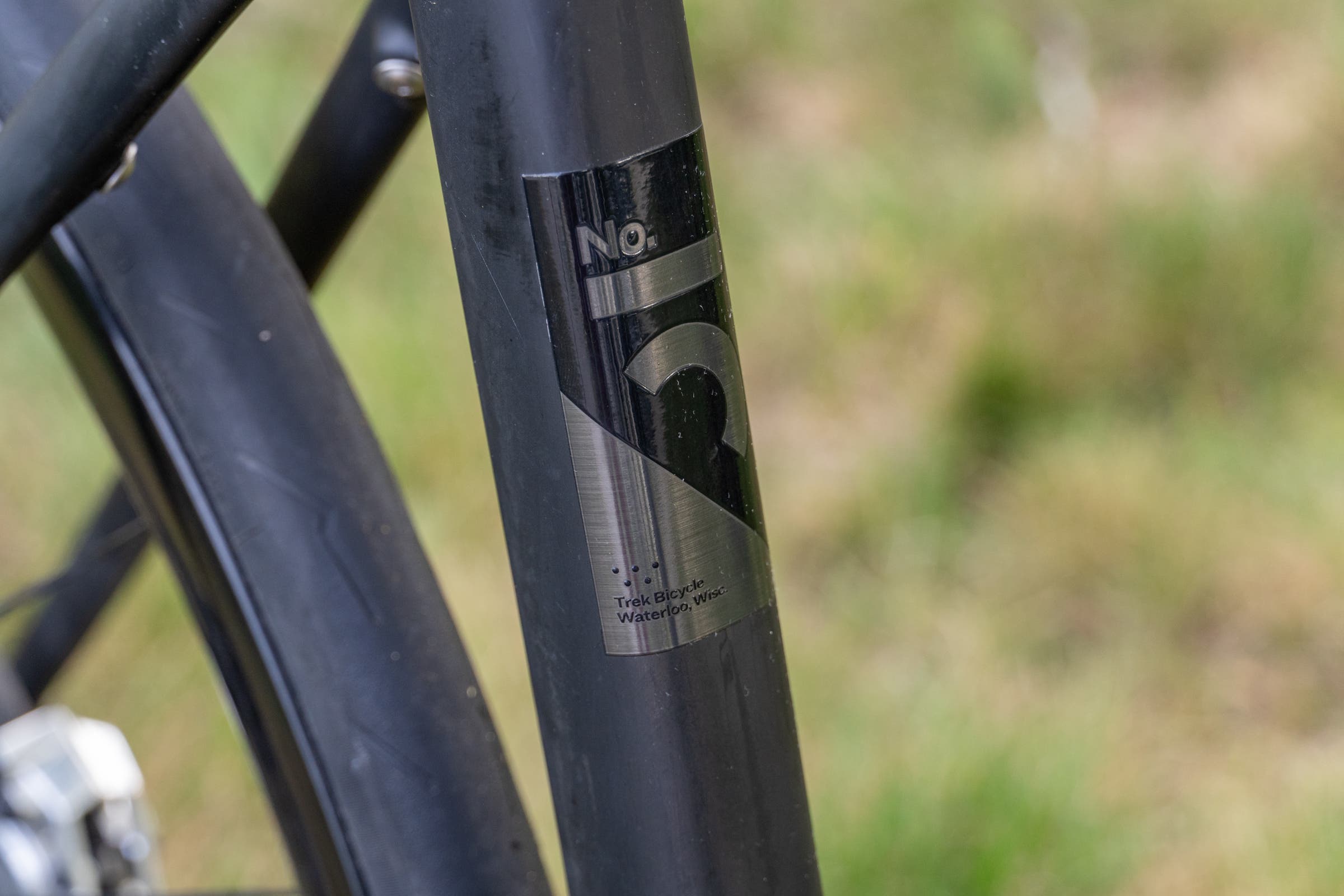
On ride quality, even though Trek cut out its IsoSpeed system, the Domane is still a very compliant ride. The bike has found that compliance through the carbon layup and frame design, rather than adding any weight to the frame through added components. The assumption from Trek is that, through larger tires and improved carbon construction, the brand can make up the difference of an IsoSpeed decoupler. Trek has put a number to that, listing the Gen 5 Domane as having 5% more vibrational damping power than the previous Gen 4 edition.
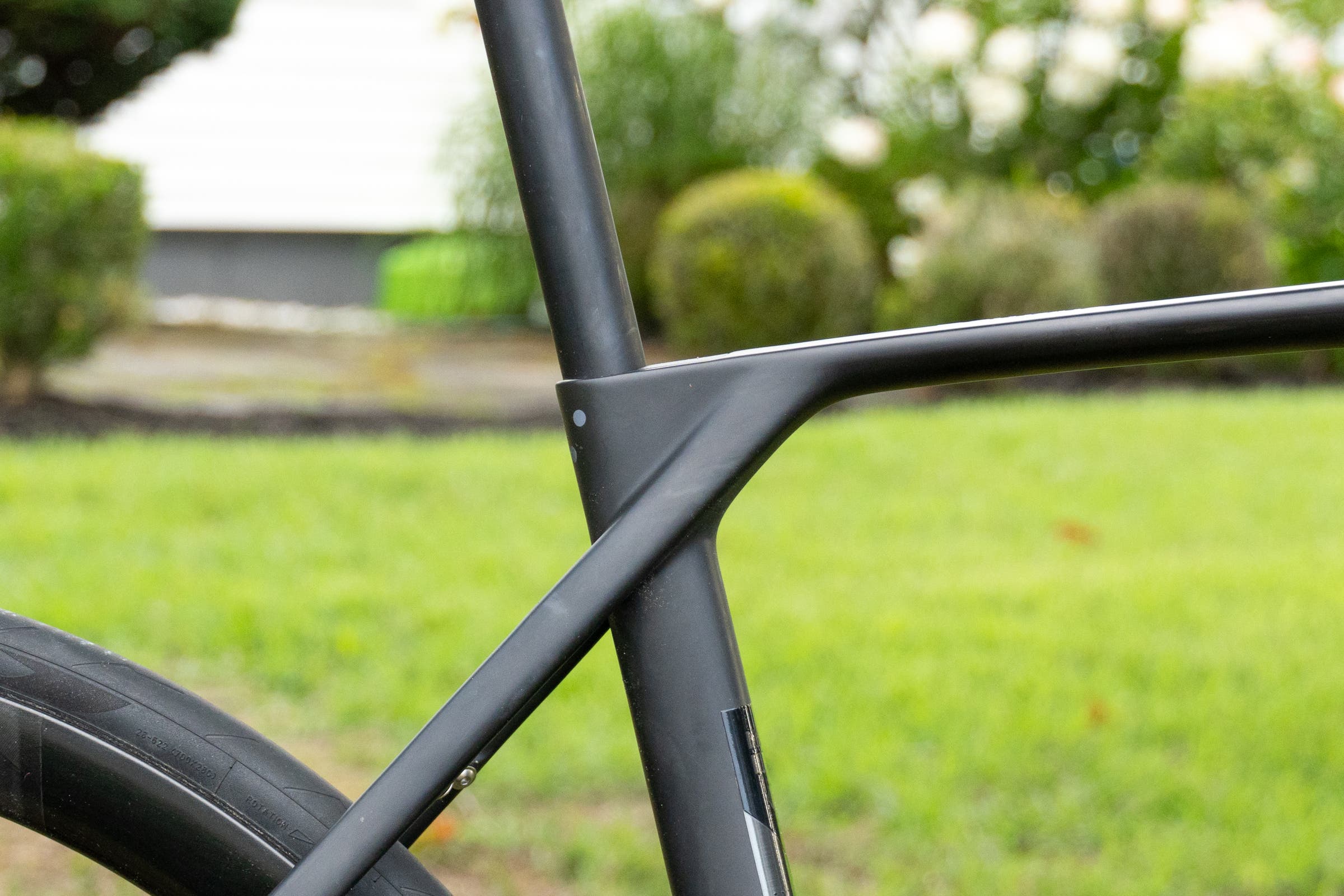
To achieve that end, Trek has used a new 00 Series OCLV carbon fiber in the SLR-level frames. The new formulation has allowed the brand to cut out excess material, improving the stiffness-to-weight ratio that creates horizontal stiffness, while also baking in a high level of vertical compliance. The 420mm chainstays and 73.5 degree seat tube angle also aid in that pursuit of vertical compliance, as does the standard round seat post that uses the same carbon to encourage vertical compliance all the way up through the saddle. Cheaper build options are available with the lower 500-level carbon, albeit at a heavier weight and with a less refined feel.
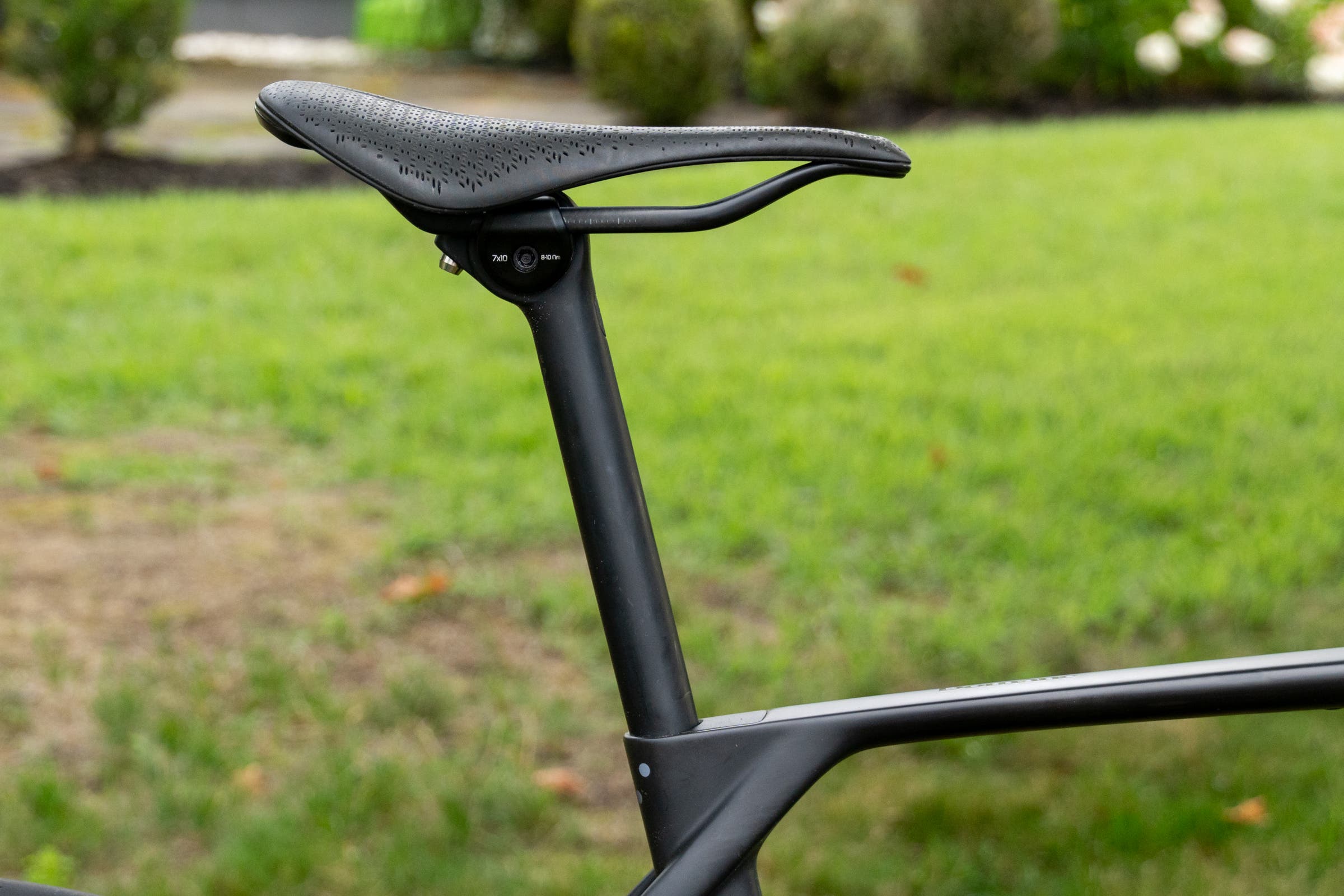
Generally speaking, the Domane has a deceptively compact frame design, so high seatposts will be a common aesthetic for the bike. This also has the added benefit of bringing even more vertical compliance to ride experience; more on that later.
For the frame itself, Trek has moved away from clear-cut compliance features, but has retained the more approachable geometry that keeps the bike within the endurance bike category. Geometrically, the new Domane retains the shorter reach, higher stack, and a slightly longer wheelbase that gave the bike predictable, yet sharp handling. Most importantly, it offers a more upright, or spacer-free, position for long days in the saddle.
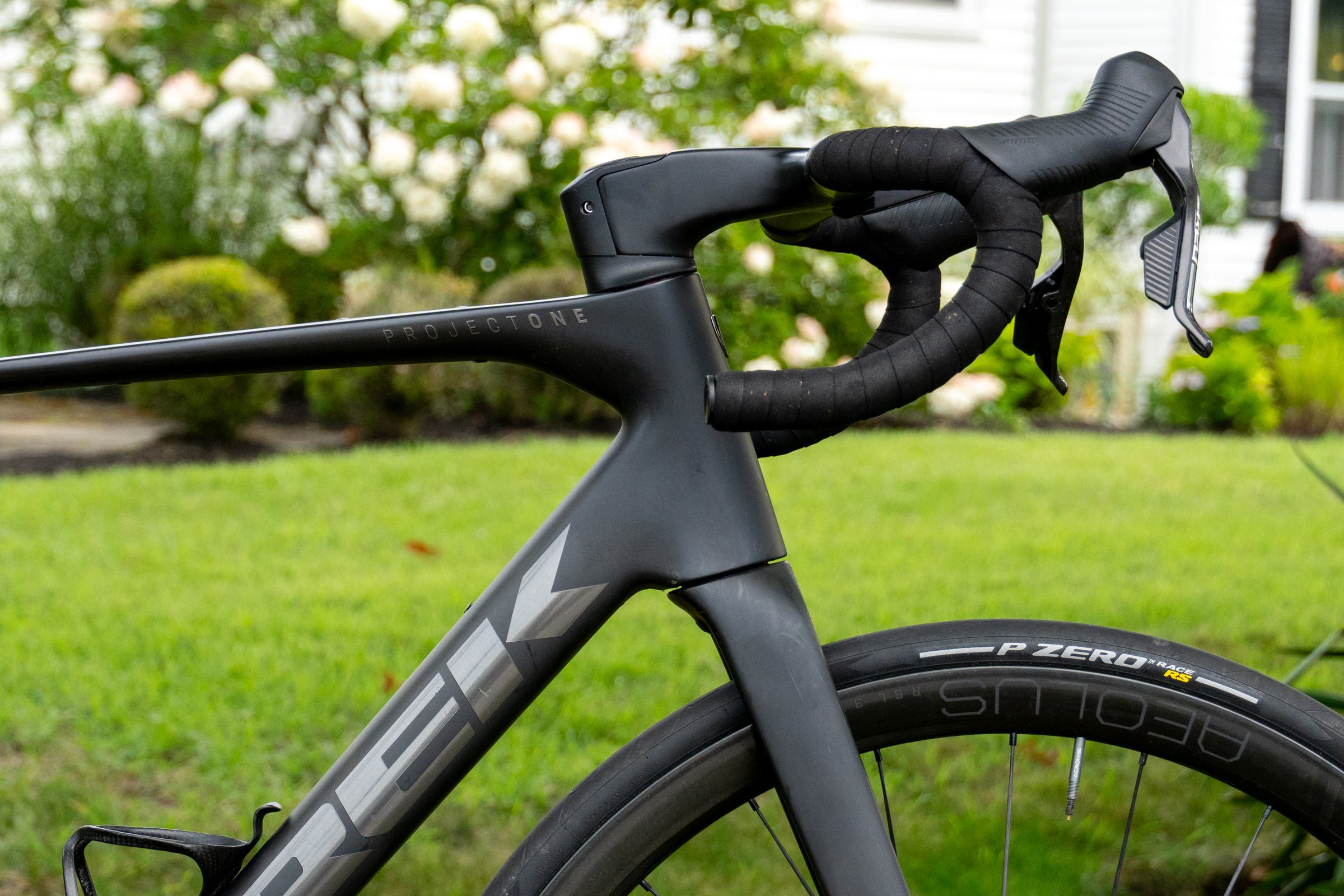
The result is a refined road frame that can be exciting for a wide swath of riders, something that cannot be said for very many endurance bikes. That is only multiplied when you consider the variety of build options Trek offers.
Trek Domane Build Details
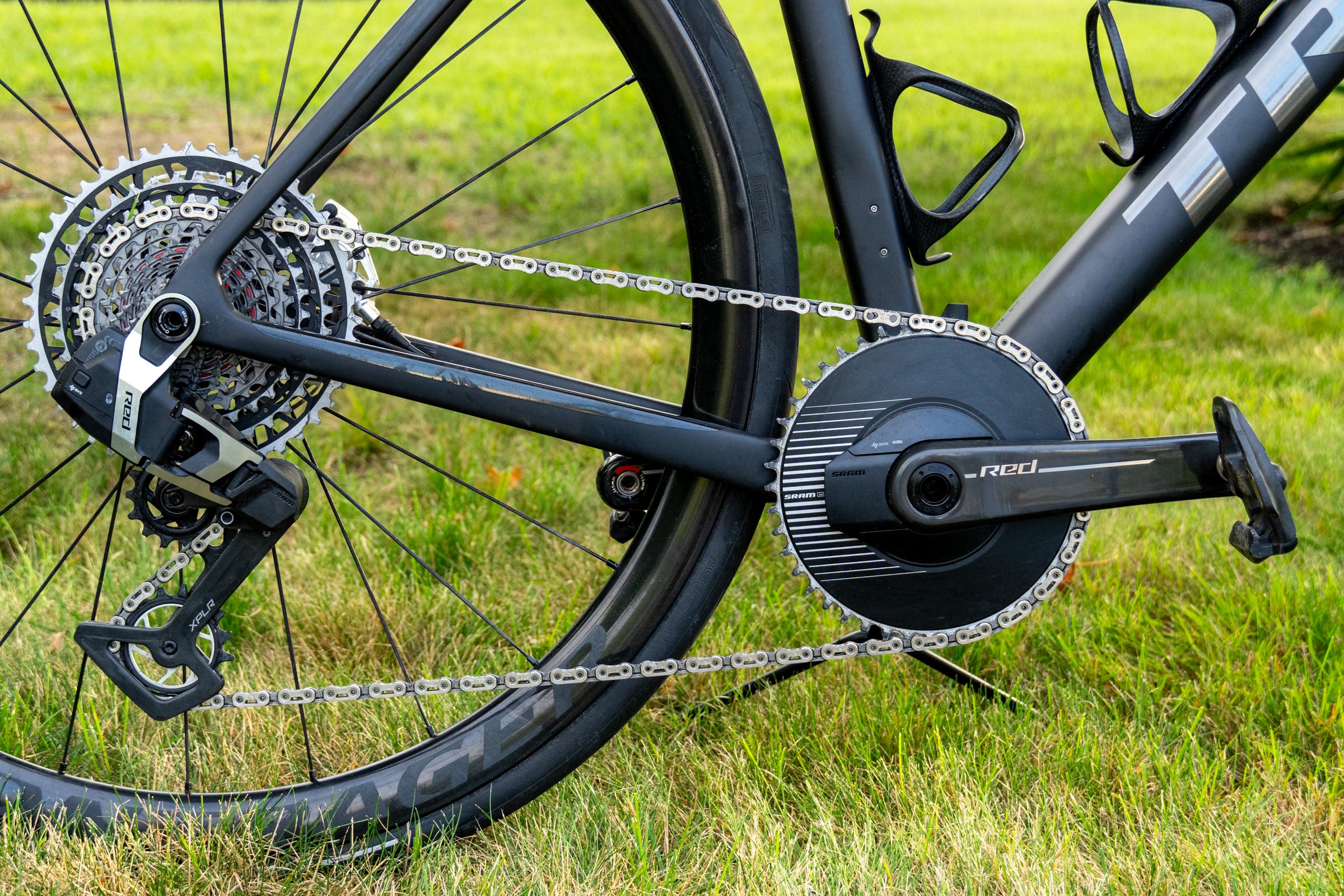
In my testing, I rode the Trek Domane SLR 9 AXS 1x for a few months of summer road riding. The SLR 9 is the highest spec available and the lightest bike in the lineup. In a build designed explicitly to offer a true-blue climbing bike in endurance bike form, the SLR frame is paired with a SRAM 1x Red AXS XPLR groupset, Bontrager Aeolus RSL 37, and 28mm Pirelli P-Zero Race RS tires. Additionally, the build I tested is the only build with the Bontrager Aero RSL barstem, the same one that is used for the Madone.
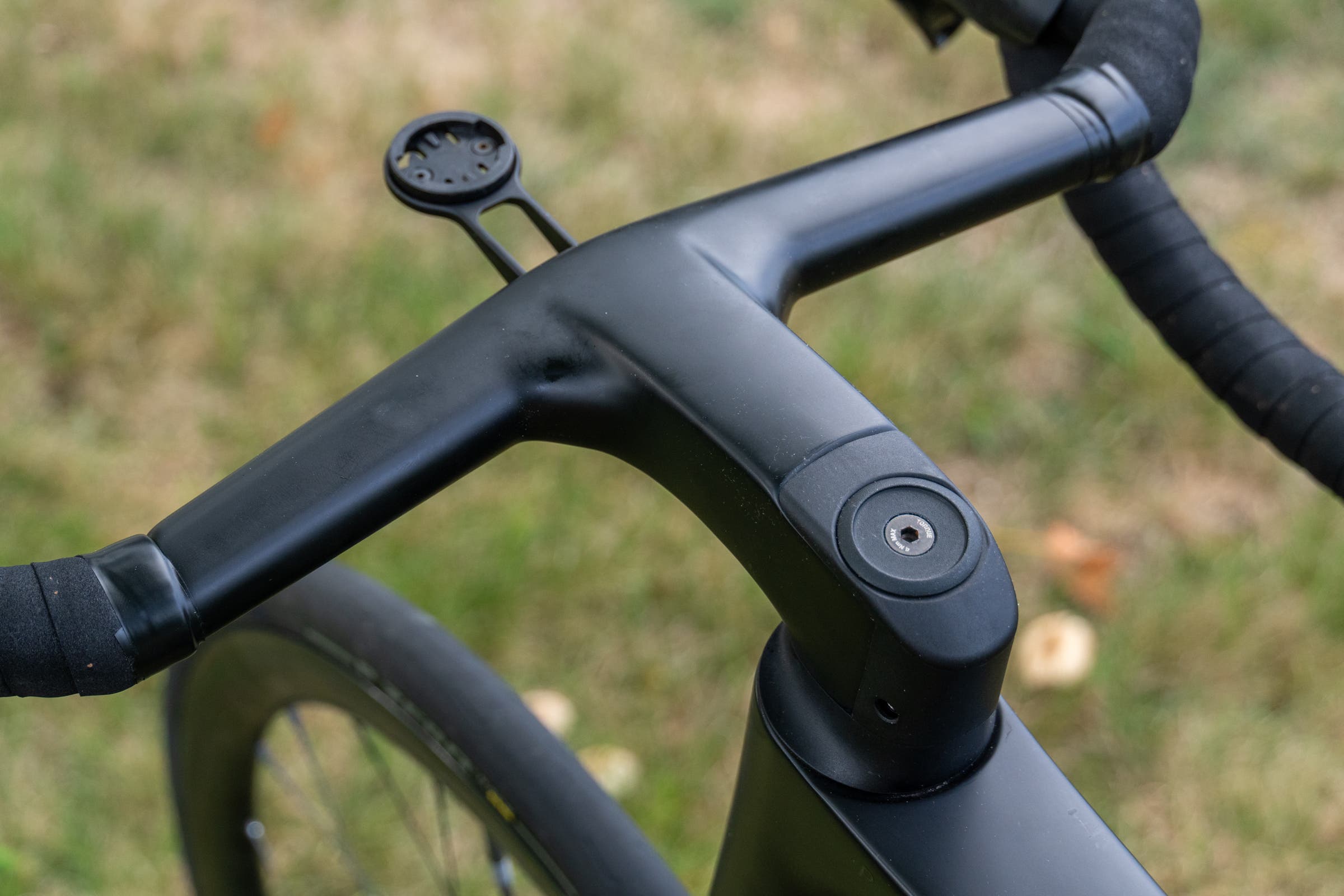
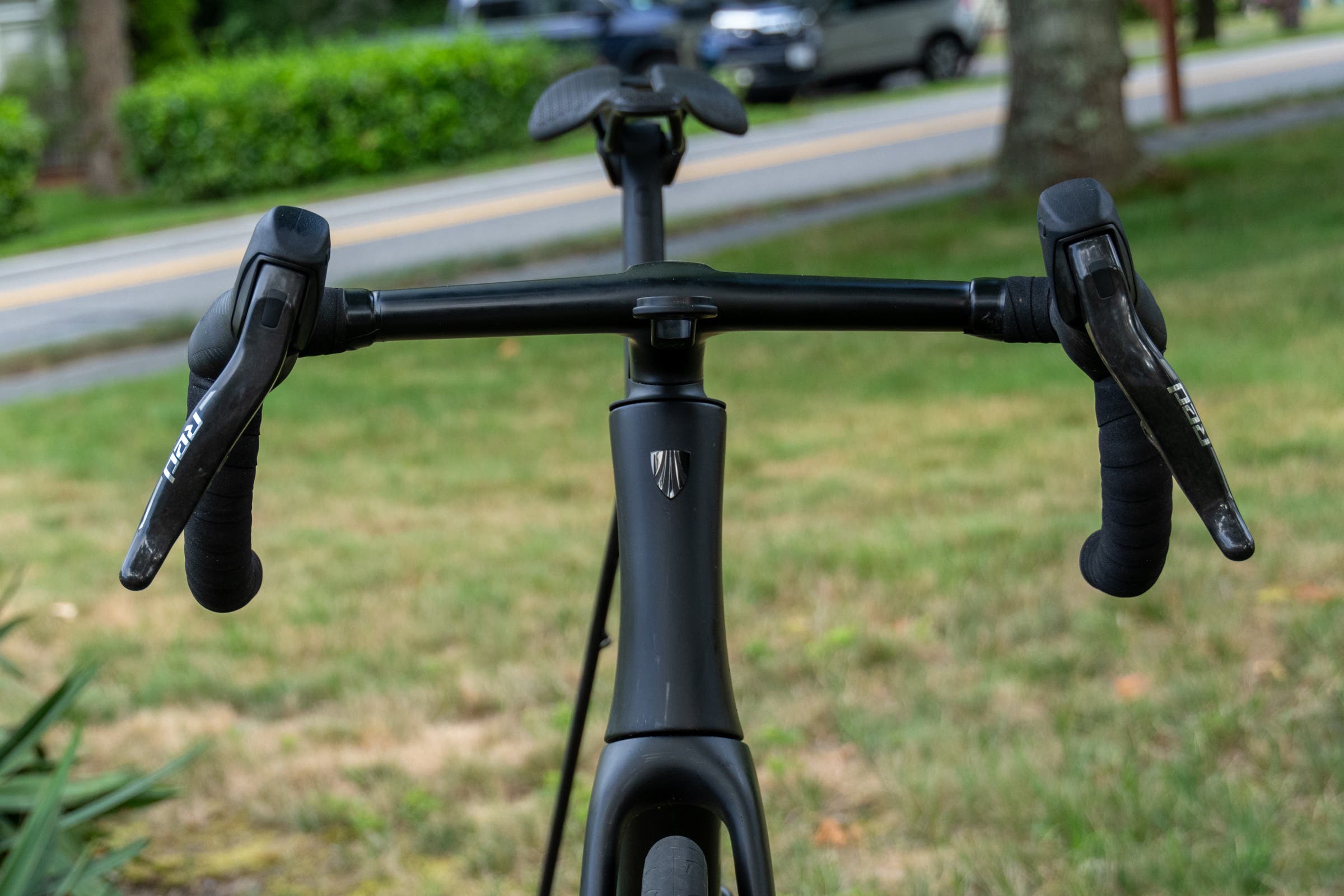
On the other Domane build options, Trek uses a new riser bar to offer 20mm of rise at the hoods for a more upright position. Additionally, there is 4cm of flare between the hoods and drops for extra control, back sweep on the tops for natural ergonomics, and IsoZone pads for comfort on the Pro version. Personally, I found the Aero RSL barstem to be super comfortable—as well as light, as it was a significant factor in the bike’s light weight—so that spec choice could point some of the more performance-oriented riders to the 1x build.
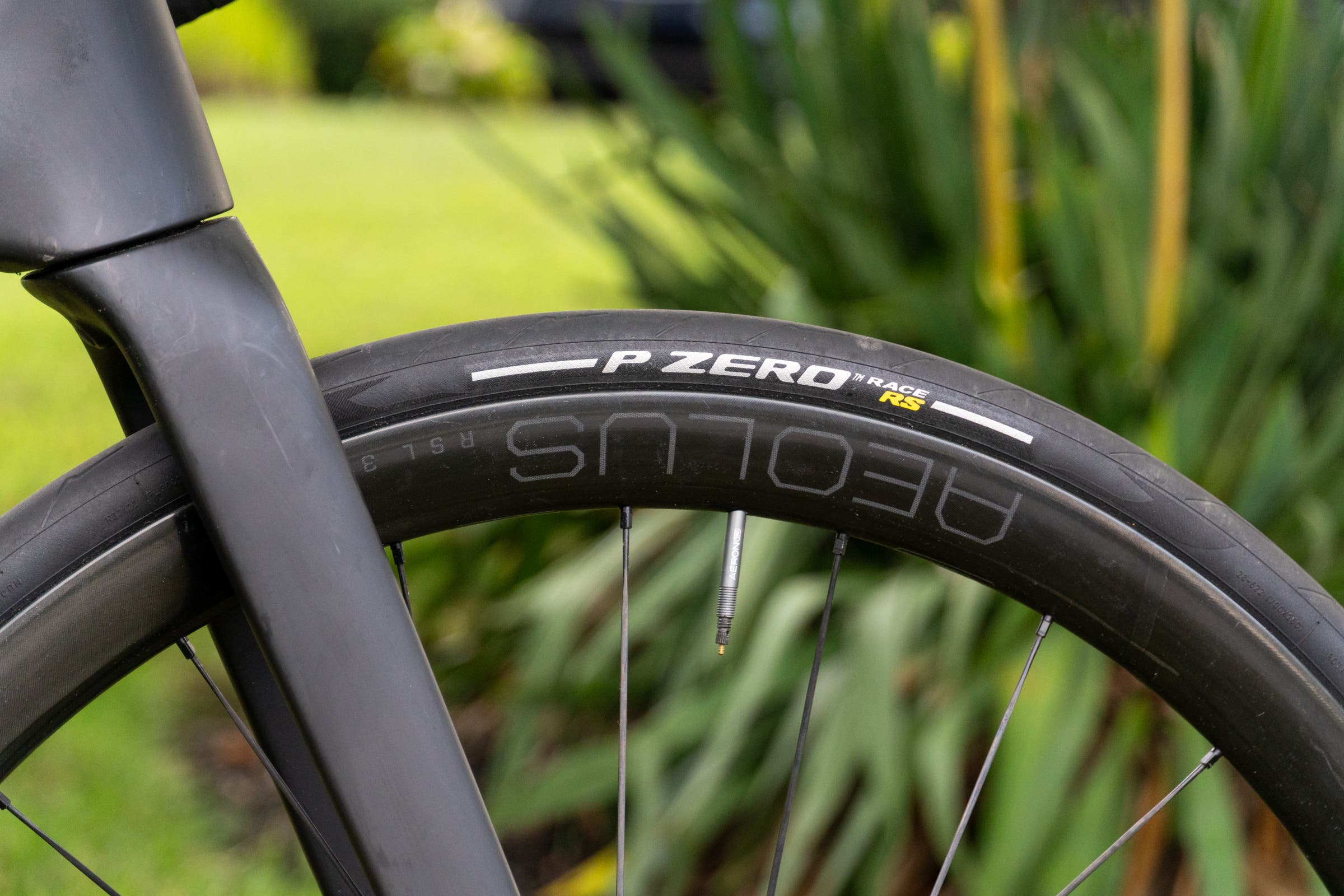
Similarly, the Domane SLR 9 1x AXS is the only bike that uses 28mm tires. The rest of the builds will come stock with sets of the 35mm Bontrager Kwaremont tires to add Trek’s preferred mix of comfort and speed for the everyday use of the Domane.
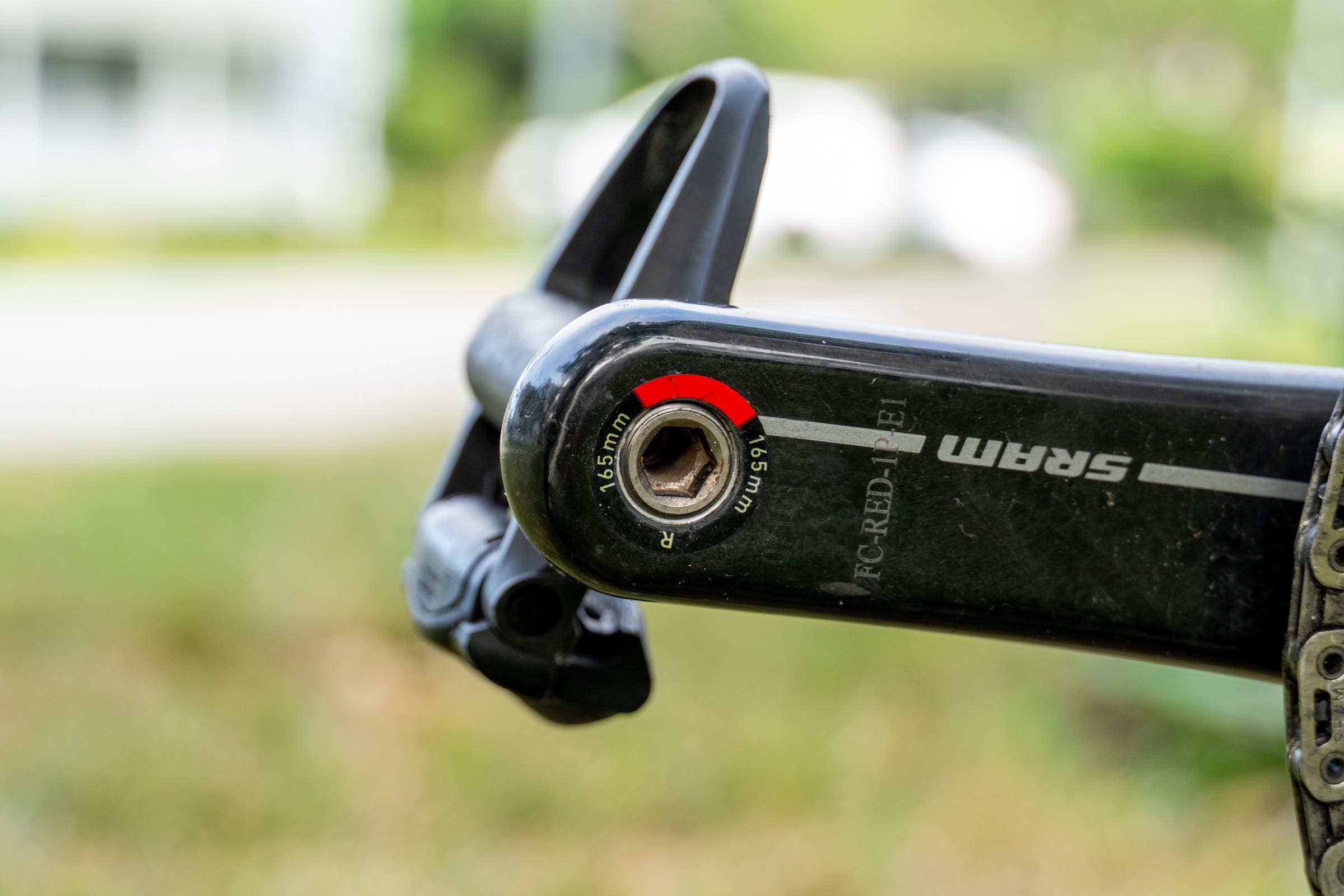
One key build choice that remains constant throughout the full swath of builds is short cranks. And while some brands have touted progressive crank choices without actually hitting the numbers that go short enough, the Domane fully commits. On all the bikes, minus the Domane SL 4, there are 160mm cranks for size XS-S, 165mm for M-ML, and 170 for L-XL. The only reason why the SL 4 doesn’t have the same cranks is that Shimano does not make 160 mm cranks in that level of groupset.
Speaking of the SL 4, the Domane comes in nine different builds, starting with the $2,400 Domane SL 4 and running all the way up to the Domane SLR 9 AXS in 1x and 2x. As with other premium builds from Trek, the Domane is available as a Project One build with part sizing at no extra cost, customer-selected exact parts, and thousands of color options, all hand-painted.
| Model | Groupset / Drivetrain | US Price | EU Price |
| Domane SLR 9 AXS 1x | SRAM RED 1x XPLR | $11,499 | €10,499 |
| Domane SLR 9 AXS | SRAM RED 2x | $11,499 | €10,499 |
| Domane SLR 9 | Shimano Dura-Ace 2x | $10,999 | €9,999 |
| Domane SLR 7 AXS | SRAM Force 2x | $8,499 | €7,499 |
| Domane SLR 7 | Shimano Ultegra 2x | $7,999 | €6,999 |
| Domane SL 7 AXS | SRAM Force 1x XPLR PM | $6,500 | €5,000 |
| Domane SL 6 AXS | SRAM Rival 2x | $4,200 | €4,000 |
| Domane SL 5 | Shimano 105 2x | $2,700 | €2,500 |
| Domane SL 4 | Shimano Tiagra 2x | $2,400 | Not available |
Trek Domane Frame Geometry
| Measurement | XS | S | M | ML | L | XL |
| Seat tube (mm) | 444 | 476 | 500 | 533 | 553 | 593 |
| Seat tube angle | 73.5° | 73.7° | 73.5° | 73.3° | 73.3° | 73.3° |
| Head tube length (mm) | 106 | 139 | 159 | 170 | 192 | 226 |
| Head angle | 71.3° | 71.1° | 71.2° | 71.9° | 72.0° | 72.1° |
| Effective top tube (mm) | 520 | 530 | 541 | 553 | 562 | 575 |
| Bottom bracket drop (mm) | 80 | 80 | 80 | 78 | 78 | 75 |
| Chainstay length (mm) | 420 | 420 | 420 | 420 | 420 | 420 |
| Offset (mm) | 53 | 53 | 53 | 48 | 48 | 48 |
| Trail (mm) | 62 | 63 | 63 | 63 | 63 | 62 |
| Wheelbase (mm) | 987 | 1002 | 1011 | 1010 | 1019 | 1033 |
| Standover (mm) | 721 | 753 | 775 | 805 | 826 | 863 |
| Frame reach (mm) | 368 | 371 | 374 | 377 | 380 | 384 |
| Frame stack (mm) | 524 | 555 | 575 | 596 | 618 | 648 |
| Front center (mm) | 580 | 595 | 604 | 602 | 611 | 624 |
Trek Domane Ride impressions
A few months ago, my colleague Josh Ross wrote an impassioned eulogy for the endurance bike. It was surely a story that had been simmering on the back burner of his mind for a while because, well, Ross doesn’t do endurance bikes.
Frankly, Ross is not alone. I have also found the endurance bike category to be the least inspiring type of bike, especially in a world of great all-road bikes and hyper-aero gravel bikes. What’s actually the point of an endurance bike when it’s simply a more upright, heavy road bike? It is a rare place where Ross and I have a ton of overlap in our cycling Venn diagram.
Likewise, I was skeptical when the message came through about testing the new Domane. Happily, I was so wrong about this particular vintage of endurance bike. The Domane is so good, it might be too good to consider an endurance bike. In reality, I think it should sit in a different category entirely. After riding it for over 650 miles, the bike is, for all intents and purposes, a climbing bike. And boy does it climb.
The weight of the bike is obvious—it feels like it flies. My first rides were in Steamboat Springs and on the steep paved climbs that spun their way up the surrounding mountains, I couldn’t help but pedal hard, elevation be damned. Standing and punching my way over the steepest sections of road were the moments where it felt the most exciting. With the combination of light weight and lateral stiffness, the bike had a quick, natural acceleration. On the uphill, the bike feels undeniably springy.
After a few rides, I found myself coming around to the more endurance-oriented aspects of the bike. The fact is that what benefits endurance riding also extends to climbing. Positionally, the higher stack and relatively shorter reach allowed me to drive down through the pedals, shifting my weight forward over the bottom bracket and driving my heel through the bottom of my pedal stroke. I certainly wasn’t the most aerodynamic I have ever been, but on the steeper gradients I couldn’t care less. I really felt as if I could drive more of the effort with my core once I figured out the changes from my more conventional, aerodynamically-minded position.
I tried my best to get a sense of the Domane as a bike for fast group rides and driving the pace on flatter terrain. While I couldn’t quite get into the same aero position I love, even as a racer, I am not a rider who rides with a low front end. Most of the bikes I ride use a longer, taller position—as do many riders these days with modern bike fits—and if I added a longer stem, I could get pretty close to the speed I can muster on more aggressive bikes. The short cranks also provided a great platform to get my torso low over the bike without cutting down my hip angle too much, a huge priority for me as hip flexibility has always been my primary limiter for my own aerodynamics.
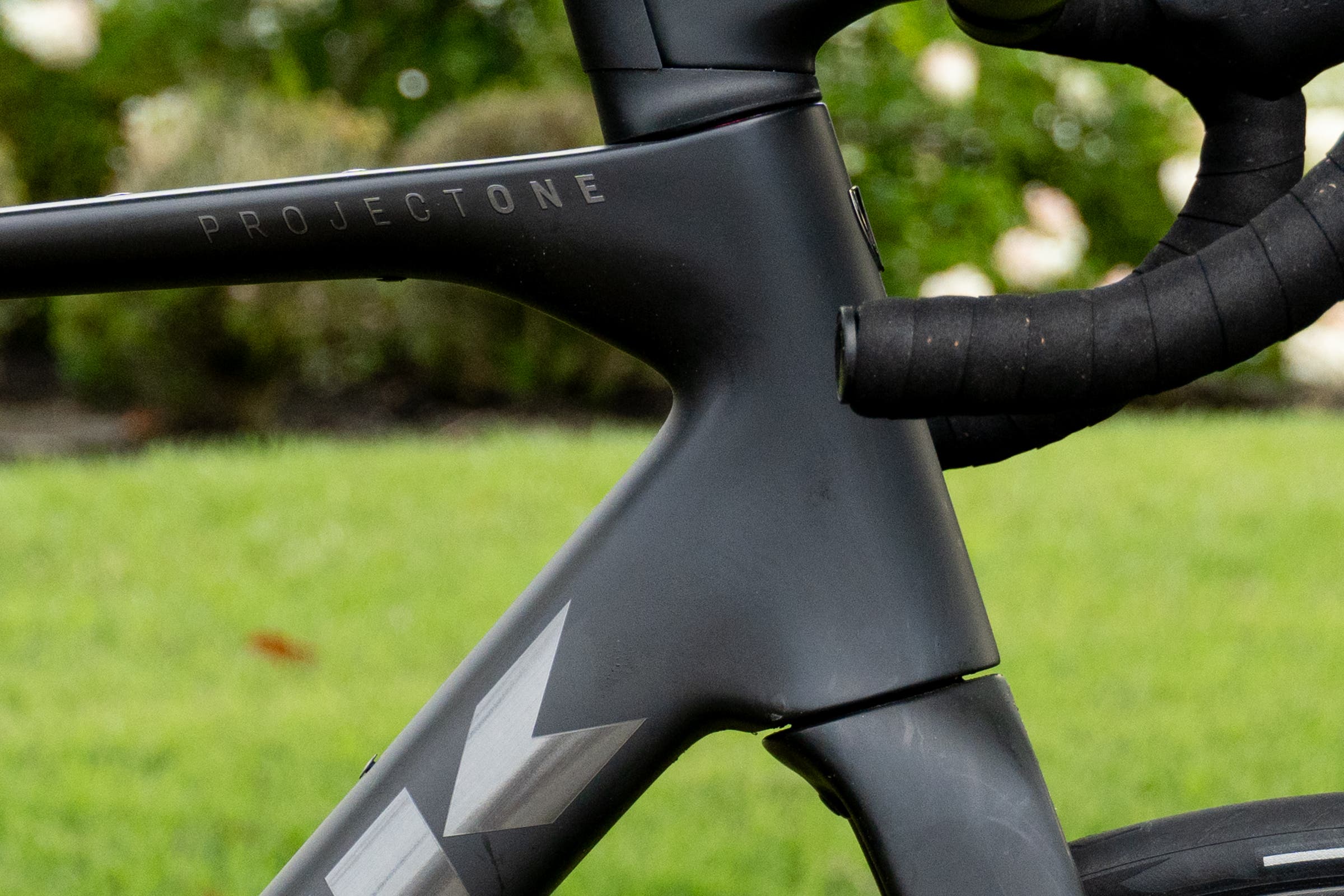
If I were to change the bike, it would be to add a bit more aerodynamic shaping around the front end of the bike. The low-hanging fruit of a more aggressively shaped front end could add a few watts. Then again, aesthetically, the bike provides a look that conjures bikes of the mid-to-late 2010s, which is a vintage of bikes I have a whole lot of affinity for.
On a similar note, the Bontrager Aeolus RSL 37 wheels do add a bit of unwanted flex to the system. In sprints and other moments of acute power, there was a bit of wheel flex that caused the brakes to lightly rub on my downstroke. Ultimately, the Domane isn’t meant for sprinting, but if you were to use it as a more all-around racer, perhaps swapping to a more robust aero wheelset could speed up the bike when it is not climbing.
Beyond its climbing chops, the biggest upside of the bike is the buttery-smooth ride quality. It stood out from the first ride that the Domane took compliance very seriously. Throughout my first few rides on the bike, I had to check a few times if my rear tire was going flat because the general road buzz and small hits felt like something wasn’t quite right. In reality, the system was just doing its job, and doing it well. There may be something lost without the IsoSpeed system, but from my perspective, it sure feels like Trek got the mixture correct as the Domane stands out as one of the more comfortable road bikes I have had the pleasure of riding.
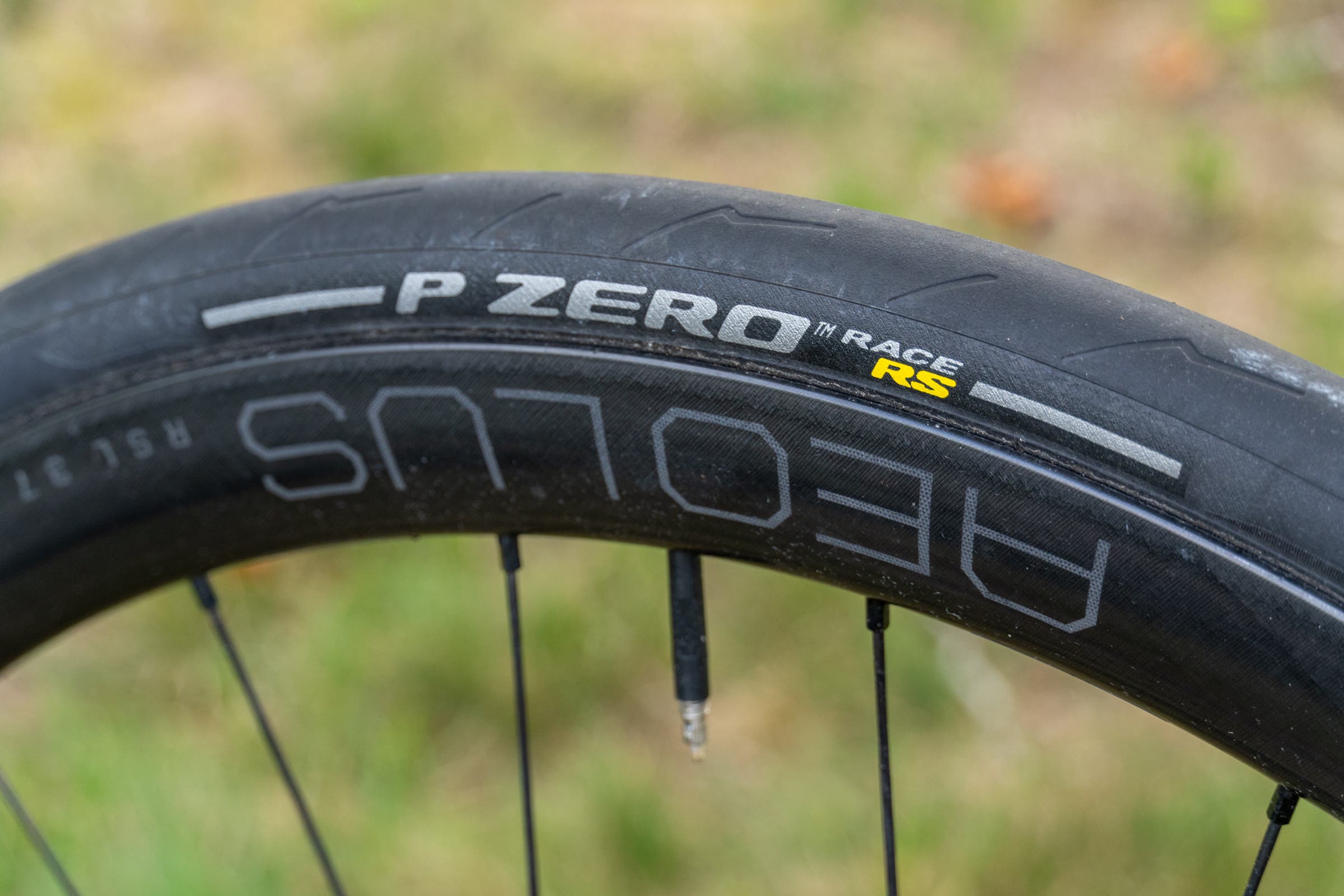
Lastly, what comes up must come down. While some may consider the longer wheelbase a turn off, with the right size tire, the bike comes alive on the descents. Coming from the world of gravel bikes, the bike’s length feels predictable and stable. With the 28mm tires that came on the bike originally, that stability was at the expense of maneuverability. Yet, with 32mm tires, the bike feels well-balanced and fine-tuned to take turns at speed.
Personally, even though the lightest spec of the bike comes with a 28mm tire, 32mm feels like a much better fit for tire size on the bike. With clearance up to 40mm, it is hard to ask any bike to have a range of 12mm of viable tire sizes. Instead, I would say this iteration of the Domane is best served operating with tires between 32 and 40mm.
Usability
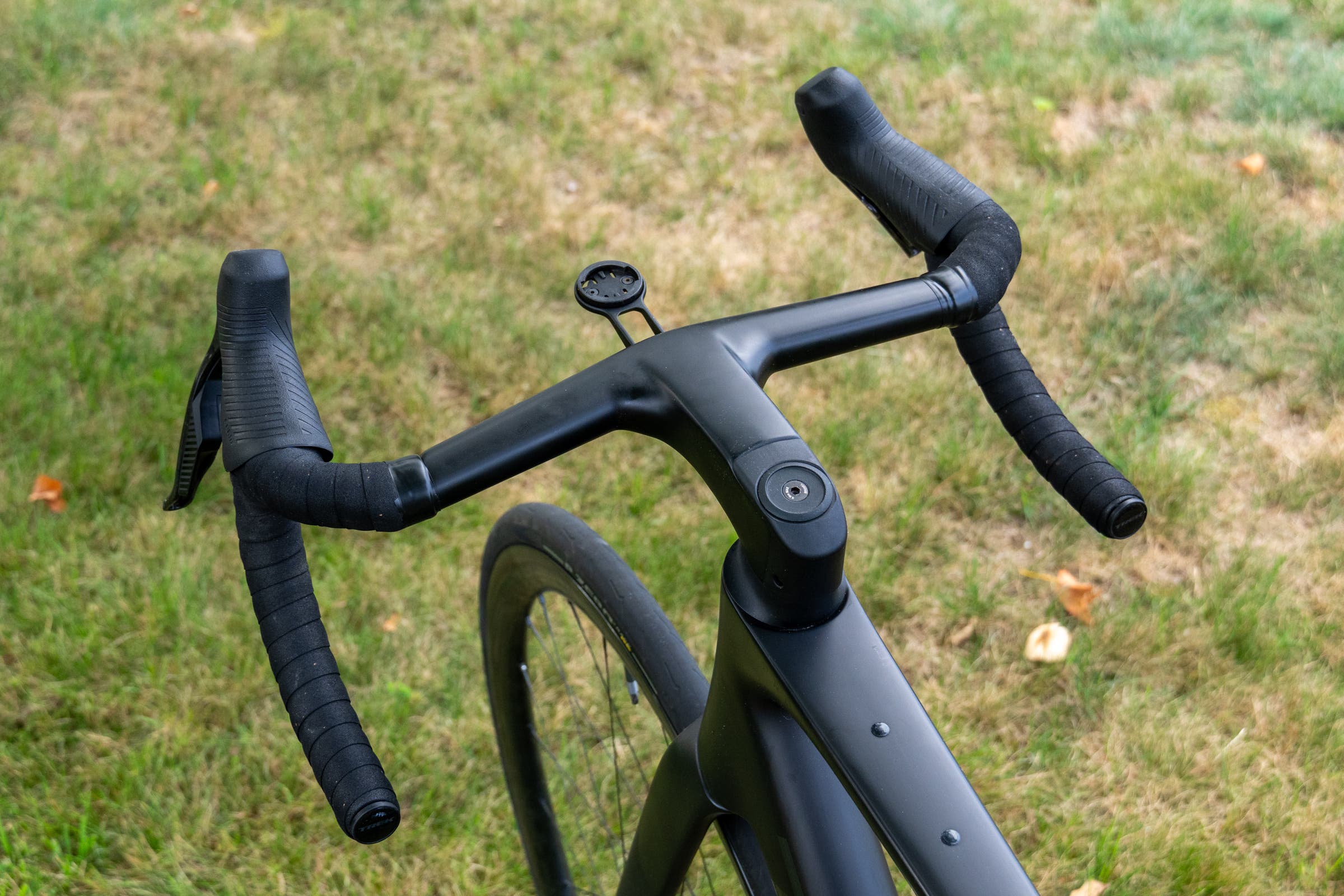
By and large, the Domane is an easy bike to live with. There is a one-piece bar-stem on the top spec option. This does create some headaches, but as with any premium bike, that seems like a worthy price to pay for the performance. At lower specs, the bike comes with a two-piece bar-stem that uses a semi-integrated cable system to make things much easier to swap and service. Additionally, the bike has a versatile platform, with electronic, mechanical, 1x, and 2x capacity across the board.
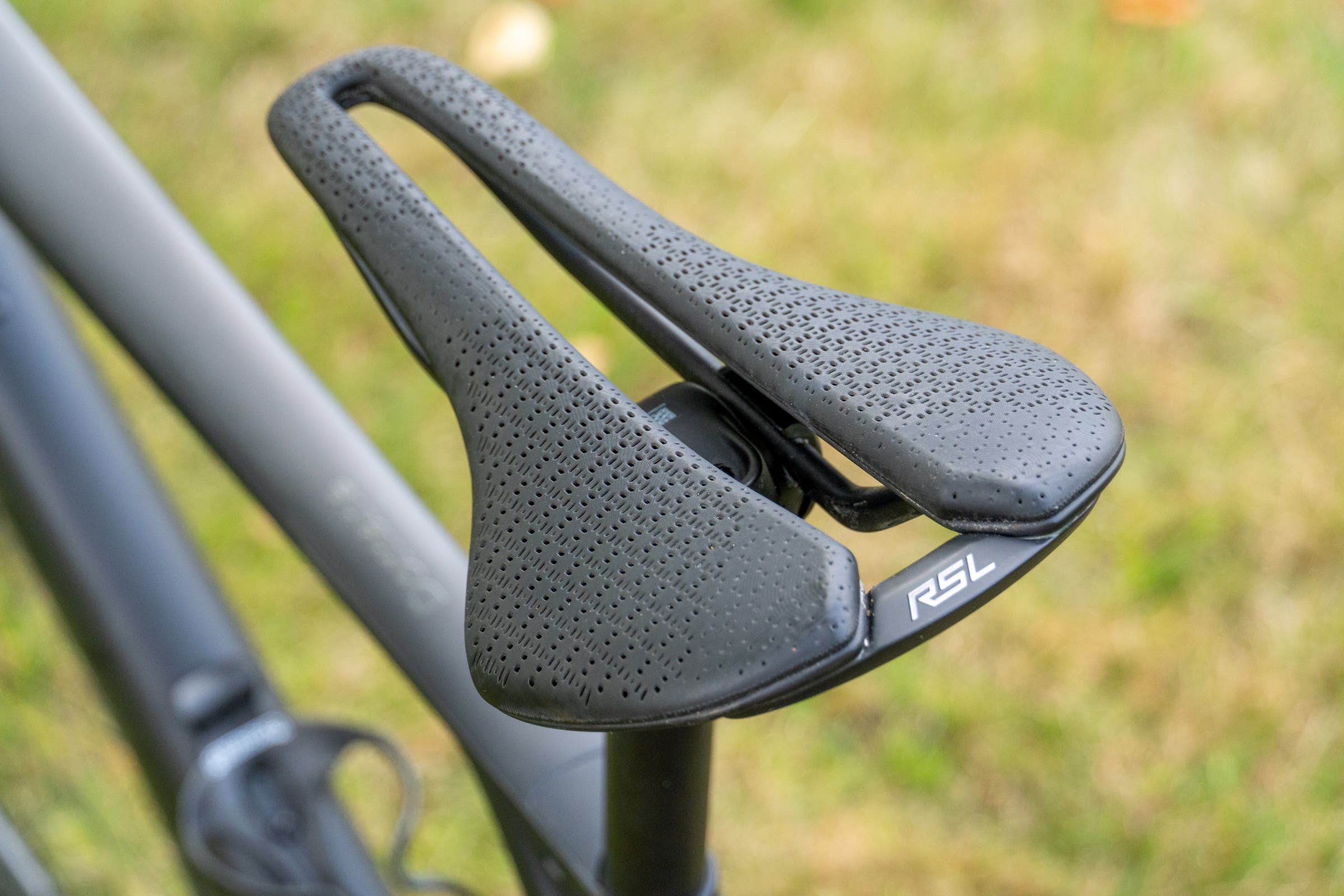
The seat and seat post are also positive aspects of the bike. The standard 27.2 seatpost is a nice, simple piece of tech to work on. The seat clamp is a wedge, but it is a thoughtful design. With the 4mm hex bolt on the side of the frame rather than on top, the system doesn’t have the same issues with sticking or slipping. Additionally, the Trek SLR saddle looks thin, but in the end, I kept it on. Many other bikes come stock with a saddle that seems to be there only to take off and replace immediately.
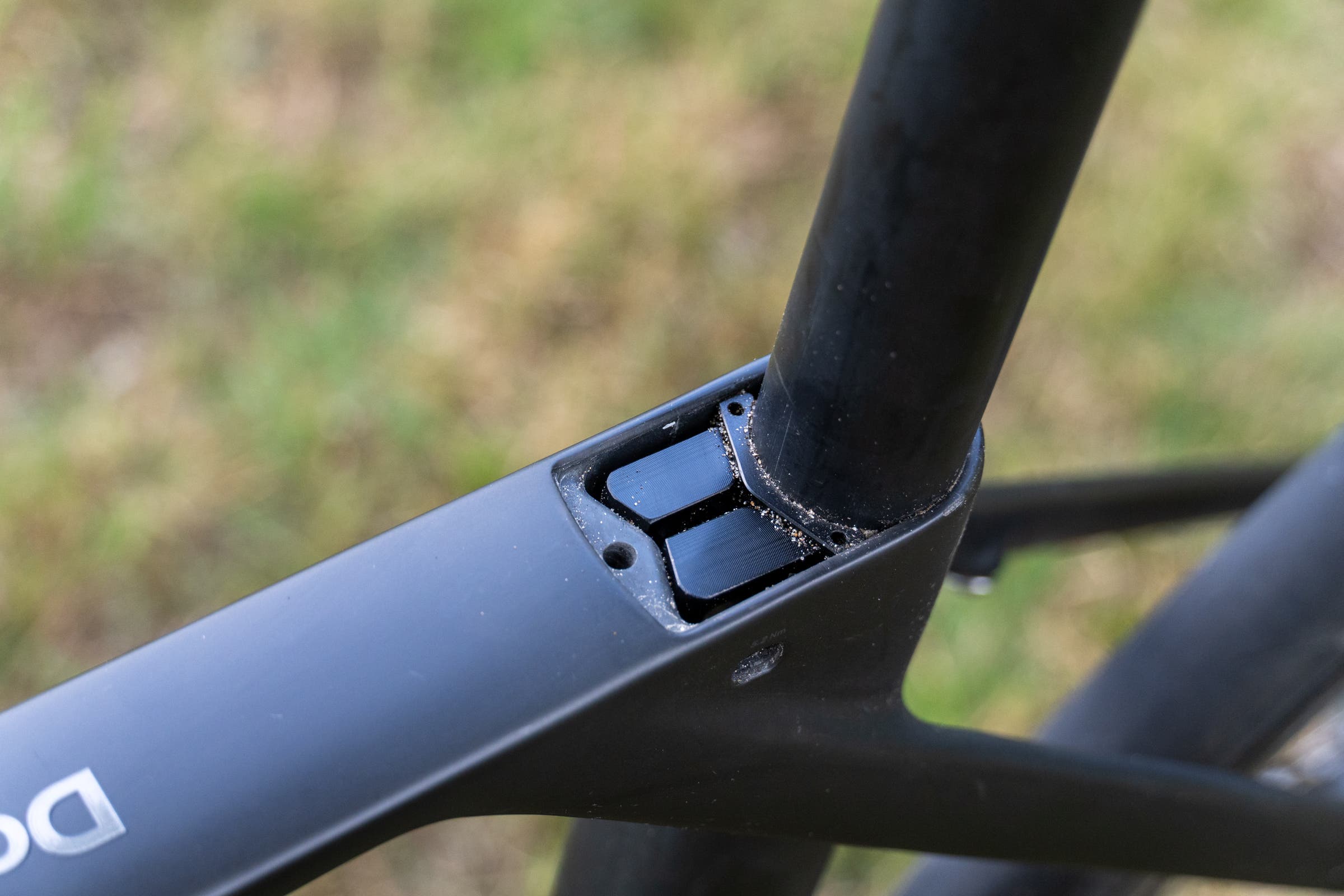
Lastly, Trek has opted for a T47 bottom bracket. T47 is quickly becoming one of the dominant BB sizes on gravel bikes, and it is a welcome sight to see on the Domane, even if it leans more road bike.
Conclusion
Call it a climbing bike, call it an endurance bike, or just call it a good bike—the Domane delivers on all of those fronts by offering one of the most exciting new bikes from Trek in recent memory.
The best way I can sum it up is as a true, “yes, and,” bike. At several different levels, the Domane operates at a very high level in multiple directions: it is light and has a great ride feel; It has a great rider feel and broad tire clearance; It is light and is a more affordable price compared to other super bikes. You see the idea: complementary features in all different directions.
That is the opportunity that all endurance bikes are afforded. The only real parameter imposed on them is to be smooth and have geometry that allows for a more approachable position. The rest of the bike design is up to the company’s priorities, and far too often, that conclusion is more features that double down on just smoothness and approachability. Building a bike to go long, however, can be way more exciting.
That’s what the Domane has done; Trek has built it to be much more exciting than the expectation of an endurance bike. So much so, it feels like it might be too good to belong to the same category of bikes that aren’t inspiring in the same way.
[analyse_source url=”https://velo.outsideonline.com/road/road-gear/trek-domane-5-review/”]