[analyse_image type=”featured” src=”https://velo-cdn.outsideonline.com/wp-content/uploads/2026/08/Z8A_6954-2-e1786439612478.jpg”]
That’s it. The Tour de France Femmes avec Zwift is over.
The comedown is very real after nine days of yellow jersey trades, team beefs, a Ventoux bruiser, and a big show in Nice.
And we get it, maybe you’re feeling a little fragile after all the drama.
That’s why we’re bringing you nine hot takes and conclusions to help you relive the Femmes, but in a rapid-fire, easily-digestible format.
And when you’re done reading about missing kudos, chest-maxxing, and one of the greatest seasons in women’s cycling, you can check our 21 hot takes from the men’s Tour de France, here.
So here we go.
Nine takes from the Tour de France Femmes, some hot, some tepid.
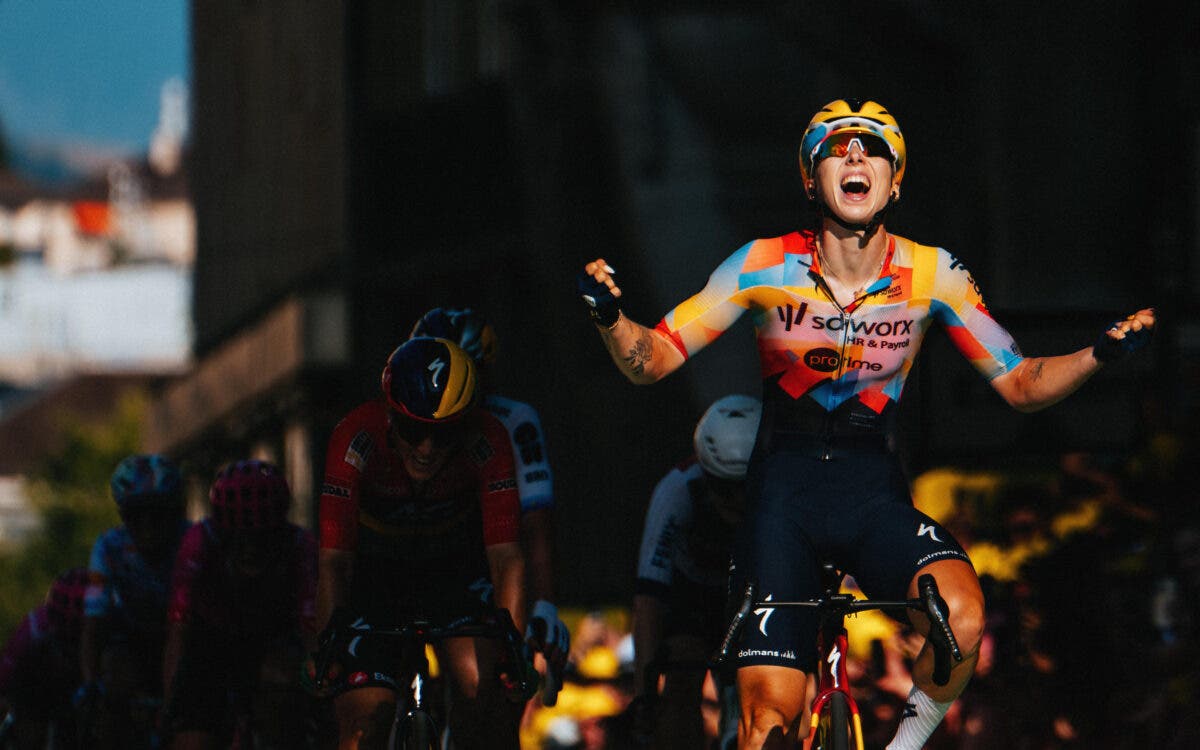
1. Lorena Wiebes needs a lot more kudos. Like, crates full of kudos. The 27-year-old reconfirmed herself as one of the greatest sprinters in the history of women’s racing at this TDFF.
In fact, wonder-Wiebes was maybe even better than ever last week.
On stage 1, the dynamite Dutchwoman hung tough on a spicy hilltop finish and showed the GC racers what real sprinting looks like. Twenty-four hours later on stage 2, she devastated the fast finishers with a wicked acceleration that annihilated her rivals.
Wiebes looked like she was doing a different sport from the rest of the bunch in the opening weekend of the Femmes.
If a GC rider or male sprinter were as dominant as her, they’d be a global superstar.
2. Don’t doubt Demi Vollering. She proved at the Femmes she’s the defining GC racer of this generation and more than worthy of the biggest paycheck in the women’s peloton.
Vollering won three stages and excelled on all terrain, barring a bizarre tactical blip on Mont Ventoux.
And the 29-year-old didn’t race boring. She and her FDJ United-Suez super team took the race by force. When they could attack, you can bet they would.
Vollering’s nine-day masterclass made her the first to win the Tour de France Femmes two times. It was a performance that’s seeing her compared to Tadej Pogačar – and rightly so.
After the stage and GC win in Nice, Vollering has won 14 times in 28 days this year.
Her 2026 palmarès includes Omloop Nieuwsblad, The Tour of Flanders, La Flèche Wallone, Liège-Bastogne-Liège, the Giro d’Italia, and the Tour. She’ll probably double back in seven weeks and win her first road title in Montrèal, too.
A modern GOAT.
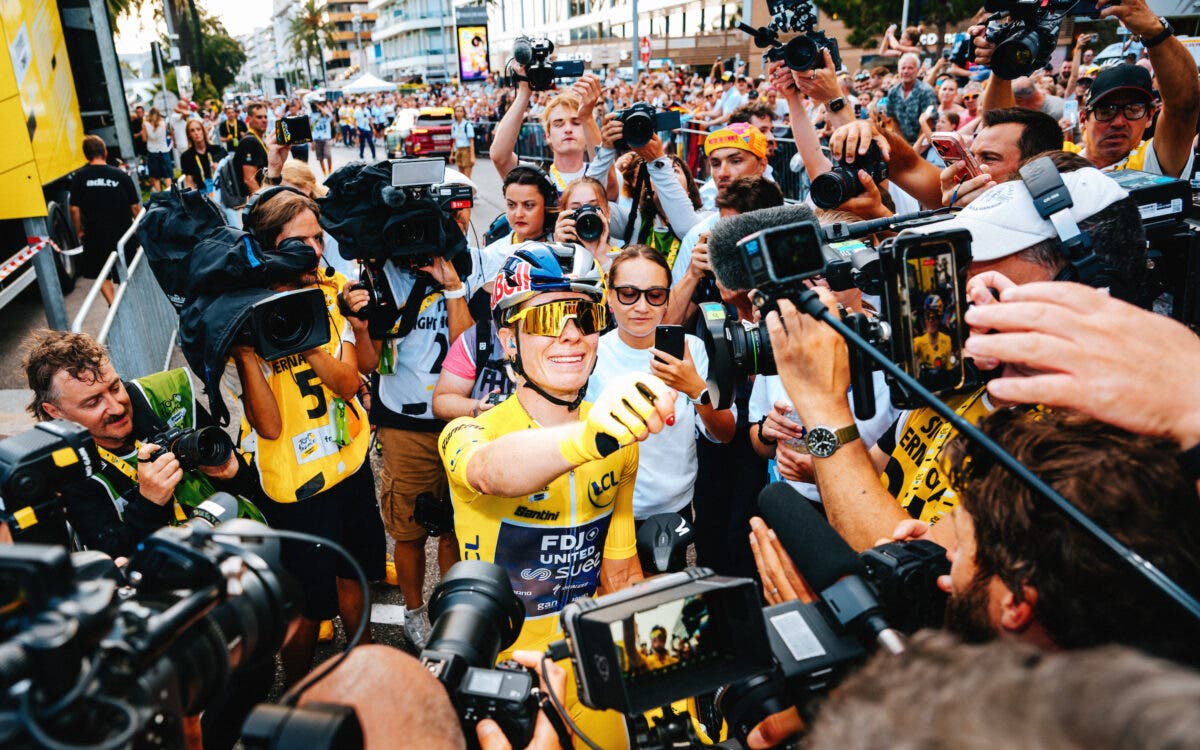
3. Chest-maxxing put the Tour de France Femmes onto the world stage for all the wrong reasons.
A quick Google search shows the New York Times was one of countless titles across the UK, Canada, China, and Australia that picked up on the “bra doping” hullabaloo. I even heard it on a 3-minute BBC radio news broadcast.
In many cases, you can bet it’s the only coverage the TDFF got. Given how insanely exciting the racing was, that’s a scandal.
Last year at the Femmes, it was the very gendered health debate provoked by Pauline Ferrand-Prévot’s dramatic weight loss that caught public attention. In 2026, it’s padded out, aero-optimized bras.
Hopefully the Tour de France Femmes hits national headlines in 2027 for the racing, not the weird stuff.
4. This race was not kind on the peloton’s comeback queens. 34-year-old Pauline Ferrand-Prévot’s title defense unraveled fast. 36-year-old Anna van der Breggen was only a percentage of her pre-pandemic, peloton-crushing vintage.
But it’s not like these one-time crushers were ousted by a bunch of Gen-Zs. Demi Vollering, Kasia Niewiadoma, Elisa Longo Borghini, and Marlen Reusser are all only a couple of years younger.
Maybe it was AVDB and PFP’s long break from road racing that got the better of them?
The peloton moved fast while they sat on the sidelines. Ferrand-Prévot admitted after a widely disappointing season that the peloton improved too quick for her to keep up. Van der Breggen was burned out by a 2026 grand tour sweep that might have been sustainable a decade ago, but not now.
Speaking of GOATs, where was Marianne Vos? Sure, the “OG” fast finisher of the Femmes twice hit the podium, but Vos didn’t boss with the authority of recent editions.
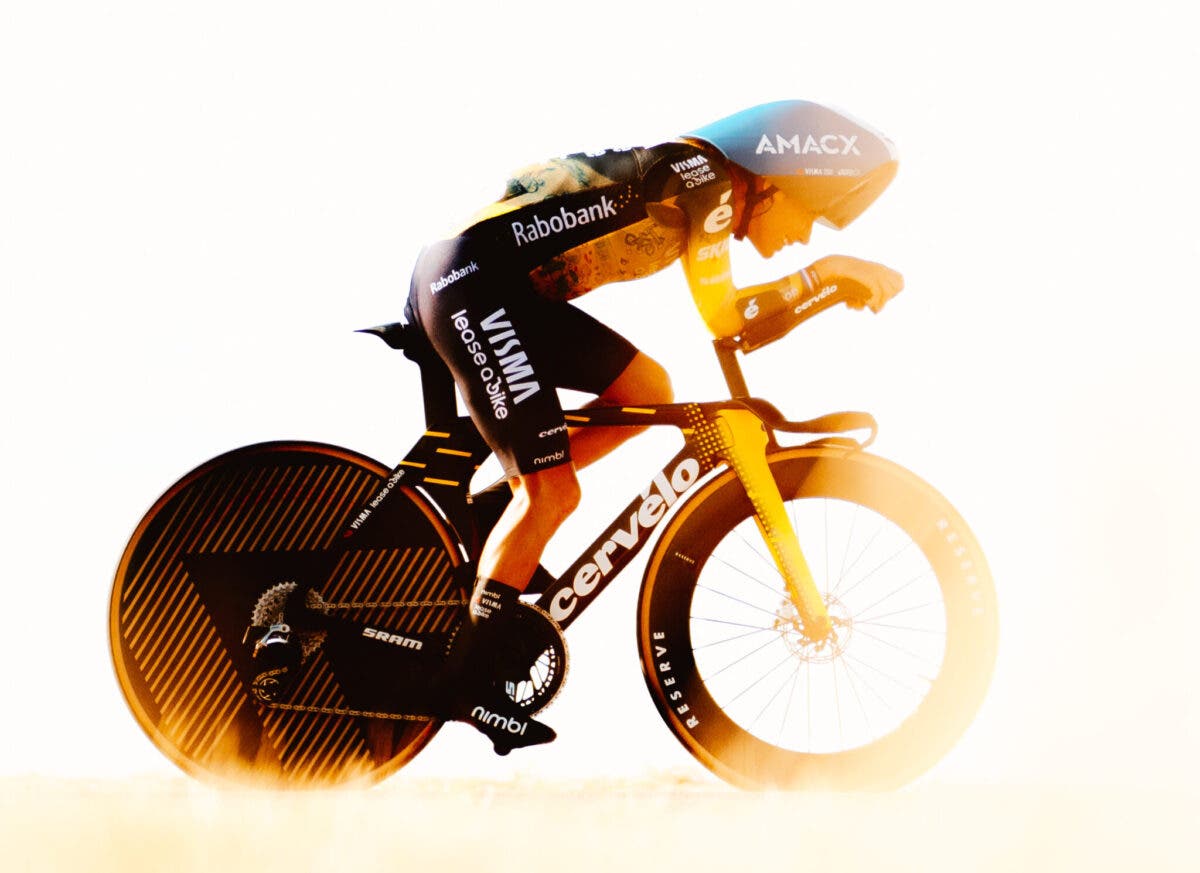
5. On the topic of comeback queens and veterans – the future is now for the women’s peloton.
Three riders aged 23 or younger hit the top-10 in white jersey winner Antonia Niedermaier (4th), Paula Blasi (5th), and Canadian star Isabella Holmgren (8th).
Demi Vollering’s teammate Célia Gery (20) was the domestique of the race, no matter what she did or didn’t do [more on that below].
Zoe Bäckstedt (21) delivered the tow of the Tour for Kasia Niewiadoma.
Junior world champion Paula Ostiz debuted aged 19 years and 201 days old, and more than lived up to her rainbow stripes for Movistar and Marlen Reusser. And in case you’re wondering, Ostiz was 82 days younger than Paul Seixas when he made his blockbuster debut at the men’s race in July.
While the average age of the final GC podium was north of 31 years old, the next generation is coming for them, fast.
6. Kasia corner should never have become a “thing.” Sorry, Mrs. Niewiadoma-Phinney, but I don’t think there was anything malicious or illegal in Celia Géry’s controversial cornering.
Hands up, I’m no expert. But from the footage available, the maneuver that blew up the Tour de France Femmes looked like a standard, albeit dirty, racing strategy. Even “Mr Kasia” Taylor Phinney reluctantly admitted the legality of Gery and Vollering’s work of dark art.
My take?
Kasia’s incendiary comments after stage 8 were simply the adrenaline-fueled, red-mist outbursts of one of the fiercest competitors in the sport.
And I dig that passion.
Unfiltered emotion and reaction have become rare in a sport drowning in PR brainwash and manufactured team content.
Also – I’d love to know if Couch Peloton would have reacted the same if a rider like Remco slammed a rival in similar fashion.
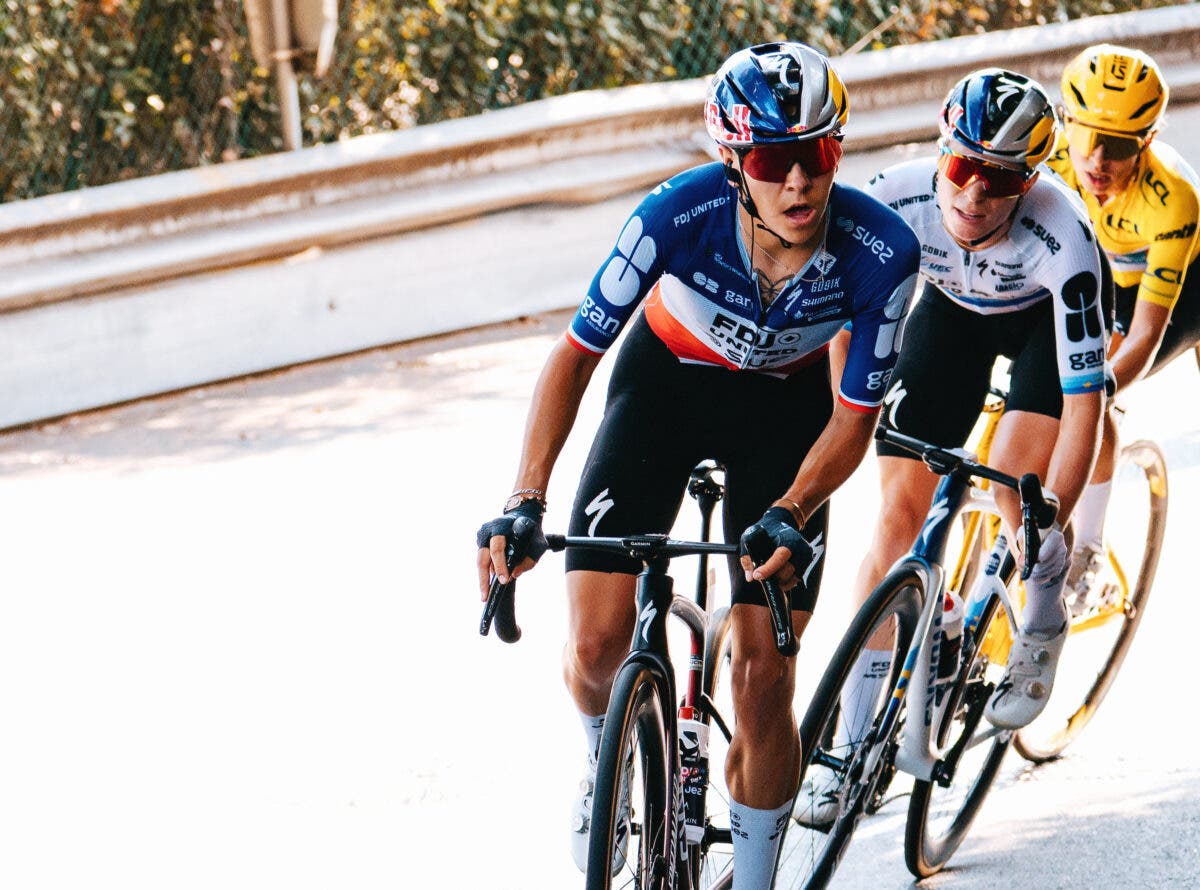
7. Turns out us armchair DSs were wrong. Team UAE l’Imad was right, after all.
The Emirati team survived a media firestorm over the supposed snub of Paula Blasi to harvest the best set of results it could have gotten.
Elisa Longo Borghini reached the final podium for the first time in her blockbuster career. Spanish sensation Blasi hit 5th on debut. Dominika Włodarczyk finished top-10 for a second year running with her 7th place in Nice.
Could the squad have done better by backing Blasi all the way? Maybe, maybe not.
Did the team turn the young Spaniard into a domestique because she’s reportedly leaving for Movistar? Possibly.
But still, judging by the level of the competition, neither ELB nor Blasi could have hoped for any better.
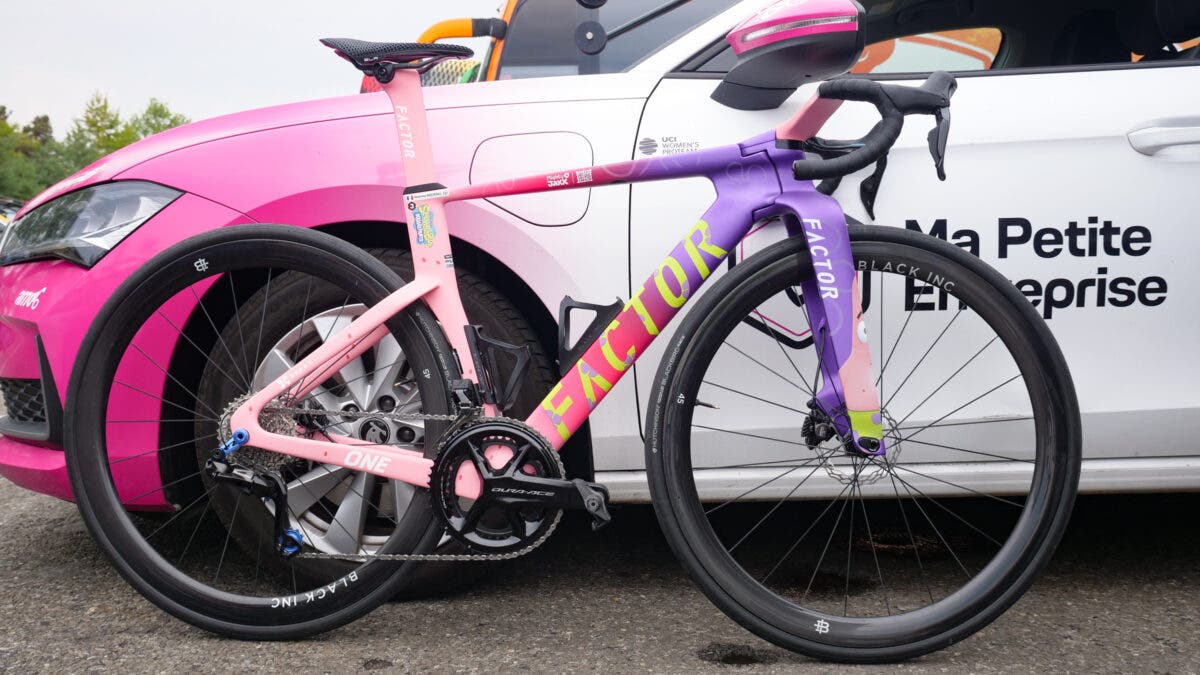
8. The SpongeBob bikes were sick.
Don’t cancel me for saying it, but I loved the wacky paint jobs on Human Powered Health and Ma Petite Entreprise’s custom Factor Bikes.
And I’m certainly no SpongeBob SquarePants superfan. In fact, I’ve never seen it in my life.
That’s not to say I don’t appreciate the concerns that were raised about the teams’ new neon looks. Maybe cartoon bikes do undermine the credibility of the biggest women’s bike race in the world.
We can only assume Factor would have done the same if its sponsored men’s team, Modern Adventure, raced the Tour de France.
But maybe all that is overthinking it.
The extra-untraditional color scheme pops, and you can barely see the SpongeBob and Patrick Star graphics anyway.
If a miserable millennial like me approves, you should too.
9.“Watch the Femmes,” they said. How? Two-hour broadcasts for 6 of the 9 stages is a joke.
There were days last week when us UK fans could watch 230km of a pancake flat snooze-fest at the Tour of Poland but only a few brief hours of the biggest women’s bike race in the world.
Errr, what?
Tour de France Femmes director Marion Rousse said she’s hatching plans to extend TV coverage for future editions of her race, but warned that fully broadcast stages won’t come soon.
Why?
Coz “she doesn’t want to rush things.”
Sorry, but in the professional 2026 Women’s WorldTour, that’s a weak excuse.
Fixing full TV coverage should be Rousse’s first priority before she starts pondering whether to extend the race to 10 or more stages. A longer race will only widen the gap between the haves and the have-nots.
Better TV coverage, and the exposure it provides, will narrow it.
[analyse_source url=”https://velo.outsideonline.com/road/road-racing/tour-de-france-femmes/tour-de-france-femmes-hot-takes-conclusions/”]