[analyse_image type=”featured” src=”https://velo-cdn.outsideonline.com/wp-content/uploads/2026/07/Z8D_9927-1.jpg”]
Welcome to Dropped, a new weekly road and gravel cycling newsletter from Velo that brings you the latest ideas we’re debating endlessly on group rides, and a look behind the scenes of our coverage.
Turning up at the Tour every summer, I still get the same buzz.
One minute I’m walking through the start village thinking, “Oh, there’s Bernard Hinault!” and the next I’m in the team paddock next to the likes of Tadej Pogačar and Jonas Vingegaard.
Few sporting events straddle two different eras quite like the Tour. The world around the Tour keeps changing, even as the race tries stubbornly to stay the same. Sometimes it feels like the race has one pedal in 1925 and the other in 2050.
A Race Frozen in Time—Until It Isn’t
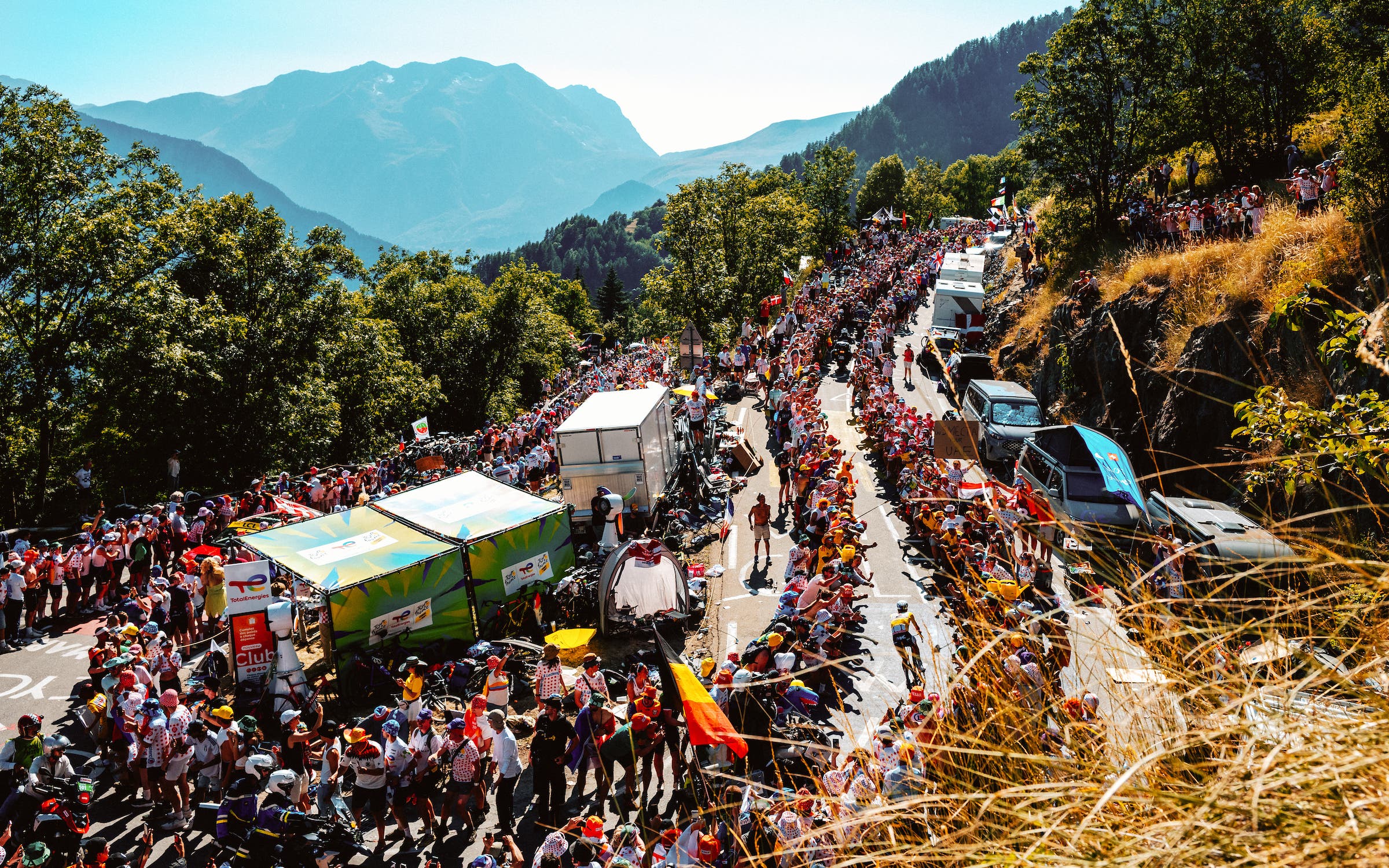
On one side, the Tour is forever the Grande Boucle—the “big loop”—that wonderfully absurd idea of racing bicycles around France for 21 straight days.
But far removed from its freewheeling origins, every summer the Tour becomes a rolling laboratory of cutting-edge training, nutrition, aerodynamics, and performance that pushes speeds ever higher.
The race is still contested on open public roads, but those roads have changed tremendously. A century ago, they were barely fit for bicycles or any vehicle at that. Today, they’re high quality—but they’re built to slow traffic with roundabouts, speed bumps, and traffic islands, not for a peloton flying through town at 65kph.
Can Tradition Keep Up?
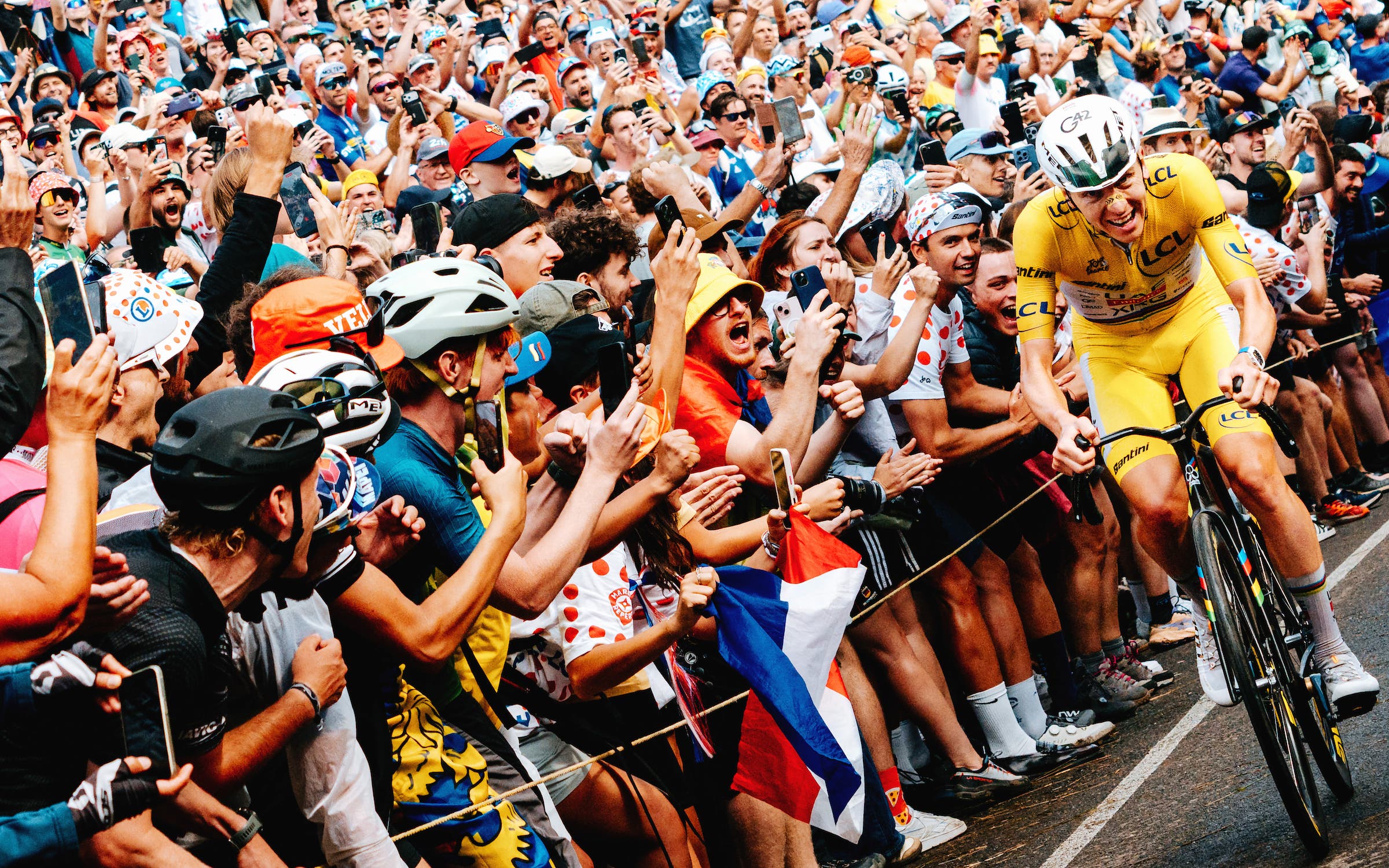
As the performances become faster, the conditions for the riders are becoming more difficult.
This summer brought brutal heat, with temperatures soaring near 100 degrees for much of the first week. Looking at the Tour’s traditional July slot, it’s not crazy to wonder whether the race should move to a cooler month.
But a change like that would upend the Tour’s deeply traditional mindset.
More Than a Bike Race
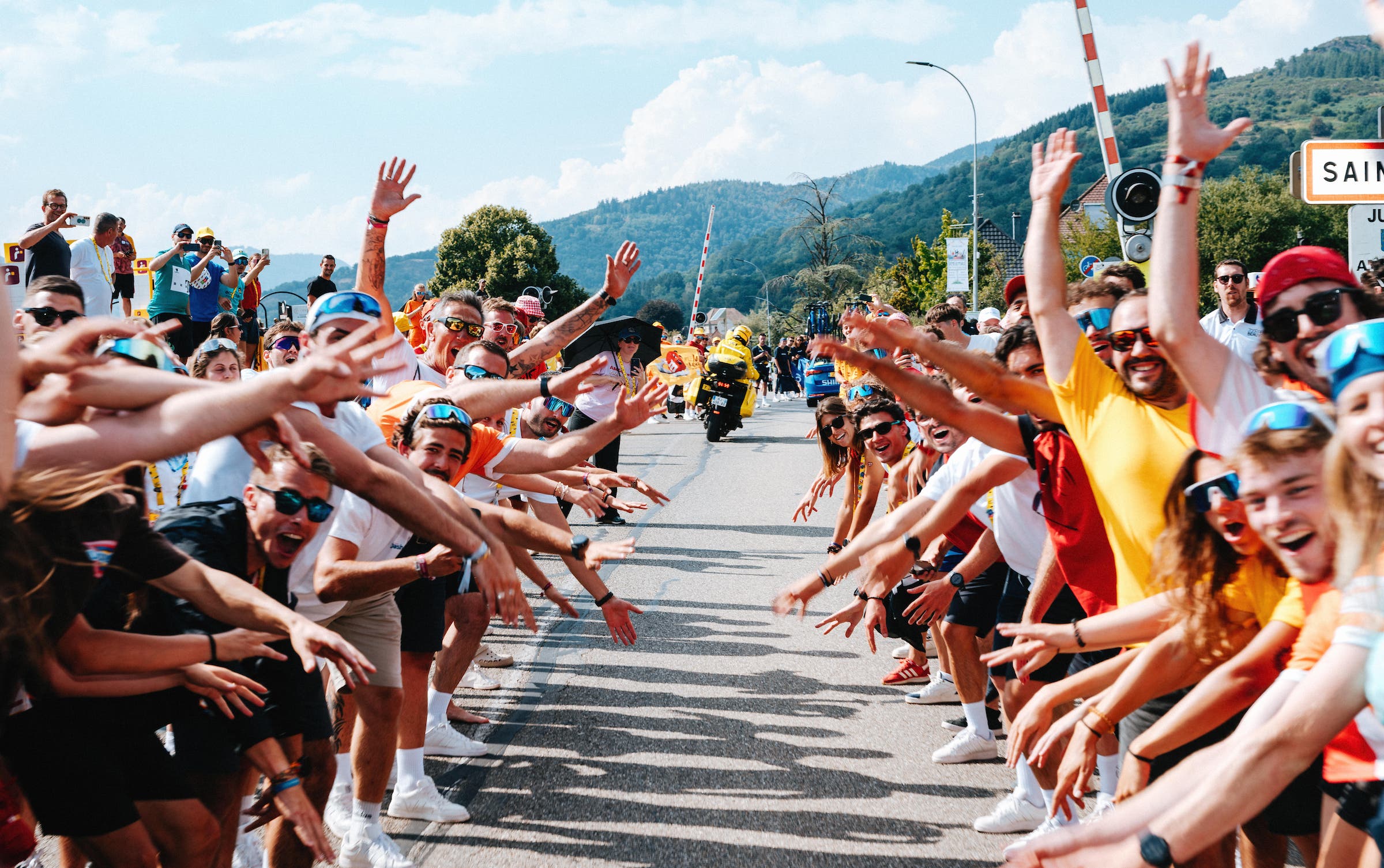
For all its glamour, the Tour remains a family-run business.
Its connections reach into every town hall and provincial office in France. Hosting a stage is often the biggest event a village will see all year, and for French presidents, showing up at the Tour is like throwing out the first pitch at a baseball game.
For the French, the Tour is like baseball and the Fourth of July rolled into one. Baguettes under one arm and a bottle of red under the other, fans wait for hours before the peloton arrives. It’s a summertime tradition—a rite of passage.
Today, though, the Tour has gone global, with millions following every kilometer via live streaming, the racing as much a draw as the cultural spectacle.
The Feeling Never Changes
And despite the changing world, the rush of the Tour remains eternal.
It’s standing on the roadside as the wonderfully ridiculous publicity caravan rolls past. Then comes the blur of carbon wheels, color, and Lycra.
For a few fleeting seconds, the cyclists really do look like gods on two wheels, just as they did in the black-and-white world of Coppi and Anquetil decades before.
That’s the timeless—and ever-changing—call of the Tour.

[analyse_source url=”https://velo.outsideonline.com/road/road-racing/tour-de-france/why-tour-de-france-never-stops-feeling-magical/”]