{“@context”:”https://schema.org”,”@type”:”Article”,”image”:”https://car-images.bauersecure.com/wp-images/268384/range-rover-gt-interior-20.jpg”,”mainEntityOfPage”:{“@type”:”WebPage”,”@id”:”https://www.carmagazine.co.uk/car-news/first-official-pictures/range-rover/2026-gt/”},”url”:”https://www.carmagazine.co.uk/car-news/first-official-pictures/range-rover/2026-gt/”,”author”:{“@type”:”Person”,”name”:”Piers Ward”,”description”:”Piers Ward is the deputy editor of CAR magazine and orchestrates the magic that happens on its pages each month. From writing features and first drives to instigating daft ideas and organising outlandish photo shoots, Piers is involved in every stage of the magazine cycle.u00A0u00A0nA 25-year veteran of the UK publishing scene and a road tester for a significant chunk of that, Piers has written for most of the outlets that matter u2013 including stints on Autocar, BBC TopGear and Auto Express, as well as jobs working for external agencies.nCareer highlights include importing half a dozen cars into China for an Awards shoot and being the first journalist in the world not to stall Sebastian Loebu2019s C4 WRC car. It must have been all the practice heu2019d had learning to drive in a Lada Riva.nWhen not wielding a keyboard, Piers can often be found scanning the classifieds for his next car purchase or getting behind the wheel of historic racers. He can be found on Twitter (sorry, X), Instagram and LinkedIn.”,”image”:{“@type”:”ImageObject”,”url”:”https://car-assets.bauersecure.com/wp-images/166305/piers_ward.jpg”,”caption”:”Piers Ward”},”sameAs”:[“https://x.com/piers_ward”,”https://www.instagram.com/pierswardmedia/”],”url”:”https://www.carmagazine.co.uk/author/piers-ward/”,”jobTitle”:”Deputy editor”,”worksFor”:{“@type”:”Organization”,”name”:”CAR”}},”dateModified”:”2026-07-22T00:01:00+01:00″,”datePublished”:”2026-07-22T00:01:00+01:00″,”headline”:”Inside the shock new Range Rover GT: Land Roveru2019s road-focused, low-slung SUV”,”publisher”:{“@type”:”Organization”,”name”:”Bauer Media”,”brand”:{“@type”:”Organization”,”name”:”Car Magazine”},”logo”:{“@type”:”ImageObject”,”url”:”https://car-assets.bauersecure.com/images/logos/car.200×88.png”}}}
Inside the shock new Range Rover GT: Land Rover’s road-focused, low-slung SUV


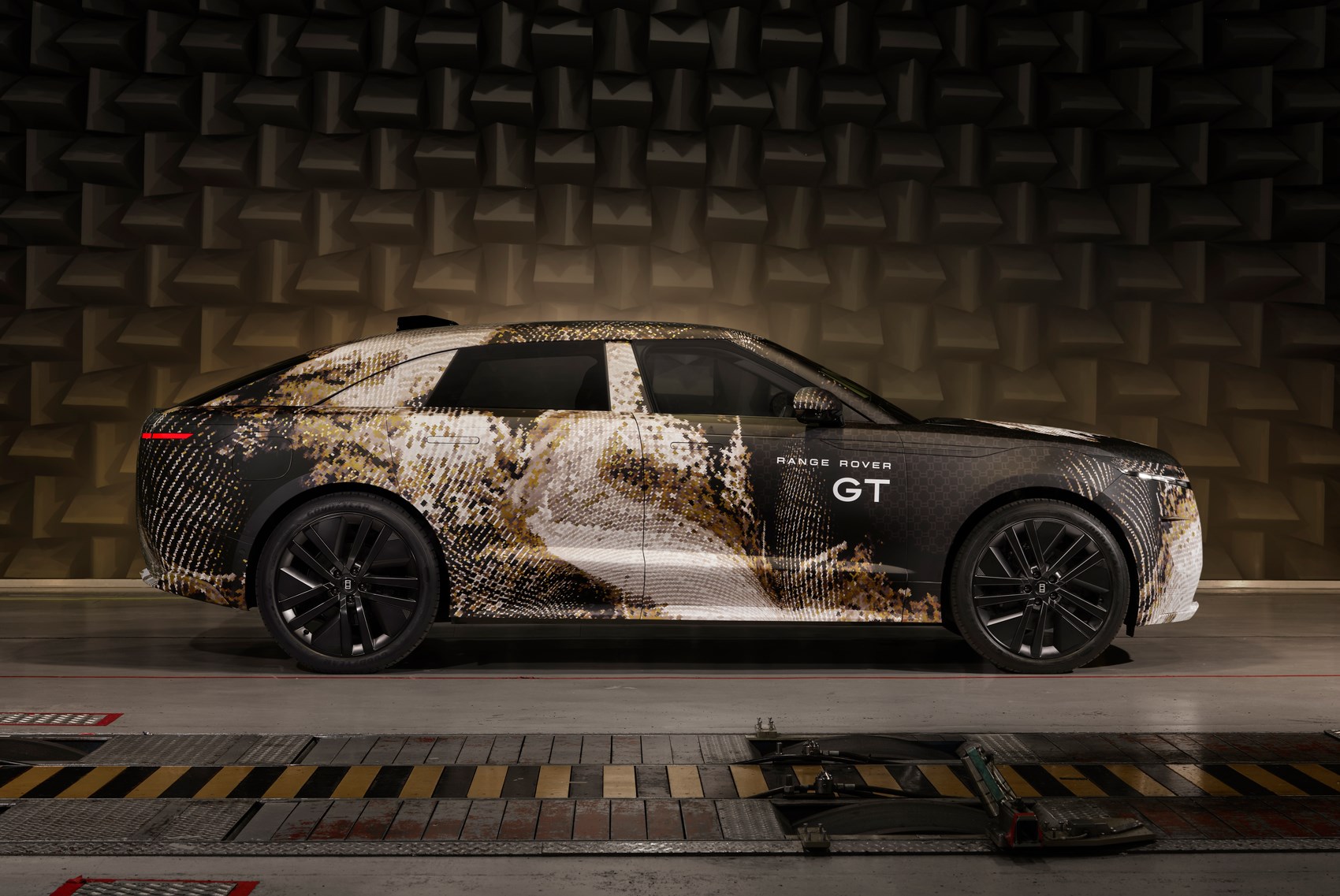
► Shock new Range Rover GT!
► A look inside before its reveal
► New model line that doesn’t replace any other
Land Rover has thrown the rulebook out the window with its latest debut: the all-electric Range Rover GT. If you thought Jaguar had ruffled so many feathers with its battery-powered Type 01 it might cause pause for thought at Land Rover, the GT shows that boldness won’t be abandoned.
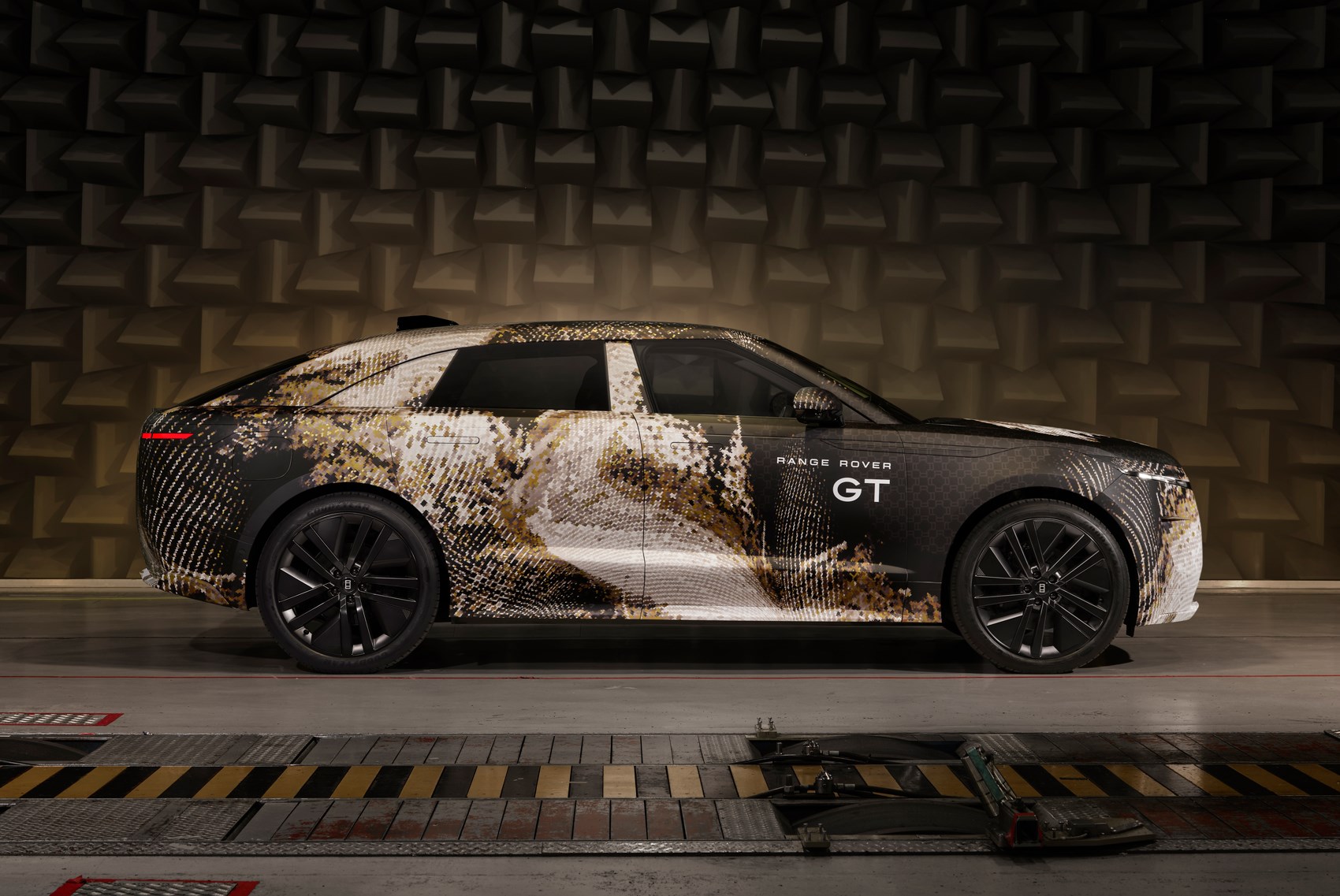
Gone is the upright, stately silhouette we associate with the Range Rover name, replaced by a lower, more streamlined body and the option of either a minimalist 2+2 seating arrangement or a more conventional five-seat layout.
Where does it sit within the line-up? It’s its own distinct model line. It’s all-new. It doesn’t replace the Velar. The Range Rover remains at the pinnacle, with the Range Rover Sport and GT as direct descendants. One for handling and excitement, one for low-slung, long-legged luxury.
As its badge suggests, this new GT places a strong emphasis on cross-country comfort and poised handling – all the while trying, as much as possible, to retain the go-anywhere DNA Land Rover is known for. While nobody is expecting it to clamber up rock faces like a Defender, it should be more than capable for all but the most extreme adventures.
Perhaps the boldest move here is to launch the GT solely as an electric-only coupe-SUV. Land Rover insiders admit the platform was engineered to accept petrol options (likely a hybrid), but for now, the focus is all-in on electric. That’s a first for the brand and an interesting move when luxury EV sales are middling, at best.
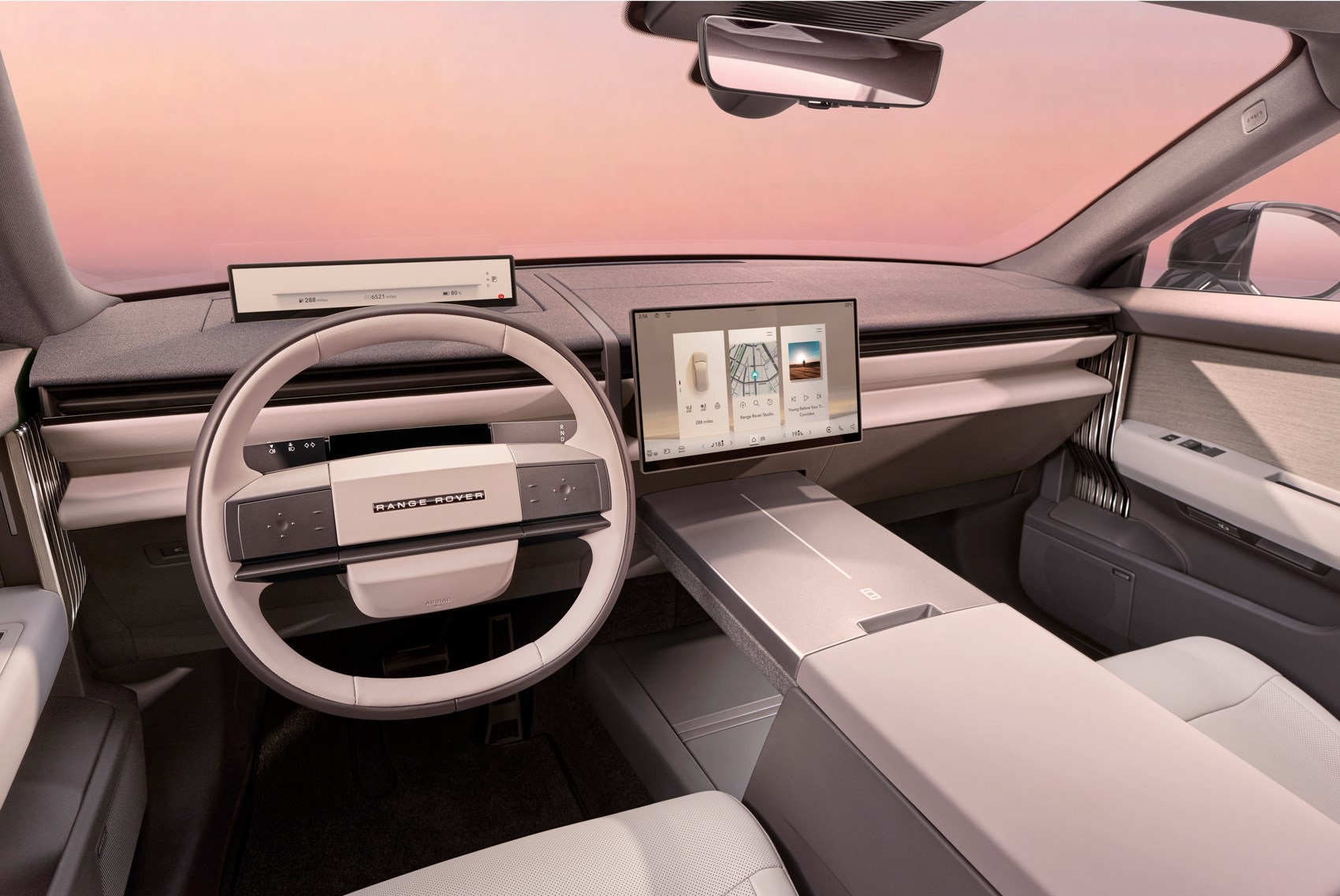
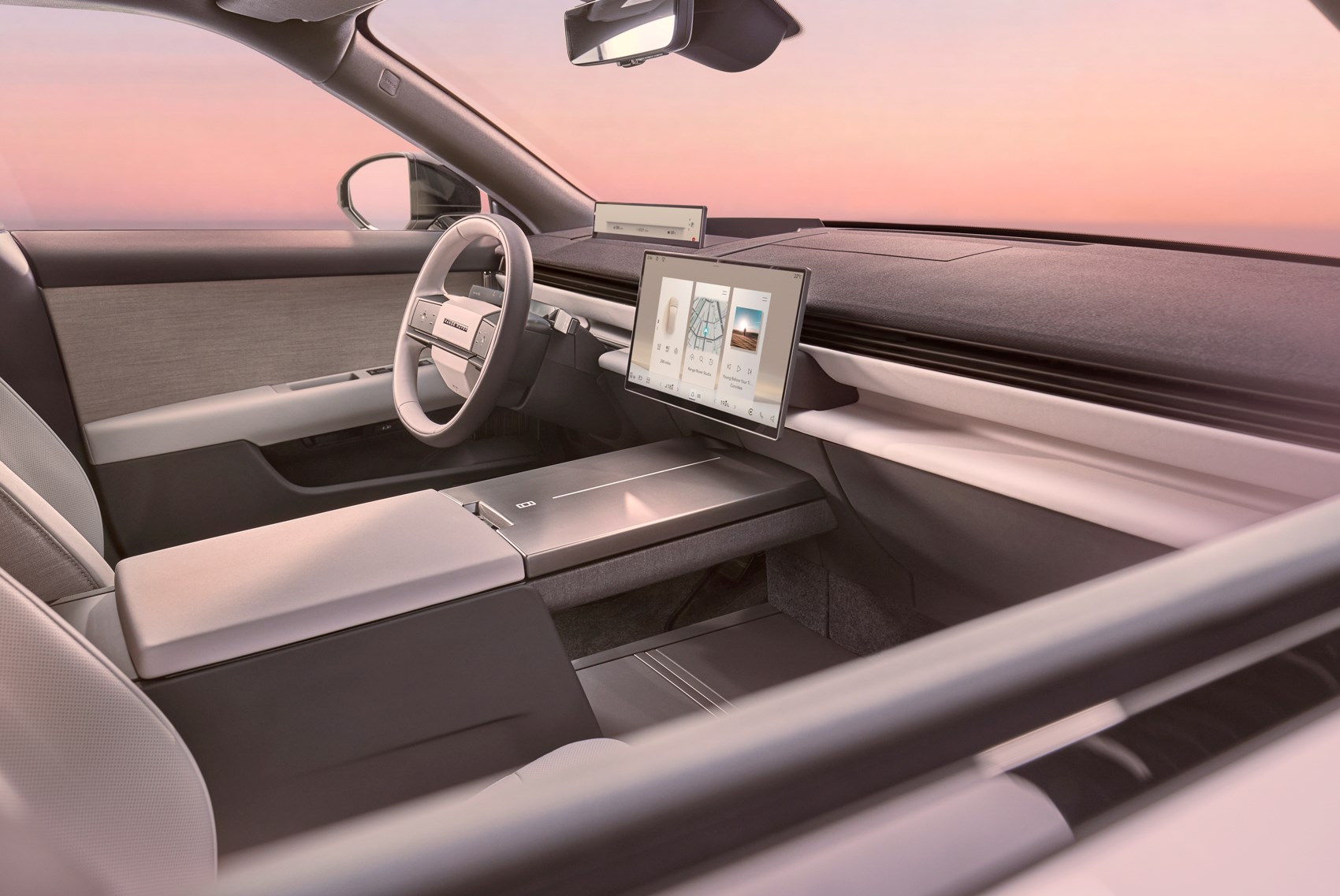
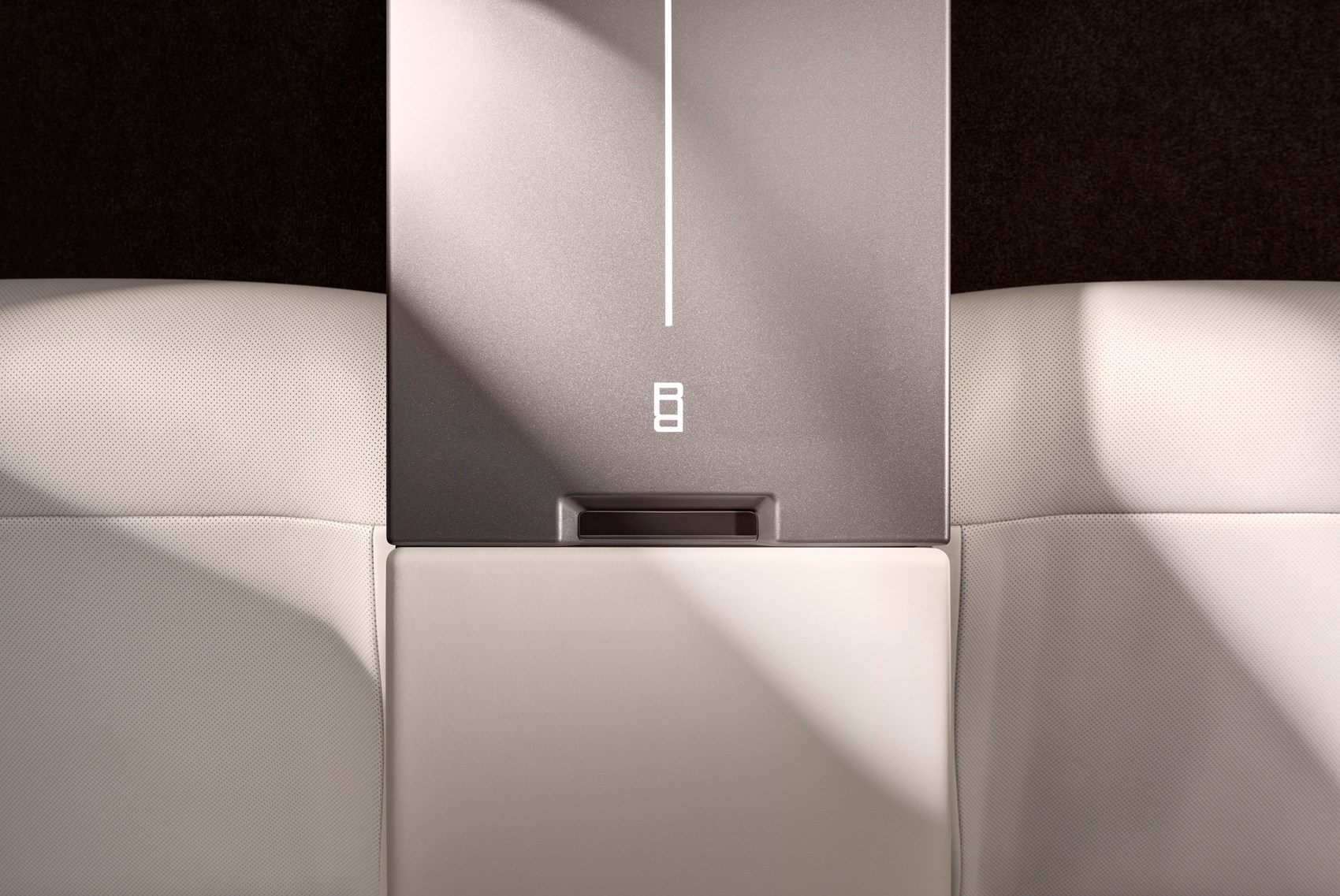
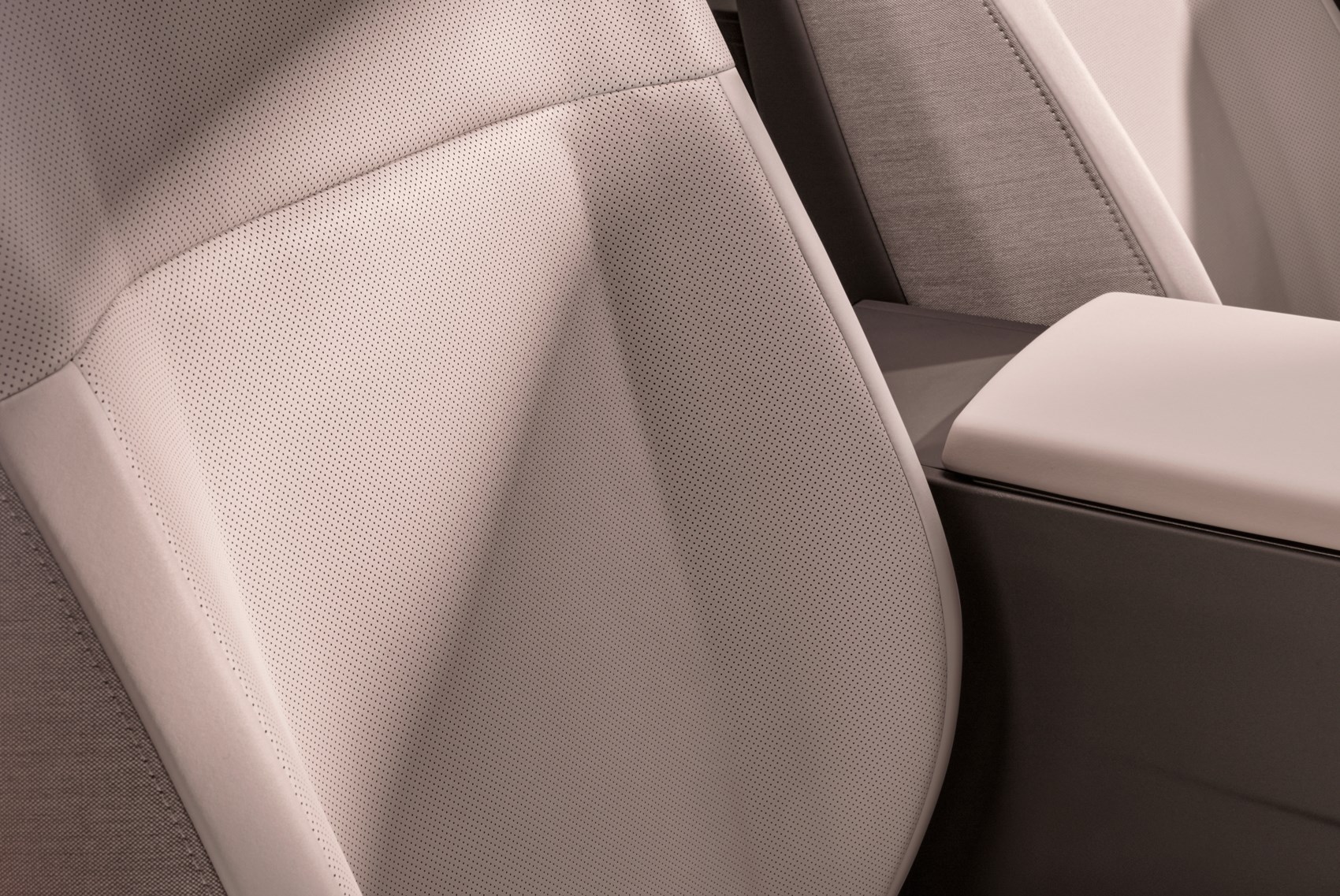
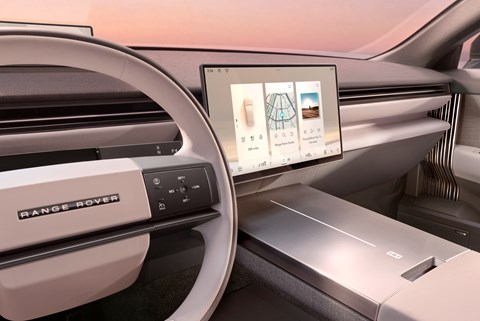
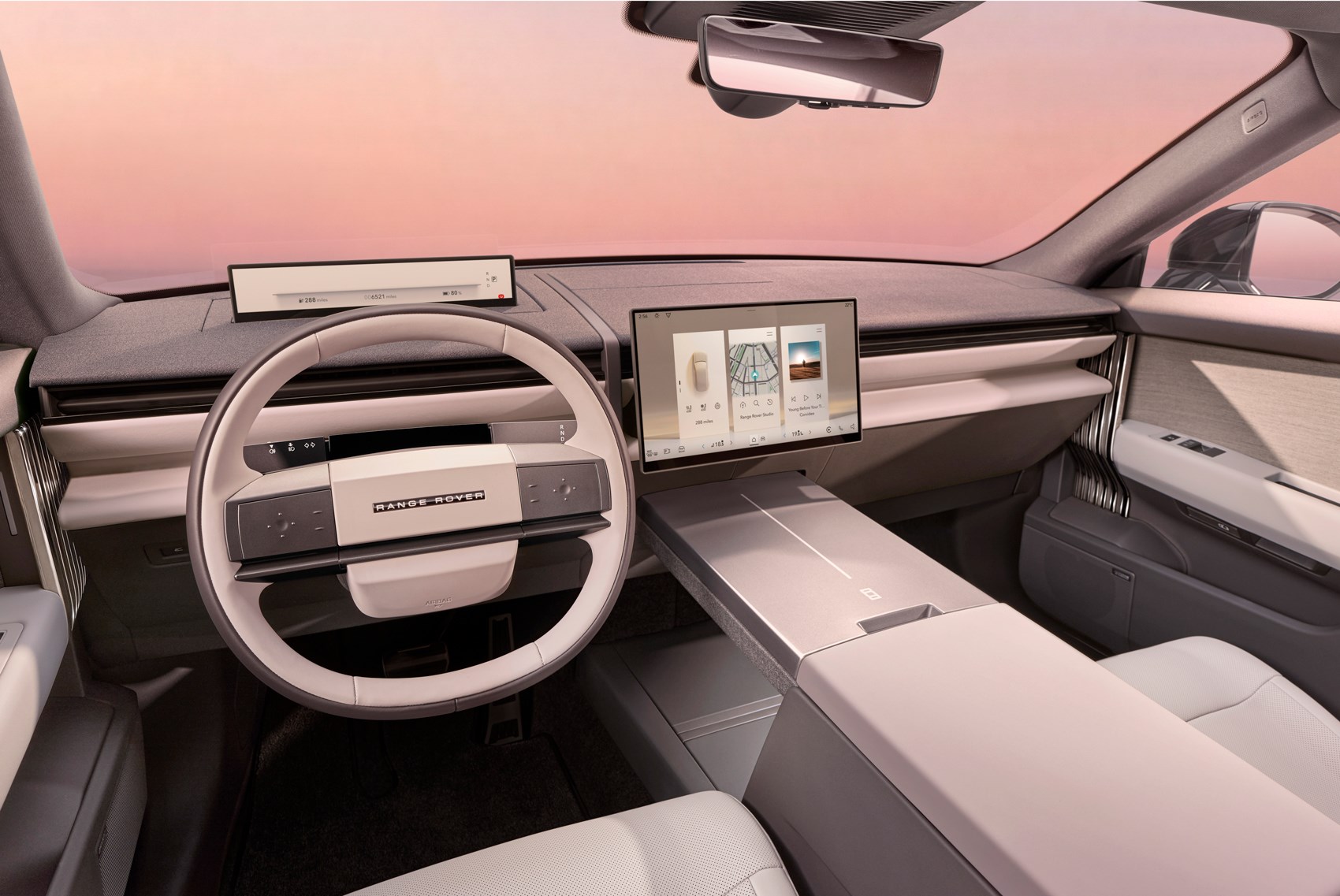
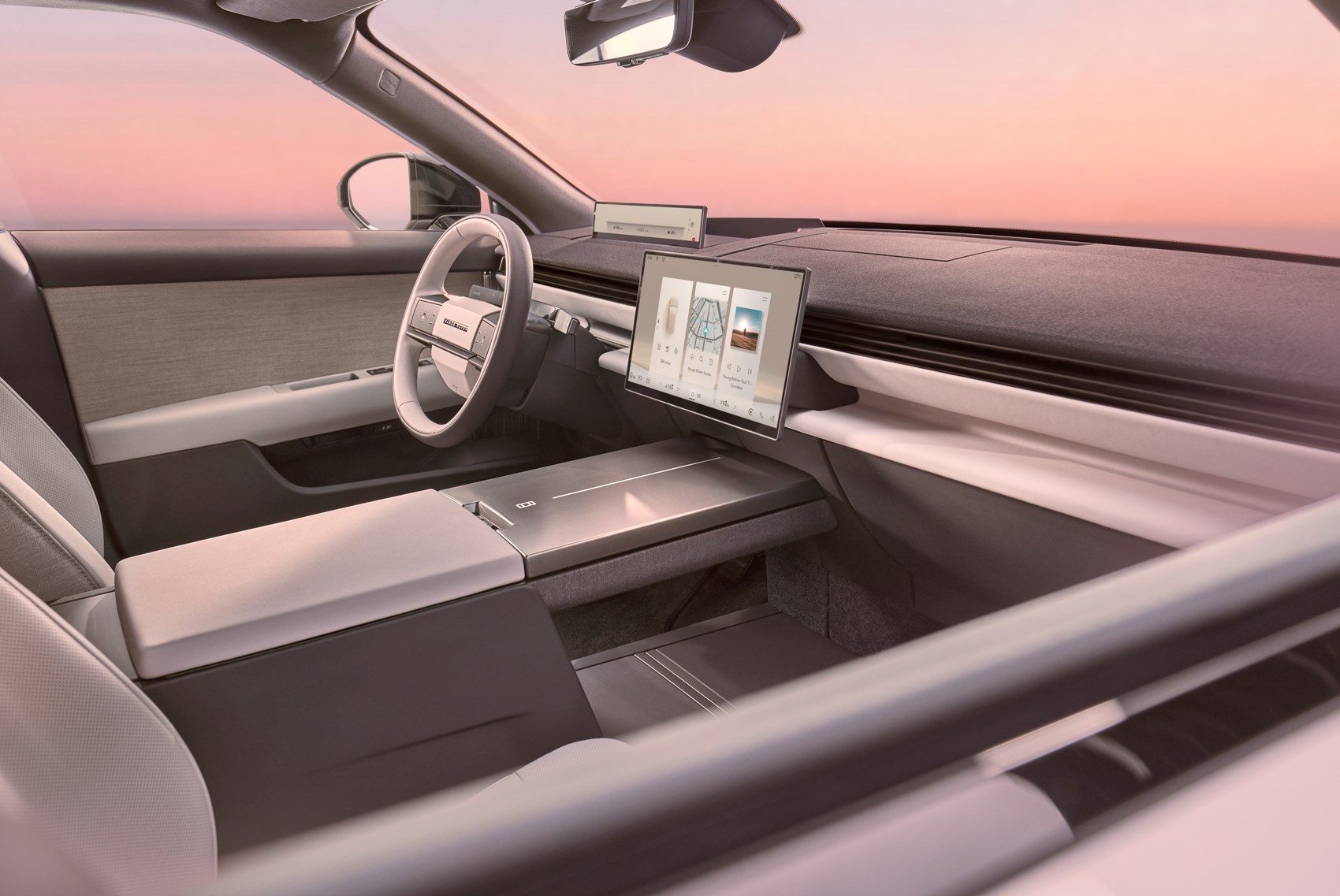
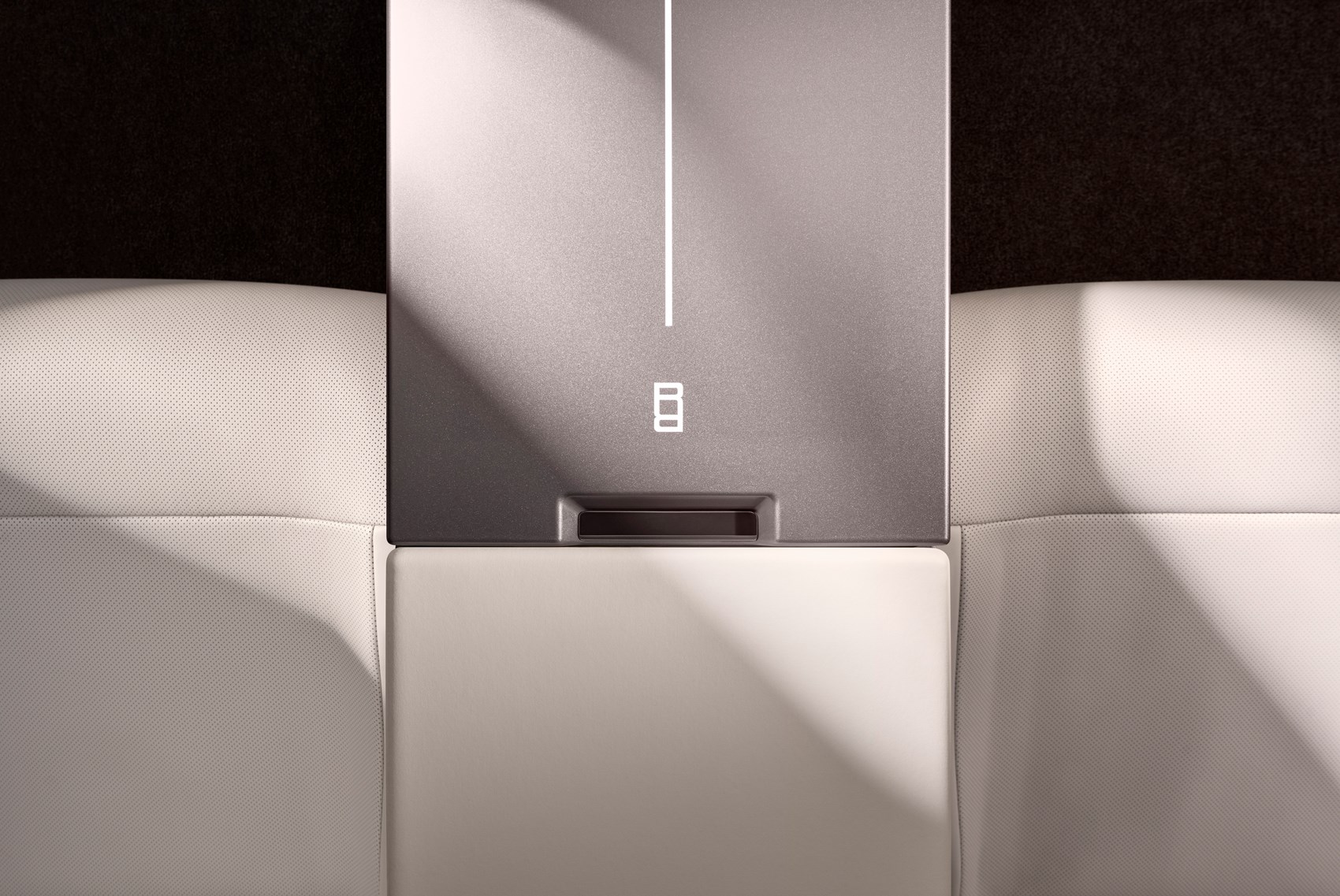
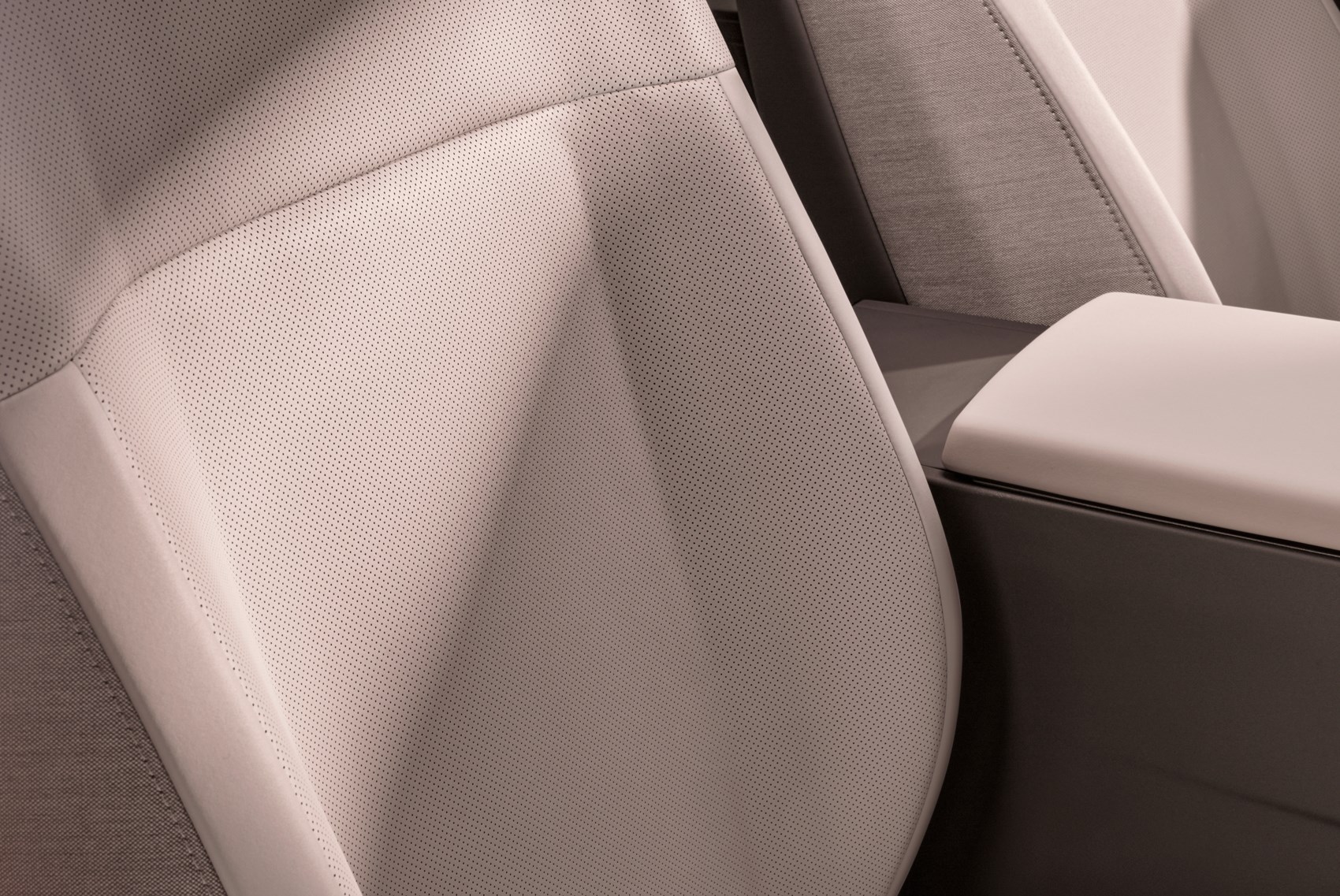
Inside, the GT is the next step on from Land Rover’s recent move towards cleaner, less fussy interiors. We haven’t been behind the wheel yet, but “reductive” is the buzzword, and the details look good from the photos. Innovative seat fabric stretches easily over the contours, ensuring a clean finish without traditional tie-downs holding it all in place. Space in the rear seats looks generous, with claims it’s nearly as generous as the full-size Range Rover.
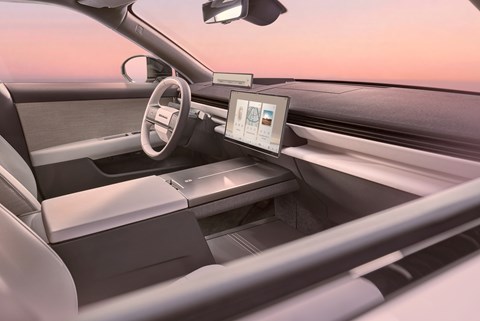
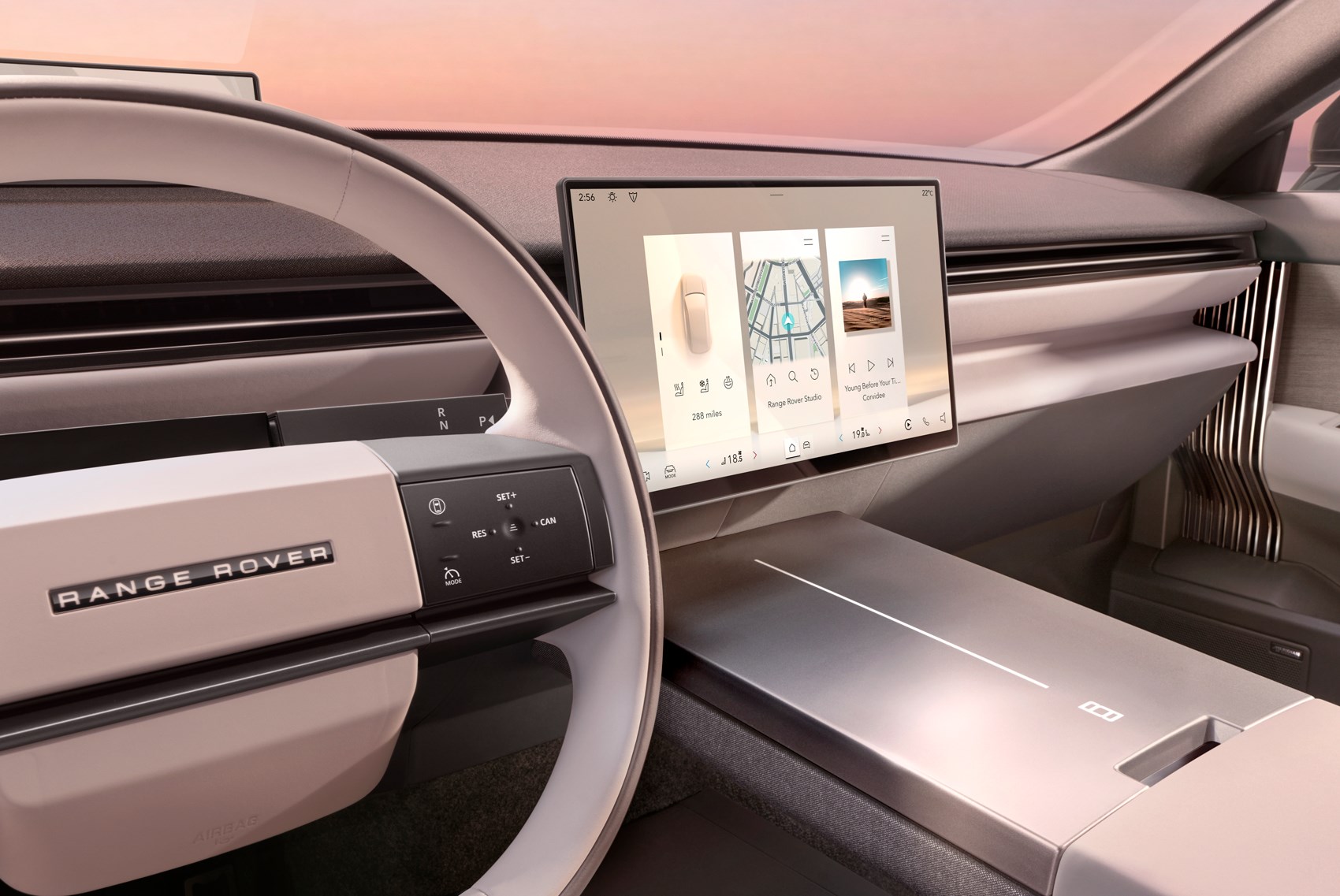
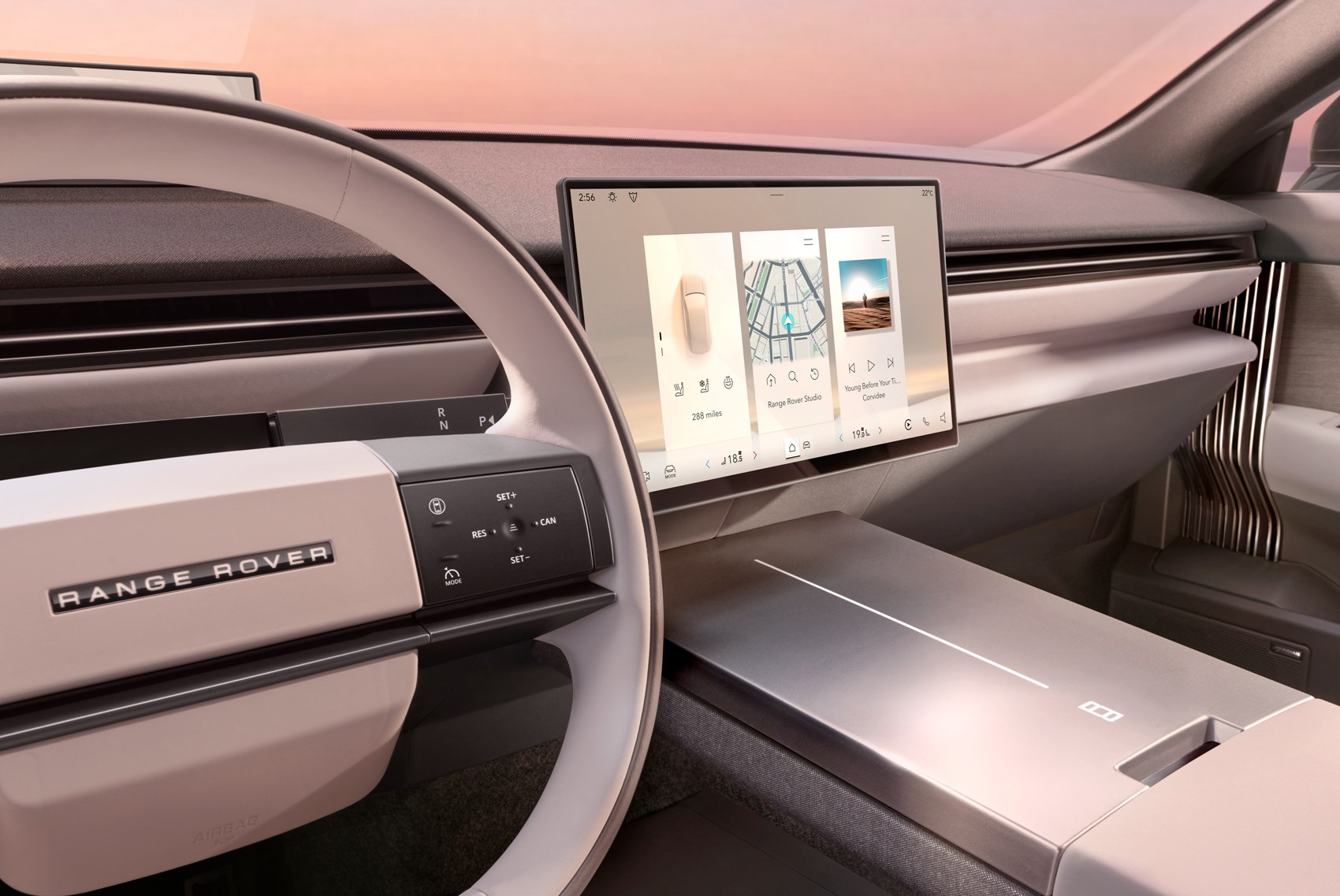
The cockpit moves away from the screen overload seen in rivals. Instead, you get just two main displays: a compact driver screen (doubling with a head-up display) and a larger central touchscreen. Notably, there’s no separate passenger screen – an intentional choice. Land Rover argues that keeping the cabin uncluttered is more important, even if it bucks current trends, especially in technology-hungry markets like China.
Full specifications are still under wraps, but we can fill in a few blanks by educated guesses. All-wheel drive and dedicated Land Rover EV motors are a given, similar to those in the BEV Range Rover and Range Rover Sport. Expect a hefty battery – possibly greater than 100kWh – in order to target a real-world range of 400 miles or more. Rivals like the BMW iX5 are gunning for 500 miles, so Land Rover will be under pressure to keep up. The lower stance should also aid efficiency, cutting drag for maximum range.
As mentioned, the Range Rover GT doesn’t replace the Velar, which continues for those wanting petrol or diesel. Instead, the GT looks to shake up both Land Rover’s own lineup and the wider luxury EV space. Is this the car that could tempt buyers from the likes of the Jaguar Type 01 or the Porsche Cayenne Electric?
One thing is certain: Range Rover is not playing it safe. The GT’s radical design, fully electric powertrain and luxury focus make it arguably Land Rover’s most adventurous car yet. Time will tell if the world is ready for this bold new direction.
console.debug(‘taboola container loaded..’)
window._taboola = window._taboola || [];
_taboola.push({
mode: ‘thumbs-feed-1×1’,
container: ‘taboola-below-article-thumbnails-v3’,
placement: ‘Below Article Thumbnails V3’,
target_type: ‘mix’
});

var disqus_shortname = ‘carmagazine’;
var disqus_developer = 0;
var disqus_identifier = ‘article-wp-268384’;
(function () {
var dsq = document.createElement(‘script’);
dsq.type = ‘text/javascript’;
dsq.async = true;
dsq.src = ‘http://’ + disqus_shortname + ‘.disqus.com/embed.js’;
(document.getElementsByTagName(‘head’)[0] || document.getElementsByTagName(‘body’)[0]).appendChild(dsq);
var s = document.createElement(‘script’);
s.type = ‘text/javascript’;
s.async = true;
s.src = ‘http://’ + disqus_shortname + ‘.disqus.com/count.js’;
(document.getElementsByTagName(‘head’)[0] || document.getElementsByTagName(‘body’)[0]).appendChild(s);
})();Please enable JavaScript to view the comments powered by Disqus.