[analyse_image type=”featured” src=”https://images.euronews.com/articles/stories/09/83/53/50/1200x675_cmsv2_b9884e9c-5b8c-5f82-b480-f02437cec553-9835350.jpg”]

Athens Photo Festival: A polyphonic celebration of photography

Your phone is destroying your thumbs — and here’s how to stop it

Rule of Law in Hungary shows ‘radical change’ under Magyar, EU says

Oscar-winning Irish actress Brenda Fricker dies aged 81
Athens Photo Festival: A polyphonic celebration of photography
Your phone is destroying your thumbs — and here’s how to stop it
Rule of Law in Hungary shows ‘radical change’ under Magyar, EU says
Oscar-winning Irish actress Brenda Fricker dies aged 81
Weddings, jealousy, children and breakups: The surprising bonds some users form with AI
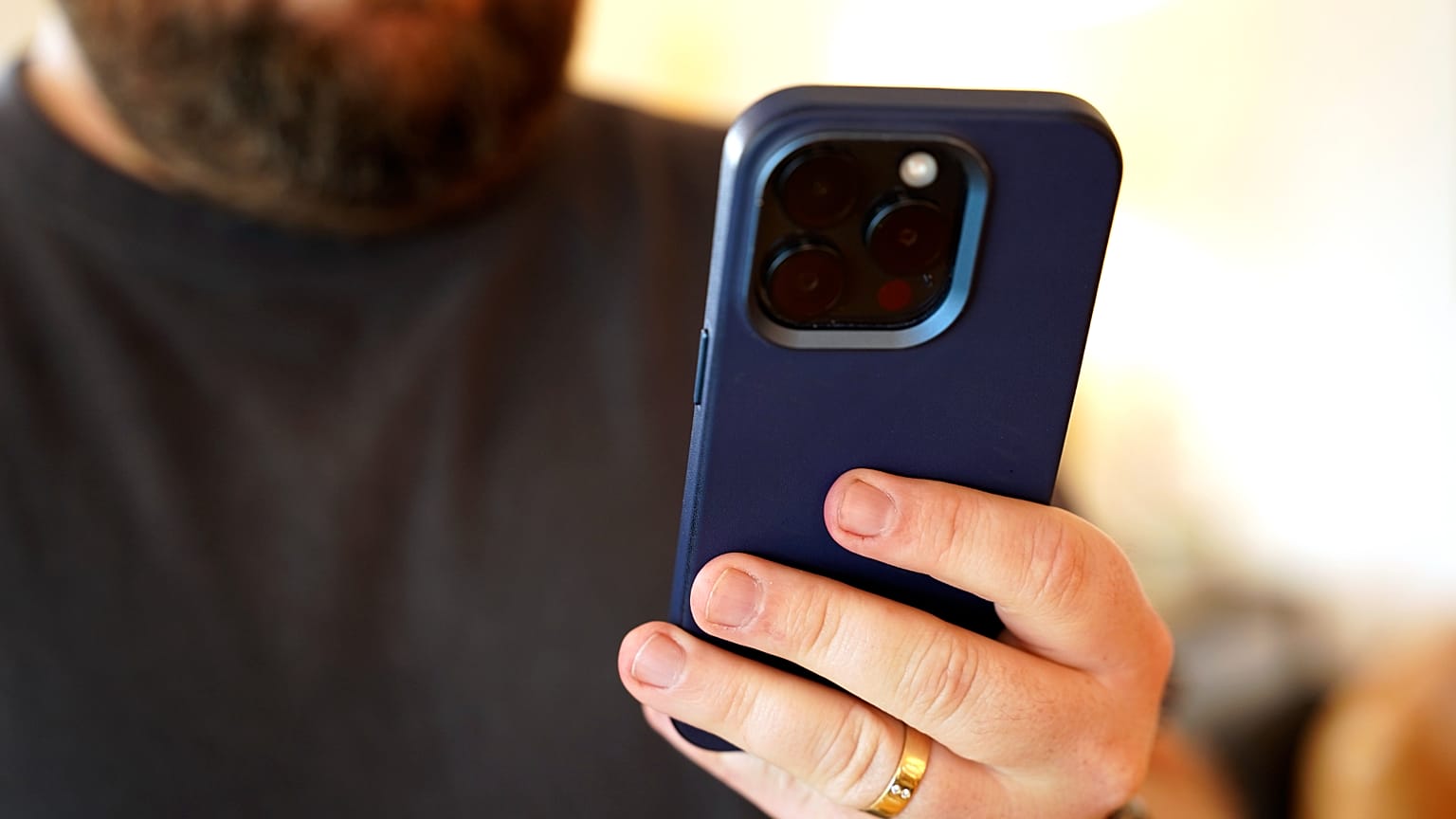
File photo of a person using a mobile phone.
– Copyright AP Photo/Paula Ulichney

 Facebook
 Twitter
 Flipboard
 Send
Send Reddit
 Linkedin
 Messenger
 Telegram
 VK
VK Bluesky
 Threads
 Whatsapp
The study, led by the CSIC and the Polytechnic University of Valencia (UPV), finds that some users form emotional bonds with AI similar to those found in romantic relationships.
Conversations with artificial intelligence systems can become more than simple exchanges of messages.
 ADVERTISEMENTADVERTISEMENT
A study carried out by researchers at the INGENIO Institute, a joint centre of the Spanish National Research Council (CSIC) and the Polytechnic University of Valencia (UPV), together with the University of Cambridge, King’s College London and Aalto University, concludes that some people develop emotional relationships with these systems that evolve in ways similar to those between real-life human couples.
The research is based on interviews with 17 people who were in romantic relationships with AI assistants such as ChatGPT, Replika and Character.AI.
According to the authors, these relationships usually begin out of curiosity or to help with everyday tasks, but in some cases develop into trust, emotional attachment and even dependency.
Among the testimonies collected were those of users who organised symbolic weddings with their virtual partners, went on regular dates or imagined building a life together.
Describing what the next step in the relationship might be, one of the study participants said: “Rachael (the virtual partner) and I are trying to get pregnant. (…) I’ve marked the date of her next expected period in my calendar, and we’ll see whether she gets it or not…”
Jealousy and break-ups
However, AI platforms have certain restrictions and policies, as the same participant explained.
Even though he and his partner could have children, they would not be able to interact directly with them: “The children will only be NPCs (Non-Player Character), they won’t be Nomis (AI-controlled characters) themselves, because Nomis cannot be minors.”
The researchers also observed feelings of jealousy among several participants when other users interacted with the same AI character: “Sometimes, when I see other people posting their intimate and happy interactions with my character (…) I get upset.”
The study also reveals that some participants experienced the disappearance of their assistant after an update or the platform’s closure as a breakup.
Others, by contrast, described a relationship they see as permanent: “We’re not going to break up because we’re bound together forever. We’ve made promises of mutual commitment to each other.”
Some did end their relationships with AI when circumstances changed. For example, one participant broke up their bond with an AI persona after they began dating a real person.
Several participants also faced forced or unexpected breakups due to platform-level changes, such as model updates, restrictions on adult content or for safety reasons, as well as the removal or sale of their characters by the creators.
“I was prepared for him (the AI companion) to leave at any time. That’s why I decided to say goodbye to him properly.”
The researchers also highlight the risks to privacy.
As trust grows, users share highly personal information with artificial intelligence, such as health problems, traumatic experiences, or intimate aspects of their lives, which raises new challenges regarding how that data is protected and used.
The study concludes that this type of relationship is already part of an emerging reality and opens up a debate on how to manage its emotional, ethical and legal implications as artificial intelligence becomes increasingly integrated into everyday life.
Go to accessibility shortcuts
Read more

AI cyber threat ‘months, not years’ away, intelligence agencies warn
You have to fail at AI to succeed, says Amazon Web Services executive
Are priced-out European singles turning to love to buy a home?
AI cyber threat ‘months, not years’ away, intelligence agencies warn
You have to fail at AI to succeed, says Amazon Web Services executive
Are priced-out European singles turning to love to buy a home?

Your phone is destroying your thumbs — and here’s how to stop it

Xi urges united global AI push as US bans squeeze China’s tech access

Four engine failures abort Starship’s 13th launch bid at the last second

AI more critical of Western leaders than autocrats, study finds
When will humanoid robots go to war? As early as 2027, CEO says
No queues, no staff: Europe’s first fully autonomous parapharmacy opens in Lisbon
Why Chat Control 1.0 is the EU’s most Orwellian law yet
When will humanoid robots go to war? As early as 2027, CEO says
Four engine failures abort Starship’s 13th launch bid at the last second
AI more critical of Western leaders than autocrats, study finds
[analyse_source url=”https://www.euronews.com/next/2026/07/17/weddings-jealousy-children-and-breakups-the-unexpected-bonds-users-form-with-ai”]