[analyse_image type=”featured” src=”https://images.euronews.com/articles/stories/09/83/57/02/1200x675_cmsv2_eeb4446a-4adf-553b-b3dc-bc8618bb6e5c-9835702.jpg”]

Small businesses drive poverty reduction efforts

EU dismantles tax evasion network in Greece

US-Iran conflict widens after deadly tanker attack in Strait of Hormuz

US strikes Bushehr as Iran’s parliament tables bill to control Hormuz
Small businesses drive poverty reduction efforts
EU dismantles tax evasion network in Greece
US-Iran conflict widens after deadly tanker attack in Strait of Hormuz
US strikes Bushehr as Iran’s parliament tables bill to control Hormuz
Why is Europe still wasting clean energy? Take our poll
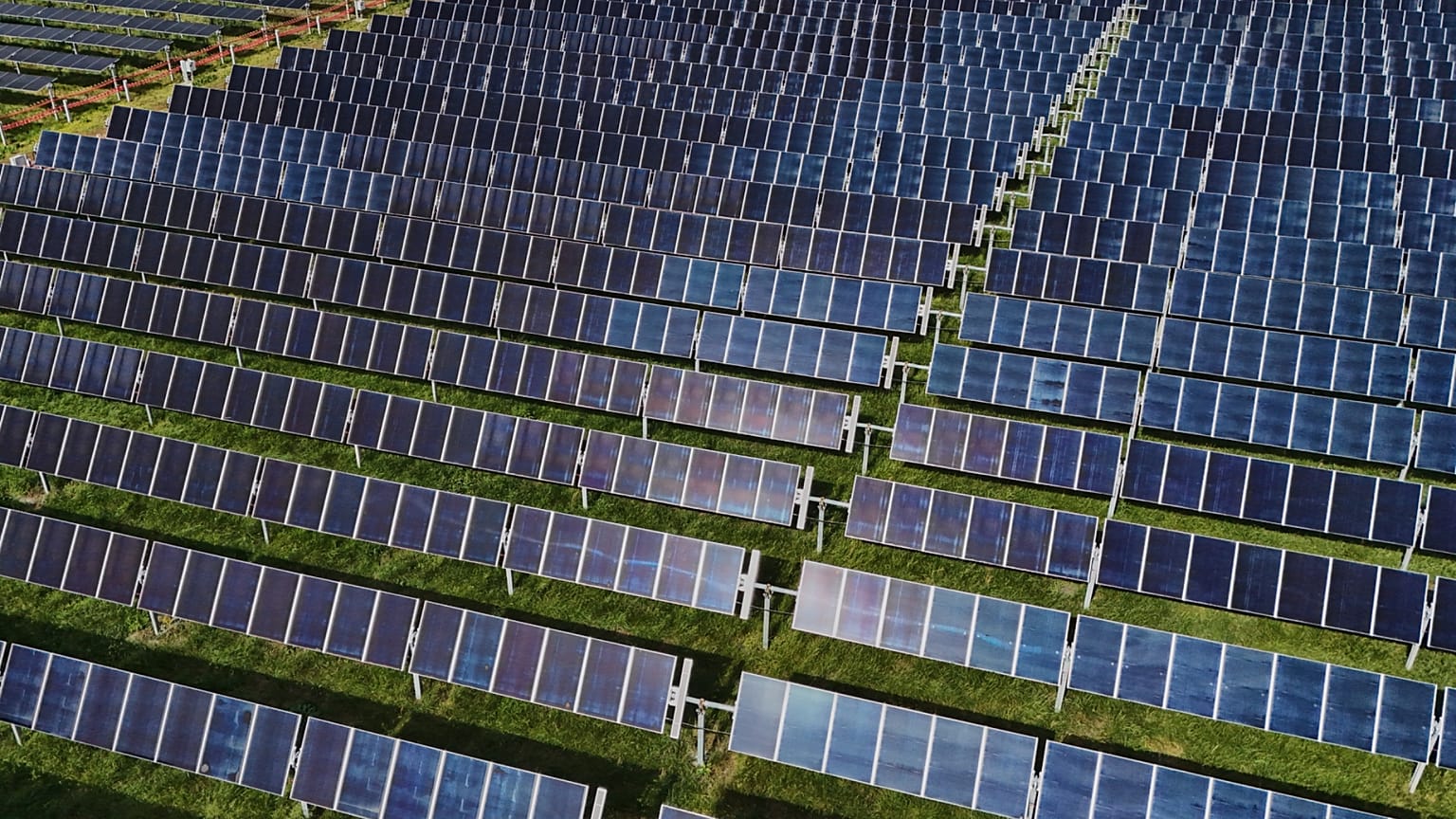
A series of solar panels.
– Copyright Copyright 2026 The Associated Press. All rights reserved

 Facebook
 Twitter
 Flipboard
 Send
Send Reddit
 Linkedin
 Messenger
 Telegram
 VK
VK Bluesky
 Threads
 Whatsapp
Europe is producing more renewable electricity than ever before, but much of it cannot be used when demand is highest. For that, EU governments have launched a new push to expand energy storage, hoping to make clean power reliable and reduce dependence on fossil fuels.
In the EU, surplus renewable electricity is sometimes wasted because there is not enough capacity to store it until it is needed. Fossil-fuel power plants are still required when renewable generation falls. Electricity demand is rising, from electric vehicles, heat pumps and AI-driven data centres. Expanding energy storage has become increasingly important to keep the power system reliable and green.
 ADVERTISEMENTADVERTISEMENT
EU energy ministers signed, on 26 June, the bloc’s first tripartite agreement on energy storage, bringing together member states, industry and financial institutions. Twenty-two countries committed to adding 30–35 gigawatts of new storage capacity by 2028, contributing towards the EU’s target of reaching 200 gigawatts by 2030, compared with around 55 gigawatts today.
The agreement wants to speed up investment in batteries, pumped hydropower, thermal storage and other technologies that can capture excess renewable electricity and release it when demand increases. Member states also pledged to remove regulatory barriers, improve planning and permitting, and mobilise public and private financing.
Although the commitments are voluntary, the EU hopes the initiative will reduce wasted renewable energy, strengthen energy security, stabilise electricity prices and support its transition away from fossil fuels.
Can this be enough to optimise European green energy? Is storage the key problem – or is it something else? Our poll is anonymous and takes only a few seconds to complete. The results will be featured across EU-wide XL coverage, in videos, articles and newsletters, and will help shape our reporting as we examine how Europe can secure its position in the age of artificial intelligence.
Go to accessibility shortcuts
Read more
EU green economy booms as solar energy grows at record pace. What’s the most profitable sector?
Solar energy named the world’s cheapest power source: What it means for Europe
Uzbekistan’s renewable energy boom: How solar power is reshaping the country’s economy

EU says threats against ICC ‘unacceptable’ as US targets court

US strikes Bushehr as Iran’s parliament tables bill to control Hormuz

France flaunts firepower and unity with allies at Bastille Day parade

France and Spain meet in the most expensive World Cup semi-final ever
Brussels warns dialogue with China ‘will not suffice’
France shuts down nuclear reactors as heatwave intensifies
Trump reimposes US blockade and demands 20% Hormuz shipping fee
Disney’s live-action ‘Moana’ capsizes at the box office
Norovirus outbreak affects over 100 people in Portugal
Full ban on settlement trade gets ‘most’ EU support, Kallas says
[analyse_source url=”https://www.euronews.com/my-europe/2026/07/13/why-is-europe-still-wasting-clean-energy-take-our-poll”]