{“@context”:”https://schema.org”,”@type”:”Article”,”image”:”https://car-images.bauersecure.com/wp-images/267982/070-fiat-grande-panda-electric-pay-per-mile-scheme.jpg”,”mainEntityOfPage”:{“@type”:”WebPage”,”@id”:”https://www.carmagazine.co.uk/car-news/motoring-issues/eved-pay-per-mile-scheme/”},”url”:”https://www.carmagazine.co.uk/car-news/motoring-issues/eved-pay-per-mile-scheme/”,”author”:{“@type”:”Person”,”name”:”Luke Wilkinson”,”description”:”Luke Wilkinson is Deputy Editor of our sister site, Parkers. However, he also writes news, reviews and features for CAR magazine. Heu2019s worked as a car journalist for five years now, having started his career as a Staff Writer at Auto Express in November 2018. He joined Bauer Media in February 2022.nHe was excited to work as a car journalist before heu2019d even finished his studies. As a university student, heu2019d visit his local car dealerships in his spare time (posing as a customer), and test drive cars. He would then write reviews on those cars for his own website to build up a portfolio to show to his future employer.nLukeu2019s efforts soon landed him an internship with the Daily Recordu2019s motoring supplement, Road Record. He worked for two weeks at the publication, gathering vital online and print magazine skills that would stand him in good stead for his entrance into the working world.nHighlights of his career so far include driving a V8 powered (and ULEZ exempt!) Range Rover Classic down Saville Row, redlining the David Brown Automotive Mini Remasteredu00A0and tearing down Millbrook Proving Groundu2019s mile straight at 170mph in au00A0McLaren 720S.nWhen he isnu2019t shackled to his desk, Luke spends his time restoring hisu00A0Classic Mini. Itu2019s a 1993 Rover Mini Sprite thatu2019s heu2019s owned since he was 15. Itu2019s already undergoing its second bout of rust repair and is awaiting an entire new floor pan, a fresh front end and a rebuilt engine.nYou can follow Luke on his Twitter,u00A0Instagramu00A0andu00A0LinkedInu00A0pages. Alternatively, you can find a list of his latest articles at the bottom of this page.”,”image”:{“@type”:”ImageObject”,”url”:”https://car-assets.bauersecure.com/wp-images/14254/lukewilkinson1.jpeg”,”caption”:”Luke Wilkinson”},”sameAs”:[“https://www.linkedin.com/in/luke-wilkinson-08a155112/”,”https://x.com/LT_Wilkinson”,”https://www.instagram.com/lt_wilkinson/”],”url”:”https://www.carmagazine.co.uk/author/luke-wilkinson/”,”alumniOf”:{“@type”:”EducationalOrganization”,”name”:”University of Glasgow”},”jobTitle”:”Deputy Editor”,”knowsAbout”:”Automotive,Motoring,Road testing,Car news”,”worksFor”:{“@type”:”Organization”,”name”:”Parkers”}},”dateModified”:”2026-07-14T12:45:11+01:00″,”datePublished”:”2026-07-14T12:41:43+01:00″,”headline”:”New eVED scheme confirmed”,”publisher”:{“@type”:”Organization”,”name”:”Bauer Media”,”brand”:{“@type”:”Organization”,”name”:”Car Magazine”},”logo”:{“@type”:”ImageObject”,”url”:”https://car-assets.bauersecure.com/images/logos/car.200×88.png”}}}
New eVED scheme confirmed

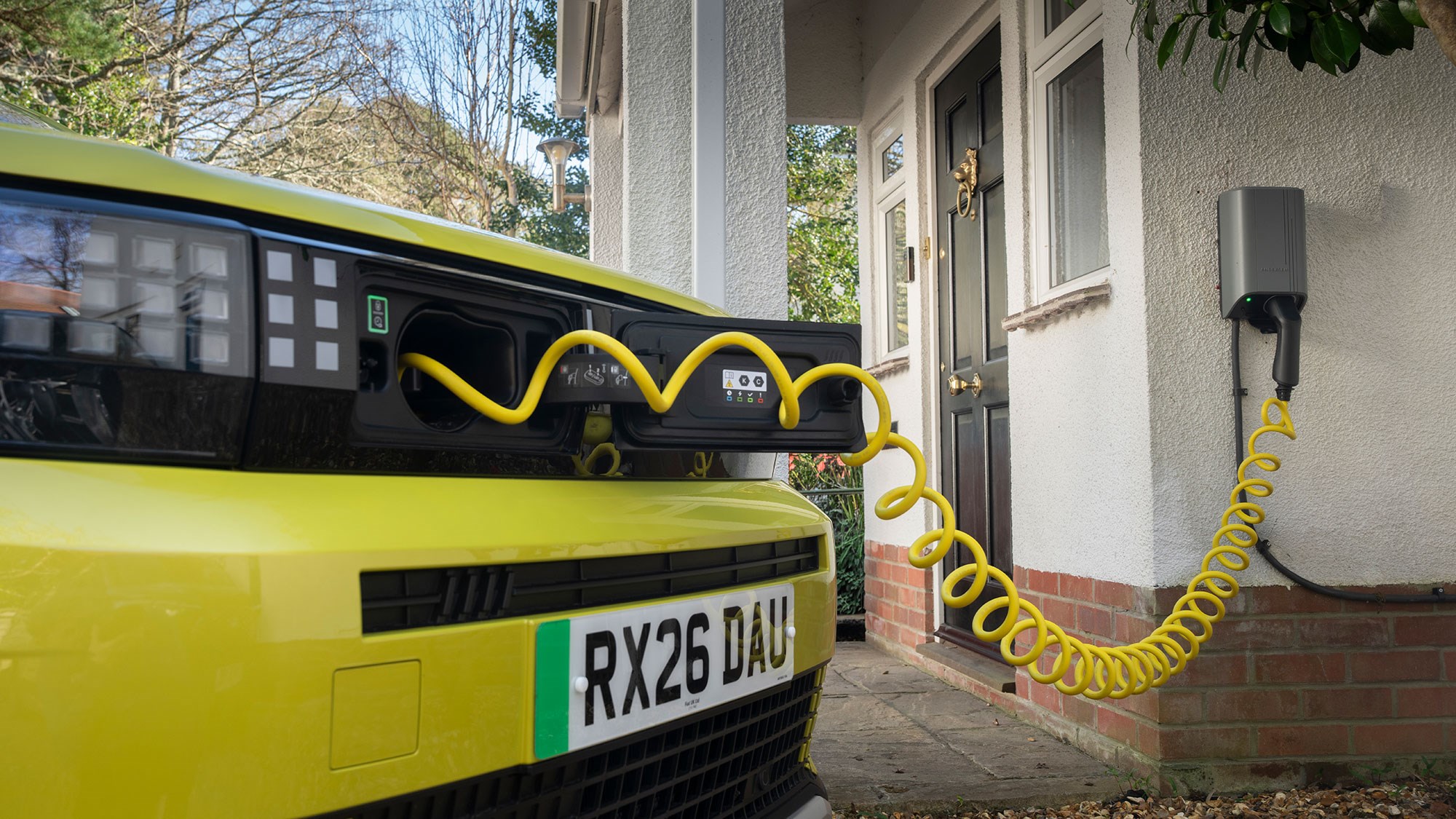
► Pay-per-mile scheme will hit UK drivers in 2028
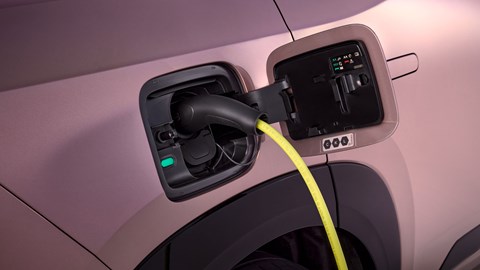
► Applies to electric cars, PHEVs and hydrogen fuel cell cars
► 3p per mile for EVs, 1.5p per mile for plug-in hybrids
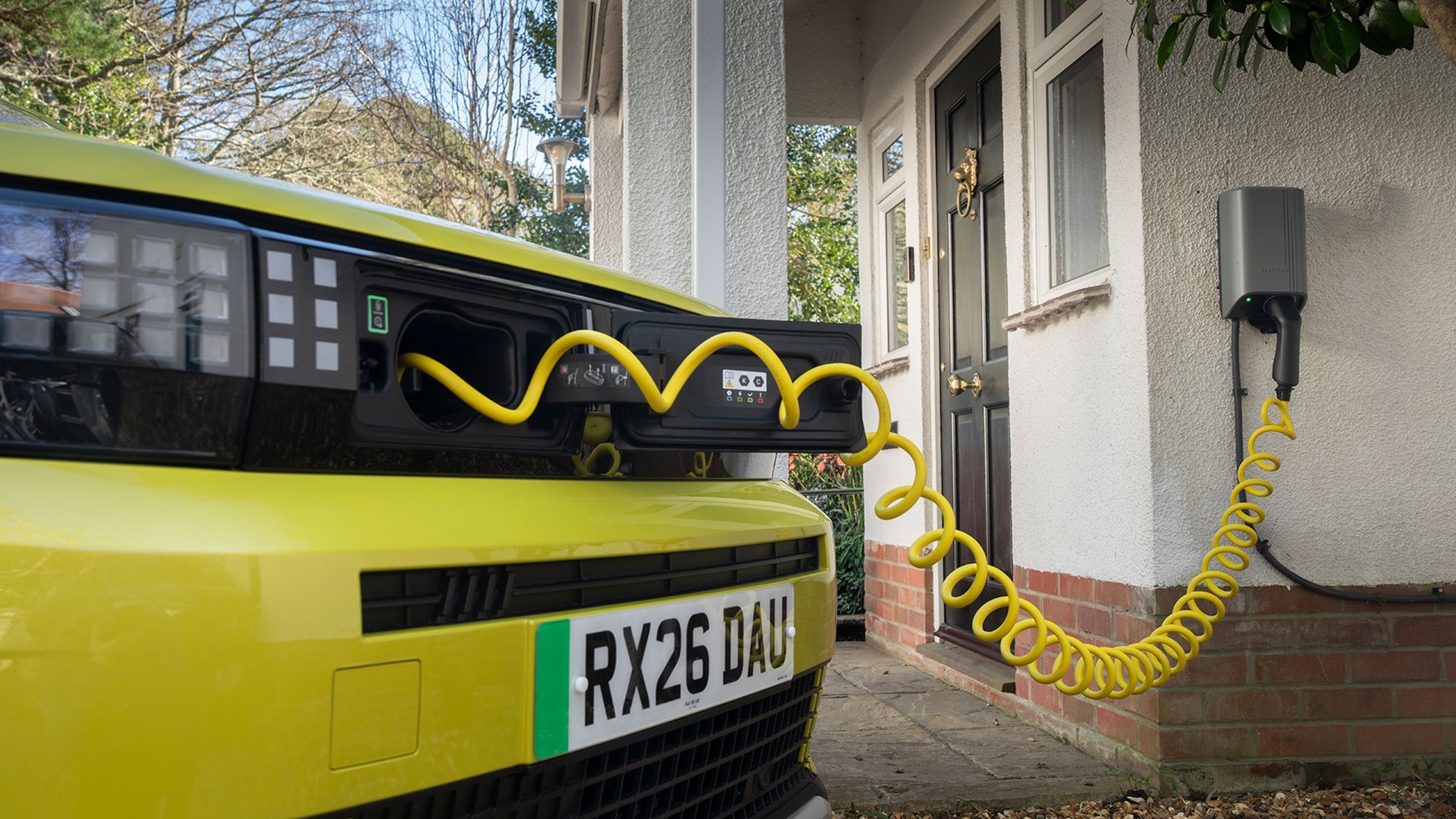
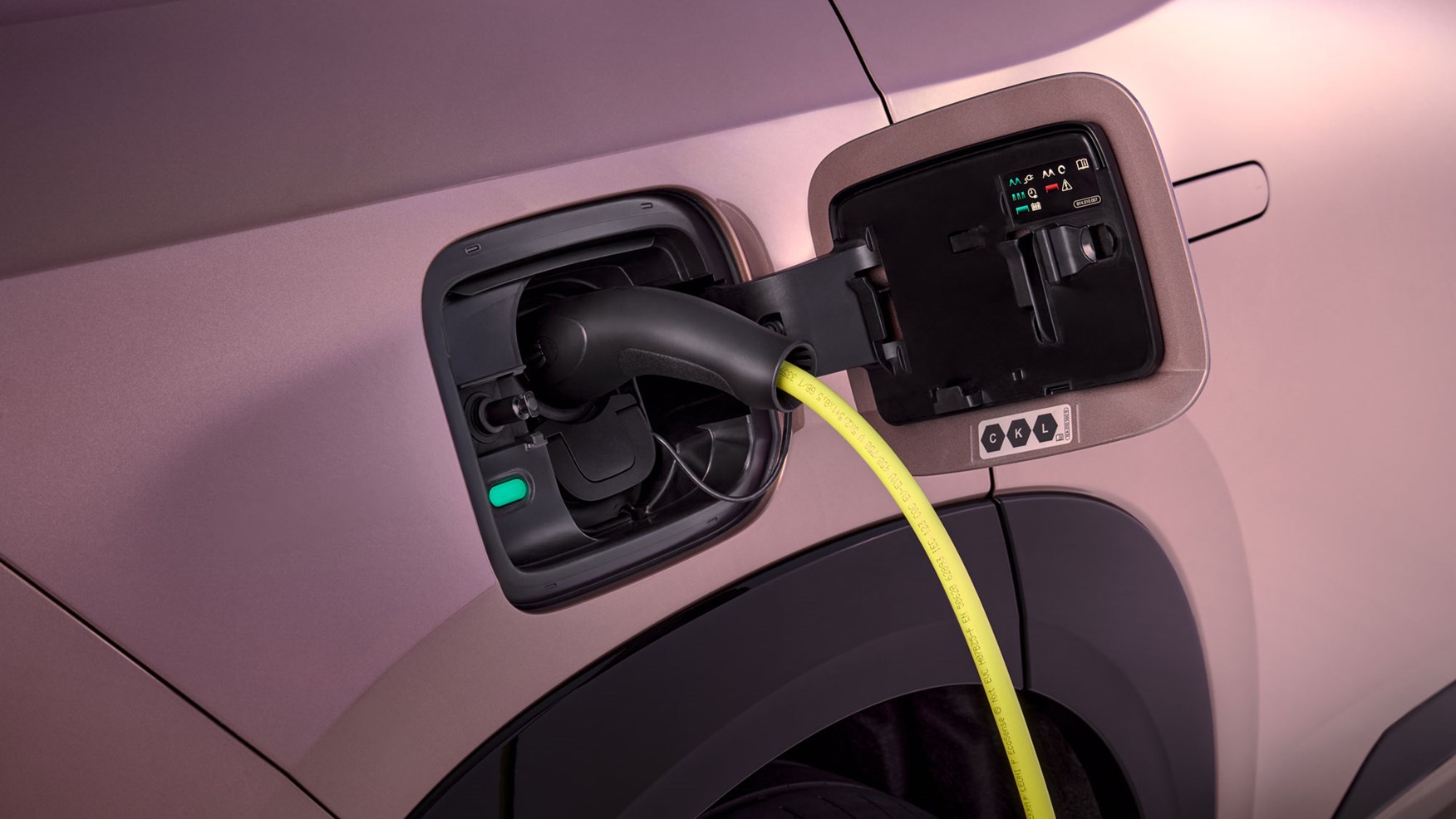
Following its announcement in the 2025 Autumn Budget, the government has formally confirmed the terms of its new Electric Vehicle Excise Duty (eVED) scheme. These new pay-per-mile regulations will be brought into force from 1 April 2028 and will apply to electric cars, plug-in hybrid cars and hydrogen fuel cell cars.
From launch, EVs and hydrogen fuel cell cars will pay three pence per mile, while PHEVs will pay a lower rate of 1.5 pence per mile as those drivers also pay fuel duty. However, the eVED rate will increase every year in line with the consumer price index.
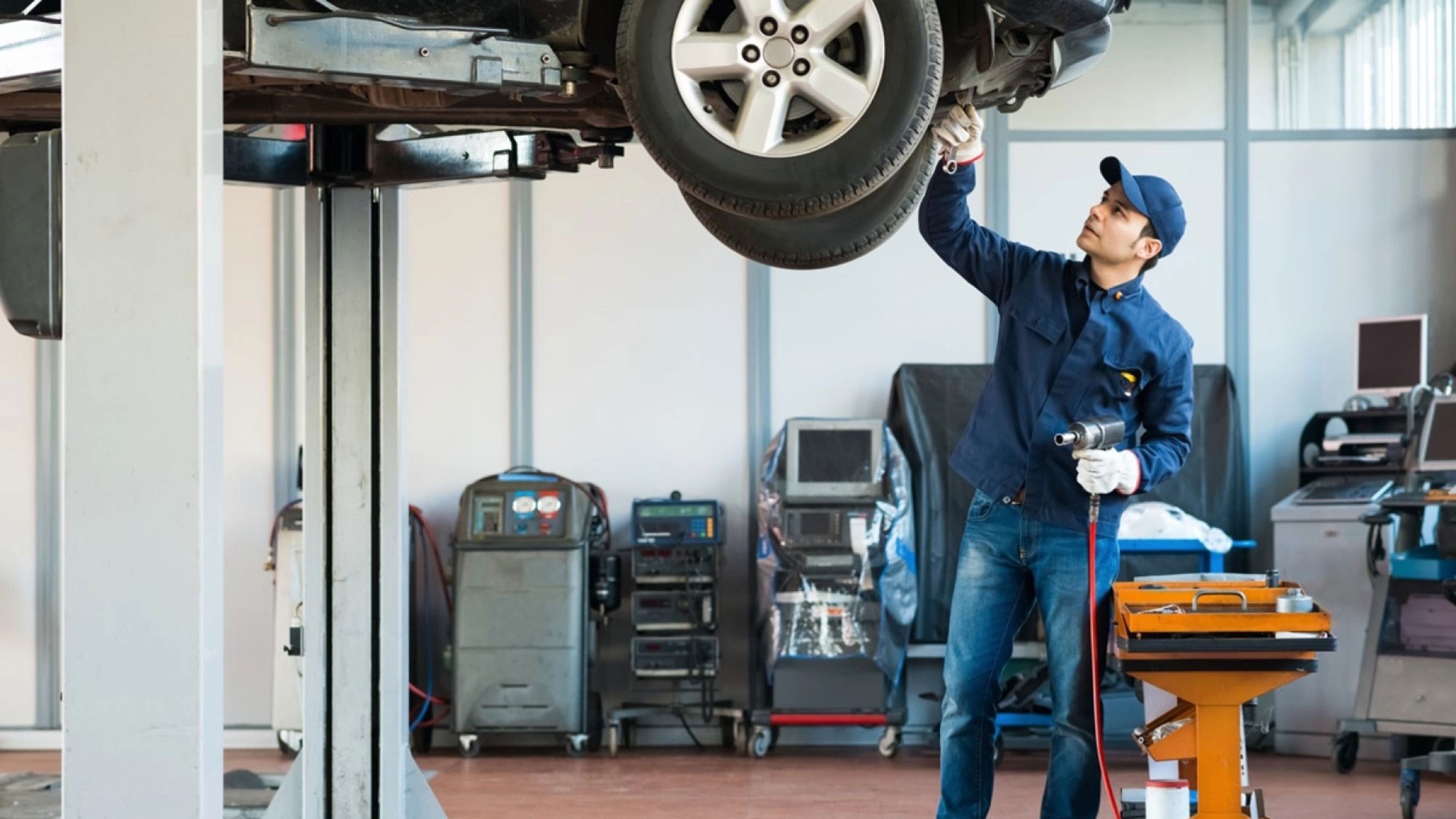
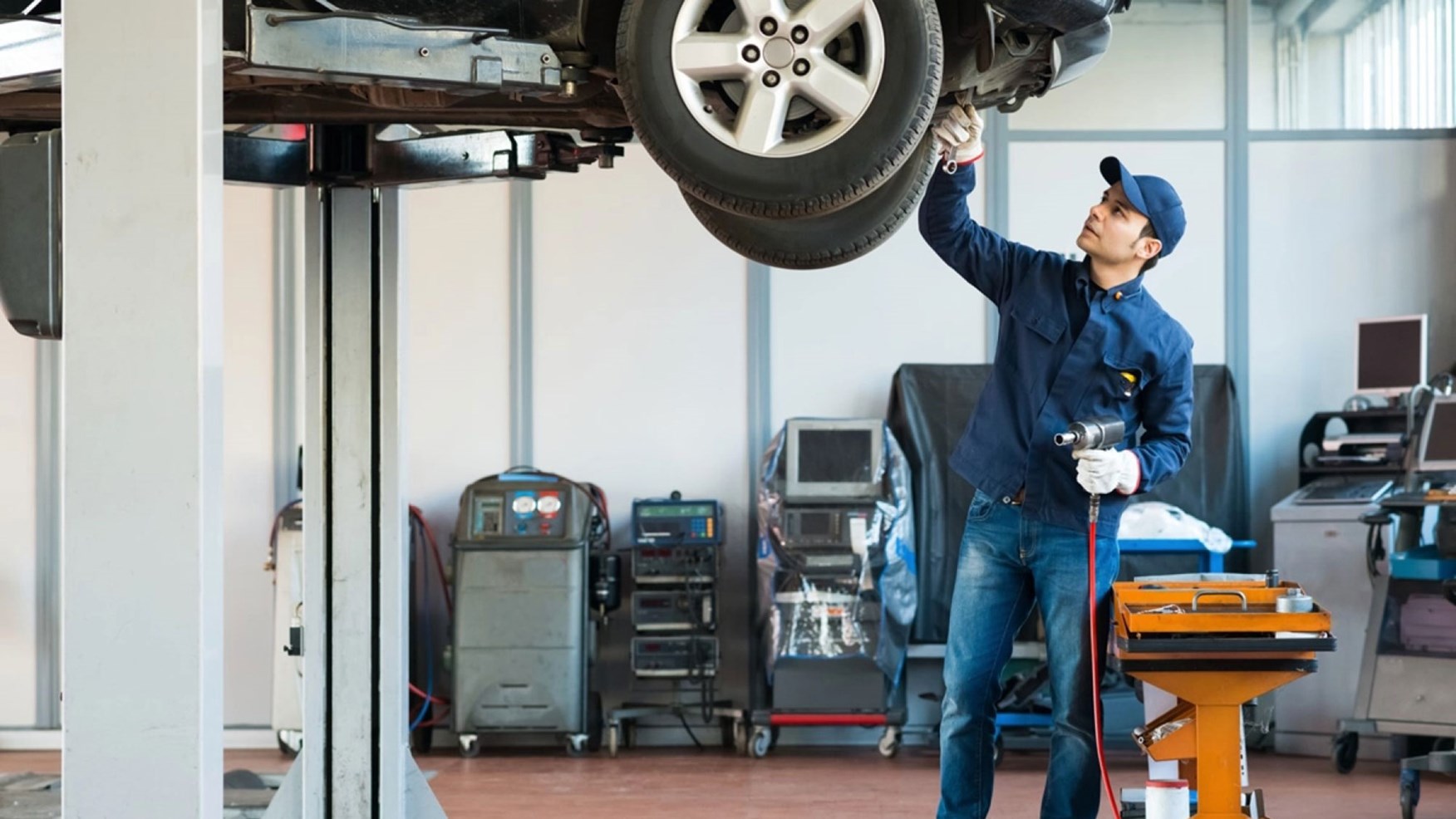
Drivers will be able to prepay their eVED for the year by providing the government with an estimation of their annual mileage, like you do when you’re shopping for insurance. This will be checked against your annual MOT records and, if you covered more miles than you said in your guess, you’ll be handed a bill at the end of the year to make up the difference.
However, if you underestimated the number of miles you’d cover in a year, the extra credit you have on your account will be carried forwards into the new year.
In a bid to make the process easier, the government is considering plumbing its new eVED scheme into in your car’s telematics system. The terms of this system haven’t yet been finalised but, in principle, it’d allow the scheme to track your mileage and issue you an automatic bill each month for the distance you’ve driven.
Crucially, legislators said the use of this technology won’t be mandatory as ‘protecting motorists’ privacy as part of eVED is a priority for the government.’ It also said: ‘Any potential technology-based solutions considered in future will only ever be optional.’
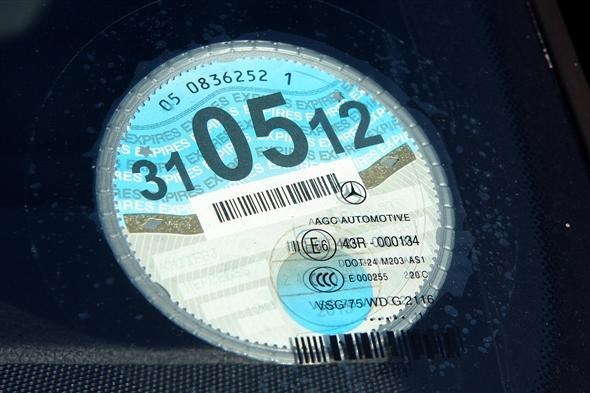
Drivers will be able to make payments for the new eVED scheme annually, bi-annually or monthly. Interestingly, if you sell the car, any mileage you’ve already paid for will remain with the vehicle in much the same way VED operated before it was made digital in 2014.
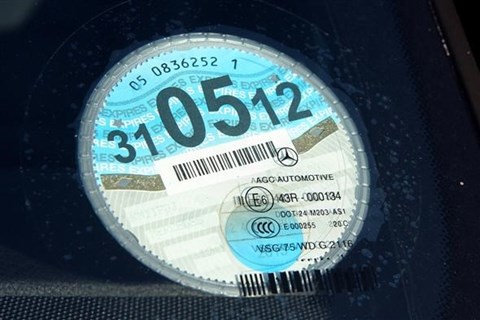
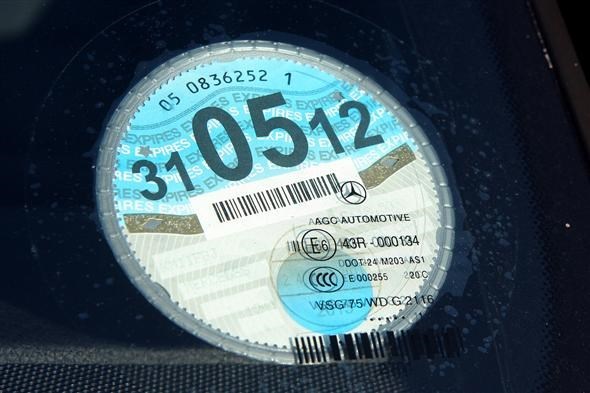
That means, like the old tax disc system, the government expects eVED to become an additional selling point for electric cars and PHEVs on the second-hand market.
Are there any holes in the scheme?
A couple. It’s worth noting that eVED will apply to drivers who are either partially or wholly exempt from traditional VED, such as those who qualify for Motability. To be honest, it’s a rather unhelpfully named scheme, as it’s essentially acting as a replacement for fuel duty in electric cars.
Then there’s the issue of securing mileage readings for brand new cars. Currently, cars that are less than three years old are required to have an annual MOT, which removes a convenient opportunity for the government to check their mileages.
To solve this issue, the government is proposing an extra mileage check at an ‘accredited provider’ on the car’s first and second birthdays. The terms of how this will work haven’t yet been finalised, but the government currently expects it’ll be handled by the dealership when you take the car for its annual service.
The government has also ruled out the possibility of separating UK mileage from mileage covered abroad. It stands to reason that you shouldn’t need to pay for the miles you haven’t covered on UK roads in your EV, but legislators said: ‘Since the proportion of UK registered cars driving abroad each year is a small proportion of total cars, it is proportionate to prioritise privacy and simplicity over a system of checks to deduct non-UK mileage.’
That doesn’t sound like a huge problem on the surface, until you consider Northern Ireland. Motorists living on the border between the two countries are technically driving abroad every time they pass into the Republic of Ireland. But because the government isn’t going to introduce a way of signalling that, they could end up paying for a load of eVED miles that they’re not liable for.
Say you live right on the Northern Irish border, but your office is 30 miles into the Republic of Ireland. You’ll need to pay for all those miles under the new scheme, even though you’re not contributing to the wear and tear of roads within the United Kingdom.
Are there any financial benefits to owning an electric car now?
They’re certainly starting to dry up, but the government reckons electric car drivers will still be quids in, even with the new tax system. It says the electric vehicle rate is still half as much as the average petrol or diesel car driver pays per mile in fuel duty. But the amount of tax you pay depends on the number of miles you cover – and if you drive a lot of miles in a year, you’ll pay a lot more.
Legislators say that an EV driver covering 8000 miles per year will pay £240 in eVED, while a petrol or diesel car driver would pay £480 annually in fuel duty alone. But high mileage drivers are going to get hit hard by the changes. Cover 20,000 miles in your electric car, for example, and you’ll need to fork out £600. And that’s in addition to the flat £200 VED rate EV drivers currently pay to keep their cars on the road.
console.debug(‘taboola container loaded..’)
window._taboola = window._taboola || [];
_taboola.push({
mode: ‘thumbs-feed-1×1’,
container: ‘taboola-below-article-thumbnails-v3’,
placement: ‘Below Article Thumbnails V3’,
target_type: ‘mix’
});
var disqus_shortname = ‘carmagazine’;
var disqus_developer = 0;
var disqus_identifier = ‘article-wp-267982’;
(function () {
var dsq = document.createElement(‘script’);
dsq.type = ‘text/javascript’;
dsq.async = true;
dsq.src = ‘http://’ + disqus_shortname + ‘.disqus.com/embed.js’;
(document.getElementsByTagName(‘head’)[0] || document.getElementsByTagName(‘body’)[0]).appendChild(dsq);
var s = document.createElement(‘script’);
s.type = ‘text/javascript’;
s.async = true;
s.src = ‘http://’ + disqus_shortname + ‘.disqus.com/count.js’;
(document.getElementsByTagName(‘head’)[0] || document.getElementsByTagName(‘body’)[0]).appendChild(s);
})();Please enable JavaScript to view the comments powered by Disqus.