[analyse_image type=”featured” src=”https://velo-cdn.outsideonline.com/wp-content/uploads/2026/07/Bianchi-Specialissima-10.jpg”]
A new and improved Bianchi Specialissima was released last month, and yet the bike has only been raced once by one rider at the Tour de France. The lightweight climbing-oriented bike is available to Bahrain Victorious, but through the Pyrenees, only Damiano Caruso raced the bike on stage 6.
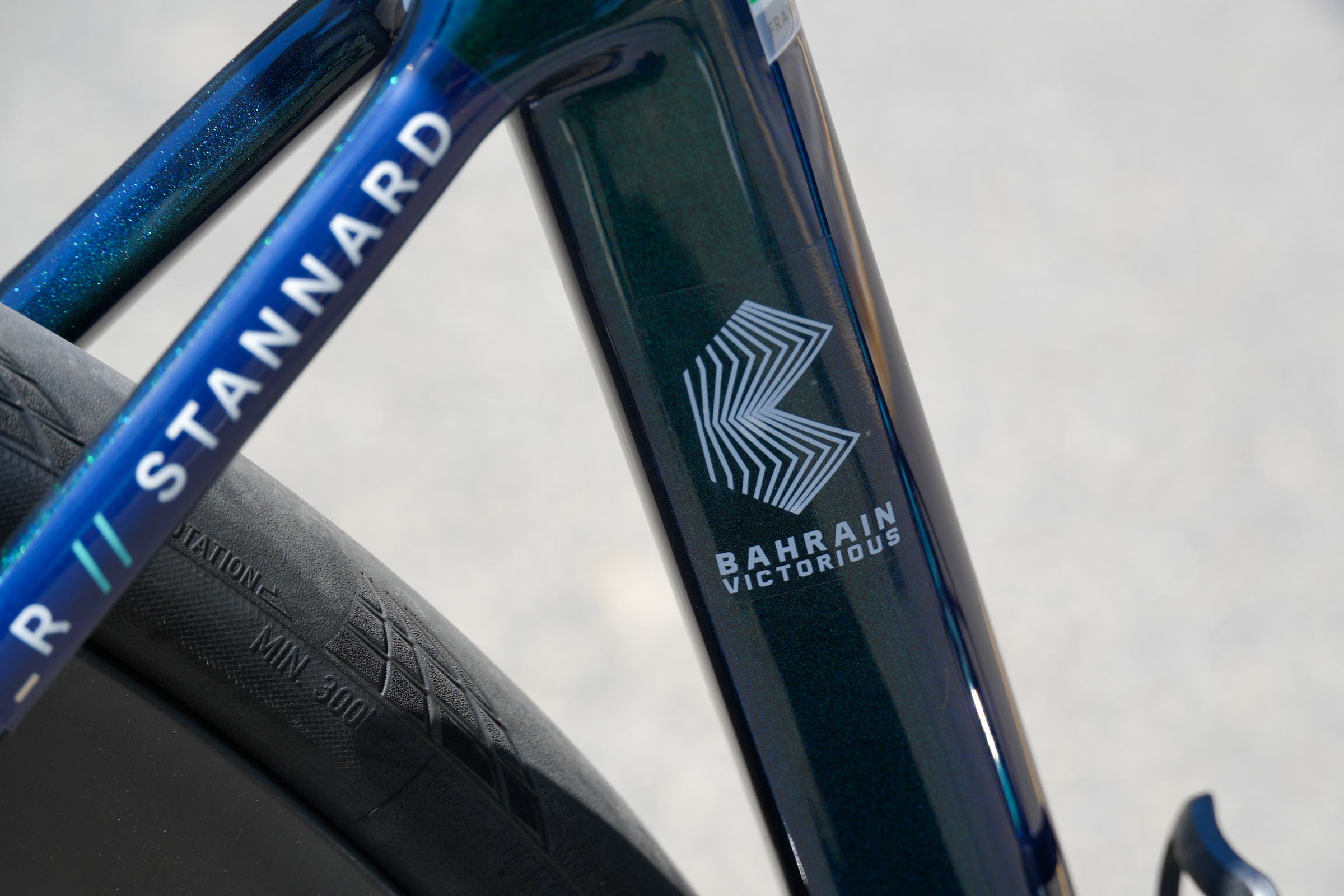
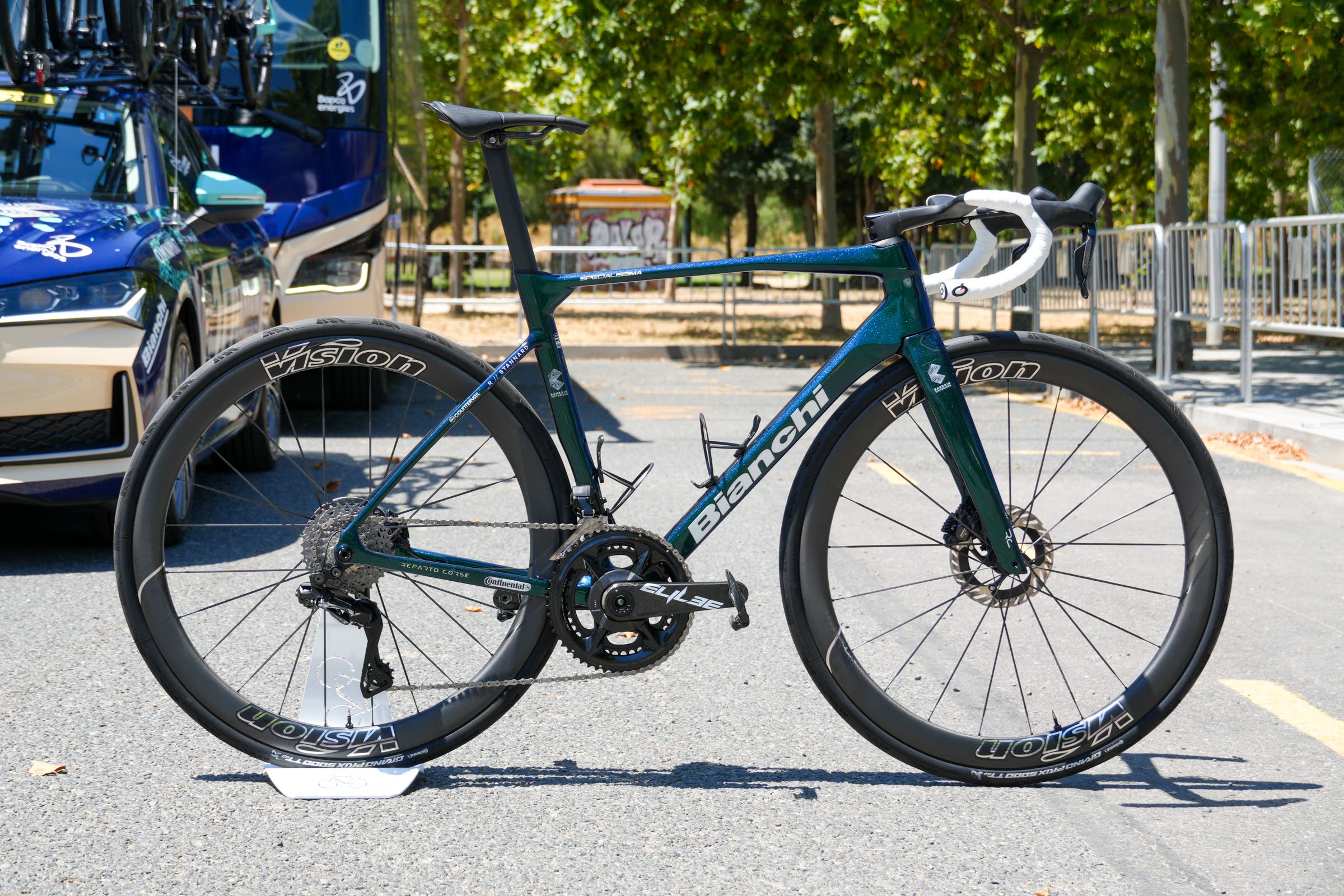
At the start of stage 3 outside of Barcelona, we found Rob Stannard’s bike before the racing action to see all the details of the new Bianchi all-rounder. Still, crucially, that bike stayed with the bus on the first mountain day with the full team lined up on the Bianchi Oltre, the team’s standard issue aero bike.
With the Col du Tourmalet already done and dusted, the limited use does not appear to be an example of waiting for the “real” mountains. The Tourmalet is as real as any climb gets at this Tour de France. Instead, what we are seeing how important aerodynamics are, and how that has made climbing bikes unnecessary for WorldTour racing.
What is the Bianchi Specialissima
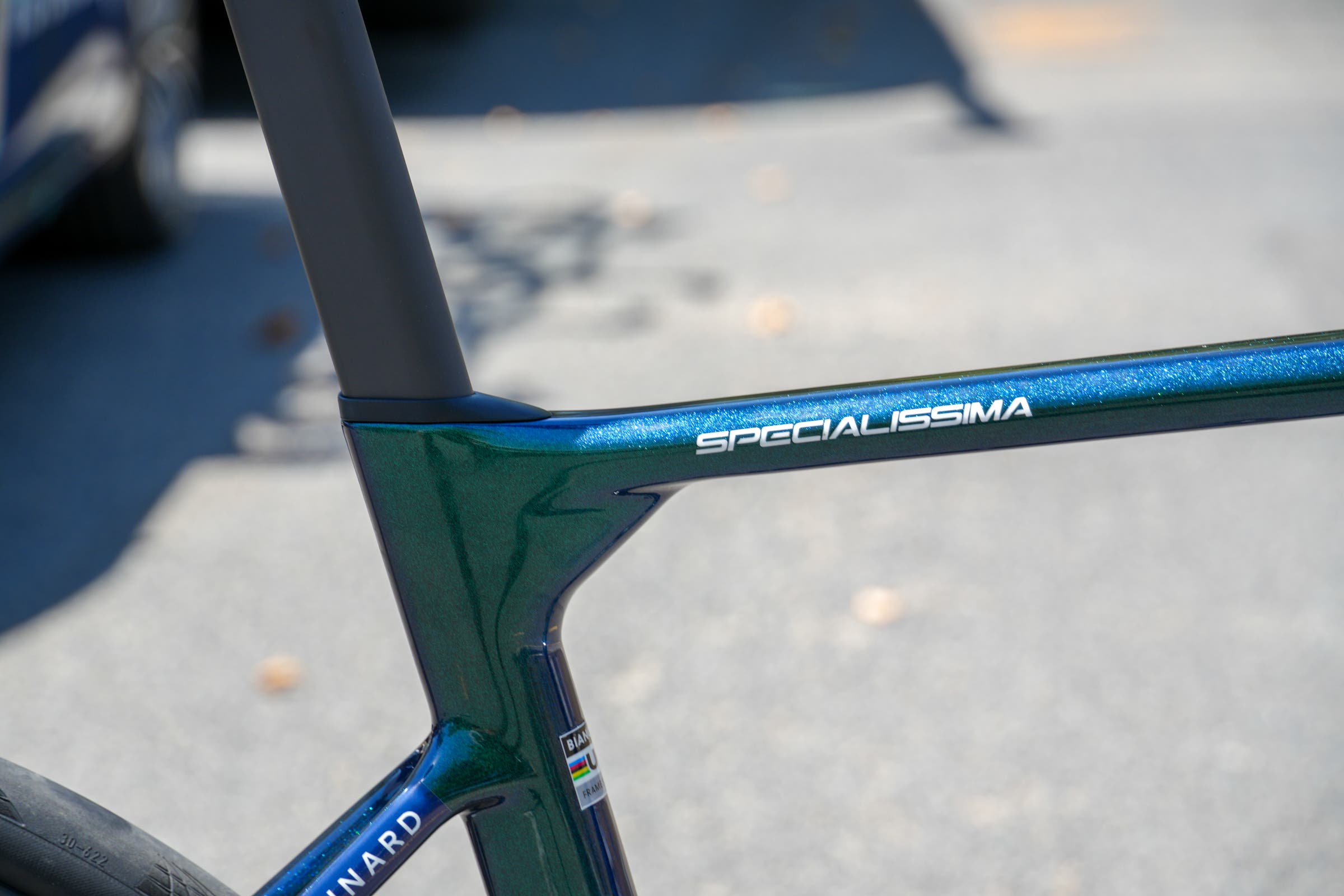
The Bianchi Specialissima is the newest edition of the Bianchi road line-up. The bike is not necessarily positioned as the brand’s climbing bike. Instead, it is considered the “flagshift all-rounder.” Nevertheless, it is the lightest bike Bianchi has produced, with the top spec RC version of the frame weighing in at 750g for size 55cm.
In the grand scheme of climbing bikes, that weight does not put it among the lightest bikes from other companies like Cervelo, XDS, Scott, and Specialized. Of course, Bianchi would say that is because it is an all-round bike, but that same distinction applies to the Specialized Tarmac SL9, which weighs in at under 700g for a similar size frame.
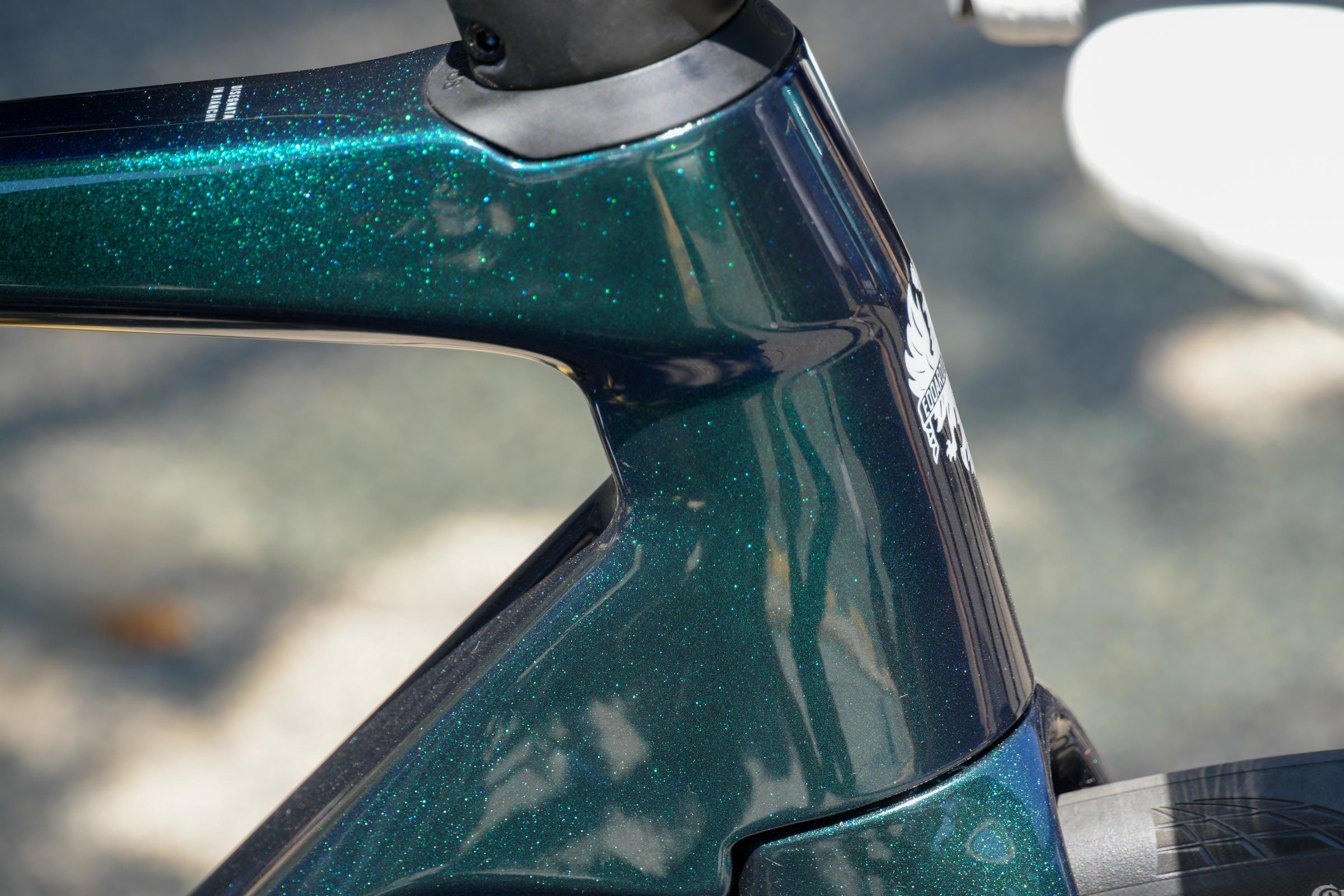
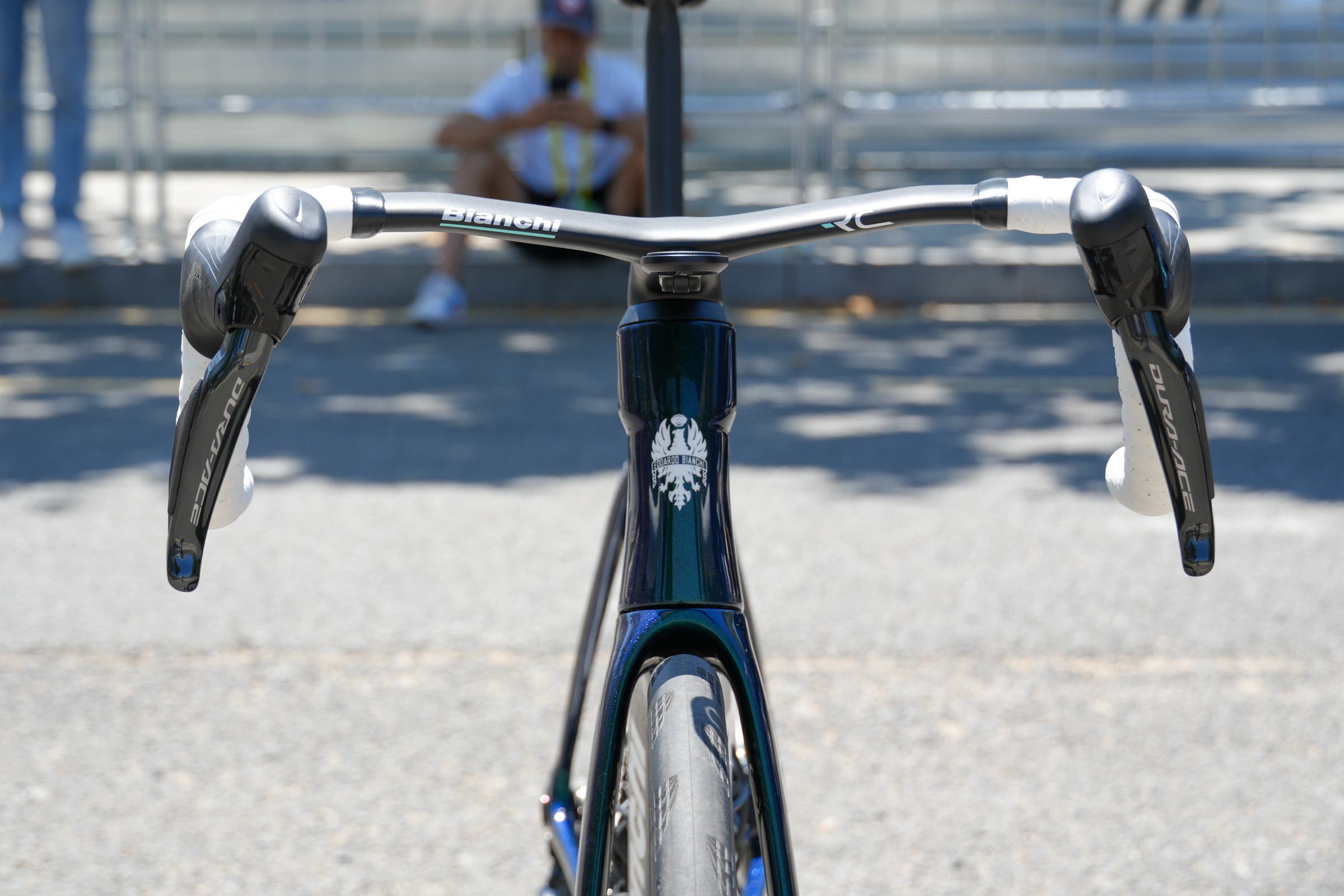
According to Bianchi, most of the touted benefits of the Specialissima stem from the aerodynamic improvements. The headline takeaway from the Specialissima launch is that the bike offers a 16-watt improvement from its previous model at 50 kilometers per hour. Yet, as our own Josh Ross pointed out in his initial breakdown of the new Specialissima, there is a lot of creative storytelling that generates that figure. Not only is 50 kph a high speed a high figure to build around, the brand also generated many of those gains via cockpit integration and a narrower set of handlebars, which Bianchi says produced a 25% boost in efficiency.
In total, the biggest boost to the aerodynamics of the frame comes from a reconfigured leading edge of the head tube and fork, which achieves a claimed 17% boost in aerodynamics.
Beyond the pure performance measurements of weight and aerodynamics, the Specialissima is built to be comfortable. The Countervail technology that the brand employs to create a smoother ride feel by damping ride vibrations through the frame. Previously, the Countervail technology, but that doesn’t seem to be the case here, as Countervail has been added and the frame is still the lightest frame the brand has produced. That smoothness might not jump out as a selling point for WorldTour racing, but it does point to Bianchi’s goal of making the Specialissima the brand’s flagship bike.
Why is Bahrain choosing an “old” aero bike even in the mountains?
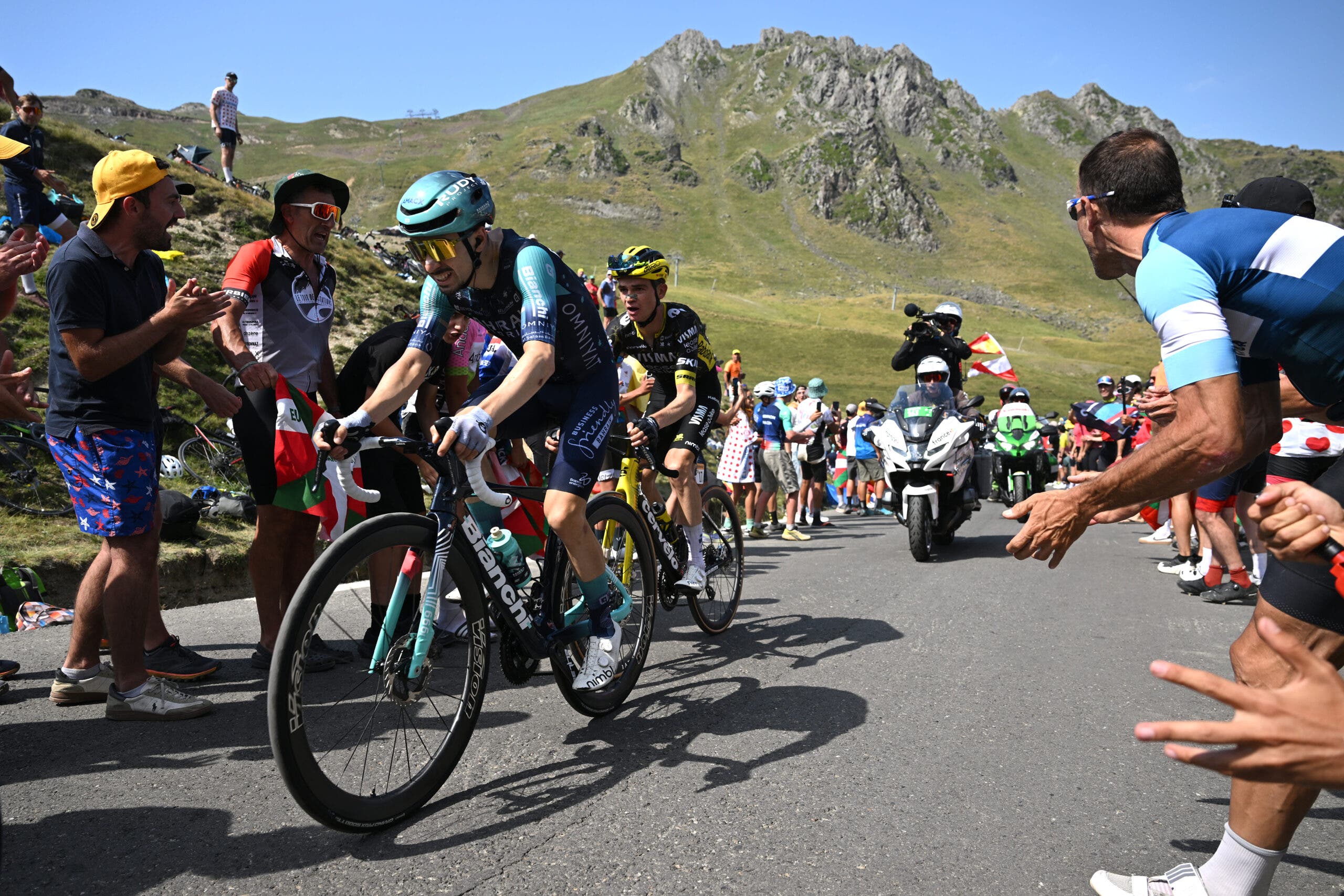
The more important comparison for this discussion, however, is with the Bianchi Oltre. While we don’t have the specific weight for the Bahrain-Victorious spec, Bianchi claims the Oltre RC already hits 6.85 kilos for a size 55cm complete build. The UCI weight limit is 6.8, so any gains to the frame of the Specialissima, in theory, could translate to 50 grams in savings.
Now, the reality could differ from what Bianchi claims is the system weight, and certain desirable aspects like tire sealant, adjusted components, or specific sponsor requirements could push the weight of the Oltre up away from the UCI limit, but ultimately, we are talking about marginal differences in weight. What this means is, according to the team’s own testing, those marginal changes in weight are immaterial to the improvements in aerodynamics that the older, more aero-optimized Oltre provides.
Fundamentally, this is the biggest possible challenge to the brand’s claim that the Specialissima is the brand’s “flagship” anything. Surely, if it were the best race bike, it would be raced by the best bike racers. Clearly, for WorldTour speed and power, the Binachi Oltre remains the flagship bike, even if Binachi positions the Specialissima as the newest and best option in its line.
How would this change if the UCI changed its weight limit?
Fundamentally, Bianchi is not alone in this conundrum where their aero bikes are advancing to the point where they can run against the UCI weight limit. With the weight margins between dedicated aero bikes and any hypothetical climbing bike so thin, climbing bikes are getting phased out at the WorldTour level. There couldn’t be a more appropriate example than the bike choices on Bahrain-Victorious and Bianchi. With the current structure, it is hard to see how WorldTour bike tech does not continue to become homogenous.
That all could change with an adjustment to the UCI weight limit standard. If that were to change, we could see another bifurcation in aero bikes versus climbing bikes. Shaving significant weight from these do-it-all frames would take a significant reimagining of bike, including stripping the bike down of many of the aerodynamic qualities of the bike. Nevertheless, we already know the biggest brands can, as the likes of Specialized, Scott, and XDS have bikes that can be built stock well below the 6.8kg limit.
To add bikes like that to the Tour de France would only add to the overall R&D behind the bike and could continue to produce better tech more unique products, and diverse options of bikes.
[analyse_source url=”https://velo.outsideonline.com/road/road-gear/climbing-bikes-dead-tour-de-france/”]