{“@context”:”https://schema.org”,”@type”:”Article”,”image”:”https://car-images.bauersecure.com/wp-images/267698/068-dacia-striker.jpg”,”mainEntityOfPage”:{“@type”:”WebPage”,”@id”:”https://www.carmagazine.co.uk/car-news/first-official-pictures/dacia/2026-striker/”},”url”:”https://www.carmagazine.co.uk/car-news/first-official-pictures/dacia/2026-striker/”,”author”:{“@type”:”Person”,”name”:”Luke Wilkinson”,”description”:”Luke Wilkinson is Deputy Editor of our sister site, Parkers. However, he also writes news, reviews and features for CAR magazine. Heu2019s worked as a car journalist for five years now, having started his career as a Staff Writer at Auto Express in November 2018. He joined Bauer Media in February 2022.nHe was excited to work as a car journalist before heu2019d even finished his studies. As a university student, heu2019d visit his local car dealerships in his spare time (posing as a customer), and test drive cars. He would then write reviews on those cars for his own website to build up a portfolio to show to his future employer.nLukeu2019s efforts soon landed him an internship with the Daily Recordu2019s motoring supplement, Road Record. He worked for two weeks at the publication, gathering vital online and print magazine skills that would stand him in good stead for his entrance into the working world.nHighlights of his career so far include driving a V8 powered (and ULEZ exempt!) Range Rover Classic down Saville Row, redlining the David Brown Automotive Mini Remasteredu00A0and tearing down Millbrook Proving Groundu2019s mile straight at 170mph in au00A0McLaren 720S.nWhen he isnu2019t shackled to his desk, Luke spends his time restoring hisu00A0Classic Mini. Itu2019s a 1993 Rover Mini Sprite thatu2019s heu2019s owned since he was 15. Itu2019s already undergoing its second bout of rust repair and is awaiting an entire new floor pan, a fresh front end and a rebuilt engine.nYou can follow Luke on his Twitter,u00A0Instagramu00A0andu00A0LinkedInu00A0pages. Alternatively, you can find a list of his latest articles at the bottom of this page.”,”image”:{“@type”:”ImageObject”,”url”:”https://car-assets.bauersecure.com/wp-images/14254/lukewilkinson1.jpeg”,”caption”:”Luke Wilkinson”},”sameAs”:[“https://www.linkedin.com/in/luke-wilkinson-08a155112/”,”https://x.com/LT_Wilkinson”,”https://www.instagram.com/lt_wilkinson/”],”url”:”https://www.carmagazine.co.uk/author/luke-wilkinson/”,”alumniOf”:{“@type”:”EducationalOrganization”,”name”:”University of Glasgow”},”jobTitle”:”Deputy Editor”,”knowsAbout”:”Automotive,Motoring,Road testing,Car news”,”worksFor”:{“@type”:”Organization”,”name”:”Parkers”}},”dateModified”:”2026-07-08T14:17:28+01:00″,”datePublished”:”2026-07-08T14:17:28+01:00″,”headline”:”Dacia Striker: the car that claims to do it allu2026 for u00A325,000″,”publisher”:{“@type”:”Organization”,”name”:”Bauer Media”,”brand”:{“@type”:”Organization”,”name”:”Car Magazine”},”logo”:{“@type”:”ImageObject”,”url”:”https://car-assets.bauersecure.com/images/logos/car.200×88.png”}}}
Dacia Striker: the car that claims to do it all… for £25,000

-
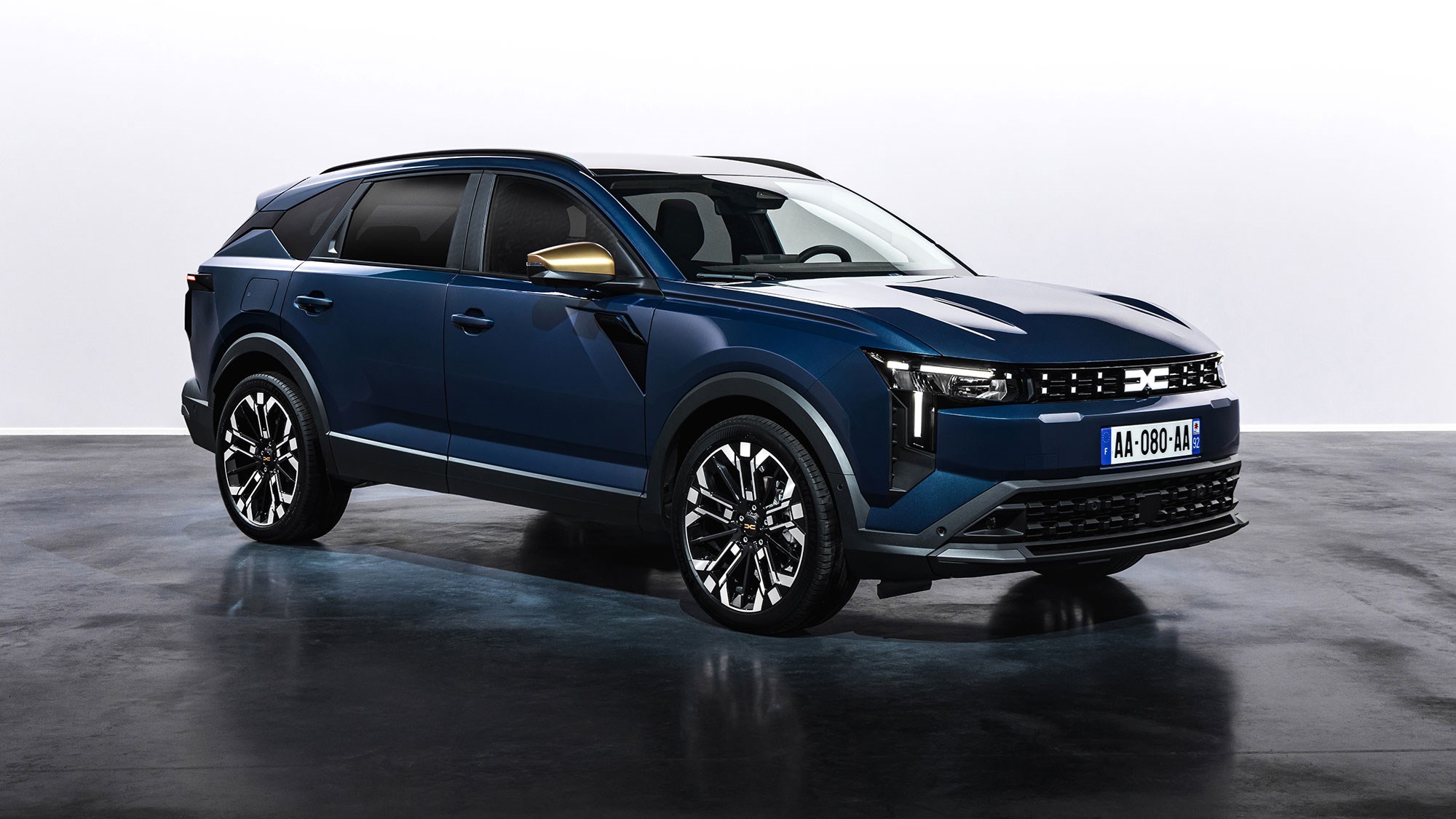
 Dacia Striker (2026): front three quarter, blue paint, low angle
 -
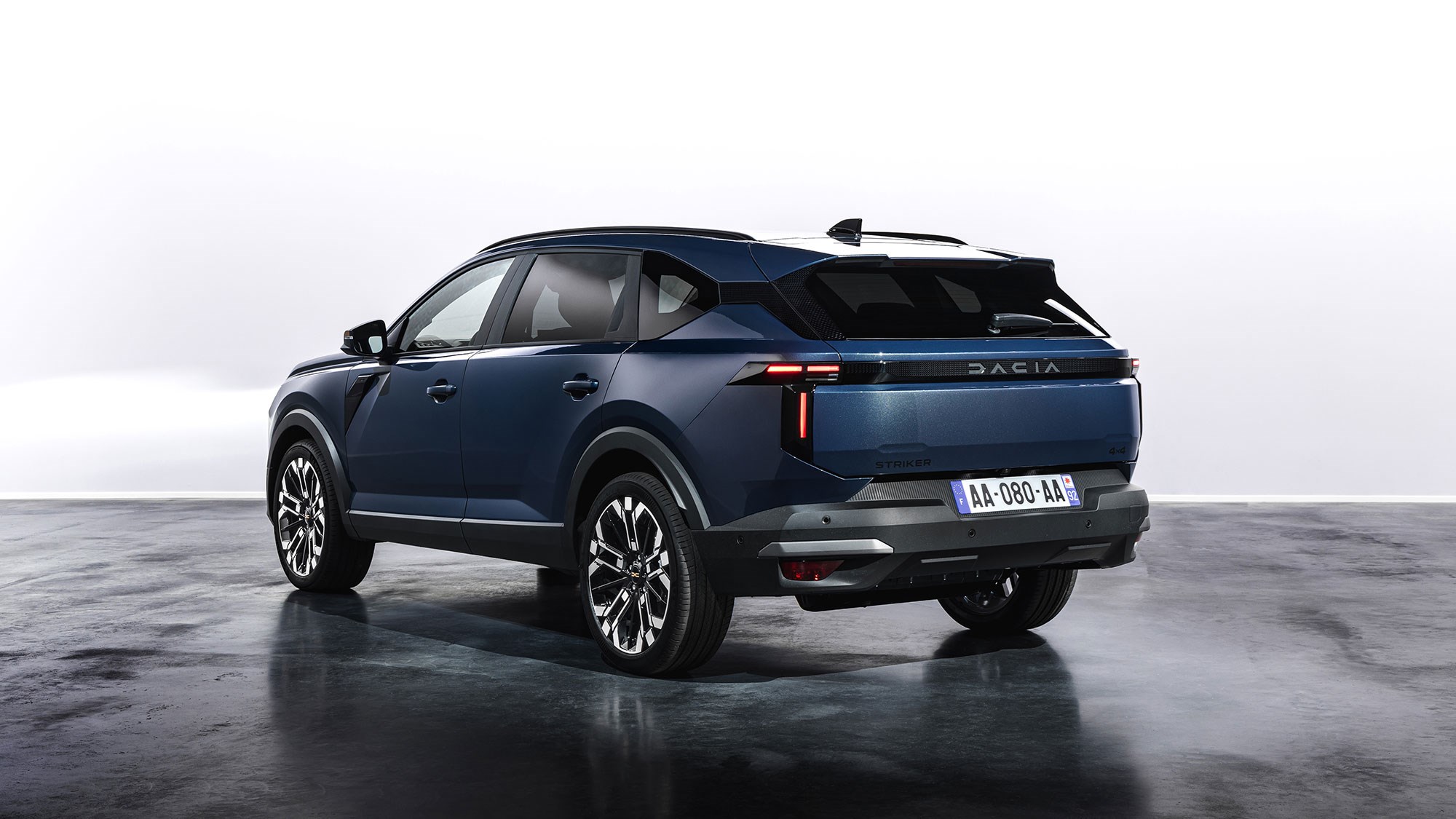
Dacia Striker (2026): rear three quarter, blue paint, low angle
-
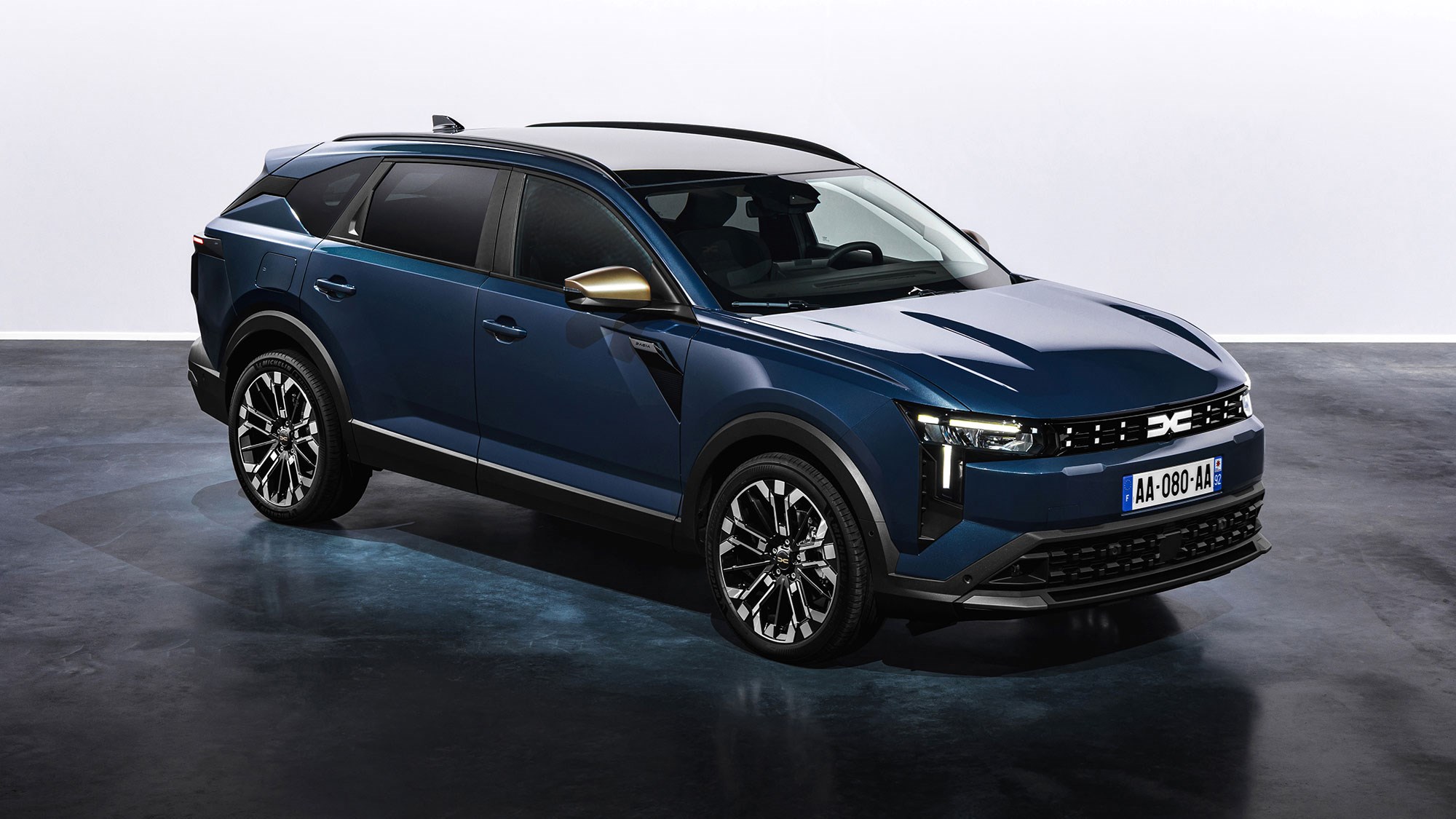
Dacia Striker (2026): front three quarter, blue paint
-
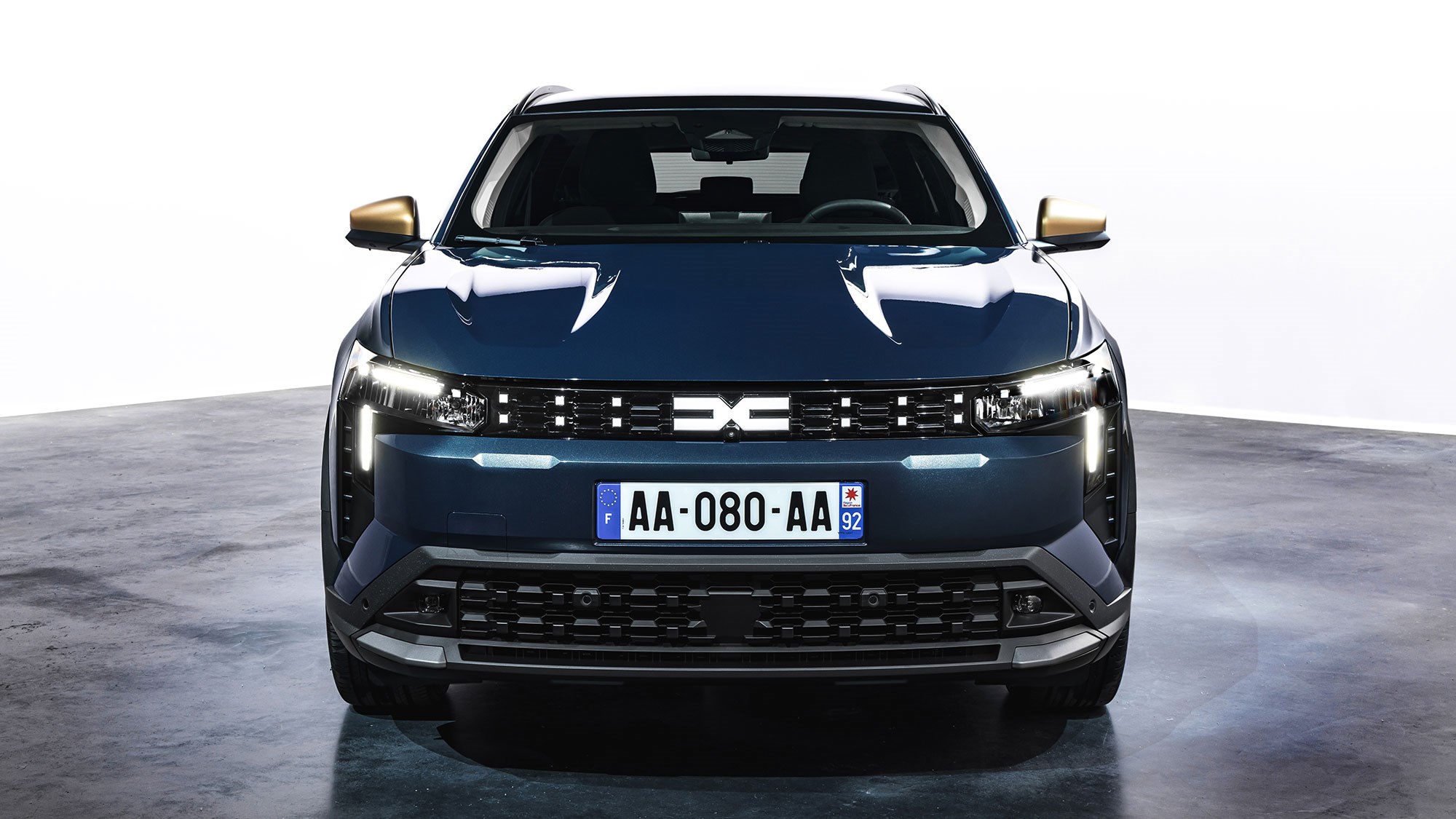
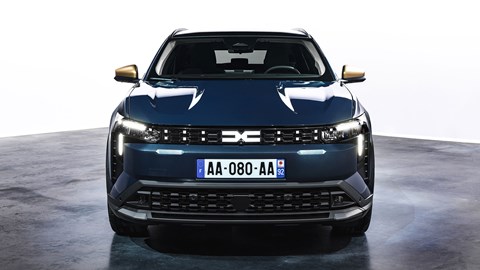
Dacia Striker (2026): front, blue paint
-
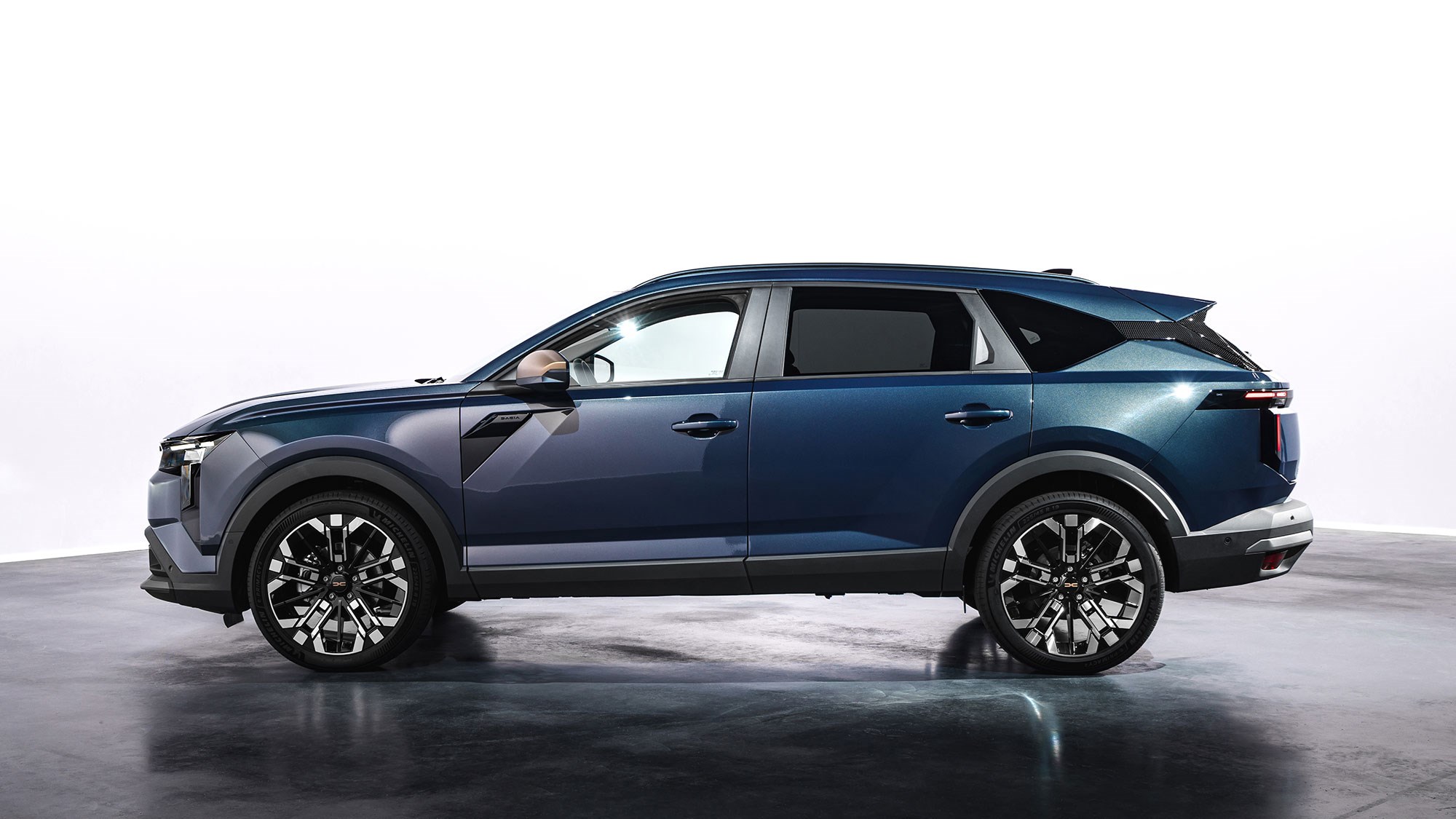
Dacia Striker (2026): side view static, blue paint
-
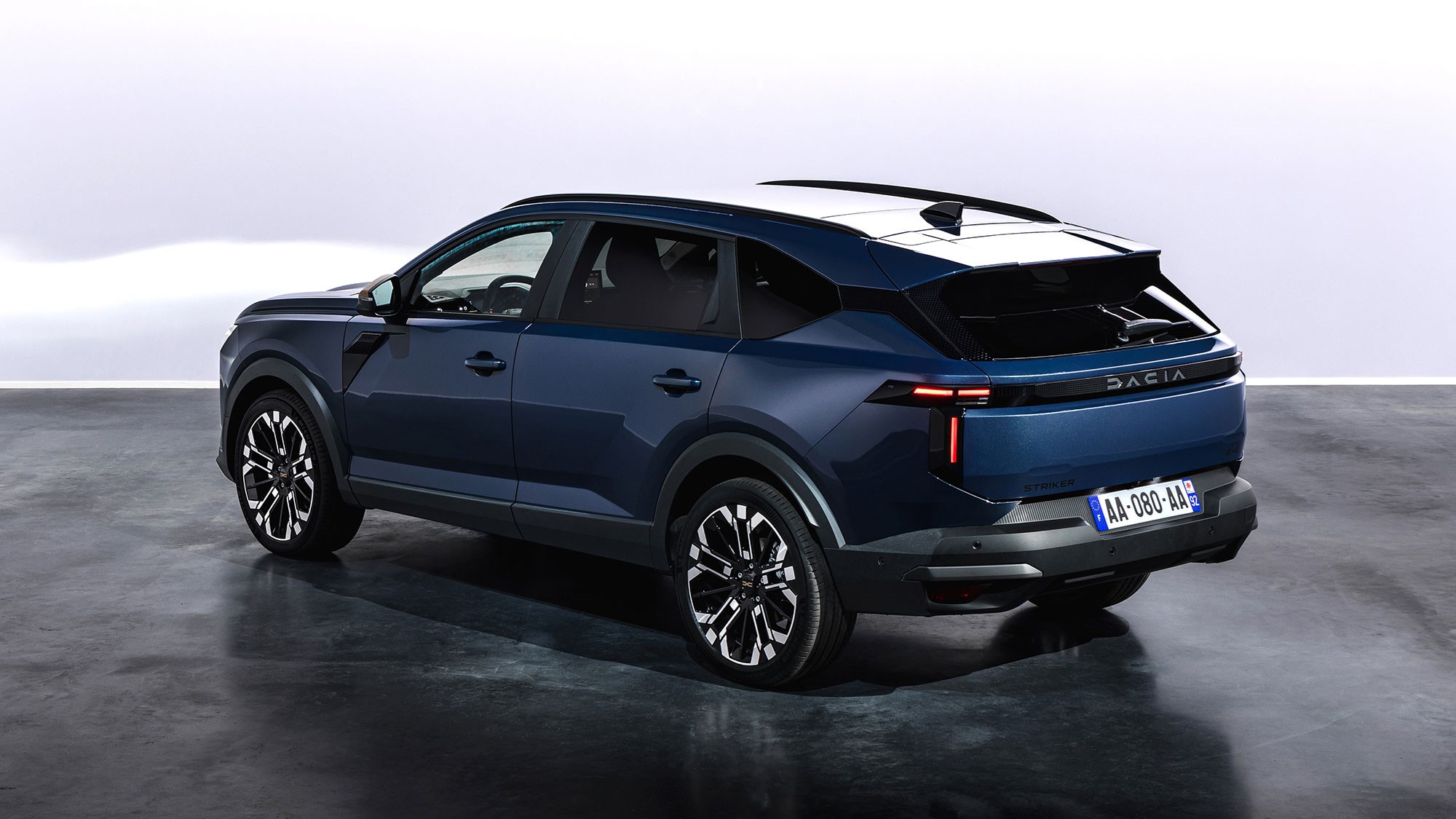
Dacia Striker (2026): rear three quarter static, blue paint
-
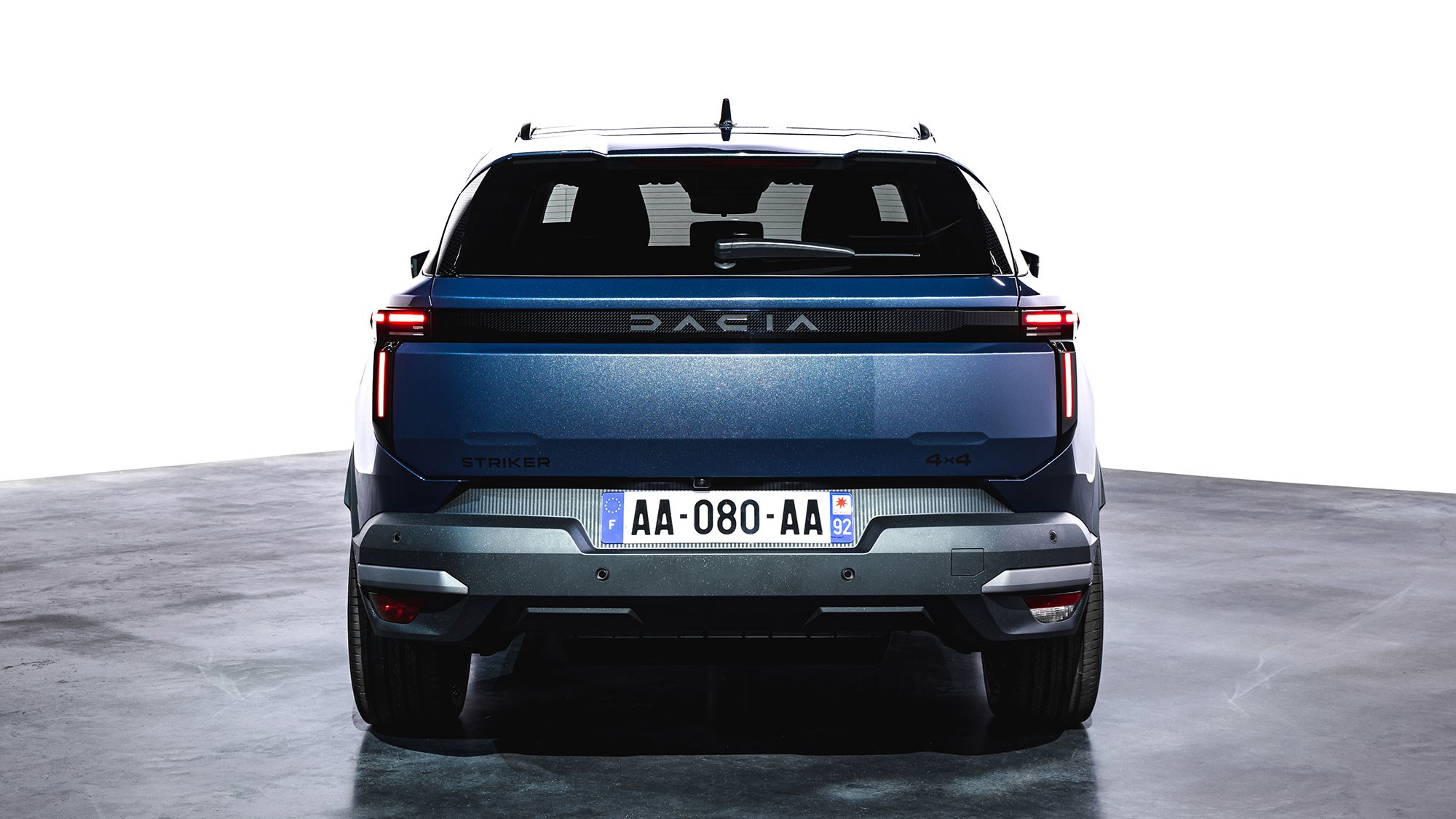
Dacia Striker (2026): rear static, blue paint
-
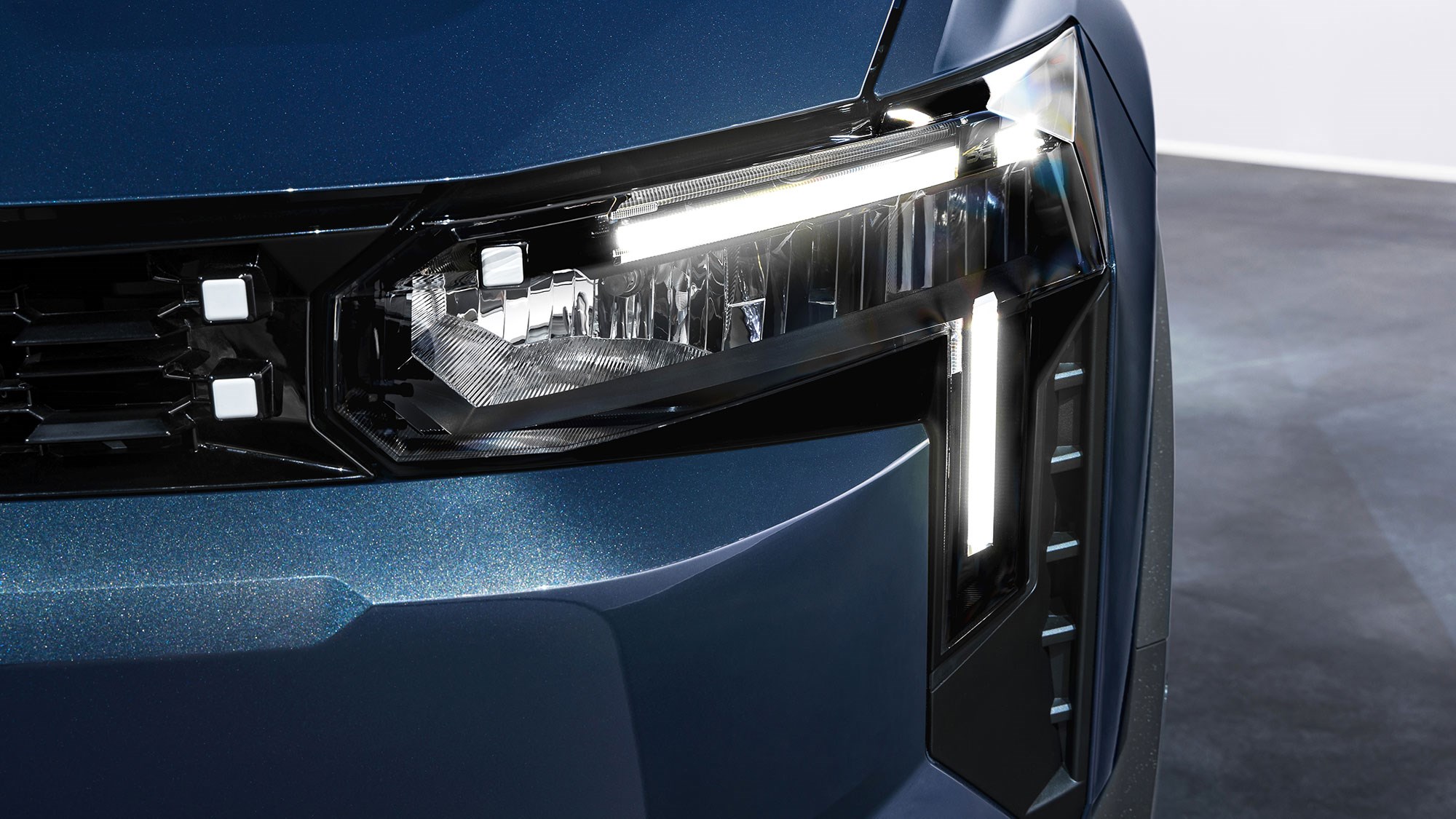
Dacia Striker (2026): headlight detail, blue paint
-
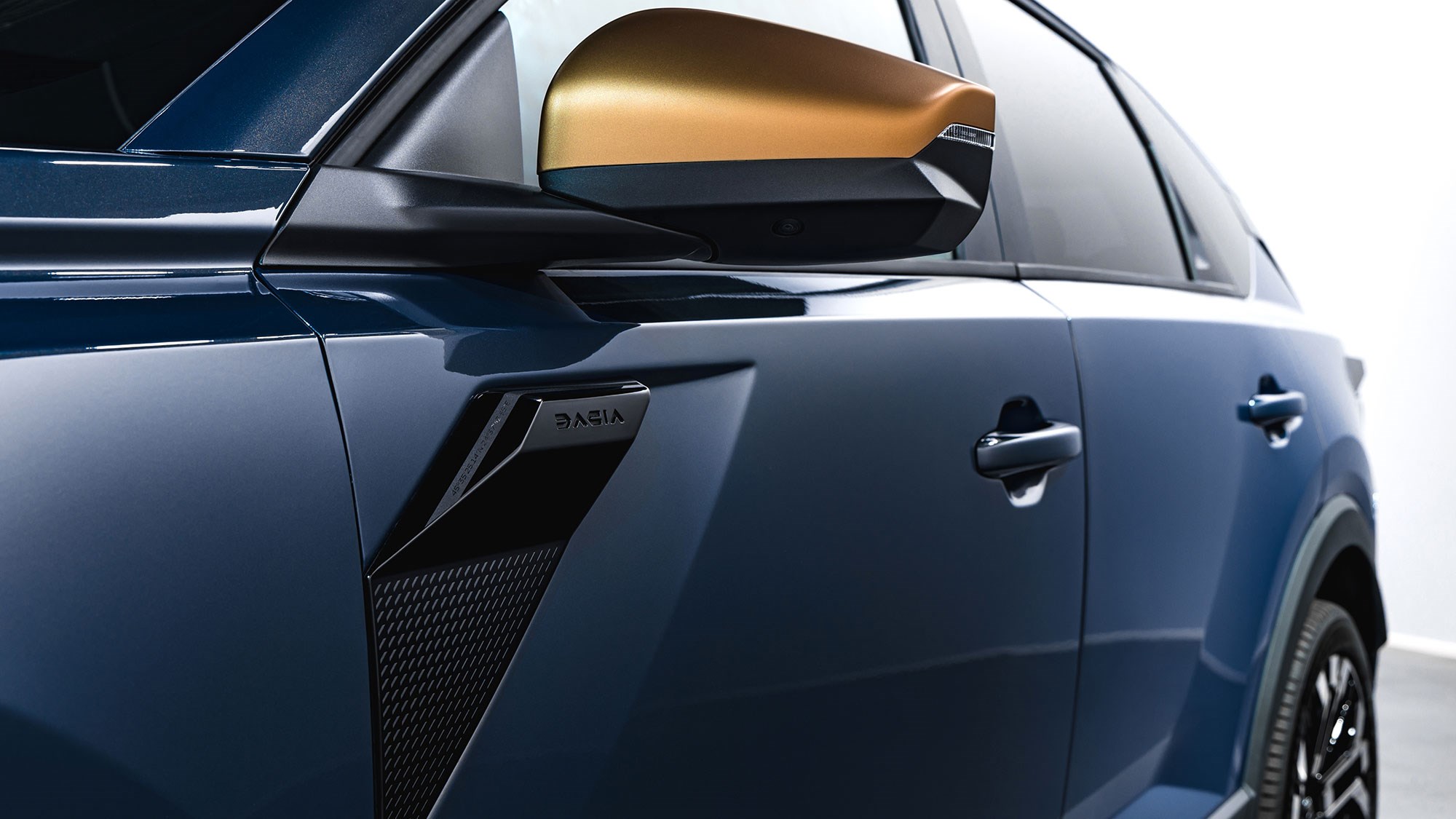
Dacia Striker (2026): door mirror detail, blue and orange paint
-
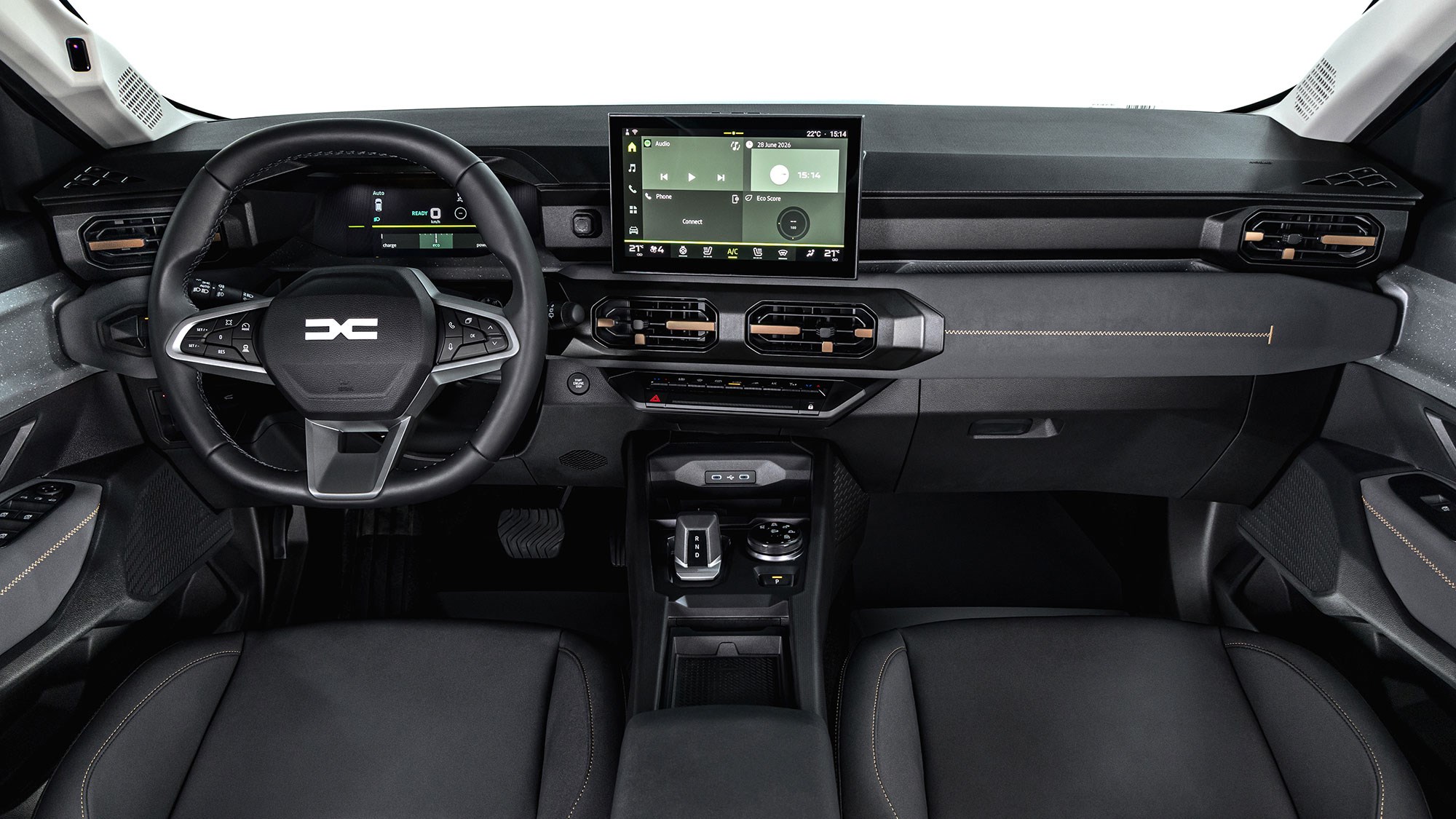
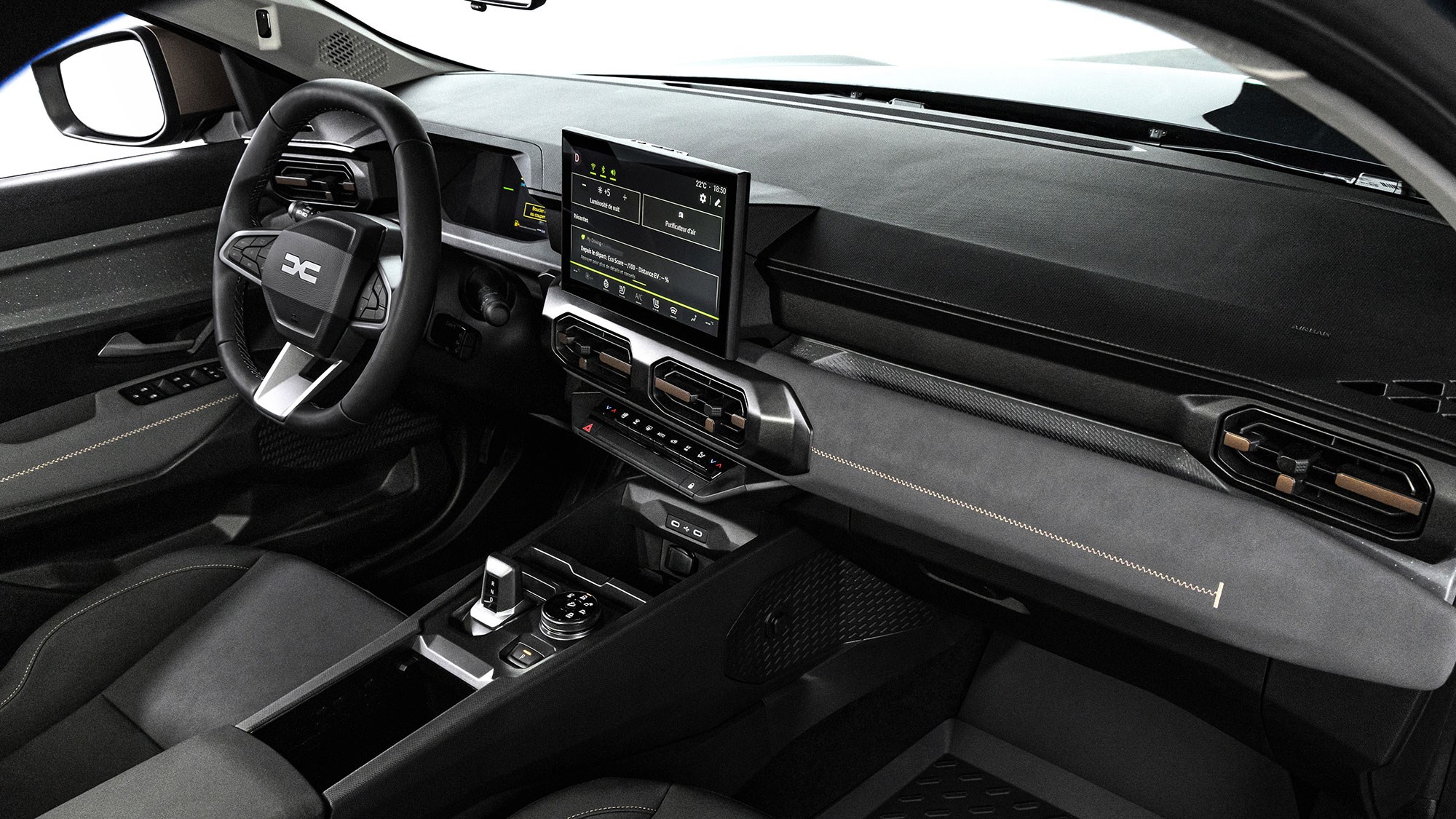
Dacia Striker (2026): dashboard and infotainment system
-
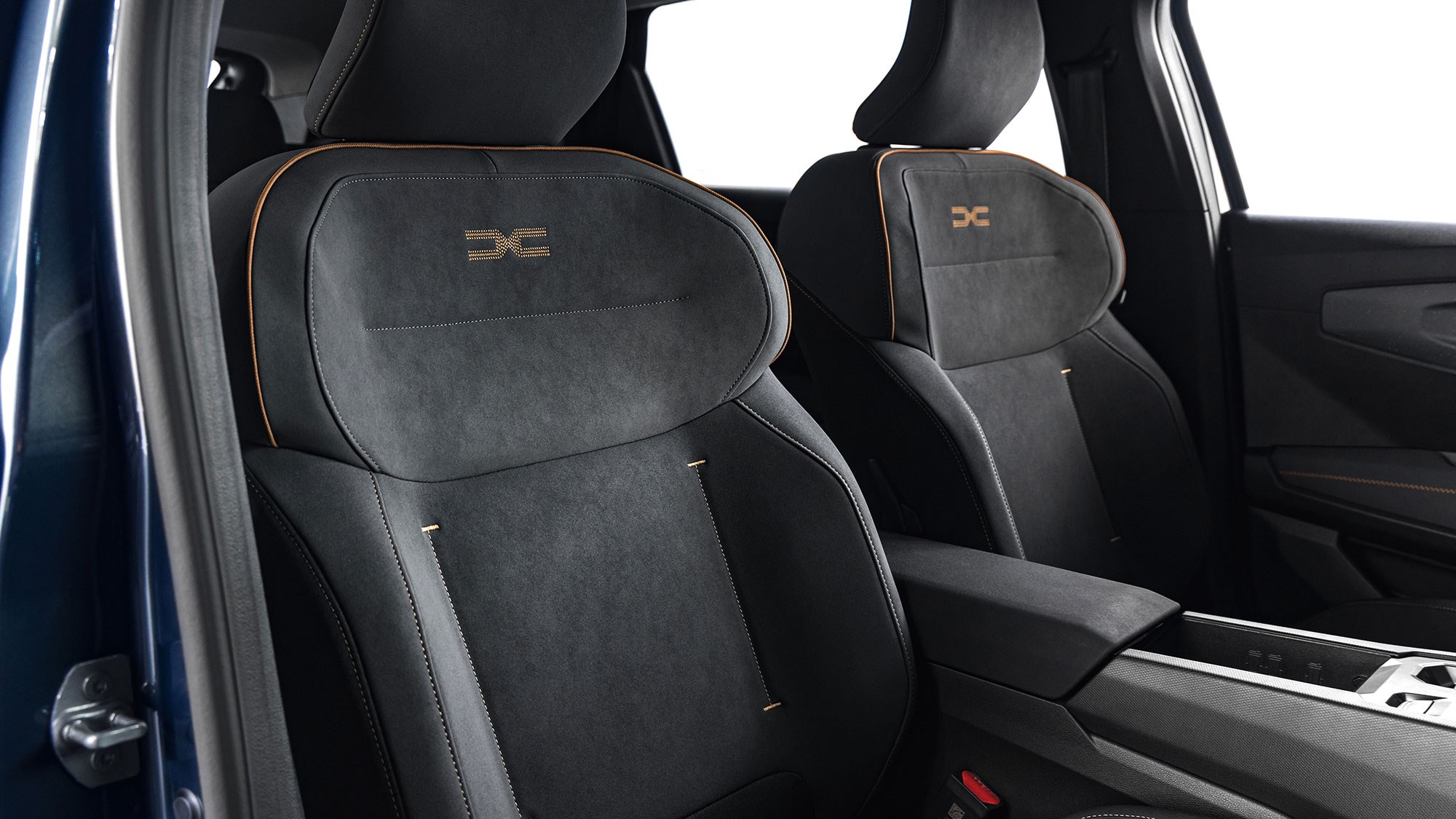
Dacia Striker (2026): front seats, grey upholstery
-
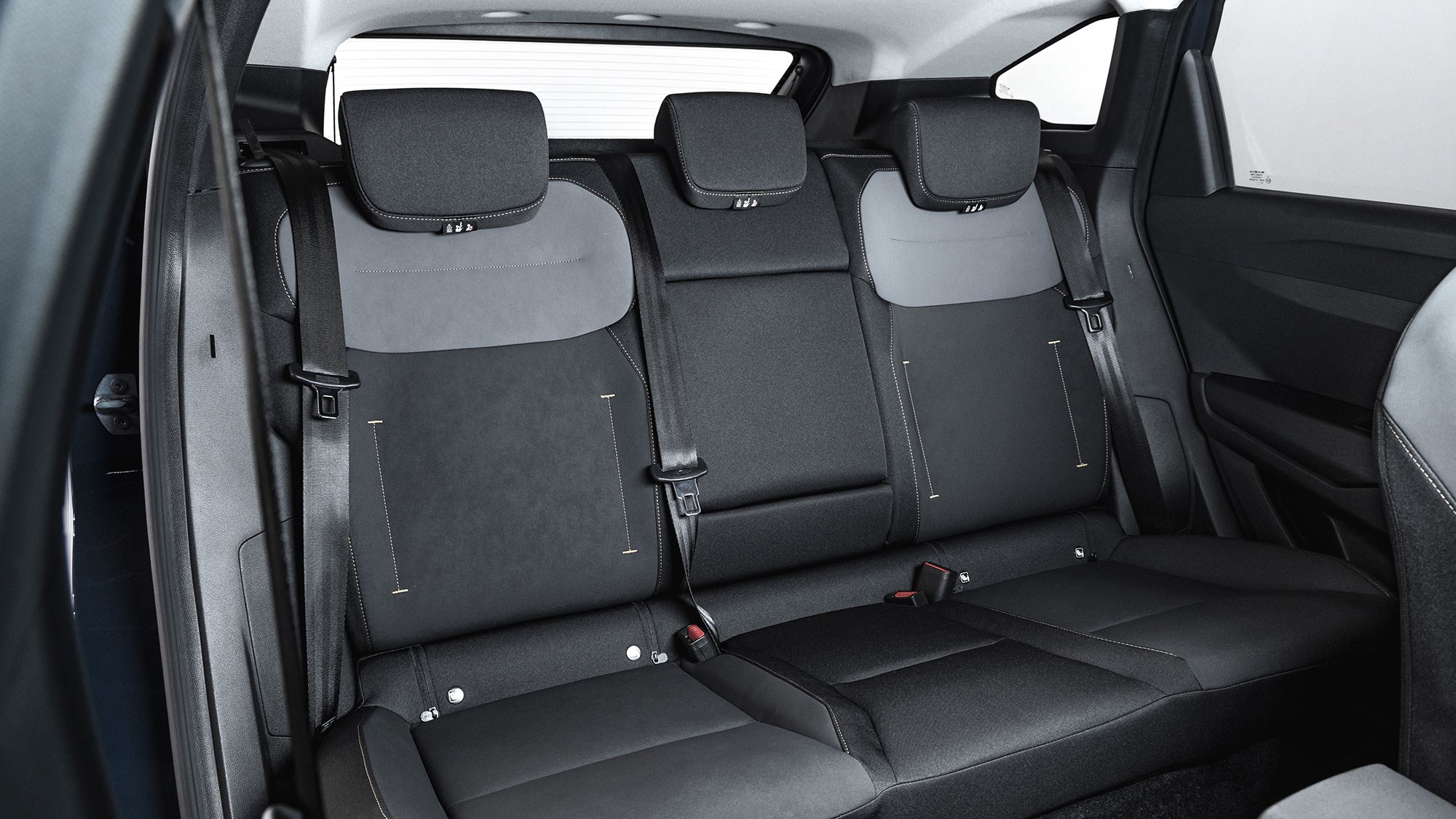
Dacia Striker (2026): rear seats, grey upholstery
-
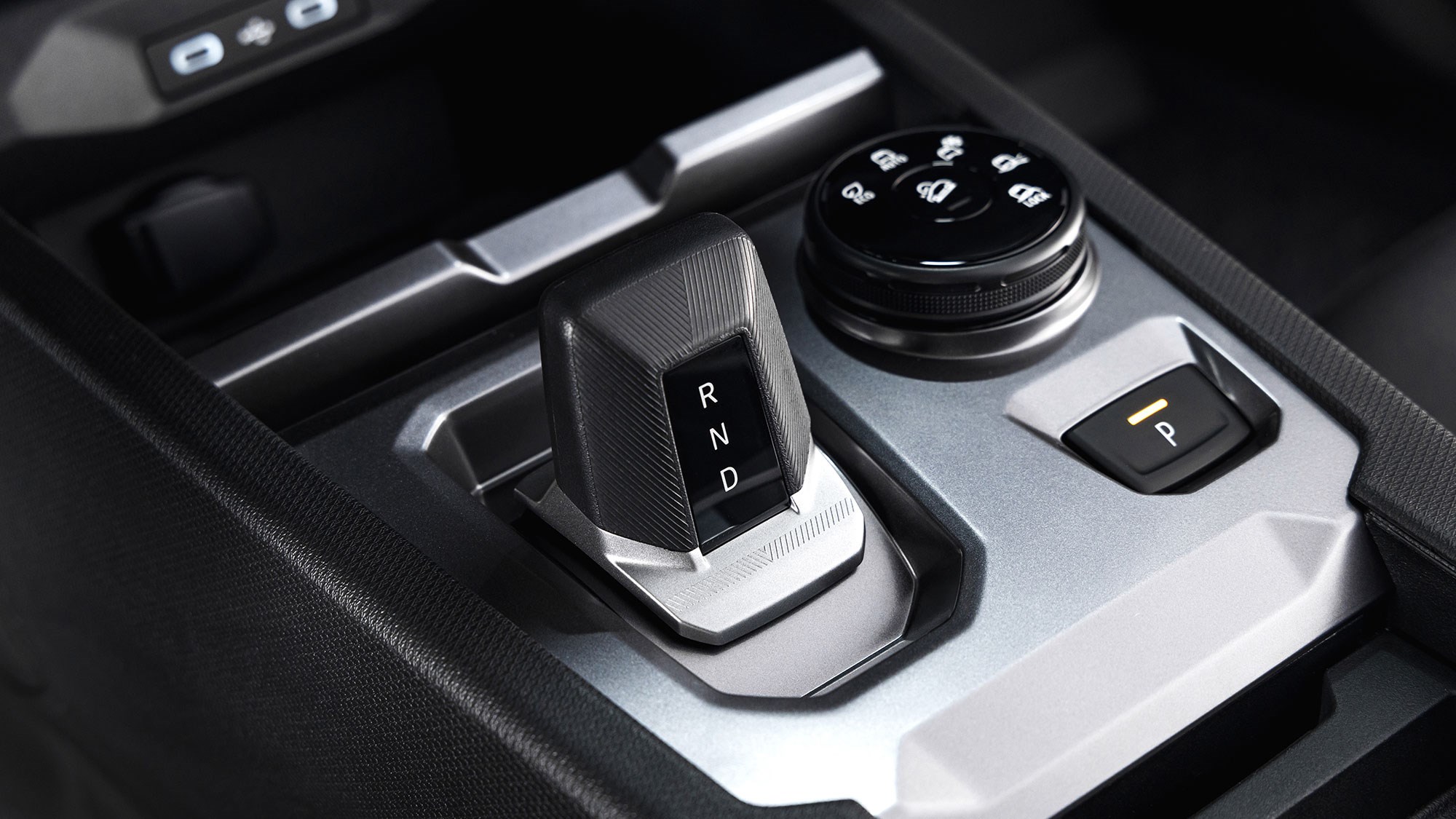
Dacia Striker (2026): gear selector and drive mode switch
-
Dacia Striker (2026): dashboard from passenger side
-
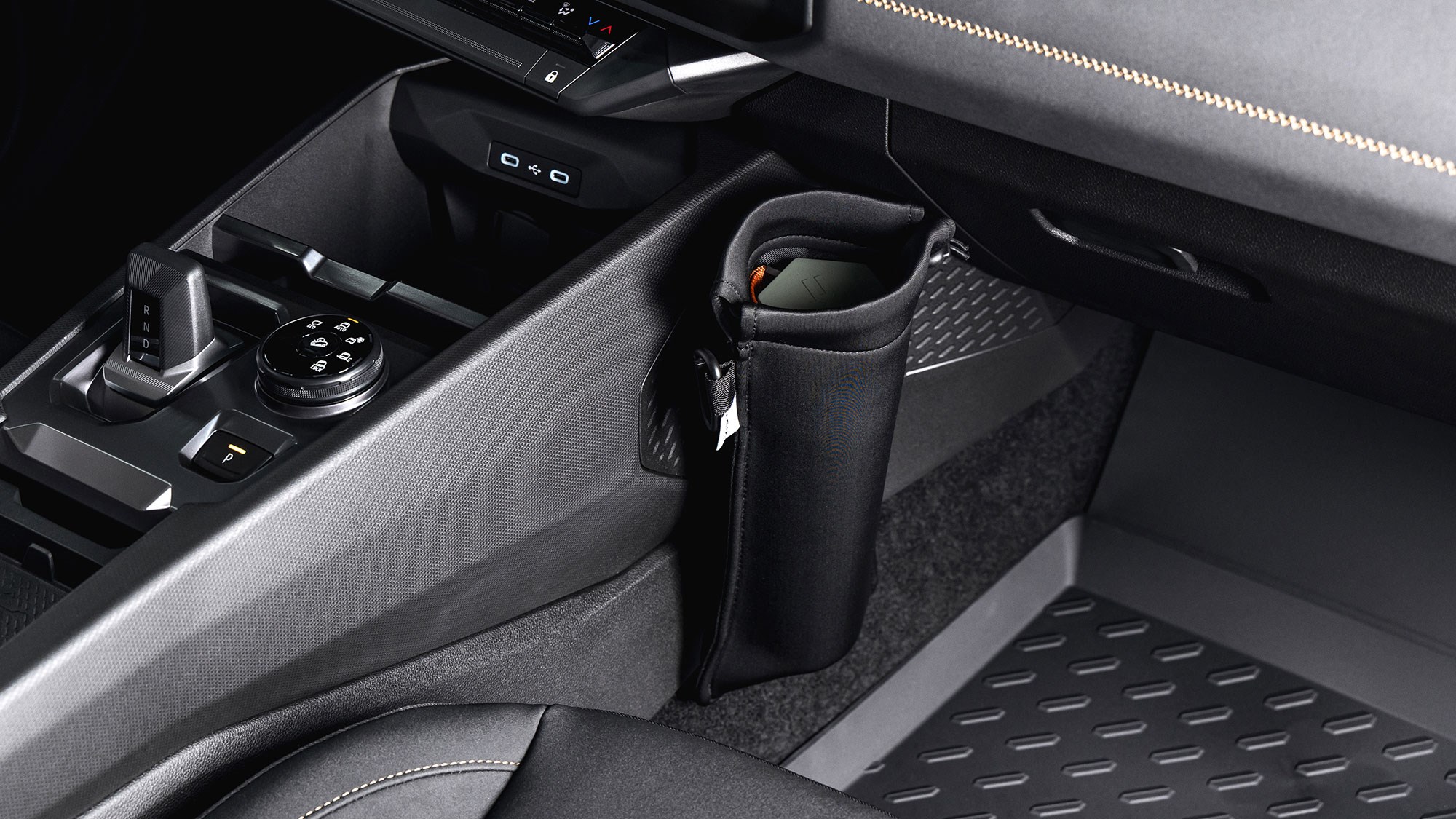
Dacia Striker (2026): YouClip bottle holder
-
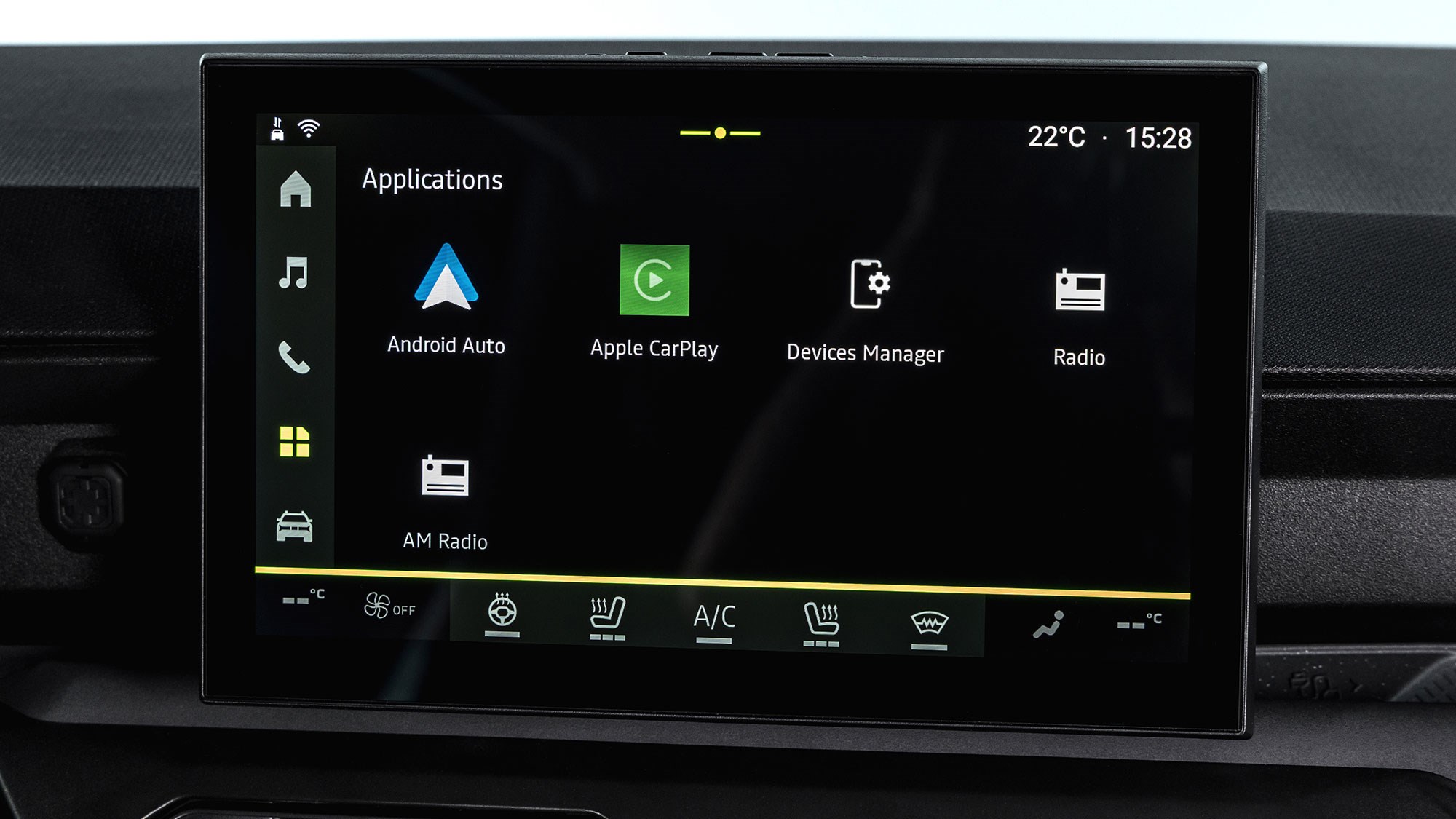
Dacia Striker (2026): infotainment system
-
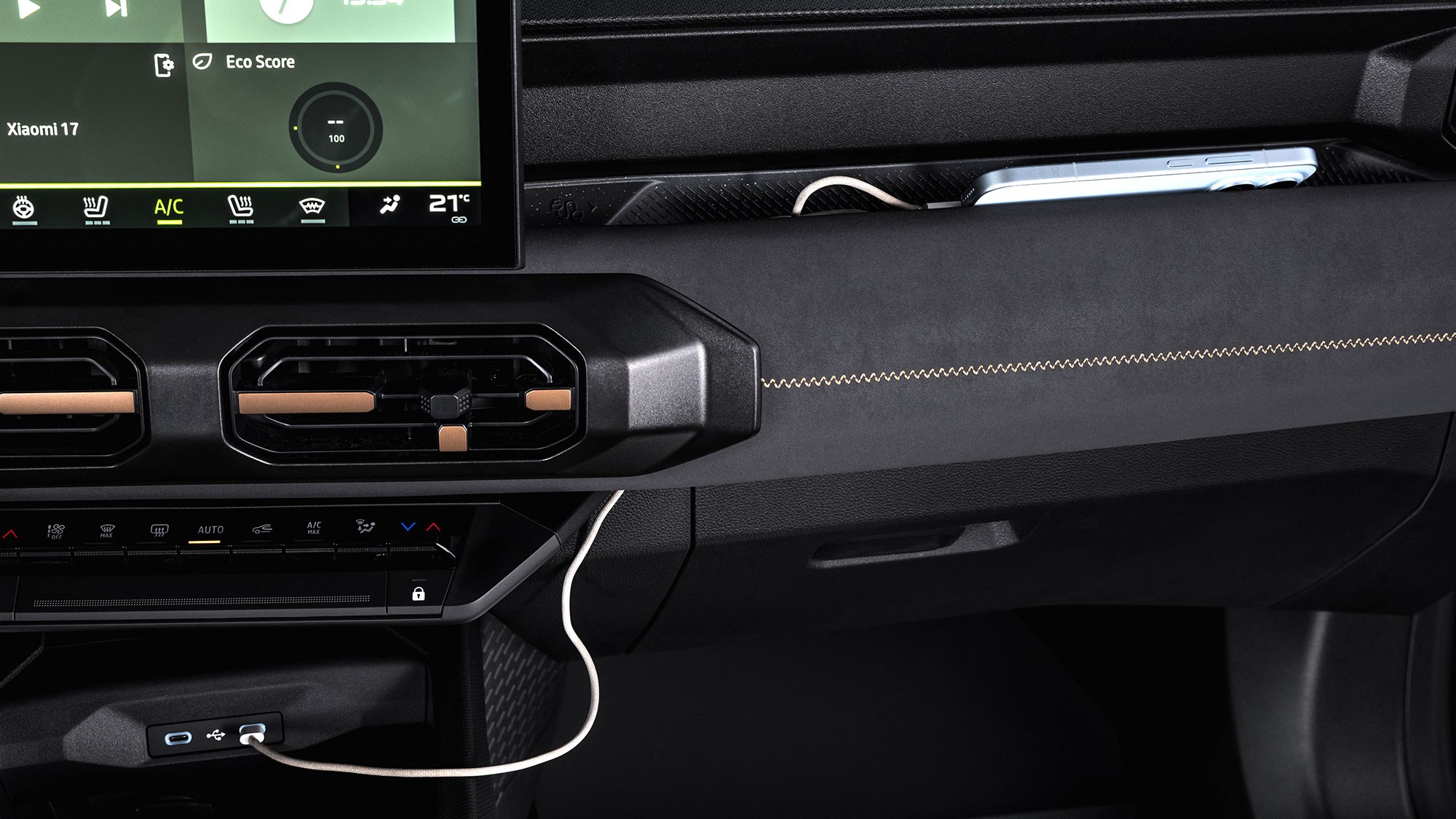
Dacia Striker (2026): charging cable gully
-
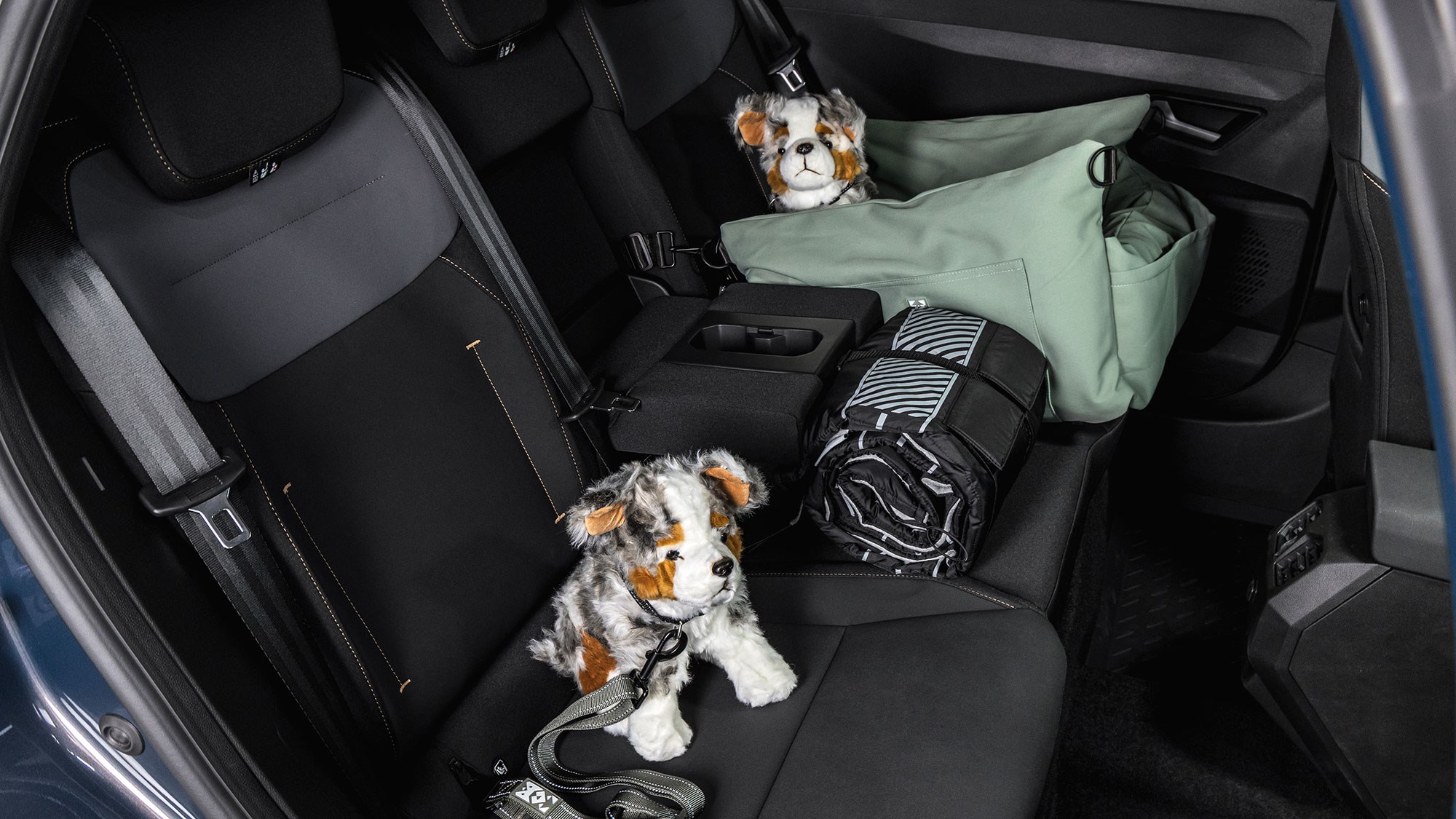
Dacia Striker (2026): pet and child accessories
-
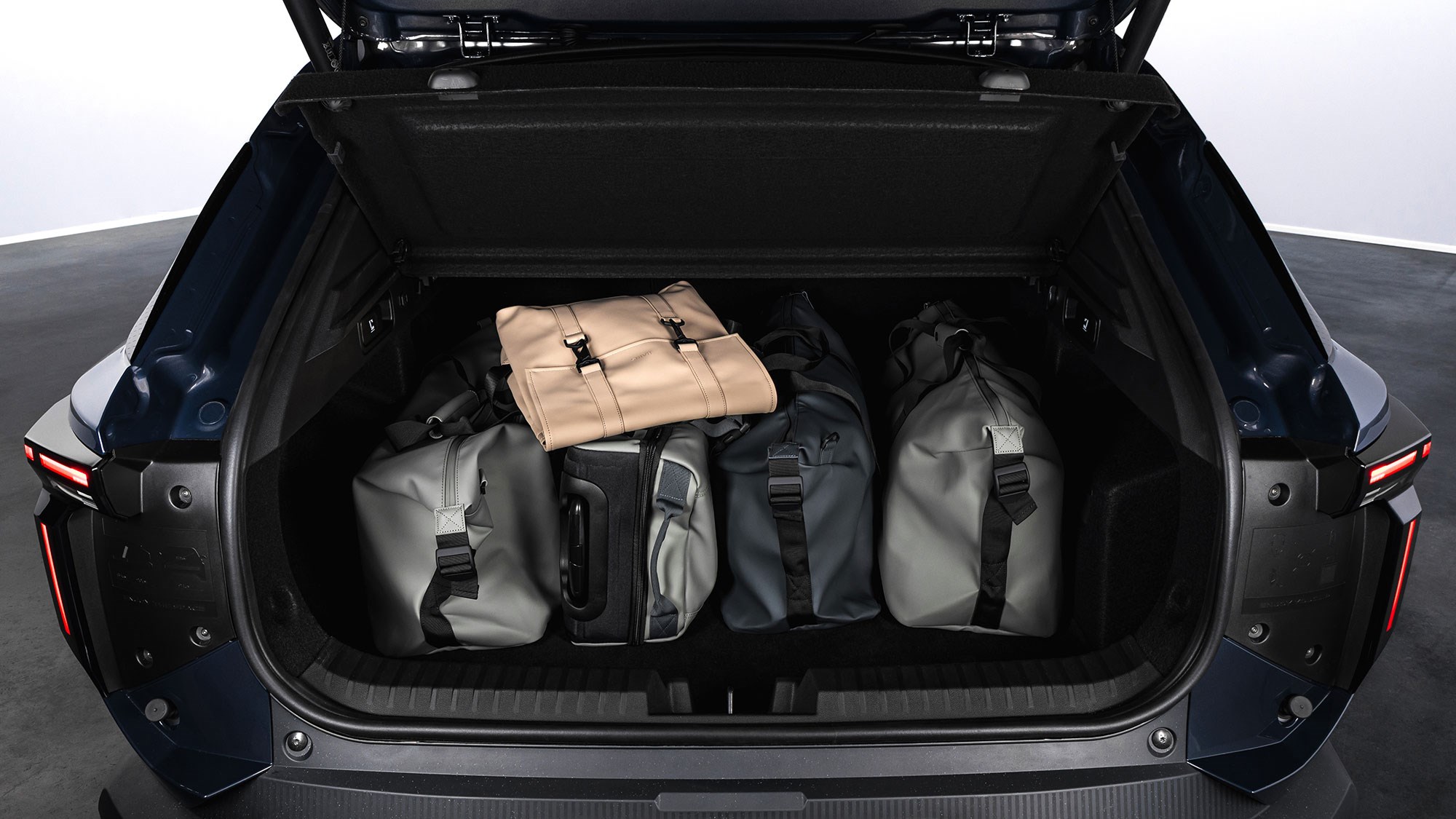
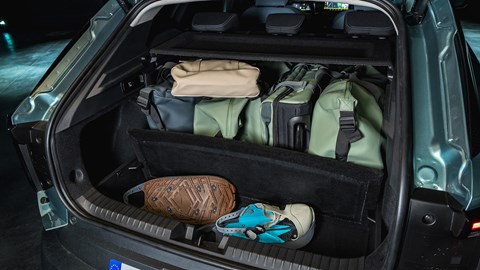
Dacia Striker (2026): boot space, loaded with luggage
-
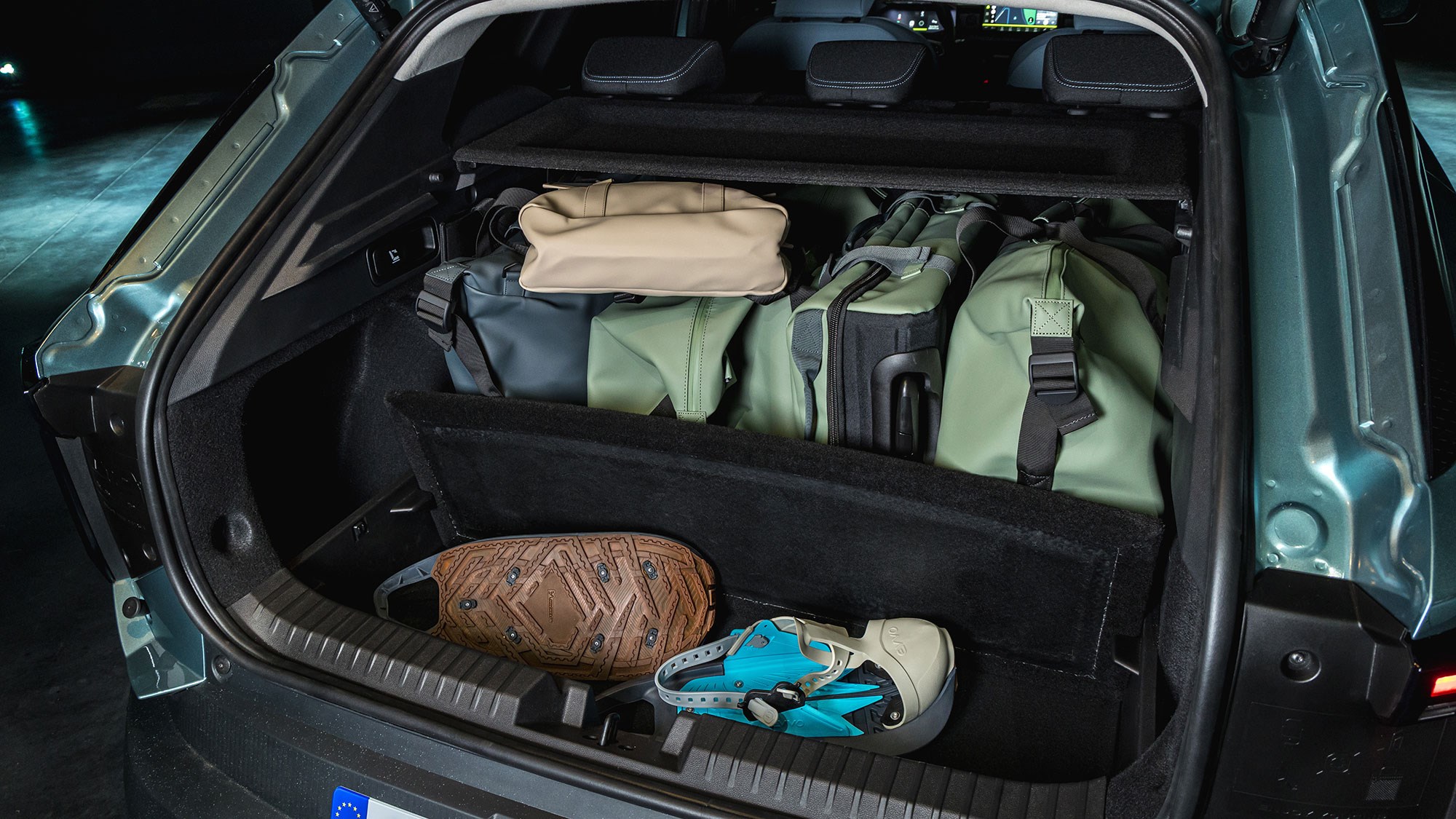
Dacia Striker (2026): boot space, loaded with luggage, showing boot boards
-
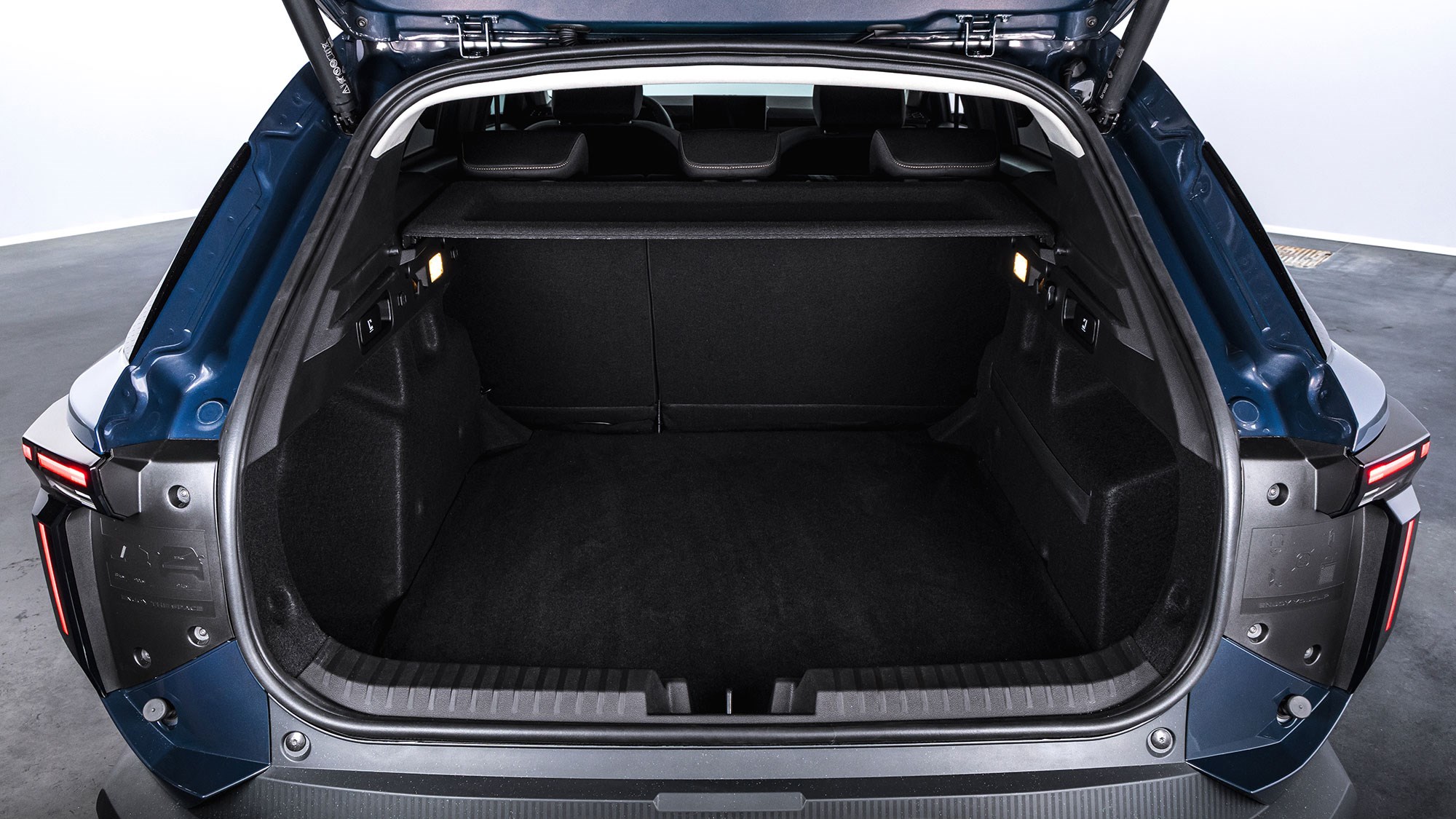
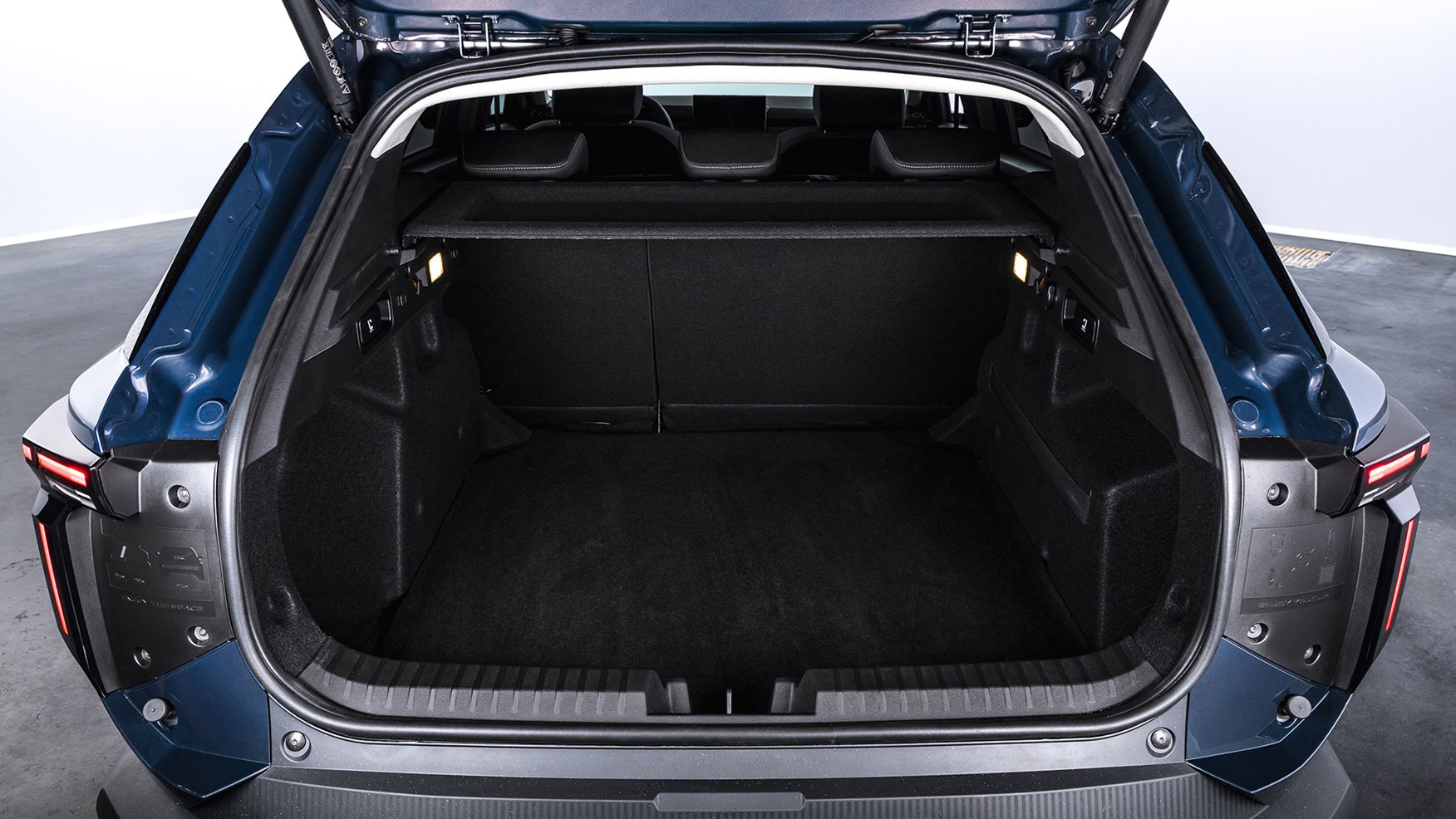
Dacia Striker (2026): boot space
► Dacia confirms more details on its new family car
► Choice of two hybrid systems, sub-£25,000 price
► And it looks like every car body style at the same time
Dacia has confirmed UK prices and specs for the Striker. The brand’s latest niche-busting family car will hit showrooms in early 2027 with a starting price of ‘under £25,000’ – and it’ll be available with either a 1.8-litre full hybrid powertrain or a mild-hybrid-equipped 1.2-litre with four-wheel drive system.
The Striker follows the similarly trailblazing Jogger, which combined the strengths of a wagon with those of an MPV to create a more versatile family motor. But the Striker sizes that philosophy up to the C-segment and takes it one step further.
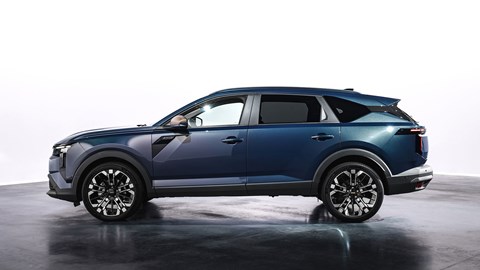
Dacia says the Striker blends the ‘convenience of an estate car’ with the ‘efficiency and performance of a saloon’ and the ‘off-roading capability of an SUV,’ which is a huge breadth of claimed ability for the money. The brand also hopes the car will lead the charge on its ambition to expand its C-segment market share from 20 per cent to 33 per cent by 2030.
That’s ambitious because, to meet that target, Dacia will need to haul buyers away from best-selling rivals such as the Kia Sportage and Nissan Qashqai. Loyalty like that is hard to beat but, considering the Striker will be at least £5000 cheaper than either competitor, Dacia might just pull it off. Scroll down to learn everything you need to know about the car.
What’s powering this Frankenstein’s monster?
There are two powertrains confirmed for the UK – a 1.8-litre full hybrid and a 1.2-litre mild hybrid with four-wheel drive. Some markets will also get an LPG model, but the fuel isn’t popular enough in the UK for Dacia to consider bringing it here.
The full hybrid system is the same 153bhp unit found in the Duster and the Bigster. It’s teamed with 1.4kWh battery which Dacia says can allow the Striker to potter around town on electric power alone for 80 per cent of the time. Fuel economy figures are yet to be finalised, but Dacia has confirmed this hybrid variant will have CO2 emissions of less than 100g/km. So, it should be cheap to tax.
The mild hybrid model is a little more interesting. It has an output of 148bhp, thanks to the combined efforts of the petrol engine, a small 48V electric motor up front and a beefier 30bhp electric motor at the rear with its own two-speed gearbox. That means it isn’t a full-time mechanical four-wheel drive system. It’s a part-time electrified setup, which Dacia says delivers better fuel economy.
At speeds of up to 87mph, the rear motor will only engage when it senses a loss of traction. But when you’re crawling along a trail in first gear, it sends 64lb ft of constant torque to the rear wheels to keep you moving. You also get a range of drive modes for different surfaces (such as mud or snow) and hill descent control. We’re keen to give it a go.
Is the Dacia Striker practical?
The figures certainly suggest it will be. Dacia says the Striker has 600 litres of boot space which, to put that into perspective, is only 90 litres less than what you get from the much larger Volkswagen Passat. Its boot is very configurable, too. You get a trio of hard boot boards that allow you to partition the space to stop heavy items like cases from crushing delicate items like laptop bags.
The cabin has some equally clever practicality solutions. The centre console alone offers 6.7 litres of storage and the interior is littered with Dacia’s trademark YouClip points that allow you to attach items such as cupholders, phone mounts and storage trays where they’re needed.
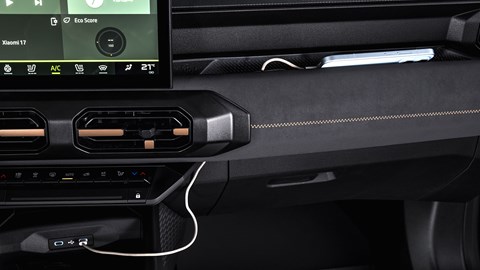
There’s also a cable gully between the storage compartment on the passenger side of the dashboard and the charging ports in the centre console, which should help keep the cabin looking tidy. And Dacia has nabbed a leaf from Skoda’s book by adding a concealed ice scraper in the dashboard’s closing panel. You can’t see it when the door’s shut.
Tell us more about the specs
From launch, there’ll be four versions of the Striker available, called Essential, Expression, Extreme and Journey. Prices for each trim are yet to be finalised, but we’ll update you as soon as Dacia releases them.
The Essential model comes as standard with 17-inch steel wheels, roof bars, rear parking sensors, air conditioning, all-round electric windows, a 7.0-inch digital gauge cluster and 10.1-inch infotainment system with smartphone mirroring.
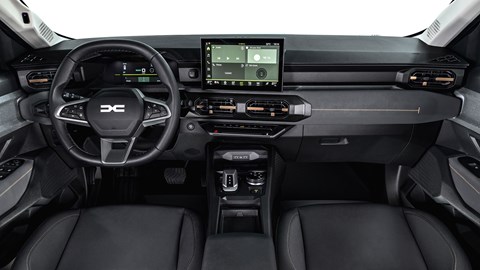
The Expression trim builds on this with 17-inch alloys, automatic air conditioning, a couple of extra USB ports and an electric parking brake. You also get a higher centre console with a built-in armrest and power-folding mirrors.
Dacia’s Extreme trim is aimed at outdoorsy folk who spend their weekends scaling mountains or furiously pedalling through forests. Upgrades over the Expression trim include rubber floor mats, harder-wearing seat upholstery, and a panoramic sunroof. You get a bit of extra tech, too, including a 10.0-inch touchscreen, a 10.0-inch gauge cluster and hill descent control.
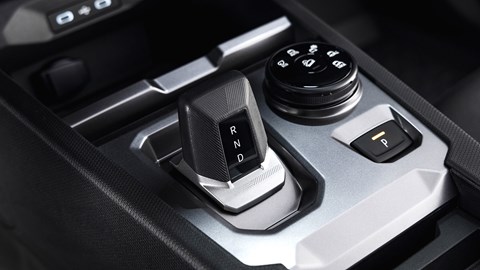
The Journey model (pictured) also uses the Expression trim as its starting point, but it focuses on comfort rather than adventuring. Additions include heated front seats, a heated steering wheel, an automatic tailgate and a wireless smartphone charger.
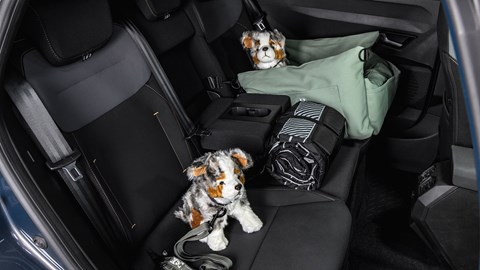
Dacia will also sell a few accessories for the Striker, including a racetrack blanket for your kids, a storage net to keep the cabin looking tidy, a pet car seat and a 480-litre roof box.
Stay tuned for our review. With any luck, we’ll be driving it towards the end of this year. We’re very much looking forward to learning how it stacks up against its more traditional SUV rivals.
console.debug(‘taboola container loaded..’)
window._taboola = window._taboola || [];
_taboola.push({
mode: ‘thumbs-feed-1×1’,
container: ‘taboola-below-article-thumbnails-v3’,
placement: ‘Below Article Thumbnails V3’,
target_type: ‘mix’
});
Dacia Striker (2026): front three quarter, blue paint, low angle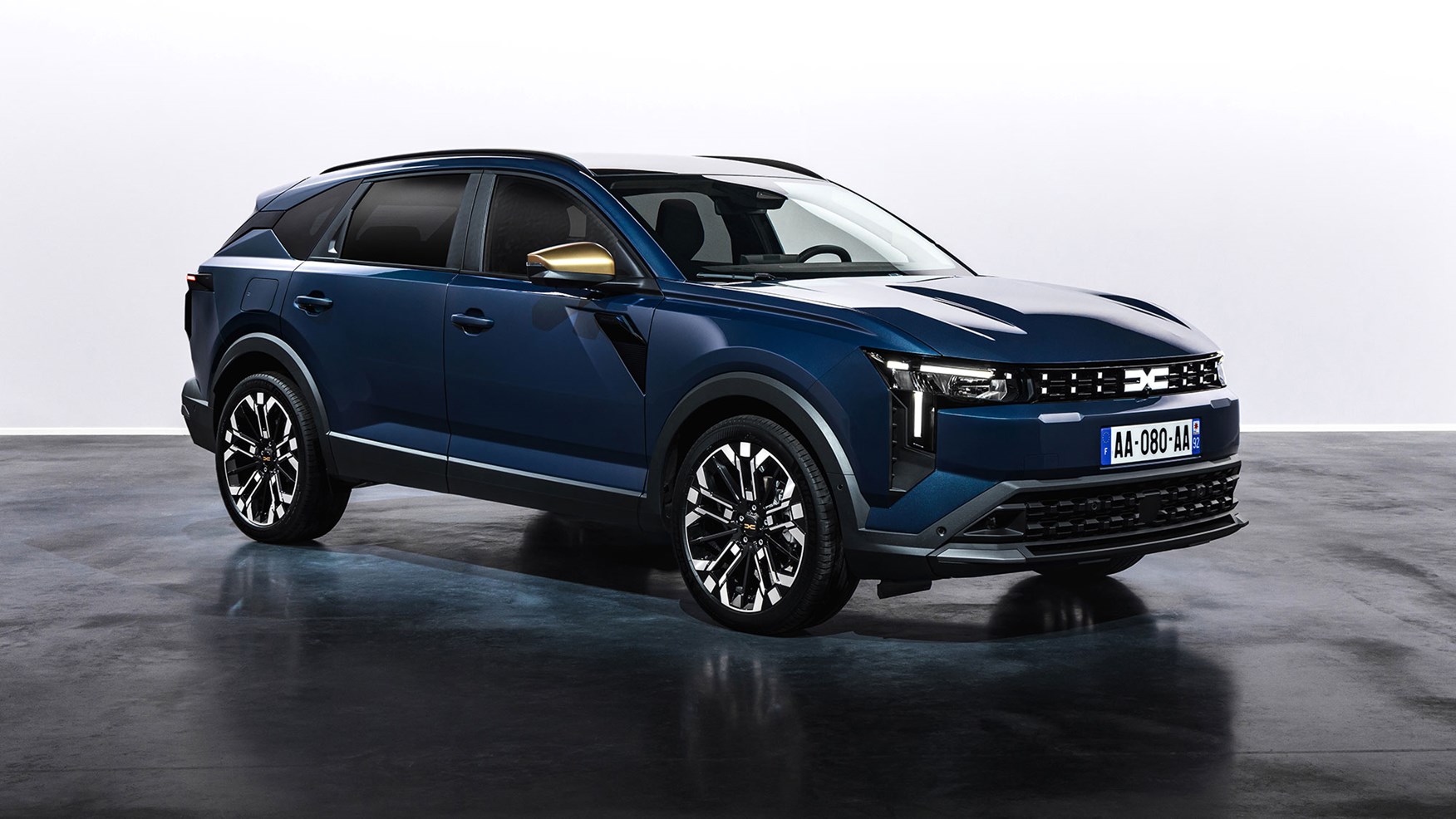
Dacia Striker (2026): rear three quarter, blue paint, low angle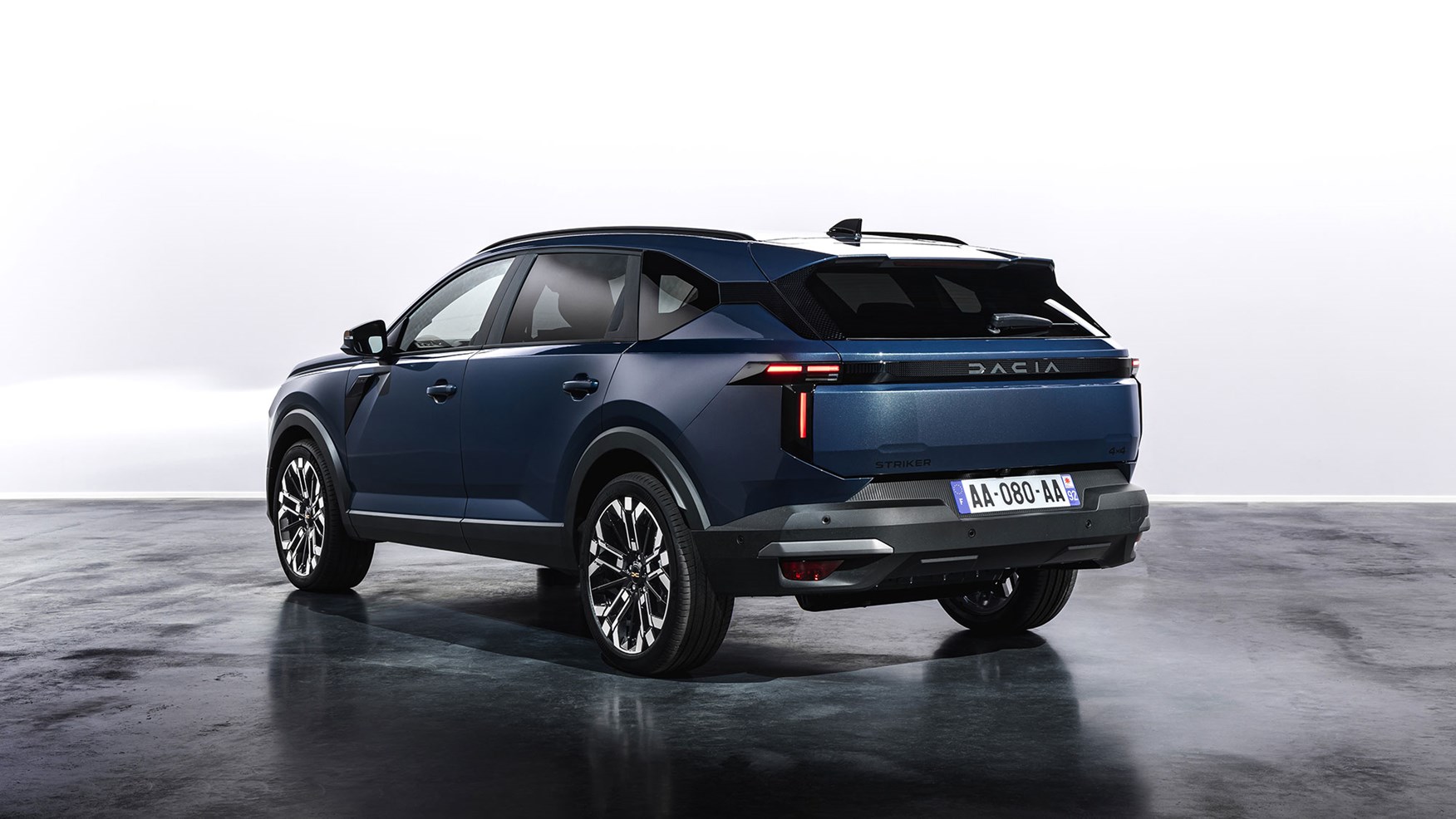
Dacia Striker (2026): front three quarter, blue paint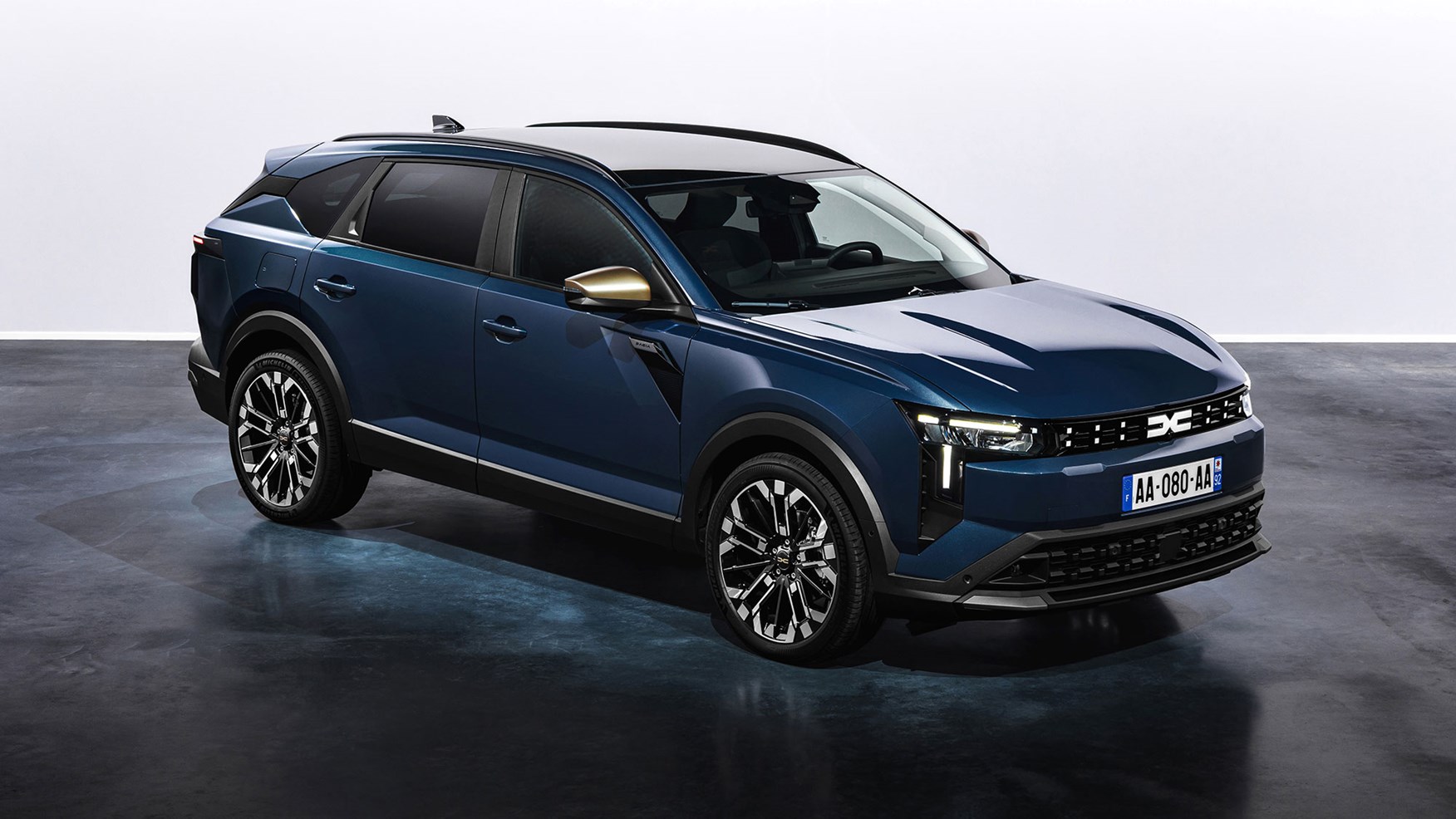
Dacia Striker (2026): front, blue paint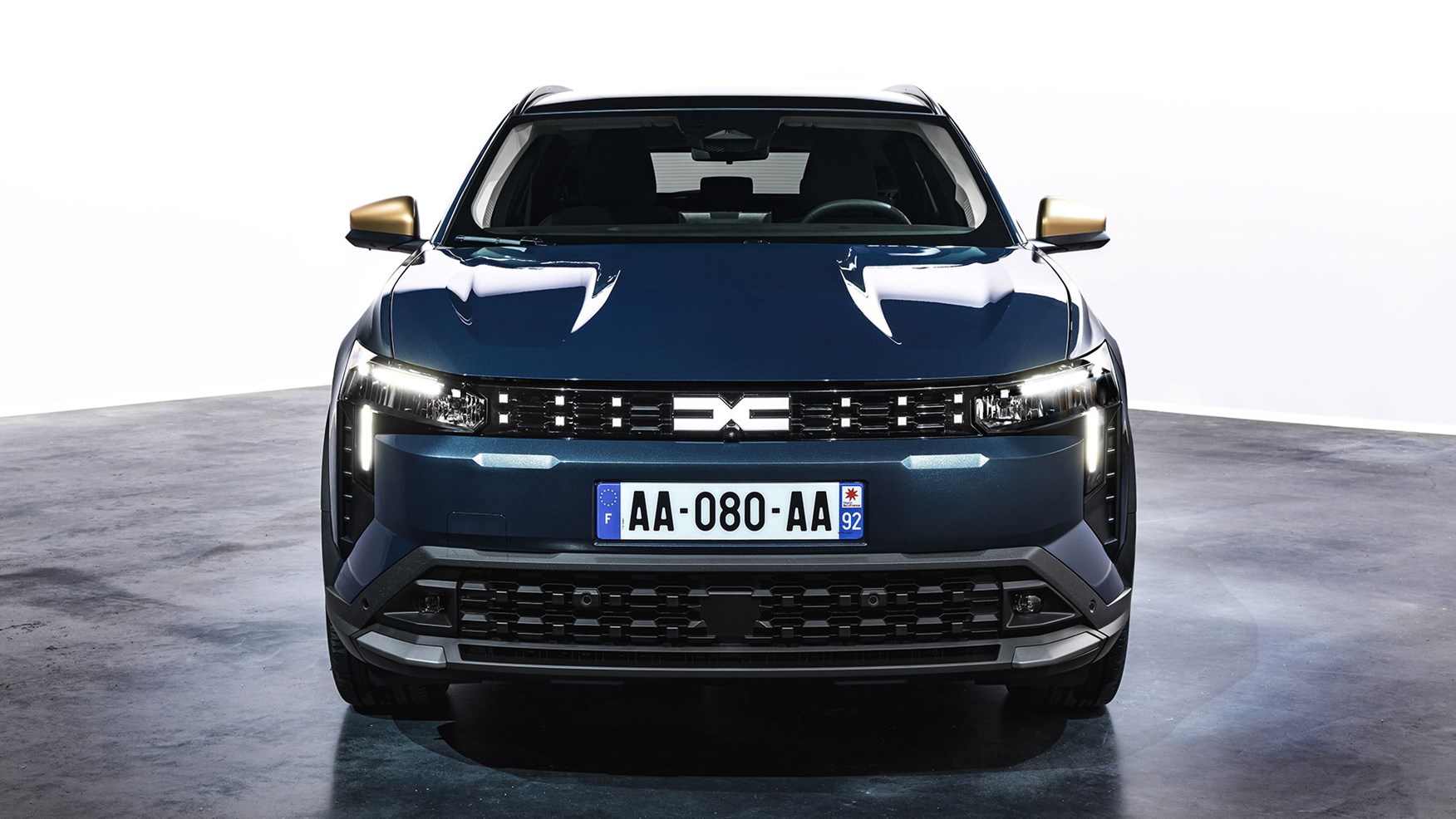
Dacia Striker (2026): side view static, blue paint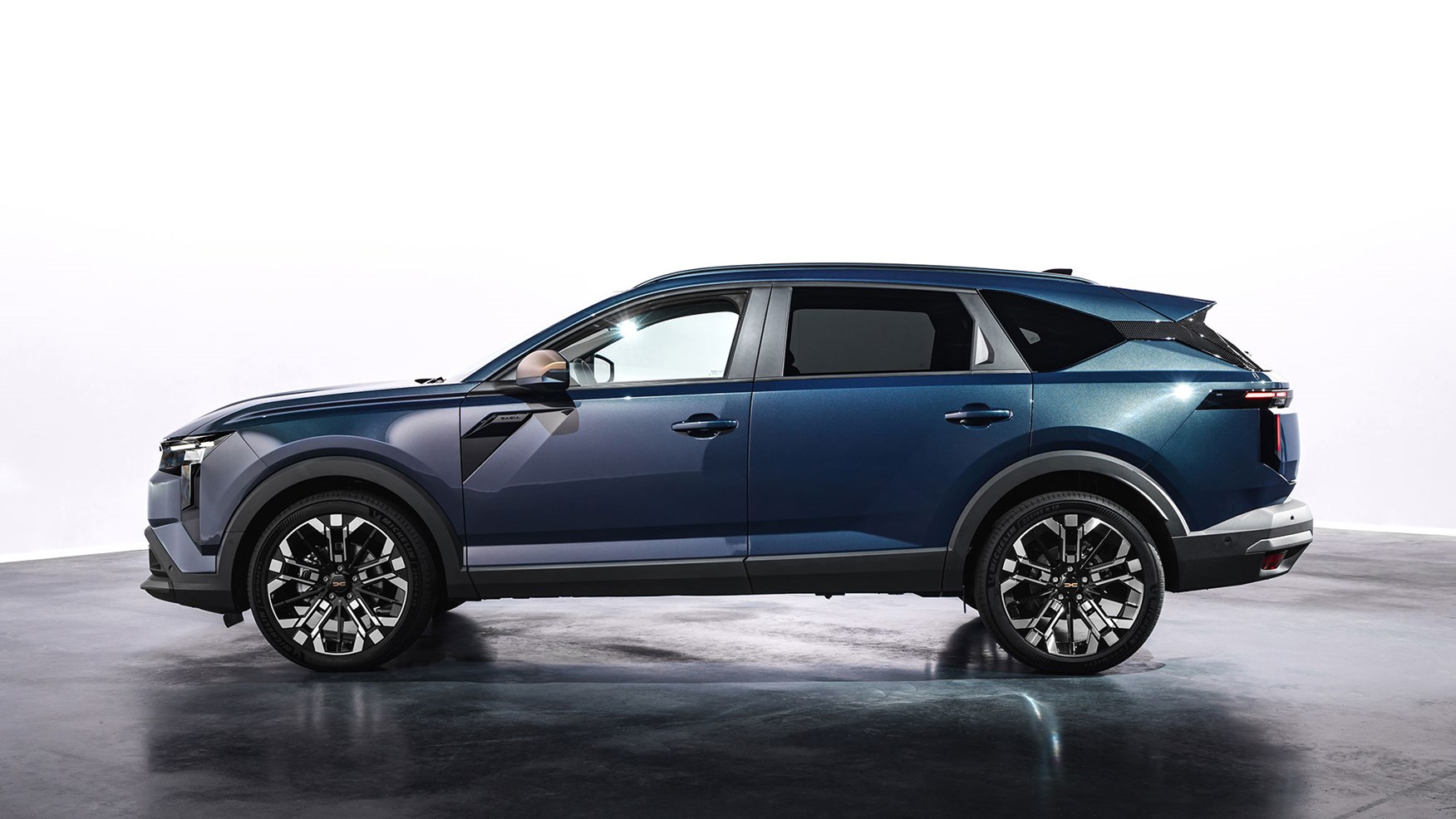
Dacia Striker (2026): rear three quarter static, blue paint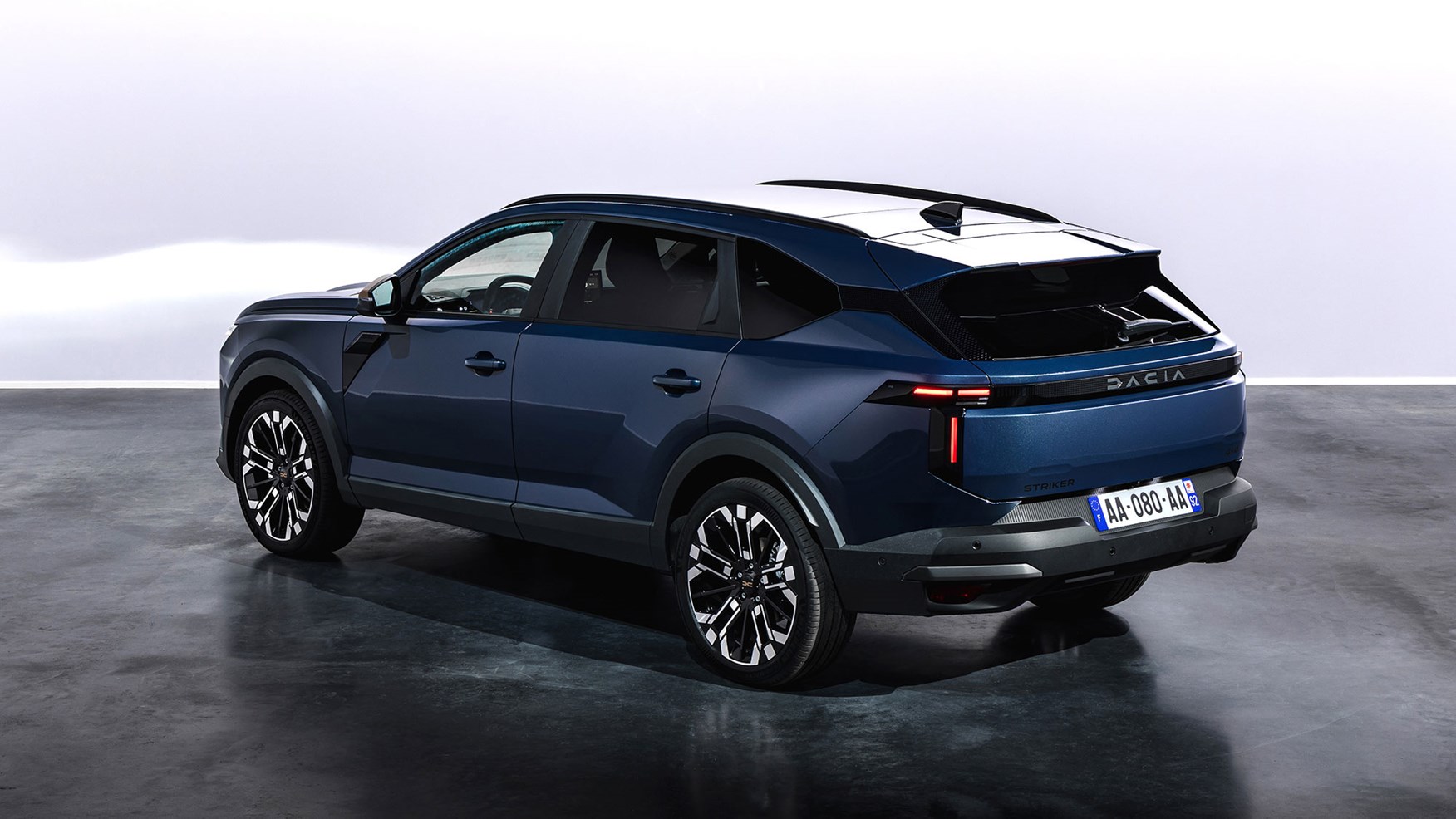
Dacia Striker (2026): rear static, blue paint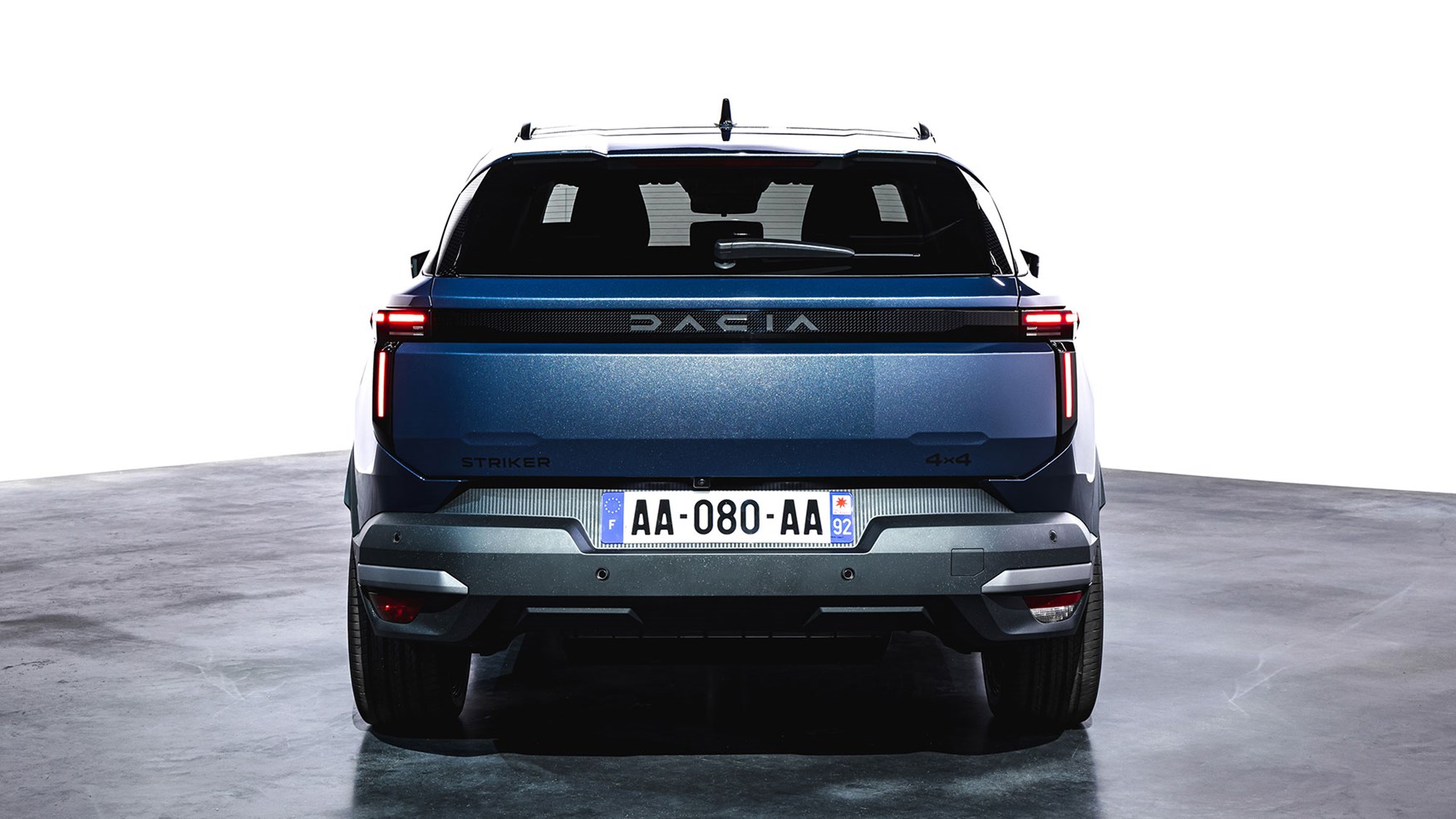
Dacia Striker (2026): headlight detail, blue paint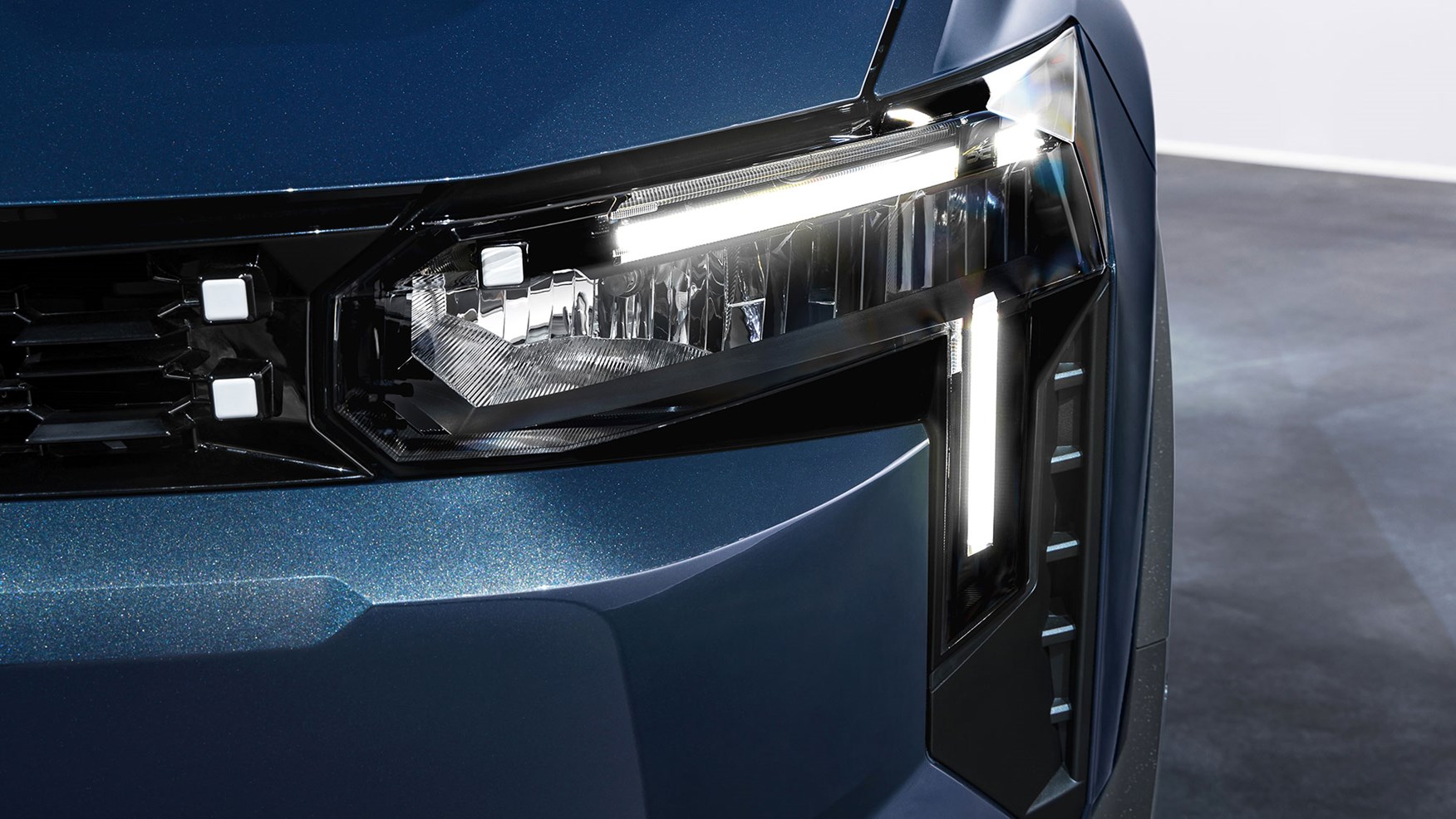
Dacia Striker (2026): door mirror detail, blue and orange paint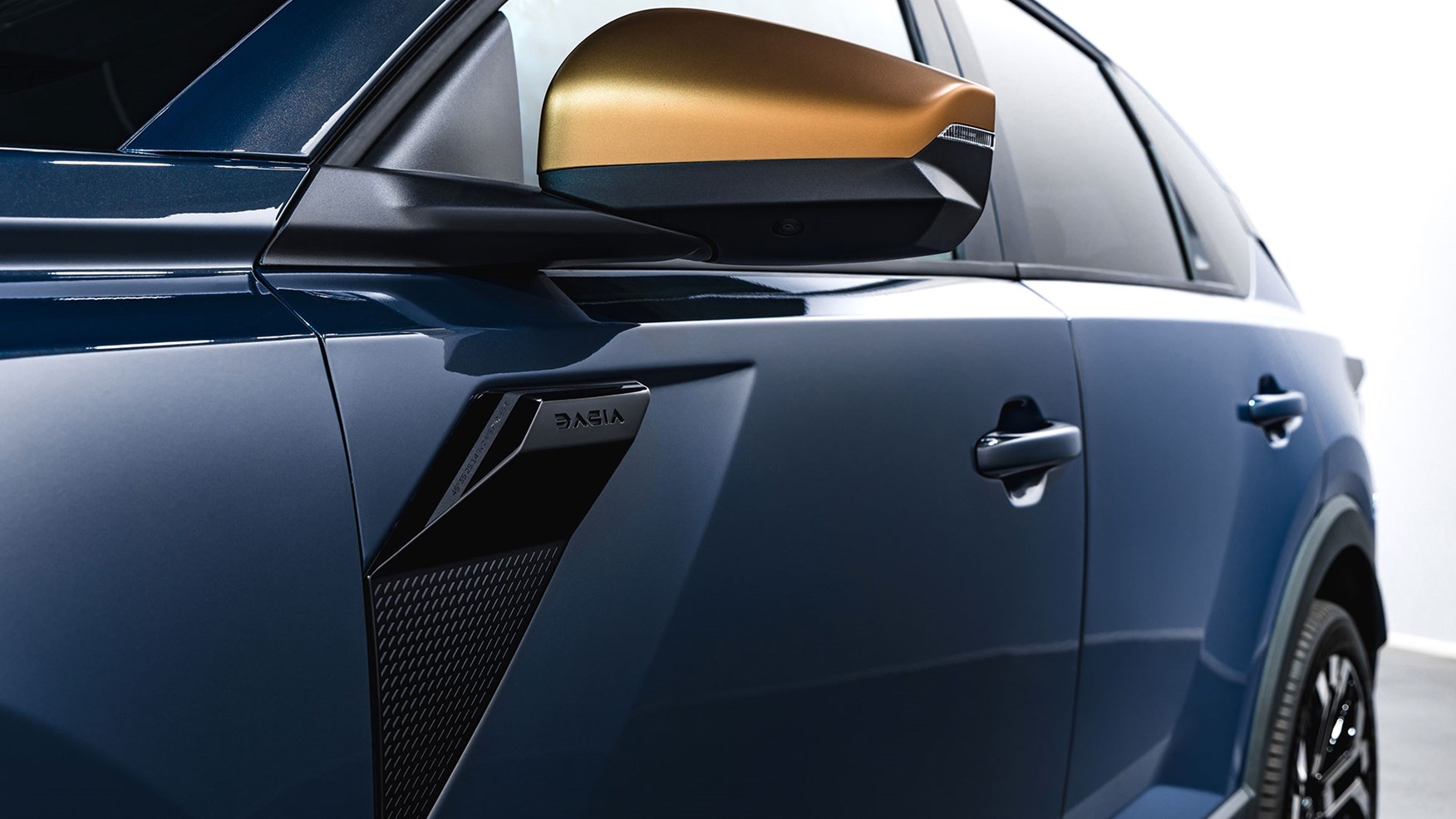
Dacia Striker (2026): dashboard and infotainment system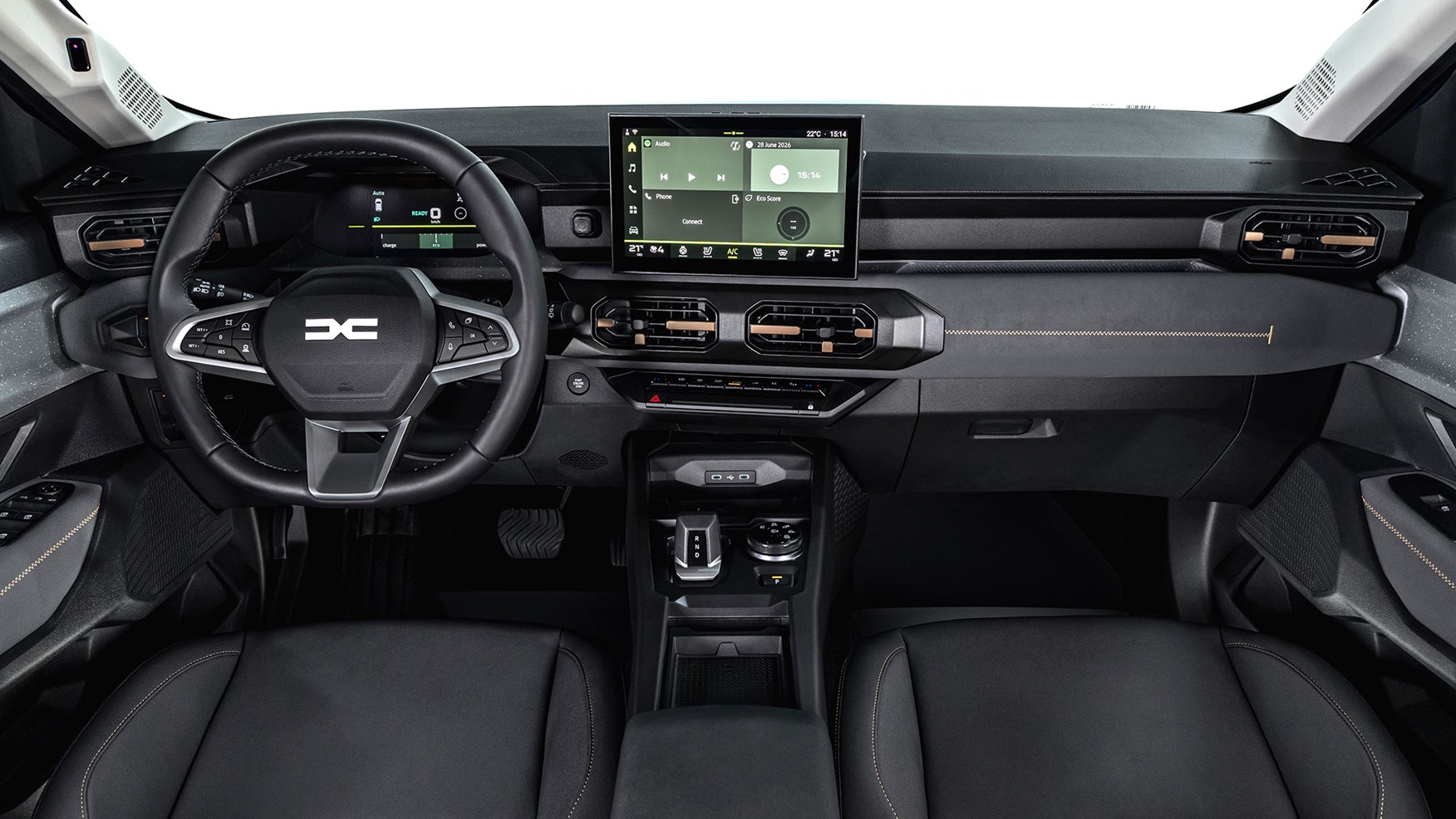
Dacia Striker (2026): front seats, grey upholstery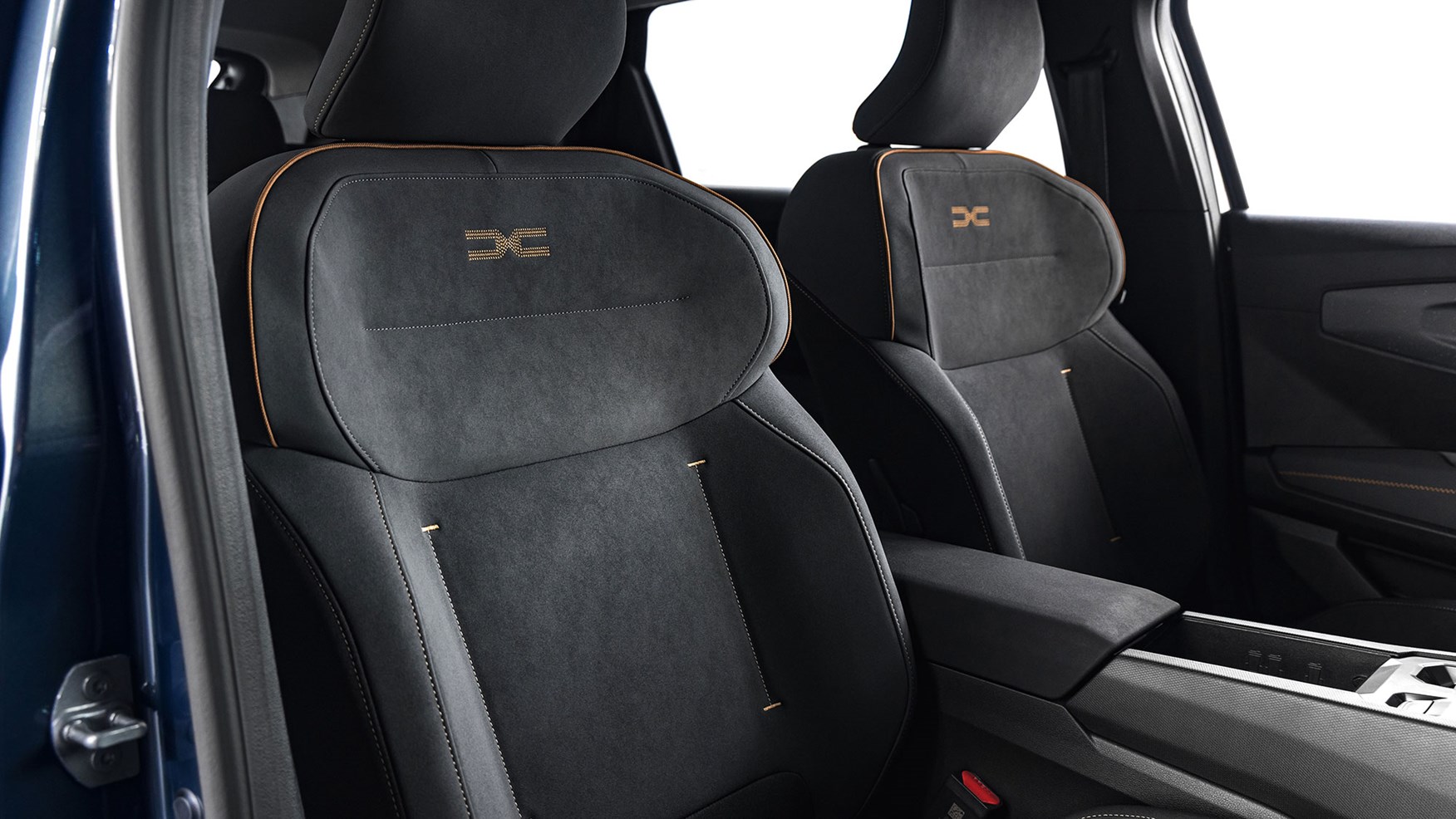
Dacia Striker (2026): rear seats, grey upholstery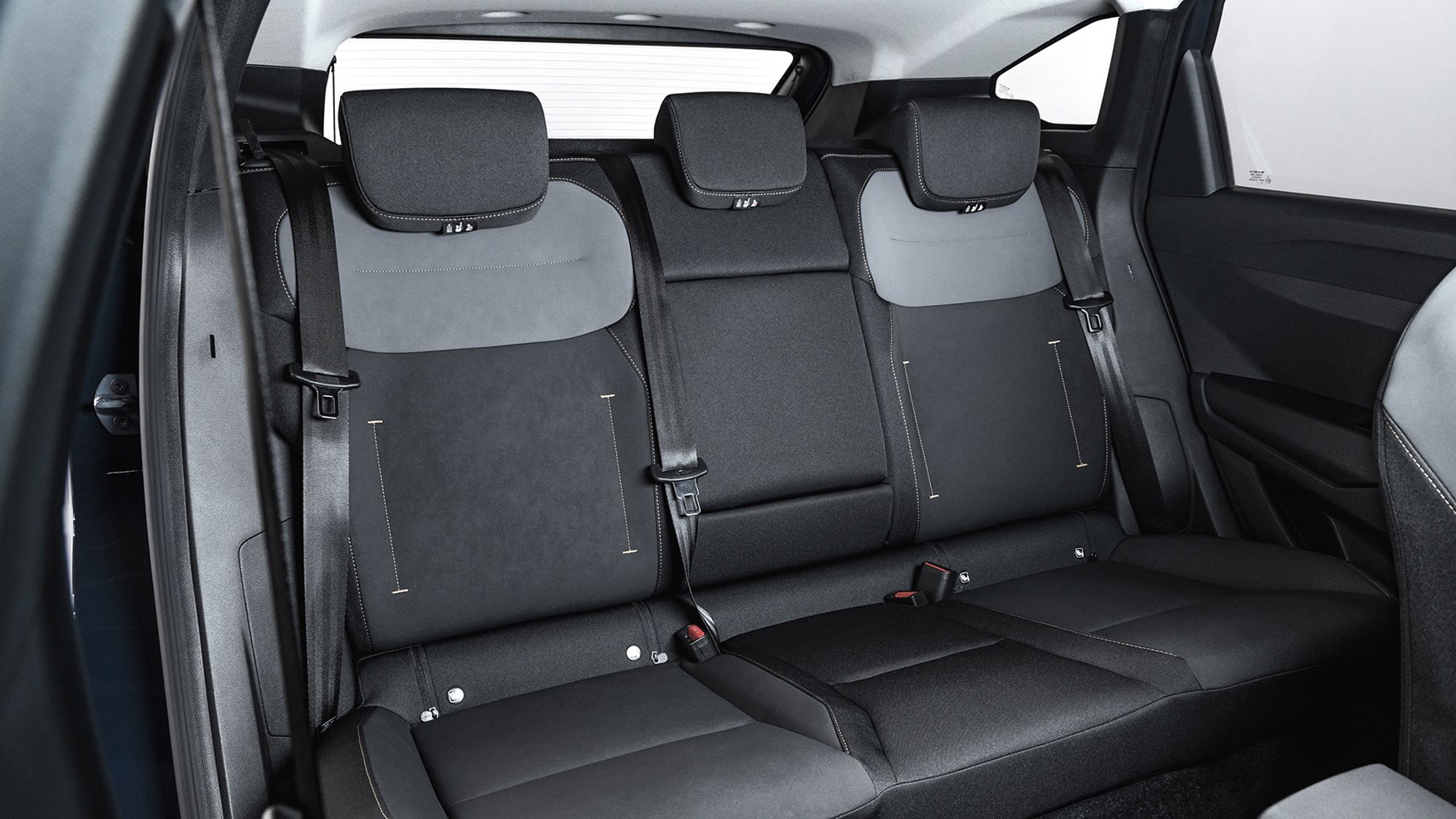
Dacia Striker (2026): gear selector and drive mode switch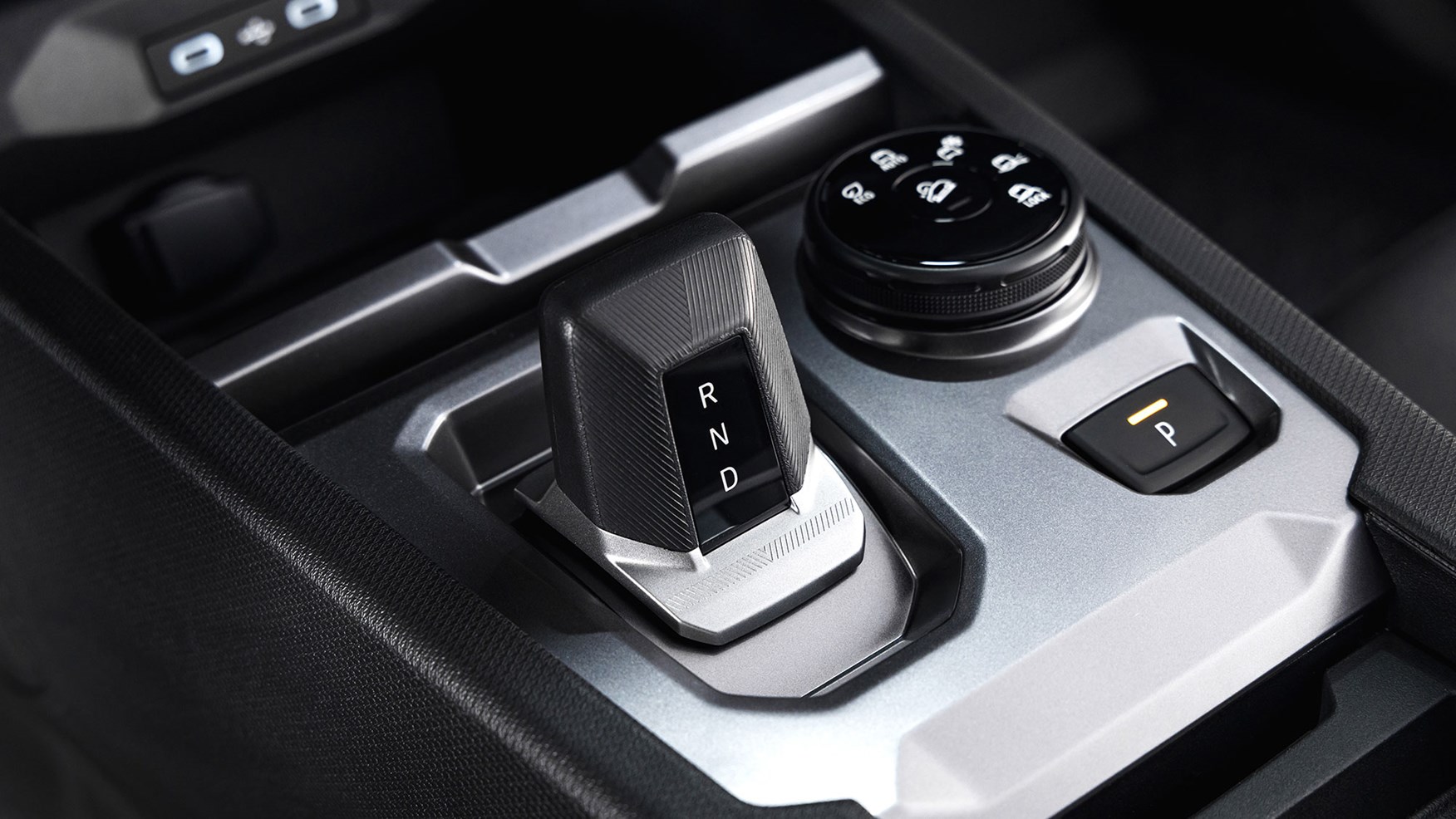
Dacia Striker (2026): dashboard from passenger side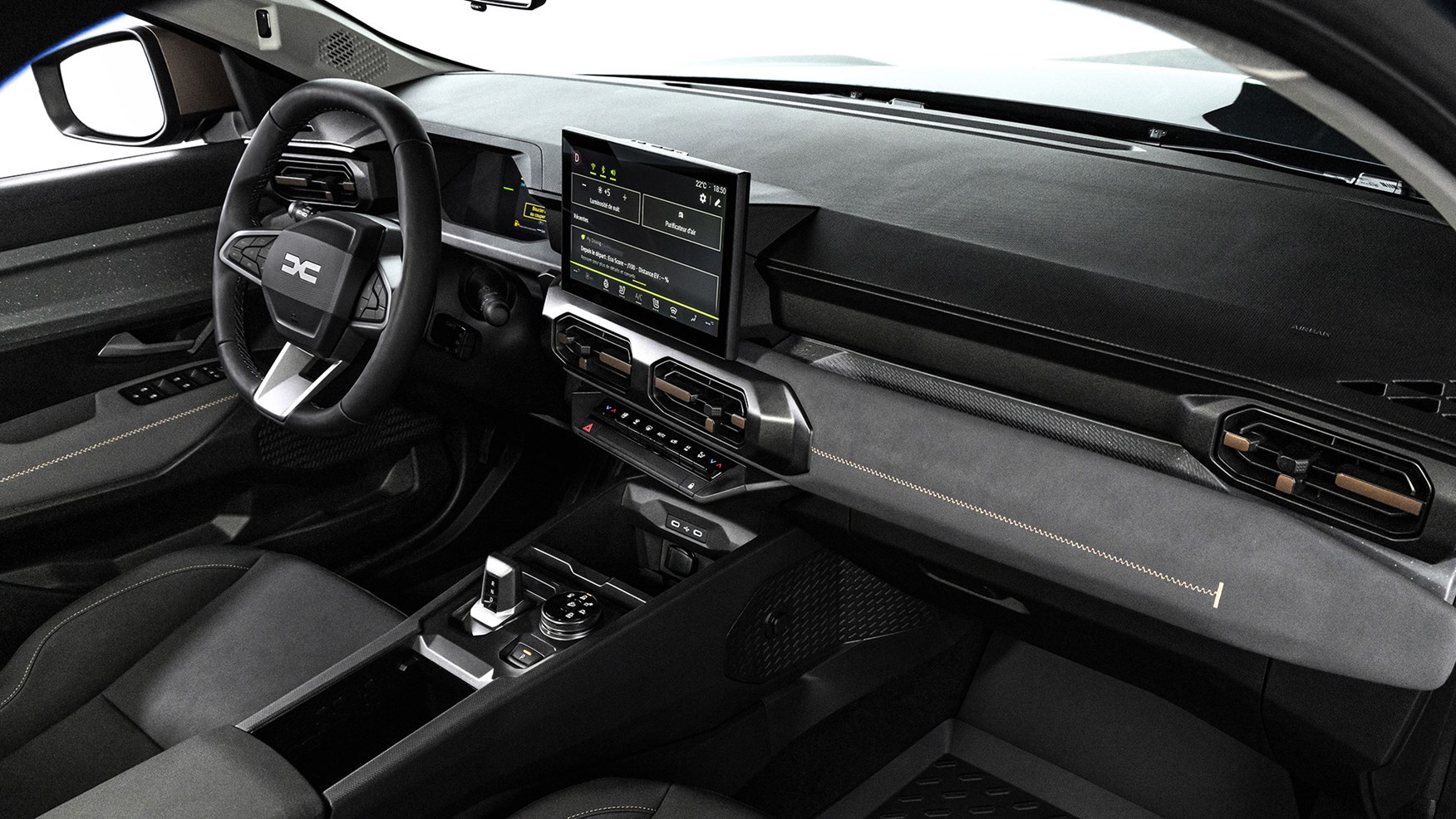
Dacia Striker (2026): YouClip bottle holder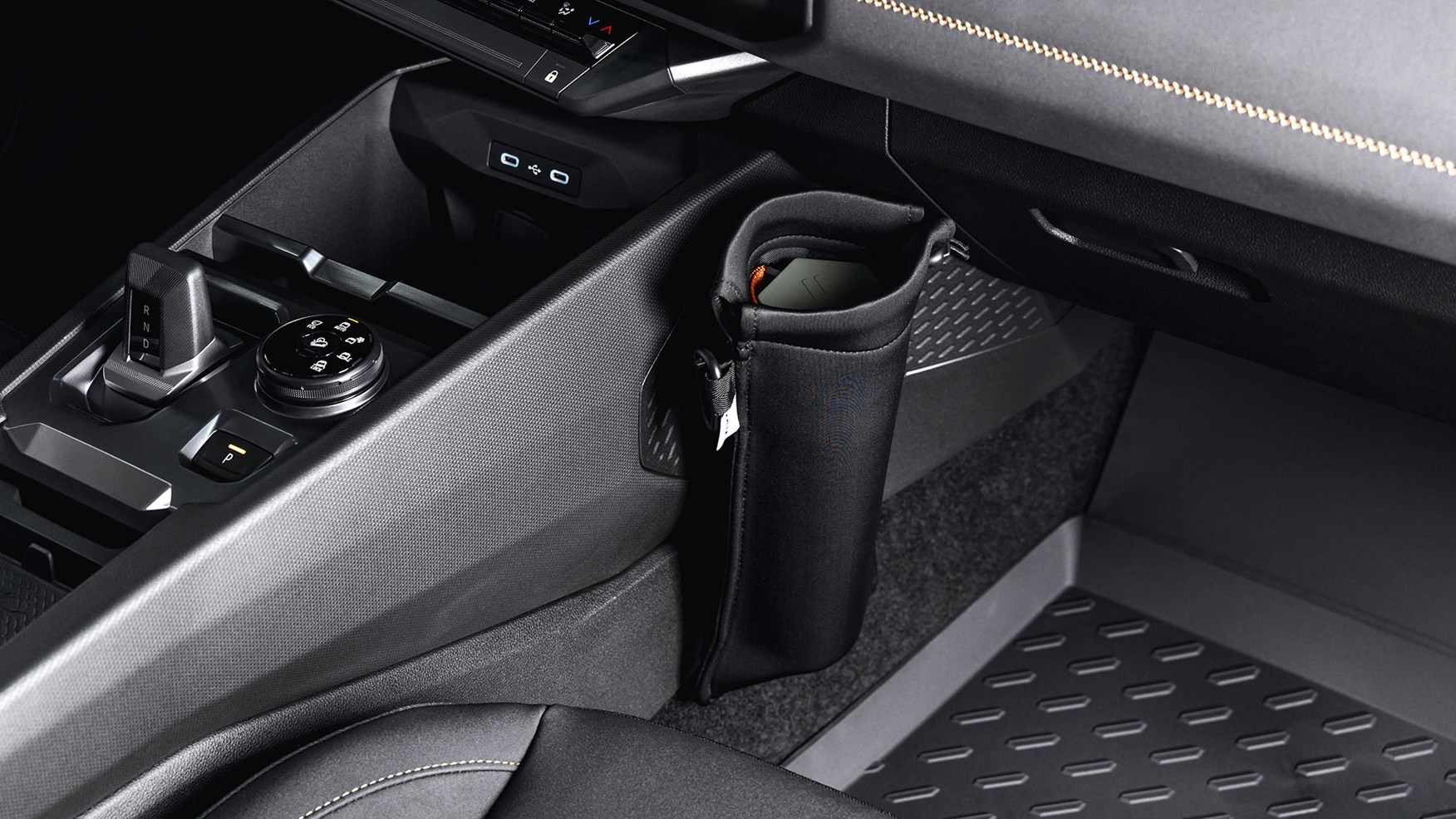
Dacia Striker (2026): infotainment system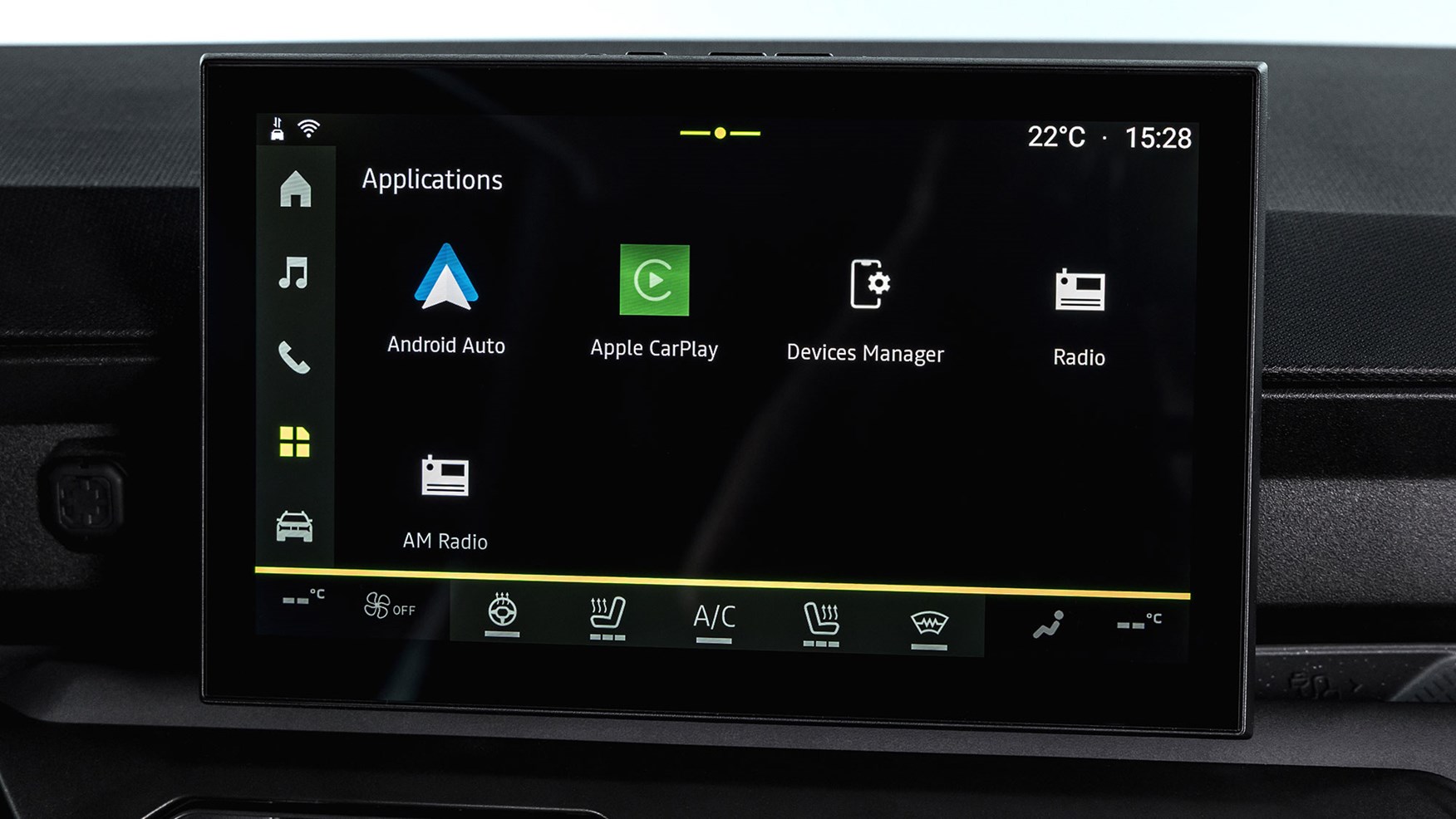
Dacia Striker (2026): charging cable gully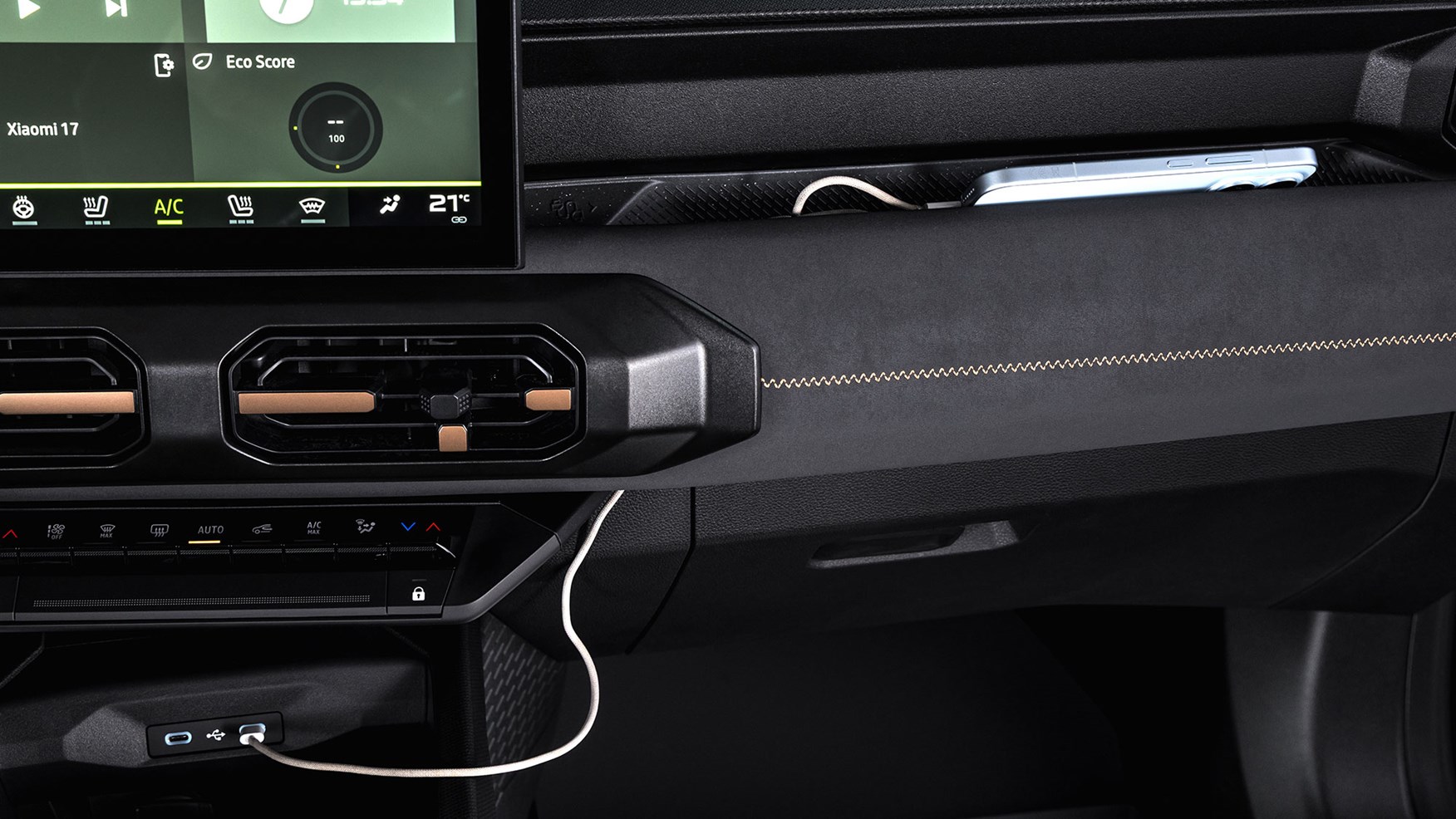
Dacia Striker (2026): pet and child accessories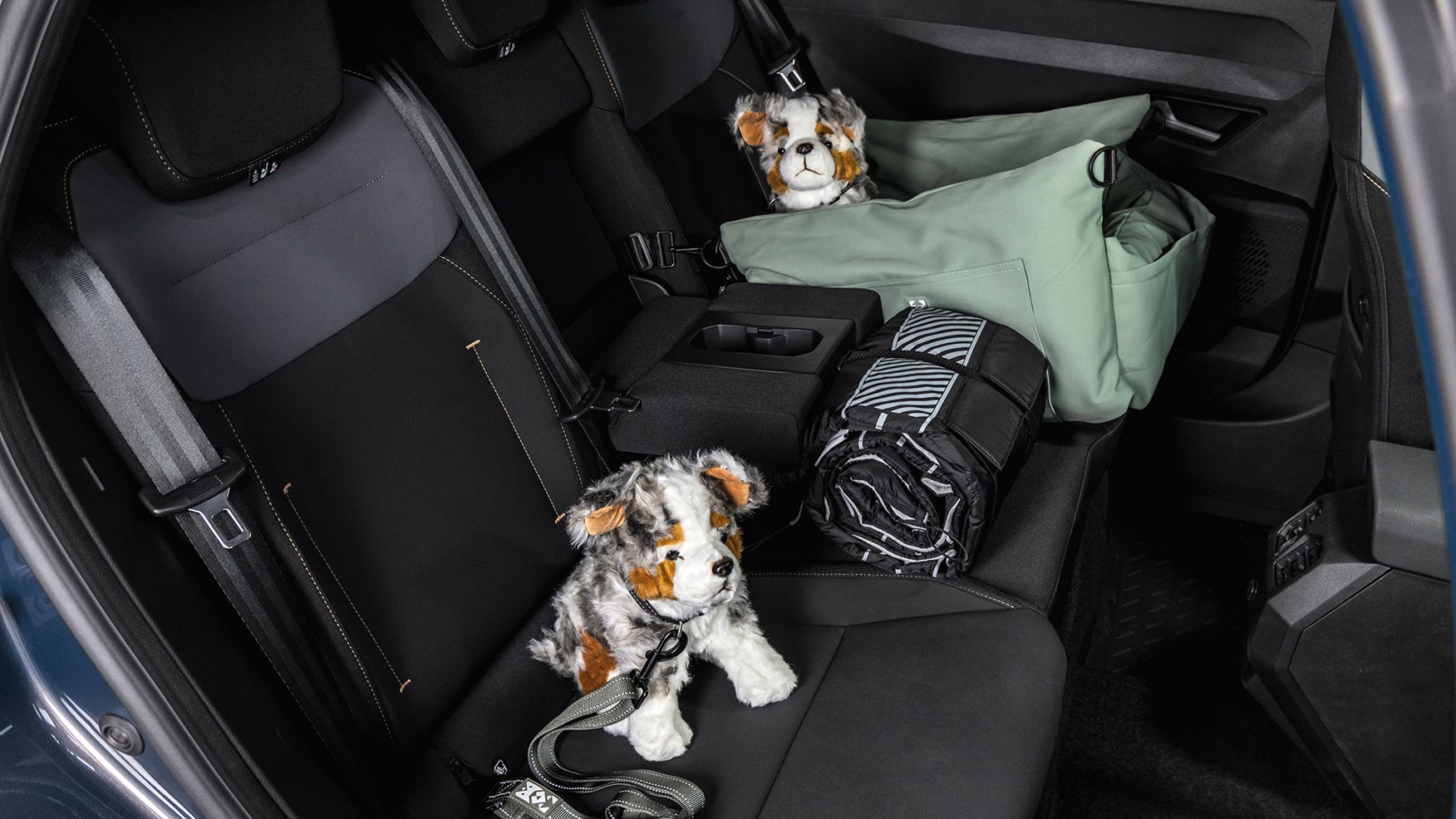
Dacia Striker (2026): boot space, loaded with luggage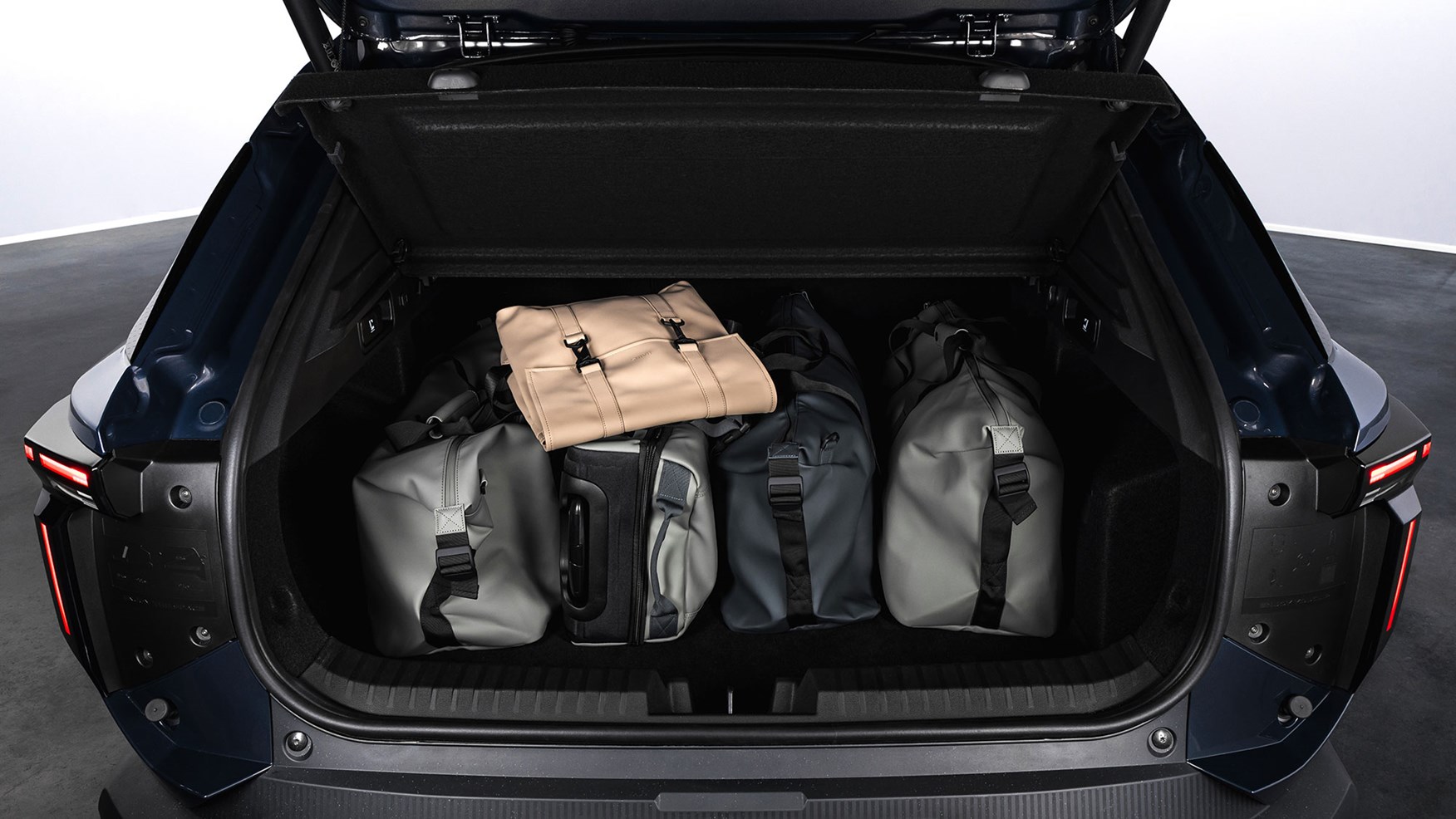
Dacia Striker (2026): boot space, loaded with luggage, showing boot boards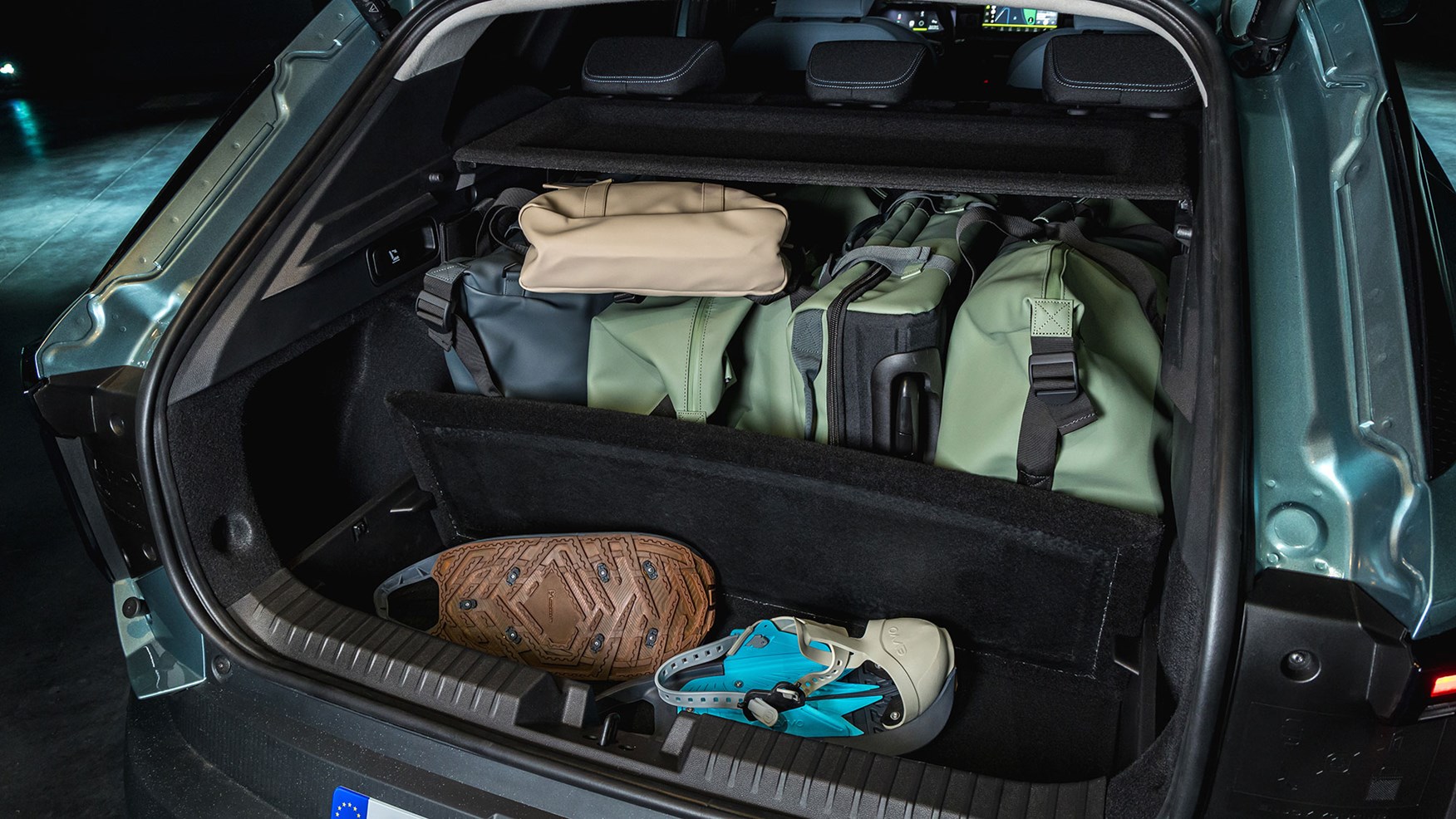
var disqus_shortname = ‘carmagazine’;
var disqus_developer = 0;
var disqus_identifier = ‘article-wp-267698’;
(function () {
var dsq = document.createElement(‘script’);
dsq.type = ‘text/javascript’;
dsq.async = true;
dsq.src = ‘http://’ + disqus_shortname + ‘.disqus.com/embed.js’;
(document.getElementsByTagName(‘head’)[0] || document.getElementsByTagName(‘body’)[0]).appendChild(dsq);
var s = document.createElement(‘script’);
s.type = ‘text/javascript’;
s.async = true;
s.src = ‘http://’ + disqus_shortname + ‘.disqus.com/count.js’;
(document.getElementsByTagName(‘head’)[0] || document.getElementsByTagName(‘body’)[0]).appendChild(s);
})();Please enable JavaScript to view the comments powered by Disqus.