[analyse_image type=”featured” src=””]
Daily Newsletter
Inside Akira Ikezoe’s Studio
The Whitney Biennial artist on humor and climate change, plus an unsung AbEx painter gets his due.

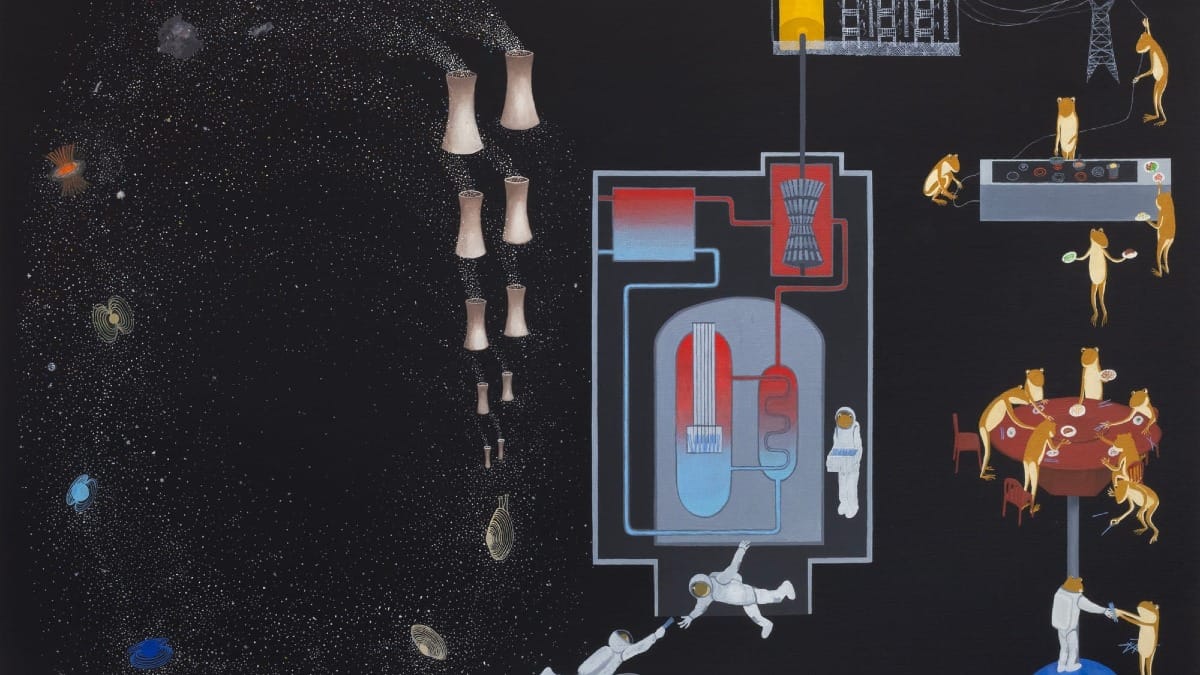
Akira Ikezoe’s schematic paintings, on view in the Whitney Biennial and Greater New York, are unmistakably his. Teeming with frogs, robots, and bears caught up in flowcharts of labor and industry, their dark humor resonates deeply with our current moment. Curator Sofia Thiệu D’Amico met the artist at his studio to discuss environmental catastrophe, parenthood, his childhood in Japan, and more.
More, as always, including John Yau on Charles Seliger’s intricate cellular visions and A View From the Easel with Arghavan Khosravi, whose ethereal shaped paintings alchemize familial memory and art history.
—Lakshmi Rivera Amin, associate editor
Akira Ikezoe’s Frogs and Bears Have Something Urgent to Tell Us
Akira Ikezoe welcomes me into his studio. [He had previously] introduced me to his Baby Recipes series (2022), in which babies’ body parts become ingredients in illustrated, comic-style cooking guides. In the studio, I ask where the idea came from.
“Frustrations around raising my three-year-old son,” he responds.
We laugh. It is precisely this dark humor that initially fascinated me, and it continues to suffuse Ikezoe’s work, which deals with energy systems, resource extraction, and the ambiguities of natural and industrial cycles alike. Laughter comes easily with Ikezoe, whose frankness about morbid subjects is immediately disarming. The cartoonish earnestness of both artist and artwork belies a sharp attentiveness to the environmental and human-engineered catastrophes unfolding around us. Humor becomes the concealed vessel for his satire. | Sofia Thiệu D’Amico
Read More
News
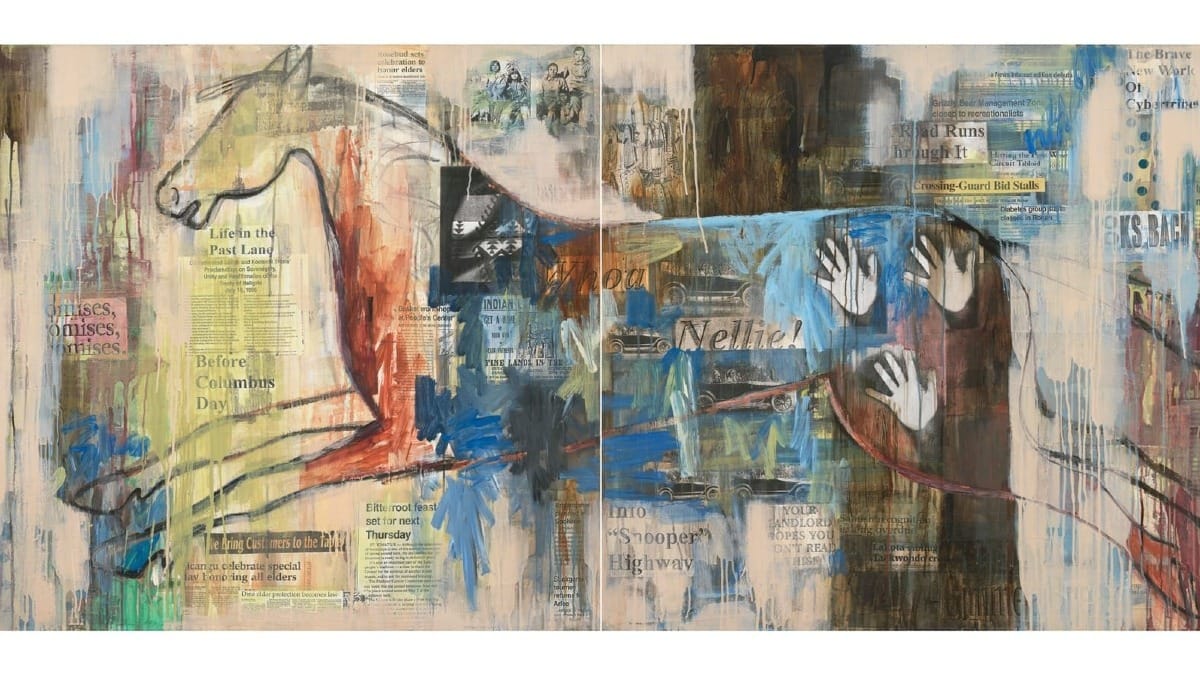
- Eight years after Aljira abruptly closed, the Newark Museum of Art will present a group exhibition tracing the artist-led space’s 35-year history of showcasing works by underrepresented artists and nurturing the careers of major, globally recognized figures.
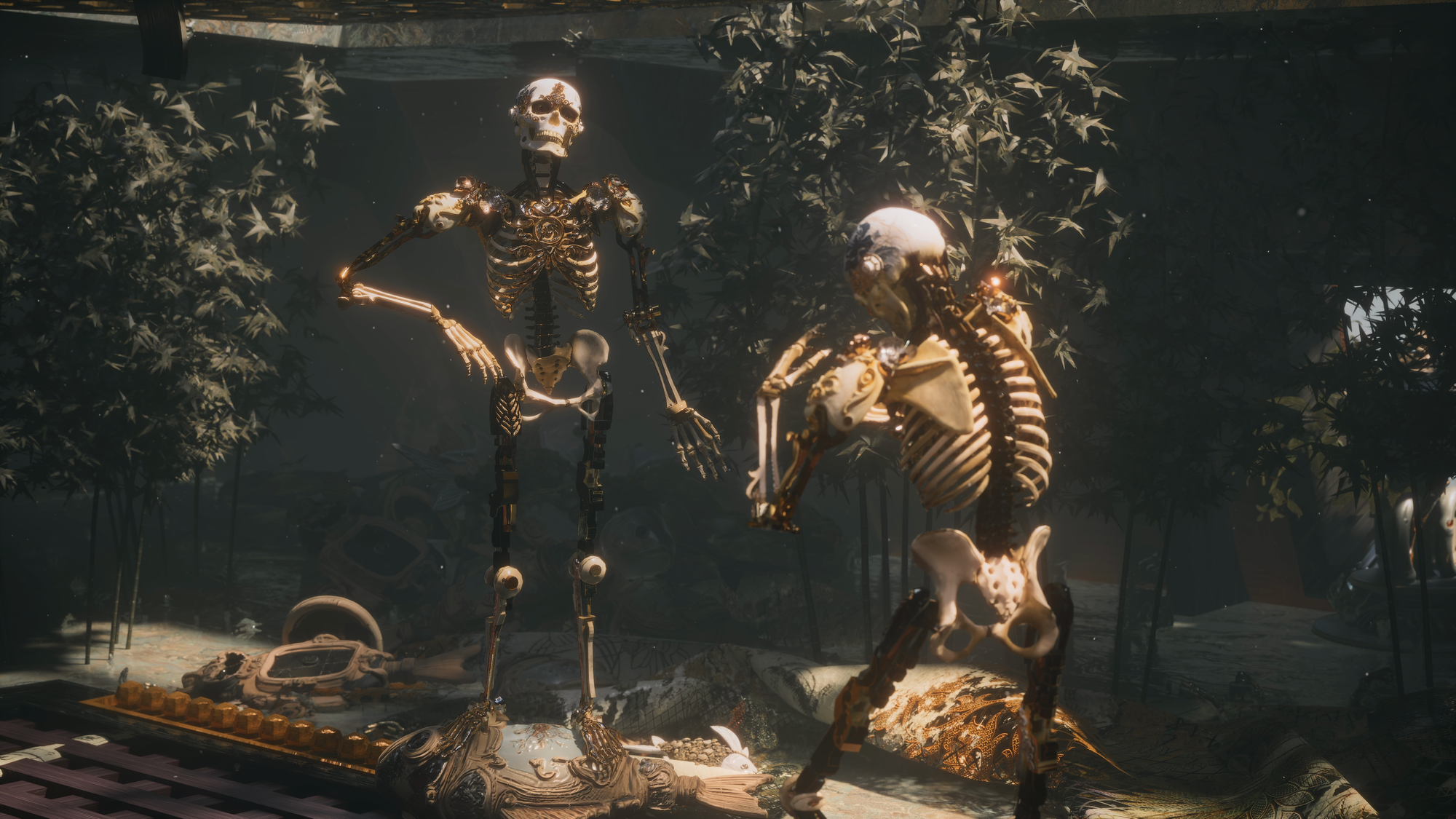
Open Call: The 7th VH AWARD for Media Artists Engaged with the Context of Asia
Supporting media artists with production grants, global exhibitions, and an expanded online residency with Ars Electronica.
Learn more
Art Review
Charles Seliger Painted Nature’s Invisible Architecture
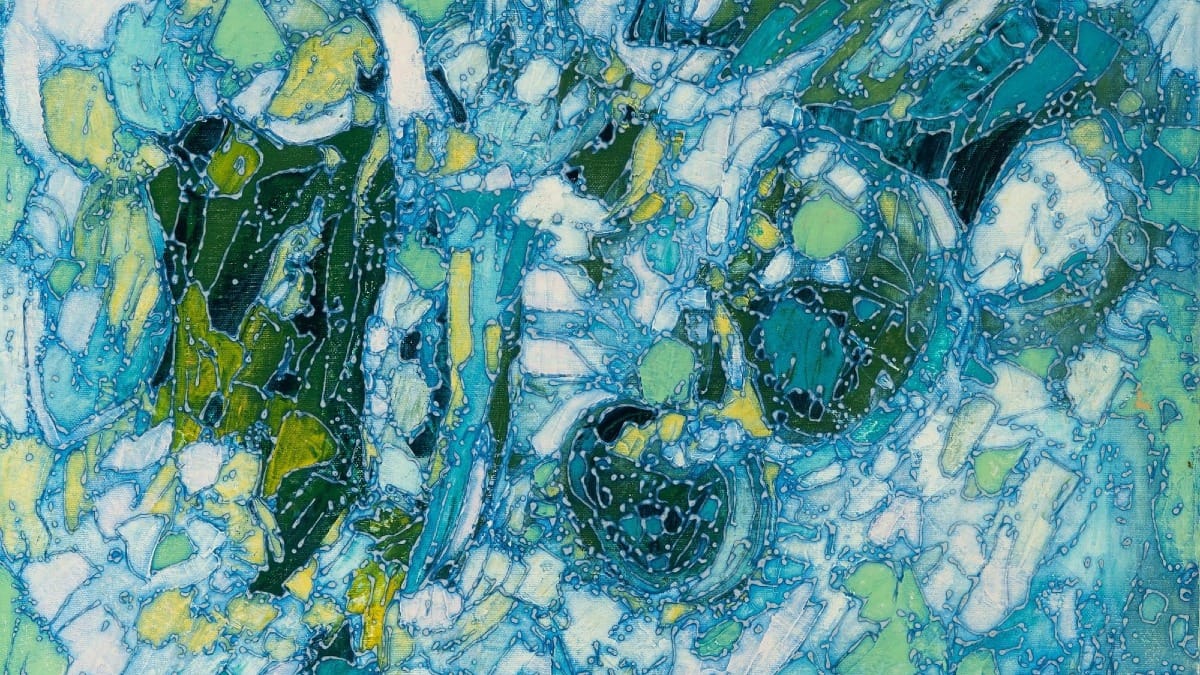
At age 19, Charles Seliger received his first solo show at Peggy Guggenheim’s gallery The Art of This Century in 1945, and was one of the youngest artists associated with the emergence of Abstract Expressionism. However, unlike most painters in this nascent movement, he never worked on a large scale, nor did he become a gestural or geometric painter. Devoted to nature and Surrealist automatism, he remained a maverick. That independence explains why he is seldom included in surveys of Abstract Expressionism, especially if they focus on stylistic similarities.
In 2010, the year after Seliger died, his then-dealer Michael Rosenfeld presented Charles Seliger: A Memorial Exhibition. Since then, his work has largely flown under the radar. Charles Seliger: The Structure of Matter, A Centennial Exhibition at Hollis Taggart brings overdue attention to this wonderful artist, who saw beauty in the invisible structures and patterns governing the visual world. | John Yau
Read More
Community
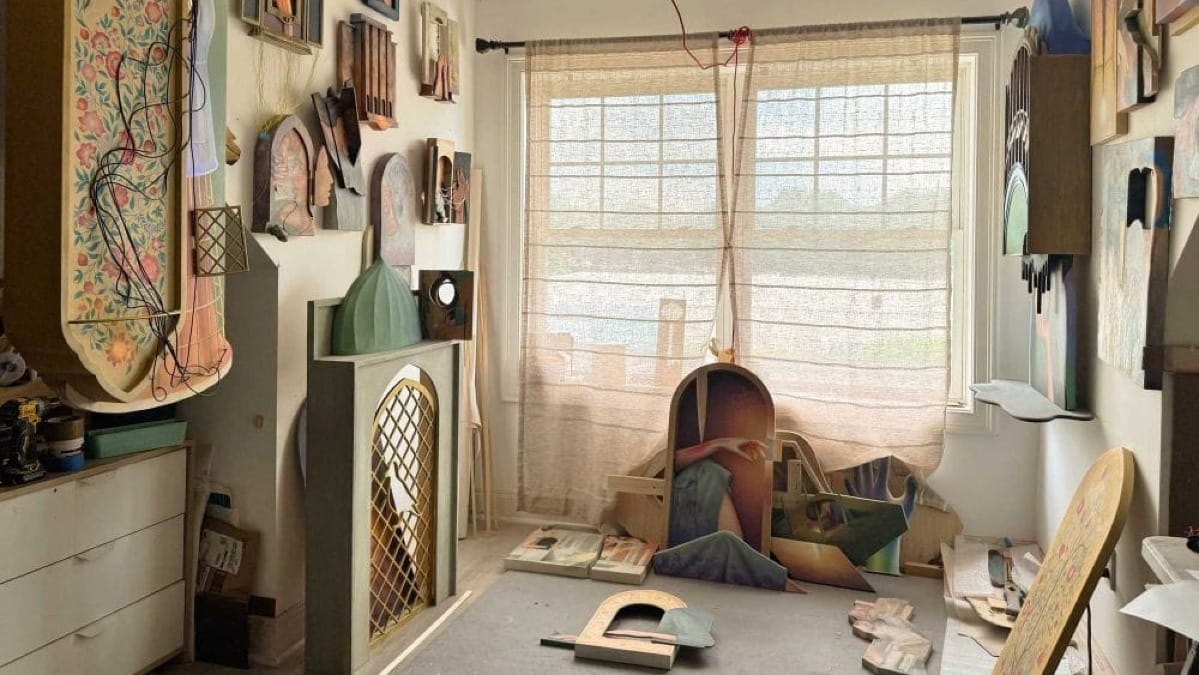
A View From the Easel
This week, Arghavan Khosravi pulls from Persian miniature traditions to create surreal assemblages of paint, canvas, and wood.
Read More
From the Archive

“The World I Wish People Knew”: Photographer Cara Romero on Redefining Contemporary Native Art
Romero’s non-realist photography uses contemporary models and pop culture references to challenge Native stereotypes with complexity, vitality, and often, playfulness. | Anne Wallentine
Read More
Opportunities This Month
Residencies, fellowships, grants, and open calls from the Paul & Daisy Soros Foundation, Ucross, AICA International, and more in our monthly list of opportunities for artists, writers, and art workers.
Read More
Daily Newsletter
Inside Akira Ikezoe’s Studio
The Whitney Biennial artist on humor and climate change, plus an unsung AbEx painter gets his due.
Akira Ikezoe’s schematic paintings, on view in the Whitney Biennial and Greater New York, are unmistakably his. Teeming with frogs, robots, and bears caught up in flowcharts of labor and industry, their dark humor resonates deeply with our current moment. Curator Sofia Thiệu D’Amico met the artist at his studio to discuss environmental catastrophe, parenthood, his childhood in Japan, and more.
More, as always, including John Yau on Charles Seliger’s intricate cellular visions and A View From the Easel with Arghavan Khosravi, whose ethereal shaped paintings alchemize familial memory and art history.
—Lakshmi Rivera Amin, associate editor
Akira Ikezoe’s Frogs and Bears Have Something Urgent to Tell Us
Akira Ikezoe welcomes me into his studio. [He had previously] introduced me to his Baby Recipes series (2022), in which babies’ body parts become ingredients in illustrated, comic-style cooking guides. In the studio, I ask where the idea came from.
“Frustrations around raising my three-year-old son,” he responds.
We laugh. It is precisely this dark humor that initially fascinated me, and it continues to suffuse Ikezoe’s work, which deals with energy systems, resource extraction, and the ambiguities of natural and industrial cycles alike. Laughter comes easily with Ikezoe, whose frankness about morbid subjects is immediately disarming. The cartoonish earnestness of both artist and artwork belies a sharp attentiveness to the environmental and human-engineered catastrophes unfolding around us. Humor becomes the concealed vessel for his satire. | Sofia Thiệu D’Amico
Read More
News
- Eight years after Aljira abruptly closed, the Newark Museum of Art will present a group exhibition tracing the artist-led space’s 35-year history of showcasing works by underrepresented artists and nurturing the careers of major, globally recognized figures.
Open Call: The 7th VH AWARD for Media Artists Engaged with the Context of Asia
Supporting media artists with production grants, global exhibitions, and an expanded online residency with Ars Electronica.
Learn more
Art Review
Charles Seliger Painted Nature’s Invisible Architecture
At age 19, Charles Seliger received his first solo show at Peggy Guggenheim’s gallery The Art of This Century in 1945, and was one of the youngest artists associated with the emergence of Abstract Expressionism. However, unlike most painters in this nascent movement, he never worked on a large scale, nor did he become a gestural or geometric painter. Devoted to nature and Surrealist automatism, he remained a maverick. That independence explains why he is seldom included in surveys of Abstract Expressionism, especially if they focus on stylistic similarities.
In 2010, the year after Seliger died, his then-dealer Michael Rosenfeld presented Charles Seliger: A Memorial Exhibition. Since then, his work has largely flown under the radar. Charles Seliger: The Structure of Matter, A Centennial Exhibition at Hollis Taggart brings overdue attention to this wonderful artist, who saw beauty in the invisible structures and patterns governing the visual world. | John Yau
Read More
Community
A View From the Easel
This week, Arghavan Khosravi pulls from Persian miniature traditions to create surreal assemblages of paint, canvas, and wood.
Read More
From the Archive
“The World I Wish People Knew”: Photographer Cara Romero on Redefining Contemporary Native Art
Romero’s non-realist photography uses contemporary models and pop culture references to challenge Native stereotypes with complexity, vitality, and often, playfulness. | Anne Wallentine
Read More
Opportunities This Month
Residencies, fellowships, grants, and open calls from the Paul & Daisy Soros Foundation, Ucross, AICA International, and more in our monthly list of opportunities for artists, writers, and art workers.
Read More
Akira Ikezoe’s schematic paintings, on view in the Whitney Biennial and Greater New York, are unmistakably his. Teeming with frogs, robots, and bears caught up in flowcharts of labor and industry, their dark humor resonates deeply with our current moment. Curator Sofia Thiệu D’Amico met the artist at his studio to discuss environmental catastrophe, parenthood, his childhood in Japan, and more.
More, as always, including John Yau on Charles Seliger’s intricate cellular visions and A View From the Easel with Arghavan Khosravi, whose ethereal shaped paintings alchemize familial memory and art history.
—Lakshmi Rivera Amin, associate editor
Akira Ikezoe’s Frogs and Bears Have Something Urgent to Tell Us
Akira Ikezoe welcomes me into his studio. [He had previously] introduced me to his Baby Recipes series (2022), in which babies’ body parts become ingredients in illustrated, comic-style cooking guides. In the studio, I ask where the idea came from.
“Frustrations around raising my three-year-old son,” he responds.
We laugh. It is precisely this dark humor that initially fascinated me, and it continues to suffuse Ikezoe’s work, which deals with energy systems, resource extraction, and the ambiguities of natural and industrial cycles alike. Laughter comes easily with Ikezoe, whose frankness about morbid subjects is immediately disarming. The cartoonish earnestness of both artist and artwork belies a sharp attentiveness to the environmental and human-engineered catastrophes unfolding around us. Humor becomes the concealed vessel for his satire. | Sofia Thiệu D’Amico
Read More
News
- Eight years after Aljira abruptly closed, the Newark Museum of Art will present a group exhibition tracing the artist-led space’s 35-year history of showcasing works by underrepresented artists and nurturing the careers of major, globally recognized figures.
Open Call: The 7th VH AWARD for Media Artists Engaged with the Context of Asia
Supporting media artists with production grants, global exhibitions, and an expanded online residency with Ars Electronica.
Learn more
Art Review
Charles Seliger Painted Nature’s Invisible Architecture
At age 19, Charles Seliger received his first solo show at Peggy Guggenheim’s gallery The Art of This Century in 1945, and was one of the youngest artists associated with the emergence of Abstract Expressionism. However, unlike most painters in this nascent movement, he never worked on a large scale, nor did he become a gestural or geometric painter. Devoted to nature and Surrealist automatism, he remained a maverick. That independence explains why he is seldom included in surveys of Abstract Expressionism, especially if they focus on stylistic similarities.
In 2010, the year after Seliger died, his then-dealer Michael Rosenfeld presented Charles Seliger: A Memorial Exhibition. Since then, his work has largely flown under the radar. Charles Seliger: The Structure of Matter, A Centennial Exhibition at Hollis Taggart brings overdue attention to this wonderful artist, who saw beauty in the invisible structures and patterns governing the visual world. | John Yau
Read More
Community
A View From the Easel
This week, Arghavan Khosravi pulls from Persian miniature traditions to create surreal assemblages of paint, canvas, and wood.
Read More
From the Archive
“The World I Wish People Knew”: Photographer Cara Romero on Redefining Contemporary Native Art
Romero’s non-realist photography uses contemporary models and pop culture references to challenge Native stereotypes with complexity, vitality, and often, playfulness. | Anne Wallentine
Read More
Opportunities This Month
Residencies, fellowships, grants, and open calls from the Paul & Daisy Soros Foundation, Ucross, AICA International, and more in our monthly list of opportunities for artists, writers, and art workers.
Read More
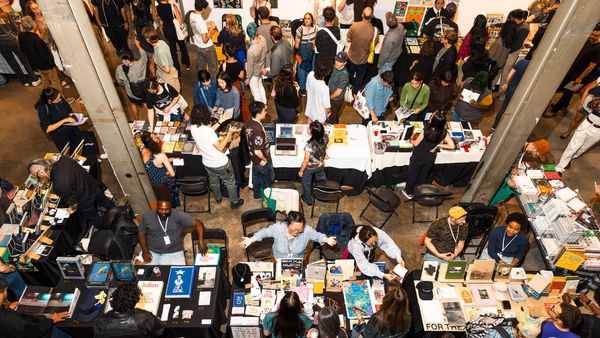
San Francisco Art Book Fair Celebrates 10 Years
Presented by Minnesota Street Project Foundation, SFABF returns this July, welcoming 160 independent publishers from around the world.
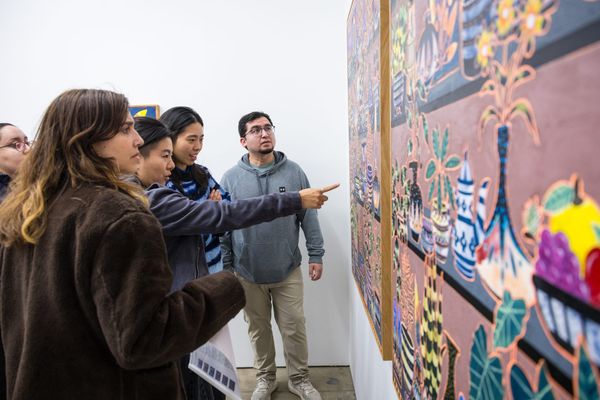
A $90,000 Graduate Fellowship for Immigrants & Children of Immigrants in the Visual Arts
The Paul & Daisy Soros Fellowships for New Americans supports immigrants & children of immigrants in MFA, MA, PhD & other graduate programs.

Pratt Manhattan Gallery Moves “Beyond Digital” in New Exhibition
Exhibition of Pratt Digital Arts alumni explores technology, ecology, and emerging forms of intelligence.
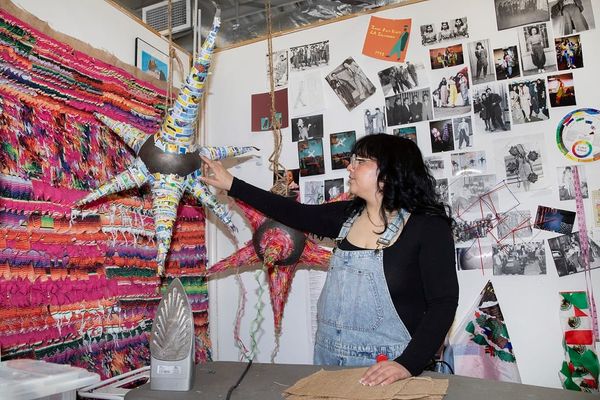
Cranbrook Academy of Art Reopens Applications for Fall 2026
The art institution is accepting applications from June 22 through August 15 for artists and designers considering graduate study.
[analyse_source url=”https://hyperallergic.com/inside-akira-ikezoes-studio/”]