[analyse_image type=”featured” src=”https://images.euronews.com/articles/stories/09/82/65/58/1200x675_cmsv2_01e7c9e7-0524-5848-a42f-38906017b0de-9826558.jpg”]

Infertility cases in women to hit 80 million by 2036, study finds

Is France heading for a severe summer drought?
The five fastest-growing economies in Europe over the next five years

The verdict that could end Marine Le Pen – and launch Jordan Bardella
Infertility cases in women to hit 80 million by 2036, study finds
Is France heading for a severe summer drought?
The five fastest-growing economies in Europe over the next five years
The verdict that could end Marine Le Pen – and launch Jordan Bardella
OPEC+ agrees another modest output rise as oil prices fall back to pre-war levels
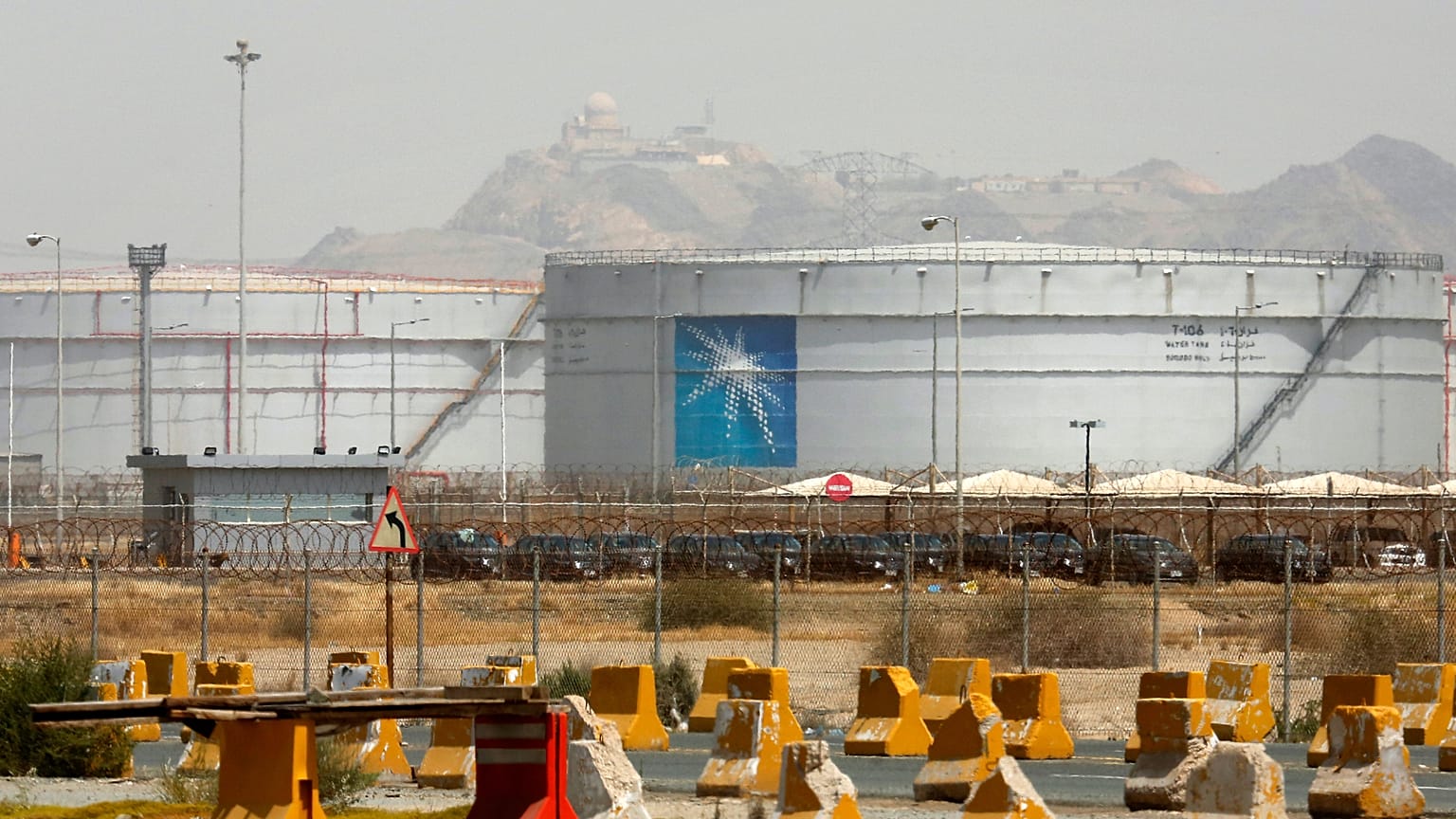
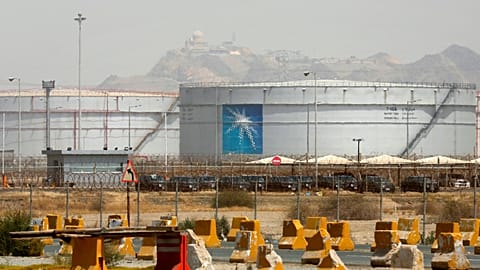
FILE. Storage tanks are seen at the North Jiddah bulk plant, an Aramco oil facility, in Jiddah, Saudi Arabia, 21 March 2021
– Copyright AP Photo/Amr Nabil

 Facebook
 Twitter
 Flipboard
 Send
Send Reddit
 Linkedin
 Messenger
 Telegram
 VK
VK Bluesky
 Threads
 Whatsapp
Seven countries in the OPEC+ alliance agreed to lift their combined oil output by a modest 188,000 barrels per day in August, adding supply just as crude prices slide back to levels not seen since before the Iran war erupted.
A group of seven OPEC+ producers said on Sunday they would raise output by a combined 188,000 barrels a day next month, a restrained increase that comes as oil trades near its pre-war levels for the first time since the Iran war began.
 ADVERTISEMENTADVERTISEMENT
It is the fifth consecutive monththat members of the alliance have agreed to open the oil taps a little wider.
The decision, taken at a virtual meeting, involves Saudi Arabia, Russia, Iraq, Kuwait, Kazakhstan, Algeria and Oman, and continues the gradual unwinding of voluntary cuts the same countries announced back in 2023.
Saudi Arabia and Russia will carry the largest share, adding 62,000 barrels a day each.
“The countries will continue to monitor and assess market conditions, and in their continuous efforts to support market stability, they reaffirmed the importance of adopting a cautious approach,” the group said in a statement.
Oil prices round-trip a war
The backdrop is a striking reversal in the oil market.
Brent crude, the international benchmark, was trading below $72 a barrel as commodities trading opened on Sunday night, roughly where it sat before the US and Israel launched strikes on Iran in late February, and far below the peaks near $120 reached in March at the height of the crisis.
The US benchmark, WTI, was trading even lower at around $68 a barrel.
The slide has been driven by optimism over peace, as Iran agreed under an interim memorandum of understanding to allow ships to pass unimpeded through the Strait of Hormuz while Washington lifted its blockade of Iranian ports. Negotiators, however, are still working towards a final settlement.
Commercial traffic through the strait, which carried around a fifth of the world’s oil before the war, has been recovering, though it remains well short of pre-conflict levels, and Tehran warned only last week that tankers straying from its approved routes would face a “forceful response”.
Paper barrels and a long recovery
For much of the war, the alliance’s monthly increases existed largely on paper.
With the strait effectively closed, Middle Eastern producers were forced to slash actual output as unsold barrels piled up and regional storage ran out of room, leaving real production far below the group’s stated quotas.
The gradual reopening is now releasing that backlog onto the market, amplifying the downward pressure on prices well beyond the modest official increments.
However, the rebuild will take time.
S&P Global Energy does not expect Gulf oil production to recover fully until at least the first quarter of 2027, and energy analysts caution that the war’s imprint on fuel bills and household costs may linger well beyond a formal peace deal.
The seven producers, who stressed they can pause or reverse the increases if conditions turn, will meet again on 2 August.
Go to accessibility shortcuts
Read more
Retired but working: Where is financial necessity the biggest reason?
The five fastest-growing economies in Europe over the next five years
OPEC+ agrees another modest output rise as oil prices continue to fall
Retired but working: Where is financial necessity the biggest reason?
The five fastest-growing economies in Europe over the next five years
OPEC+ agrees another modest output rise as oil prices continue to fall
The five fastest-growing economies in Europe over the next five years

Microsoft cuts 4,800 jobs with Xbox facing its biggest shake-up

Sky agrees to buy British broadcaster ITV for up to £1.6 billion

EasyJet shares jump 10% as board backs Castlelake takeover proposal

Gender pay gap vs pension gap: Why is inequality worse in retirement?
Charting the Path Forward: AIIB President Zou Jiayi on Sustainable Infrastructure in Asia and Beyond
Where are the wealthiest young people in Europe?
Spain jobless rate at 2008 low, foreign employment hits record
Where do workers lose the biggest share of their salaries in Europe?
World’s largest LNG container ship enters Asia-Europe service
[analyse_source url=”https://www.euronews.com/business/2026/07/06/opec-agrees-another-modest-output-rise-as-oil-prices-fall-back-to-pre-war-levels”]