[analyse_image type=”featured” src=”https://images.euronews.com/articles/stories/09/82/65/27/1200x675_cmsv2_f30478aa-8ecd-579b-be1d-d0a146bf9b17-9826527.jpg”]

Artists create giant sea animals from sand

Pamplona’s San Fermín festival begins with fireworks and celebrations

Beware space junk: how do ‘space balls’ end up on the beach?

Number of Portuguese nationals and people of Portuguese descent killed in Venezuela rises to 96
Artists create giant sea animals from sand
Pamplona’s San Fermín festival begins with fireworks and celebrations
Beware space junk: how do ‘space balls’ end up on the beach?
Number of Portuguese nationals and people of Portuguese descent killed in Venezuela rises to 96
Ukraine’s air defences failed to intercept any Russian ballistic missiles, air force says
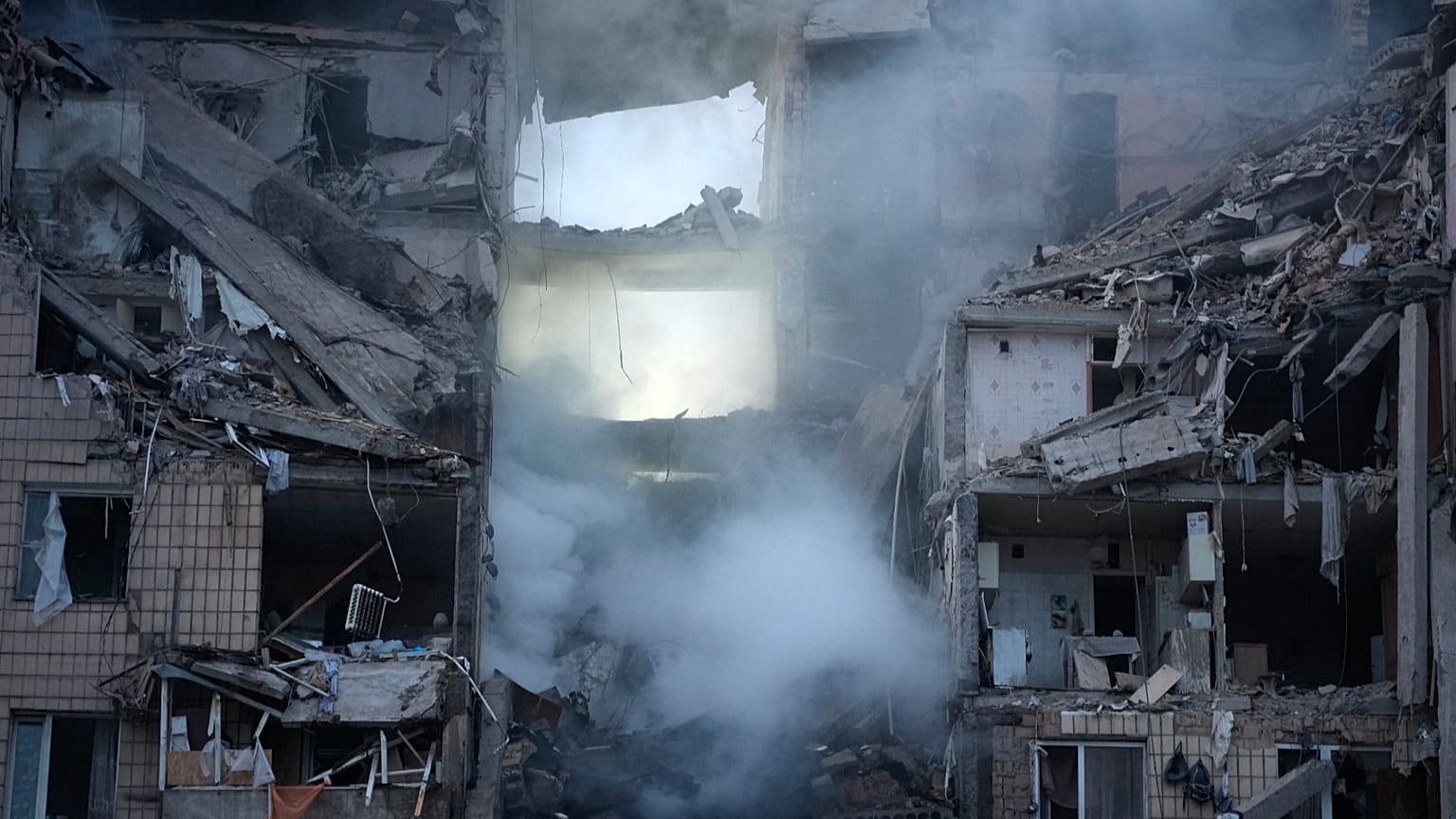
The damaged apartment interior in the ruined building following Russian missile attack in Kyiv, 6 July, 2026
– Copyright AP Photo

 Facebook
 Twitter
 Flipboard
 Send
Send Reddit
 Linkedin
 Messenger
 Telegram
 VK
VK Bluesky
 Threads
 Whatsapp
The US-made Patriot system remains Ukraine’s only effective defence against ballistic missiles, but officials say supplies of interceptors have fallen critically low.
Ukraine’s air defences failed to intercept any of the 29 ballistic missiles launched by Russia during the attack overnight on 6 July, air force spokesperson Colonel Yurii Ihnat confirmed, saying the interception “success rate is low, to put it mildly.”
 ADVERTISEMENTADVERTISEMENT
Ihnat stated bluntly that Ukraine does not have the means to counter Russia’s ballistic missiles.
“To shoot down ballistic missiles, you need the assets to do so. We have enough systems, but what we need is a steady supply of missiles.”
He also said that Moscow is aware of this shortage and “is exploiting the fact that Ukraine, and indeed the world, is facing a serious shortage of PAC-2 and PAC-3 interceptor missiles.”
“That is why it is increasingly focusing on ballistic missile strikes.”
Ihnat said Ukraine would continue to use every available diplomatic channel to strengthen the country’s air defence capabilities.
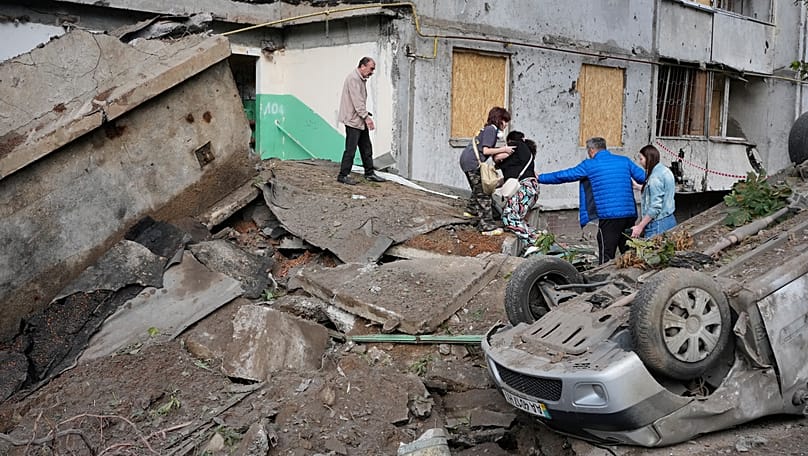
Ukraine’s ambassador to the EU, Vsevolod Chentsov, told Euronews’ flagship morning show “Europe Today” that the Kremlin is sending a clear message with its attack.
“Russia is sending its message that they want to continue this war,” he said.
“But definitely, both Ukraine and our allies will send our message back because war is going back to Russia. And Ukraine already has its answer, and we call it kinetic sanctions.”
Chentsov referred to Kyiv’s intensified mid- and long-range strikes into Russia and Moscow-occupied territories of Ukraine. But he admitted that apart from Kyiv’s strike campaign, which puts pressure on Russia’s war machine, Ukraine urgently needs anti-ballistic air defences.
This issue is expected to be discussed at the NATO summit in Ankara which starts on Tuesday.
Ukraine’s President Volodymyr Zelenskyy said on Monday morning that it is “critically important that the world – first and foremost the United States and our European partners – come out of the NATO Summit in Ankara with strong decisions in support of Ukraine’s air defence, and thus the protection of ordinary people’s lives.”
“As long as Patriot missiles remain in our allies’ stockpiles, Russia is only encouraged to keep ‘vanquishing’ residential buildings. The United States and Europe have enough strength to stop this terror.”
The US-made Patriot system remains Ukraine’s only effective defence against ballistic missiles, but officials say supplies of interceptors have fallen critically low.
Manufactured in the US by Raytheon and Lockheed Martin, Patriots have been widely relied upon by US allies, not least in the Gulf, as well as by Ukraine. But the US and Israel’s war on Iran has depleted almost a third of the global stockpile of Patriot interceptors. According to some estimates, Gulf states have collectively fired more than 1,100 of them in the past few months.
According to Zelenskyy, Lockheed Martin produces roughly 600 interceptors a year, or about 60-65 per month.
Ukrainian officials say Russia is producing around 120 ballistic missiles monthly, alongside other systems, and has increasingly tailored its strikes to exploit gaps in Ukraine’s air defence, recently launching around 30 ballistic missiles in a single night
Go to accessibility shortcuts
Read more
Ukraine’s ambassador: EU enlargement should focus on substance, not titles
Zelenskyy urges ‘strong decisions’ at NATO summit after latest Russian attack on Kyiv
Ukraine strikes oil infrastructure sites near Saint Petersburg, Zelenskyy says

Infantino says he told Trump FIFA’s disciplinary body is ‘independent’

EU demands fairness and transparency after FIFA’s Balogun reversal
EXCLUSIVE: Brussels and capitals in collision over Serbia’s EU bid

Hungary could vote to oust president as early as next week
Ukraine hits vital oil refinery 2,500km from Russian border
Switzerland’s solar railway has been a success. What happens next?
Norway releases first image of crown princess after lung transplant
‘Restraining order needed,’ Trump says of Meloni ahead of NATO summit
‘The Trump Card’: Viral reactions to FIFA’s US red card reversal
Air force: Ukraine failed to intercept any Russian ballistic missiles
[analyse_source url=”https://www.euronews.com/my-europe/2026/07/06/ukraines-air-defences-failed-to-intercept-any-russian-ballistic-missiles-air-force-says”]