[analyse_image type=”featured” src=”https://velo-cdn.outsideonline.com/wp-content/uploads/2026/06/2-1.jpg”]
The 2026 Tour de France looks different, eats different, and races different than the 2016 Tour de France.
In fact, pro cycling has changed so much in a decade it could be a different sport from the one Chris Froome conquered with his third yellow jersey.
Bike tech, nutrition, and training science accelerated faster than Tadej Pogačar and blew the doors off of power thresholds.
A crop of physiological freaks and a phalanx of $60 million superteams forced racing into fast-forward. The playbook from 2016 has been shredded and re-scripted.
At 42.85kph, last year’s Tour de France was the fastest on record. The fastest before that was the 2022 edition, which rattled off at 42.10kph.
They’re averages that make it look like the 2010s peloton got a permanent brake-rub.
The 2015 and 2016 Tour de France were both raced at an average of 39.6kph. That’s around 3kph, or 8 percent, slower than 2025.
We’re betting that the Tour de France will go faster than ever in 2026. A first-ever kph average in the 43s isn’t out of the question.
Here are 7 key things that turned up the speed dial on the past decade of the Tour de France
1. The Pog-effect
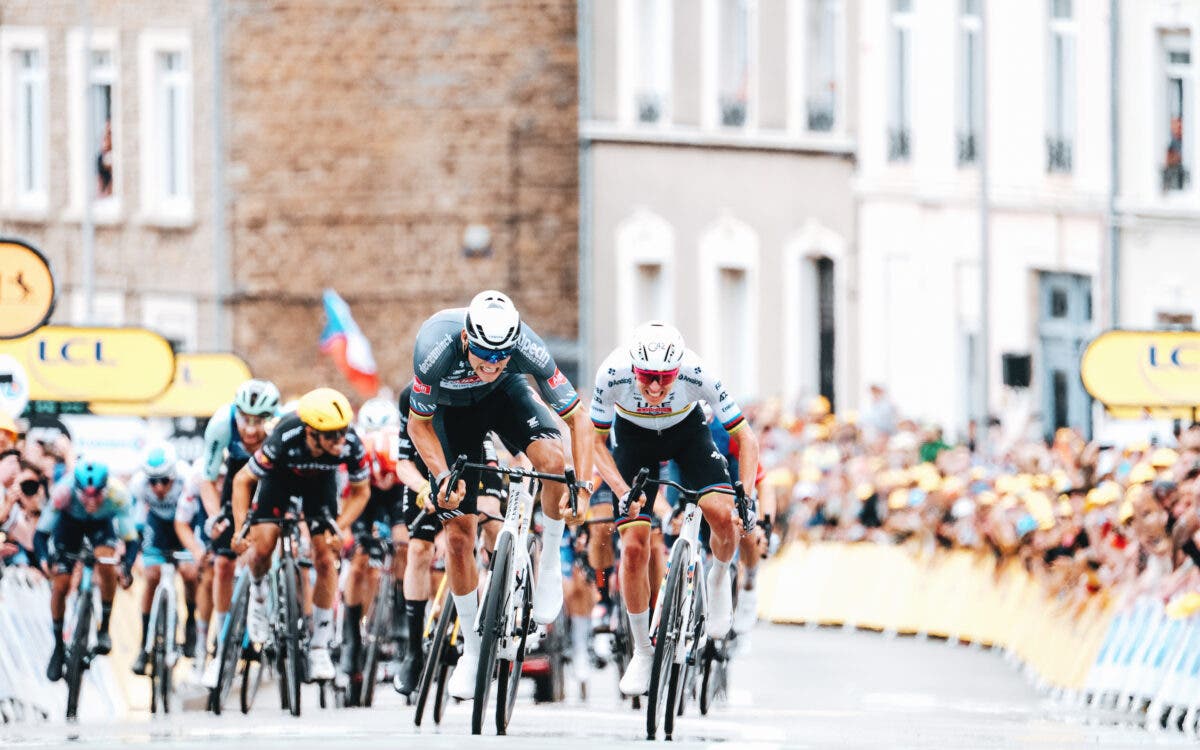
The peloton doesn’t wait around in 2026. Racing is ON from kilometer zero.
It’s a stark contrast to 2016, when the “final” of a mountain or hilly stage would begin an hour or two from the finish. Conservation, efficiency, and patience were the headlines of a Froome-era strategy meeting.
“Finals” now begin in the neutral rollout.
Extra-durable dominators like Pogačar, Jonas Vingegaard, and Mathieu van der Poel demand racing by force. And they’ve got the superteam support to make it happen.
Domestiques who would be GC leaders on other teams whack watts out of weaker rivals before the Pog-show even starts.
A stage of daylong aggression would be an anomaly in 2016. Ten years later, the “Pog-effect” has made them the norm.
But how can riders push so hard for so long?
A cocktail of all the points we’ll cover below.
2. Rise of the Tour de France superteam
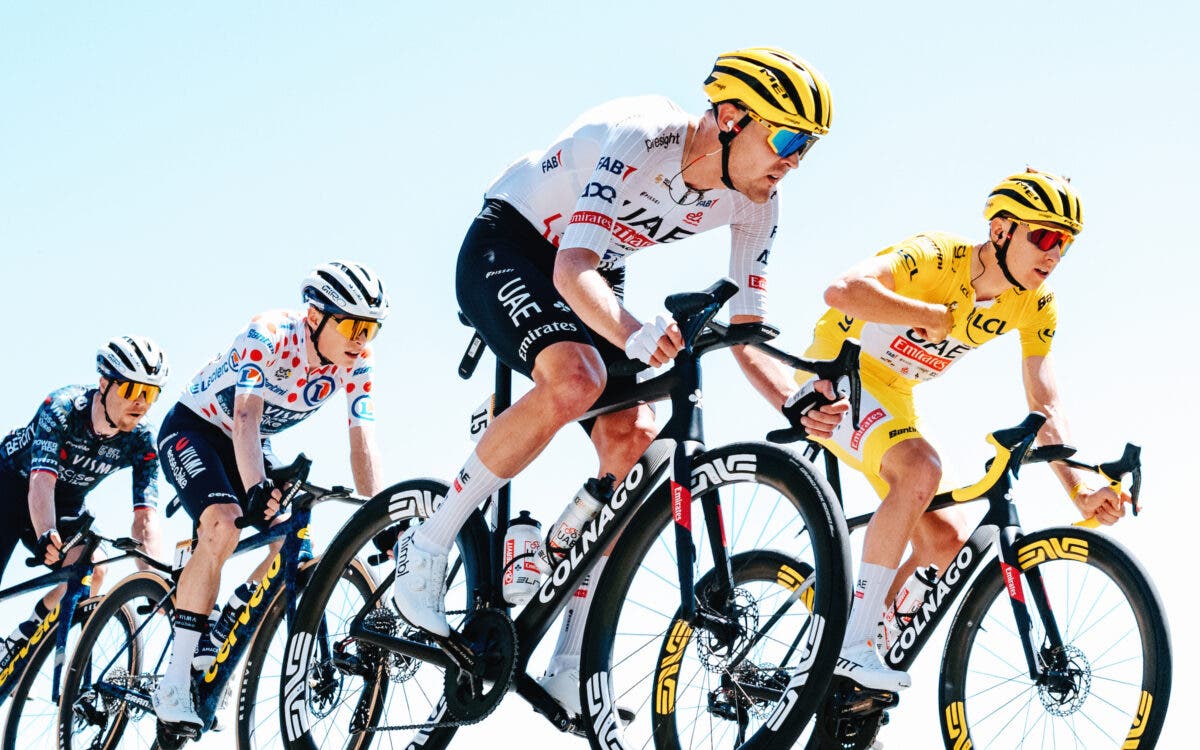
Team Sky rocked the peloton in 2016 when it revealed its $41m budget. It was a 30 percent increase from 2015 and a balance that crushed the coffers of its rivals.
Ten years later, $40m is so mid-tier. Reporting by Gazzetta dello Sport this winter suggested the WorldTour average is around $38m in 2026.
That average is hiked upward by superteams that bring $50m+ budgets to their quest for Tour de France titles.
UAE Emirates-XRG, the team of Pogačar and Isaac del Toro, is the wealthiest with income far north of $60m.
Red Bull-Bora-Hansgrohe, Visma-Lease a Bike, Netcompany-Ineos, Lidl-Trek, and Decathlon CMA-CGM join them in the superteam category.
And it’s not only the rich getting richer.
The WorldTour has welcomed over-inflationary budget increases from bottom to top.
It’s financed a swell of research, development, and recruitment that turned the Tour de France into science.
Altitude camps, aerodynamic testing, and a state-of-the-art service course are now mandatory rather than luxury. No expenses are spared for even the most marginal of gains.
3. The carbohydrate revolution
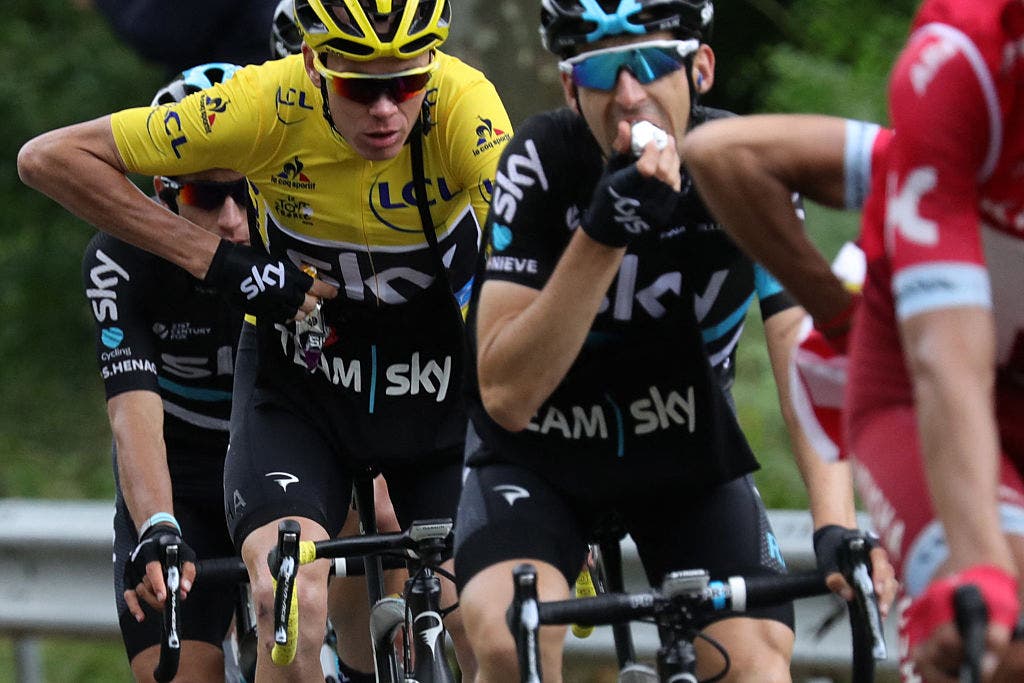
The Tour de France has been bonk-proofed and accelerated by a sticky stream of sugar.
High-carb fueling is seen as the key contributor to the high-speed evolution of the Tour de France. Forget the effect of altitude camps, aero swag, or the promise of a $7 million salary.
The peloton eats 25-30 percent more on the bike than it did a decade ago, and it’s translated directly into speed.
In the Froome era, 90g of carbohydrate per hour was the safe fueling threshold. Venturing north of 90 was a recipe for pukes, poops, and Dumoulin-esque infamy.
A decade later, a new breed of carb gels and drinks has made it possible to stomach 120g per hour.
This XL sport nutrition normalized fueling at 500 calories per hour. Those who don’t are dropped on the day, or as good as dead the next. Because riders plugged into a carbohydrate pipeline can race harder and recover better.
The “carbohydrate revolution” extends to training.
The trend of “fasted training” pushed by Team Sky has been replaced by fully fueled workouts that focus on raw power rather than fat-burning efficiency.
This fuel-focused mindset has pushed workout intensity, squeezed recovery timelines, and helped riders train with more intensity, all year round.
4. The evolution of the Tour de France bike
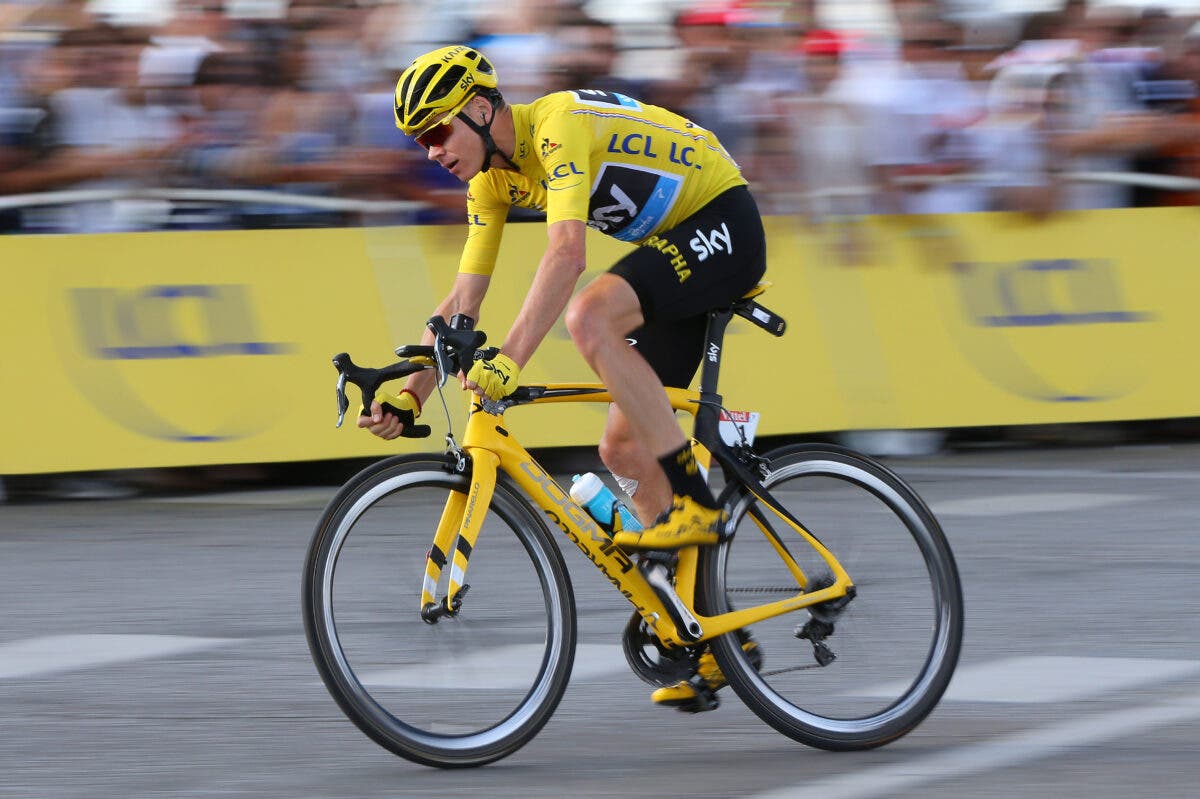
a. So long, rim brakes. Hello aero
Froome’s winning bike from 2016 looks funny. Where are the discs?
That’s right, riders were still on rim brakes one decade ago.
And that’s only the start.
As our tech guru Josh Ross explained, Tour de France bikes have changed a ton in 10 years.
In 2026, every millimeter of a WorldTour bike is devoted to aerodynamics.
Circular tubes have been ironed flatter, cables are hidden away, and handlebars are fully integrated. And these stealthy cockpits are certainly not aluminum any longer.
The devotion to aero impacted apparel, too.
Suffocating “race suits” are de rigeur, aero sunglasses are a thing, and TT helmets in road races? Thank you, UCI, for putting a stop to that one.
b. Tiny cranks, big gears, fat tires
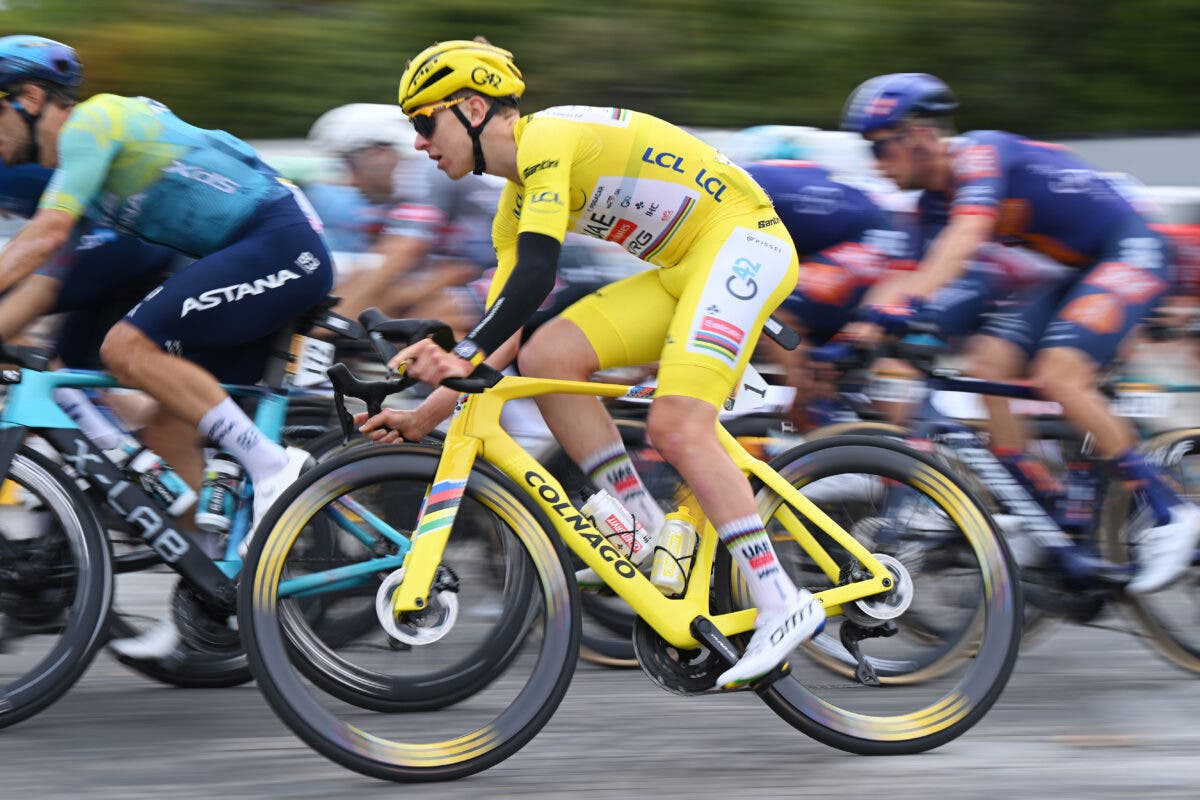
Elsewhere on the bike, cranks have gotten tiny and gears have gotten big.
In 2016, cranks arms averaged at around 172.5mm. Ten years later, at least 5mm has been trimmed from that norm.
Pogačar helped push a micro-crank revolution when he sized down to 165mm to improve his position and optimize his cadence. The peloton took note of the gains and soon followed suit.
These tiny crank arms are dwarfed by the monster chainrings bolted behind them.
Gear ratios have grown in line with racing speeds. In fact, the two are so intertwined that the UCI is getting worried about it.
A 52-38 chainset was standard-issue in 2016.
That average has grown a few teeth in the past decade. In 2026, 55-40 is the crankset for almost all scenarios – unless a rider has opted for a 1X, that is.
It’s ironic that Team Aqua Blue was nearly laughed out of the start paddock when it started using 1X drivetrains in 2018. They were actually pioneers.
The modern peloton can’t get enough of the drivetrain efficiency and aero gains of these dinner-plate front rings.
And the wheels and tires?
That’s almost worth a whole story in itself. The peloton was still stuck in the dark days of skinny tubular tires in 2016 – 25mm skinny, in fact.
A decade on, tires are fatter, tubeless, and wrapped around wheels with a wider rim – something made possible by the shift to disc brakes.
The result?
Faster, more comfortable riders who are breaking records with every passing Tour de France.
For a closer look at the tech of the 2026 Tour de France, feast your eyes on our gallery of on-the-ground spy shots.
5. A new training mix
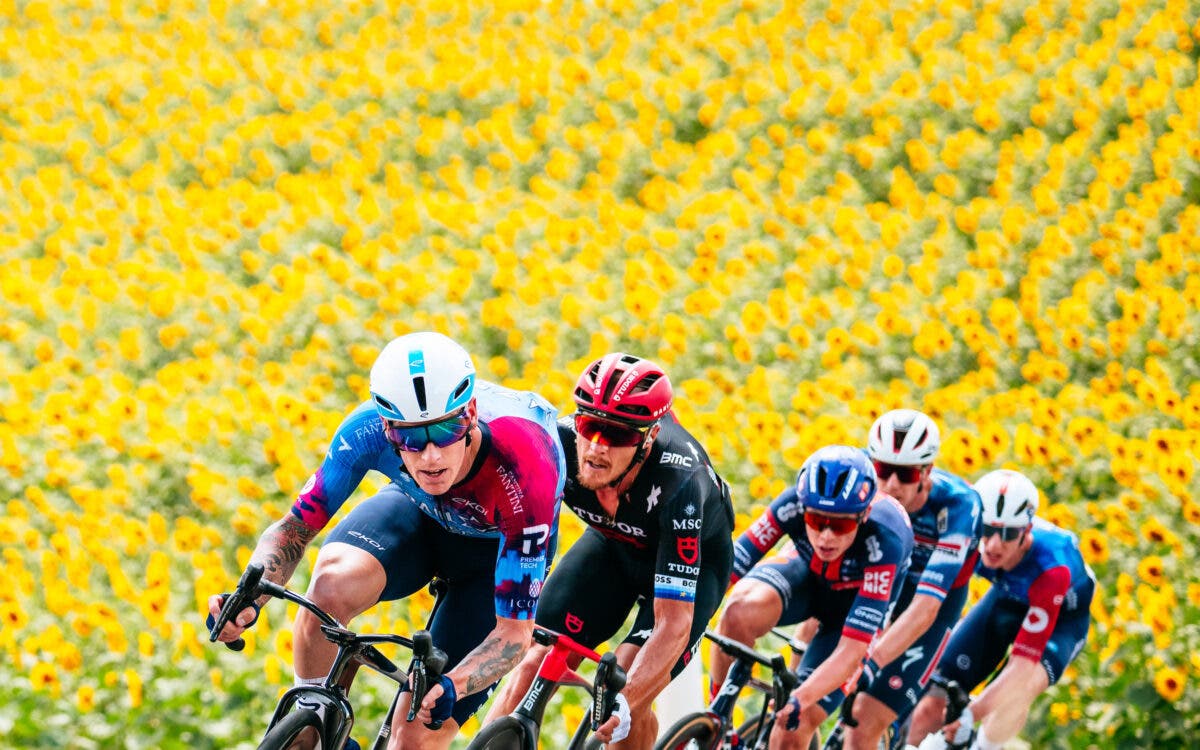
The basic ingredients of a Tour de France training program haven’t changed since the Froome era. Fistfuls of easy riding, a sprinkle of hard stuff, and maybe a crack of mid-tempo, to taste.
What has changed?
The juicy cherries that were on top of the cake are now baked into the base.
Heat training and low-torque sessions are practiced year-round rather than bolted on to suit the specific training cycle.
Strength training has evolved beyond some token squats in winter.
And gut training?
If you want to be on board with the carbohydrate revolution, you gotta strengthen the stomach first.
The mix of ingredients in the training recipe has shifted, too.
The Pog-effect has made “durability,” or “fatigue resistance,” more decisive than ever. The ability to put out huge power under fatigue is what splits Pogačar and MVDP from the chasing pack of the modern peloton.
The result?
Grueling upper-zone 2 rides that harden the legs to day-long effort have become bread and butter for the world’s winningest teams. Dreadful durability sessions that load high-intensity intervals into the final hour of a long ride are so horrific they’ve become essential.
6. The rise of the data nerd
Old-school Tour de France fans who want to throw power meters and race radios into the Seine better look away now.
The race has moved toward Formula 1-level sophistication in the past decade.
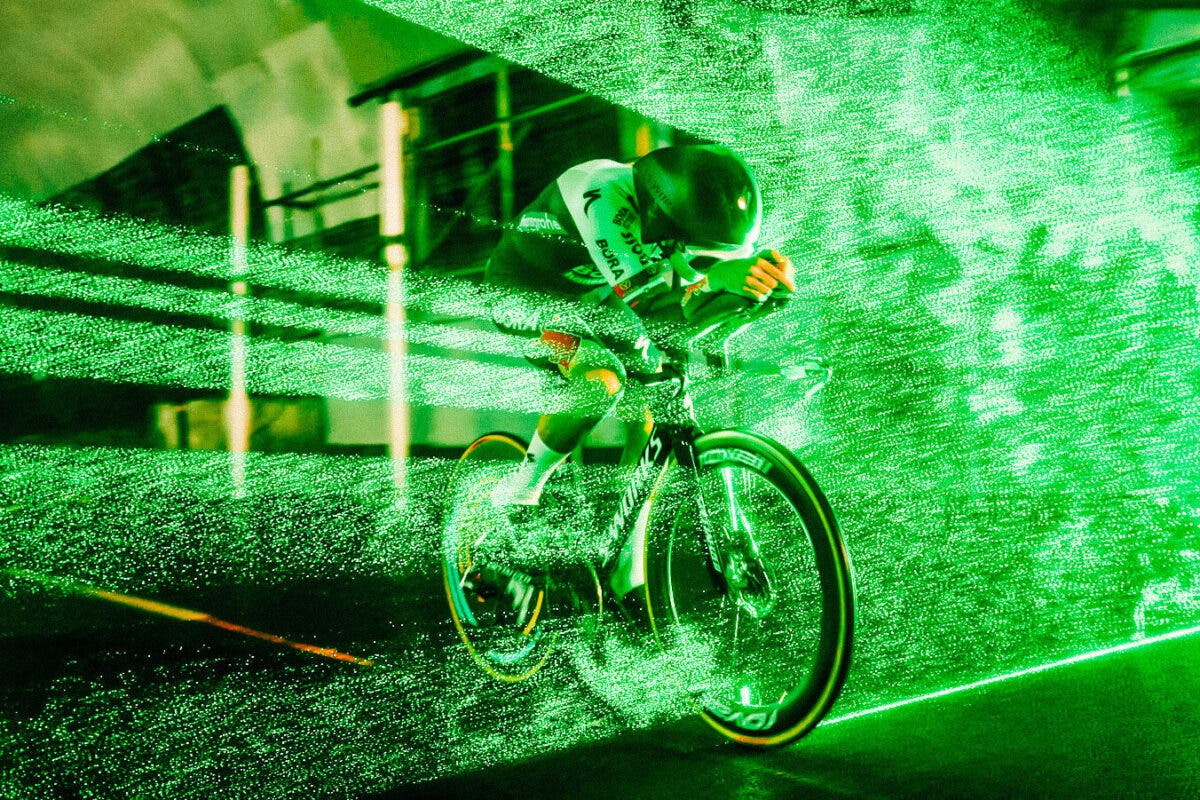
Aerodynamics has exploded in importance. The volume of slippery components and apparel available to teams has swelled accordingly.
And as the margins have become finer [unless your Pogačar, that is], everything has to be optimized.
The cumulative gains of the correct tire set, helmet, and pacing plan can decide finish-line placings.
And that’s where the data nerds come in.
A Tour de France team entourage has swollen beyond the typical DSs, mechanics, soigneurs, and chefs to include “performance engineers.”
These boffins with qualifications in mathematics, engineering, and aerodynamics scour AI dashboards, data models, and aero simulations to dial in every decision at every stage.
Everything from wheel choices and tire pressures to watts-per-kilo targets is tuned by software.
It’s a process that begins with days of off-season testing and profiling – perhaps in a sponsor’s dedicated performance center – and continues to within hours of roll-out. A decade ago, tech choices and pacing strategies were the product of experience, instinct, and hope.
Data was, of course, a crucial part of the 2016 peloton [insert joke here about Froome staring at his bike computer]. But its impact and importance was a fraction of what it is today.
7. Respect between riders at the Tour de France? …. What respect?
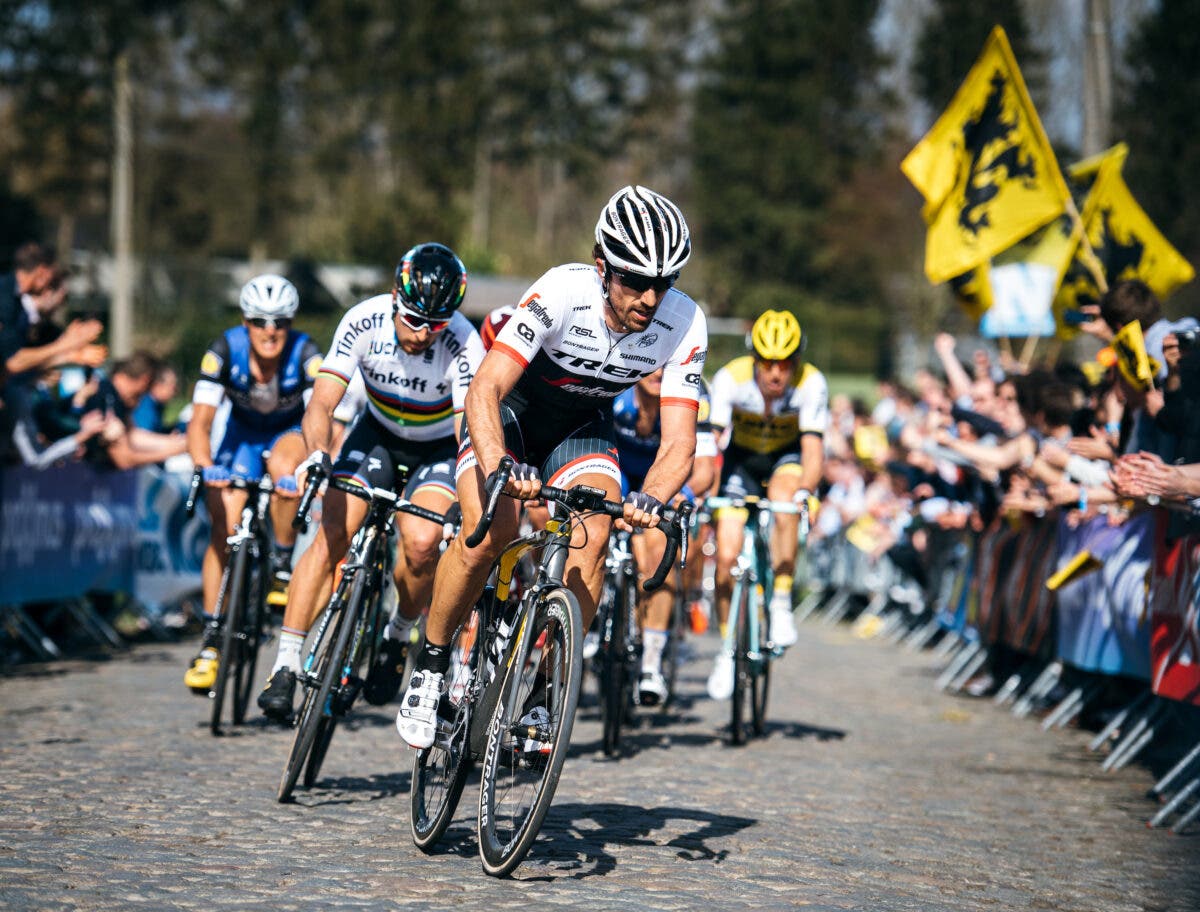
The Tour de France was once a race dictated by unwritten rules and an honor code.
The peloton existed under a hierarchical structure. Rookies and riders from minnow teams bowed down to the winners, the veterans, and the bullies.
The peloton’s “patron” ruled over it all.
Bernard Hinault, the fearsome “Badger,” was one of the first to flex his muscling authority and rule the bunch with an iron fist.
In 2016, it was riders like Fabian Cancellara who dictated racing dynamics and slapped down those who fell out of line.
Fast forward a decade: The notion of a “patron” is gone, and the “rules” are more … open to interpretation, shall we say.
And respect between riders?
“What respect?”
According to the grizzled veterans, the Tour de France is becoming an ungoverned Wild West. Cowboy behavior is common in a high-pressure peloton where riders have to make their own chances, at their own risk.
So saddle up and brace yourself for a boisterous race this July.
Don’t miss a moment of the Tour de France. Get stage previews, insider recaps, and expert analysis from Velo delivered straight to your inbox with the Velo Tour Daily email newsletter.
[analyse_source url=”https://velo.outsideonline.com/road/road-racing/tour-de-france/how-tour-de-france-changed/”]