[analyse_image type=”featured” src=”https://images.euronews.com/articles/stories/09/82/37/94/1200x675_cmsv2_cb8061cf-45c5-58ed-b427-86cff5d6eac2-9823794.jpg”]
NATO’s drone problem: Can European industry close the gap?

Argentina survive major World Cup scare as Egypt edge past Australia

Meet My Mama: how home cooks turned chefs spice up French gastronomy
48 hours in Plovdiv, the oldest continuously inhabited city in Europe
NATO’s drone problem: Can European industry close the gap?
Argentina survive major World Cup scare as Egypt edge past Australia
Meet My Mama: how home cooks turned chefs spice up French gastronomy
48 hours in Plovdiv, the oldest continuously inhabited city in Europe
Venezuela’s interim leader defends earthquake response as death toll tops 2,500
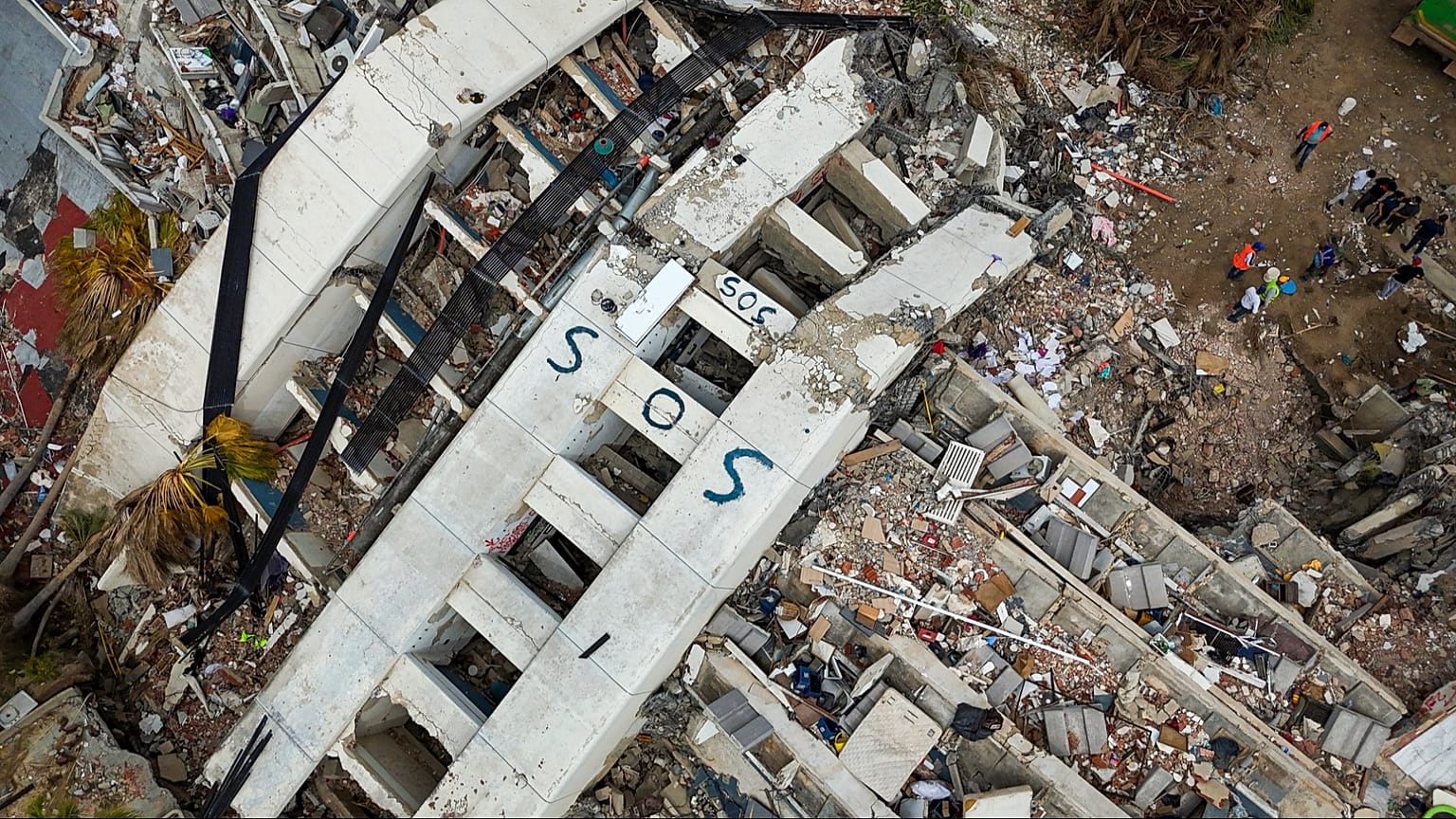
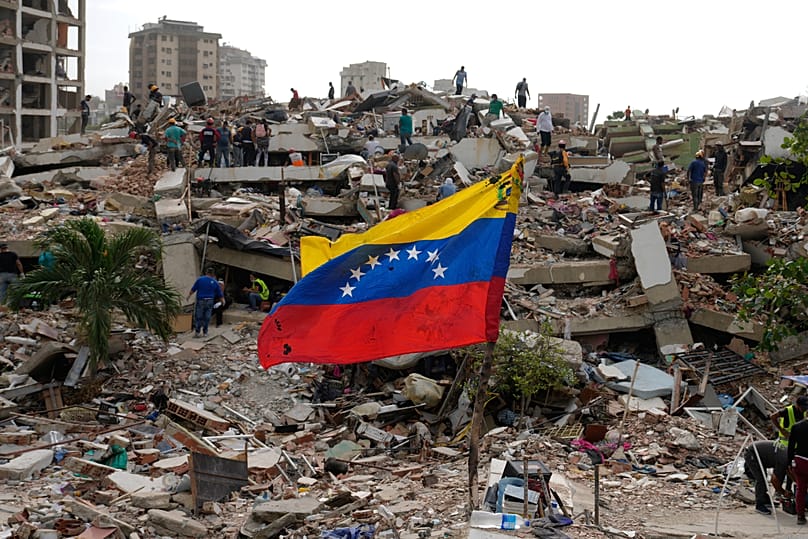
SOS is seen on collapsed buildings following the twin earthquakes in Caraballeda in the state of La Guaira, 2 July, 2026
– Copyright AP copyright

 Facebook
 Twitter
 Flipboard
 Send
Send Reddit
 Linkedin
 Messenger
 Telegram
 VK
VK Bluesky
 Threads
 Whatsapp
Delcy Rodríguez has hit back at criticism over her government’s response to the quakes, rejecting accusations of slow rescue efforts and claims that official casualty figures have been under-reported.
Venezuela’s acting president, Delcy Rodríguez, has defended her government’s response to the two devastating 24 June earthquakes.
 ADVERTISEMENTADVERTISEMENT
Facing intense criticism over an allegedly slow and haphazard relief effort, Rodríguez pushed back against claims that the official death toll is being under-reported and rejected accusations that poor social housing construction had exacerbated the disaster.
The dual 7.2 and 7.5-magnitude quakes levelled nearly 200 buildings across Caracas and the hardest-hit northern coastal state of La Guaira, though satellite data suggests the true extent of destruction could be much higher.
The official death toll stands at more than 2,500, but rescue teams on the ground say it will continue to rise in the coming days, as thousands of people remain missing.
The government has not directly revealed how many people are reported missing, but an opposition website has logged over 38,000 cases. Reports of the United Nations allegedly preparing to send 10,000 body bags to Caracas have also fuelled doubts that the government is deliberately under-reporting deaths.
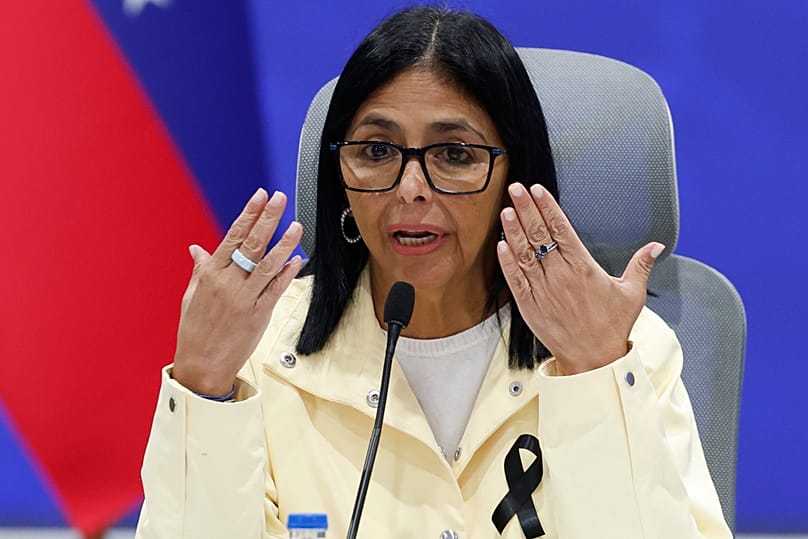
At a Caracas press conference on Thursday, Rodríguez wore a black mourning ribbon but firmly rejected claims that survivors were left to dig through rubble with their bare hands during the critical first 48 hours.
“We did not wait one day, two days or three days. We activated immediately,” Rodríguez said, accusing the media of weaponising the tragedy.
Addressing the collapse of several signature social housing projects built under former President Hugo Chávez, Rodríguez said that 80% of the destroyed buildings were privately developed, without providing evidence.
The disaster serves as a critical test for Rodríguez, whose 180-day interim mandate, granted after the US removed former President Nicolás Maduro in January, was set to expire on Friday, leaving her political future unclear.
Rodríguez has welcomed international aid. She specifically thanked US President Donald Trump and Secretary of State Marco Rubio for their support, as well as nations like Ecuador and Israel.
Search operations shift to body recovery
By Friday, the ninth day of operations, the search for survivors drew to a close as teams from 27 countries faced an oppressive heatwave and dwindling odds past the critical 72-hour window.
A final bright spot occurred on Thursday when rescuers successfully extracted 43-year-old security guard Hernán Alberto Gil Flores, who survived eight days in an air pocket beneath a collapsed seven-story mall in Catia La Mar.
However, subsequent sweeps using search dogs and sensitive audio sensors yielded no further signs of life, forcing international teams to call off rescue operations. The focus has now largely shifted to recovering bodies.
Mass graves
The sheer volume of casualties has overwhelmed local infrastructure. Forensic technicians say some bodies are unrecognisable, forcing families to rely on tattoos or clothing for identification.
Storage facilities have also run out of space. In the city of La Guaira, over 200 bodies were left in a sweltering hospital parking lot before being moved to a makeshift morgue at the local seaport, where private firms donated refrigerated shipping containers. Forensic staff estimate it could take up to three months to collect all the victims, warning that mass graves will be necessary.
Grieving families also face severe financial barriers, with private funeral homes charging up to $450 for services. While some families have received free cemetery plots from local mayoral offices, others are using lime to slow decomposition while waiting for state assistance or choosing cremation.
Go to accessibility shortcuts
Read more
Venezuelan security guard pulled alive from basement eight days after twin quakes
Venezuela’s death toll at least 2,295 as medical crisis widens
Venezuela’s interim leader defends earthquake response as death toll tops 2,500

NATO to reaffirm iron-clad commitment to Article 5 at Ankara summit

Argentina survive major World Cup scare as Egypt edge past Australia

Did he say Bismillah? Ronaldo’s penalty whisper ignites global debate
El Niño is ‘strengthening rapidly’. How worried should Europe be?

Belgian diamond group that won tariff relief gifts Trump ring
Nine of the top 10 strongest passports globally are European
Trump says ‘ridiculous’ for US to maintain current support for NATO
Germany’s Merz announces sweeping reforms in key breakthrough
Spanish goalkeeper Unai Simón sets new Guinness World Record
OmnesViae: the Roman Empire’s Google Maps you can use today
[analyse_source url=”https://www.euronews.com/2026/07/03/venezuelas-interim-leader-defends-earthquake-response-as-death-toll-tops-2500″]