[analyse_image type=”featured” src=”https://velo-cdn.outsideonline.com/wp-content/uploads/2026/07/Z8D_6752-3.jpg”]
The Tour de France will be so fast you’ll have to watch it at half speed.
In fact, it will be so fast that we’re betting it will be the fastest Tour de France on record and the first to break the 43kph average speed barrier.
Why so certain?
Because an unprecedented list of ingredients has been assembled for this year’s Tour. They’ll combine into a volatile cocktail that ignites the race to a historic pace.
Tadej Pogačar headlines a historically deep GC field.
A new generation of super-powerful, super-ambitious superteams has spawned.
Meanwhile, the carbohydrate revolution still burns strong, and the worship of aero tech is as zealous as ever.
Toss those elements into a course that’s begging for aggression, add a little drafting off of TV motos, and shake them up for 21 days.
Records will be broken.
Breaking 43 at the Tour de France
But hold it right there. How fast is the Tour de France nowadays?
Last year’s edition stands as the fastest in history. Tadej Pogačar won his fourth yellow jersey in 2025 at 42.849kph.
Before that, 2022 was the fastest edition. Jonas Vingegaard won that at an average of 42.102kph.
This recent acceleration of the race for the maillot jaune is reflected across the calendar. Average speeds have crept higher every year since the COVID shutdown.
Whether it’s in the wet cobbles of Flanders and Roubaix or the sprawling climbs of the Tour, climbing times, power PBs, and average paces are shattered at every finish line.
This upward trend in performance and speed might make our Tour de France bet look limp.
If speeds are already ticking upward, surely a first-ever 43kph Tour de France is inevitable?
Not necessarily.
The evolution of speed hasn’t followed a straight line. Route design, racing strategies, and weather can all subtract a few percentage points from race-pace.
And this July, riders will face the most vert-packed Tour de France parcours in years. Forecasts for the second surge of an energy-sapping, 40-degree heat wave should slow the race even further.
But steeps and heats won’t be enough to neutralize the race’s explosive cocktail.
These 5 things will fuse into a record-fast Tour de France that resets what we once thought possible for cycling performance and speed.
Tour de France average speeds since COVID:
2020: 39.868kph
2021: 41.158kph
2022: 42.102kph
2023: 41.134kph
2024: 41.808kph
2025: 42.849kph
(Data courtesy Pro Cycling Stats)
1. A new generation of Tour de France superteam
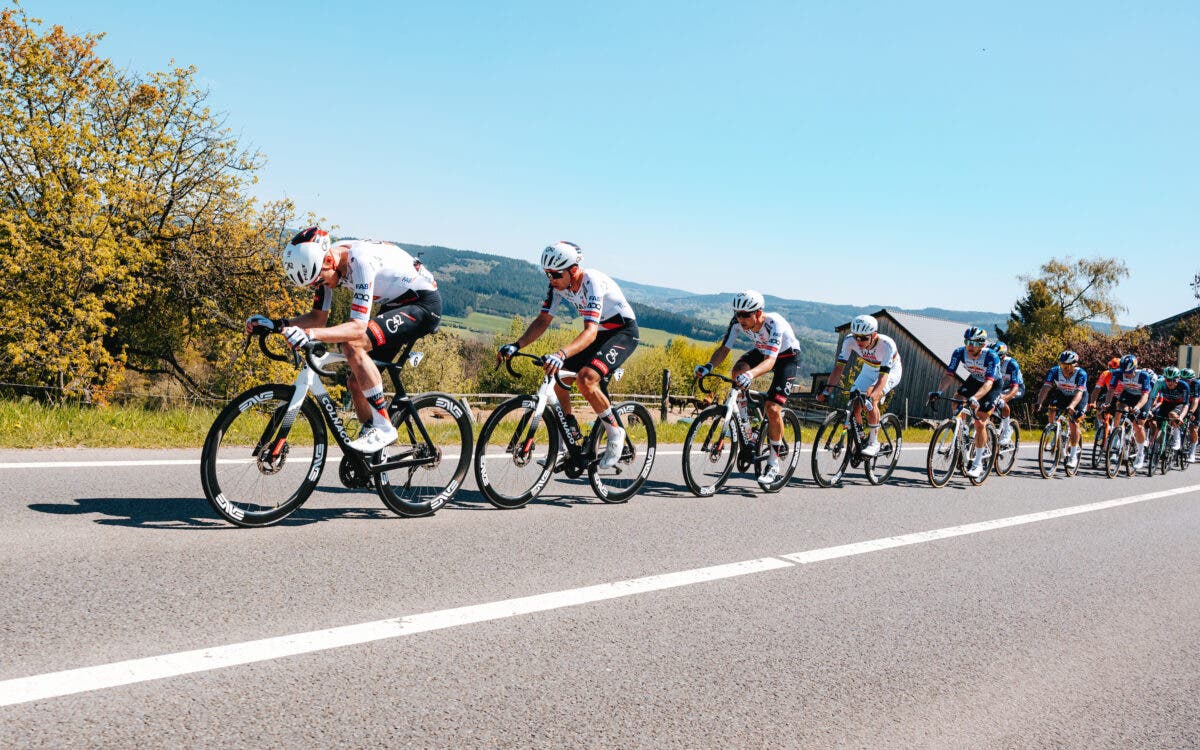
The high-speed evolution of the Tour de France was first driven by two superteams – Visma-Lease a Bike and UAE Emirates-XRG.
They squashed stages from kilometer zero for Vingegaard and Pogačar with freight trains of domestiques who could lead any mid-pack team.
Everybody else had to do as Visma and UAE pleased.
The duopoly will be disrupted this July.
Three nouveau riche superteams spawned in a 2025-26 off-season of incoming mega-sponsors and blockbuster rider transfers.
Decathlon CMA-CGM, Lidl-Trek, and Red Bull-Bora-Hansgrohe all bring big muscle and audacious ambition to their 2026 debuts as Tour de France superpowers. Paul Seixas, Juan Ayuso, Remco Evenepoel, and Florian Lipowitz all have eyes on the podium and the resources to make it possible.
This new density of teams capable of controlling the race will turn the front of the Tour de France peloton into a dogfight. The 5 warring superteams will drag the race forward according to their own unique interests.
There will rarely be a day free from the grip of UAE, Visma, Decathlon, Lidl, or Red Bull.
This superteam swell is a crucial new agent in the Tour de France mix.
They, along with the unique elements of the course, will be key catalysts in igniting the race to 43kph … and beyond.
2. A course designed for speed
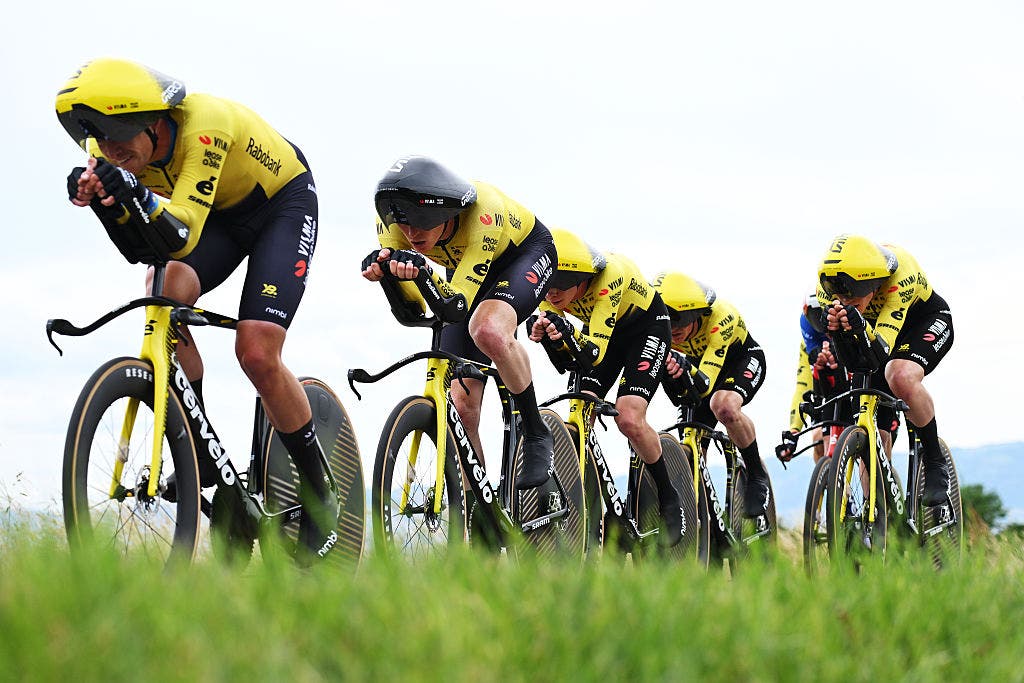
This year’s Tour de France is being touted as one of the hardest in years. With a total of 54,450 meters of gain across 3,325km, it’s a fraction shorter than the recent average, but it packs the most vert since 2023.
But a steep course doesn’t mean a slow course.
In fact, the parcours of the 2026 Tour de France has been engineered for fast, aggressive racing from day 1 through 21.
The opening stage TTT will prime the speed-trap.
The use of “ASO Rules” for TTT placings with throw GC riders into action on day 1 and leave a superteam in control of the yellow jersey. UAE, Lidl, Red Bull, Visma, and Netcompany Ineos are among the favorites for this first stage.
The momentum and pace of an early superteam battle will continue into a second stage that looks prime for Pogačar.
This Barcelonan double will put the race into fifth gear. It won’t shift down until the peloton arrives into Paris.
The first two weeks of racing are packed with 50kph sprint stages and heinous hilly stages that will have riders like Quinn Simmons and Ben Healy salivating – and that’s a near-guarantee for racing being fast.
The first real speed-busting mountain stages don’t arrive until the race rides through the Massif Central and into the Vosges on stages 10 and 14.
And despite the 54,450 total elevation gain, it’s evenly distributed on a course light on the high-altitude marathons that sap speed and compromise recovery. Few stages go beyond 4,000 meters of climbing.
Only one – the Alpine “Queen” on stage 20 – pushes beyond the fearsome 5k mark.
The yellow jersey might never escape the superteams on this parcours. Their collective horsepower will drag the Tour de France toward history.
3. Individual strength and collective GC depth
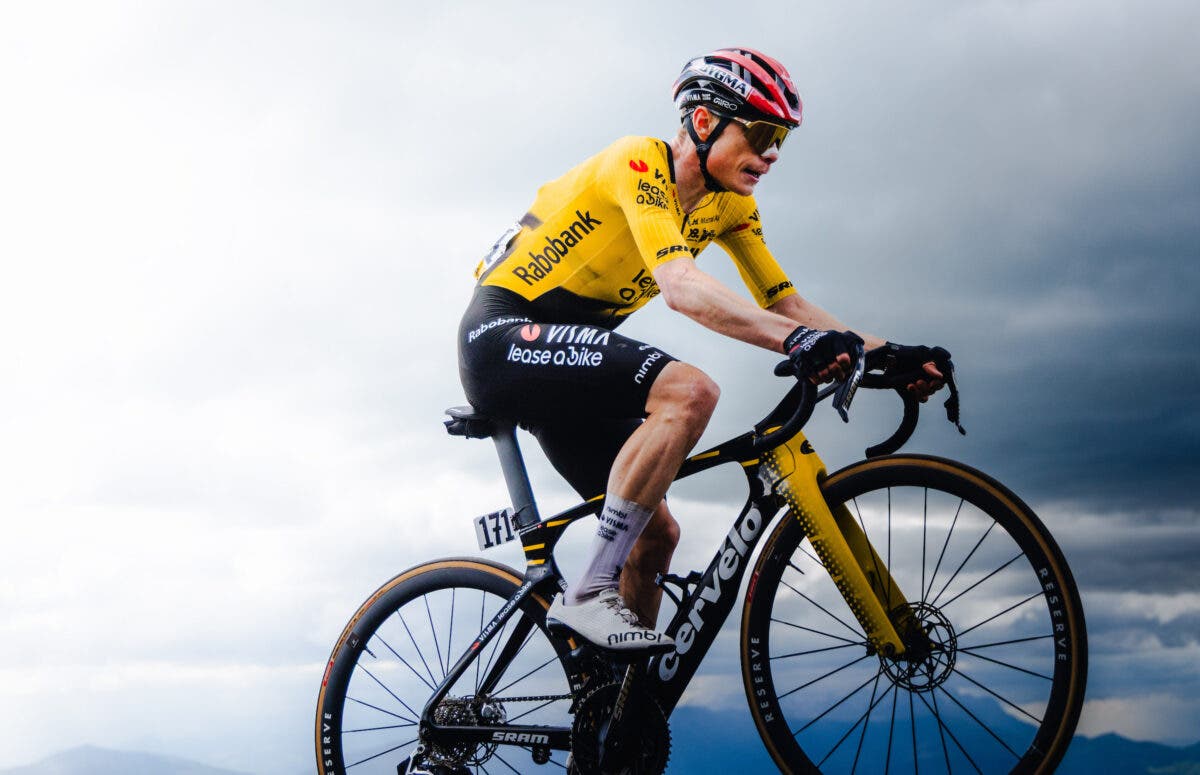
There’s not only a new density of superteams at the 2026 Tour de France. The deepest GC field in history will assemble Saturday at the grand départ.
Pogačar, Vingegaard, Evenepoel, and Seixas have hoovered attention ahead of the grand départ. The race hasn’t seen a quartet of contenders this strong since Chris Froome, Nairo Quintana, Vincenzo Nibali, and Alberto Contador in the mid-2010s.
But the race for yellow is about a whole lot more than this Big 4 and their respective squads.
From Lipowitz, Isaac del Toro, and Juan Ayuso at one end to Lenny Martinez and Cian Uijtdebroeks at the other, the quality of the GC field is almost unprecedented.
The individual strength of these climbing kings will collectively raise the ceiling of the Tour de France. Only the smartest moves at the maximum possible output will win crucial stages and carve classification gaps.
This increased competition at the front will ripple through the bunch – all the way to the lanterne rouge.
Cut-offs will be tighter.
The fight for the top-20 – the Tour de France is the one race where those positions actually matter to riders – will be fiercer.
There will definitely not be any soft breaks making it to the line.
They say a rising tide lifts all boats. The 2026 Tour de France will be sucked forward in the draft of an all-time GC field.
4. Carbs, heat, altitude, and the maturation of sport science
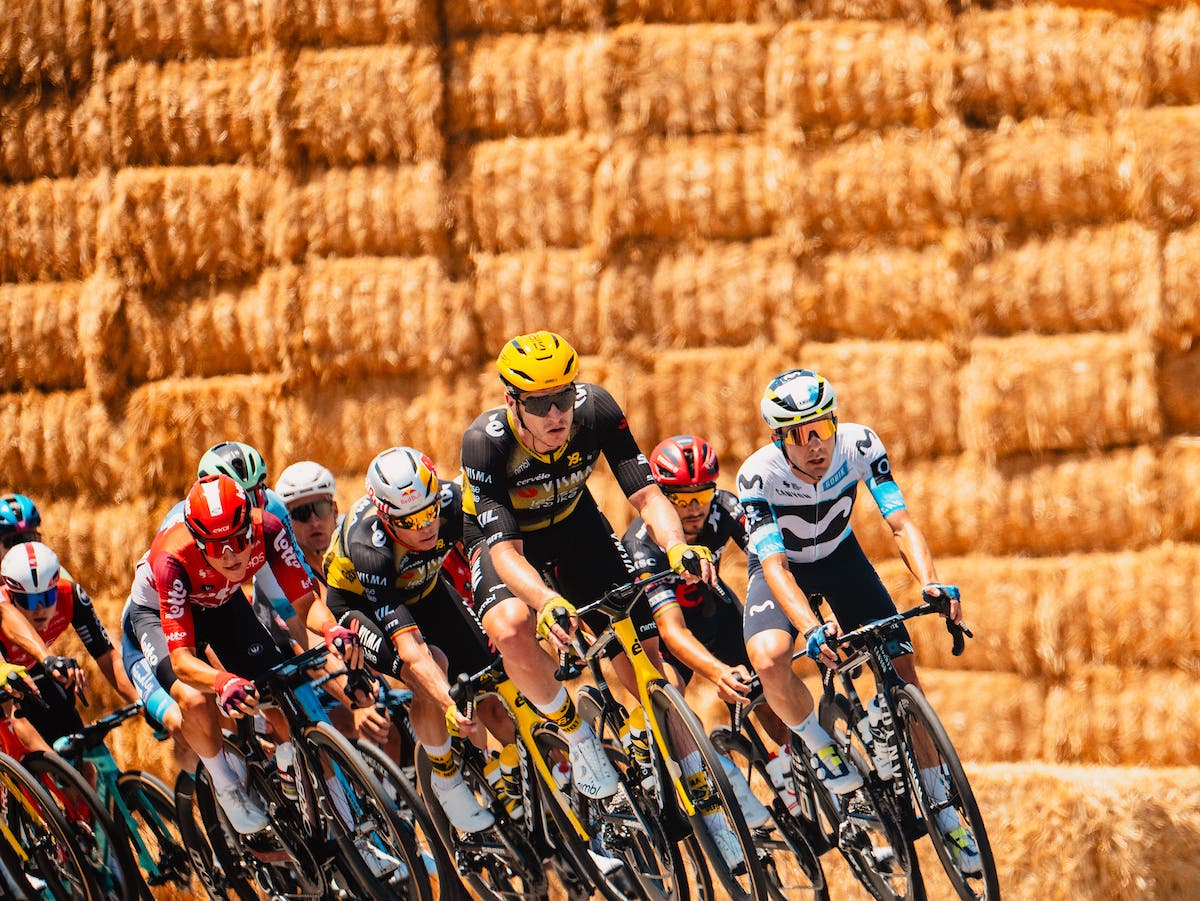
The Tour de France peloton becomes more physiologically freakish every summer.
This year will be no different.
Pogačar’s numbers from the recent Tour de Suisse suggest he’s stronger than ever. He opened his tune-up race with a virtuoso 70km raid and closed it with a devastating 24-minute climbing attack that averaged 7.2w/kg – a career best performance over that duration.
Meanwhile, Isaac del Toro – the rider who’s at the Tour de France to hand Pogi his water bottles– is crushing HC climbs at 6.7 w/kg.
Climbing whippets like Remco Evenepoel and Cian Uijtdebroeks are casually chatting about their 420-watt climbing thresholds.
We’re placing a side-bet that this Tour de France marks the start of a new era – one in which 7 w/kg is the winning standard in the high mountains. Because 6 w/kg is so last decade.
And it’s not only the select few who are reaching wild physiological peaks.
The peloton is fitter, front to back.
The carbohydrate revolution that bonk-proofed the Tour de France in the early 2020s still burns strong and has become more sophisticated.
After the early years of chasing the most aggressive fueling strategies possible, staffers have the data to dial in fueling plans for maximum effectiveness, and minimal sickness.
The same maturation applies to the training trends that swept the post-pandemic peloton.
Heat training, torque intervals, and a new take on zone 2 are among the interventions that put a few extra percentage points onto the collective FTP in recent years.
Those early gains came courtesy of science-backed experimentation by the most sophisticated trainers. Now, after the initial trial-and-error, they’re being deployed thoughout the bunch with laser-guided efficiency and maximum effect.
5. New tech
Somebody once said that cycling “isn’t all about the bike,” and they were right.
But there’s no denying it helps.
Like every year, the Tour de France will be a moving billboard for new bikes and components that are sleeker, lighter, and sexier than before.
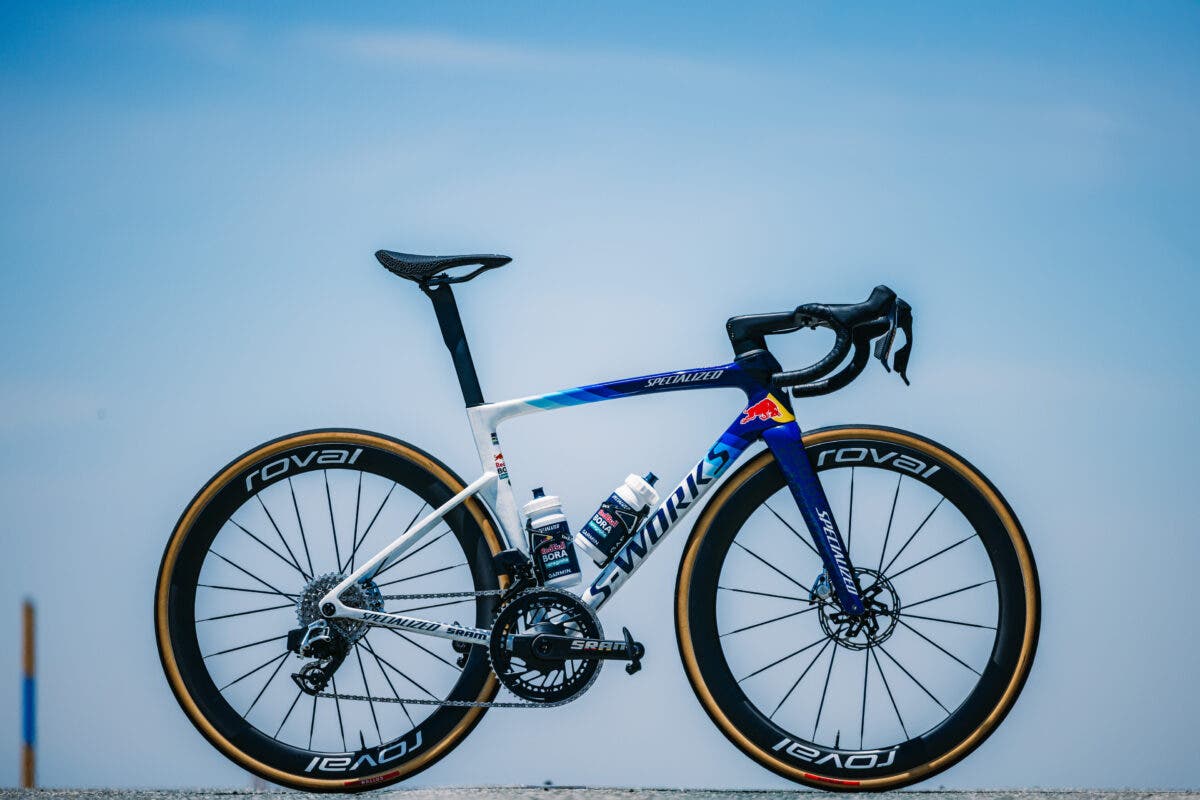
Specialized just rolled out a new Tarmac SL9 that modestly boasts it’s “the fastest road bike ever made.” Evenepoel, Lipowitz, and their Red Bull henchmen will be on top of these Specialized rocket ships as they hunt an underdog yellow jersey.
The Quick-Step Wolf Pack will also gain new speed courtesy of a Tarmac that boasts every aerodynamic micro-gain possible. [Intrigued? Check our full review of the SL9 here – ed.]
Across the paddock, Decathlon-CMA CGM (Van Rysel), Cofidis (Look), and Uno-X Mobility (Ridley) are expected to be using either updated or prototype road bikes that haven’t yet made a public launch.
And as if Pogačar needed some more speed, Colnago has presented UAE Emirates-XRG a new time trial bike that’s been on a 500-gram weight-loss journey.
This flood of new swag can be considered alongside point 4 above. The constant evolution of bikes, components, and sports science pushes the Tour de France a fraction further forward every summer.
But this year, they’re only the base of the Tour’s high-speed cocktail.
Throw some super-teams, super-talents, and an aggressive parcours into the mixer. Stand back. Watch racing speeds bubble over.
[analyse_source url=”https://velo.outsideonline.com/road/road-racing/tour-de-france/tour-de-france-fastest-ever/”]