[analyse_image type=”featured” src=”https://velo-cdn.outsideonline.com/wp-content/uploads/2026/06/DSC_5930.jpg”]
Welcome to Velo’s Eurobike coverage, where we share our favorite things we’ve found at the 2026 show. Bikes, components, accessories, and more: if we think it’s cool, you’ll see it. See the rest of our Eurobike coverage.
In the midst of a quiet Eurobike 2026, Canyon saw an opportunity to make a big splash with the introduction of the Predict concept bike. Sitting at the center of one of the largest booths at the show, it offers a futuristic blueprint of what road safety could—and perhaps should—look like. With the integration of AI, onboard cameras, radar, and other tech, the Predict isn’t a production-ready model, but rather a bold introduction of ideas.
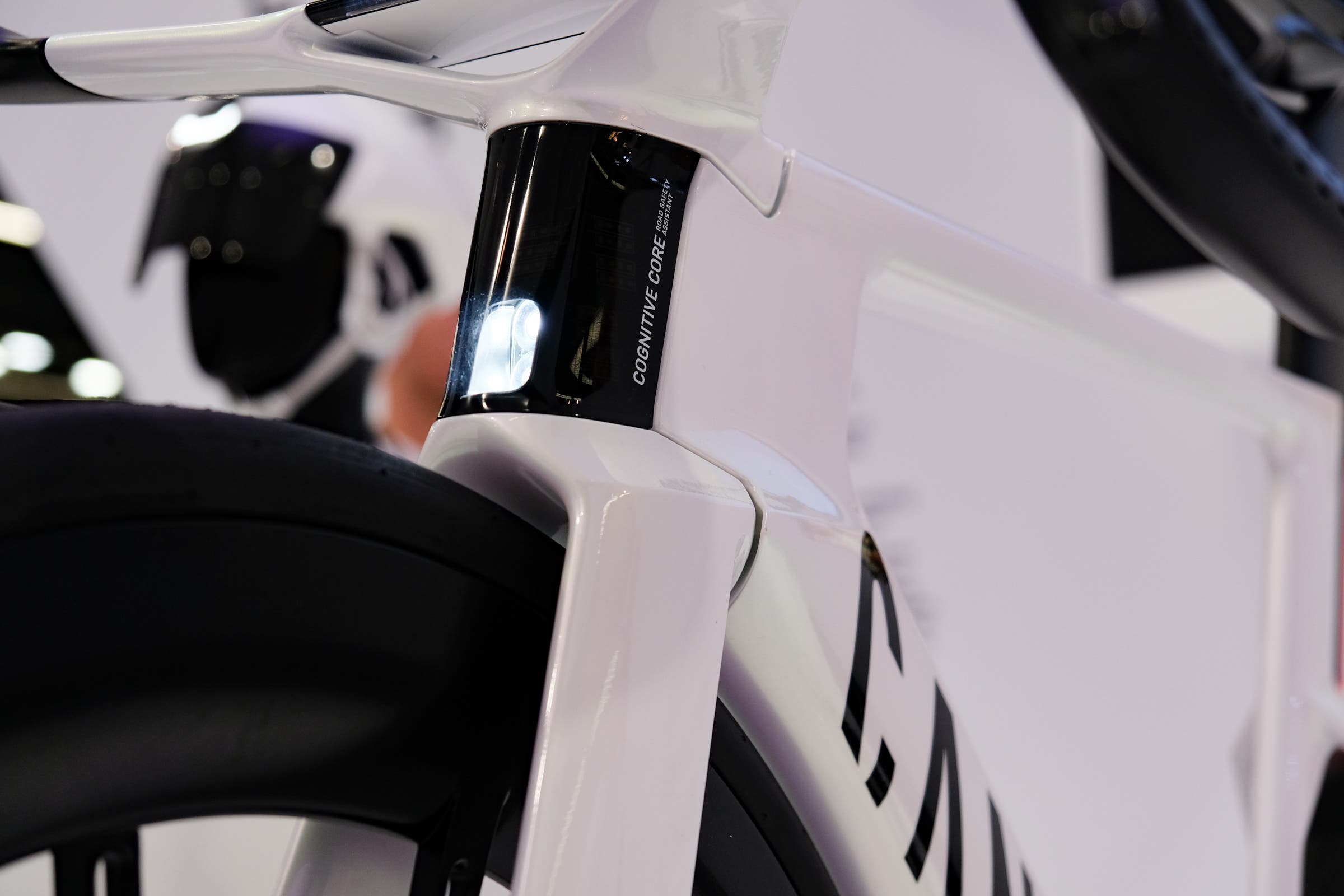
Radars and cameras
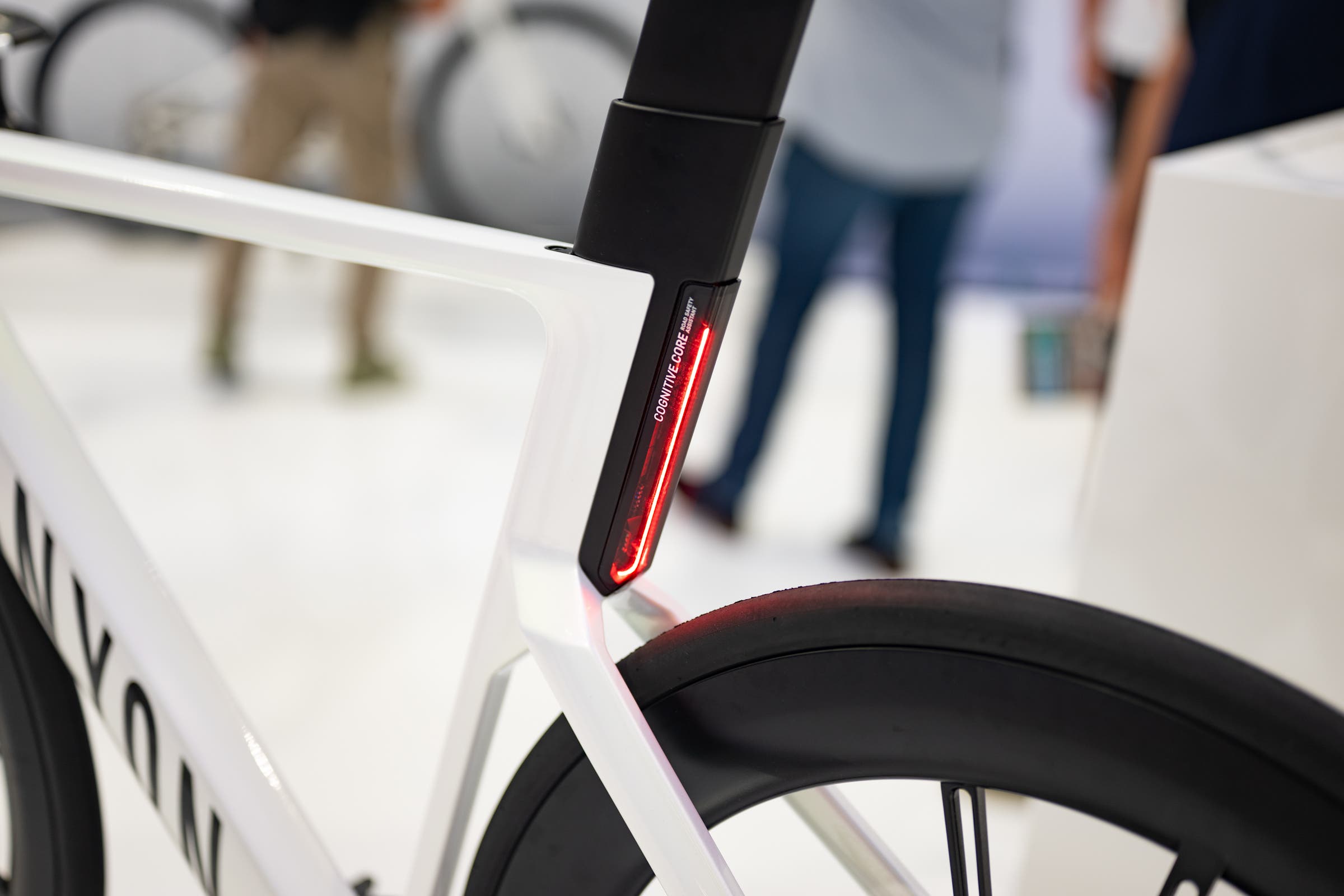
At the core of the bike is a system that helps cyclists recognize dangers on the road before they see them. With sensors that together offer a 360-degree view, the bike anticipates what other road users are going to do. There are three radar sensors on the front (one aimed forward and two sideways) and another at the rear. Additionally, there are four cameras with similar points of view that are constantly analyzing traffic around the bike.
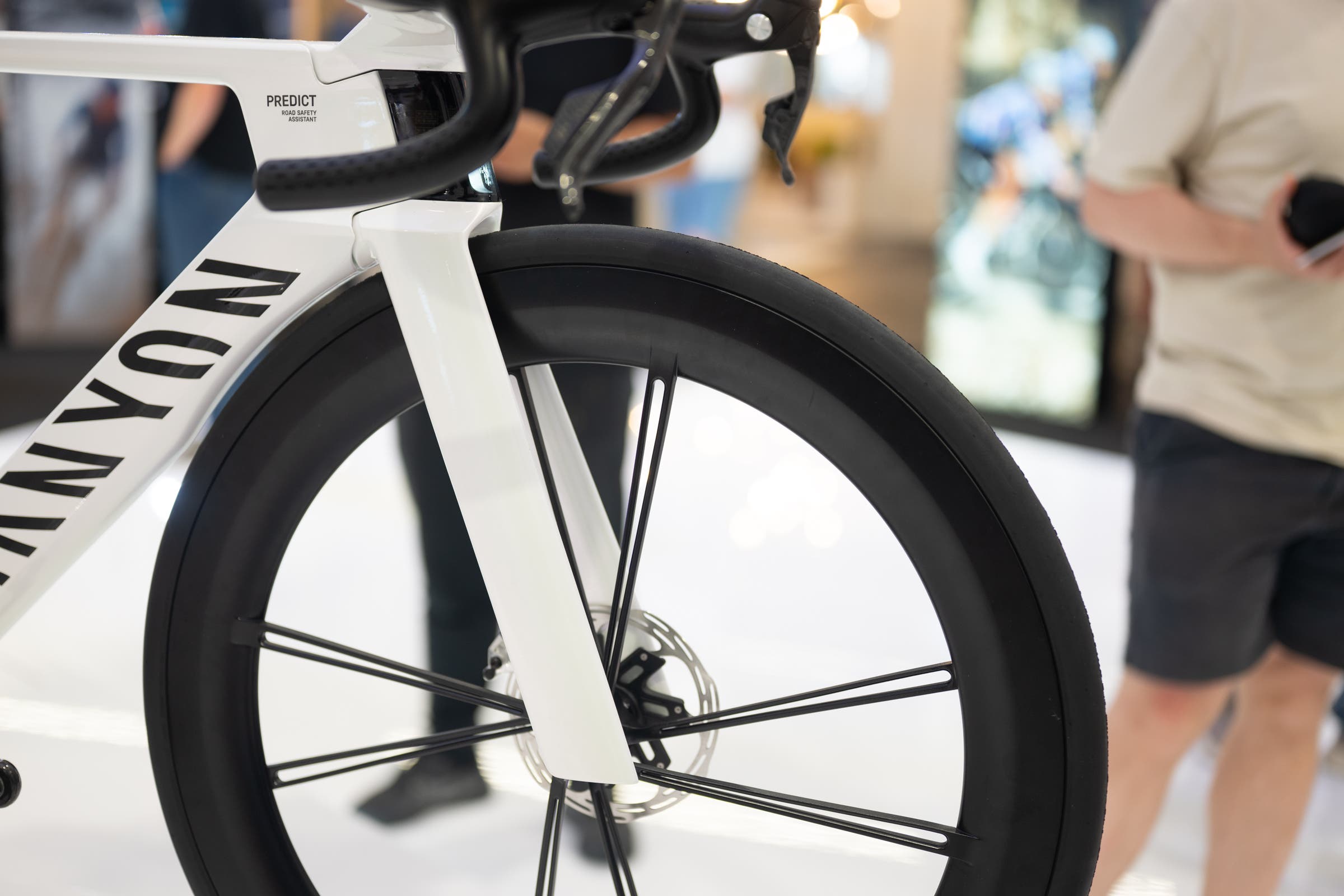
The cameras and radars act as surface-level sensors, but the bike is simultaneously collecting dynamic data about the movements of both the bicycle and the rider. This data collection happens in the wheel hubs, which DT Swiss co-developed specifically for this project alongside Canyon.
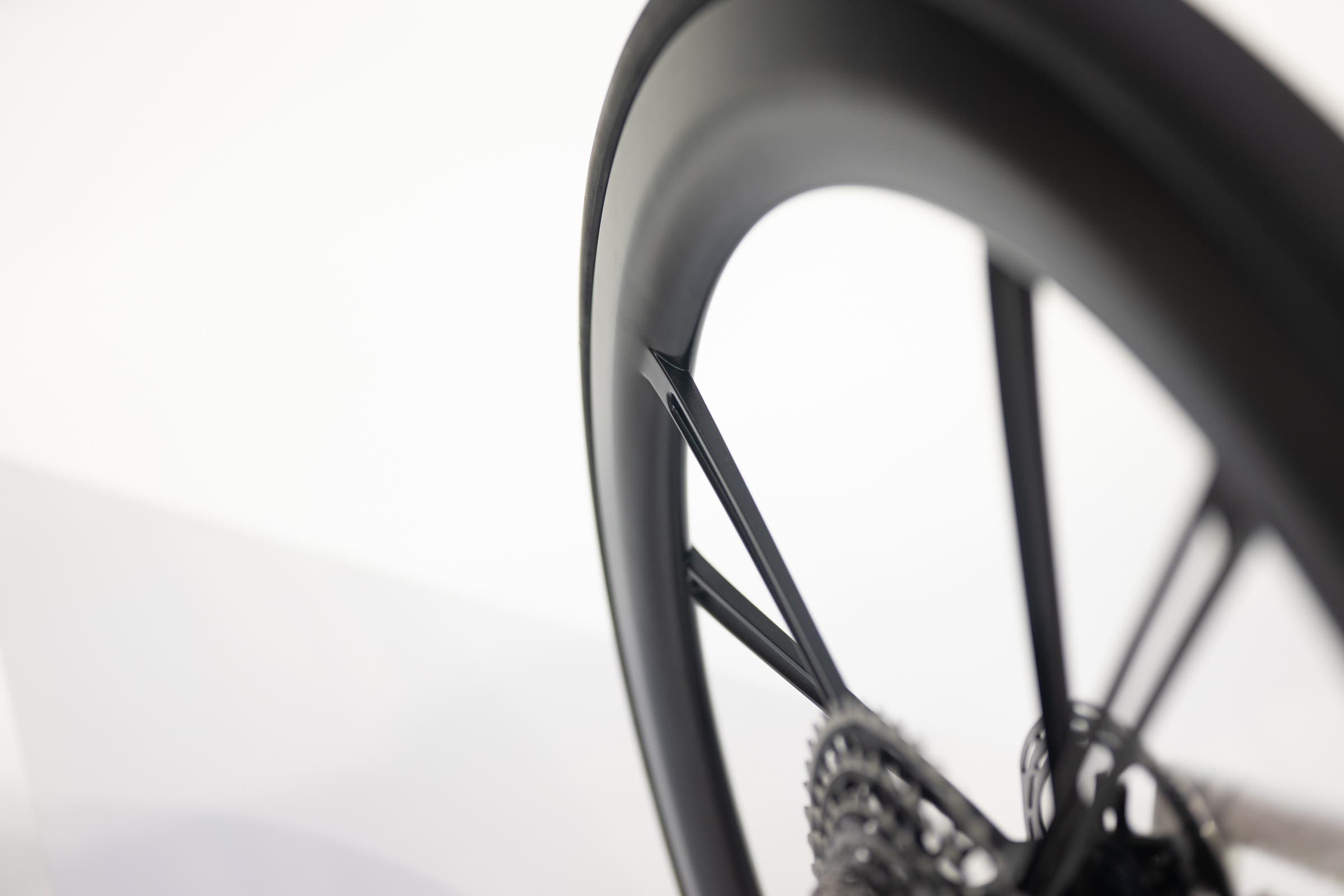
By combining all the data from the sensors, cameras, and wheel hubs, the system predicts what traffic is going to do. At the same time, the radar and camera data are used to advise riders on appropriate speeds for upcoming corners, predict risky road surfaces, track group-ride dynamics, and react to road hazards beyond just other vehicles.
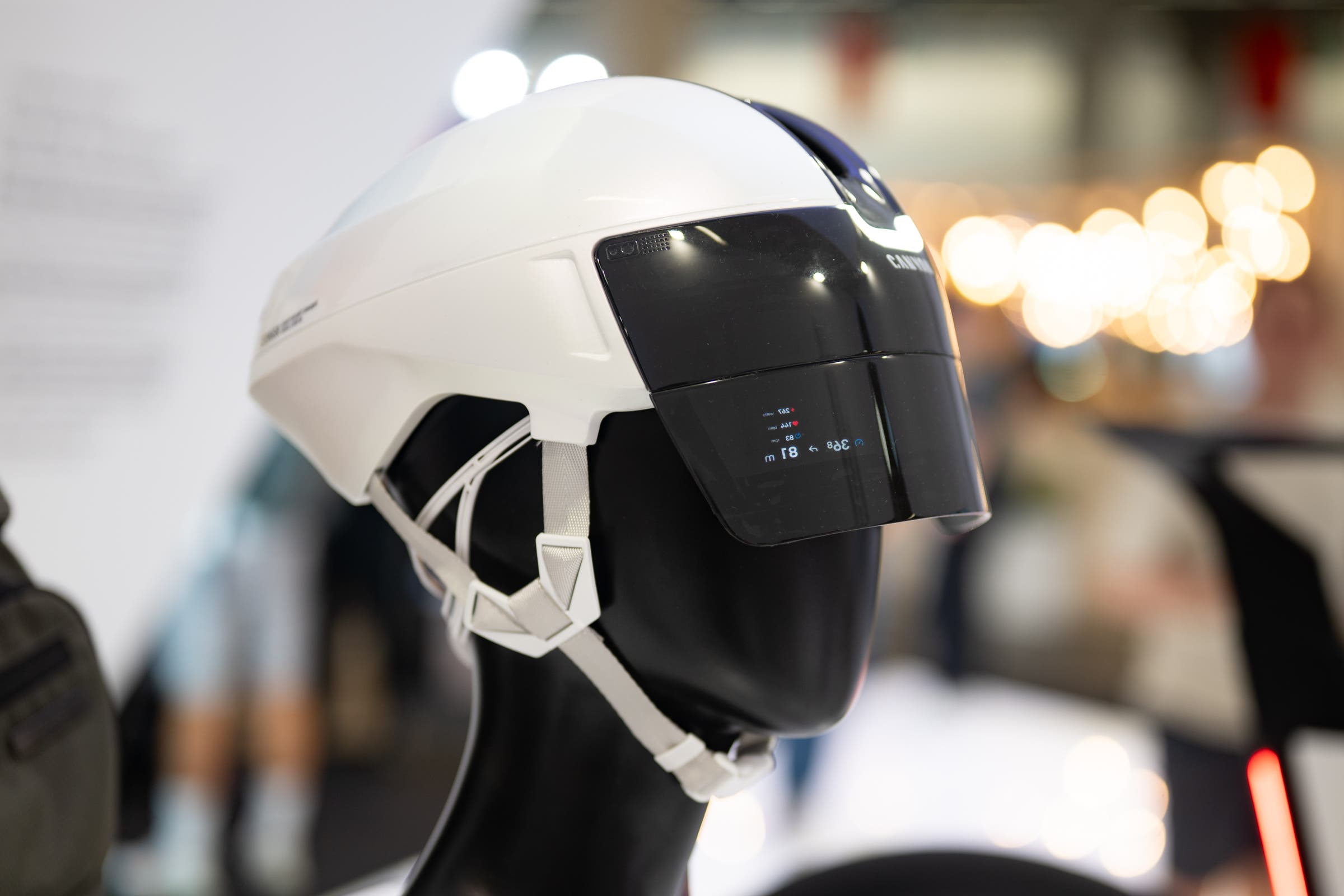
Augmented Reality and Active Crash Mitigation
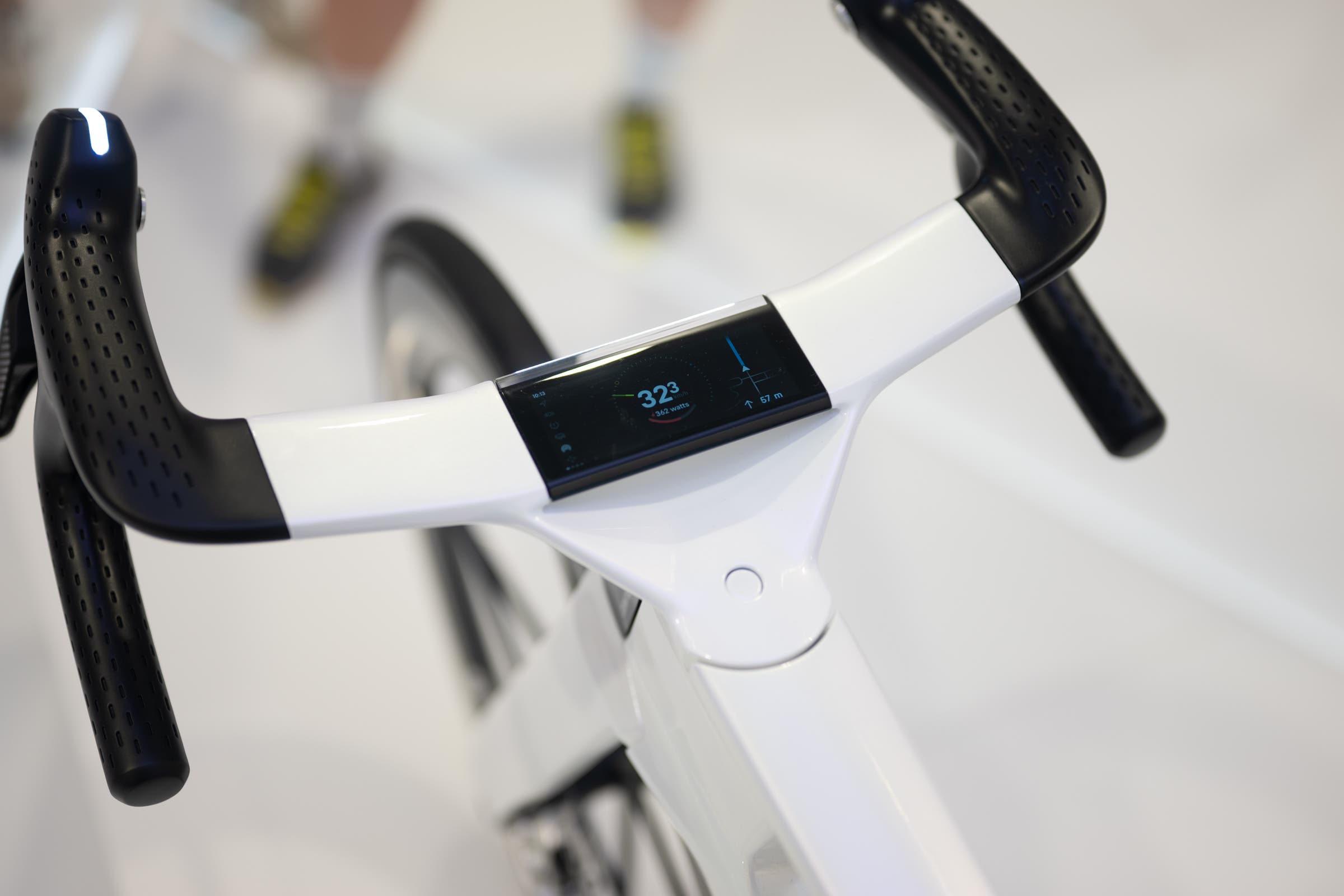
All that data is processed by an internal computer and displayed on a screen integrated into the cockpit. The computer can also connect with an augmented reality helmet, the Canyon Stingr Smart Helmet, which launched alongside the Predict.
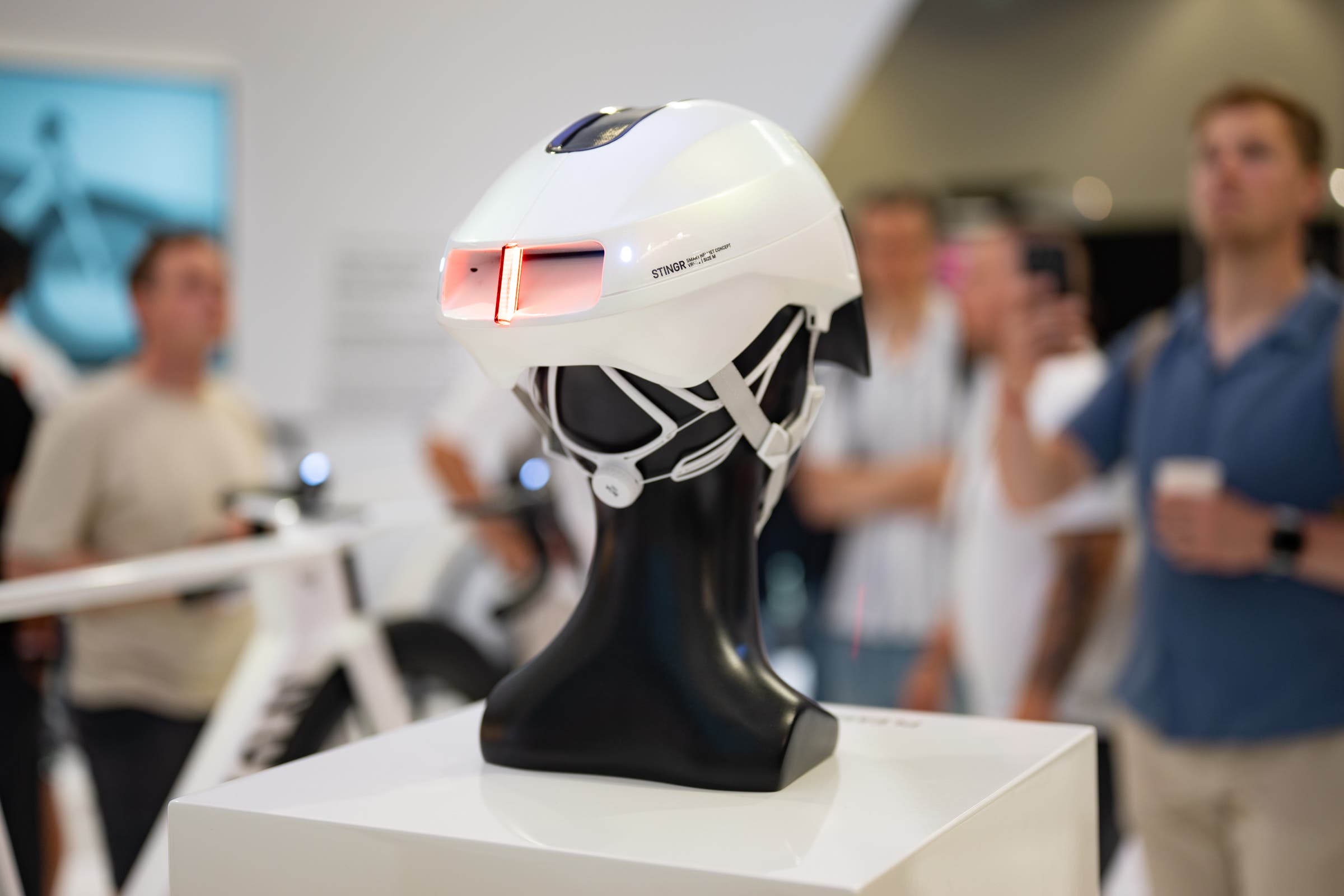
Canyon envisions the helmet as not only a companion to the Predict bike but also a standalone accessory available for use with other bikes. The design integrates a display into its drop-down visor in an effort to keep warnings about traffic, road surfaces, or other hazards immediately visible.
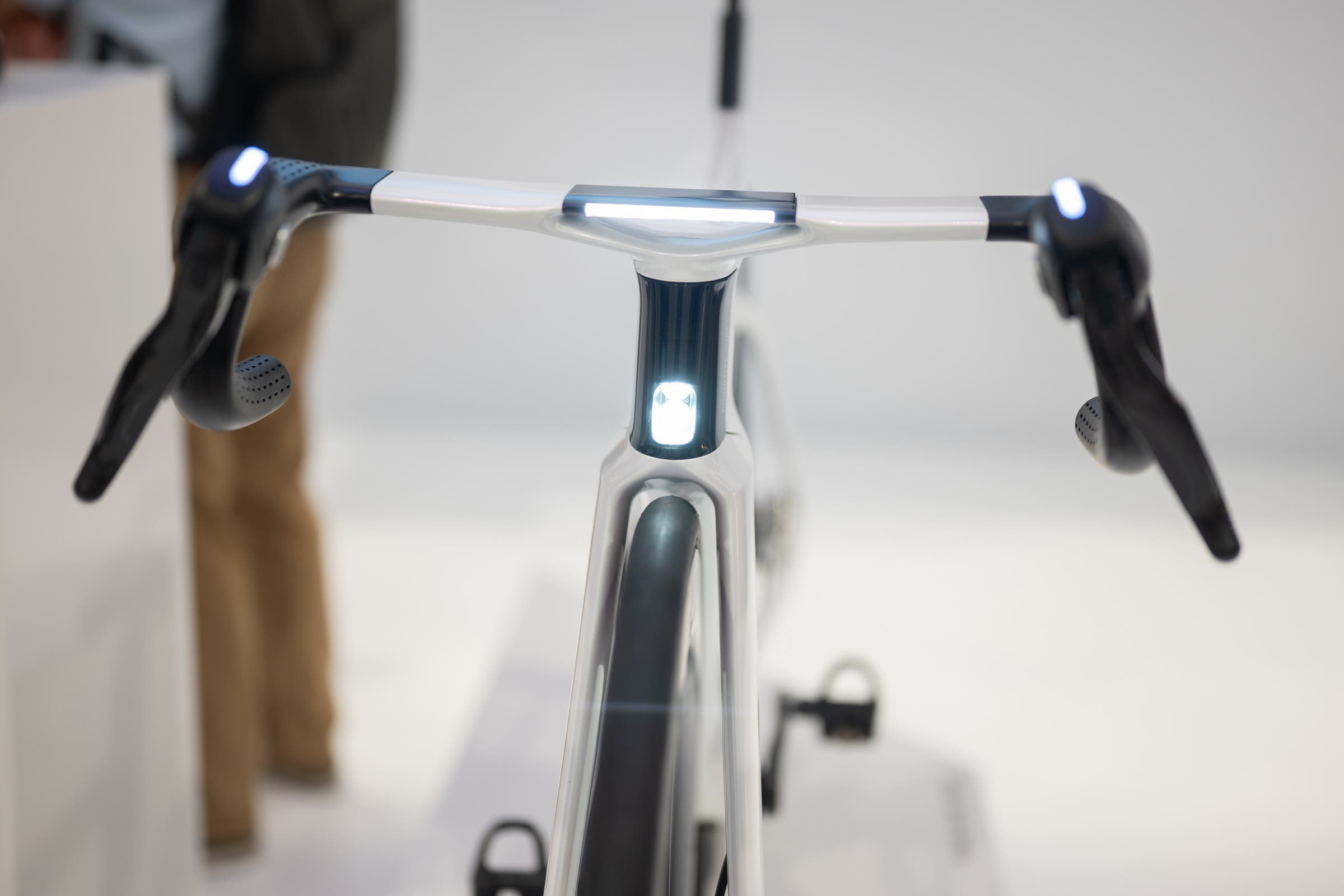
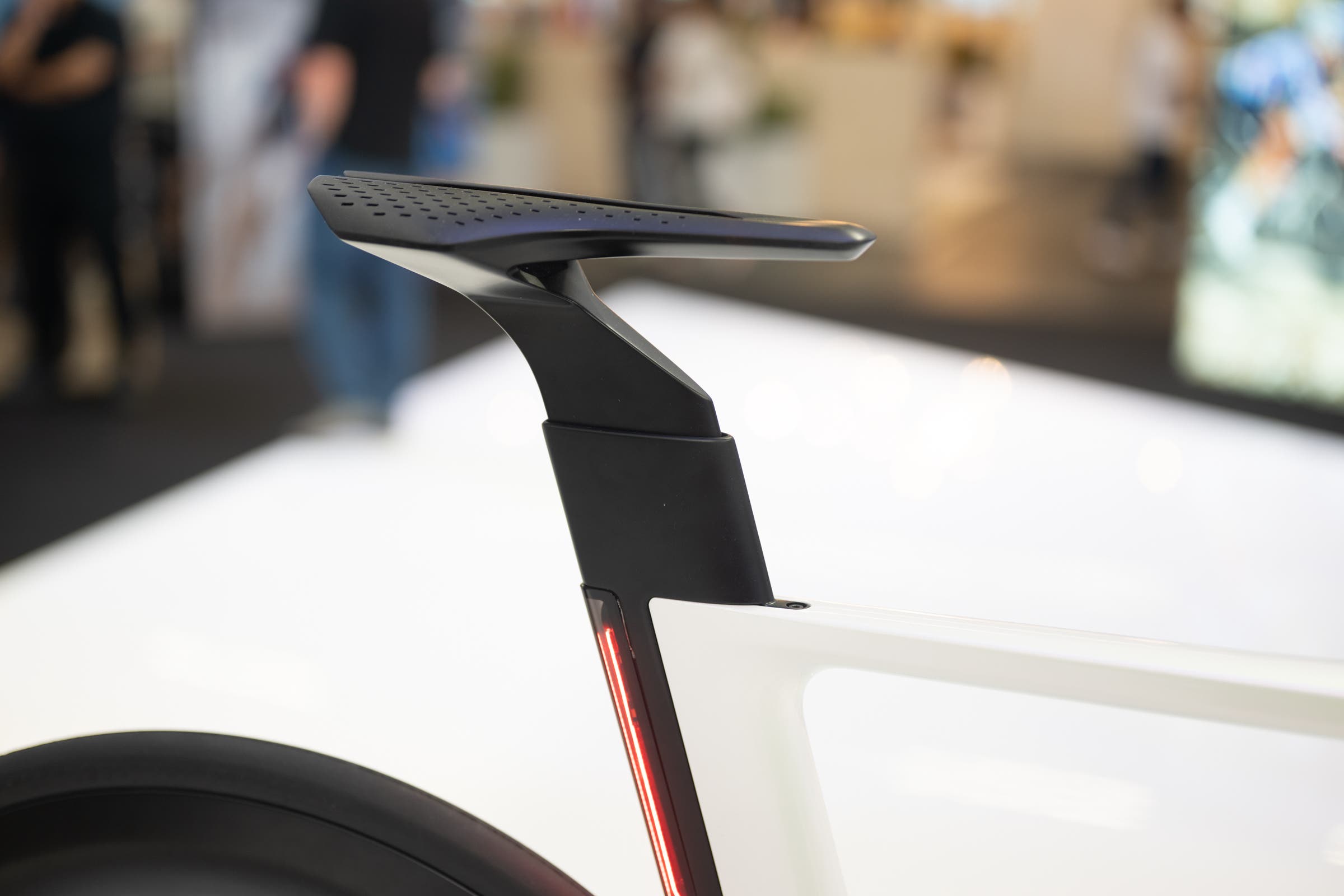
The bike also features integrated lighting in both the front and rear, as well as an automatic dropper post that lowers your center of gravity to “improve stability and increase control.” Interestingly, Canyon doesn’t say the bike will drop the post before a corner, but rather before the computer calculates a crash might occur. In other words, the system uses the dropper post as a proactive form of damage control.
Ultimately, the goal of the bike is to transform bicycle safety from reactive to predictive. Canyon believes the system can increase rider awareness of the entire environment—whether that involves surrounding traffic or simply the road surface. This should reduce response times to dangers, minimizing the chances of crashing and reducing the impact if you do go down.
Real-Time Traffic Integration
The Predict wasn’t the only product introduction at the Canyon booth focused on road safety. Canyon also showcased the new Roadlite:ON equipped with integrated V2X (Vehicle-to-Everything) technology. This communication system tracks the location of cars, bikes, and other vehicles equipped with V2X modules, allowing the bike and surrounding vehicles to “see” each other, even without a direct line of sight.
Through haptic signals on either side of the handlebars, the bike can alert the rider if, for example, a car is rapidly approaching a blind junction. While the V2X system has already been adopted by several million cars in Europe, it relies on critical mass; to reach its true potential in protecting cyclists, the technology needs widespread adoption across all vehicle types. Canyon chose not to integrate this technology into the brand vision of future performance road cycling.
Is this safety?
As Canyon presented this vision, it felt worth asking the question: would a bike like this actually increase safety? Although the V2X technology is already being used and looks promising, some of the new tech in the Predict raises questions about the way we should really approach road safety. It is fair to wonder whether additional data might actually add distractions instead of preventing them. Equally so, is outfitting a bike with sensors the best way to increase safety on the road, or is the real challenge to minimize dangers at their source rather than relying on riders to react to them?
Nonetheless, the fact that Canyon is actively trying to improve road safety for cyclists is admirable. Even if we don’t directly see this tech used in the short term, it’s valuable to continue the conversation on traffic safety and keep pushing innovation on the topic.
[analyse_source url=”https://velo.outsideonline.com/road/road-gear/eurobike-2026-canyon-predict-v2x/”]