Wonderland
ARIA VEGA IS DOING IT FOR THE CULTURE
Colombia’s rising star is following in Shakira’s footsteps as Barranquilla’s next icon. She talks origins, breakthroughs, and shining a light on her culture.
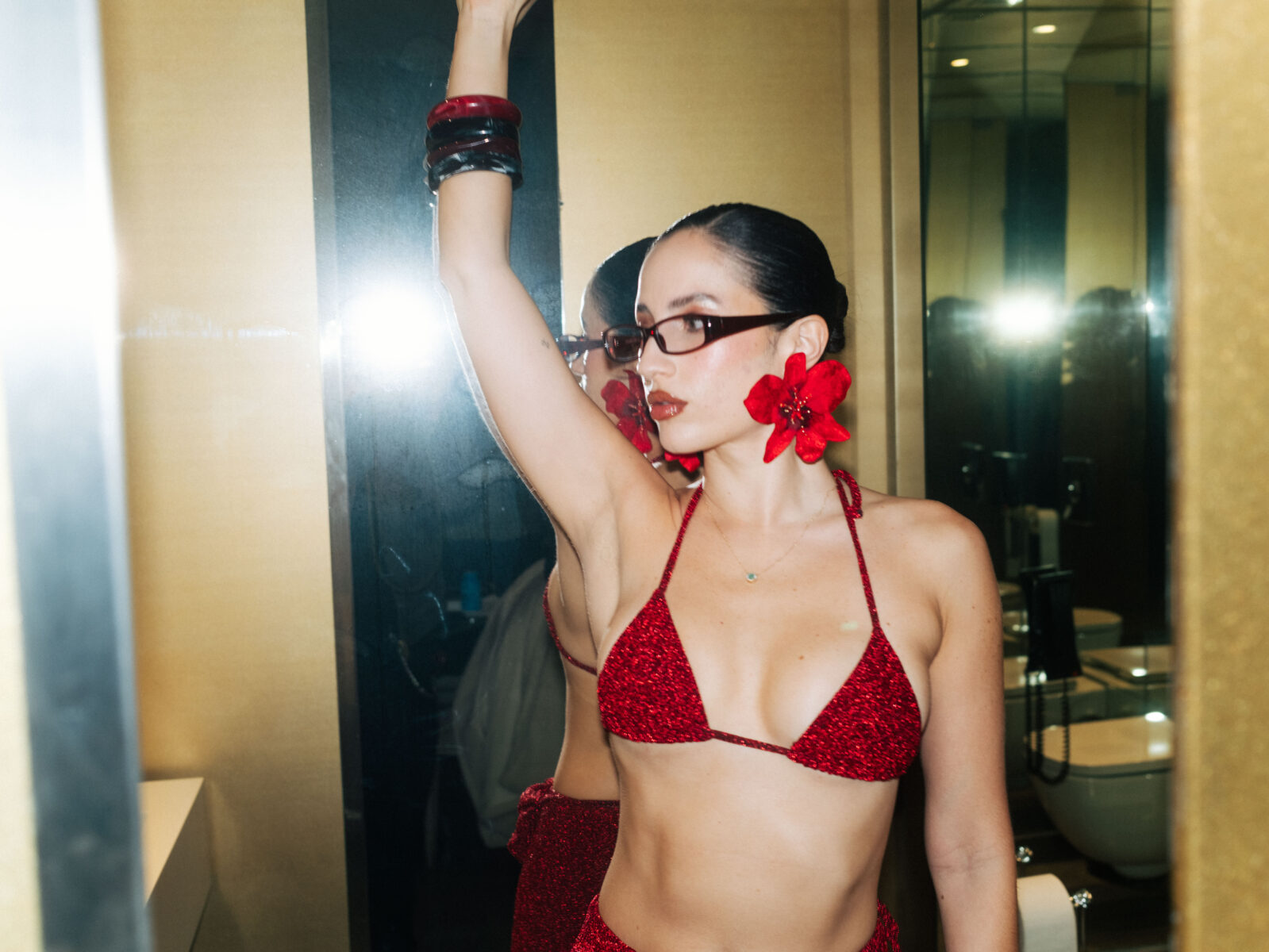
It’s an Aria Vega summer. This past year, the rising Colombian star has taken the world by storm with her sun-kissed anthems like “CHÉVERE (joesón_type_beat).” At the same time, Vega is also shining a light on the culture and music of her country’s Caribbean region. She’s just getting started.
“This past year has been crazy,” Vega says. “It’s a dream come true and it’s also a lot of responsibility to work my ass off basically and make things happen. To make things happen, we got to work.”
Vega hails from Barranquilla. Her nickname is “La Nena de Quilla” or “The Girl from Quilla.” She first rose to prominence in her country as a semi-finalist on Idol Colombia. Vega soon started releasing music on her own in 2019. It wasn’t until Vega infused her songs with the swagger and slang of the costeño people, or the people from Colombia’s Caribbean region, that she started gaining momentum. Vega’s blends Afro-Caribbean rhythms, pop, and R&B in her hits like “AGUA E´PANELA (cule_nota),” “AY MAMA (mi tiburón),” and “CULE POCO (sirena_besarico_costeña).” She has since dubbed her style of music as “costeñita core.”
Earlier this year, Vega permeated the pop mainstream after Colombian star Ryan Castro jumped on “CHÉVERE (premium_remix).” On Spotify, both versions of “CHÉVERE” have exceeded 105 million streams combined. Spotify also recently named Vega’s global smash as a song of the summer. The last major female pop star to come from Barranquilla was Shakira, and now Vega is blazing her own trail while proudly representing her costeña roots.
In an exclusive interview for Wonderland, Vega reflected on her breakthrough, being a voice for Colombia’s Caribbean region, and what’s next.
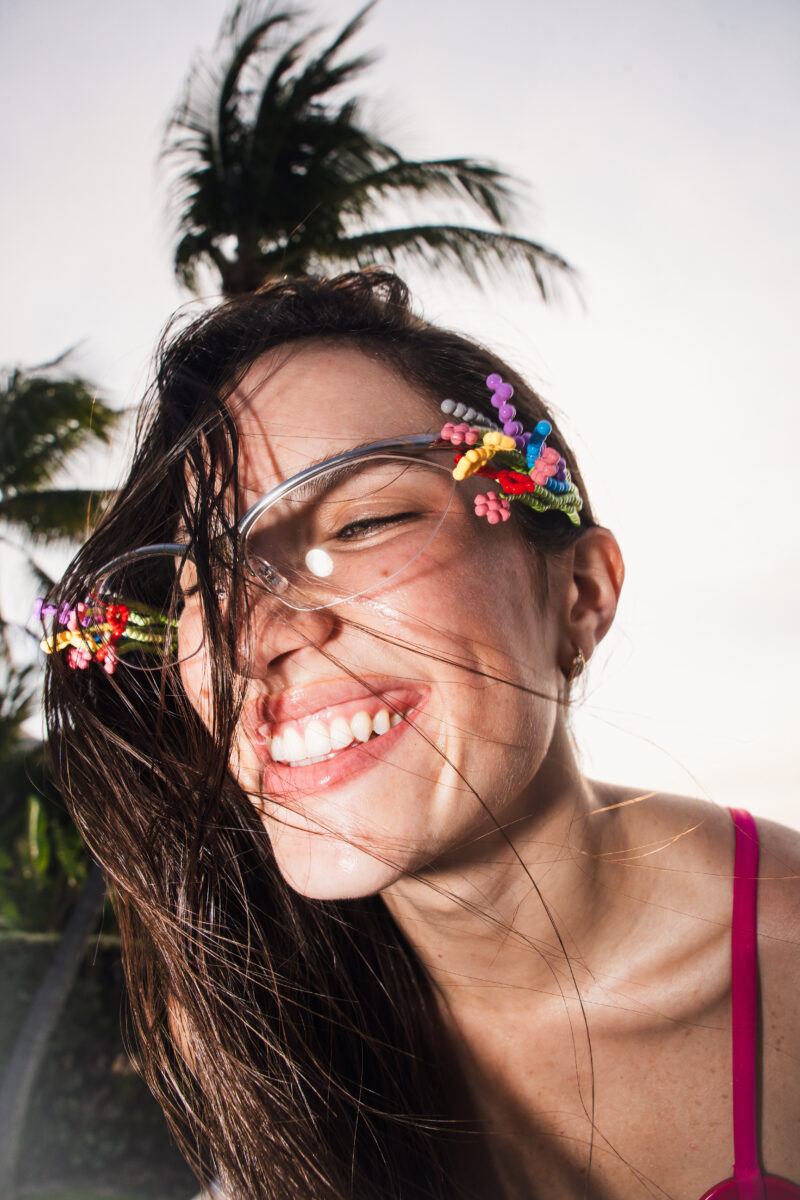
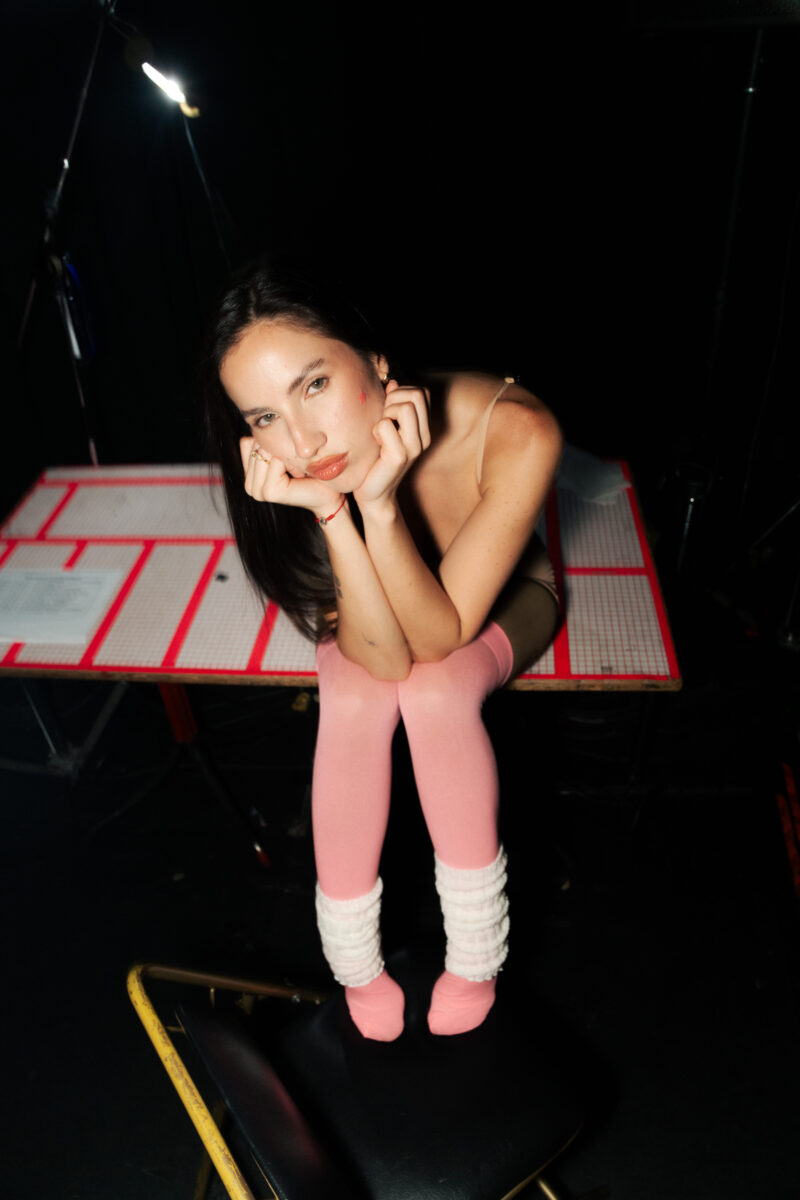
Read the interview…
It’s been seven years since you started releasing music. How do you feel to be making a global impact now with “CHÉVERE”?
Well, looking back, it’s like a moment of realization. When you see it’s been seven since your first song, you come to the conclusion that it’s all about patience. You have to dream big and have a goal in life. Just pursue it. Eventually if you’re working hard, manifesting, and putting all your good energy into that goal, it’s going to work out.
How would you say that the success of “CHÉVERE” changed your life?
Well, “CHÉVERE” changed my whole life basically. I would say that’s the song that also changed my habits, my hobbies, and absolutely everything. In my free time, I can decide to go to the gym or go to dance classes. When am I going to hang out with my friends? How much time am I spending with my family? It’s all been changing so quickly.
What was the experience like to work with Ryan Castro on “CHÉVERE (premium_remix)”?
I’ve admired Ryan Castro and his discography for a long time. I actually met Ryan back when things were starting to work out for him in Colombia with his song called “Lejanía” with Blessd. I met him at a song camp and everything blew up for him. We followed each other on Instagram, but for me, it was a surprise to have him message me through a DM and say, “‘CHÉVERE’ is such a good song.” That was incredible because I’ve known him for a long time. When he wrote to me recently, I felt honored because I love his music.
How do you feel about being the first major female artist to come from Barranquilla since Shakira?
I did not realize that until you told me right now. Wow! It feels like such a blessing. I admire Shakira so much. I believe in all the talent that is born and raised in Barranquilla like Sofía Vergara and Beéle. It’s a blessing to be getting that attention that a lot of upcoming artists dream of.
Why is it important for you to use slang from Barranquilla and the costeños in your songs?
Caribbean culture in Colombia is so different from the rest of the country. It feels really good to shine a light on that and shine a light on how we dress, what we eat, and how we sound. It’s really cool to shine a light on that slang and those differences that make our diversity in Colombia great. I feel like it’s a beautiful thing to feel proud of where you are from and to feel proud of your culture.
What was the inspiration for your latest single “CULE POCO (sirena_besarico_costeña)”?
It’s like saying you have me tripping out, but in such a good way. It’s in such a cool way that everything feels right. I think it’s not a secret for anyone that I’m in love right now. I’m happy, so it just felt right. It felt authentic with the place where I wrote this song [Bello Horizonte], with what I was eating, and what I was breathing basically.
June is LGBTQ+ Pride Month and I was wondering if you had a message for your queer fans.
I love my gays! To all the LGBTQ+ community, I want to say that I love you guys. I love all the support you give me. I want to send a huge and strong hug to them, so we can all show the real versions of ourselves out there. Let’s do that with a lot of glitter and shiny, colorful, and beautiful things that make us feel like our authentic selves. Let’s celebrate freedom. Freedom is what everyone should hope for in their lives. Be free, be loved, and love everyone with all your heart.
Who would you love to collaborate with in the future?
I would love to collaborate with so many artists, but Shakira is my biggest dream collaboration. It would be such a full-circle moment for me.
What can we expect from you this year?
There’s going to be more music. Expect more Caribbean-influenced and authentic music. I want to leave a legacy and be a bearer of my culture.
Words – Lucas Villa