[analyse_image type=”featured” src=”https://velo-cdn.outsideonline.com/wp-content/uploads/2026/06/Shimano-GRXTR-cover.jpg”]
Pros
- Rapid and precise shifting
- Flexible shifter options, in price and feel
- Broad range of gearing through a wider range cassette
- Class leading brakes
Cons
- Poor crankset optionality
- No stock power meter
When Shimano unveiled a slew of off-road Di2 products last June, the general mood seemed to be dimmed by the recurring criticism that it took too long. Whatever the thoughts on the groupset were, Shimano missed its moment, and SRAM, with its revamped XPLR groupset arriving a full year earlier, had taken over.
Today, with both groupsets well outside the window of newness, those initial sentiments have only cemented. By almost every metric, SRAM remains the predominant gravel groupset.
Yet, after riding a Shimano GRX/XTR mullet groupset on my personal bike for a year, it is abundantly clear to me that ubiquity should not be confused with superiority. From my vantage point, the Shimano setup is just better at doing the job of a gravel groupset.
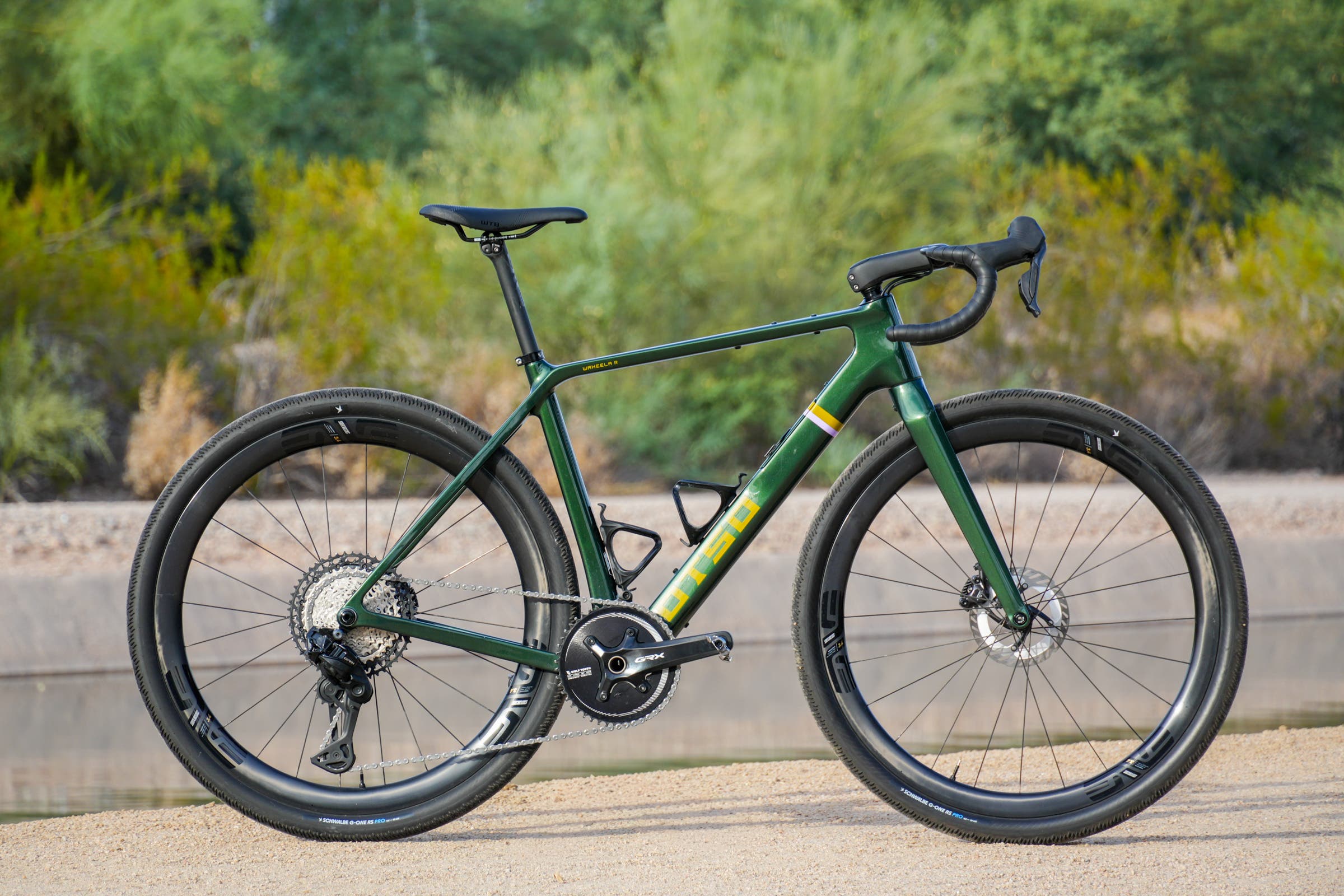
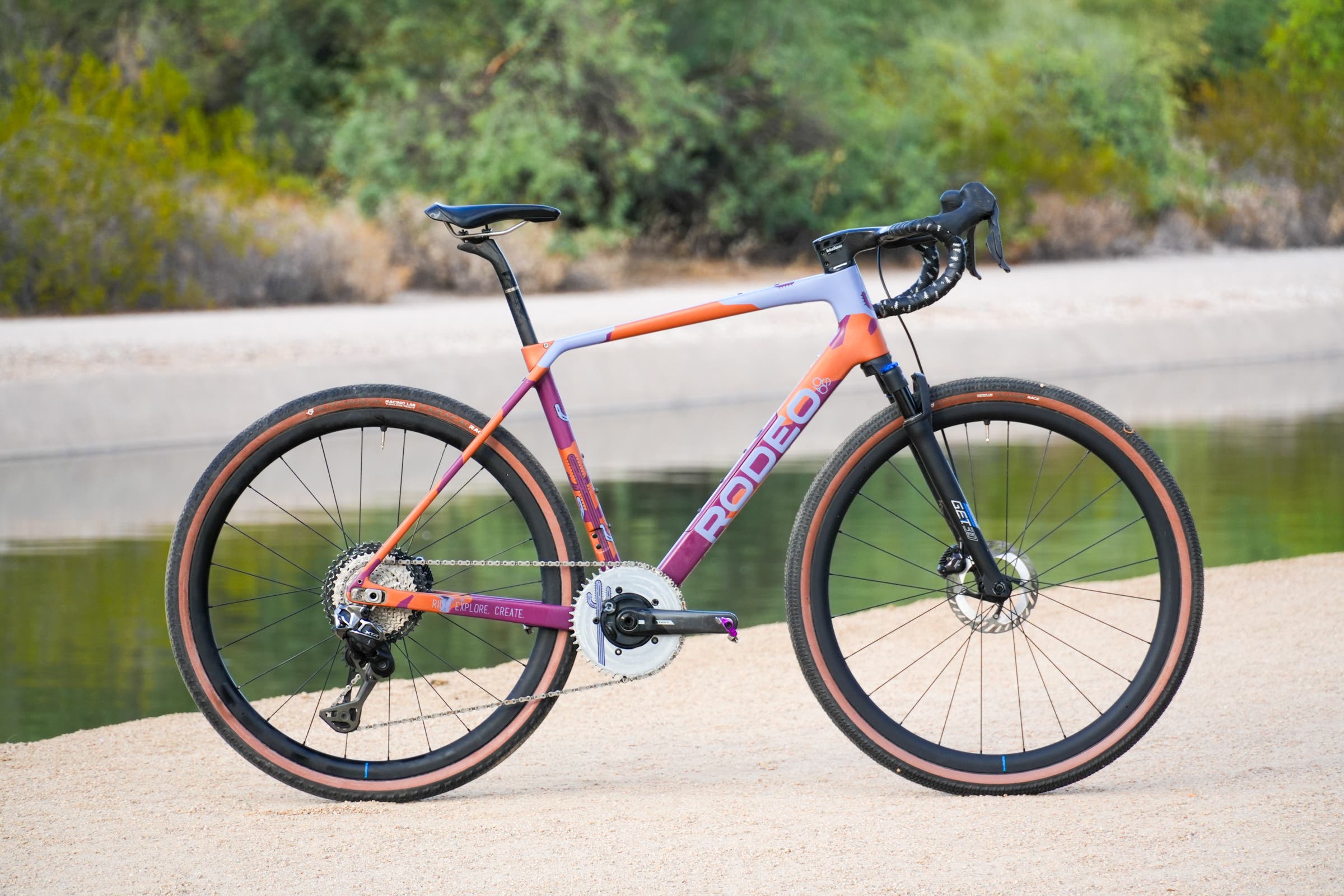
Ultimately, there are elements of taste that make this a subjective assessment. There are plenty of reasons why the SRAM XPLR Red groupset will loom largest as the best gravel option. However, after a year of riding, that’s not my perspective. Flipping back and forth between the Shimano GRX/XTR groupset on my personal bike and the SRAM XPLR setups common on test bikes made my preference clear. To me, everything from the braking modulation to the shifting speed makes Shimano a better system for the needs of gravel riding.
Testing Shimano’s best gravel setup (it’s not GRX)
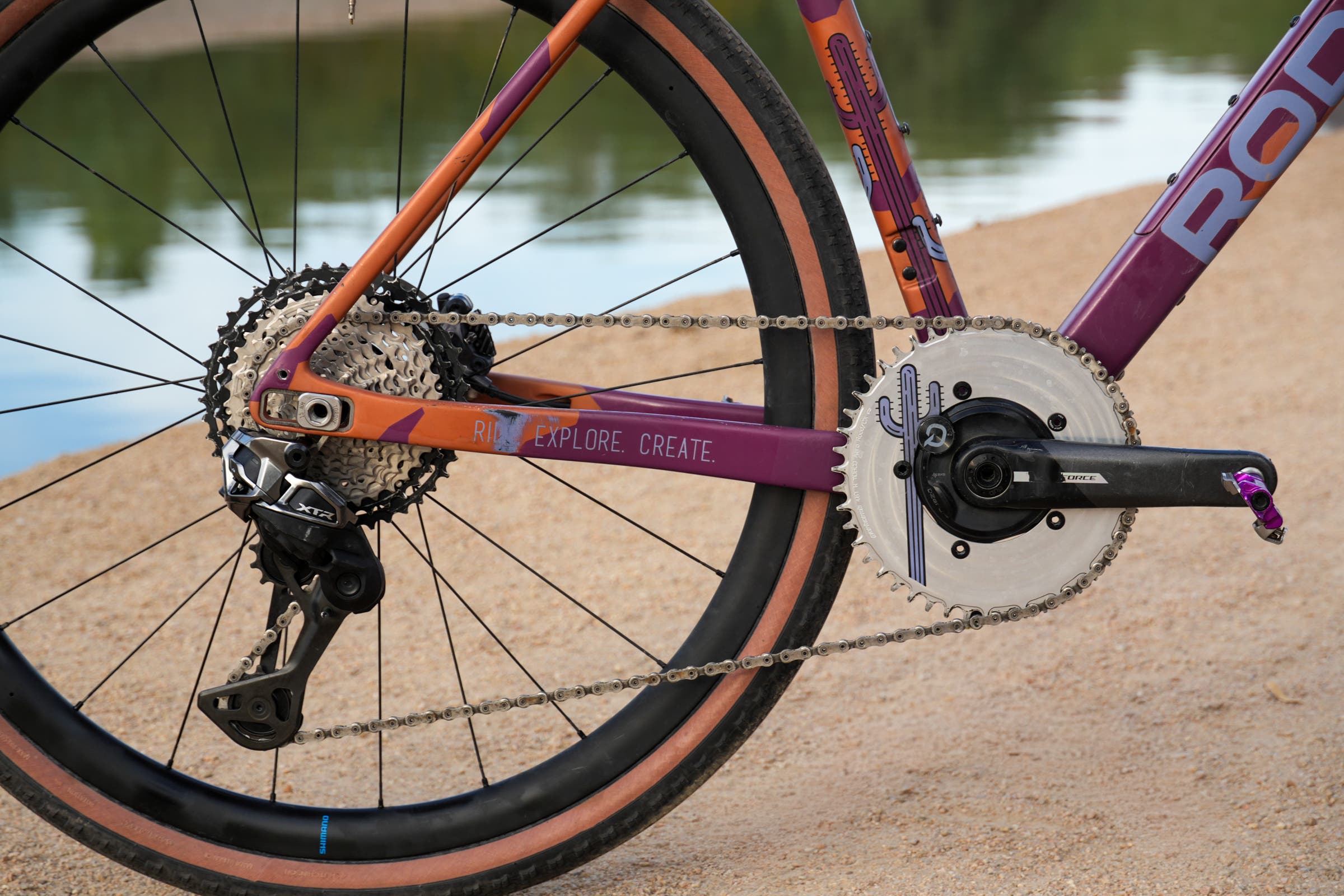
When Shimano unveiled its updated 1x Di2 lineup last June, a major selling point was the cross-compatibility between its road, gravel, and mountain bike ecosystems. However, in practice, that compatibility makes the “new” GRX Di2 feel cobbled together rather than a dedicated gravel groupset. Shimano simply paired existing GRX levers and cranksets with a newly reconfigured rear derailleur and cassette ratios.
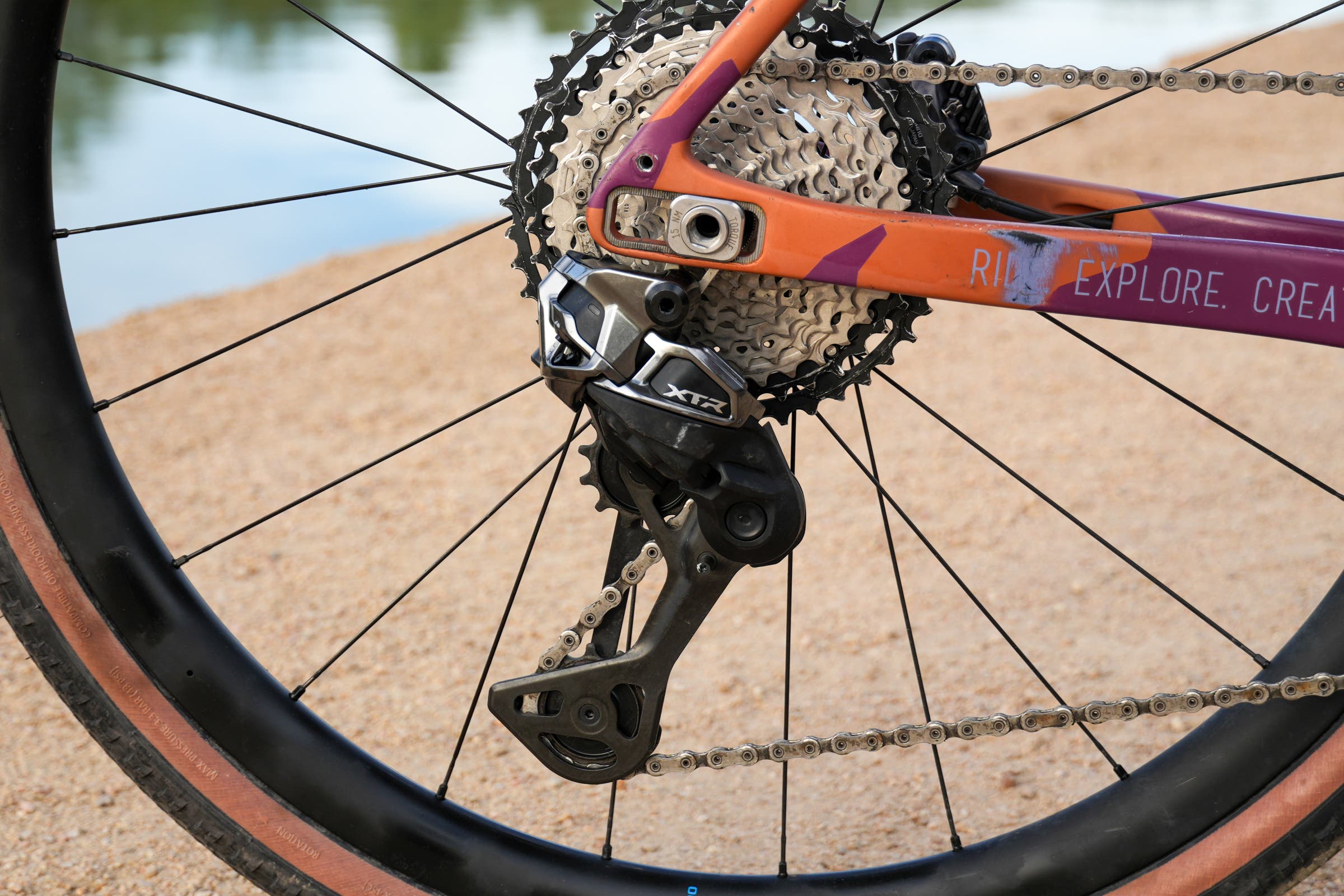
That lack of a dedicated gravel identity becomes even more obvious when you look at the derailleur itself. The GRX rear mech is essentially a repurposed XT mountain bike derailleur—both of which sit a step below the refinement of Shimano’s flagship XTR, and surprisingly, both do away with the adjustable mechanical clutch that was a key component of previous Shimano 1x systems. Perhaps most interestingly, Shimano’s entire off-road lineup remains stuck at 12 speeds (split between 10-45t and 10-51t cassette configurations), while SRAM has already pushed its 1x gravel groupset to 13.
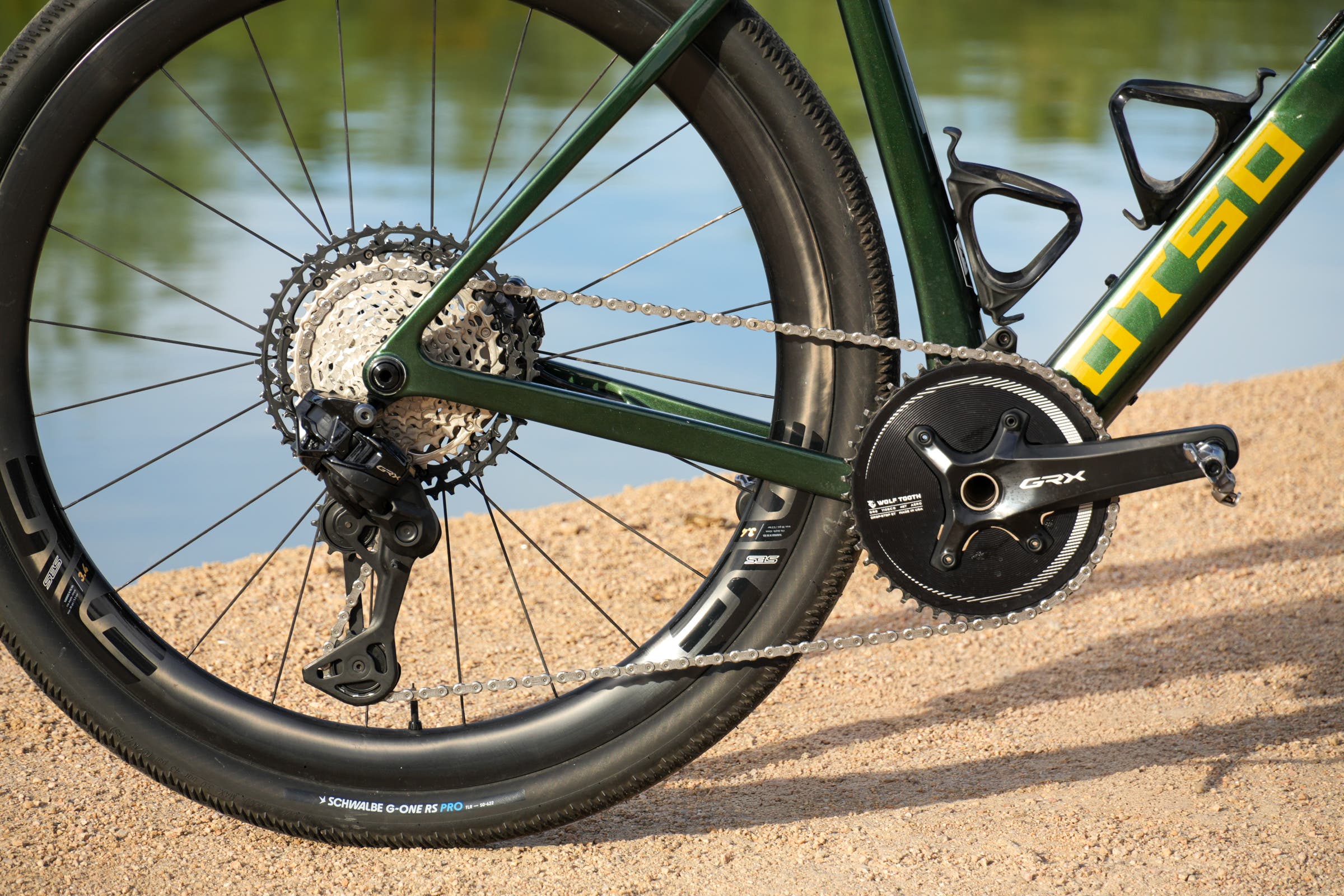
That identity crisis isn’t limited to the rear derailleur. Just as the GRX mech borrows from the mountain bike side, the ecosystem’s cross-compatibility allows riders to pull from Shimano’s road line. Dura-Ace, Ultegra, and 105 levers can all be synced with the off-road derailleurs. While the GRX levers are a major selling point for many, shifters are a frequent pain point. They are one of three key contact points on a bike, yet—unlike pedals and saddles—riders rarely get the opportunity to tailor a groupset’s levers to their preferred ergonomics.
Because the Shimano road line offers a significantly different ergonomic profile than GRX, this cross-compatibility finally provides some flexibility. Typically, conventional wisdom dictates pairing GRX shifters with corresponding GRX brakes. Nevertheless, the most common setup among professional gravel riders bypasses that entirely, favoring Dura-Ace shifters and brakes paired with an XTR rear mech.
The trend of abandoning GRX components continues at the bottom bracket. Hamstrung by limited crank lengths, a lack of power meter options, and restricted chainring sizes, the GRX crankset is frequently left off high-end builds. Instead, the go-to alternative is a Dura-Ace crankset modified with an aftermarket Wolf Tooth chainring. What this means, incredibly, is that most professionals are racing on 1x Shimano off-road drivetrains that do not use a single GRX component.
Ultimately, this wide range of mixing and matching makes building a Shimano gravel bike significantly more daunting than buying into SRAM’s strictly defined alternative. Of course, this is a double-edged sword. The Shimano system allows for ultimate customization, and I’ve done exactly that. The vast majority of my time on the groupset was spent on my personal Rodeo Labs Trail Donkey using GRX shifters and brakes, an XTR rear derailleur and cassette, and a SRAM Quarq crankset paired with Garbaruk chainrings. I have also ridden a full GRX setup on an Otso Waheela R to get a sense for the groupset that most will ride.
The upside of Shimano’s gravel groupset
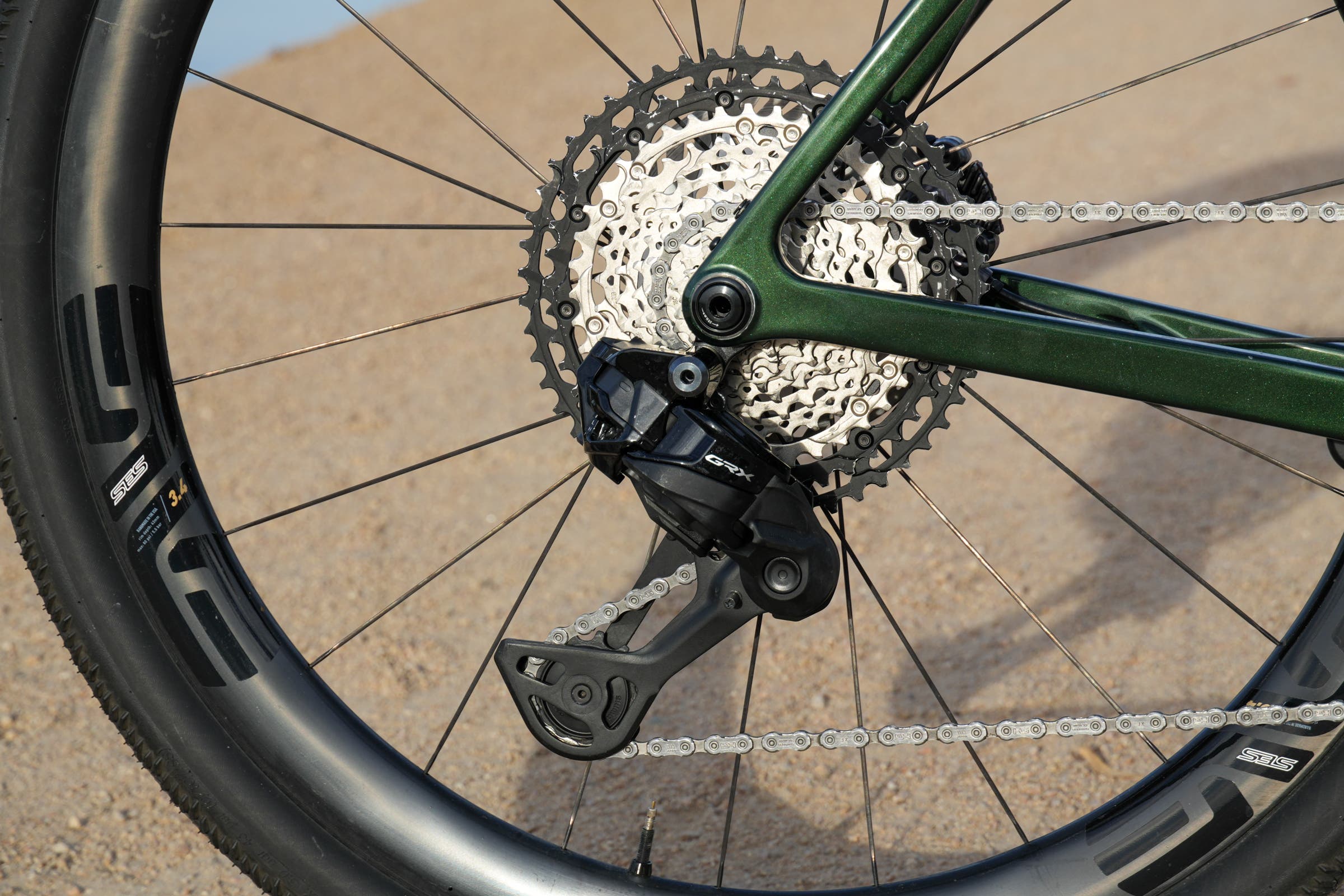
Immediately, the speed of shifting of the XTR Di2 groupset stood out as the unique high point of the groupset.Even after SRAM issued software updates to quicken its XPLR platform, and when evaluated against options like the TRP Vistar, Shimano remains in a different league. The responsiveness feels closer to a crisp mechanical setup than a typical electronic drivetrain. In a gravel environment, where terrain changes violently and instantly, that promptness allows you to react immediately and avoid the classic trap of shifting under heavy, cross-chain tension.
In fact, this fast actuation actually shifts the calculation on gear steps. Usually, the larger jumps inherent to a 12-speed cassette are viewed as a major downside of 1x drivetrains. Yet, because the XTR rear derailleur moves across the cassette so rapidly, the system feels incredibly active and predictable. It allows you to quickly dump or grab gears to maintain an optimal cadence through undulating terrain, effectively mitigating the lack of a 13th cog.
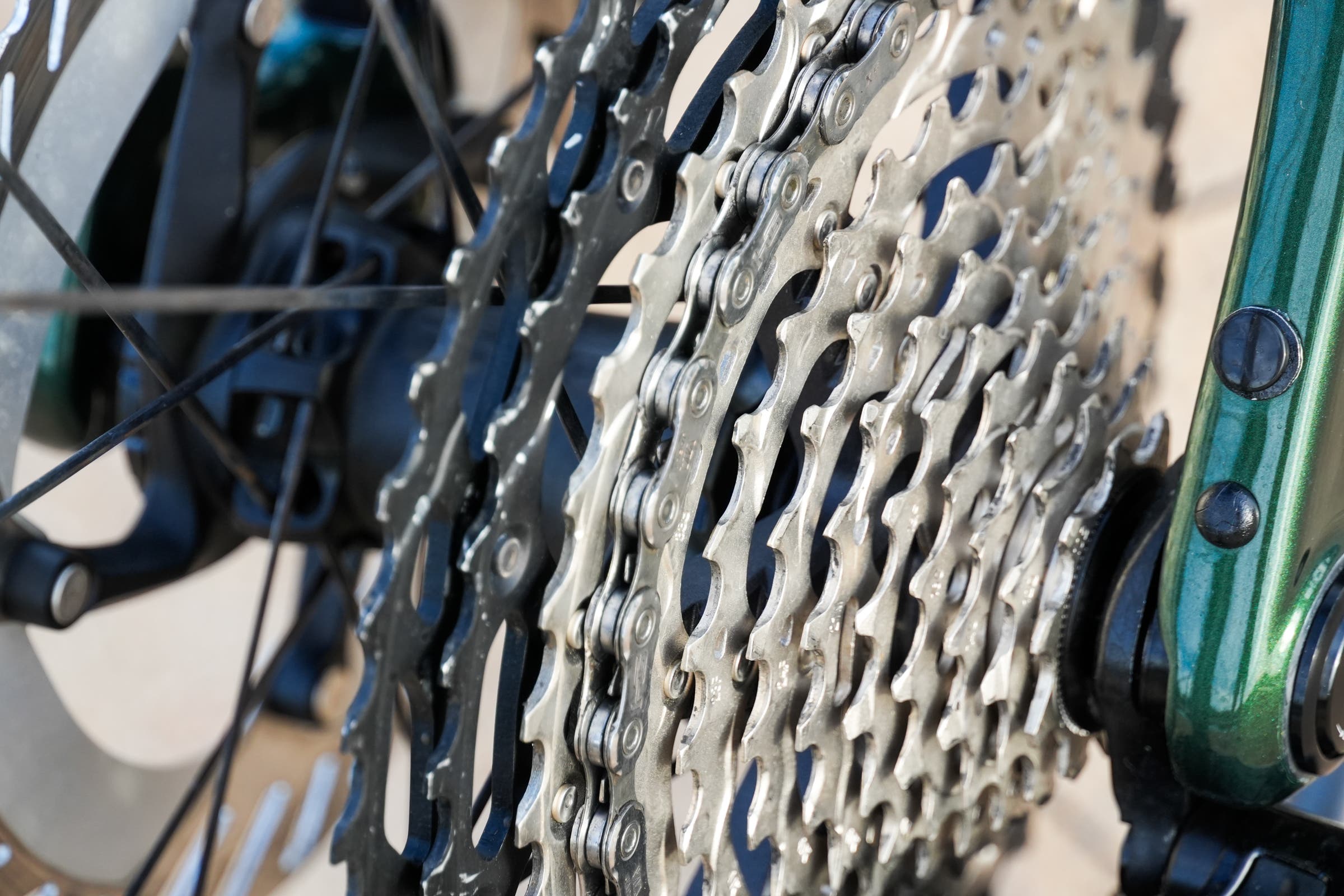
That adaptability is supported by smart cassette optionality. By offering both a tight 10-45t configuration and a wide-range 10-51t setup, Shimano provides distinct choices for different terrain profiles and rider speeds, rather than forcing a one-size-fits-all compromise.
Beyond the drivetrain mechanics, the front of the bike delivers what I still consider to be a definitive advantage of Shimano’s system: braking performance. The GRX levers and calipers remain my personal benchmark for modulation and stopping power, offering a level of fine-tuned control on loose descents that, to my hands, the competition still hasn’t quite matched.
The downsides of Shimano GRX Di2
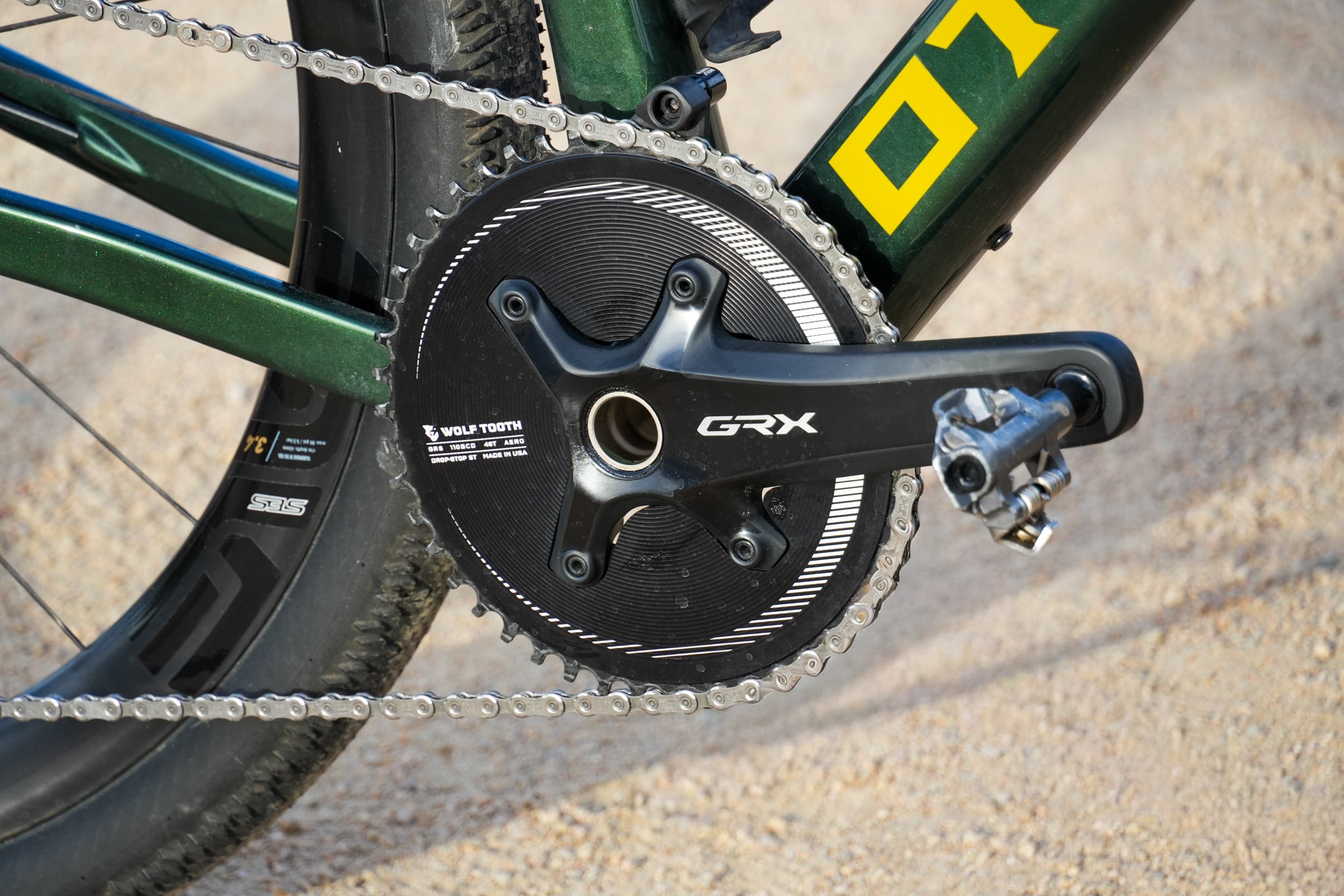
By far, the biggest downside of the Shimano gravel ecosystem revolves around the crankset. When the groupset launched, its limitations were painfully clear. It was bad enough that I never actually made the switch to a Shimano crankset on my personal bike. Instead, I stuck with my SRAM Quarq crankset paired with the highly versatile Garbaruk chainrings I’ve used across SRAM, TRP, and Shimano groupsets alike.
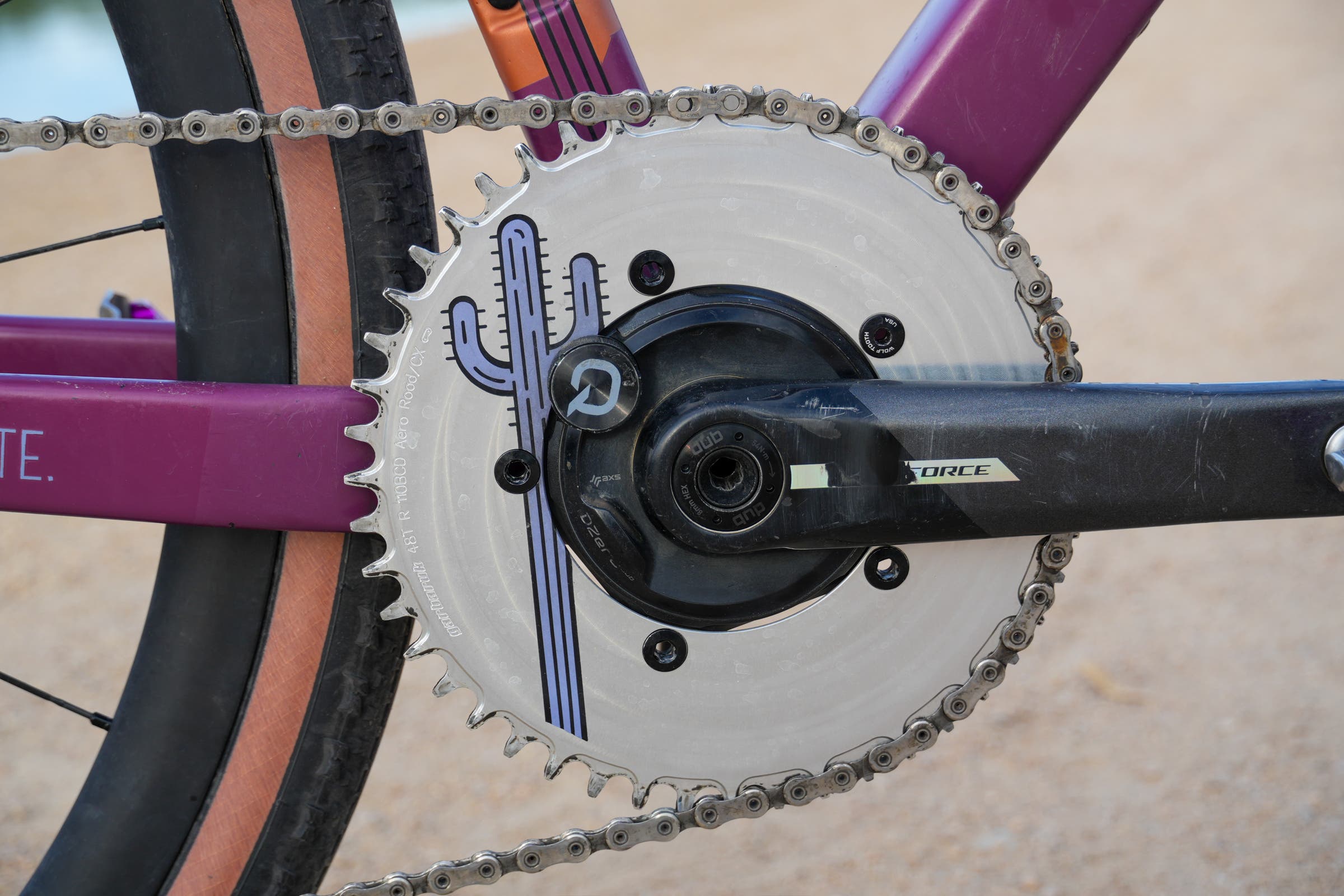
Ultimately, swapping out a perfectly good bottom bracket to accommodate a flagship groupset that completely lacks a native power meter option was a bridge too far. Unlike SRAM, which offers integrated power straight out of the box, Shimano simply does not make a power-equipped GRX 1x crankset. While I did eventually install a stock GRX crankset paired with a Shimano-optimized Wolf Tooth chainring to complete this review, I didn’t notice any meaningful performance difference between that standard Shimano combination and my existing power-equipped SRAM/Quarq/Garbaruk mashup.
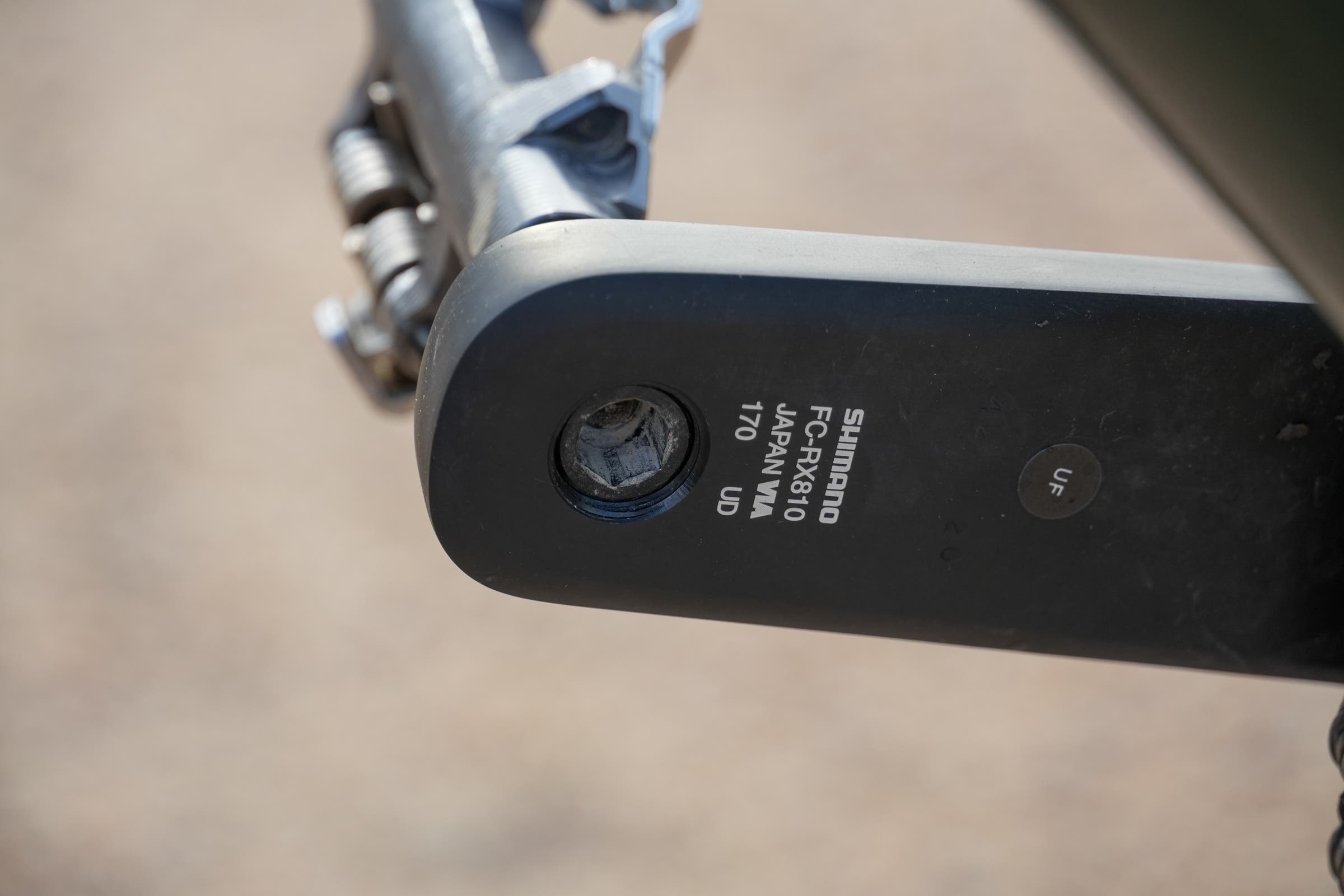
Granted, piecing together a drivetrain from different brands just to get a power meter requires significantly more effort than buying a complete ecosystem. Fortunately, for the average rider, that level of aftermarket tinkering is unnecessary. Out of the box, a stock GRX Di2 build will easily match a non-power SRAM Force XPLR groupset, with minor pros and cons weighing each side. From there, you can add a pedal-based power meter if you want wattage data, but the missing crank option still stands out as an issue that holds back the Shimano ecosystem.
Shimano GRX/XTR vs SRAM XPLR
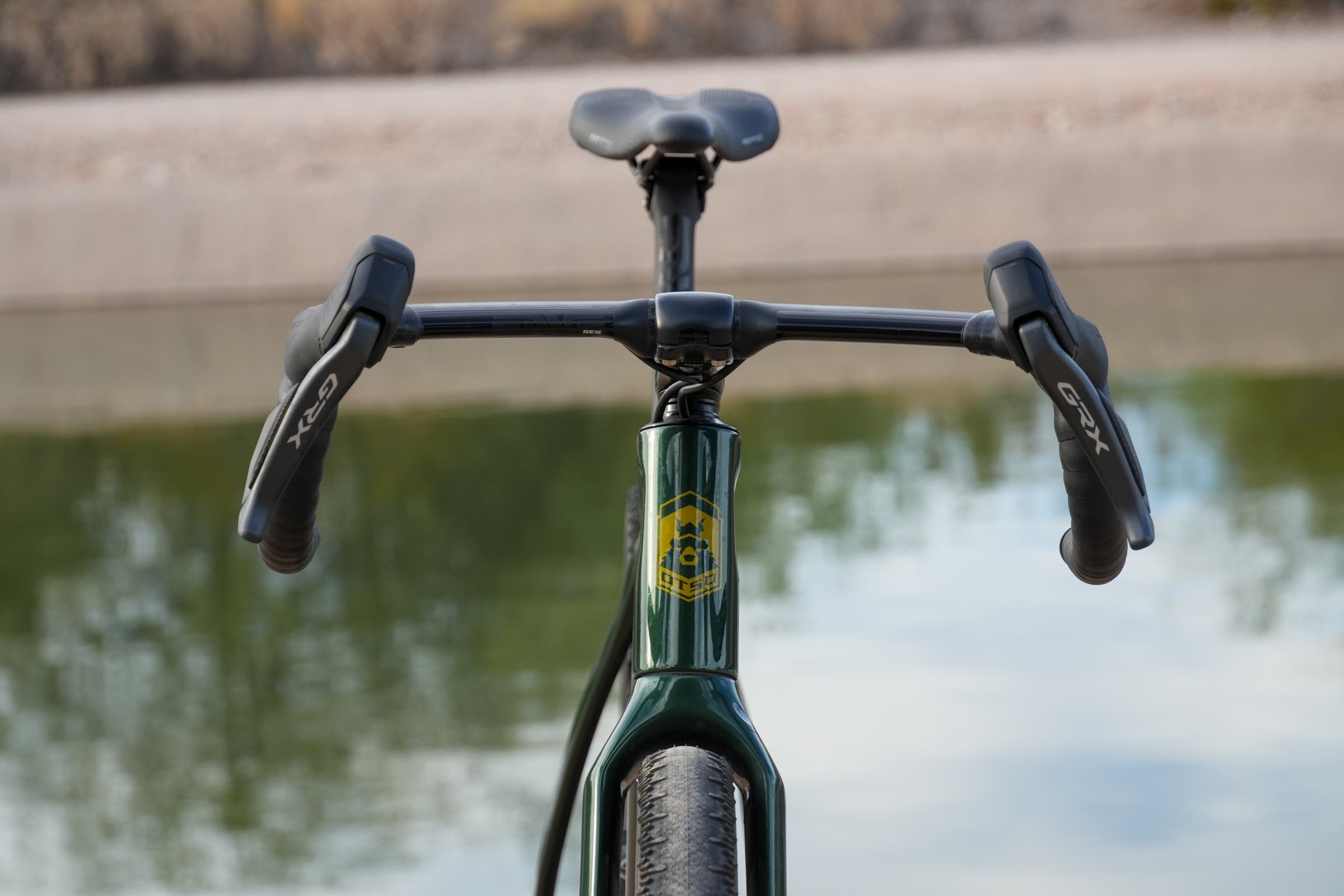
Now, for what everyone came for: how does Shimano Di2 compare to SRAM XPLR AXS? When it comes down to the two systems, it ultimately comes down to the rider’s priorities. There is no objectively better option. It all depends on how you weigh the upsides, downsides, and the overall cost of the drivetrain. From my perspective, the ultimate performance difference that I keep coming back to is the reliability and speed of Shimano’s Di2 shifting.
Shifting
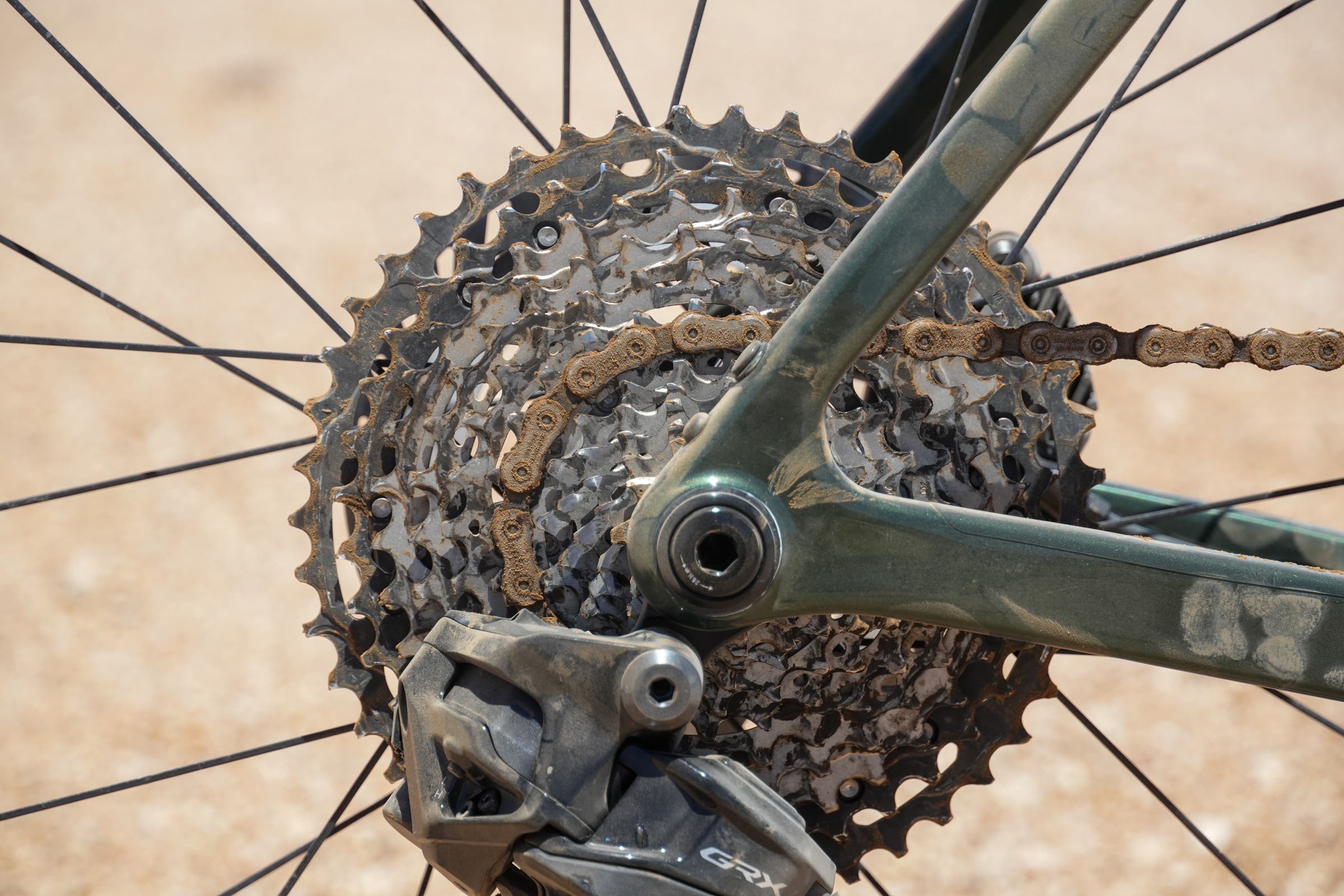
At any point in the cassette, I have found the XTR derailleur functions as a metronome of speed and consistency. The moments where this is most evident are during rapid runs up or down the gears, where the actuation feels much closer to a finely tuned mechanical setup than a sluggish electronic one.
This fast reaction time is exactly how Shimano offsets SRAM’s primary advantage on paper: 13 speeds versus 12. There is no virtue in simply adding gears for the sake of a higher number; a 13th cog is only useful if it either expands the total range or meaningfully reduces the cadence jumps between gears. With the latest XPLR, SRAM chose to focus entirely on tighter steps.
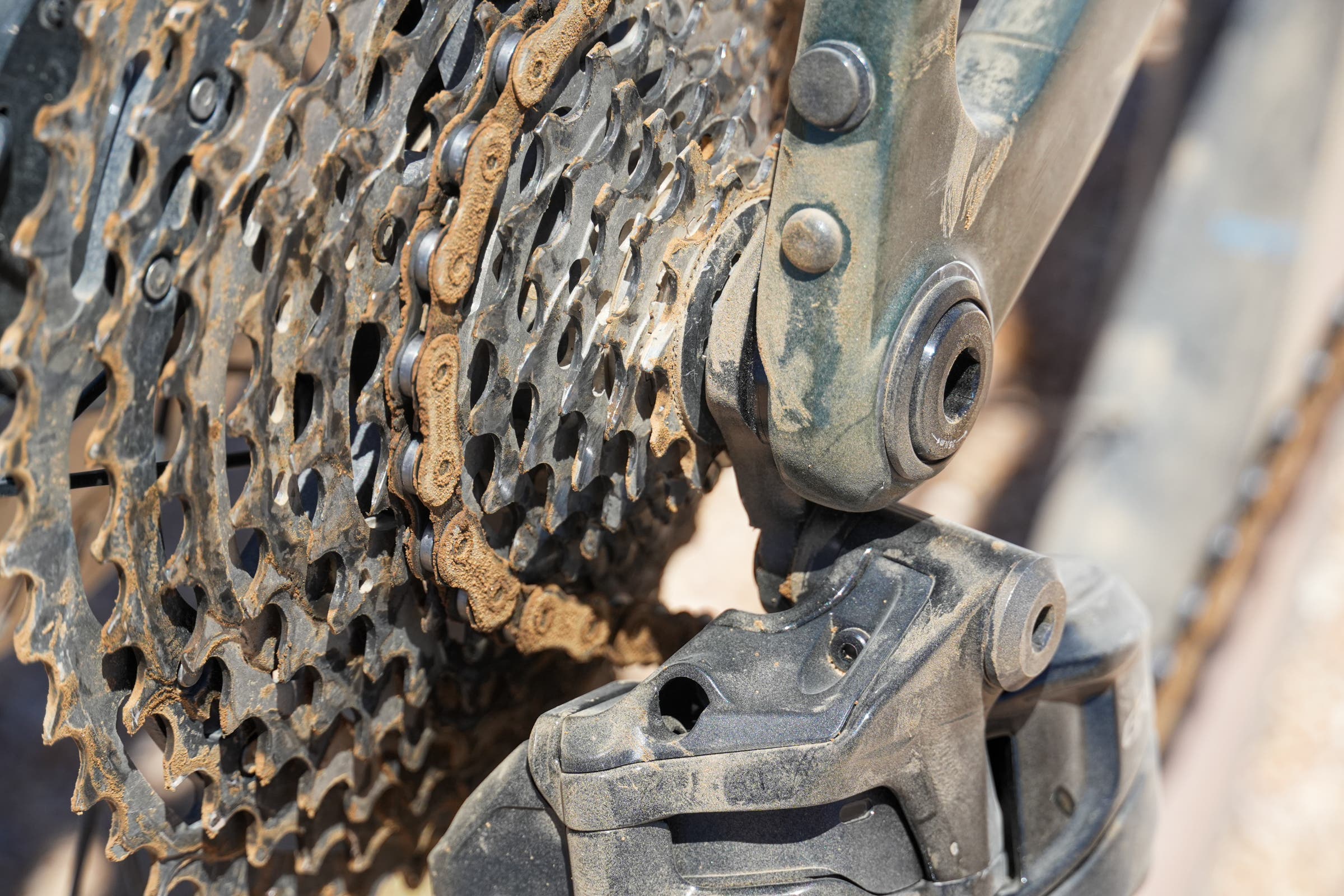
Shimano clearly saw this as an opportunity. Instead of chasing SRAM down the UDH rabbit hole to add a 13th gear, they leaned into pure speed and broader cassette options. Offering riders a massive 10-51t cassette choice—even at the expense of slightly larger steps between cogs—makes sense for true off-road riding. On gravel, gradient changes are rarely subtle. Constantly micro-managing your cadence is a road racing priority, not a gravel one.
Because the XTR derailleur moves so quickly, you are rarely left caught between gears. It is incredibly easy to stay on top of your cadence and carry momentum through undulating, punchy terrain because the system dumps or grabs gears instantly.
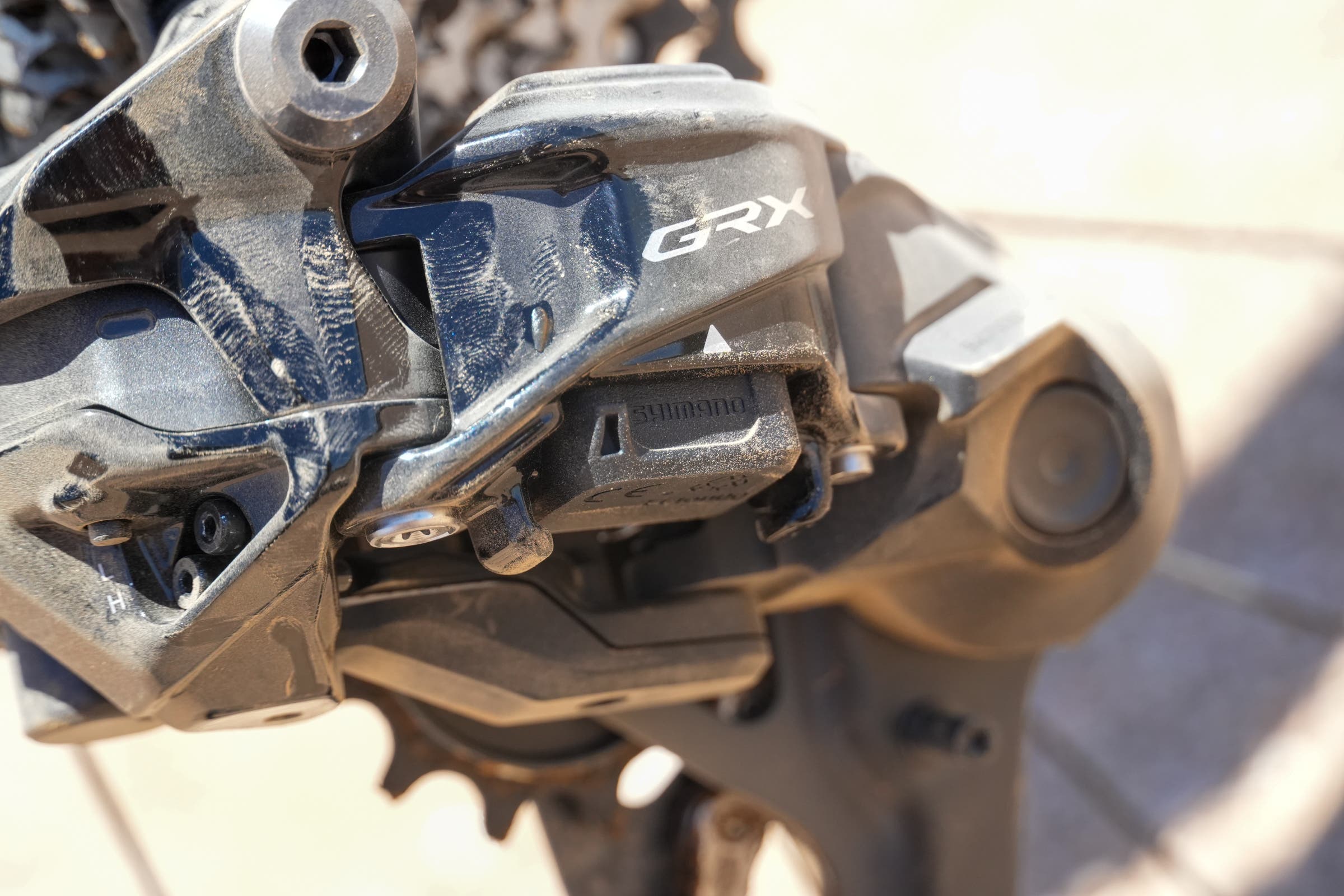
SRAM ultimately tried to build a system that bridges the gap between pavement and dirt, and they accomplished that goal splendidly; there isn’t a better groupset on the market for doubling as a functional road 1x setup than a SRAM Red XPLR paired with a larger 46t or 48t chainring. But for pure gravel riding and racing, where wide gear range and instantaneous shifting matter most, I feel that Shimano has built a purpose-built platform that simply matches the terrain better.
Crankset
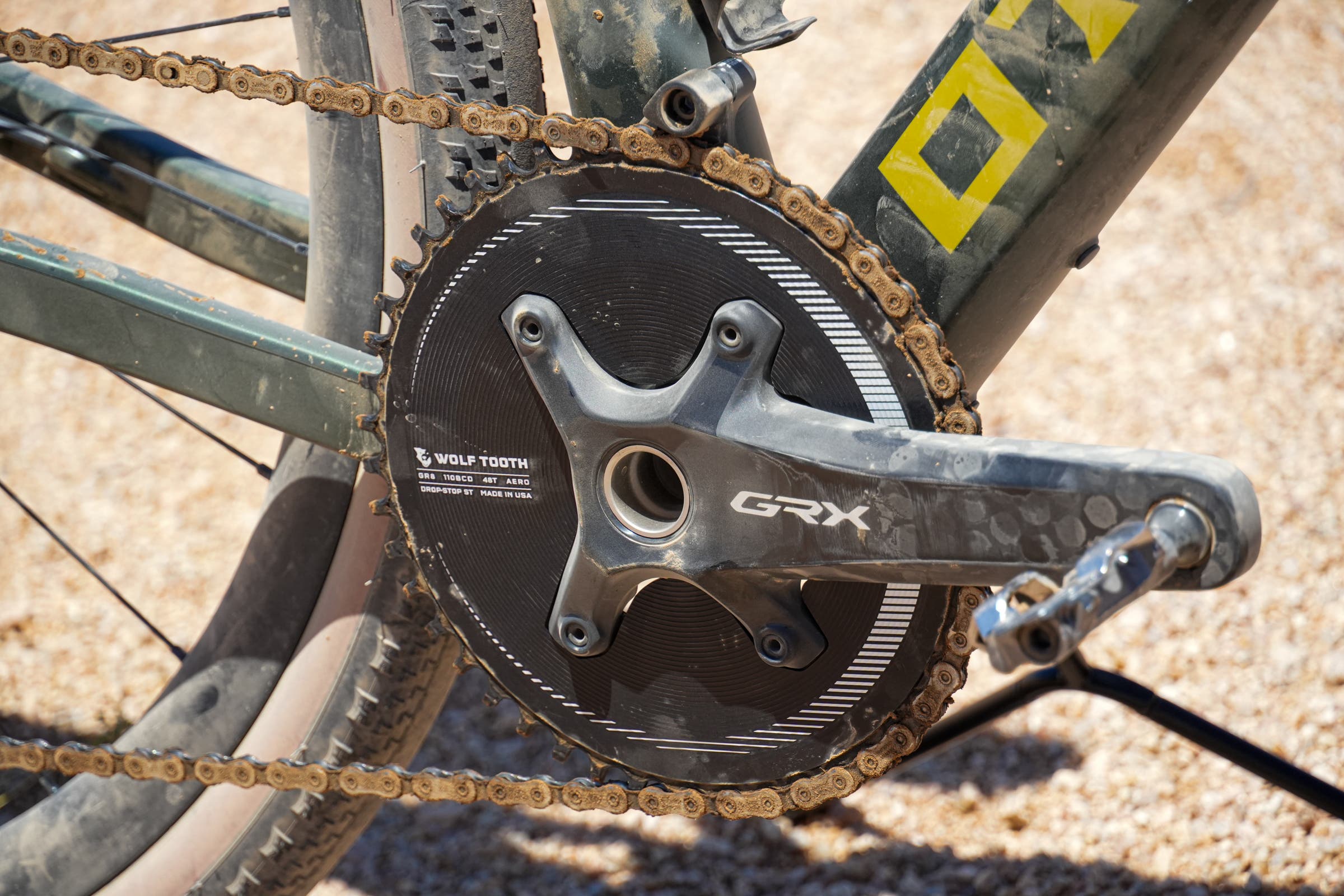
On the other hand, SRAM absolutely dominates Shimano when it comes to cranksets and power meter integration. Not only is the Quarq power meter system seamlessly woven into the AXS ecosystem, but it has also cemented its position as the industry benchmark for reliable, cost-effective data. Quarq is so deeply entrenched in SRAM’s drivetrain lineups that an integrated power meter is now viewed as a standard, expected specification on any mid- to top-of-the-line bike. All of this is terrible news for Shimano as the brand has genuinely struggled to build or buy a power meter system that works reliably.
That’s not to say riders are completely without options. 4iiii has become a significant partner for Shimano’s pro athletes, offering solid factory-installed or aftermarket power meters for Shimano crank arms. Additionally, with Garmin and Favero offering excellent pedal-based power meters at increasingly competitive prices, the hurdle of a stock crankset lacking a power meter is less pronounced than it used to be.
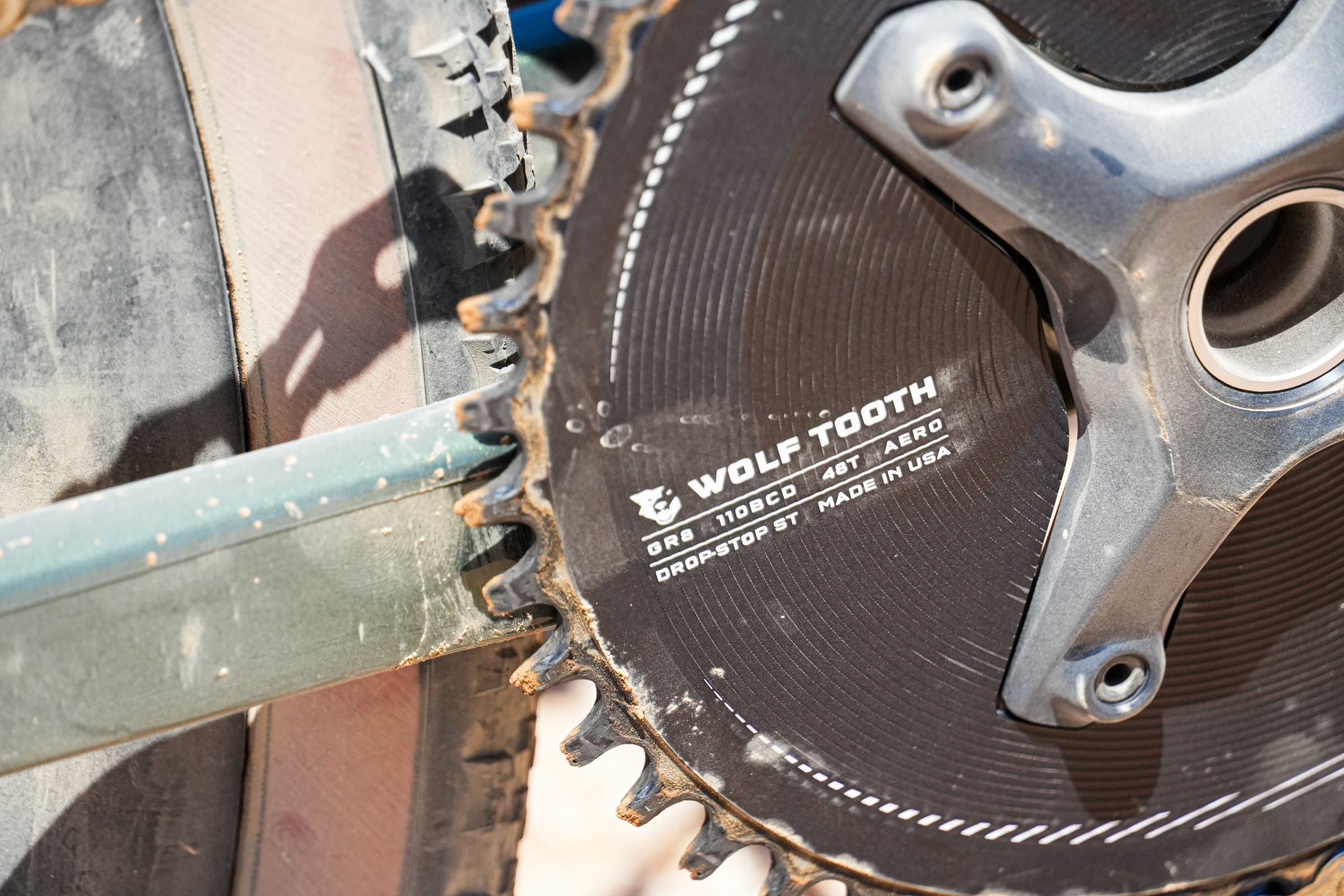
Beyond data integration, the physical attributes of SRAM’s cranksets are simply superior. SRAM is significantly lighter—an XPLR crankset weighs 514g with a 40t chainring, while a comparable GRX crankset sits at 658g. SRAM also offers a much broader range of crank lengths and chainring options out of the box. While Shimano can close the gap slightly if you resort to a Dura-Ace and Wolf Tooth combination, staying brand-consistent and lightweight is infinitely simpler with SRAM.
Then again, the Wolf Tooth technology is very good, and I personally find the aesthetics to be better than the stock SRAM options. What’s more, issues like crank length options and Shimano’s own chain rings have improved with a recent update. This has bridged the gap slightly, even if the power meter and weight are still present.
Ergonomics, Shifting Logic, and Braking
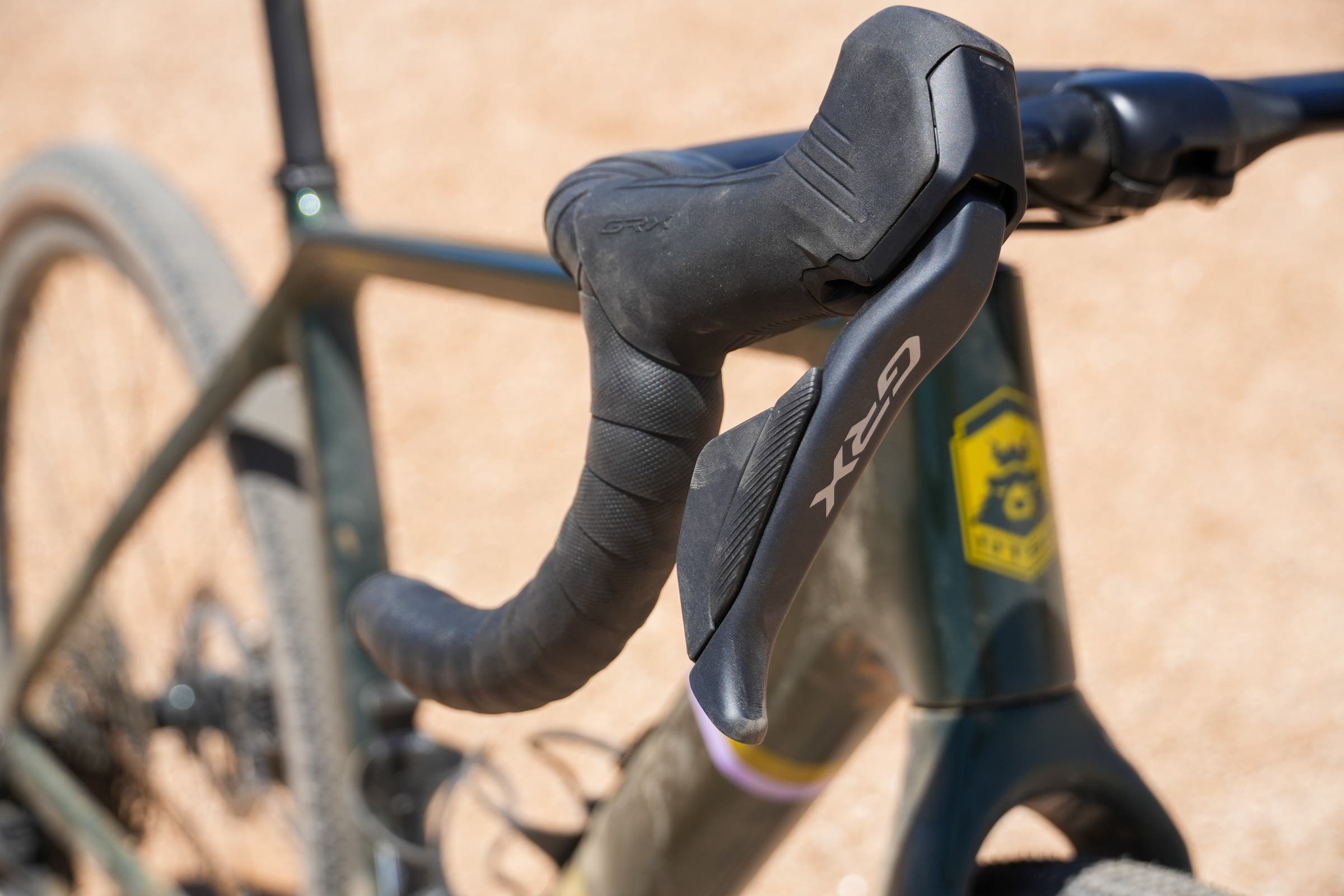
Brakes, levers, and shift buttons are the last part of the equation. Unlike the drivetrain, there is no clear objective winner in this category; your choice will largely come down to hand size, tactile preferences, and maintenance habits.
Starting with ergonomics, I have big hands and have always loved the GRX Di2 shifters. The long profile with a sharp turn-up naturally fits my hands well, whether riding in a neutral, upright posture or tucked into an aggressive aerodynamic position. That shape also creates a locked-in feeling on technical terrain, mitigating the risk of your hands slipping forward over the hoods on steep descents.
That being said, I have heard from people with smaller hands that the GRX levers are pretty cumbersome, and finding a comfortable position is difficult. Generally, that is how I feel about the new SRAM lever shape. It works, but I find it hard to get a position that feels comfortable for a long period of time. Tilting the hoods inward helps (don’t come for me, UCI), but shifters are the one bike component that generally has to be one-size-fits-all.
The benefit of the Shimano system is that if the GRX shifters do not suit your hands, you can pair any Shimano 12-speed Di2 road drop-bar shifter with the GRX or XTR rear mech. SRAM, meanwhile, is locked in, as there’s only a single shifter shape across both road and gravel groups.
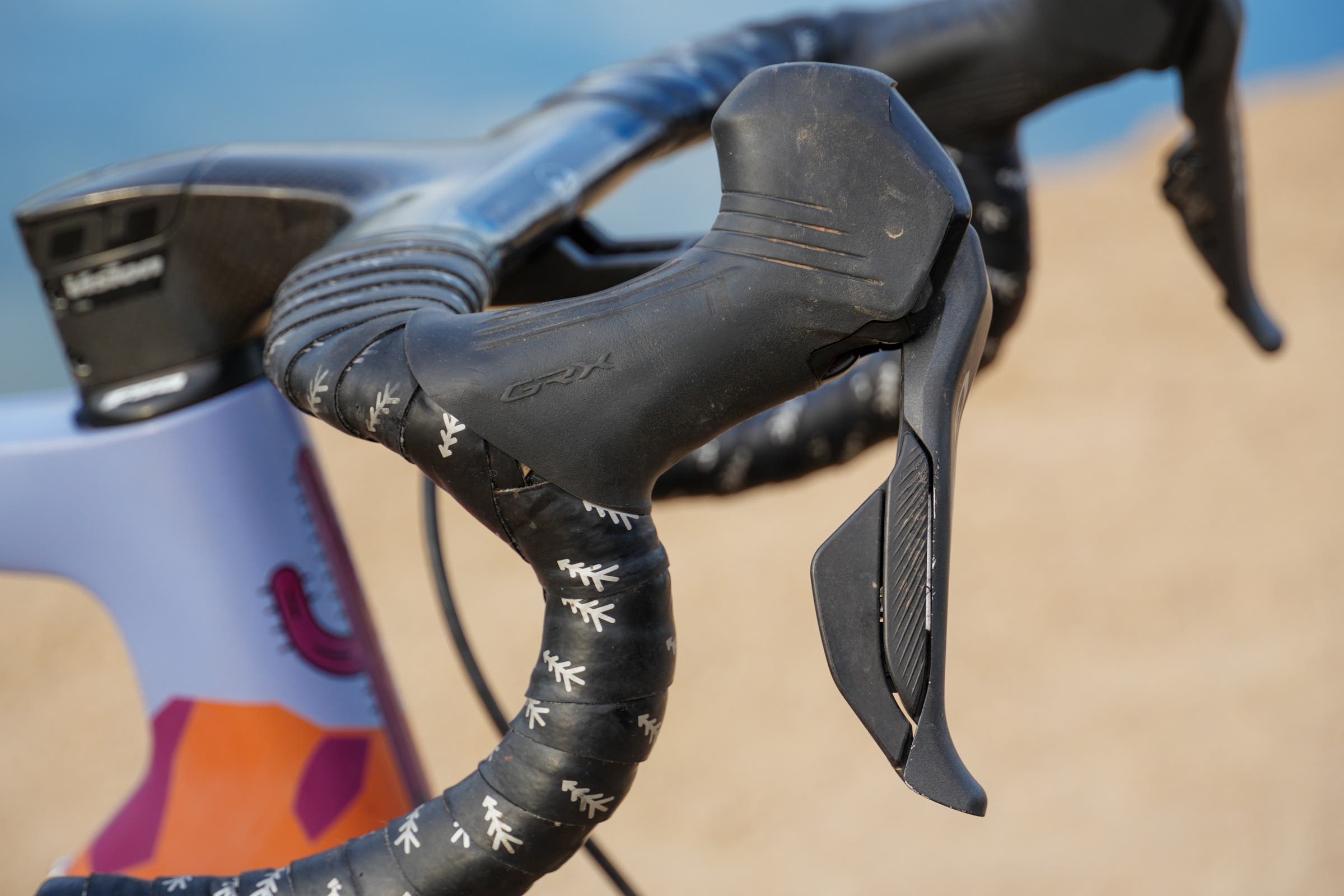
Beyond ergonomics, the shifting logic itself is a major differentiator. I am a huge fan of the double-paddle shifting system from Shimano. Rather than SRAM’s binary system—where one side goes up, the other side goes down—I prefer having both up and down controlled on each hood. This allows me to shift entirely one-handed, and it provides a built-in failsafe if anything happens to a shifter out on a ride. You can program the SRAM bonus buttons to play the same role (which I do), but it still isn’t quite the same.
In terms of braking, SRAM has seen a massive improvement to its stopping power over the last product cycle. I personally still find the GRX brakes add slightly more modulation, and their finned brake pad design is better at cooling. I do acknowledge that the two systems are both very good and the differences are becoming more and more marginal.
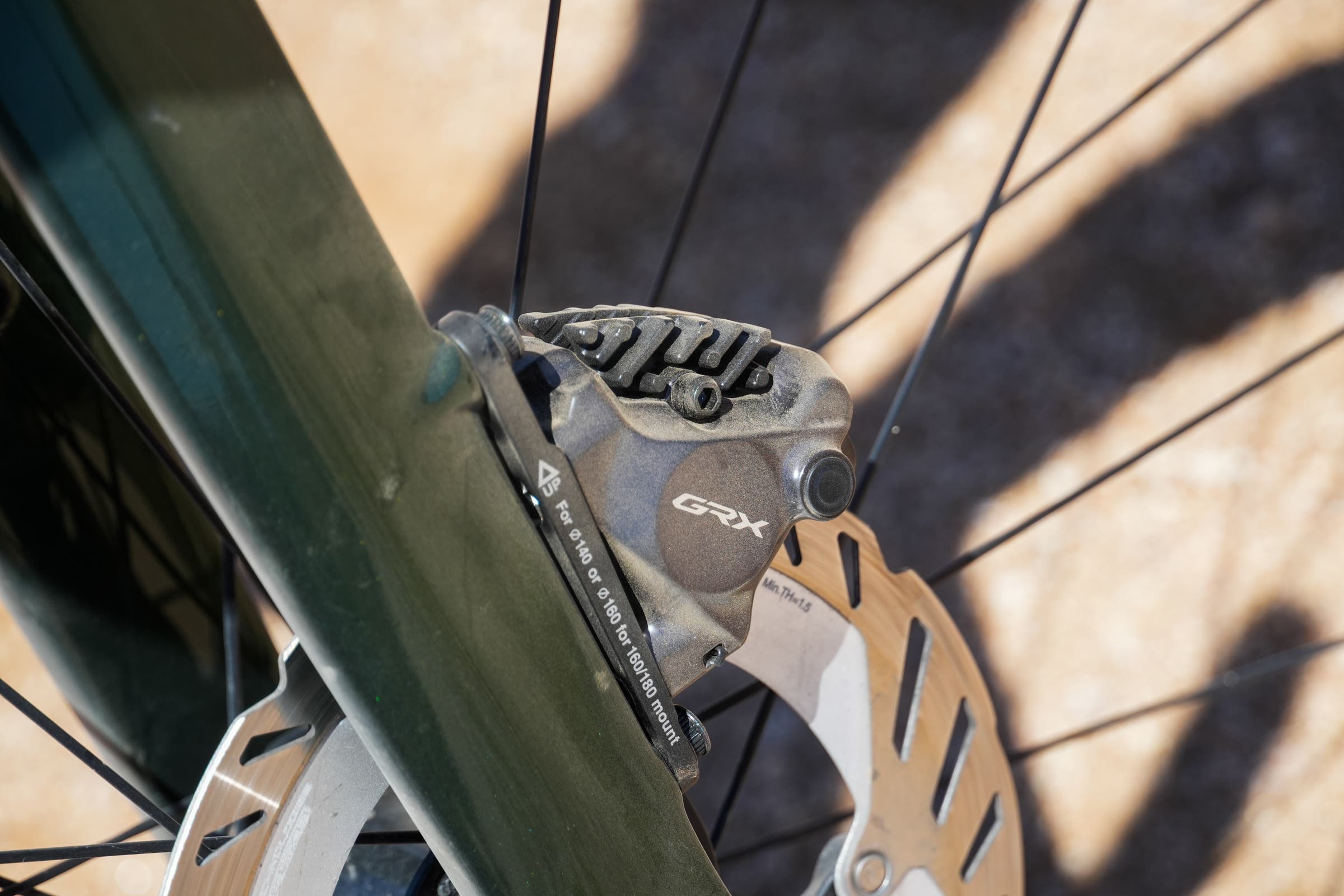
Finally, from a maintenance perspective, I have done zero bleeds, burps, or other adjustments to the Shimano GRX brakes since I installed them last year. If I did need to do some brake work, Shimano uses mineral oil for its hydraulics while SRAM uses DOT fluid. Mineral oil is generally safer and less caustic to work with, making GRX brake adjustments slightly less daunting, but in reality, both are usually set it and forget it.
Pricing
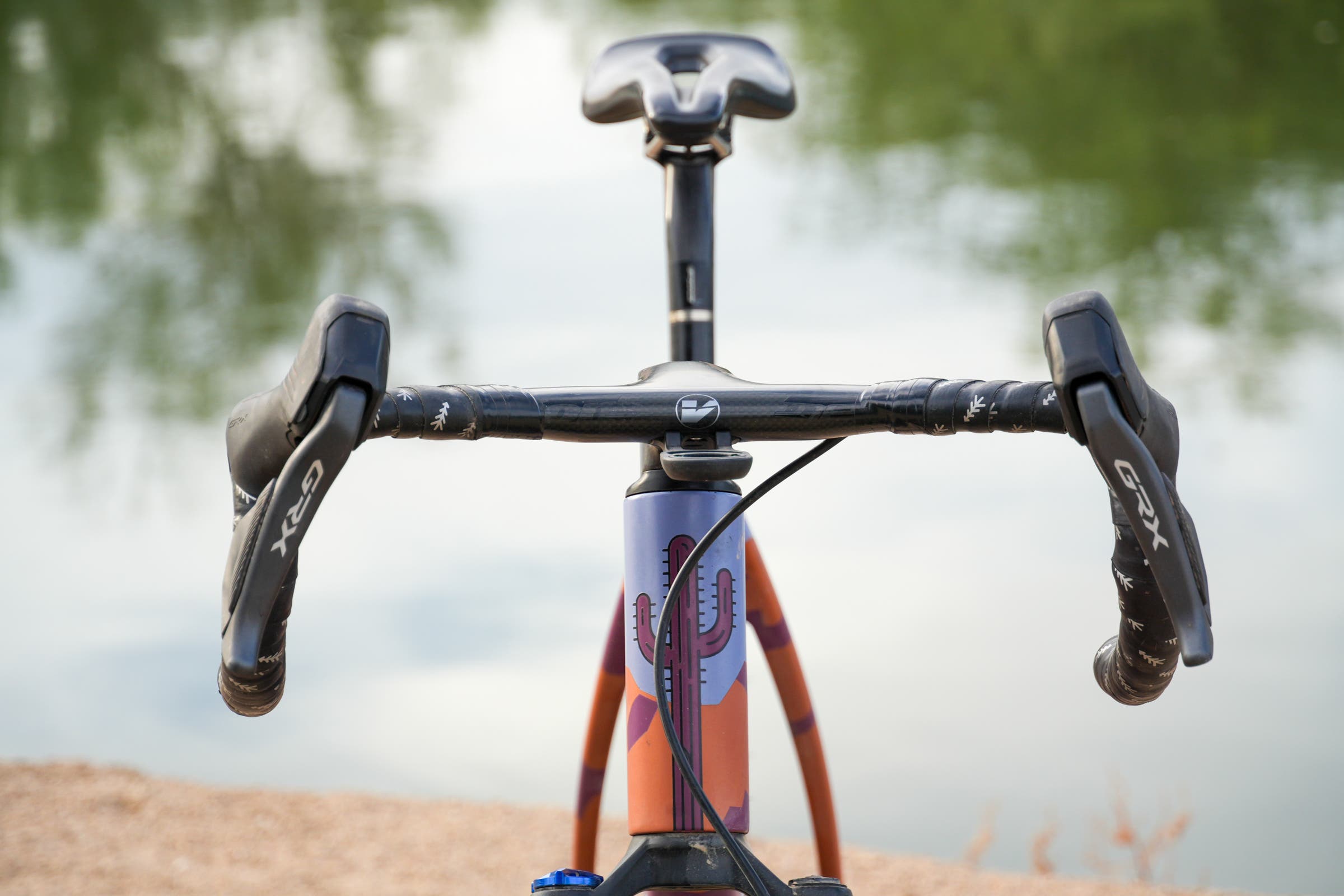
Comparing the price and value of GRX versus XPLR is tricky. When you look at the cost of the groupsets outside of complete bike builds, there is simply no precise like-for-like comparison.
SRAM relies on its familiar Red, Force, and Rival tiers, making it incredibly easy to digest the specs and prices of the XPLR ecosystem. Shimano uses a similarly clear hierarchy for its road and mountain bike lines, but its gravel ecosystem is more confusing. Originally, there was only one level of GRX, forcing riders to rely on a confusing combination of other components to build out a bike.
Shimano has simplified this slightly with the introduction of the GRX715 series. Essentially, it is still a combination of road and mountain bike parts, utilizing rebranded 105 shifters and a Deore rear mech. Technically, the main flagship GRX rear mech is the RX825, but diving into full Shimano naming conventions will only leave everyone more confused than when we started. This is the simplest way I can describe it:
Shimano Pricing
| Component | Model | MSRP |
| Shifters and brakes | Dura-Ace | $870 each |
| Ultegra | $605 each | |
| GRX | $595 each | |
| 105 | $375 each | |
| Deraileur | XTR | $665, $55 for battery, $45 for charger |
| GRX | $565, $55 for battery, $45 for charger | |
| Deore (GRX RX717) | $435, $55 for battery, $45 for charger | |
| Crankset | Dura-Ace (+Wolftooth chainring) | $725, $179.95 for the chainring |
| GRX (+Wolftooth chainring) | $280, $129.95 for chainring | |
| GRX (+ 4iiii left-side power meter) | $280, $400 for power meter | |
| GRX | $280 | |
| Cassette | XTR | $495 |
| XT | $195 | |
| SLX | $130 | |
| Chain | XTR/Dura Ace | $85 |
| XT/Ultegra | $62 | |
| SLX | $39 |
SRAM Pricing
In this comparison, the biggest pricing gap emerges at the top end. SRAM Red XPLR easily outpaces the most expensive combination from Shimano. For SRAM buyers, the true value proposition lies at the Force XPLR tier—especially when factoring in an integrated power meter. However, Shimano reclaims the advantage when you look at the long-term cost of consumable parts like chains and cassettes. The SRAM Red XPLR cassette in particular carries an eye-watering price tag. The Force and Rival tiers do bring that cost down, but replacement cassettes remain the single biggest price delta between the two brands.
| Component | Model | MSRP |
| Shifters and brakes | Red | $745 each |
| Force | $385 each | |
| Rival | $280 each | |
| Deraileur | Red | $770 |
| Force | $475 | |
| Rival | $360 | |
| Crankset | Red (+power meter) | $1,210 |
| Red (+chain ring swap) | $1,210, $165 | |
| Red | $715 | |
| Force (+power meter) | $515 | |
| Force | $310 | |
| Rival (+power meter) | $330 | |
| Rival | $150 | |
| Cassette | Red | $660 |
| Force | $305 | |
| Rival | $215 | |
| Chain | Red | $110 |
| Force | $65 | |
| Rival | $50 |
Conclusion
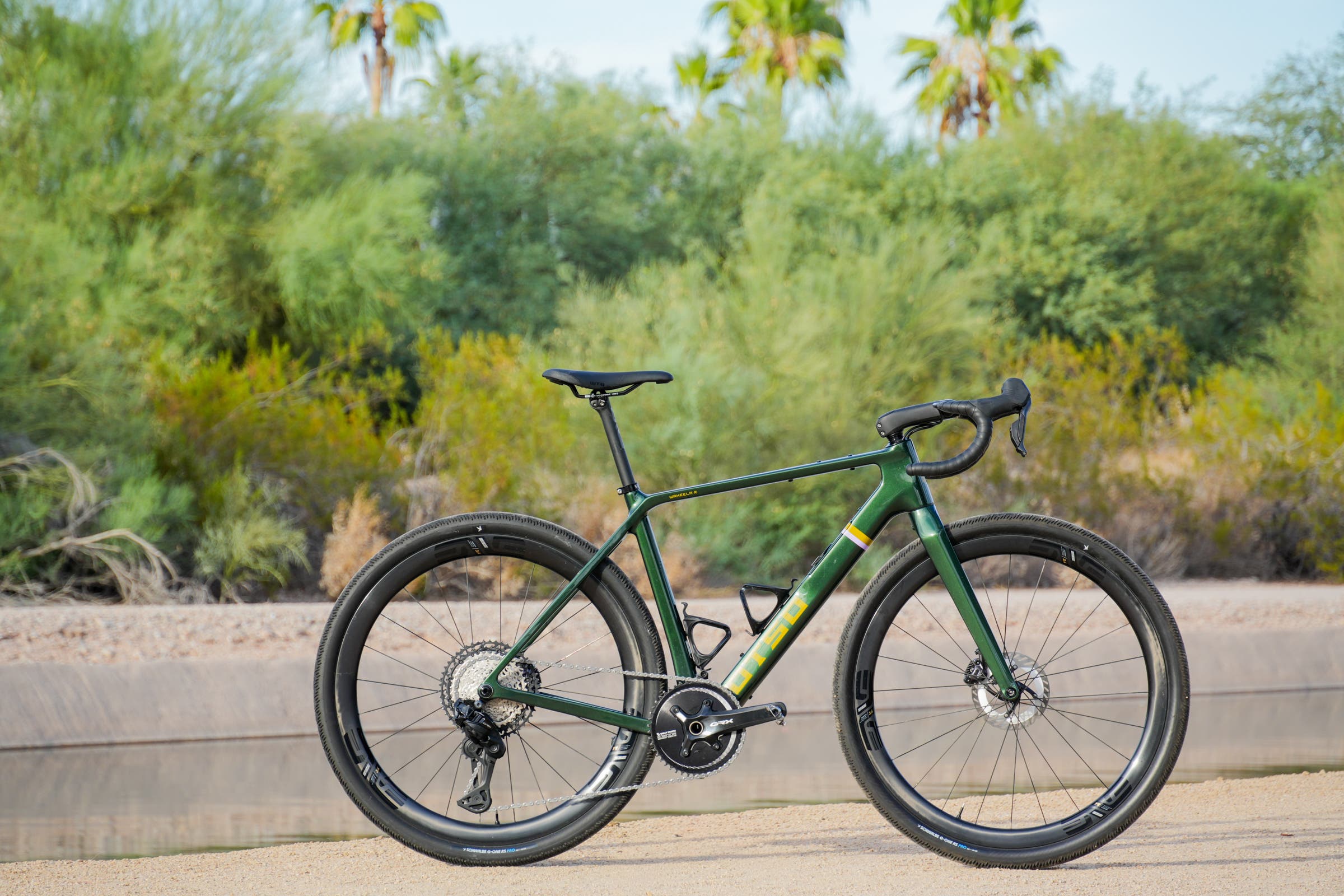
There is no single perfect groupset; every option comes with distinct trade-offs. Yet, every so often, a setup emerges that aligns perfectly with how you ride. That is exactly what I experienced with this custom blend of Shimano off-road Di2 components. This “GRXTR” mashup is, for me, the ideal gravel drivetrain, and it won’t be leaving my personal bike anytime soon. It does exactly what I need, flawlessly, every single time.
To be clear, comparing these two platforms at this level is splitting hairs. We are fortunate to have two incredible brands both producing highly competitive, top-tier ecosystems across multiple price points. The real beauty of modern gear is that we can write thousands of words debating these fine margins because both options are incredibly compelling. Ultimately, even die-hard SRAM fans should be glad that the Shimano 1x gravel platform is this good. Competition like this only pushes both brands to build better products.
[analyse_source url=”https://velo.outsideonline.com/gravel/gravel-gear/shimano-grx-xtr-gravel-groupset-year-long-review/”]