{“@context”:”https://schema.org”,”@type”:”Article”,”image”:”https://car-images.bauersecure.com/wp-images/264833/must_cars_keep_getting_heavier-2.jpg”,”mainEntityOfPage”:{“@type”:”WebPage”,”@id”:”https://www.carmagazine.co.uk/car-news/industry-news/car-weight/”},”url”:”https://www.carmagazine.co.uk/car-news/industry-news/car-weight/”,”author”:{“@type”:”Person”,”name”:”Jamie Turner”,”description”:”Jamie Turner is a specialist in automotive propulsion, having spent a career in the area spanning industry and academy. He spent 28 years in the auto industry, with over 21 working at Lotus Engineering, where he led Powertrain Research for a decade. He originally started working on Wankel rotaries at Norton Motorcycles, which triggered a lifelong fascination with unusual engines, and also worked in F1 and IndyCar at Cosworth Racing, very much the cilmination of being a long-time racing fan. While at Lotus he studied for his Ph.D. from Loughborough University, but still views the u201CUniversity of Hethelu201D as providing the best practical education a car enthusiast could ever hope for. He finished his industry career leading gasoline engine research at Jaguar Land Rover.nnnnAfter this, he joined the University of Bath as part of its Powertrain and Vehicle Research Centre. Heu2019s now a Professor of Mechanical Engineering at KAUST where he is researching all aspects of vehicle propulsion and decarbonization, both on the vehicle side via the fuel path.nnnnSomewhere along the line he club-raced hydroplanes for a couple of seasons (having discovered that he was unlikely to become a four-wheeled racing colossus through sitting in cars next to Lotus test drivers) and he owns a couple of motorcycles as well as a highly-cherished Elise; for several years in his previous life he adored daily-driving those and canu2019t really understand why anyone wouldnu2019t want tou2026nnnnFor the record he has over 37 years of experience in the field of internal combustion engines and is a specialist in spark-ignition combustion, alcohol fuels, and engine and powertrain concepts.u00A0Heu2019s published over 200 papers and book chapters in these areas.u00A0As well as his pieces for CAR he writes for Bike magazine, and really enjoys the contrast between formal writing in his day job and writing for a real-world audience in magazines.nnnnIn addition to his specializations, heu2019s interested in renewable energy and its application to the transport sector, with particular emphasis on the potential ofu00A0alcohol fuels and hydrogen.u00A0As such he believes heu2019s doing something meaningful to help solve the challenges of the day, even if he is an unabashed IC engine fan.”,”image”:{“@type”:”ImageObject”,”url”:”https://car-assets.bauersecure.com/wp-images/210607/jamie.jpg”,”caption”:”Jamie Turner”},”sameAs”:”https://www.linkedin.com/in/james-turner-84688b57/?originalSubdomain=uk”,”jobTitle”:”CAR contributor”,”knowsAbout”:”Automotive”,”worksFor”:{“@type”:”Organization”,”name”:”CAR magazine”}},”dateModified”:”2026-06-11T09:48:33+01:00″,”datePublished”:”2026-06-11T09:48:33+01:00″,”headline”:”Why cars keep getting heavier”,”publisher”:{“@type”:”Organization”,”name”:”Bauer Media”,”brand”:{“@type”:”Organization”,”name”:”Car Magazine”},”logo”:{“@type”:”ImageObject”,”url”:”https://car-assets.bauersecure.com/images/logos/car.200×88.png”}}}
Why cars keep getting heavier
Published: Today 09:48
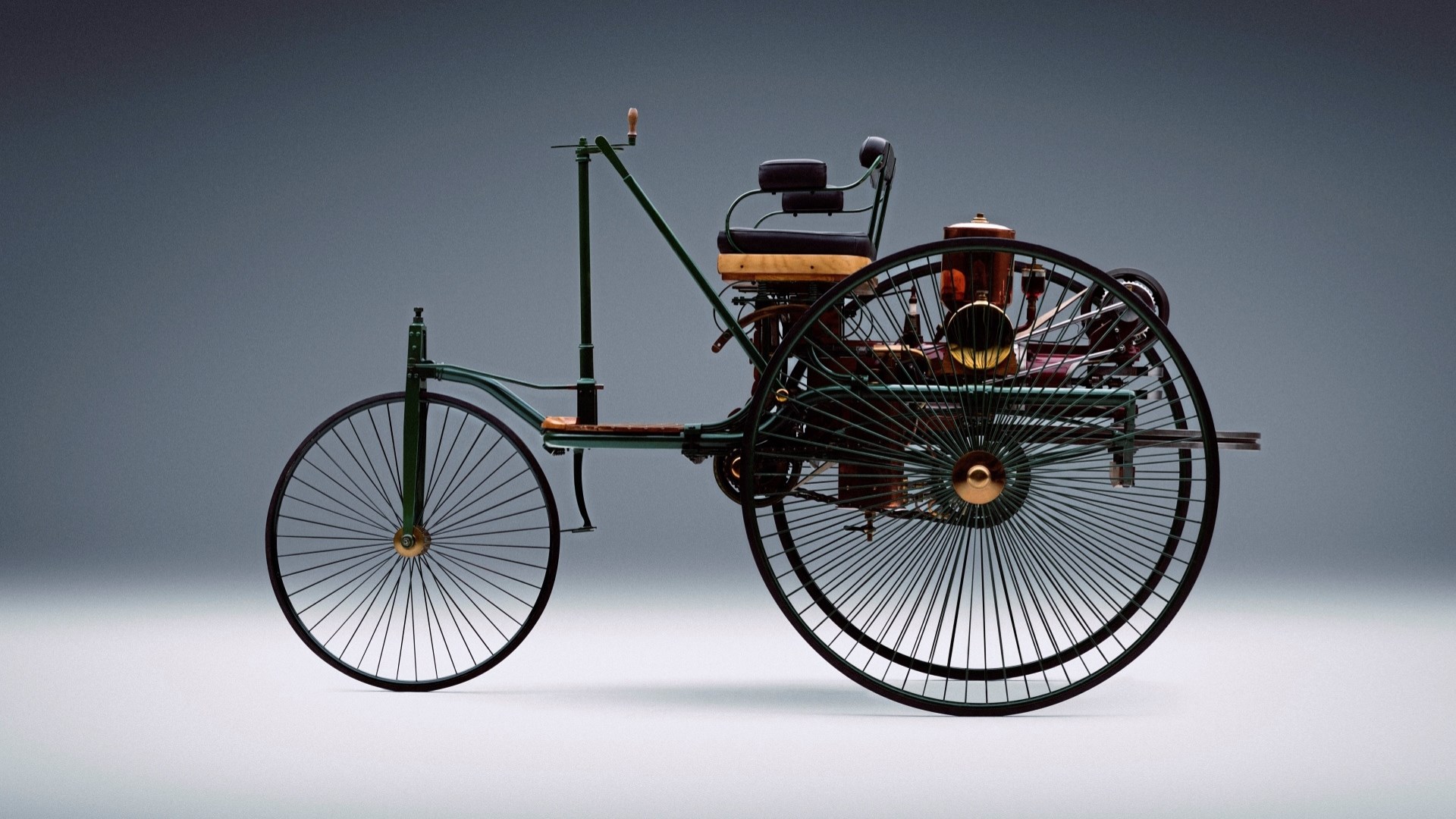

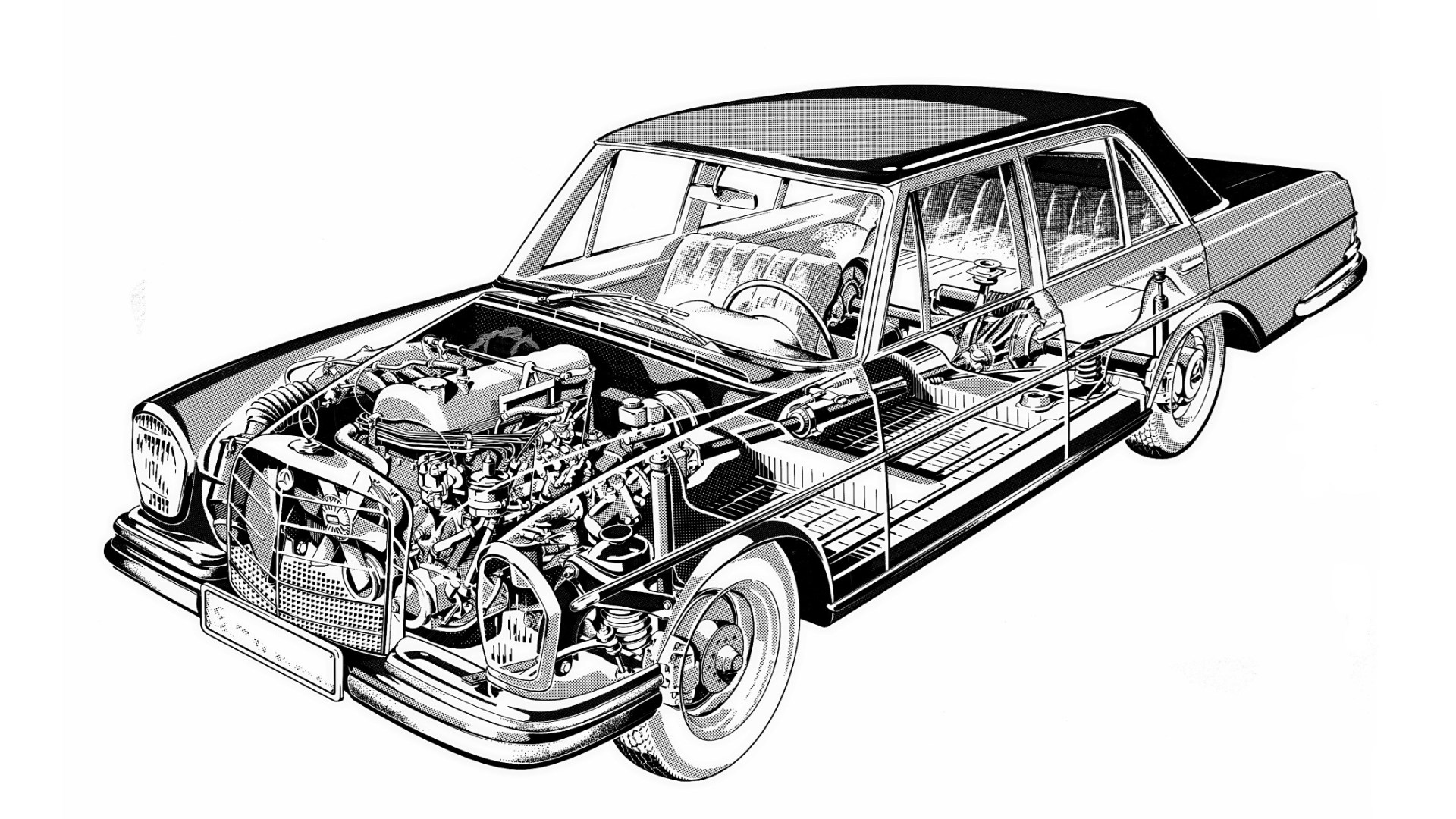
► Why must cars keep getting heavier?
► A number of factors at play
► CAR analyses the situation
The finger of blame doesn’t hesitate to point at electric cars whenever the issue of increased vehicle weight comes up. There are good reasons for this. But look a little deeper, and there are plenty of other factors too, some of them rather uncomfortable, and some just absurd.
Reducing CO2 emissions is the defining challenge of the age, but when it comes to cars, the legislation is particularly poor. However noble the ambition, that does not make the implementation virtuous. For 2008, there was a voluntary CO2 target of 140g/km for vehicles in the European vehicle fleet, which the industry missed by 9.7 per cent. The EU, miffed that it had not made the target binding because it accepted the industry’s confident predictions that it would succeed, consequently rolled its sleeves up and made the new target of 130g/km in 2012 mandatory. The industry as a whole only slightly missed that, by 1.7 per cent.
Like this? Get more CAR delivered to your browser! Click here to add CAR Magazine as a preferred source on Google.
This was interpreted by bureaucrats as proof that legislation works: we can just legislate, and the industry will achieve it! But several things then swung into play which still affect us now.
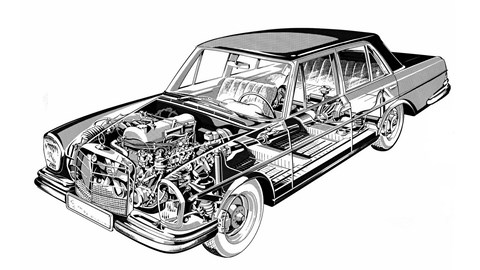
As those rules for tailpipe CO2 emissions were being formulated, Brussels was lobbied in all sorts of directions. One subject was vehicle mass – of particular interest to manufacturers who had just begun building the luxury SUVs that made them big profits. They were heavier than conventional cars in two ways: they had four-wheel drive, and they were generally bigger.
This lobbying resulted a very undesirable distortion of the legislation – essentially, each manufacturer was given an average emissions value to hit across their fleet, but those with a higher average mass for their cars were given more lenient CO2 targets than manufacturers making lighter cars. Yes: lighter cars had to meet tougher CO2 standards than heavy ones.
At the time I was working at Lotus, where we were utterly appalled, as you can imagine: if any company understood the real-world benefits of lightweight vehicles, it was us. The legislation was utter madness: effectively, slightly rewarding higher weight. The degree of the benefit is not great, but it is real. Why not just take mass out of the equation and have a simple, fixed target for all vehicles?
In a sense older Lotuses achieved lightness by being smaller. That was no mean feat. Many of the large lumps in a car can’t just be shrunk – the powertrain especially. Building a small and light car therefore means you have to run pretty hard in lightweighting everything else, especially if you are not going to compromise safety. It requires cleverness.
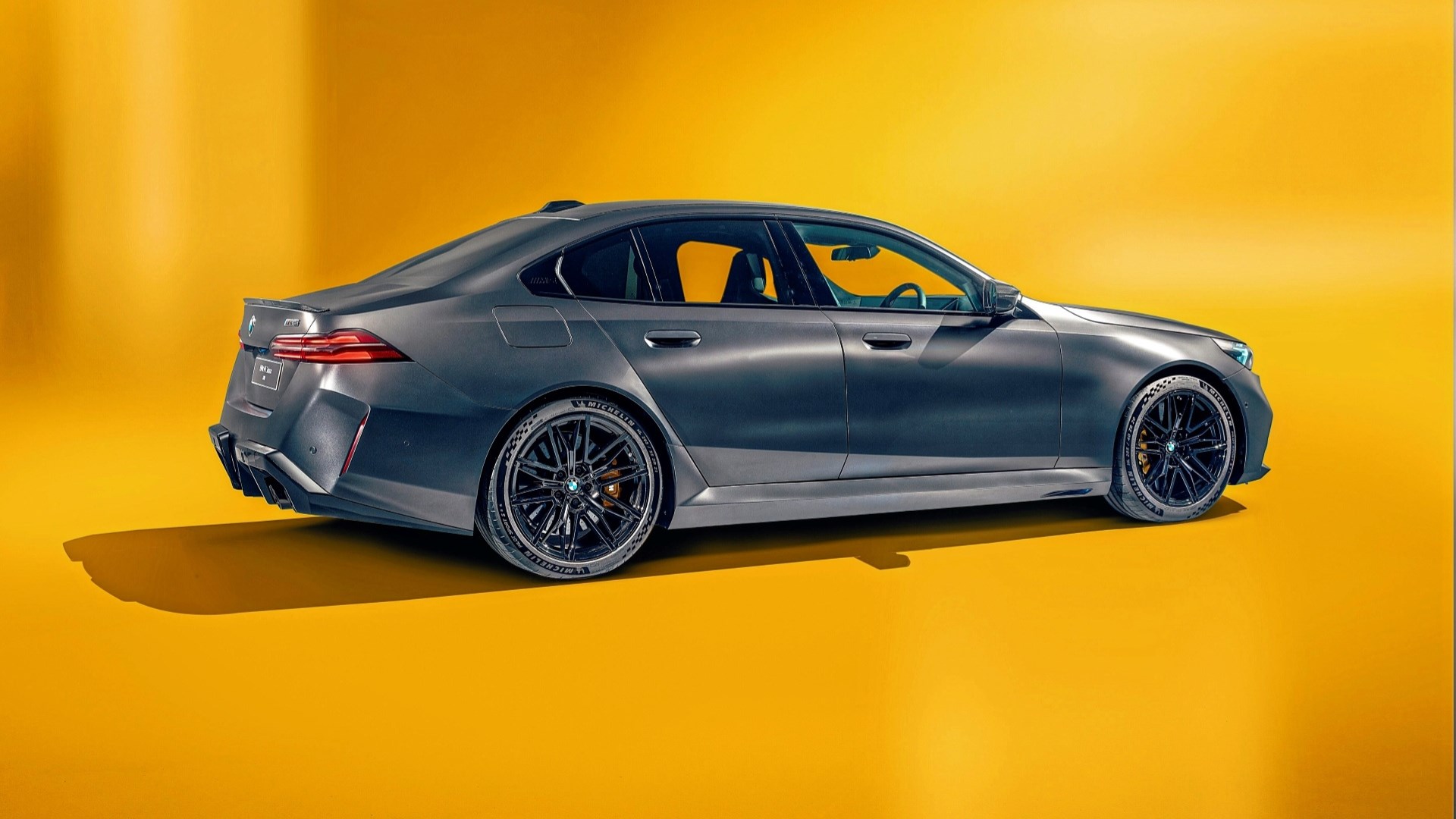
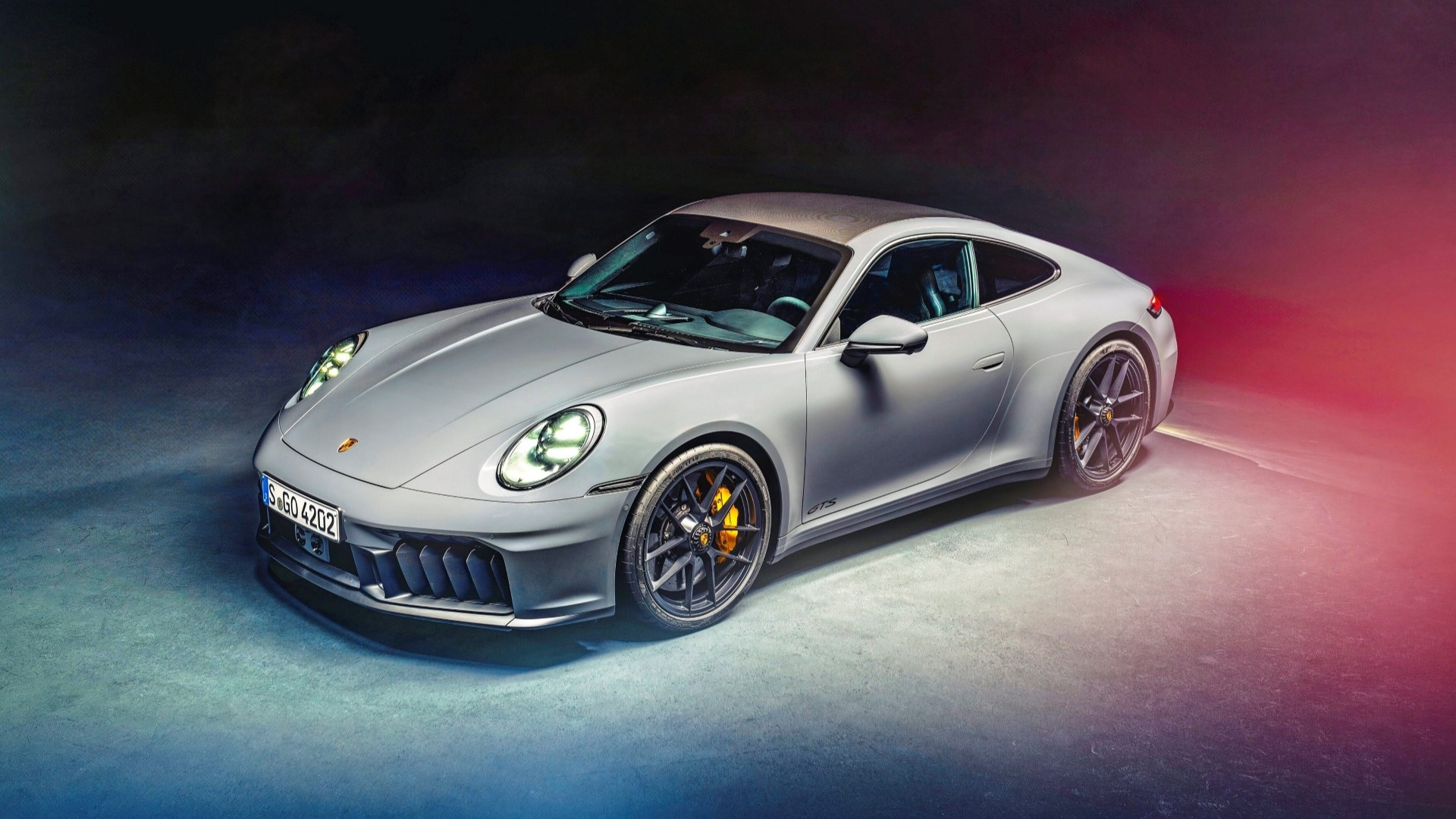
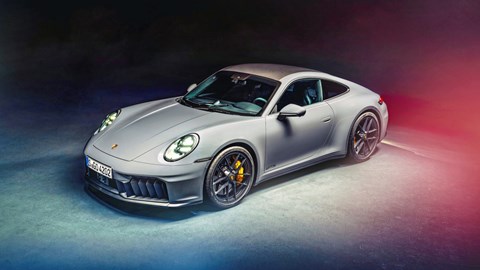
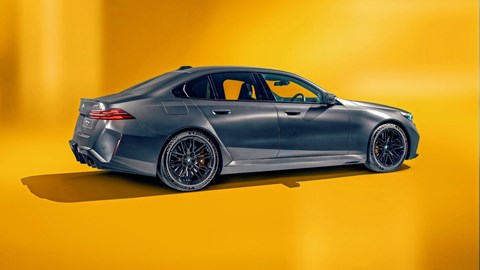
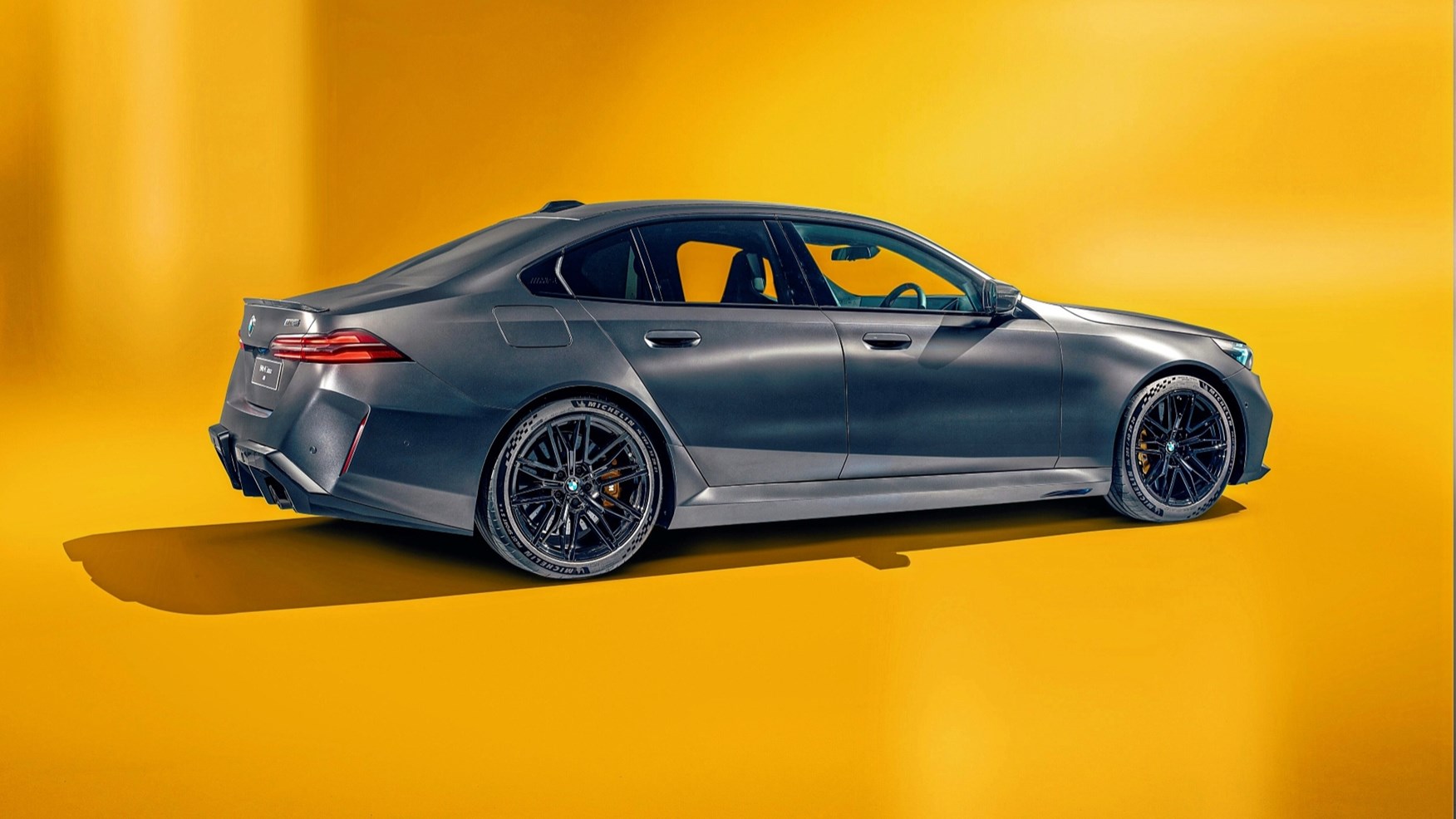
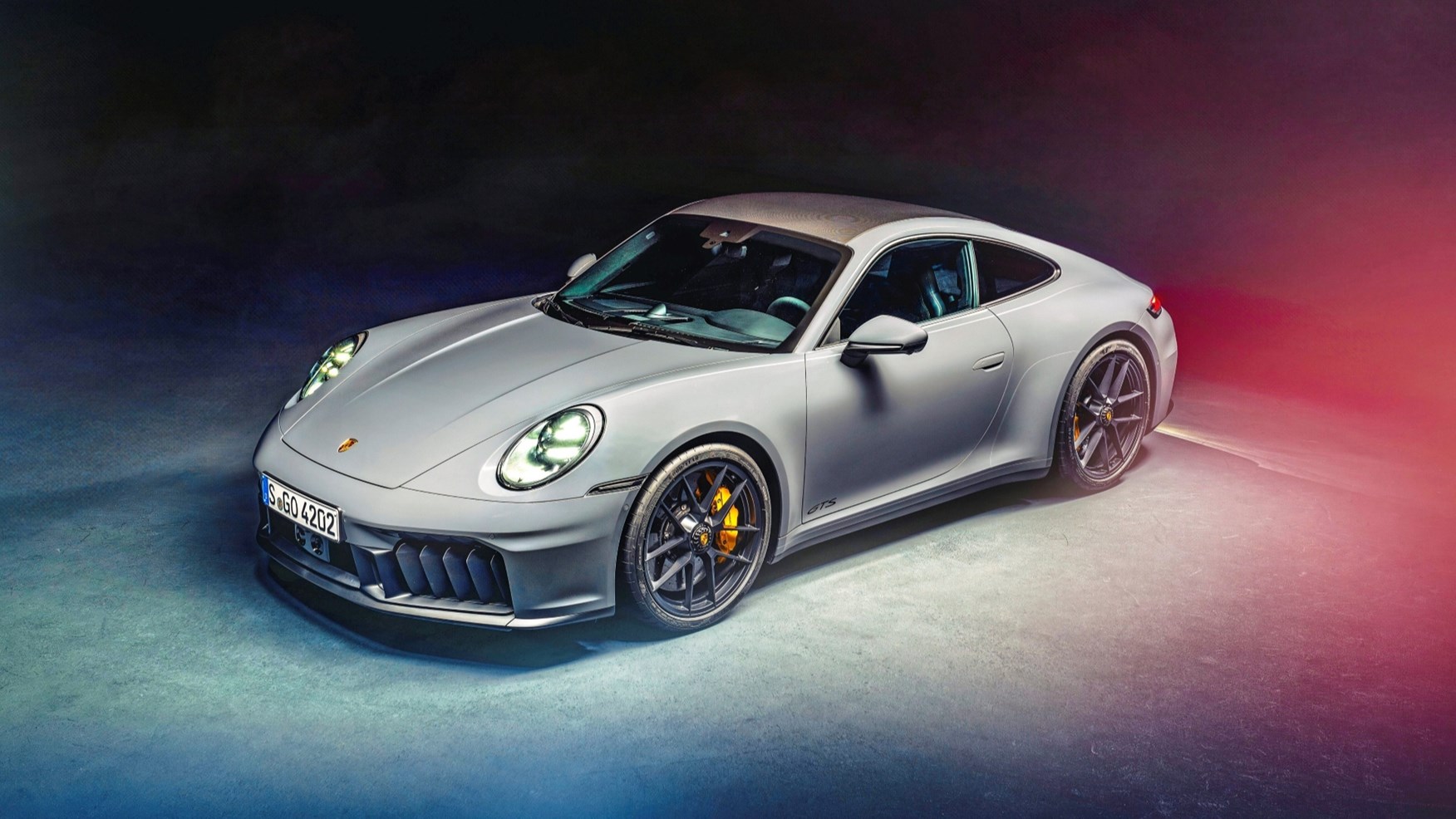
Of course, safety and luxury features are an easy sell. Euro NCAP has done some wonderful things for passive safety but it has made cars bigger and heavier by encouraging the fitment of ever-larger crash structures. Since it is an unfortunate human inadequacy that more of anything signifies greater wealth, many manufacturers seem to have embraced the trend to bigger and heavier. But frankly, it’s the lazy option. Reluctant as I am to criticise the manufacturers of cars I really hold dear, have you seen how big Porsche 911s and BMWs are now? And consequently, how heavy?
All of this is a failure of legislation, which should logically penalise excessive weight, not reward it. But let’s not tar all politicians with the same brush, as some appear to have had enough. The French have their malus au poids weight-based tax, and Paris has started to come down hard on large and heavy cars in the form of much higher parking fees for them – up to three times higher, in fact. Paying in some cases £200 for six hours’ parking would really get your attention.
Other cities around Europe are contemplating the same sort of thing, including Cardiff, which has introduced a scheme that penalises heavier vehicles.
At this point I am going to bang the drum for powertrain engineers. From 2004 to 2014, as we moved from the voluntary to the compulsory CO2-reduction legislation, the average mass of a car in Europe increased by around two per cent, while the average power went up by 13 per cent, but over the same period CO2 emissions fell by over 32 per cent. An impressive achievement.

Something you learn as an automotive engineer is to not expect logic in car buyers’ priorities. People will buy power (which they can rarely use much of) and better infotainment (which has nothing to do with a car’s primary function) and yet generally they won’t pay any extra for better fuel efficiency – they just expect that, gratis. Because of those illogical appetites, cars were already getting heavier before the rise of the SUV really got that ball rolling.
Buying a bigger car is a consumer choice, comparable to buying a bigger house. Many car buyers, of course, are convinced they don’t just want but actually need the space, and you don’t have to go far before protestations surface at the idea that they should pay more for the privilege. This is odd – if you buy a bigger house you get taxed more for it, and no one seriously thinks that’s unfair or unreasonable.
In the late 1950s there was a big study conducted in the US on vehicle axle loading and the damage it causes to roads: the AASHO (American Association of State Highway and Transportation Officials) Road Test. The outcome in the case of trucks was an increase in the average number of axles per vehicle to spread the load, which clearly isn’t going to happen with cars, but the basic physics hasn’t changed since that research was done, and the results are still valid now. And, in the context of modern vehicles, they are pretty shocking.
Simply put, the damage done to the road surface by an axle is proportional to the fourth power of the weight it supports. Now, let’s accept that cars have two axles, and therefore we can simply look at their weights for the relative effects. An SUV can weigh twice as much as a conventional car: that means it does 16 times the damage to a road surface.
In extremis, look at a Lotus Eletre versus an Elise and you could easily exceed 80 times the damage… Now try to make an argument that heavier cars shouldn’t pay more to use the same roads.
A sizeable mass increase is inevitable with EVs because of their mass inefficiency in terms of the energy they carry: they have to carry their oxidant with them, unlike an engine, which can take it from the atmosphere. This issue is then compounded by the fact that people want long range, to avoid having to interact with the public charging system, which subsequently means a proportionate increase in battery and thus vehicle mass.
If successive governments had kept their side of the bargain with electrification, and sorted out the infrastructure and the cost of electricity in the public charging system, then customers might have been satisfied with a smaller battery size, but for the time being that boat seems to have sailed. Of course, a large battery also pushes the vehicle cost up too – the so-called EV range/infrastructure/price (or RIP) problem.
So, in terms of weight, we are in a truly horrible place with cars now. Some of it has been inevitable (because of electrification), some of it forgivable (due to crash protection), and some of it consumer-driven (a shift to larger, heavier vehicle formats).
The road to hell may well be paved with good intentions, but it is also paved with poor political choices. Tailpipe CO2 targets are the problem; we needed legislation drawn up with technology neutrality built in – legislation demanding a specific outcome but not dictating the technology used to get there. That would probably bring quicker success. Instead, a winner was chosen – and we’re all losing as a result.
There is some hope, now that reality has kicked the door in and Brussels is delaying its combustion ban. Really, we need fact-based legislation, and/or financial inducements, such as taxes and parking charges, to change. And, somewhat awkwardly, we all should accept the idea that if you want something in excess of the norm, then paying for the privilege is inevitable and necessary.
console.debug(‘taboola container loaded..’)
window._taboola = window._taboola || [];
_taboola.push({
mode: ‘thumbs-feed-1×1’,
container: ‘taboola-below-article-thumbnails-v3’,
placement: ‘Below Article Thumbnails V3’,
target_type: ‘mix’
});

var disqus_shortname = ‘carmagazine’;
var disqus_developer = 0;
var disqus_identifier = ‘article-wp-264833’;
(function () {
var dsq = document.createElement(‘script’);
dsq.type = ‘text/javascript’;
dsq.async = true;
dsq.src = ‘http://’ + disqus_shortname + ‘.disqus.com/embed.js’;
(document.getElementsByTagName(‘head’)[0] || document.getElementsByTagName(‘body’)[0]).appendChild(dsq);
var s = document.createElement(‘script’);
s.type = ‘text/javascript’;
s.async = true;
s.src = ‘http://’ + disqus_shortname + ‘.disqus.com/count.js’;
(document.getElementsByTagName(‘head’)[0] || document.getElementsByTagName(‘body’)[0]).appendChild(s);
})();Please enable JavaScript to view the comments powered by Disqus.