Wonderland
POP CULTURE, POLITICS & PENALTIES: THE FEVER DREAM OF THE 2026 FIFA WORLD CUP
As World Cup fever hits North America, it is hard to escape the idea that the beautiful game is trading the remnants of its charm for ritzy glamour. Writer Matt Foster asks: Is it dramatic to mourn the death of football’s soul?
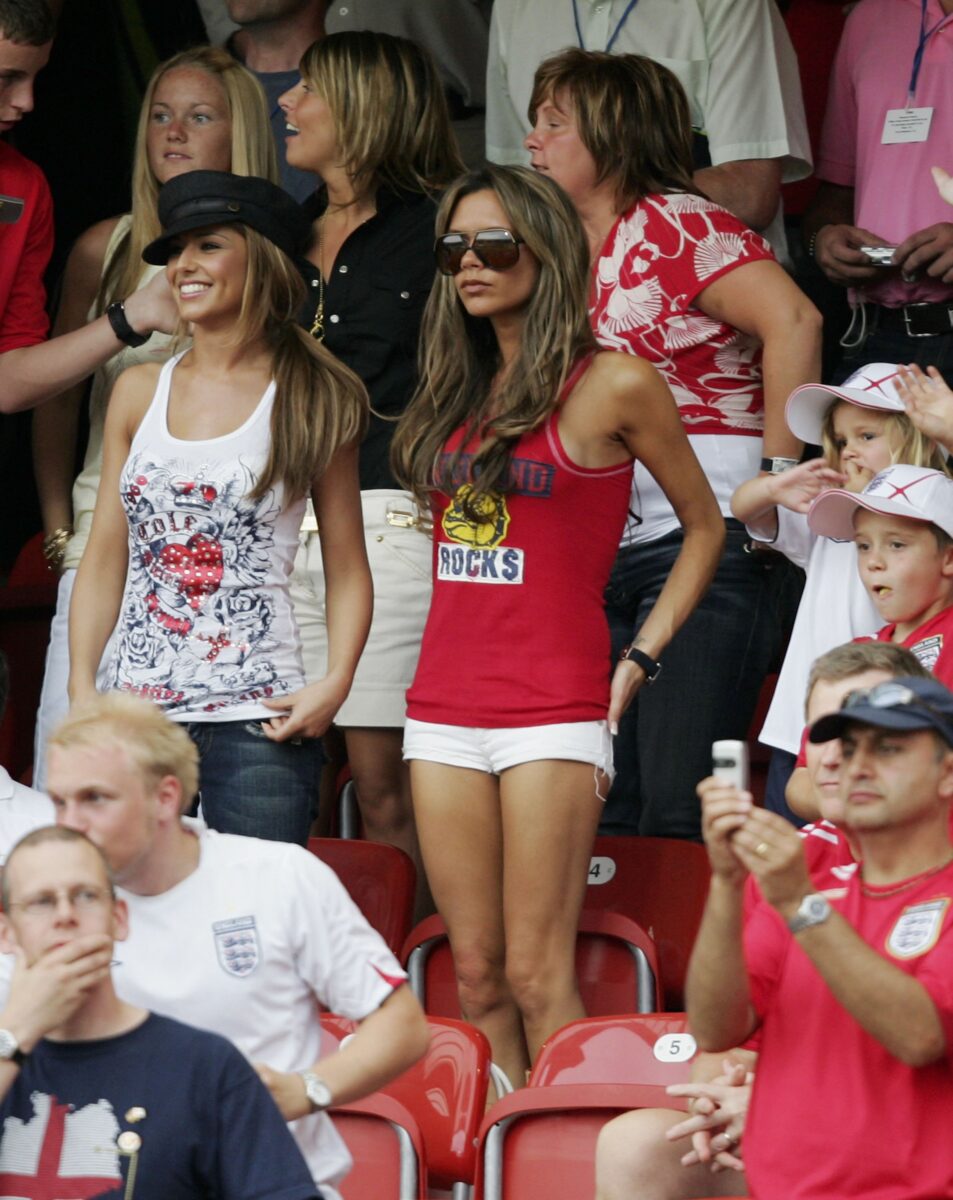
It might seem ridiculous to say about a sport with over four billion fans and some of the most recognisable athletes on Earth, but football’s prominence in the global conscience is about to hit new heights as the World Cup swings into view. No corner of the world or internet is safe from the impending avalanche of content as the biggest show on the planet takes to North America for a month-long spectacle of soccer. Best brace ourselves for the pseudo-culture war led by Britain’s tabloids against what they will deem a Colombian bastardisation of “our” great sport…
There is a certain inevitability to the in-your-face glitz of the tournament. The World Cup is never light on showmanship, but when you combine the animation of Mexican football culture, the U.S.’ celebrity-industrial complex, and, well, Canadians’ customary capacity for overwhelming politeness, you have the recipe for a full-blown assault on the senses. That in of itself is by no means a criticism – frankly, it makes for a pleasant change from the manufactured sterility of the previous edition in the deserts of Qatar – but it does bring with it a unique set of challenges, not least because of the sheer logistics of splitting a competition between three enormous countries.
From a pop-culture perspective, there may be no way to prepare for the pervasiveness of the World Cup in every facet of our existence. The overkill is most evident in the fact that there are three opening ceremonies, with performances by Tyla and J Balvin (Mexico), Alanis Morrisette and Michael Bublé (Canada), and Katy Perry and Future (USA). Not sure where I stand on that as a blunt rotation, in truth.
Fashion-wise, the specific set of sights and smells that accompany major football tournament summers in London – stale aromas of vapes, spilt Stella and red-faced men too drunk to express despair – has been accompanied by the sprawl of vintage football shirts. As a long-term hoarder of niche club wear, I was aghast to see someone on Broadway Market wearing an early 2000s Bolton kit amid the explosion of blokecore, only to be met by a blank face after making a Jay Jay Okocha reference. You can’t refute that the trend was not only a subcultural moment but one of a relatively democratic nature, as any fool with a Vinted account could bag an England ‘96 top, a pair of jorts and the adidas Sambas that became uniform in London, Paris, New York and beyond – at least until Rishi Sunak came along and ruined it all.
At the outset of the blokecore era, the Midas touch of stardom was stooping to bathe in the simplicity of the look – from Bella Hadid in a three-stripe and some Matrix-esque sunglasses, to Dua Lipa’s never-ending collection of red and white striped kits. In 2026, however, with the style’s obituaries plastered across the fashion world, football now reaches for the world of couture as the globe’s biggest luxury brands sink their claws into the unmitigated commercial playground that is the World Cup.
To name but a few recent examples, we have the Miaou/Adidas corset tops flying off the shelves and England’s Nike x Palace collaboration, fronted by Wayne Rooney’s phenomenal John of Gaunt impression. Meanwhile, Loewe is designing the Spanish national team’s official travel suits, and a raft of players, led by France’s Jules Kounde, have made themselves mainstays of the European fashion space as sportspeople insert themselves into wider pop culture: last week, Kounde’s friendship with Simon Porte Jacquemus blossomed into an irrefutably chic collection of warm-up gear. This trade-off is not necessarily a negative – players being able to express themselves through more interesting means than bland, media-trained press conferences can only be good – but it does feel that the bright lights of the Big Apple, L.A. and the rest will take us to the apex of a crossover that can only go so far.
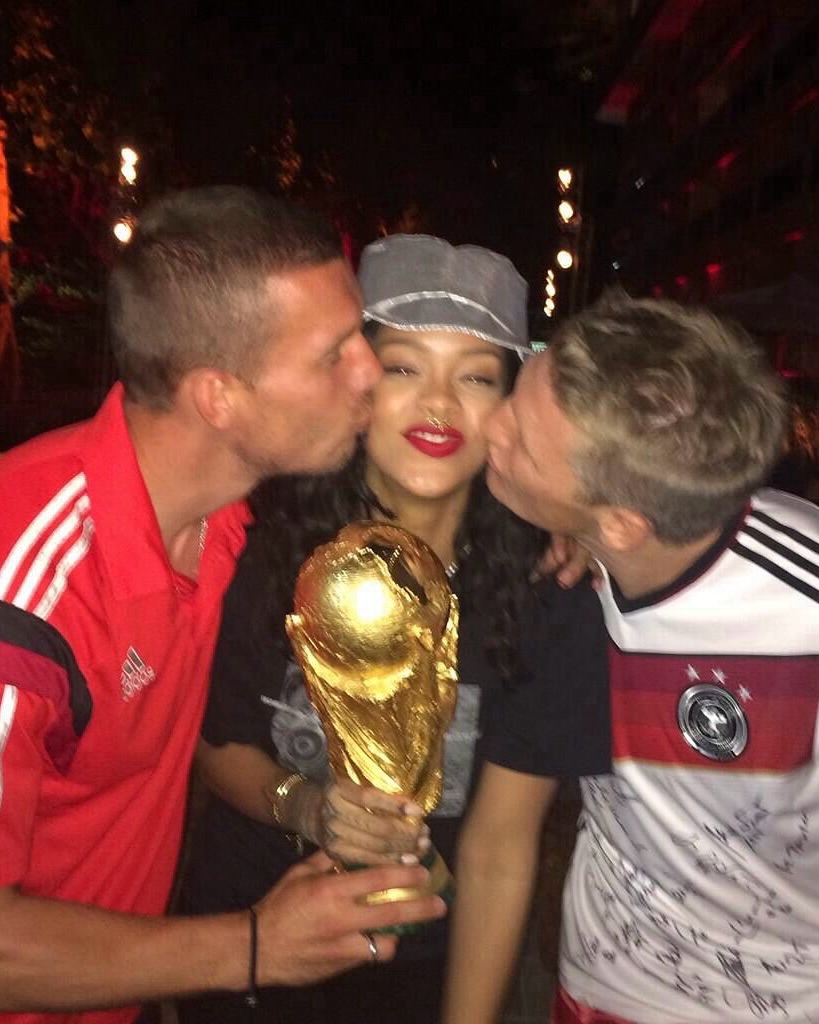
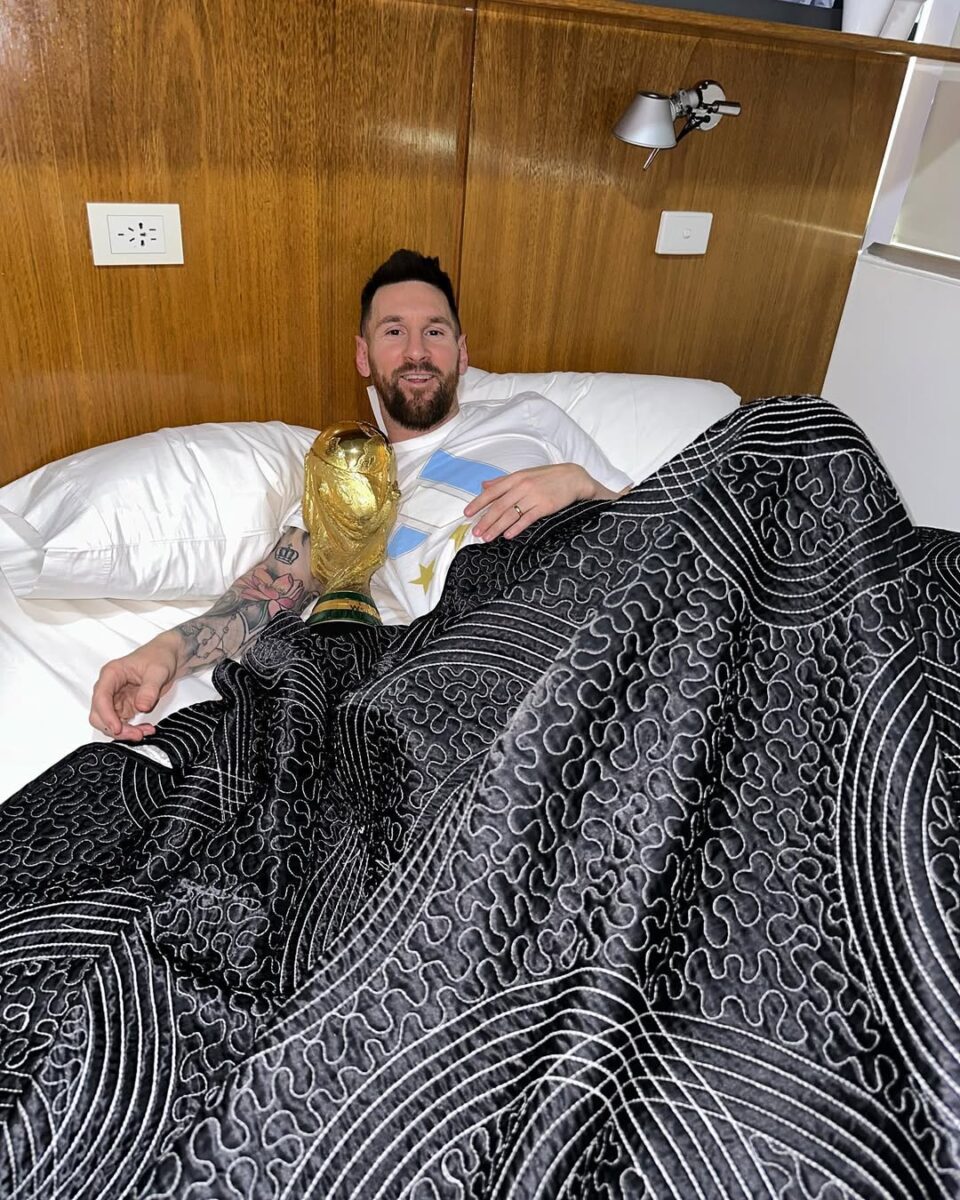
Beyond the realm of the sartorial, influencer and celebrity culture is likely to be front and centre of the broadcasts and dreaded discourse machine of the tournament, with A-listers and the pits of the content abyss alike set to occupy corporate seats and dominate timelines. Views on Anne Hathaway’s somewhat surprising penchant for Arsenal in recent years range from perverted adulation to overly irate accusations of “pick-me-ism,” and with that in mind, I have little doubt that many on this side of the Atlantic will find ways to be enraged by the mispronunciation and misuse of the footballing lexicon that comes with American engagement. It can’t be worse than the sordid reality of the 2022 World Cup final in Doha, where Saltbae, the world’s most infamous meatsmith, got his grubby mitts on the sport’s biggest title alongside Lionel Messi.
On a more serious note, FIFA’s unrelenting adoption of digital guff and the strange status quo it represents could rob the World Cup of its most important charm. From the outset of the process, FIFA president Gianni Infantino has been unapologetic about the astronomical ticketing prices that have made it impossible for the average fan to even consider attendance, let alone realise it. Even as the dollar signs fall amid lower-than-expected interest in the seats, the average get-in price to a game in the U.S. remains nearly $600, per Forbes.
Infantino’s argument that the pricing mechanism is merely the invisible hand of market economics is laughably disingenuous, given that The Guardian reports that FIFA itself is taking a 15% fee from the buyer of each ticket and 15% on any resale. Football’s characterisation as the sport of the people has long been ridiculous in the face of innumerable sportswashing efforts and £70 kids’ shirts, but the brutish capitalism of the 2026 organisers has moved that needle from criticism to total folly. Concerning the tournament itself, we face the reality of the most-hyped sporting event on Earth losing its soul at the source, replaced instead by an influencer class who are likely to care equally or even more about the reach of their social media posts than the result of the match in front of them.
There has always been a gulf in the relationship between sports and non-athletic celebrity in the U.S. and Canada compared to this side of the Atlantic. Sports fixtures in the UK and in mainland Europe in particular are priced (relatively) reasonably compared to their American counterparts, and are broadcast with a much diminished interest in the sheen of eminence. For example, it has been impossible to watch a New York Knicks basketball game in the past few weeks without being bombarded with the sight of Timothee Chalamet, Spike Lee or Ben Stiller hollering courtside. Similarly, Taylor Swift’s relationship and engagement with Travis Kelce has seen the Tortured Poet dominating the airtime from his family’s corporate box to such an extent that it became a recurring segment on a number of NFL podcasts over the course of last season.
That idea of a celebrity row, no doubt set to rear its head repeatedly in the coming weeks, speaks directly to the differing treatment of professional sport between the two cultures: in the U.S., sports is entertainment and thus can’t be separated from the allure of pop-culture, whereas for the most part, we here still operate on the somewhat sanctimonious tenet of on-field happenings reigning supreme.
That aside, so much of the joy of World Cups comes from the colour and vivacity of unhinged and (mostly) unproblematic patriotism; what happens when you cordon off the majority of those bases? If tickets remain too steep for locals to swoop up the surplus, then what fervour will we have left? I have faith in the institution that is the World Cup that the most passionate supporters will find their way to the seats of LA’s SoFi Stadium, or New Jersey’s MetLife and beyond, but depressingly, it won’t be at the hands of the corporate ghouls who are meant to be growing the game.
On the subject of ghouls, another spectre hanging heavy over the tournament is the small matter of two of the participating nations being at actual war with each other. I wish not to make this some kind of political polemic, but the attention-seeking disorder of the sitting U.S. president makes it hard to believe that there will not be some kind of diplomatic incident over the course of the 39 days. Another problem specific to the games taking place in Trump’s kingdom is that of the ongoing ICE raids and immigration crackdown, which has already caused issues for supporters from five African nations who qualified while spreading fear among fans, security staff and vendors alike.
But enough of the wokery; what about on the pitch? First thing to note is that it is going to be fucking hot. As an eternal sports pessimist, I didn’t feel good about England’s chances going into the tournament, but knowing that their campaign gets underway under the beating Texas sun in Dallas only exacerbates my fears. The usual suspects all qualified – Italy aside – and a hallmark of this edition is its status as a swansong for the game’s most recognisable stars, including Cristiano Ronaldo, Lionel Messi and Neymar. For each, we are set for either a glorious exhibition of the perennial greatness or a painful reminder of time’s ruthless passage. My money is on the latter.
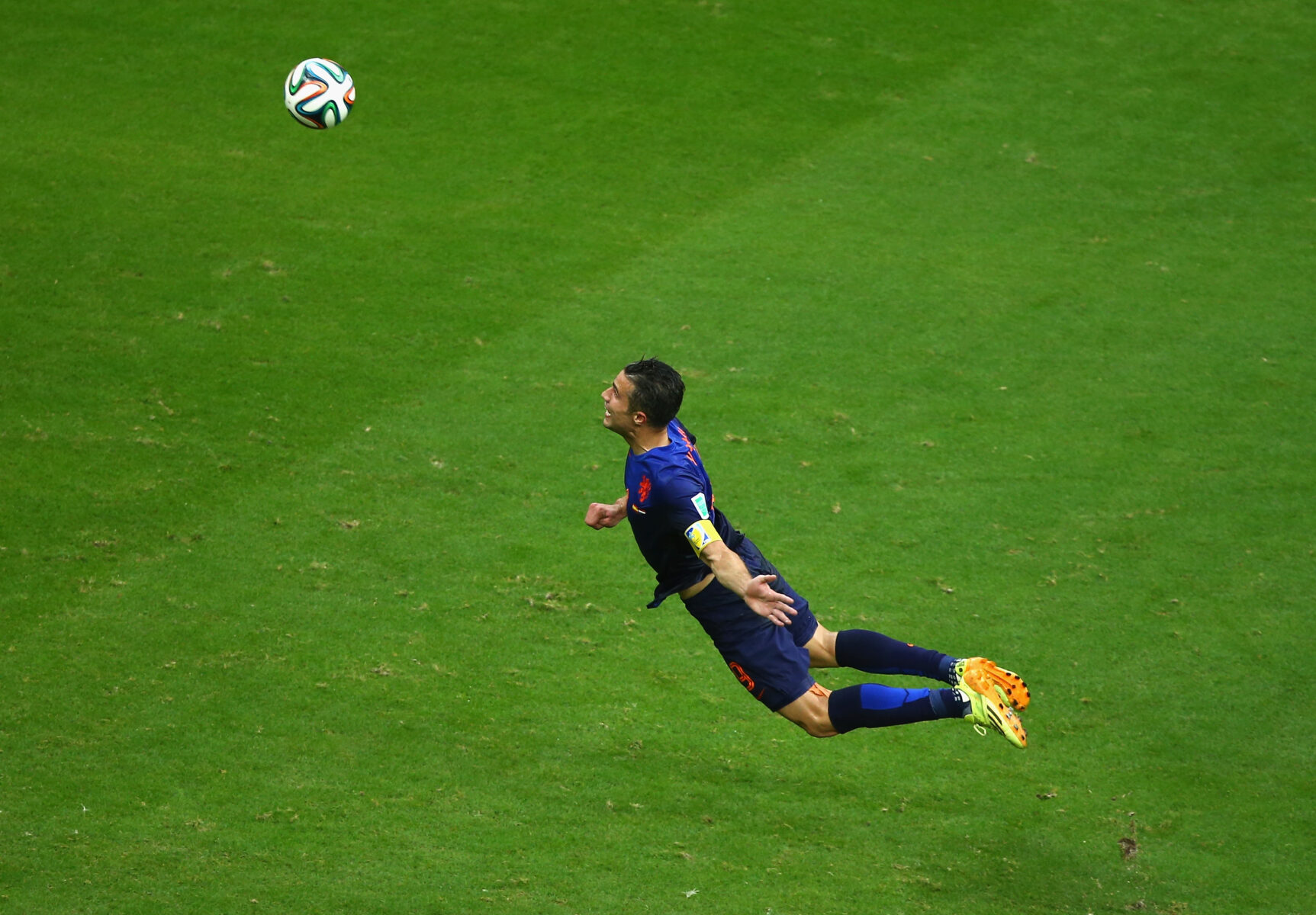
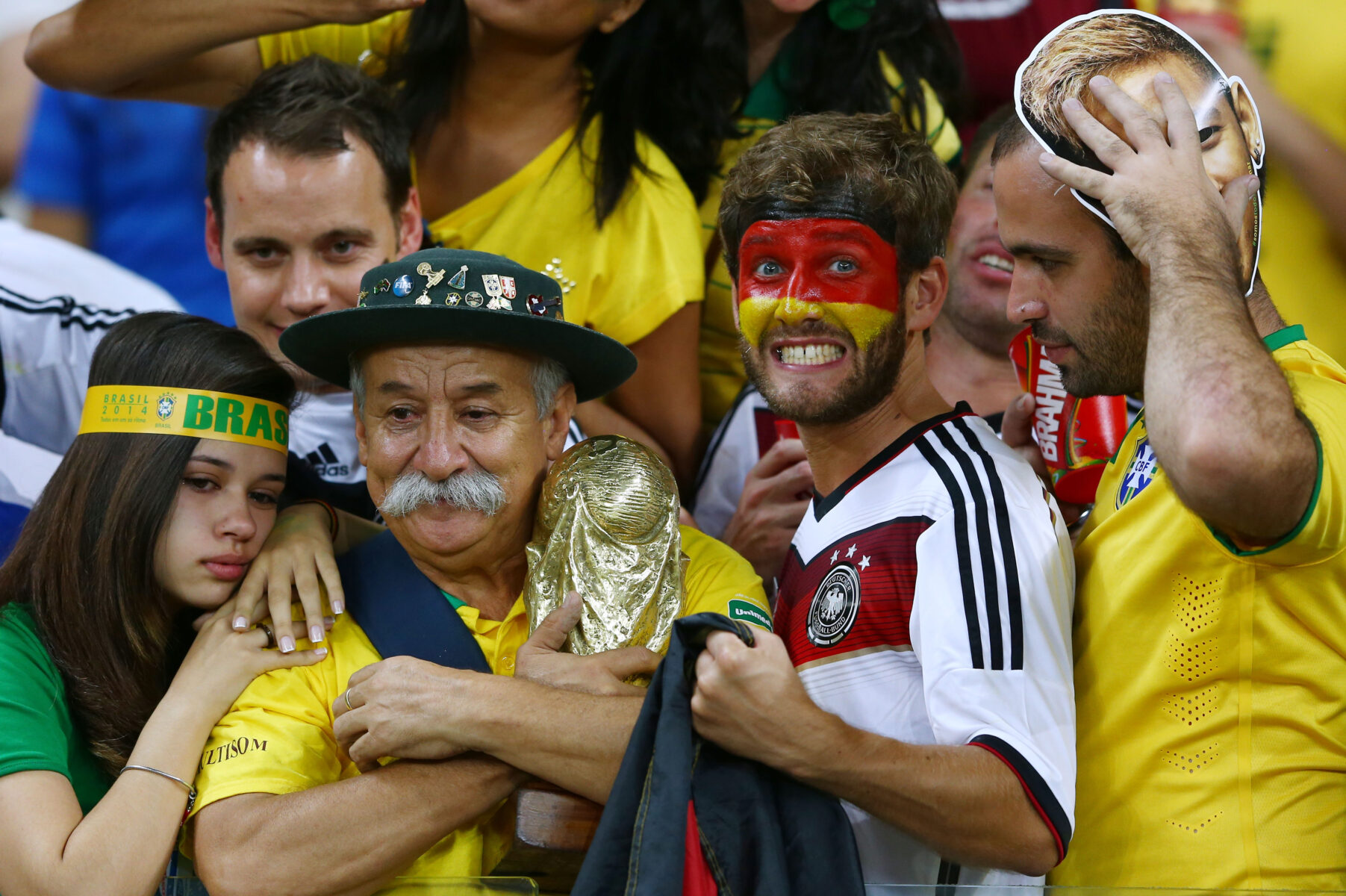
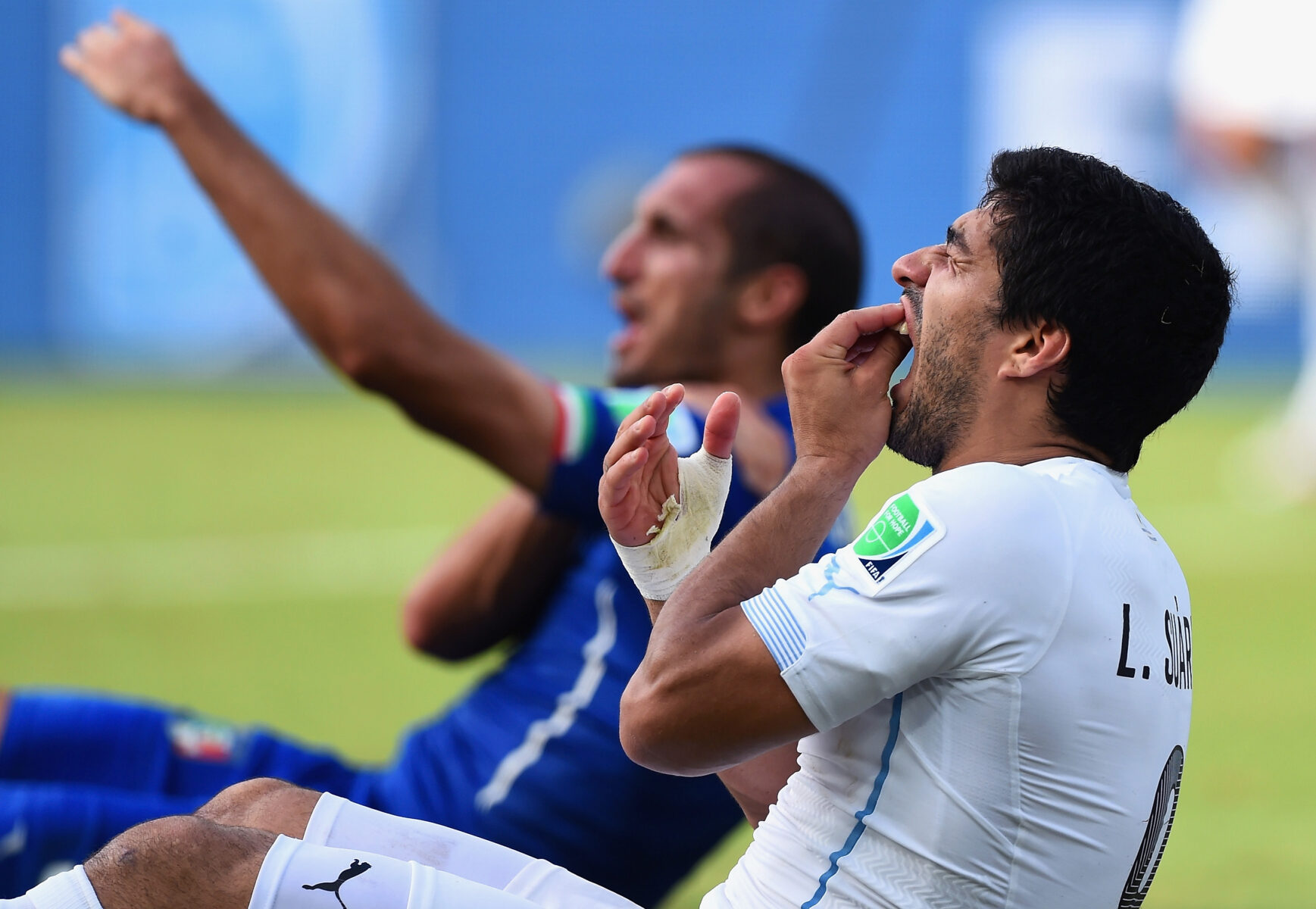
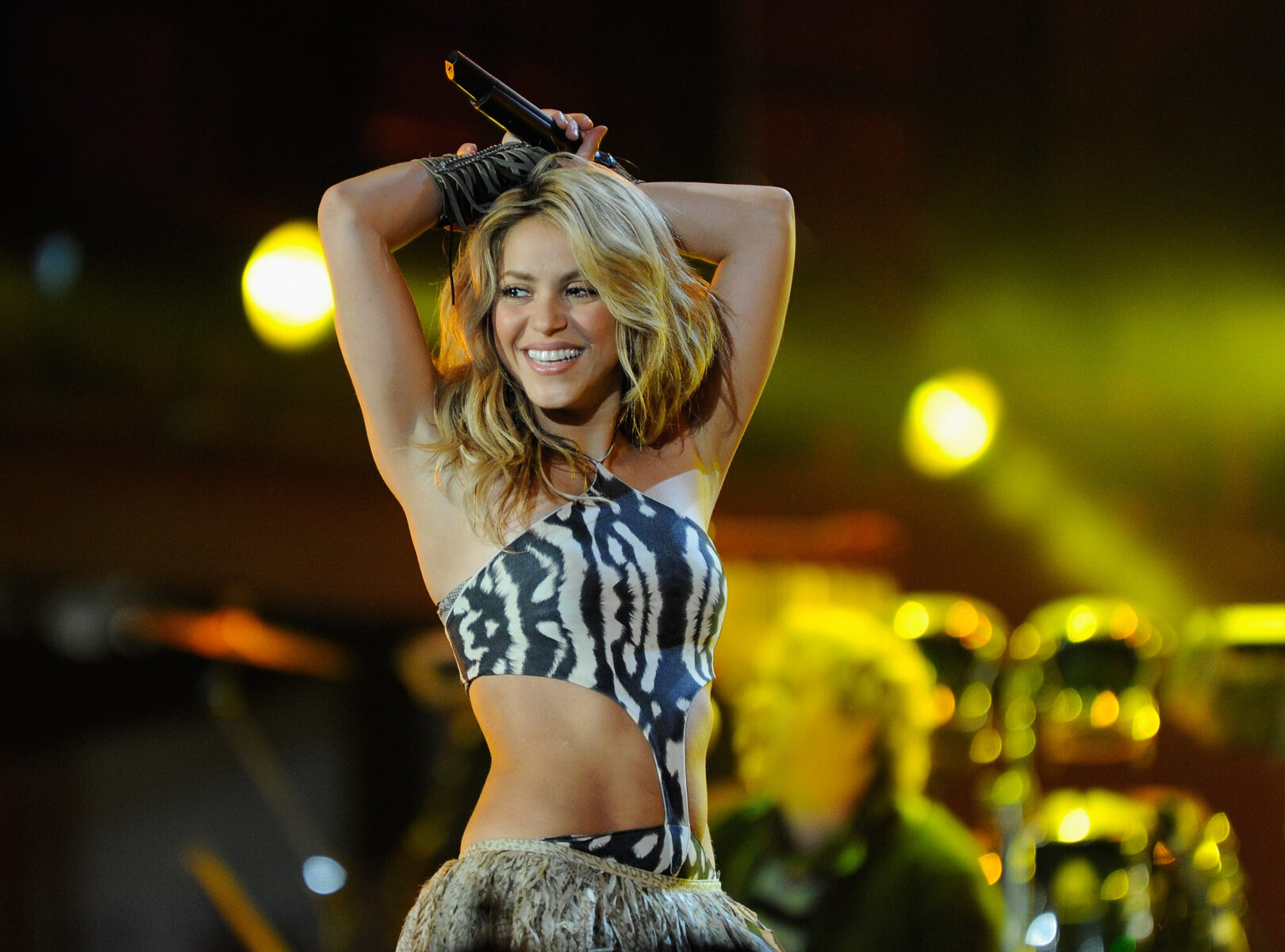
On the face of it, it feels like this is a difficult World Cup to get excited about, just days ahead of the opener at Mexico City’s Estadio Azteca. I haven’t even mentioned the commercial monstrosity of the doubling in number of advertising breaks, or the plagiarised Super Bowl-style halftime show during the final that, one could argue, stands as more evidence of enshittification and the endpoint of the sport’s romantic soul. That the longstanding convention of a 15-minute break is being overlooked in favour of Shakira’s (admittedly undeniable) talents should be the rotten cherry atop this cake of moneyed horrors.
And yet, I sit here giddy at the prospect of it all. We are, at the core, nostalgia merchants, and more than any other global event, World Cups have punctuated the progress of my existence with timely interventions of all-encompassing mania. I am showing my age here, but the memory of an old-school CRT TV being wheeled into my primary school assembly only for Ronaldinho to lob David Seaman from 40 yards in 2002 is burned as firmly into my frontal lobes as Harry Kane’s blasted penalty that sent England packing from Qatar in 2022. The mere prospect that this could be the year it all comes together, and football does indeed come home, is enough to make hairs stand on end; it is fundamentally impossible to not be roused by that.
There is also something about the absurdity of the wider spectacle of this particular World Cup that siren-calls my online spirit, as I dream of an opening ceremony sequence as comically shit as Diana Ross’ botched penalty in 1994. As a football obsessive, the unfurling drama on the pitch seldom fails to deliver, and even if it is rubbish, at least we all get to ruminate on just how rubbish it was together. Ultimately, football and the World Cup stand as one of the few monocultures we have left, and though the term has dirty connotations, it is in this case a rare bastion of national pride, community and an outlet to intensely expressed emotions. And in these strange times, I think that can only be a good thing. So long as Saltbae isn’t there.
Words – Matt Foster