[analyse_image type=”featured” src=”https://velo-cdn.outsideonline.com/wp-content/uploads/2026/06/GettyImages-956679188.jpg”]
If all goes to plan this year, Jonas Vingegaard will follow up his Giro d’Italia celebrations with jubilation at the Tour de France.
If so, he will become just the ninth male rider to take the double in one year. The others? Fausto Coppi, Jacques Anquetil, Eddy Merckx, Bernard Hinault, Stephen Roche, Miguel Indurain, Marco Pantani and Tadej Pogačar.
It’s a star-studded cast but not long ago it was deemed impossible to achieve in the modern era.
Pantani’s wins were way back in 1998 and when multiple riders tried and failed in the years since, many felt that the days of the Giro/Tour celebrations were over.
Pogačar disagreed and turned back the clock in 2024. Now Vingegaard is determined to do the same.
Can he do it? What’s the best way to try? Velo spoke to Roche, winner in 1987, and got his lowdown on Vingegaard’s high hopes.
His verdict?
It’s complicated.
‘You don’t sit on someone’s wheel’
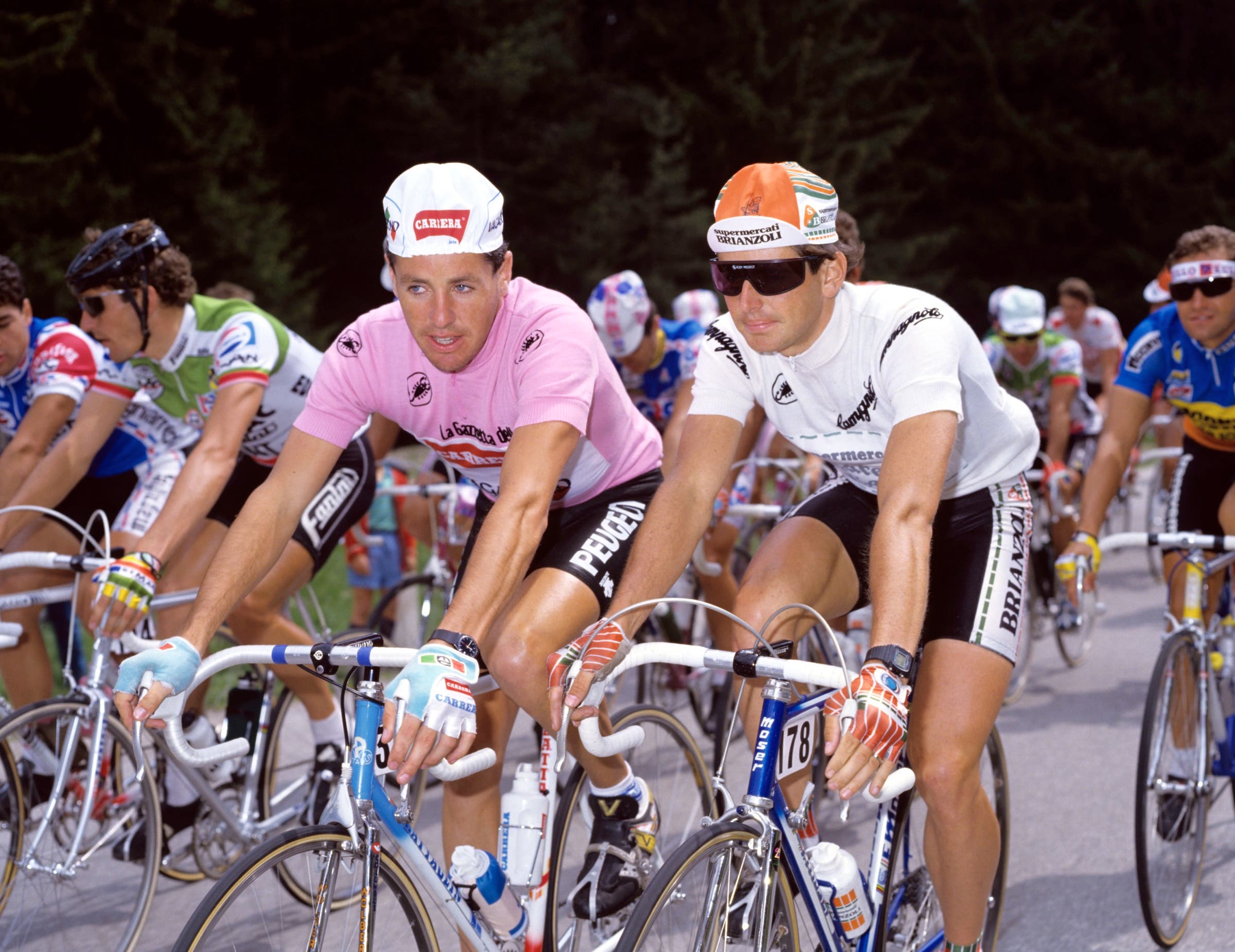
Vingegaard is a very different rider to Pogačar. The latter is very much an extrovert, ebullient in his personality and also in his way of riding the bike. He attacks at a whim, thinks nothing of striking out 100km from home, and loves to dominate his rivals.
Vingegaard is more reserved as a person and also as a champion. Sure, he likes to attack. Sure, he’s taken some big wins in the past. But the throw-down-the-gauntlet moves are more rare with him, more calculated.
And even if Saturday’s final mountain stage saw him strike out for home 11km from the finish, his attacks earlier in the Giro were much more restrained.
Roche said that he wasn’t impressed early on with Vingegaard, noting that he sat on Felix Gall’s wheel for several kilometers when the latter surged clear on the Corno alle Scale summit finish on stage 9.
“When you’re Vingegaard, a Tour de France winner, a Tour of Spain winner, going for the Giro win, you don’t sit on someone’s wheel for 3K,” he said.
However Roche did acknowledge that conservative approach may have been deliberate.
“You could say maybe the guy is riding on reserves, saying ‘well, why go out there and break my balls when I’ve got a Tour de France to come down the road? The importance is not about the winning margin but about winning.’
“So it’s difficult to know what he might have had in his head.”
‘Who is going to beat Pogačar?’
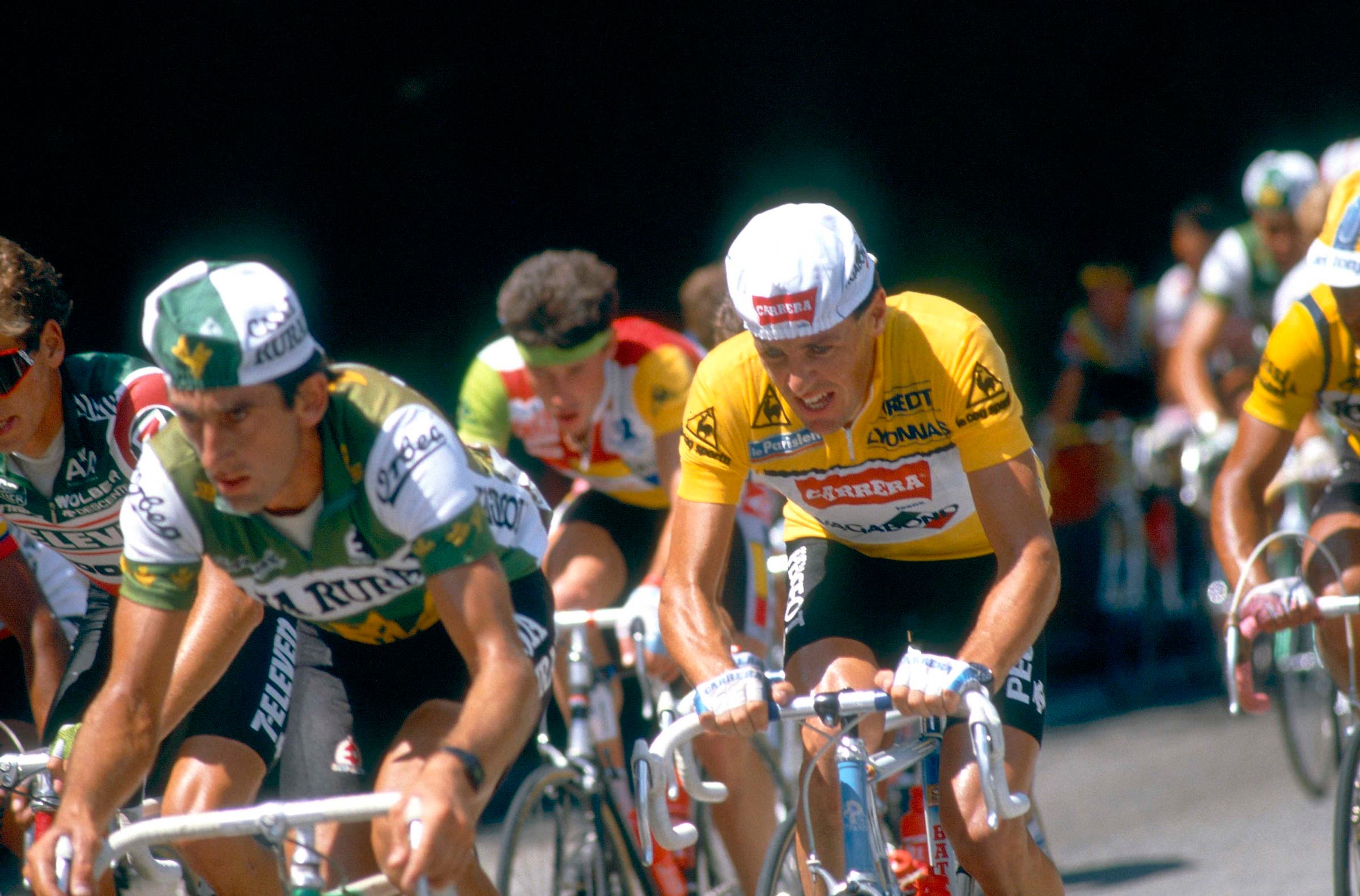
One of the issues of going for the Giro-Tour double is holding form. The Giro began this year on May 8, and concluded May 31. The Tour runs from July 4 to 27. In all that’s a window of two and a half months, which is a long, long time to be ‘on.’
Does Roche see benefits to Vingegaard trying not to go too deep in the Giro?
“Well, it’s definitely a good tactic, if he’s for real, and he really, really believes that the Tour is possible,” he said.
“But no matter what he does in the Giro, no matter if he wins it by a minute or 10 minutes, the Tour is going to be very, very hard to win.
“Personally, looking at it from the outside, I would say that you can read into it in different ways. On one side, you can say ‘who is going to beat Pogačar?’ Is Vingegaard going to beat Pogačar? I don’t think so.”
Instead Roche feels that something else may be going on.
“If I am Mr. Visma looking for a sponsor for next year, am I better off sending Vingegaard to the Giro where there is nobody there, where he can win it, and making a nice story that we can go out and win the double?
“If Vingegaard goes out and wins the Giro, it gives them a platform to go and look for sponsors based on that. Whereas if you wait for the Tour and he comes second at the Tour.
“So I think there’s a lot of things to be put on the table.”
There’s another reason, too.
“For me, Vingegaard needs to win a big Tour. He’s a guy that’s paid a lot of money, he’s got a status to maintain, and I don’t think there’s any confidence in being able to beat Pogačar. We can see what Pogačar has done in the last couple of years. He is very difficult to beat unless there is injury or bad luck.
“Even mentally it’ll even give him a lot more comfort, because he’s won his major tour, he’s fulfilled his contract for this year. Everything he does from here is a bonus. And if a dangerous break goes clear, he can say to the others, ‘I won my tour already. If you guys want to win, you have got to chase that break down.’
And at the same time Mr. Visma is out there looking for a sponsor for the team. If Vingegaard has already won the Giro, it’s a nice fairy tale.”
‘I finished the Giro totally wasted’
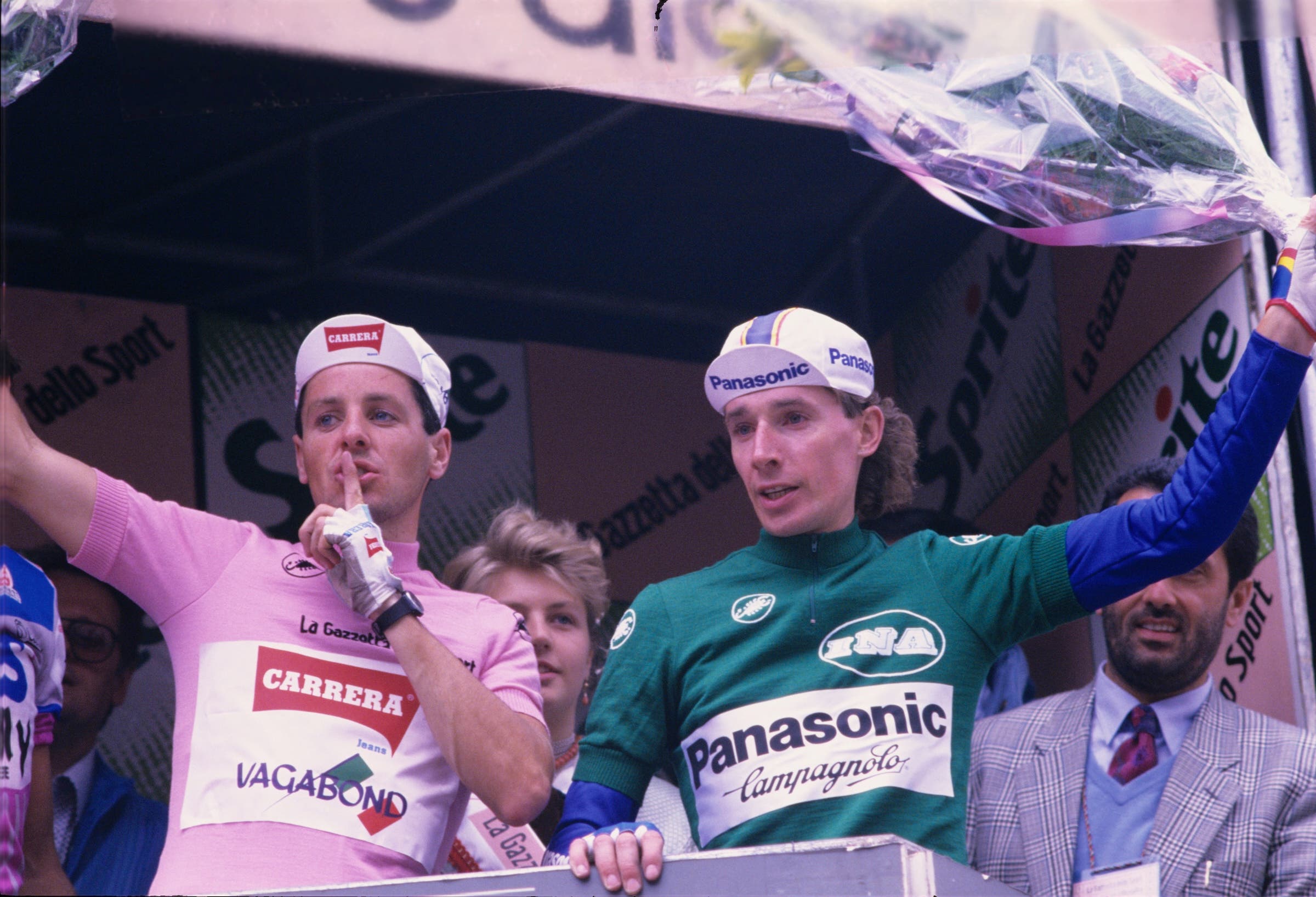
Others might see things differently about his prospects.
Vingegaard beat a long-standing record of Marco Pantani on the Piancavallo climb on Saturday, something many had presumed was unmatchable. And Visma-Lease a Bike were clear on Sunday that Vingegaard has further room for improvement, and should be even better at the Tour.
That remains to be seen, but are there lessons from how Roche won his double and what Vingegaard should do now?
In replying, Roche makes clear that there are differences in the two situations. For one, he had to deal with a huge amount of mental strain, having caused near-riots in Italy when he rode against his own teammate Roberto Visentini, who was holding the race lead.
Spectators spat at him and struck him; his team threatened to send him home.
“My problem was there was only 18 days between them. That was my big thing,” he said. “And also I finished the Giro totally wasted with all the goings on. So I just wanted to stay away from everybody, no press conferences, no press interference, no extra fatigue.
“My main thing was to recover, recover, recovery, which meant going out for recovery rides every day, or whatever, and staying out of the limelight.
Roche didn’t race at all between the two events. That was partly to do with that goal of recovery, but there was another reason too.
“One reason why I kept away from events was to avoid the contact with the press, to avoid repeating myself with questions and everything else. Because journalists would say, ‘Hey, Stephen, how you fixed? Have you got five minutes for an interview?’
“Whereas today everything goes through the press officer first, so it’s a luxury.”
The benefits of information
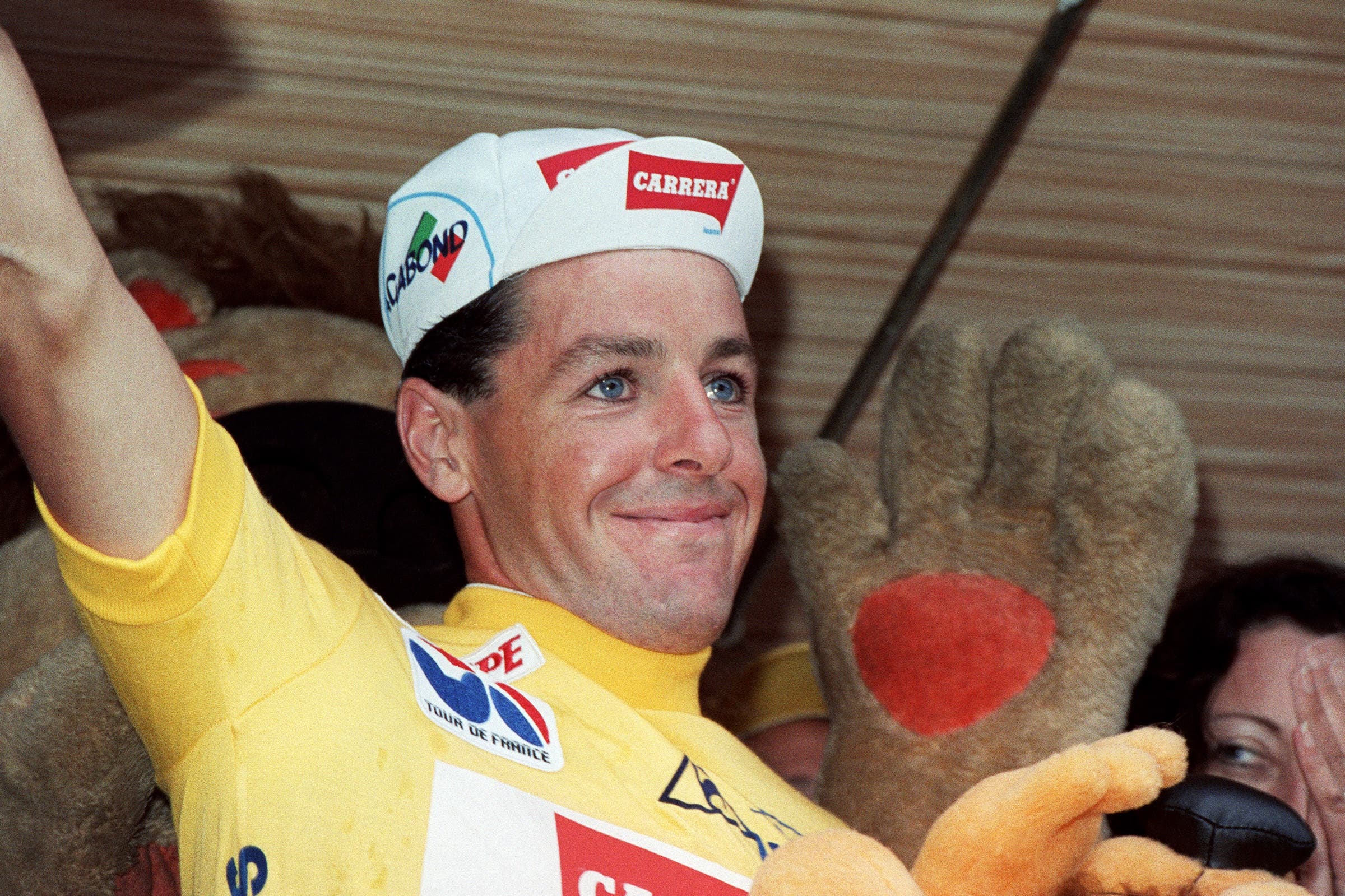
It remains to be seen if Vingegaard will ride any events prior to the grand départ on July. As things stand he is not scheduled to do anything prior to the Tour start on July 4. But although that’s a considerably longer gap than Roche had between his two grand tours, he doesn’t anticipate any problem for the Dane.
“He has got a month to go or five weeks to go before the Tour,” he said. “But compared to our generation, we never knew where we were physically. We always felt we had to race to make sure our morale was good and to see where we are. Whereas today the guys know exactly where they are with all the data they have.
“So Vingegaard knows he can finish the Giro and will knows his statistics from where he is. They can prepare then an altitude training camp or whatever they need to do, and they can go on the numbers.
“We’ve seen these guys Vingegaard, Pogačar, Van der Poel going on training camps and coming back and winning. They’re capable of winning because they know exactly where they are with the numbers.
“So I don’t think it’s really 100 percent necessary to race in between.”
Even if Roche feels Vingegaard’s odds of beating Pogačar are slim, he does see an advantage to him riding the Giro before the Tour.
“I can understand Vingegaard when he says that he’s often done better in a second tour,” he said. “You definitely can dig deeper. Riding a major tour, like a three week tour, does give you a lot of stamina and a lot of foundation.
“So when the going gets tough, you can dig in deeper.
“I think that riding a major tour is definitely an advantage for a GC rider. It does help you go a little deeper in the next one.”
[analyse_source url=”https://velo.outsideonline.com/road/road-racing/tour-de-france/giro-tour-stephen-roche/”]