[analyse_image type=”featured” src=”https://e00-xlk-ue-marca-en.uecdn.es/files/article_main_microformat/uploads/2026/05/07/17442096615526.jpeg”]
- Tickets Get the best tickets for Fever games on Tickets MARCA
- Indiana Fever. Sophie Cunningham turns heads in her Victoria’s Secret outfit despite the Indiana Fever’s loss to the Valkyries
The Indiana Fever’s WNBA loss to the Portland Fire will go down as a 100-84 defeat, but the decisive stretch arrived much earlier than the final margin suggests.
For the opening three and a half minutes, Indiana looked sharp. Caitlin Clark had already created three assists, Aliyah Boston was finishing inside, and the Fever had built an 8-4 lead that suggested their offense might finally settle after an uneven start to the season.
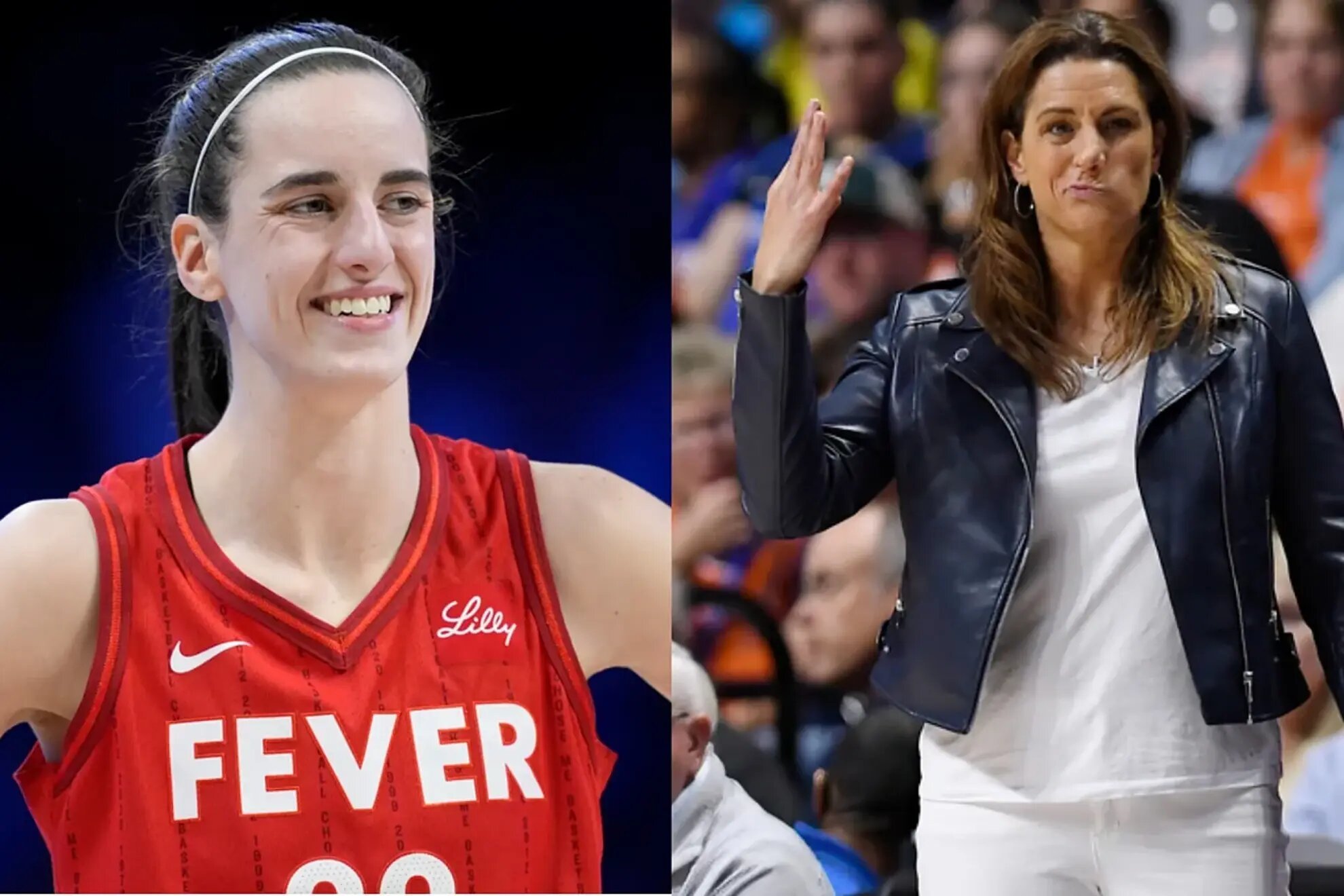
Then Stephanie White went to her bench. Clark, Boston and Lexie Hull were all pulled at the 6:30 mark of the first quarter. Portland immediately took advantage, ripping off a 13-2 run before Clark and Boston returned with 3:38 left in the period.
By then, the Fire had flipped the score, seized the rhythm and exposed Indiana’s lack of stability without its two former No.1 picks.
The run didn’t stop when Clark and Boston came back. Portland closed the quarter on a 27-7 surge and led 29-15 after one. Indiana never truly recovered.
White defends early rotation call
After the game, White was asked why Clark and Boston came out so early when both were helping Indiana control the opening minutes.
“Well, AB is still in a minutes restriction, so that’s why she’s coming out,” White said. “And that’s typically around the same time that we’ve taken Caitlin out before.
“We didn’t in Golden State because, quite honestly, we didn’t want Raven in that environment without another ball handler on the floor, but that’s been our typical substitution pattern.”
White’s answer explained the plan, but it didn’t fully quiet the questions. Boston’s minutes restriction has been part of Indiana’s management since training camp after she dealt with a lower right leg issue from her Unrivaled season.
Clark’s workload is also being watched after a 2025 season that included multiple soft-tissue injuries.
Still, Saturday’s game raised a different issue. Substitution patterns can be sensible in theory, but they become harder to defend when they disrupt the only stretch in which the team looked comfortable.
Clark isn’t just Indiana’s top scorer. She’s the player who organizes the offense, manipulates defensive attention and creates easy shots for others.
When she sat, the Fever lost their direction. When Boston sat at the same time, they also lost their best interior finisher. Portland punished both absences.
Fever must find better balance
Indiana’s individual numbers reflected the broader frustration. Boston led the Fever with 18 points on 7-of-13 shooting in 25 minutes. Clark finished with six points on 1-of-7 shooting in 21 minutes, with foul trouble also limiting her impact.
The Fever dropped to 4-4 and have now lost two straight games. The concern isn’t simply that Clark sat early, it’s that Indiana appeared unprepared to survive those minutes.
White has difficult choices to make. She has to protect Boston’s health, manage Clark’s workload and build trust across a roster that cannot rely on one lineup for an entire season. But there is a difference between managing minutes and surrendering momentum.
Against Portland, the Fever’s best spell ended when their best creators left the floor. The game turned almost immediately. Indiana next faces the Atlanta Dream on June 4, and White’s rotation will be watched closely from the opening quarter.
[analyse_source url=”https://www.marca.com/en/basketball/wnba/indiana-fever/2026/05/31/stephanie-white-explains-controversial-substitutions-of-caitlin-clark-and-aliyah-boston-during-defeat-against-portland-fire.html”]