Wonderland
SO WHAT WAS ACTUALLY GOOD ABOUT EUPHORIA?
As Sam Levinson’s polarising drama comes to a close, we take a look back at what made Euphoria the cult series it has become.
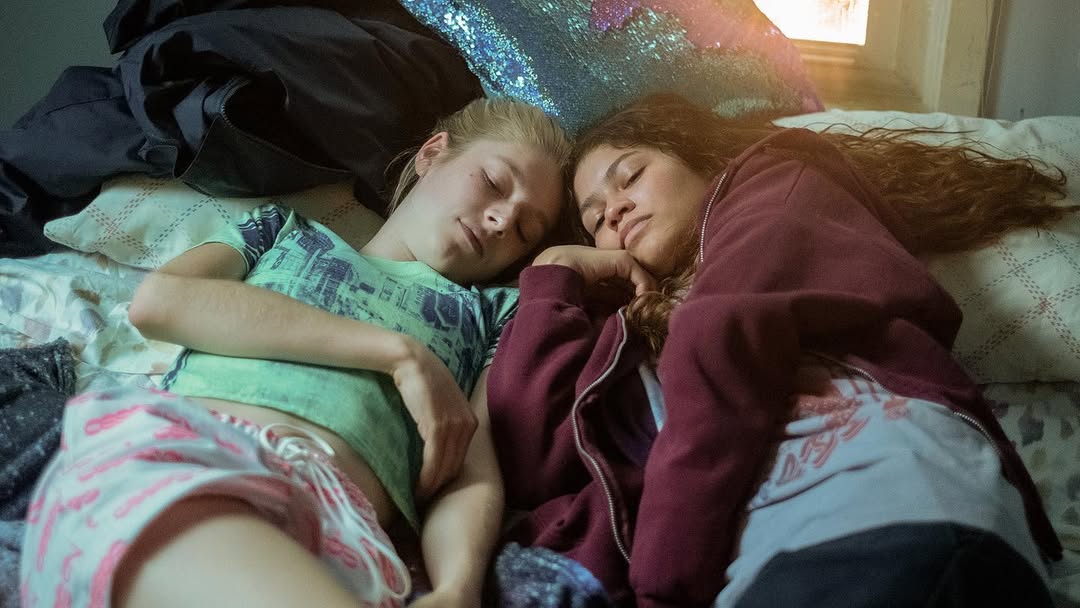
Defending Euphoria in 2026 is opening yourself to social shunning — raised eyebrows, judgemental eyes, and a line of questioning delivered in such a vehement manner you’d think you were facing a firing squad. And yes, some critiques are entirely valid. Why is it that, this season, every female character’s plotline revolves around sex work? Why did Nate Jacobs’ entire screen time consist of yelling, grunting, and losing digits? Why is it seemingly impossible for show creator Sam Levinson to finish a plotline?
When Euphoria first premiered in 2019, it quickly garnered comparisons to the British Bristol-based teen series of a decade prior Skins for its raw, at times scandalous, but always scarily honest depiction of teenagehood – and for good reason. The protagonist, Rue Bennett who struggles with addiction after the untimely passing of her father, finds herself surrounded by her high school friends and foes who are just about, or if not equally, for a lack of a better word, as fucked up as she is.
If the harrowing plot of the series wasn’t enough to entice you, then it was the stellar production with a deep-seated care for aesthetics and cinematography that entrances you – the type you’d expect for an indie short film with a mysterious angel investor more than an HBO blockbuster. There was also the cast consisting of Zendaya and Jacob Elordi, who saw their careers being propelled out of the so-called Disney teeny-bop era into Hollywood megadom, as well as Hunter Schafer, Sydney Sweeney, Alexa Demie, Barbie Ferreira, Maude Apatow, Storm Reid, and Angus Cloud. And to tie it all together, the musical genius that is Labrinth, who scored the first two seasons into a near-perfect universe of teenage drama.
This latest season, on the other hand, jumps into the future. Euphoria high is no longer, and we find our beloved band of teenagers all grown up – as much as you can be five years after graduation, although we’re sure more than a fair few didn’t actually take part in the robe and cap ceremony. At best, season 3 feels like a narcos spin off of the original show. Rue finally finds herself paying for the consequences of that lost suitcase, and all the other characters feel like askew puzzle pieces being forced onscreen to fit the same plotline. But despite it all, I am still a Euphoria stan.
So in honour of the nail finally being wedged into the show’s coffin, Wonderland has rounded up a list of what made the show the somewhat, sometimes beloved, always full-heartedly defended teen drama that it is. Keep reading below…
20. Rosalía’s neck brace… and eyebrows
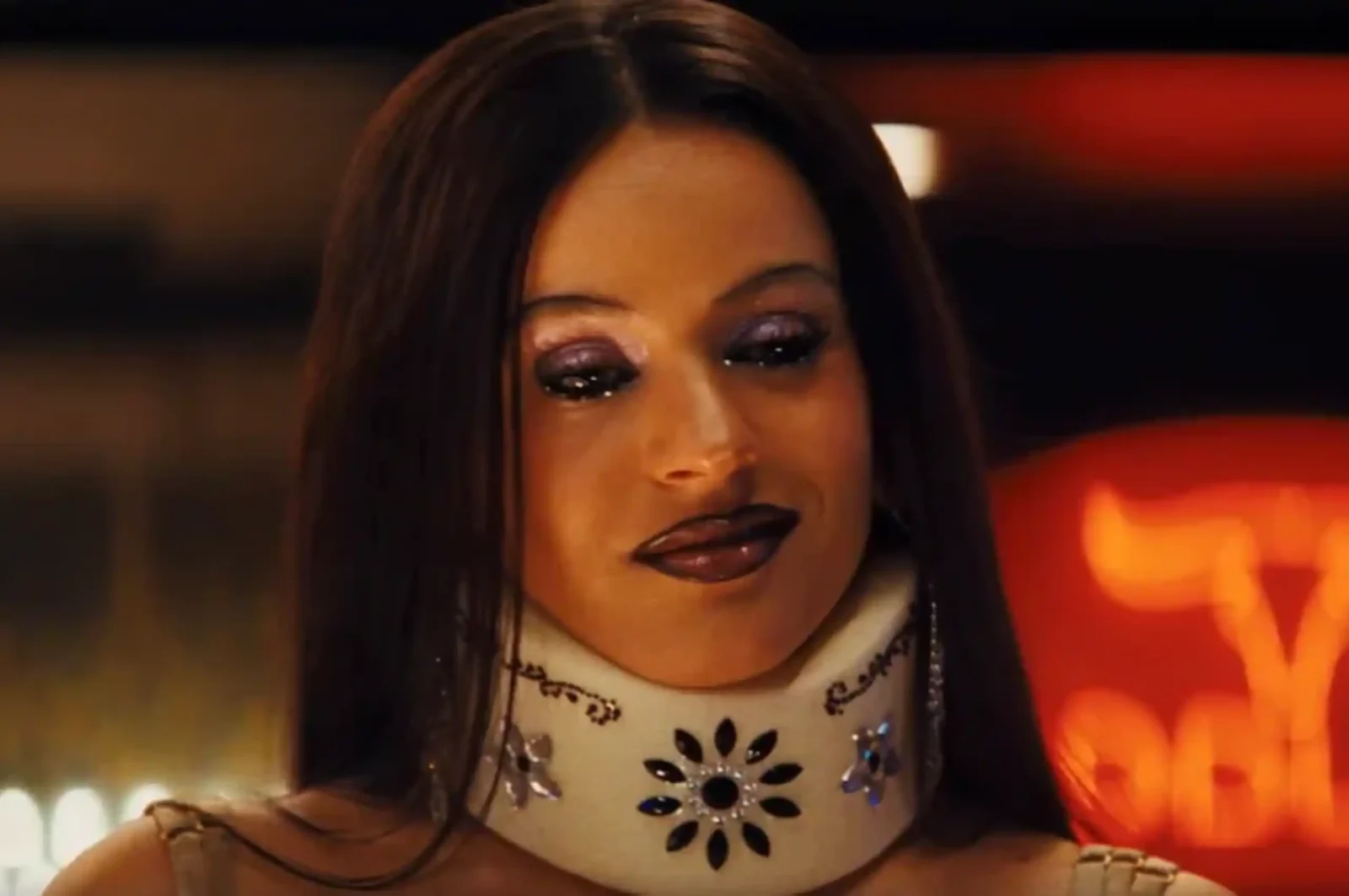
If there’s one good thing to come out of the third instalment of this show, it’s Rosalía’s getup, an assured hit come time for October’s costume festivities.
19. Jules’ bicycle
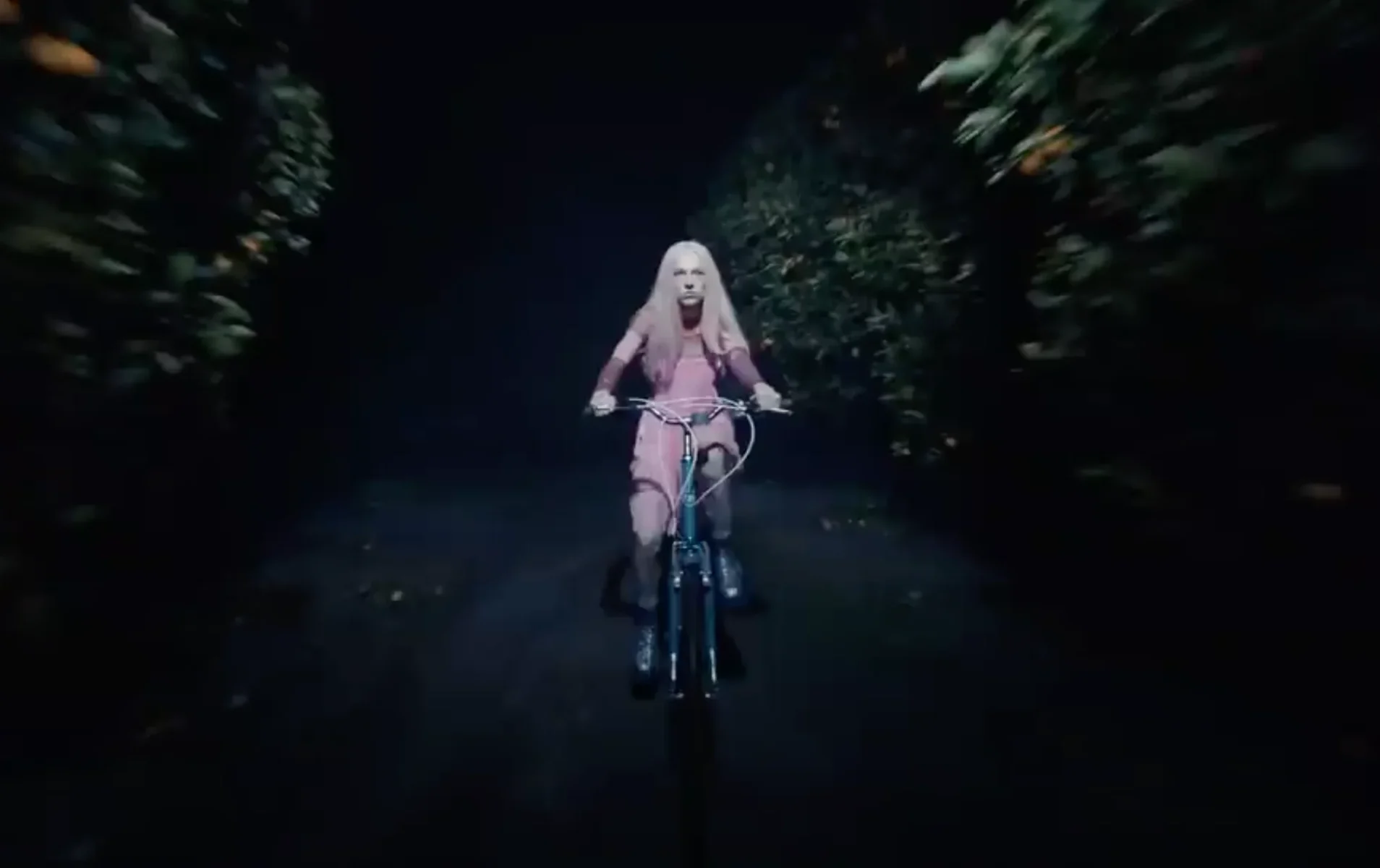
Our sustainable queen, even when wheeling through the streets of American suburbia to meet an internet stranger more than twice her age.
18. Vape girl
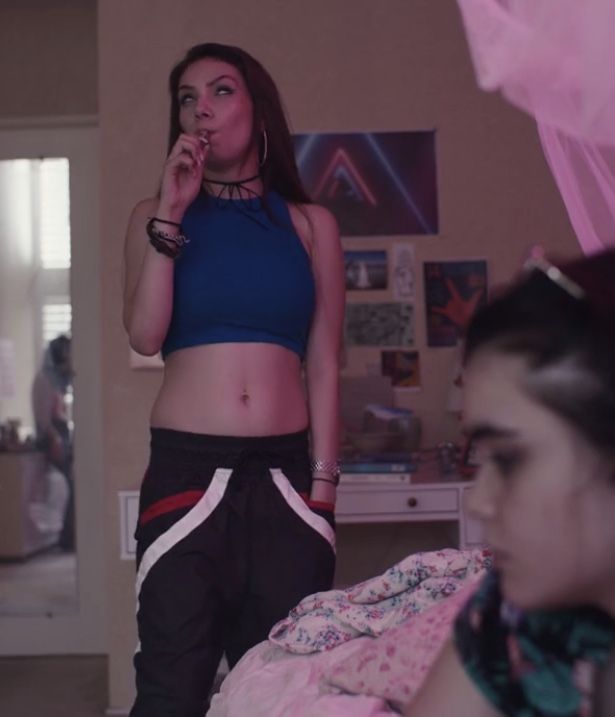
Has there ever, in the history of teen drama, been a funnier comedic relief side character known for her nicotine-fueled affliction than her character name?
17. The rotating room scene
Upon first watching Euphoria, this specific scene was a major turning point (excuse the pun). It became clear that the show’s depiction of the troubles of its characters far beyond exceeded the execution of any of its predecessors – thoughtful, thorough, and genre-defying.
16. The Halloween costumes
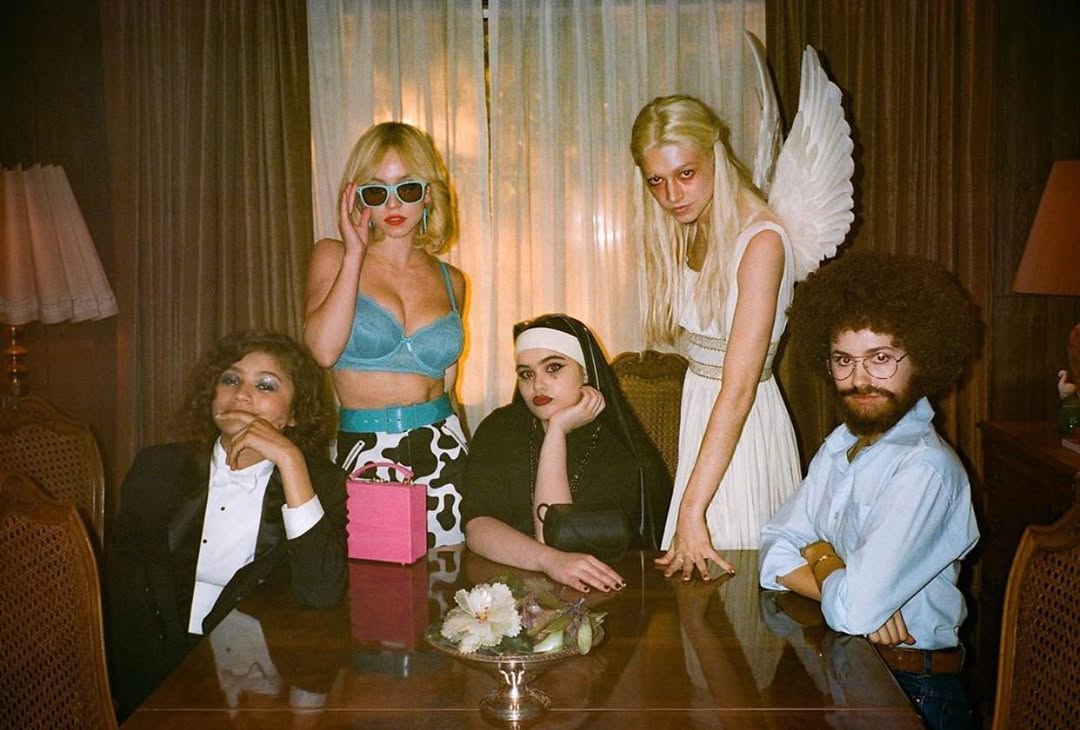
Here is where Euphoria feels at its strongest: in its deeply driven character study in balance with precise aesthetic execution. Each costume is a representation of its wearer, and even reveals slightly more than what was probably desired: Rue and Joules as Baz Luhrmann Romeo + Juliet, star-crossed lovers ill-fated by their initials; Cassie as Alabama Whitman, the bubbly and physically appealing star of True Romance, and she knows it; Kat as the mute Thana from Ms.45 whose less-than-desirable experience with men leads her to murdering them in cold blood; Lexi as the beloved, chill painter Bob Ross, which, as her mother points out, is a costume that defies the Mean Girls rule of Halloween dressing; Maddy as Iris from Taxi Driver, an objectified yet controlling character; and Nate as a prisoner, practically putting a middle finger up to all of those who were praying for his downfall following his physical altercation with Maddy.
15. Rue’s manic detective episode
Rue’s diagnosis is never crystal clear. Afterall, the beauty of Euphoria lies in its ambivalent nature. But assuming she suffered from symptoms of bipolar disorder is most likely a safe bet, especially after the detective episode where her manic and obsessive tendencies lend themselves to a 1940s golden age of film noir segment.
14. The humour
Euphoria is practically synonymous with heavy subjects. From addiction to all kinds of relational mistreatment and abuse, the show’s recurring themes are dark, and often hard to digest. And yet, wedged in between those moments, is incredibly light writing that brings out genuine laughs from its audience. An honourable mention which could contend for perhaps the best interaction of the entire show is between Cal, Fez, Ashtray, and Faye. After his son, Nate, was beaten by Fez, Cal shows up at his house in hopes of retrieving the tape he filmed during his time with Jules. Fez, ignorant to Cal and Jules’ relationship, is confused. “You’re confused. I’m fucking confused, bro.” Absolute banger.
13. Colman Domingo’s half season episode
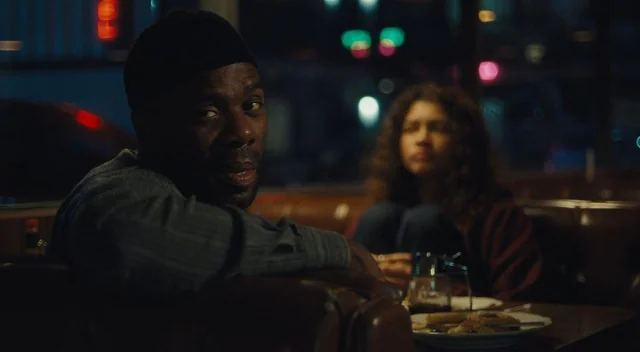
After Rules’ (Rue and Jules’ ship name) abrupt separation at the end of Season 1, Levinson decided to do something very few shows do – a set of in-between episodes that served as a bridge between the season past and the one to come. One was Rue-fronted, while the other, co-written by Schafer herself, saw Jules in the spotlight. Both saw the respective characters confronted by therapists – more traditionally for Jules, while Rue was at the diner with Ali. Embodied by Colman Domingo, the former drug addict now devoted to helping others in peril, this hour-or-so episode is simple in its set up: a single shot focusing on two characters sharing a conversation over coffee and pancakes. It was the nature of that very conversation that kept viewers glued to their screen for its entire runtime.
12. Rue binging Love Island
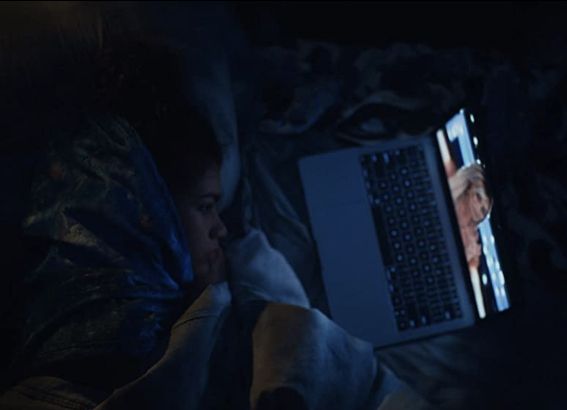
Sometimes depression manifests itself in behaviours described as “woe is me.” Sometimes it manifests itself as locking yourself in your room, binging God knows how many hours of a cheap reality TV show, forgetting to pay a visit to the bathroom.
11. Rue, when was this?
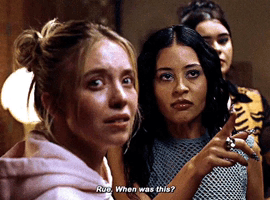
There could be a whole list dedicated to Maddy’s one liners, but today, this one takes the cake.
10. Its grasp of actual teenage drama
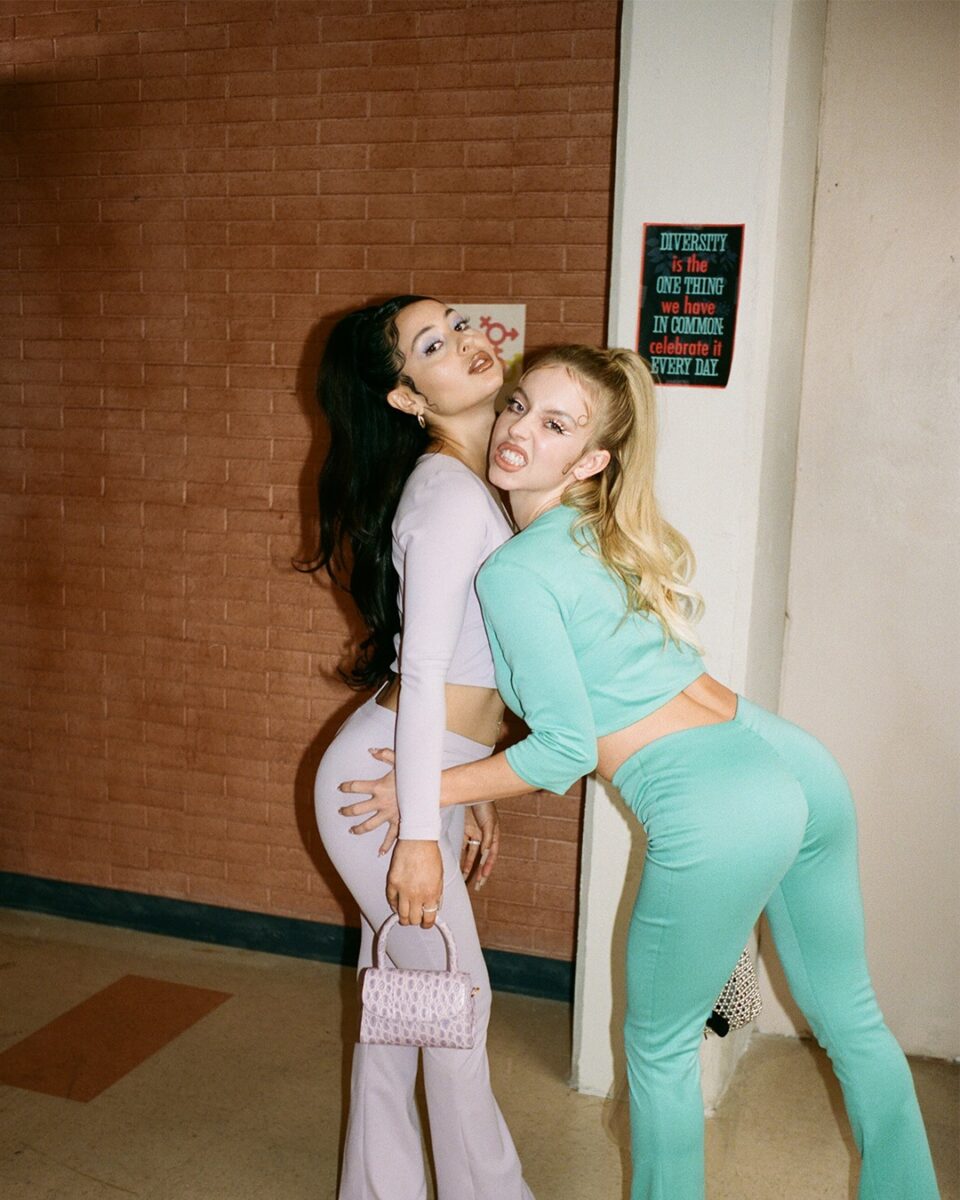
The issue with teen dramas is that it caters to teenagers. And because it caters to such a young audience, its subject matter has to be tame. A boy must overcome his shy nature to ask his crush out to prom. A girl betrays her family’s high-standing class to hang out with the public school kids. Despite one of Euphoria’s early criticisms being that it was an unrealistic portrayal of sixteen year olds, I’d argue that it was one of the most accurate depictions of teenagehood. Dramatised, yes, but accurate.
9. And of queer relationships and identities
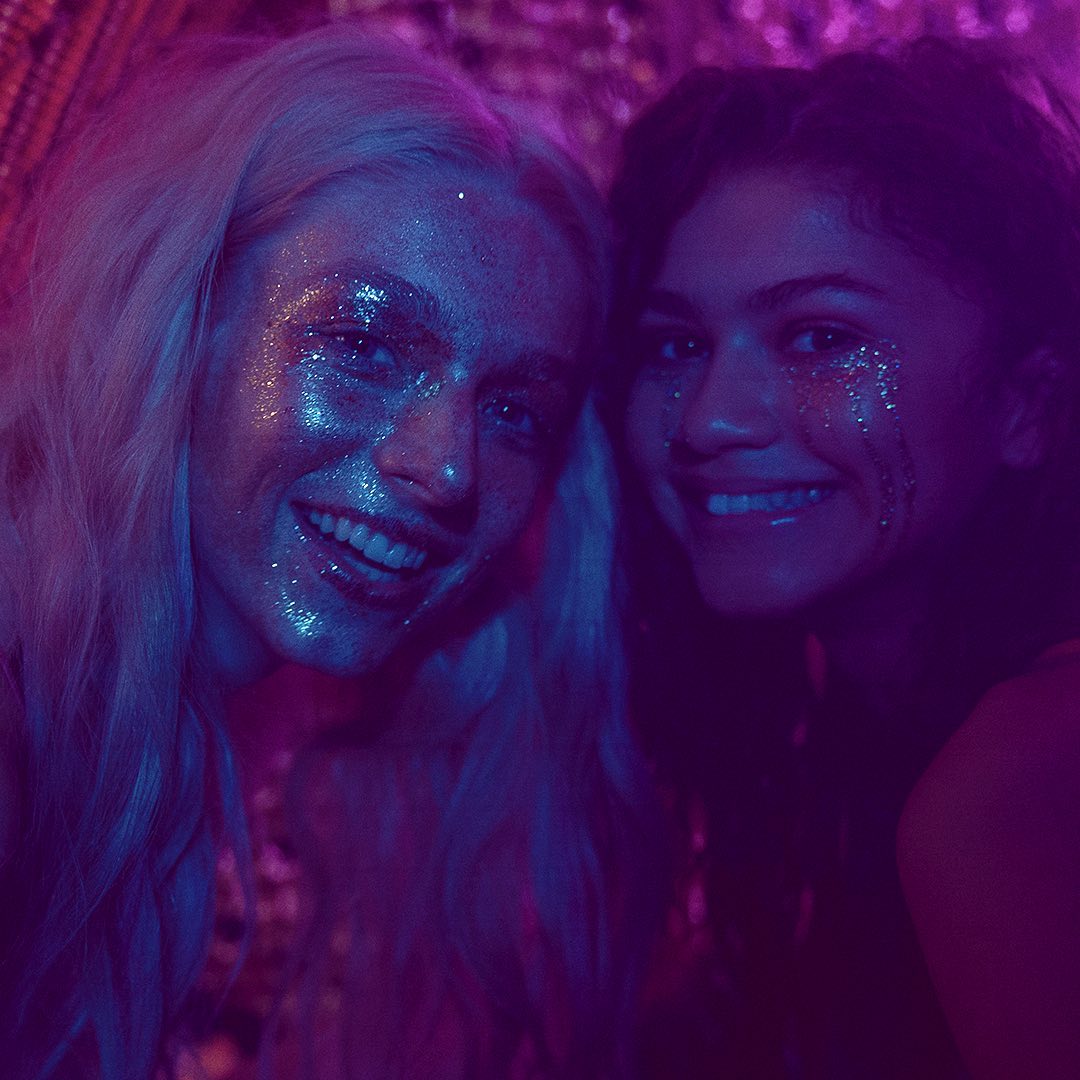
Where almost every other queer teenage show starts, is at the coming out story, and that not only becomes the main plotline, but also the main identifier of its protagonist. Jules, on the other hand, is a trans girl whose relationship with Rue (the first with another girl, as far as the viewer knows) is never stated, nor questioned. It just is.
8. The makeup
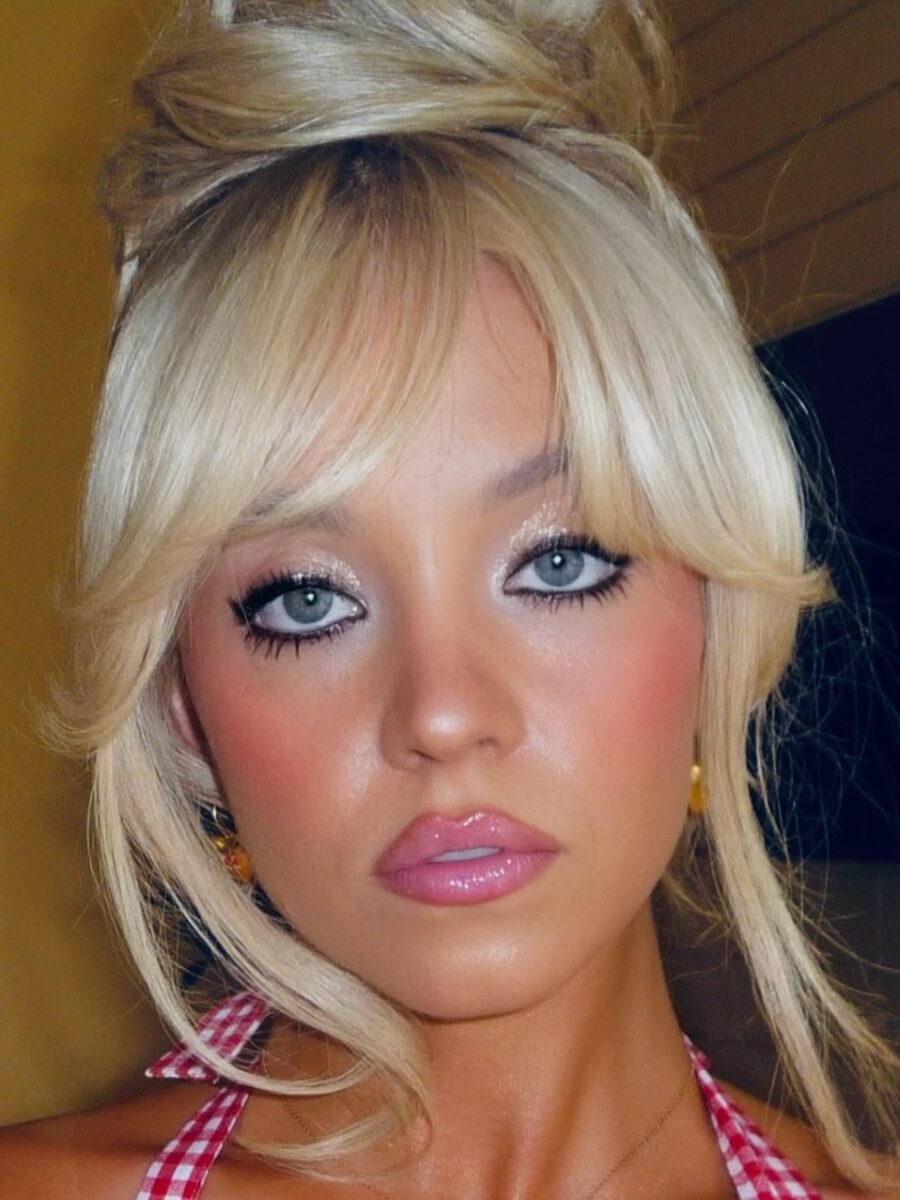
Which you can read all about here🙂
7. “All For Us” in the Season 1 finale
There’s lots to be said about Season 3’s clear loss of quality material, but it’s biggest lost? Labrinth. Having tailor-made music for the first two, his pull-and-tug beats have not only followed, but defined storylines, moods, and character arcs. One of the most stark examples? “All For Us” performed by Rue in the first season’s finale, right after relapsing.
6. Fez’ grandma’s backstory
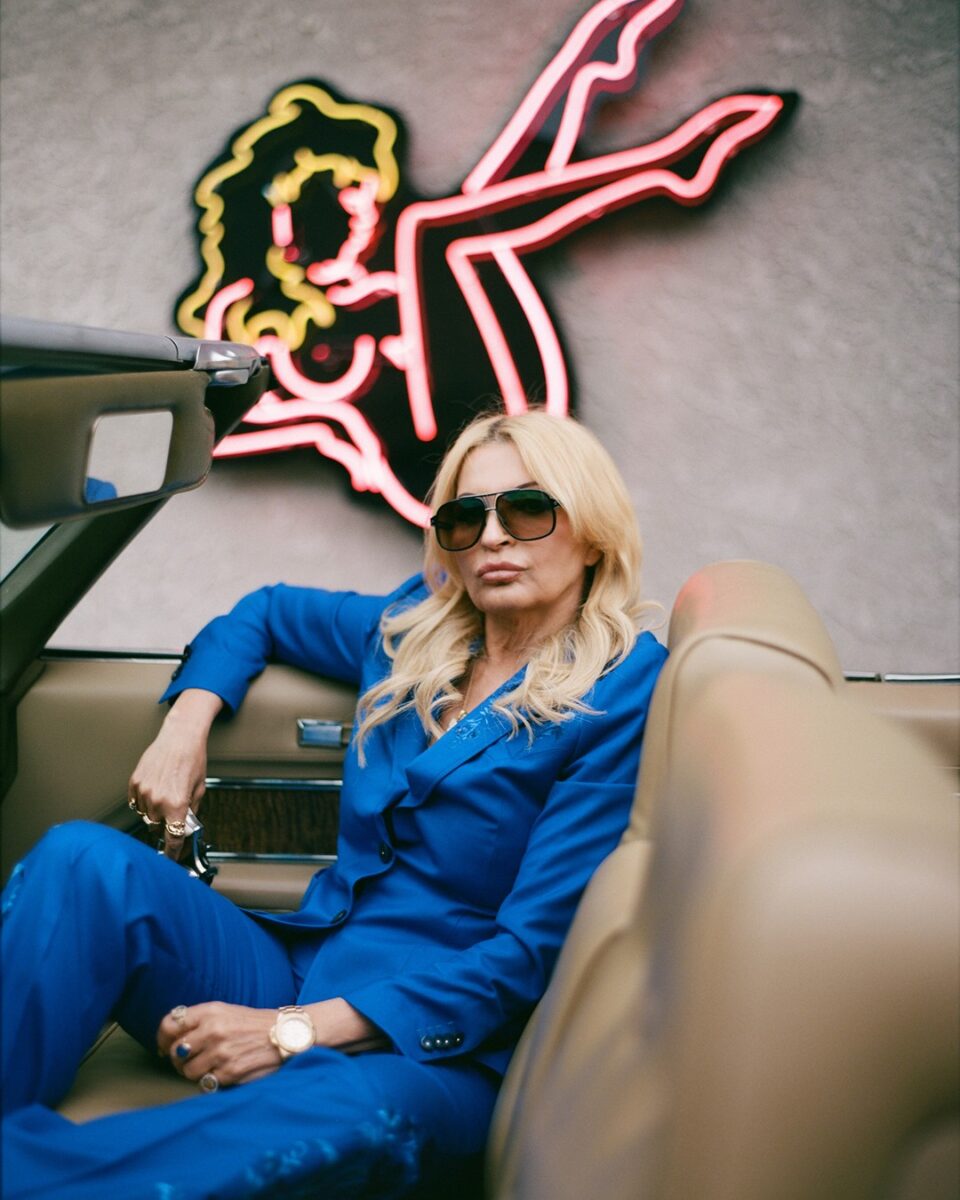
Season 1’s backstories are a signature element of the Euphoria-verse, and to be fair to Levinson, we did see him bringing one back for Alamo as well as Ali this season. But the one that tops it all, is Season 2’s debut which portrays Fez and Ashtray’s grandma’s backstory, perfectly encapsulated by Rue’s narration: “Fezco’s grandma was a motherfuckin’ g.”
5. The carnival episode
Just like the rotating scene, the carnival episode was a testament to Levinson’s vision – one that pushed boundaries and landed securely on both feet. From the single continuous shot, to the infectious funfair music, to Maddy clapping for the Jacobs’ winning chilli, it comes as no surprise that this episode is Season 1’s highest rated episode on IMDb.
4. The tweet mania
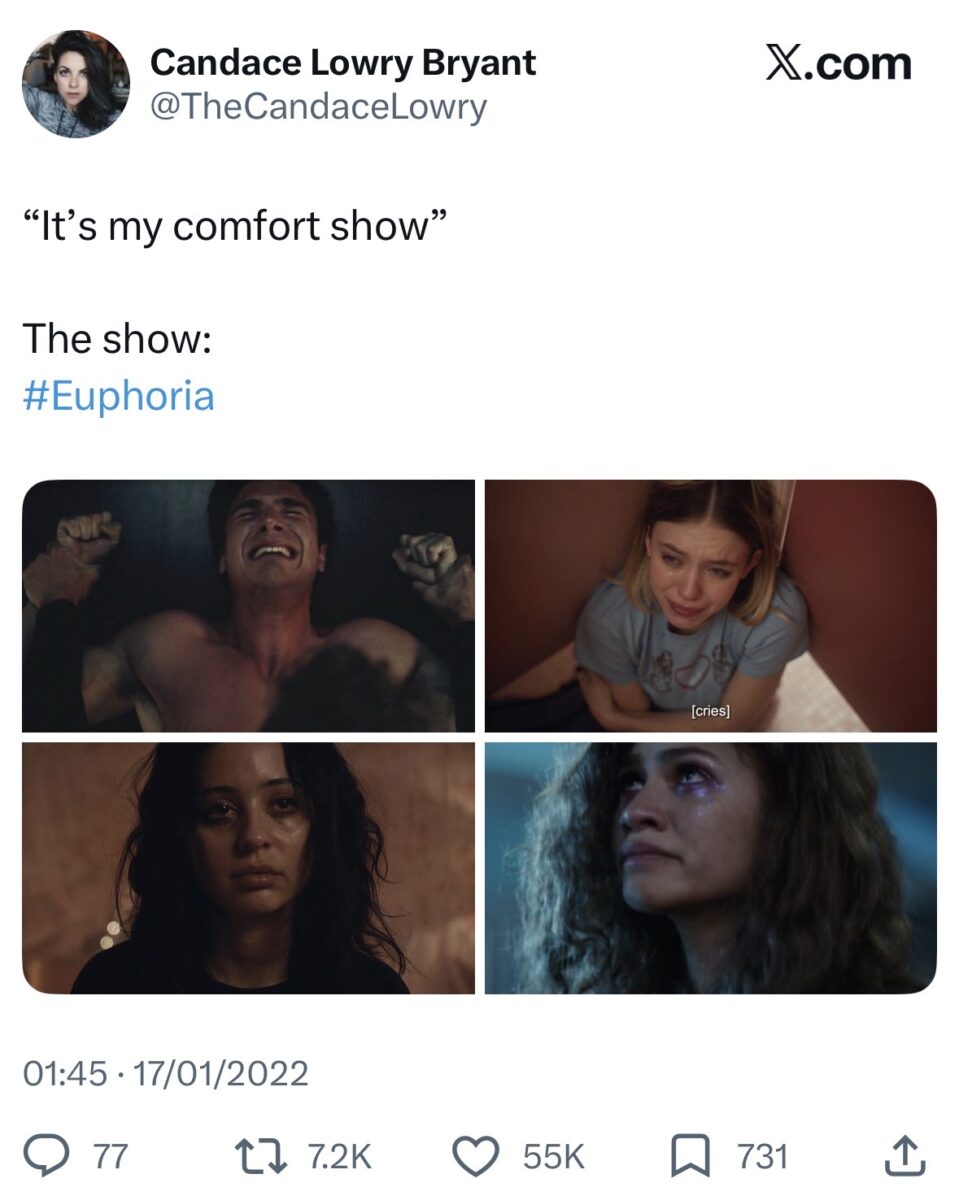
What’s an Euphoria watch party without a little post-episode Twitter scroll? Afterall, it did break records for the most tweeted-about show of the decade.
3. Rue and Jules’ drug-fueled one-on-one
If there’s one moment that feels truly euphoric, it’s this one.
2. I need a hero and his name is Nate Jacobs
Picture this: three years after the first season, you finally receive the next instalment of Euphoria. But unlike its first chapter, this one feels lackluster and slow in its pursuit of a plotline. The only advancement that’s taken place is Cassie’s character getting with her best friend’s boyfriend Nate – which you hate. There’s Lexi’s play that’s building up to something, but you can admit it’s a cheap plotline, essentially rewriting what’s already happened last time the characters were together on screen. But then, there comes our hero, AKA Ethan who, in his tighty-whities and surrounded by his gym bros, plays the part of Nate, homoerotically dancing to Bonnie Tyler’s “Holding Out For A Hero.” The crowd is roaring, and so are you.
1. Season 1’s cinematography
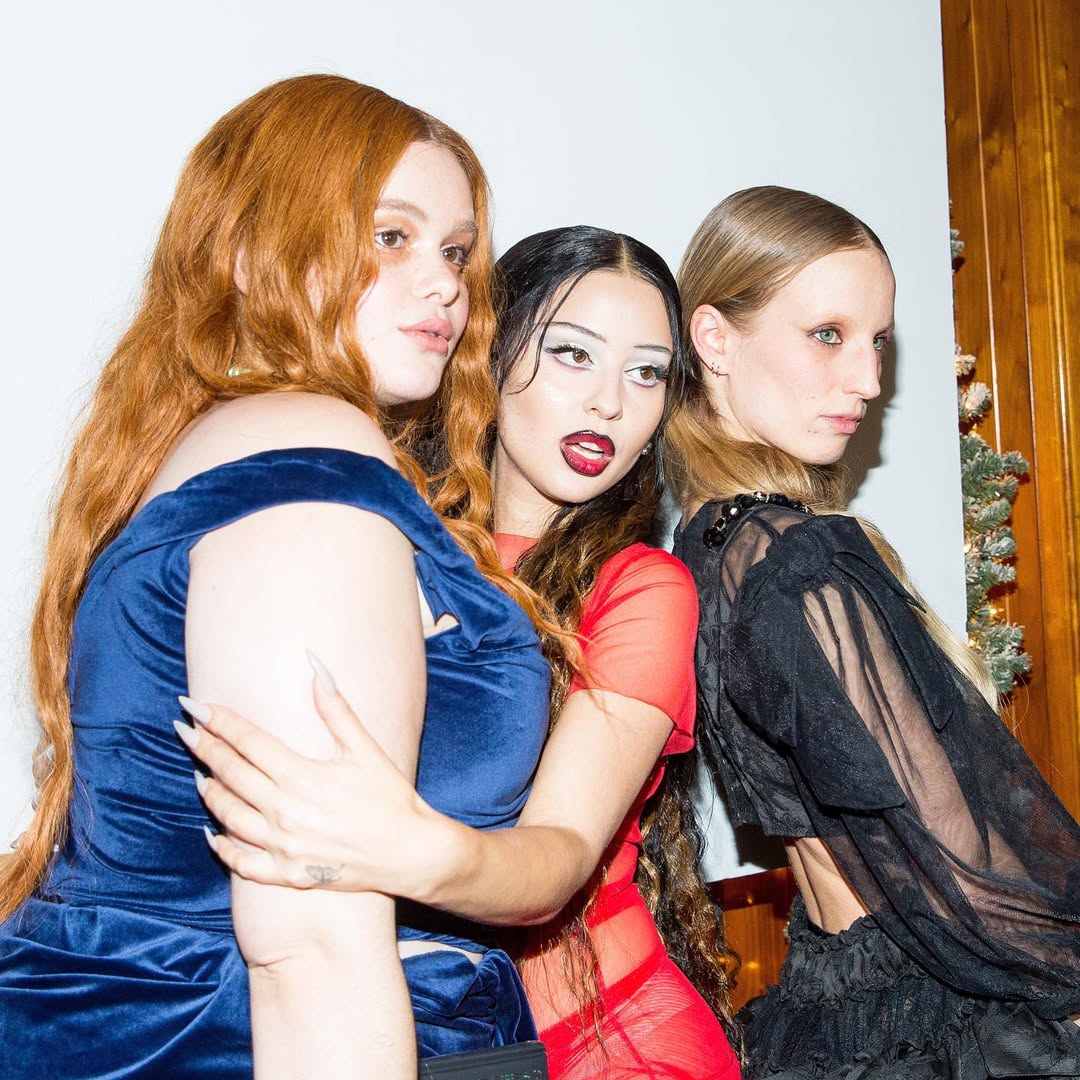
Shoutout Petra Collins:)
Words — Juliette Eleuterio
Images courtesy of HBO/Euphoria